
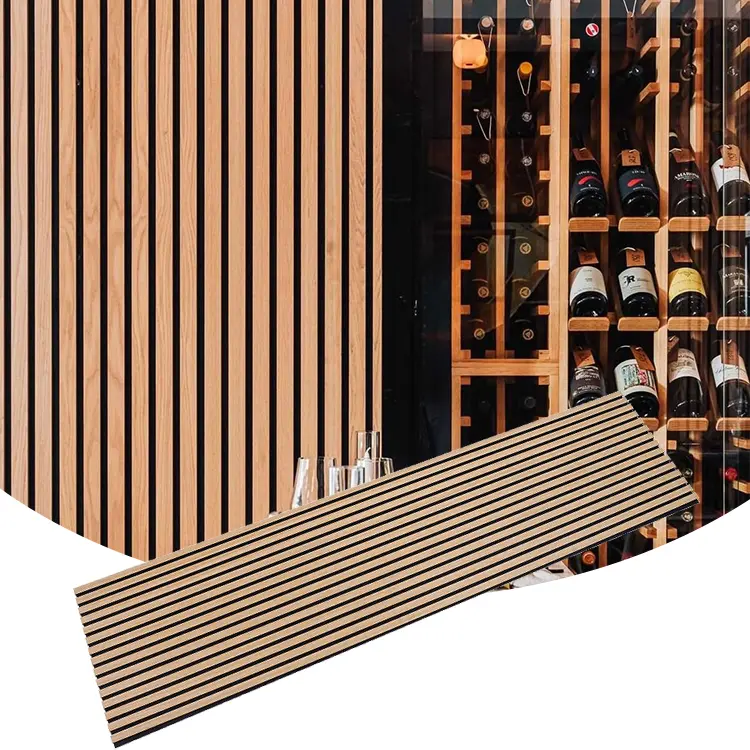
WPC Wall Panel Design Trends for Residential and Commercial Spaces in Western Countries
Table of Contents
- Introduction: How WPC Wall Panels Became a Standard Choice in Western Architecture
- Why Western Markets Demand More Than Visual Appeal
- Wood-Look WPC Wall Panels: The Cornerstone of Western Demand
- Linear and Fluted Panel Designs: Structure and Architectural Rhythm
- Textured and 3D WPC Panels: Subtle Depth for Commercial Interiors
- Stone, Concrete, and Cement-Inspired Designs
- Solid Color Panels: Practical Solutions for Volume Projects
- Sustainability and Long-Term Value in Western Markets
- The Role of Experienced Manufacturers
- Conclusion: Why Design Longevity Matters More Than Trends
1. Introduction: How WPC Wall Panels Became a Standard Choice in Western Architecture
In Europe and North America, WPC wall panels are no longer perceived as a niche or alternative product. Over the last several years, they have gradually entered the mainstream of architectural and interior design, appearing in private homes, apartments, hotels, offices, and retail environments.
This shift did not happen simply because Wpc Panels are waterproof or cost-effective. Instead, their growing acceptance is closely linked to improvements in surface design, pattern realism, and manufacturing consistency. As Western markets matured, buyers began to treat WPC wall panels as long-term architectural finishes rather than short-term decorative solutions.
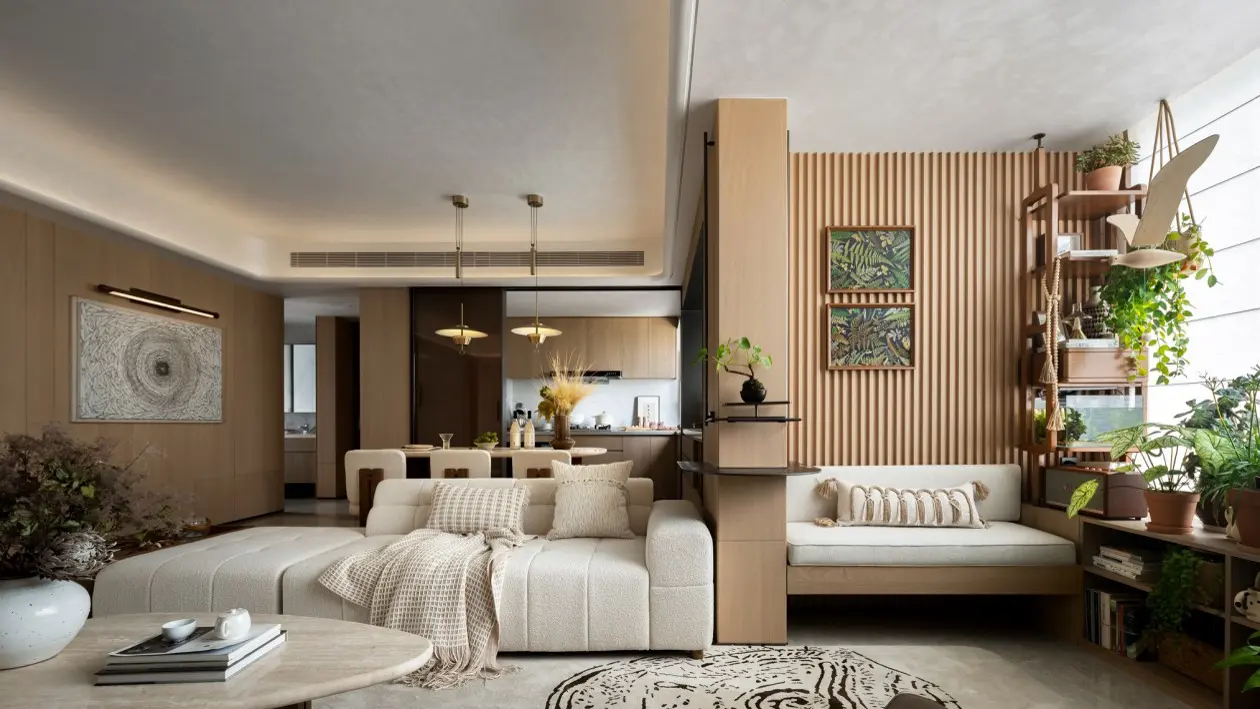
Today, surface pattern selection plays a decisive role in purchasing decisions. Designers, developers, and distributors evaluate not only how a panel looks in a catalog, but how it performs visually across large spaces and over extended periods of use. This article explores the most relevant WPC wall panel design trends for Western residential and commercial projects and explains why these patterns continue to succeed in real applications.
2. Why Western Markets Demand More Than Visual Appeal
Unlike fast-paced renovation markets, construction projects in Europe and North America typically involve longer planning cycles, stricter building standards, and higher expectations for durability. Wall panels are often installed with the assumption that they will remain in place for decades.
As a result, buyers focus on several critical factors:
- Long-term color stability under indoor lighting
- Resistance to surface wear and fading
- Consistency between different production batches
- Compatibility with various interior design styles
Patterns that appear overly decorative or trend-driven may perform well in showrooms but often fail to meet these long-term expectations. Western buyers tend to favor designs that age gracefully and maintain relevance over time.
3. Wood-Look WPC Wall Panels: The Cornerstone of Western Demand
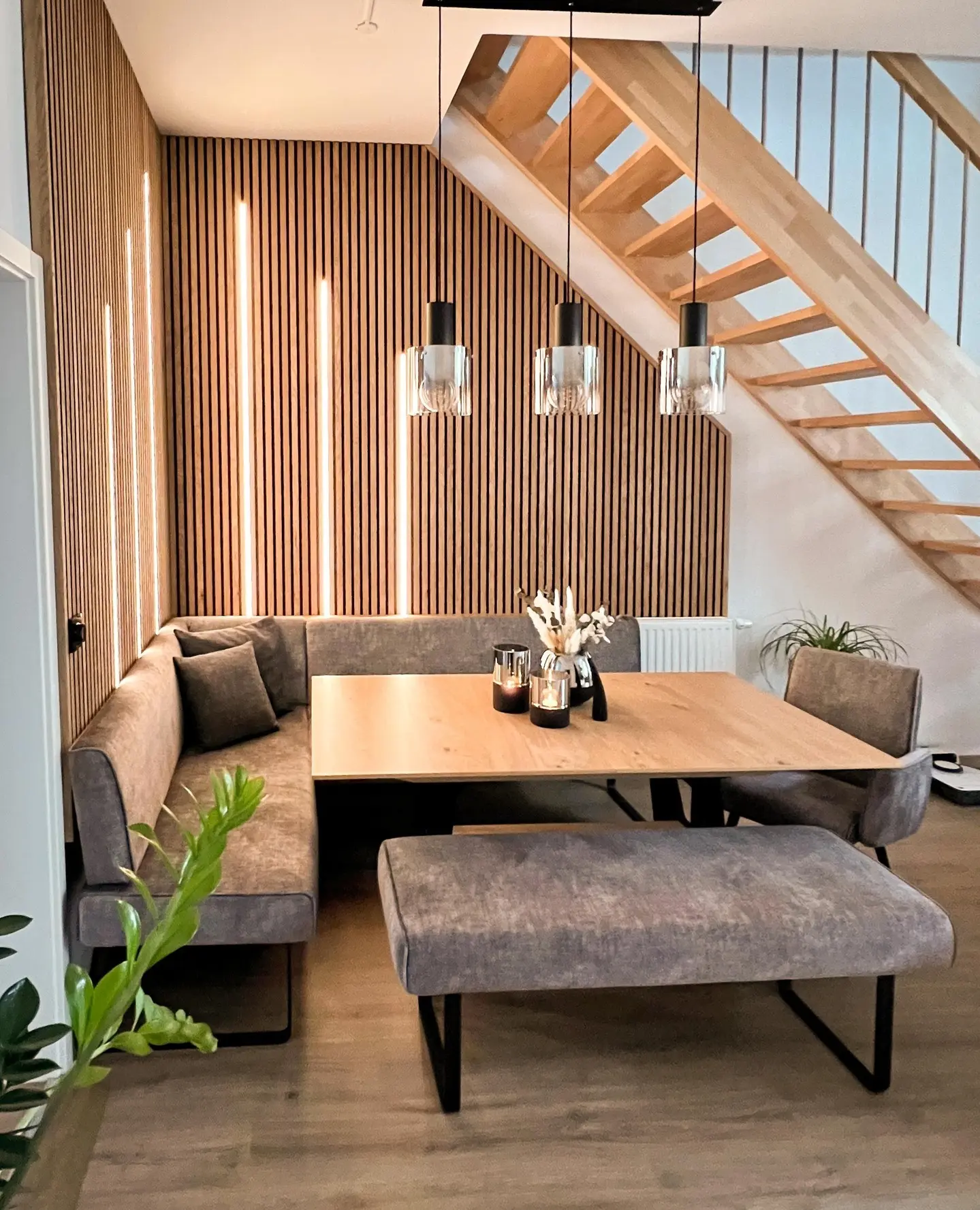
Wood-inspired WPC wall panels continue to represent the largest share of demand across Europe and North America.
Why natural wood effects remain dominant
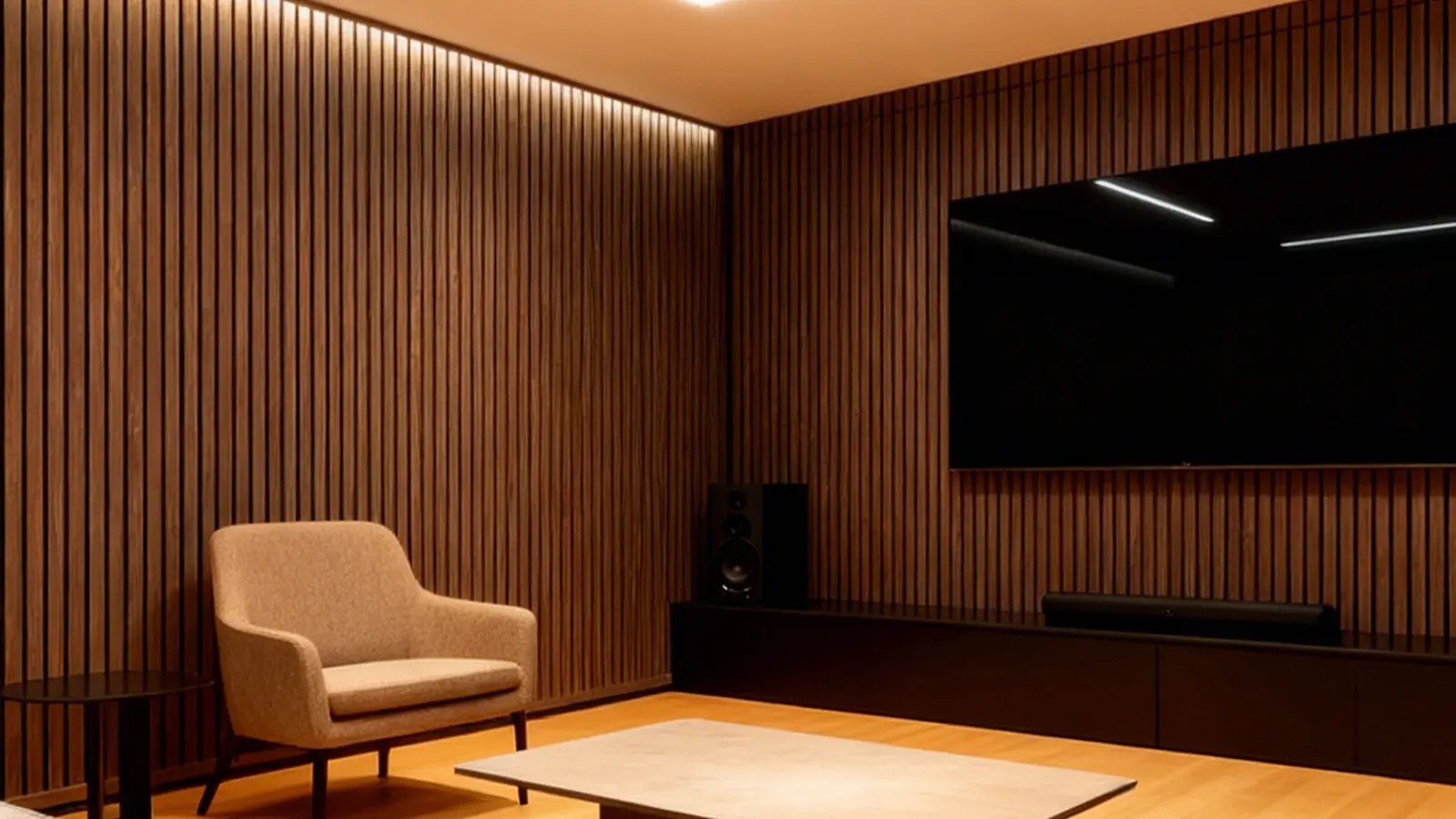
Wood textures resonate strongly with Western interior design traditions. They provide warmth, balance, and a sense of natural comfort while remaining adaptable to modern architectural concepts. Wood-look WPC panels are widely used in:
- Residential living rooms and bedrooms
- Apartments and condominiums
- Hospitality environments such as hotels and serviced apartments
- Office interiors and meeting spaces
The most requested finishes tend to be understated. Light oak, ash-inspired tones, neutral walnut shades, and soft mid-brown colors dominate specifications. Extremely dark woods or high-gloss surfaces are generally avoided, as they can feel heavy or artificial under interior lighting conditions.
Manufacturing requirements behind convincing wood patterns
From a factory perspective, producing a realistic wood-look WPC panel requires more than basic embossing. Successful products depend on:
- Sufficient embossing depth to create tactile realism
- Controlled grain repetition to avoid artificial patterns
- Matte or low-sheen finishes to reduce reflection
- Accurate color formulation and batch control
Western buyers quickly identify panels with shallow textures or repetitive grain layouts. For this reason, manufacturers serving these markets must invest in advanced extrusion and synchronized embossing systems.
4. Linear and Fluted Panel Designs: Structure and Architectural Rhythm
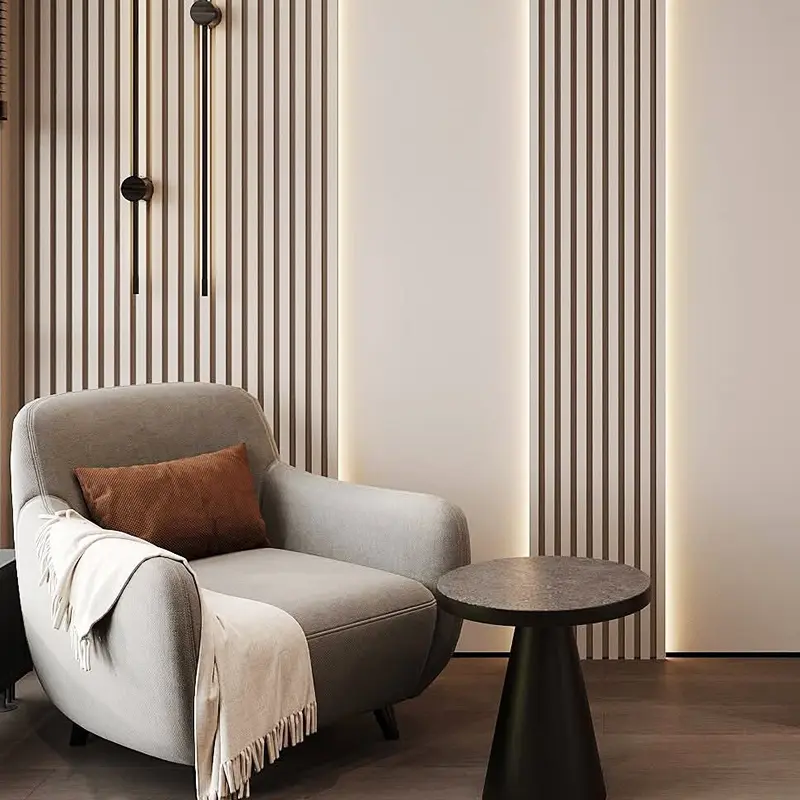
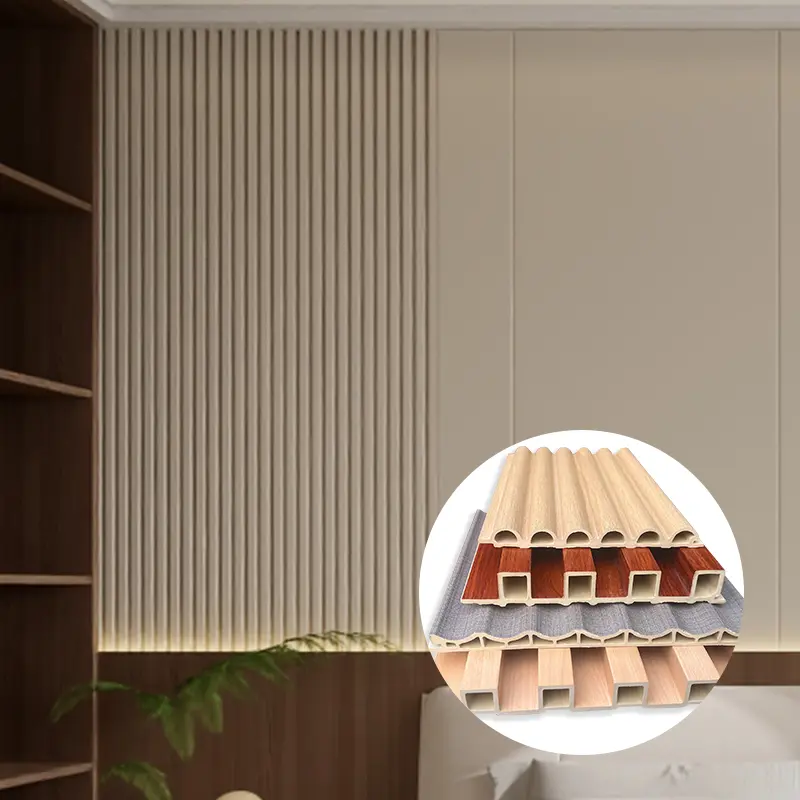
Linear and fluted WPC wall panels have become a defining element in contemporary Western interiors.
Popular applications
These panels are commonly specified for:
- Accent walls in living rooms
- Home offices and studies
- Hotel corridors and reception areas
- Commercial lobbies and shared spaces
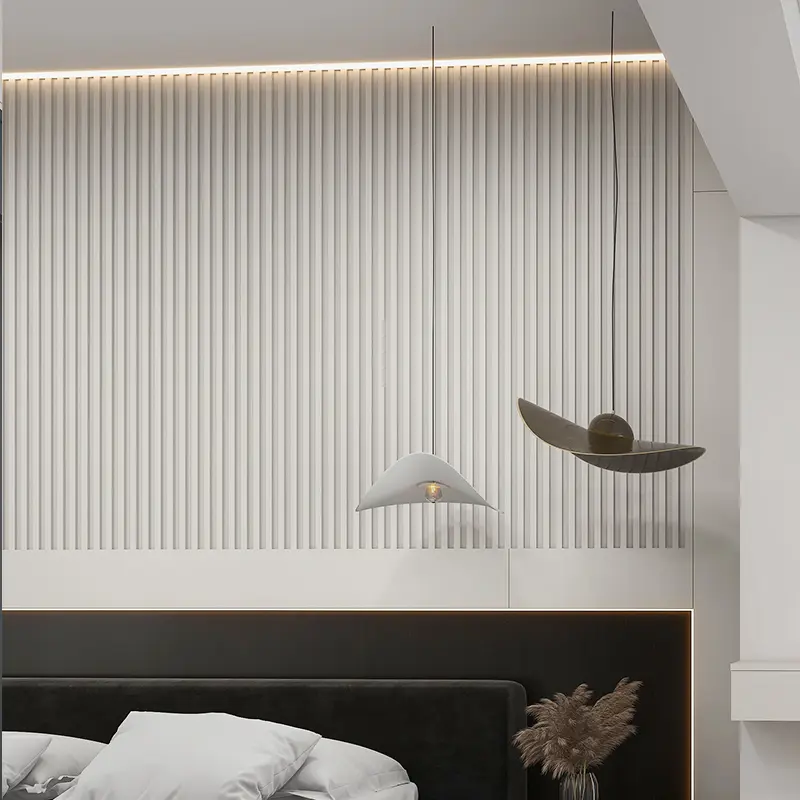
Vertical slatted designs are particularly popular because they visually enhance ceiling height and introduce a sense of order without overwhelming the space. Horizontal layouts are also used, especially in wider rooms where designers want to emphasize spatial width.
Precision as a key requirement
Linear panels demand a higher level of manufacturing accuracy than flat designs. Western installers expect:
- Uniform spacing between slats
- Straight, stable profiles after installation
- Clean and consistent edge finishing
Any deviation in dimensions can cause visible alignment issues, especially when panels are combined with lighting or modular systems. As a result, factories must maintain strict process control throughout extrusion, cooling, and cutting stages.
5. Textured and 3D WPC Panels: Subtle Depth for Commercial Interiors
Three-dimensional WPC wall panels are increasingly used in Western commercial and hospitality projects, where visual identity and spatial experience are important.
Typical applications include
- Corporate headquarters
- Hotel lobbies and lounge areas
- Retail flagship stores
- Creative studios and showrooms
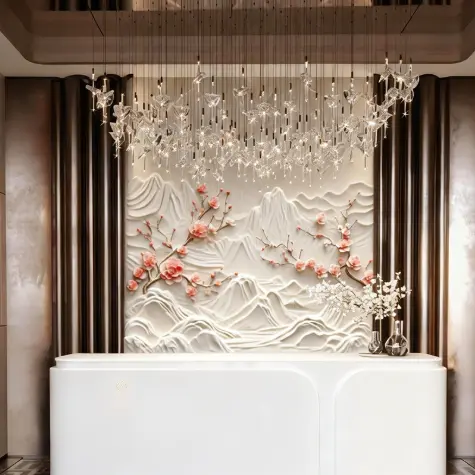
Unlike markets that favor bold or dramatic reliefs, Western designers generally prefer restrained 3D effects. Soft wave patterns, layered surfaces, and gently sculpted textures provide depth while maintaining visual balance.
Technical challenges in production
Producing stable 3D panels requires:
- Uniform raw material formulation
- Precisely engineered molds
- Even pressure distribution during extrusion
Without proper control, panels may suffer from surface inconsistency or installation difficulties. For Western commercial projects, reliability and repeatability are more important than experimental design.
6. Stone, Concrete, and Cement-Inspired Designs
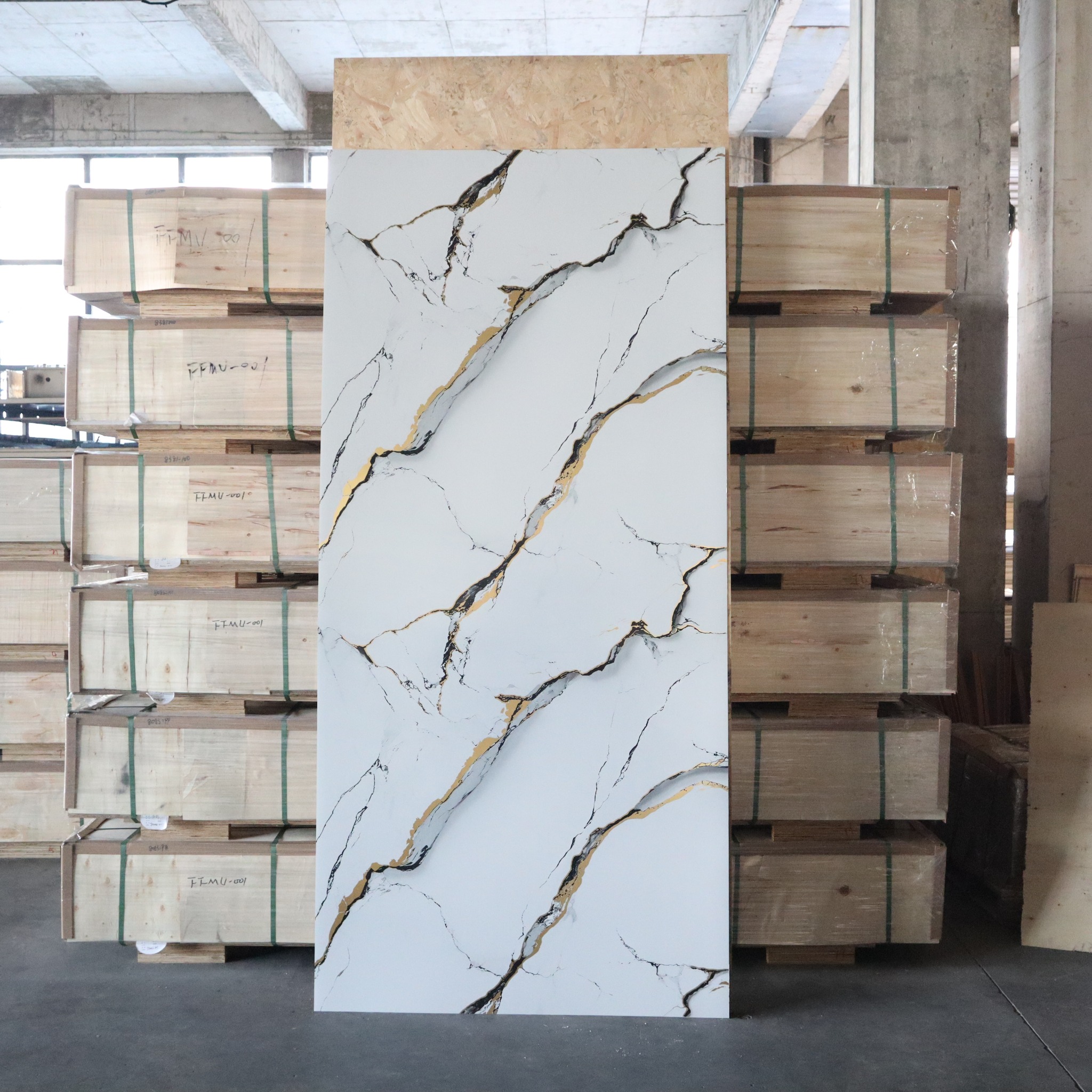
Stone-effect and concrete-look WPC wall panels have gained strong acceptance in modern Western interiors.
Why these designs perform well
Natural stone and concrete convey a modern, minimalist aesthetic but often involve high costs, complex installation, and long-term maintenance. WPC alternatives offer:
- Reduced weight and easier handling
- Faster installation timelines
- Resistance to cracking and moisture absorption
- Consistent appearance across large surfaces
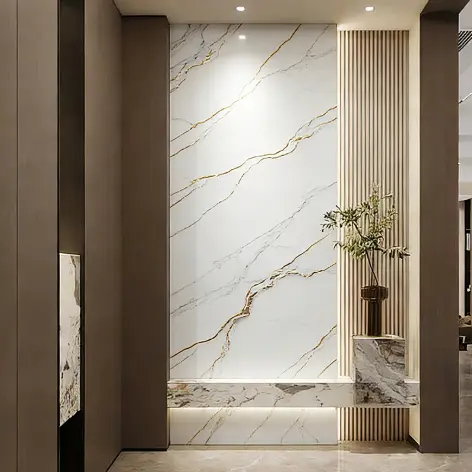
Common finishes include light cement grey, soft concrete textures, and subtle marble-inspired veining. These patterns are frequently used in bathrooms, kitchens, offices, and contemporary residential developments.
7. Solid Color Panels: Practical Solutions for Volume Projects
Plain-color WPC wall panels play a critical role in large-scale Western projects.
They are widely used in:
- Rental housing
- Student accommodation
- Commercial refurbishments
- Public and semi-public buildings
Neutral tones such as warm white, light grey, beige, and muted charcoal dominate specifications. These colors provide flexibility, allowing interiors to evolve through furniture and décor changes without replacing wall finishes.
From a manufacturing standpoint, solid colors require strict pigment control. Professional factories maintain archived samples and detailed batch records to ensure consistent results across future orders.
8. Sustainability and Long-Term Value in Western Markets
Sustainability considerations increasingly influence material selection in Europe and North America. Buyers value WPC panels not only for their durability, but also for their efficient use of resources and long service life.
Patterns that remain visually relevant over time help reduce renovation frequency and material waste. As a result, understated and natural designs align well with sustainability-driven purchasing decisions.
9. The Role of Experienced Manufacturers
Western buyers increasingly prefer to work directly with manufacturers who understand regional expectations.
Experienced factories provide:
- Stable production capacity
- Custom pattern and color development
- Technical documentation support
- Reliable quality inspection processes
- Export-ready packaging and logistics planning
This level of cooperation reduces risk for distributors, contractors, and developers, ensuring consistent outcomes across projects.
10. Conclusion: Why Design Longevity Matters More Than Trends
In Western countries, WPC wall panel design success is defined by balance rather than excess. Patterns that integrate naturally into architectural spaces, maintain visual stability, and perform reliably over time continue to dominate the market.
Whether wood-look, linear, stone-inspired, or minimalist, the most successful designs are supported by manufacturing precision and long-term thinking. For suppliers and buyers alike, understanding these principles is essential to sustainable growth in Western construction markets.