

How Acoustic Wall Panels Transform Indoor Sound Environments
Table of Contents
What Makes Acoustic Panels Unique
The Mechanics of Sound Control
Why Global Buyers Source Internationally
How to Choose the Best Acoustic Panels
Future Developments in Acoustic Solutions
Sound plays a critical role in shaping how people experience a space. In many modern buildings, however, noise control is often overlooked during the design phase. As a result, issues such as echo, speech interference, and persistent background noise become common challenges that affect daily operations and user satisfaction.
With the widespread adoption of open-plan layouts, high ceilings, and minimalist interiors, sound reflection has become more pronounced than ever. Materials such as glass, concrete, and metal—while visually appealing—tend to amplify acoustic problems rather than solve them.
This is why acoustic wall panels have become an essential component in contemporary architecture. They offer a practical, scalable, and aesthetically flexible solution for managing indoor sound environments.
In this article, we will explore how Acoustic Panels work, their advantages, real-world applications, and how to select the right solution for different projects.
What Makes Acoustic Panels Unique
Unlike conventional Building Materials,acoustic panels are specifically engineered to influence sound behavior within a space. Their primary function is to control noise levels, improve sound clarity, and create a more comfortable auditory environment.
Material Composition
A standard acoustic panel is composed of multiple functional layers:
- Absorptive Core: Typically made from fiberglass, mineral wool, or recycled polyester (PET), this layer captures and dissipates sound energy
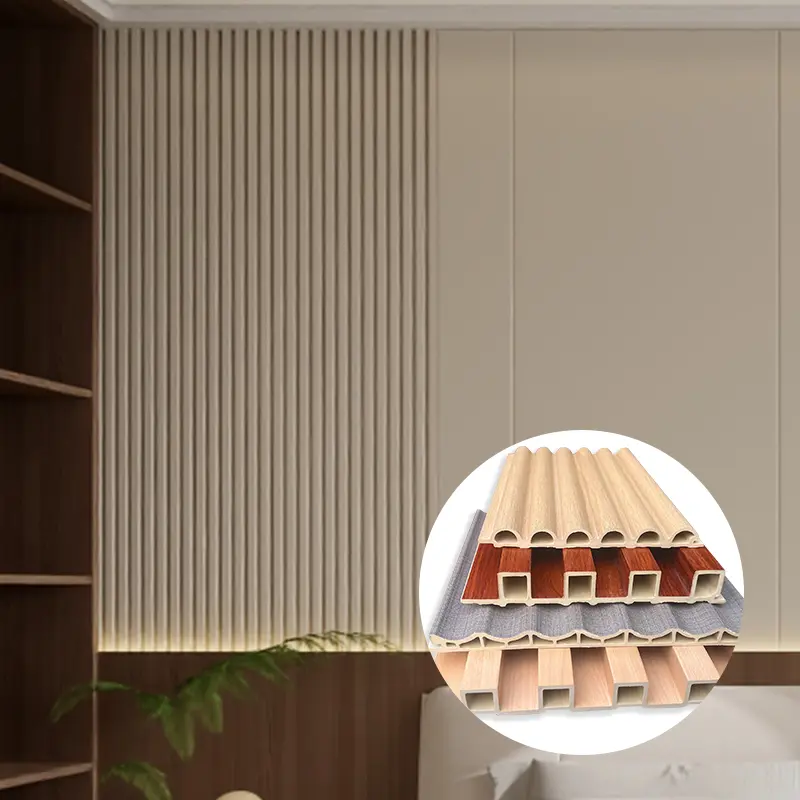
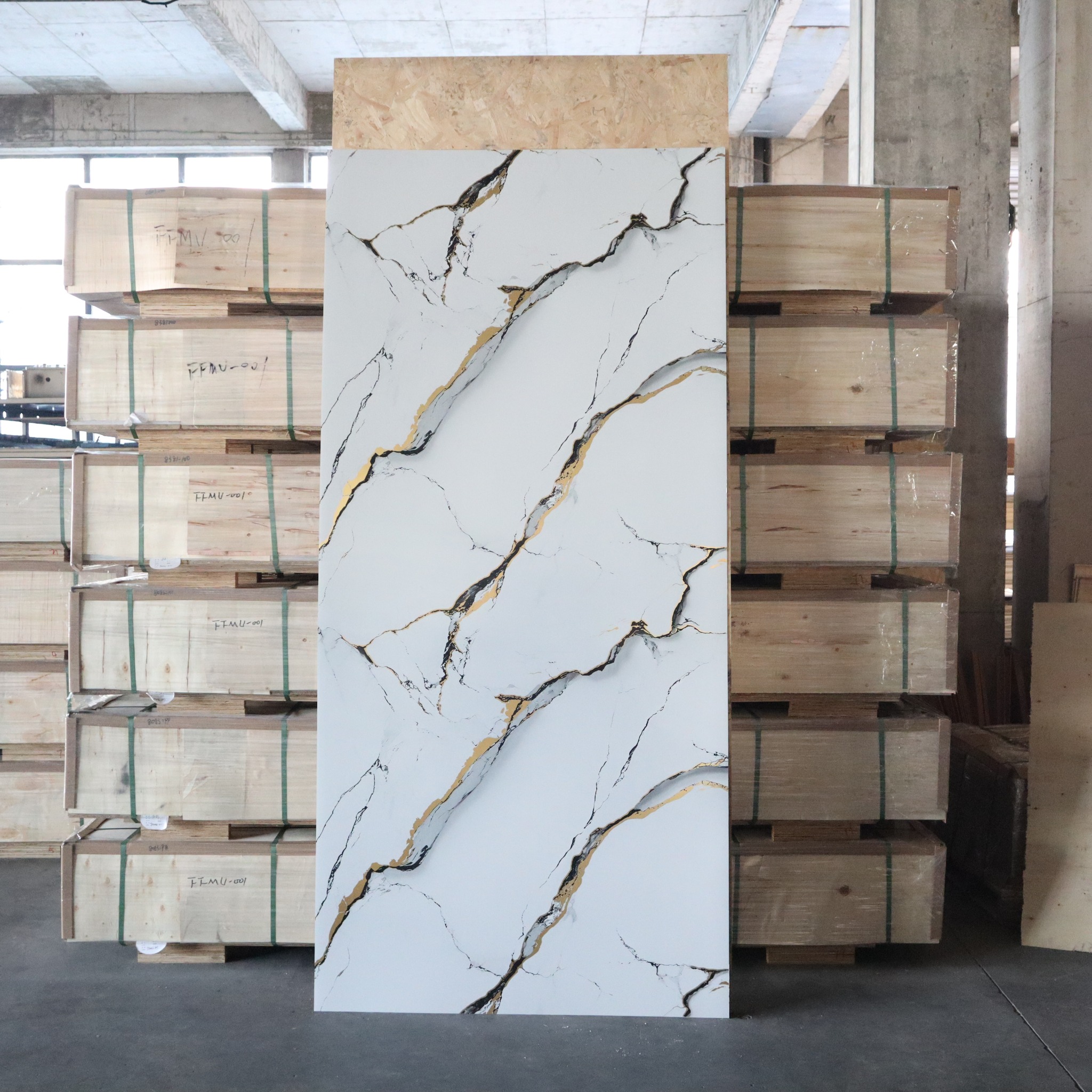
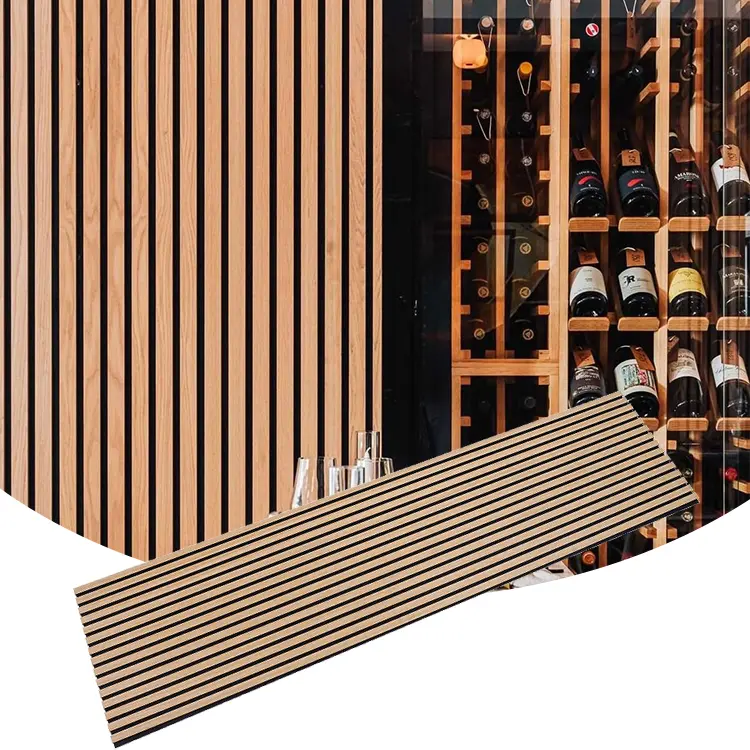
- Decorative Surface: Fabric coverings, wood veneers, or textured finishes that allow integration with interior design
- Support Layer: A rigid backing that provides structural stability and simplifies installation
The combination of these elements allows acoustic panels to achieve both performance and visual appeal, making them suitable for a wide range of applications.
Types of Acoustic Panels
Depending on project requirements, acoustic panels are available in various forms:
- Wall-mounted panels
- Ceiling baffles and clouds
- Freestanding partitions
- Decorative 3D acoustic tiles
Each type serves a specific purpose in controlling sound within different spatial configurations.
The Mechanics of Sound Control
Why Noise Becomes a Problem
In enclosed spaces, sound waves travel freely until they encounter a surface. When they hit hard materials, they reflect back into the room instead of being absorbed. Over time, these reflections overlap, leading to:
- Echo
- Reverberation buildup
- Increased ambient noise levels
This can make conversations difficult to understand and create an uncomfortable environment.
How Panels Solve the Issue
Acoustic panels are designed with porous and fibrous structures that trap sound waves. As sound enters the panel, it loses energy through friction and is gradually converted into a negligible amount of heat.
This process significantly reduces the amount of sound that is reflected back into the room, resulting in a clearer and quieter environment.
Important Measurements
Understanding acoustic performance metrics is essential for selecting the right product:
- Noise Reduction Coefficient (NRC): Measures how much sound a material absorbs (0 to 1 scale)
- Sound Transmission Class (STC): Indicates how effectively a structure blocks sound between spaces
For most commercial applications, panels with an NRC of 0.7 or higher are recommended.
- Effective Noise Reduction
Acoustic panels significantly reduce unwanted noise by absorbing sound energy. This leads to a calmer and more controlled environment, especially in busy or high-traffic areas.
- Improved Communication
Clear sound transmission is essential in workplaces, classrooms, and public venues. By reducing echo and background noise, acoustic panels enhance speech intelligibility.
- Design Flexibility
Modern acoustic panels are available in a wide variety of styles, allowing designers to use them as decorative elements. Options include:
- Fabric-wrapped panels in custom colors
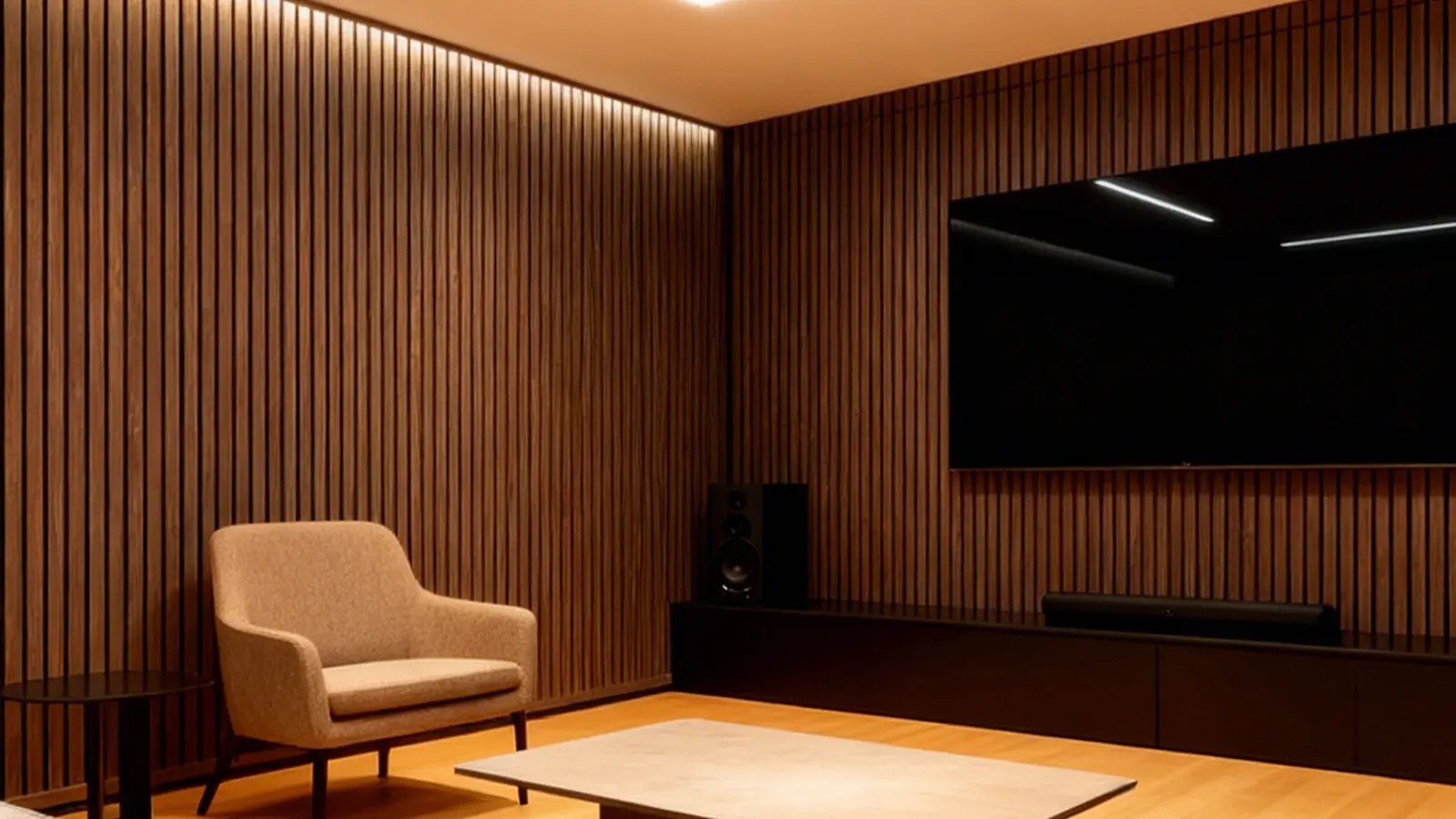
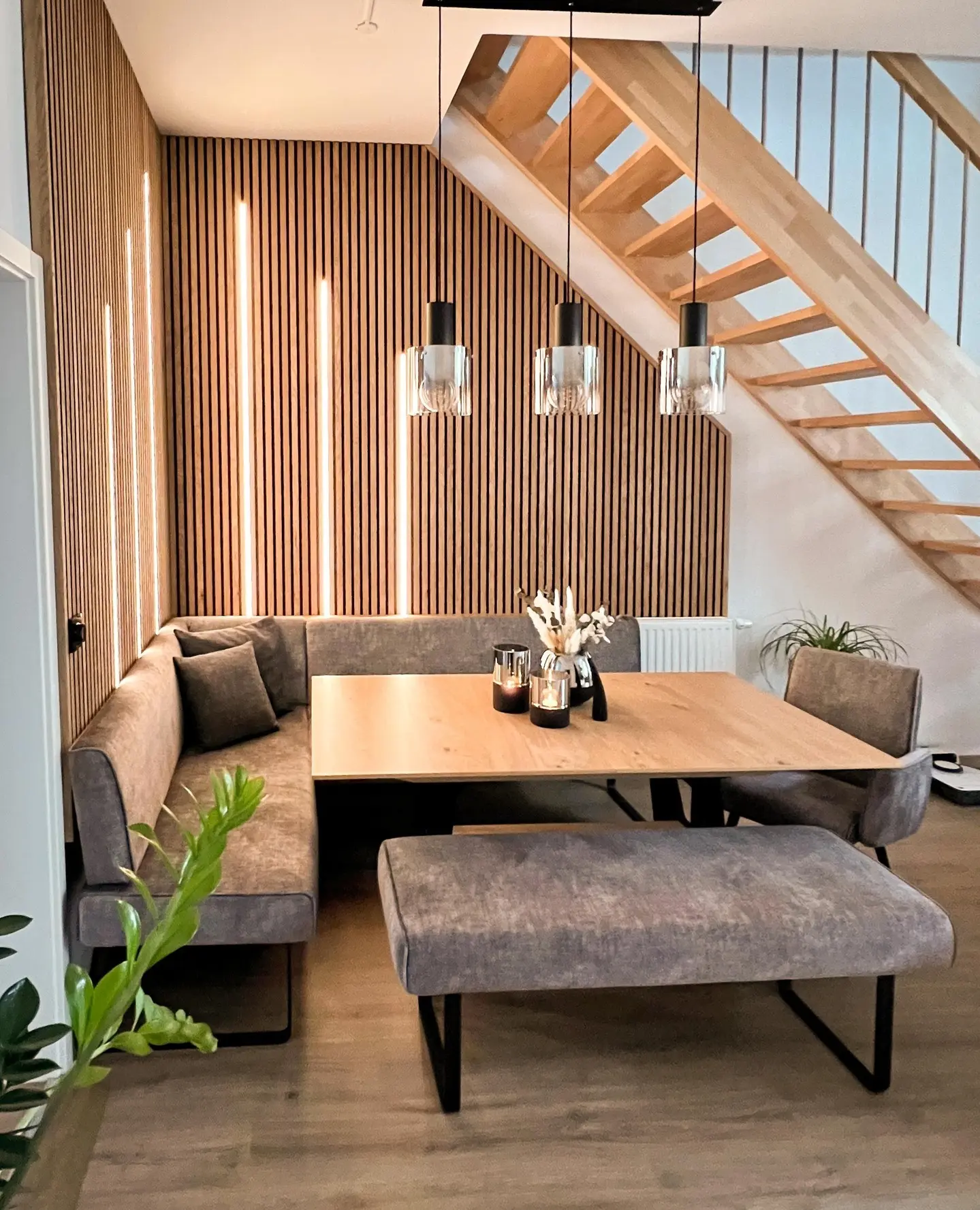
- Natural wood finishes for a warm aesthetic
- Geometric and 3D designs for modern interiors
- Ease of Installation
One of the key advantages of acoustic panels is their installation flexibility. They can be:
- Mounted directly onto walls
- Suspended from ceilings
- Integrated into modular systems
This makes them suitable for both new construction and renovation projects.
- Durability and Safety
High-quality acoustic panels are designed to meet international safety standards. Many products offer:
- Fire resistance (Class A rating)
- Moisture resistance
- Long service life with minimal maintenance
Corporate Spaces
In modern offices, especially open-plan environments, noise can quickly become a major issue. Acoustic panels help reduce distractions, allowing employees to focus better and work more efficiently.
Hospitality Sector
Hotels, restaurants, and conference venues rely heavily on ambiance. Poor acoustics can negatively impact guest experiences. Acoustic panels help create a more comfortable and enjoyable atmosphere.
Educational Buildings
Classrooms and lecture halls require clear communication. Acoustic panels improve speech clarity, helping students better understand lessons and reducing listening fatigue.
Medical Facilities
Hospitals and clinics benefit from quieter environments. Reduced noise levels contribute to patient recovery and improve working conditions for healthcare staff.
Residential Use
In homes, acoustic panels are increasingly used in:
- Home theaters
- Living rooms
- Bedrooms
They enhance both comfort and audio performance, particularly in entertainment spaces.
Why Global Buyers Source Internationally
As demand for acoustic solutions grows, many buyers are turning to international suppliers for cost-effective and high-quality products.
Cost-Effectiveness
Large-scale manufacturing and optimized supply chains allow suppliers to offer competitive pricing without compromising quality.
Advanced Production Capabilities
Modern factories utilize automated machinery and strict quality control systems, ensuring consistent product performance.
Customization Services
Buyers can request tailored solutions, including:
- Custom sizes and thicknesses
- Unique colors and finishes
- Branding and OEM/ODM services
Scalable Supply
International manufacturers often have the capacity to handle large orders, making them suitable for commercial and infrastructure projects.
How to Choose the Best Acoustic Panels
Selecting the right acoustic solution requires careful evaluation of several factors.
- Identify Your Needs
Different environments have different acoustic challenges. For example:
- Offices require high absorption
- Public areas need durability
- Decorative spaces prioritize aesthetics
- Check Performance Ratings
Always review technical specifications such as NRC and fire ratings to ensure compliance with project requirements.
- Assess Material Quality
High-quality materials ensure better acoustic performance and longer lifespan.
- Consider Installation Conditions
Evaluate whether the panels are suitable for wall mounting, ceiling suspension, or other installation methods.
- Work with a Reliable Supplier
Choosing a trustworthy supplier ensures consistent quality, timely delivery, and professional support.
Future Developments in Acoustic Solutions
Smart Acoustic Systems
Emerging technologies are enabling acoustic panels to adapt dynamically to changing sound conditions using sensors and smart controls.
Sustainable Materials
Environmental concerns are driving the use of recycled and eco-friendly materials such as PET fibers and low-emission adhesives.
Integration with Interior Design
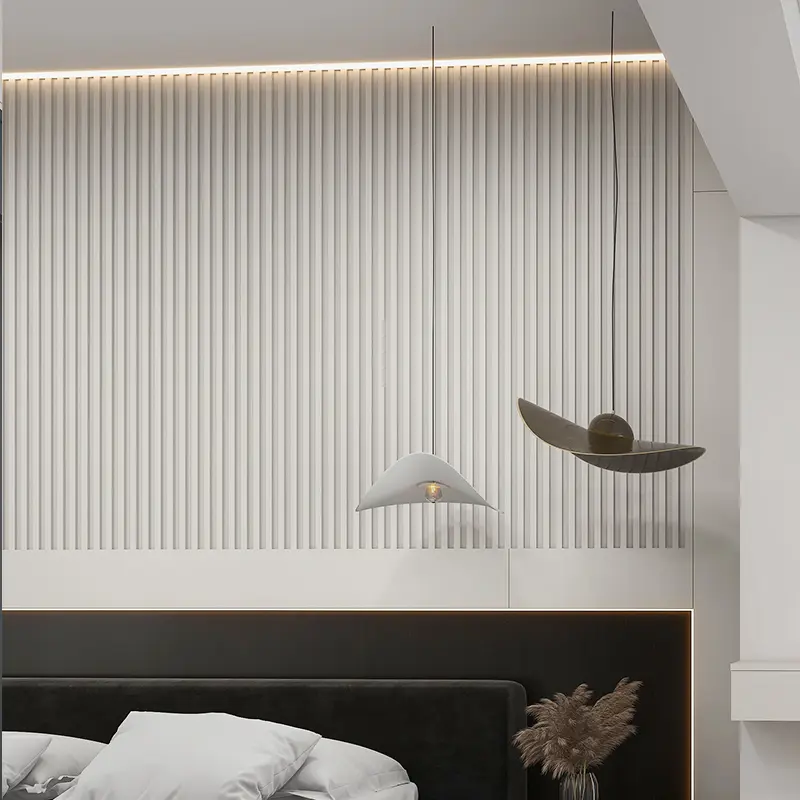
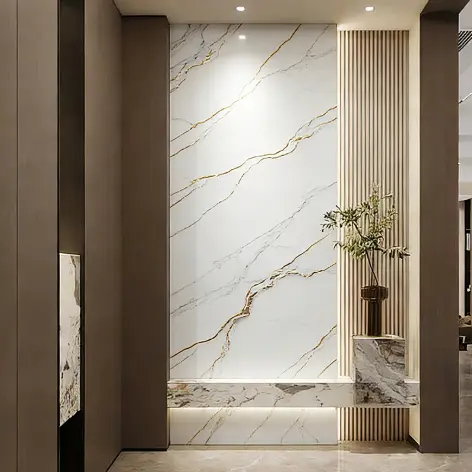
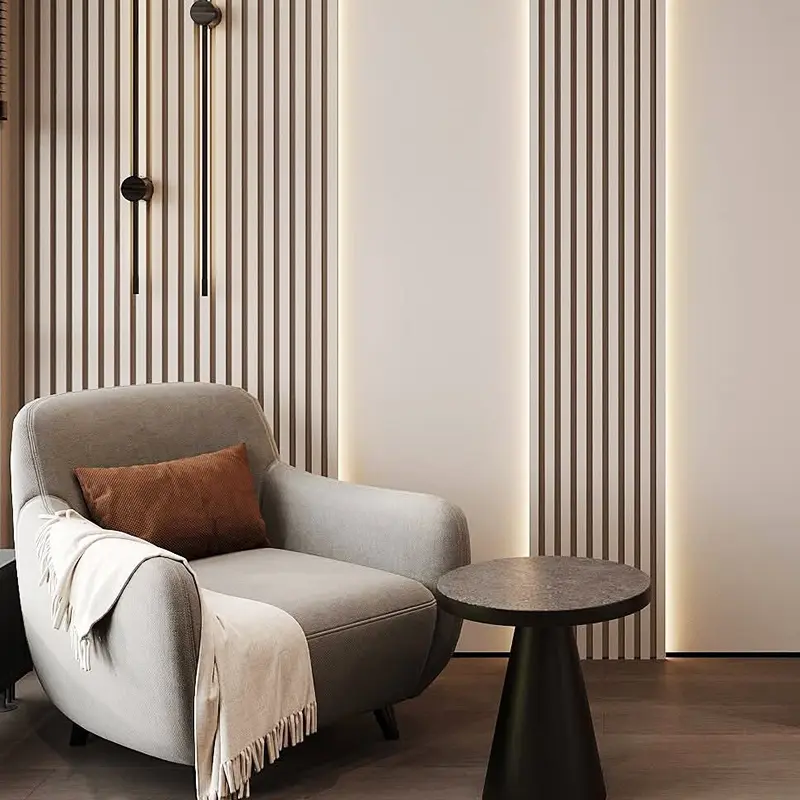
Acoustic panels are increasingly being used as focal design elements rather than hidden functional components.
Rising Global Demand
Urbanization, population density, and increased awareness of noise pollution are driving demand for acoustic solutions across multiple industries worldwide.
Acoustic wall panels have become a fundamental element in modern building design. They provide an effective solution to common acoustic challenges while also enhancing the visual appeal of interior spaces.
From offices and hotels to schools and homes, these panels improve comfort, communication, and overall user experience. Their versatility, ease of installation, and growing design options make them a valuable investment for both commercial and residential projects.
As the importance of sound control continues to grow, acoustic panels will play an increasingly important role in shaping healthier, more productive, and more enjoyable indoor environments.