
Why WPC Wall Panels Are the Smart Choice for Modern Interiors
Contents
- What Are WPC Wall Panels?
- A Modern Aesthetic Without Ongoing Maintenance
- Perfect for Creating Feature Walls
- Enhancing TV Walls and Entertainment Areas
- Built for Durability in Everyday Use
- Moisture Resistance for Practical Living
- Quick and Flexible Installation
- A More Sustainable Alternative
- How to Choose the Right WPC Wall Panels
- Final Thoughts
- Frequently Asked Questions
When it comes to upgrading your home interior, walls are often the most overlooked element. Many homeowners focus on furniture, lighting, or flooring, but the walls actually set the tone for the entire space. A well-designed wall can completely transform the look and feel of a room without requiring a full renovation.
In recent years, WPC (Wood Plastic Composite) wall panels have become increasingly popular in both residential and commercial interiors. They offer a balance of aesthetics, durability, and practicality that traditional materials often fail to achieve.
If you’re considering a wall upgrade, this guide explains why Wpc Panels are a smart investment and how they can elevate your living space.
What Are WPC Wall Panels?
WPC wall panels are engineered materials made by combining wood fibers with thermoplastic resins. This composition creates a product that looks like natural wood but performs much better under everyday conditions.
Unlike solid wood, WPC panels are designed to resist environmental factors such as humidity, temperature fluctuations, and minor impacts. This makes them especially suitable for modern homes where durability and low maintenance are essential.
They are commonly available in a variety of finishes, including:
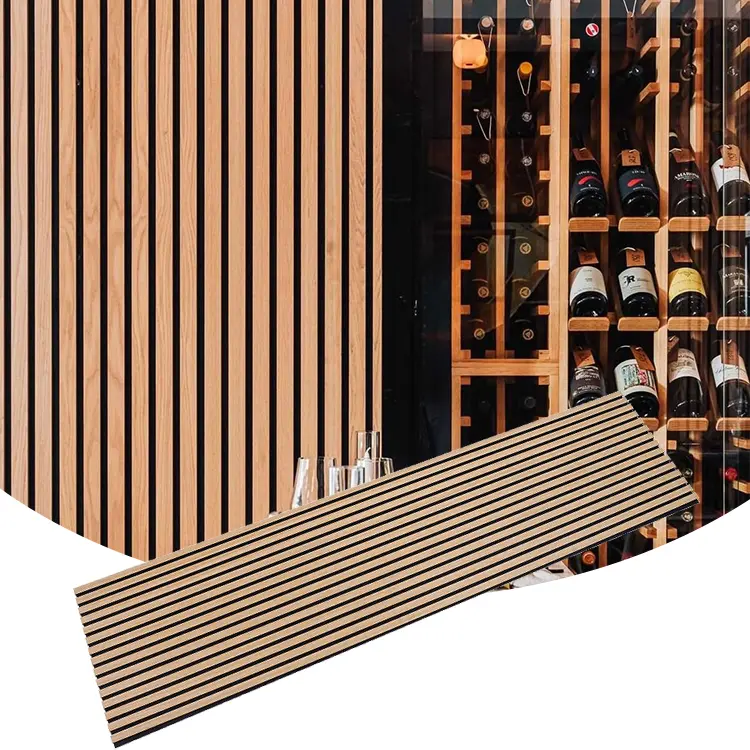
- Wood grain textures
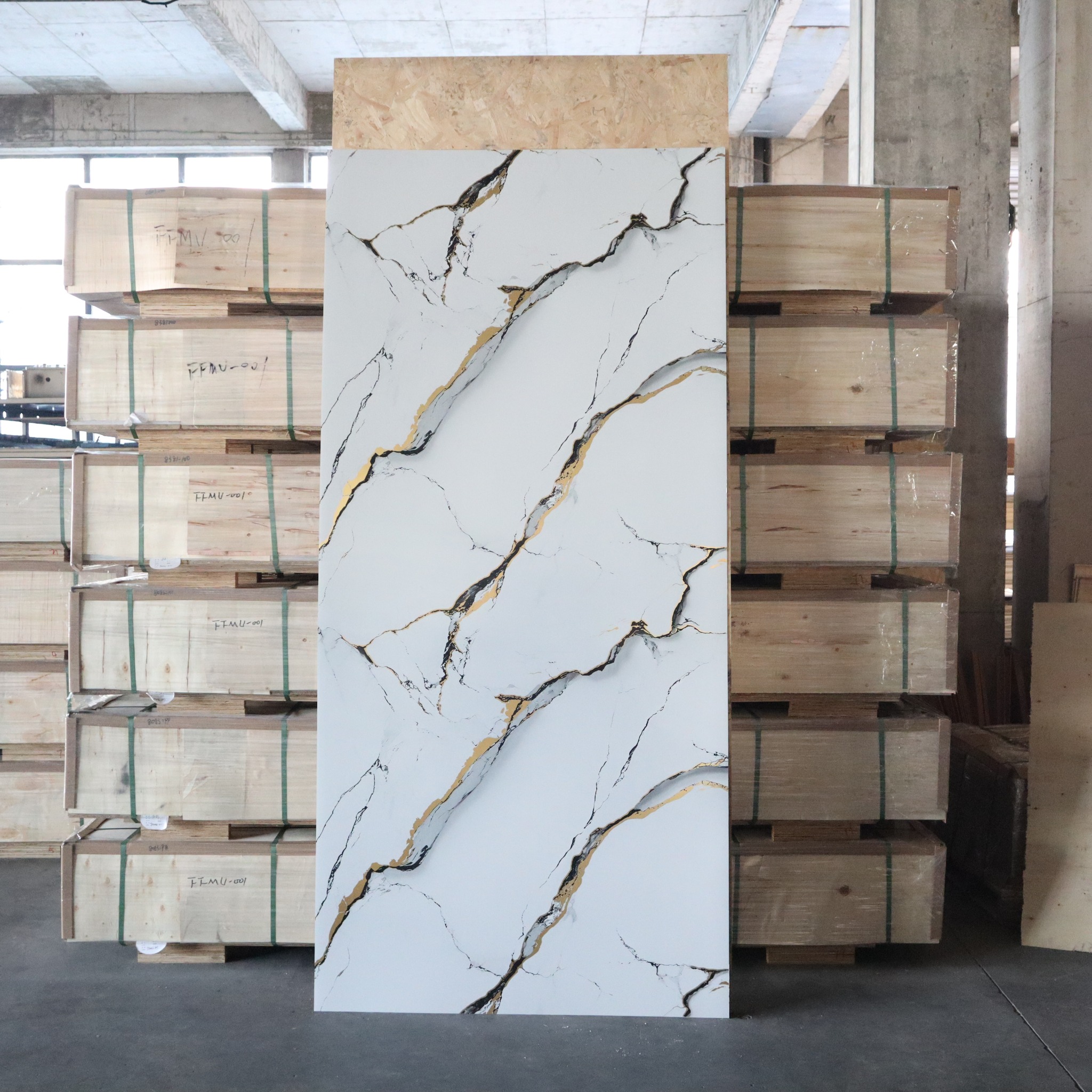
- Matte and glossy surfaces
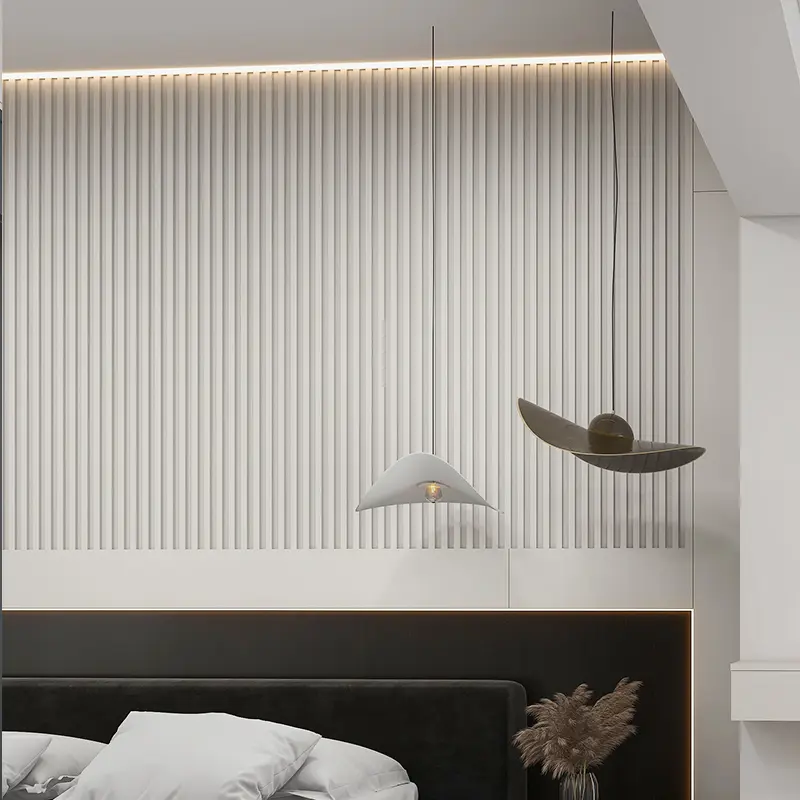
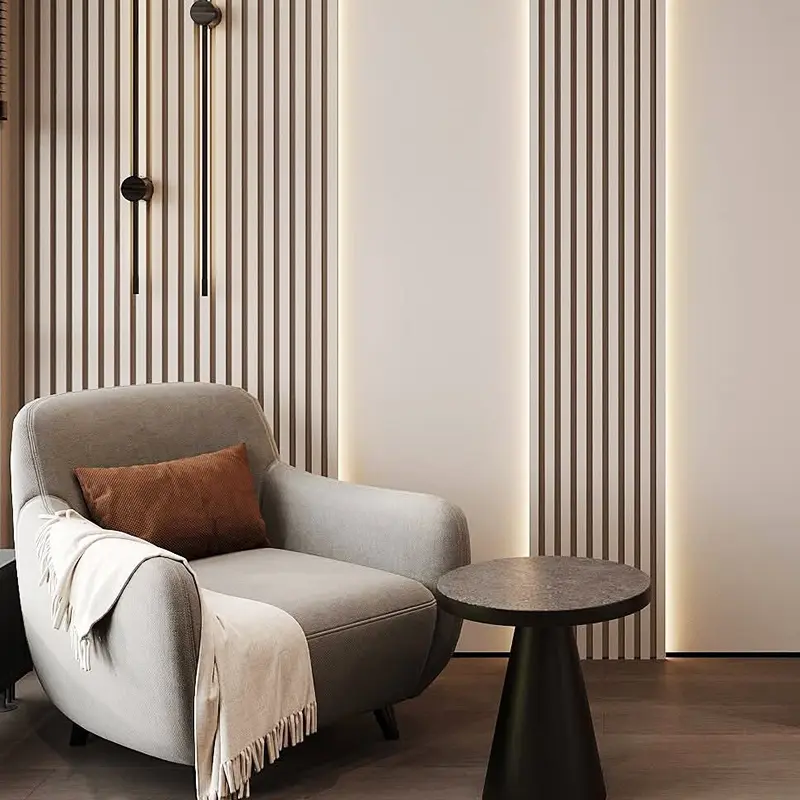
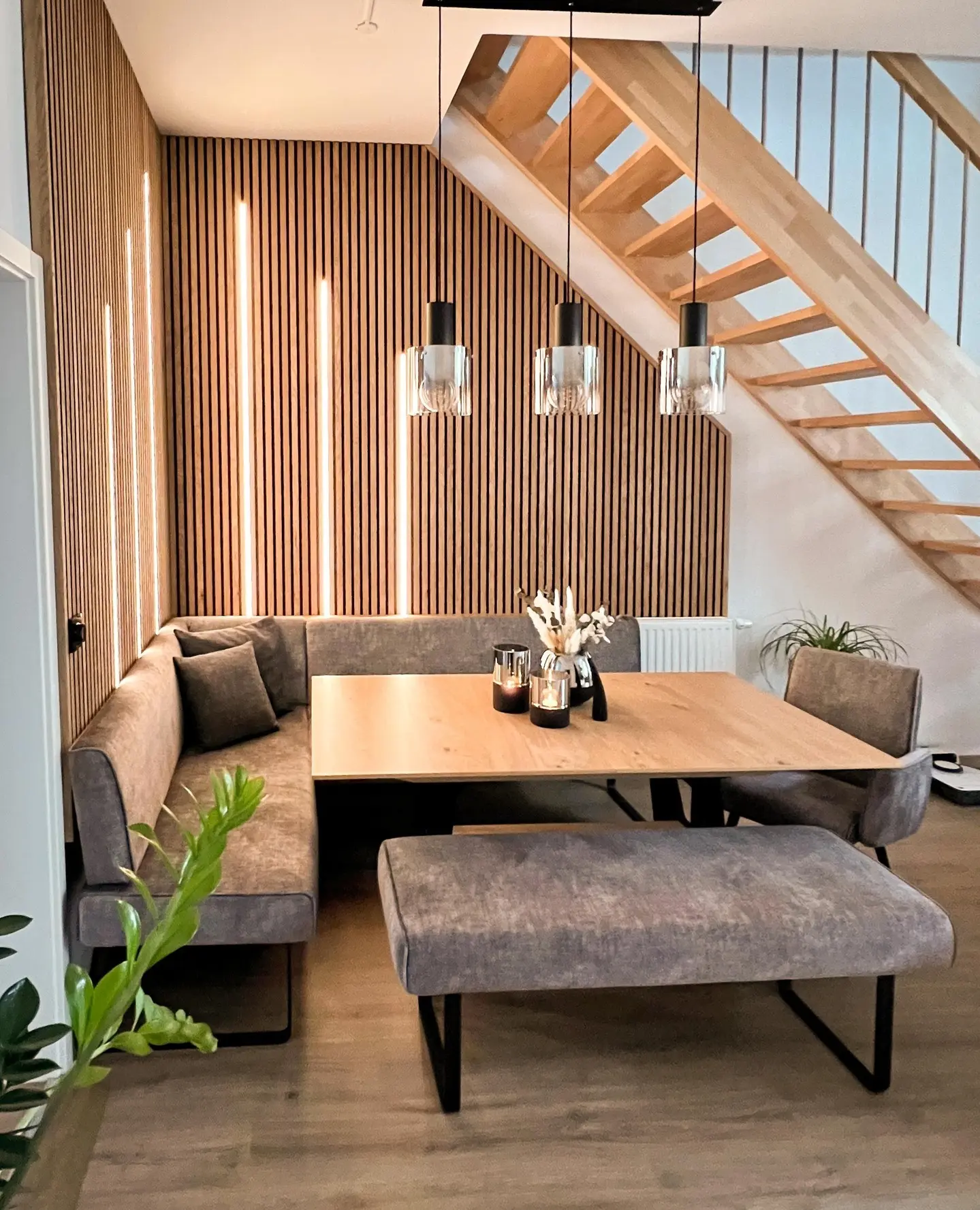
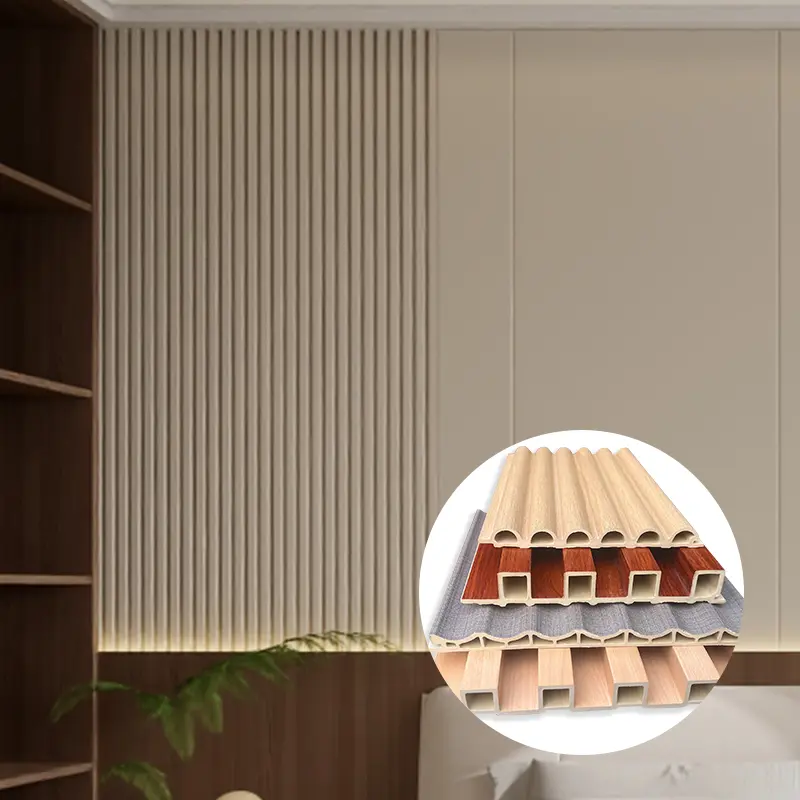
- Fluted and slatted designs
- Neutral and bold color options
Because of this versatility, WPC panels can easily fit into different interior styles, from minimalist to contemporary.
1. A Modern Aesthetic Without Ongoing Maintenance
One of the biggest advantages of WPC wall panel is their ability to replicate the natural beauty of wood without requiring constant care.
Traditional wooden panels often need:
- Regular polishing
- Protection against termites
- Careful control of humidity
In contrast, WPC panels are designed to be low maintenance. A simple wipe with a damp cloth is usually enough to keep them clean. This makes them ideal for homeowners who want a polished look without spending too much time on upkeep.
Additionally, the color and finish of WPC panels tend to remain stable over time, reducing the need for repainting or refinishing.
2. Perfect for Creating Feature Walls
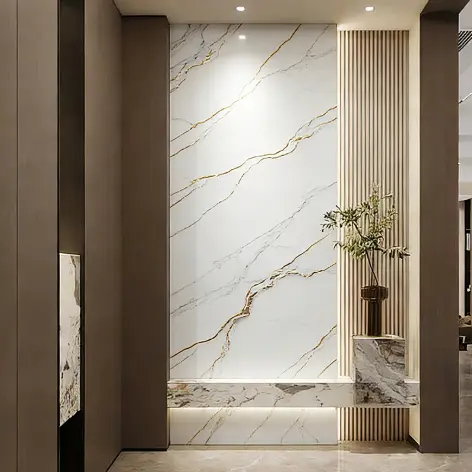
Feature walls have become a key trend in modern interior design. Instead of decorating every wall, many designers now focus on highlighting one specific area to create a focal point.
WPC panels are particularly effective for this purpose. Their textures and patterns naturally draw attention without appearing overwhelming.
You can use them to create feature walls in:
- Living rooms
- Bedrooms
- Dining areas
- Office spaces
Vertical slatted panels, for example, can make ceilings appear higher, while horizontal patterns can make a room feel wider. This flexibility allows you to subtly influence how a space is perceived.
3. Enhancing TV Walls and Entertainment Areas
The television wall is often the central point of a living room, yet it is frequently left plain or cluttered with visible cables.
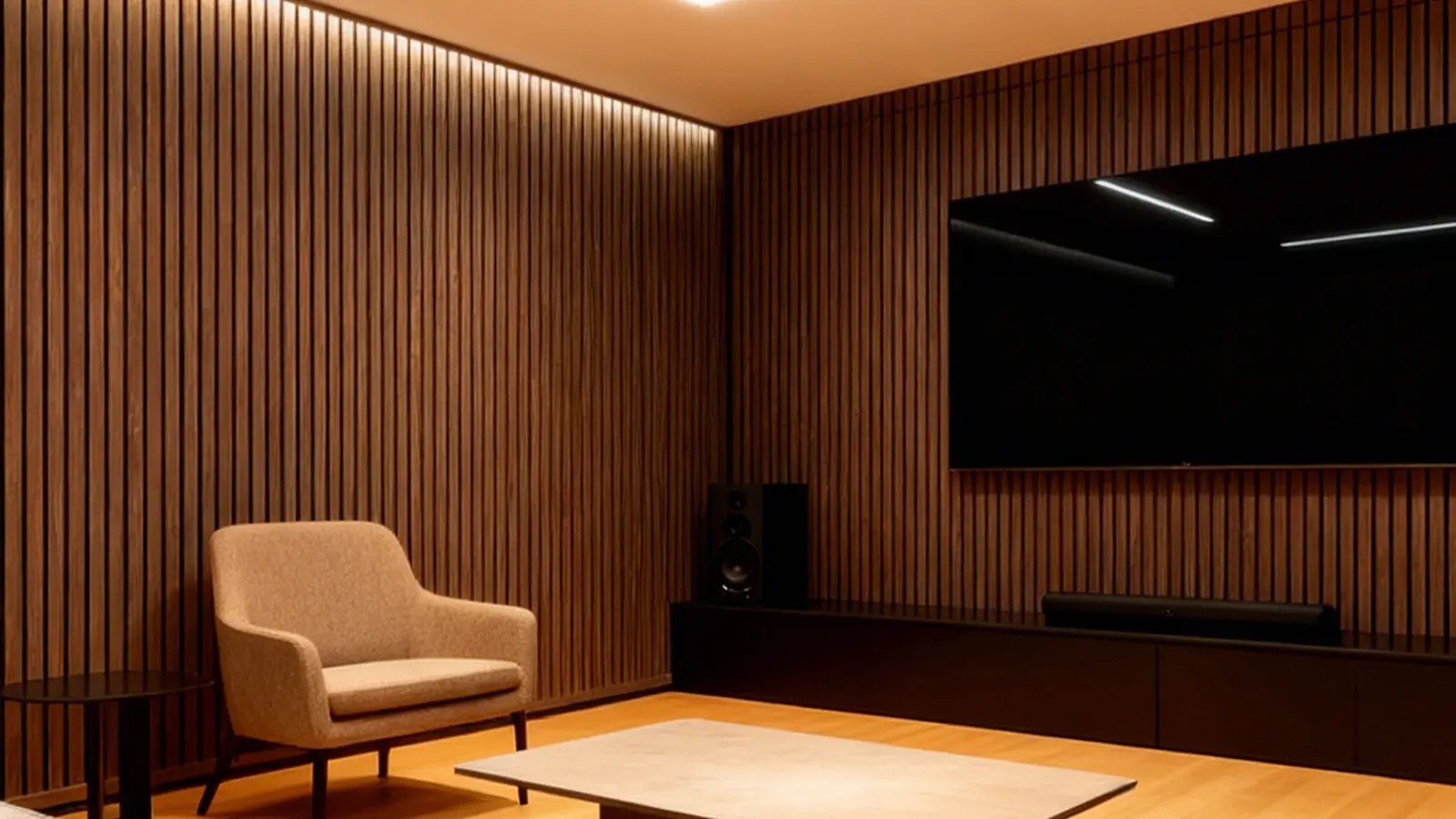
WPC panels provide a clean and structured solution for designing modern media walls. They can be used as a backdrop that integrates seamlessly with storage units and shelving.
Some popular design combinations include:
- WPC panels with floating cabinets
- Integrated LED lighting for a soft glow
- Hidden cable management systems
- Contrasting panel colors for visual depth
This approach not only improves the appearance of the space but also enhances functionality by keeping everything organized.
4. Built for Durability in Everyday Use
Walls in high-traffic areas often suffer from scratches, stains, and general wear over time. Painted surfaces, in particular, can quickly lose their appeal in busy households.
WPC panels are designed to withstand daily use. Their durable surface resists minor impacts and is less likely to show marks compared to traditional finishes.
They are especially useful in:
- Hallways
- Entryways
- Family living areas
- Commercial interiors
For homeowners looking for a long-term solution, this durability translates into fewer repairs and lower maintenance costs.
5. Moisture Resistance for Practical Living
One of the key limitations of natural wood is its sensitivity to moisture. In areas like kitchens or dining spaces, humidity can cause warping or damage over time.
WPC panels address this issue by offering strong moisture resistance. While they are not meant for direct water exposure, they perform well in environments with moderate humidity.
This makes them suitable for:
- Kitchen accent walls
- Dining room backdrops
- Indoor spaces near windows or balconies
Their ability to maintain shape and finish under changing conditions makes them a reliable choice for modern homes.
6. Quick and Flexible Installation
Another reason WPC panels are gaining popularity is their relatively simple installation process. Compared to traditional wall treatments, they require less time and labor.
Depending on the system, panels can be:
- Installed directly onto existing walls
- Mounted using clips or adhesive systems
- Customized to fit different wall sizes
This flexibility allows homeowners to complete renovations more efficiently. In some cases, installation can be done with minimal disruption to daily life.
7. A More Sustainable Alternative
Sustainability is becoming an important factor in interior design decisions. Many homeowners are looking for materials that reduce environmental impact without compromising quality.
WPC panels are often manufactured using recycled wood fibers and plastics. This reduces the demand for natural timber and helps minimize waste.
In addition, their long lifespan means fewer replacements over time, which further contributes to sustainability.
Choosing WPC panels is a practical way to combine design with environmental responsibility.
How to Choose the Right WPC Wall Panels
Before selecting WPC wall panels, it’s important to consider your specific needs and design goals.
Here are a few factors to keep in mind:
Color and Finish
Choose tones that complement your existing furniture and flooring. Neutral shades are versatile, while darker tones create stronger contrast.
Texture and Style
Fluted panels add depth, while smooth finishes create a cleaner, more minimal look.
Application Area
Think about where the panels will be installed and select materials suited to that environment.
Panel Dimensions
Larger panels can reduce installation lines, while smaller panels offer more flexibility for custom layouts.
Taking the time to plan ensures a cohesive and visually appealing result.
WPC wall panels offer a modern solution for homeowners who want both style and practicality. They combine the natural appeal of wood with enhanced durability and ease of maintenance, making them suitable for a wide range of interior applications.
Whether you’re creating a feature wall, upgrading a TV area, or redesigning an entire room, WPC panels provide a versatile and long-lasting option.
Instead of relying on traditional materials that require constant care, you can achieve a clean, contemporary look that stands the test of time.
Are WPC wall panels better than traditional wood panels?
In many cases, yes. They offer similar visual appeal while being more resistant to moisture, pests, and wear.
Can WPC panels be used in small rooms?
Absolutely. Choosing lighter colors and vertical designs can make smaller spaces feel more open.
Do WPC panels require special maintenance?
No, they are designed for easy care. Regular cleaning with a soft cloth is usually sufficient.
Are WPC panels environmentally friendly?
Many products are made using recycled materials, making them a more sustainable choice compared to solid wood.