


The Growing Importance of Acoustic Panels in Modern Sound Management
- Introduction
- Understanding Acoustic Panels
- How Sound Behaves Indoors
- Benefits of Using Acoustic Panels
- Where Acoustic Panels Are Used
- Why Manufacturers from China Lead the Market
- Selecting the Right Acoustic Panel
- Emerging Trends in Acoustic Design
- Conclusion
In today’s fast-paced environments, sound is no longer just a background element—it directly affects how people work, learn, and relax. From open-plan offices to luxury hotels and residential interiors, uncontrolled noise can disrupt concentration, reduce comfort, and even impact well-being.
As architectural trends move toward larger, more open spaces with hard surfaces like glass and concrete, managing sound has become increasingly challenging. This is where acoustic panels have emerged as a practical and effective solution. These specialized materials are designed to control sound behavior, making indoor environments more functional and pleasant.
This article explores the role of Acoustic Panels, how they function, their advantages, and why they are becoming a standard feature in modern construction projects worldwide.
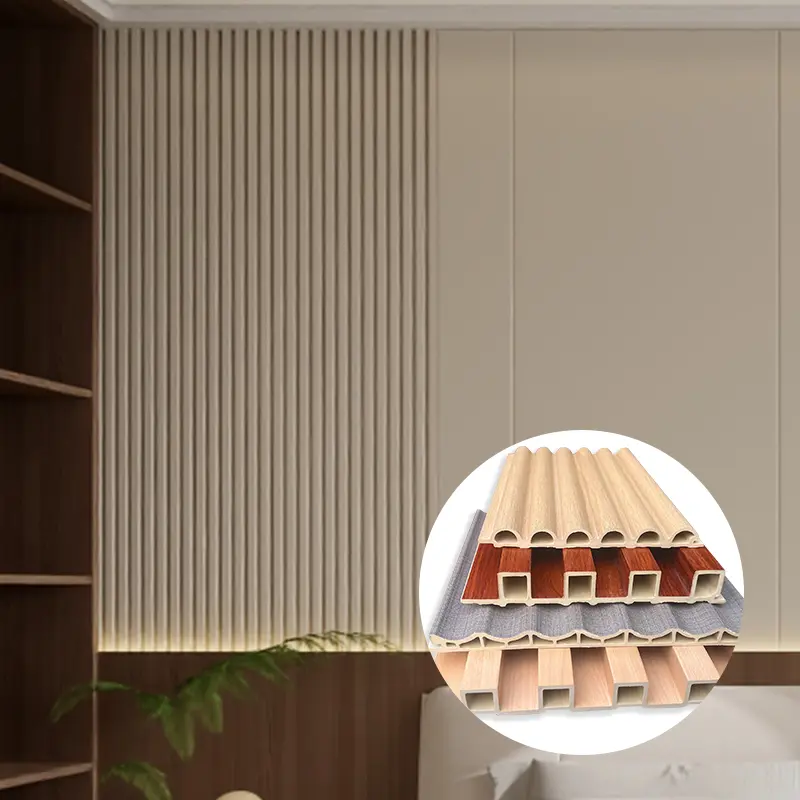
Acoustic panelsare engineered products created to regulate sound within a space. Unlike conventional Building Materials, which often reflect sound waves, these panels are specifically designed to absorb or diffuse sound energy.
Most acoustic panels consist of three primary layers:
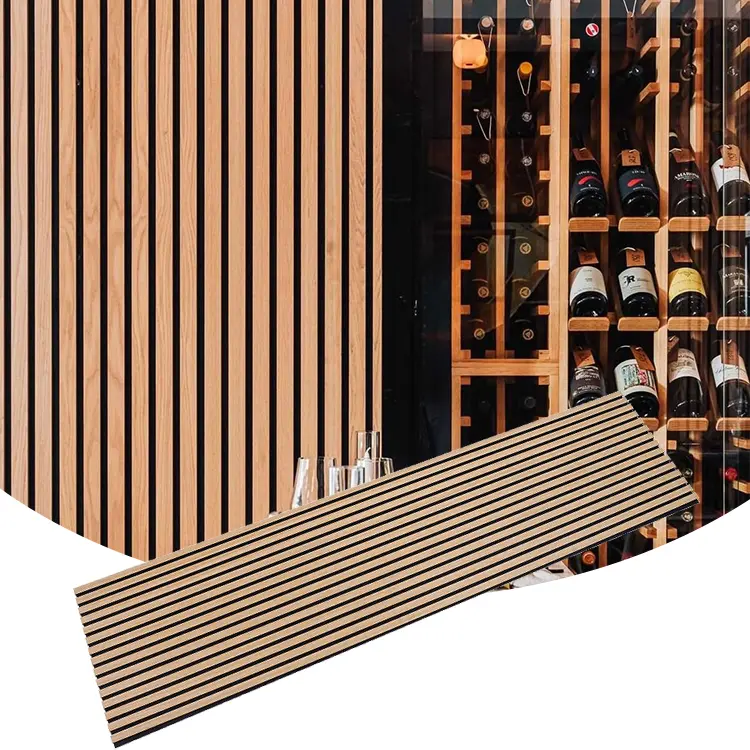
- Outer Finish: Typically fabric, wood veneer, or synthetic fibers that enhance visual appeal
- Core Layer: Made from sound-absorbing materials such as fiberglass, mineral wool, or recycled polyester
- Backing Support: Provides structural integrity and ease of installation
This layered design allows the panel to effectively reduce unwanted noise while also fitting seamlessly into interior design schemes.
How Sound Behaves Indoors
To appreciate the value of acoustic panels, it helps to understand how sound travels in enclosed spaces.
Reflection vs Absorption
When sound waves hit hard surfaces, they bounce back into the room. This reflection leads to echoes and prolonged reverberation, making speech harder to understand and increasing overall noise levels.
Acoustic panels work differently. Their porous structure traps sound waves and dissipates them as heat energy, significantly reducing reflections.
Key Performance Indicators
- Noise Reduction Coefficient (NRC): Indicates how much sound a material absorbs
- Sound Transmission Class (STC): Measures how well a structure blocks sound between spaces
Higher values in these metrics generally indicate better acoustic performance.
Benefits of Using Acoustic Panels
- Improved Sound Clarity
Acoustic panels reduce background noise and echo, allowing conversations to be clearer. This is especially important in offices, classrooms, and meeting spaces.
- Better Productivity
Studies have shown that excessive noise can lower workplace efficiency. By minimizing distractions, acoustic panels contribute to a more focused environment.
- Enhanced Interior Design
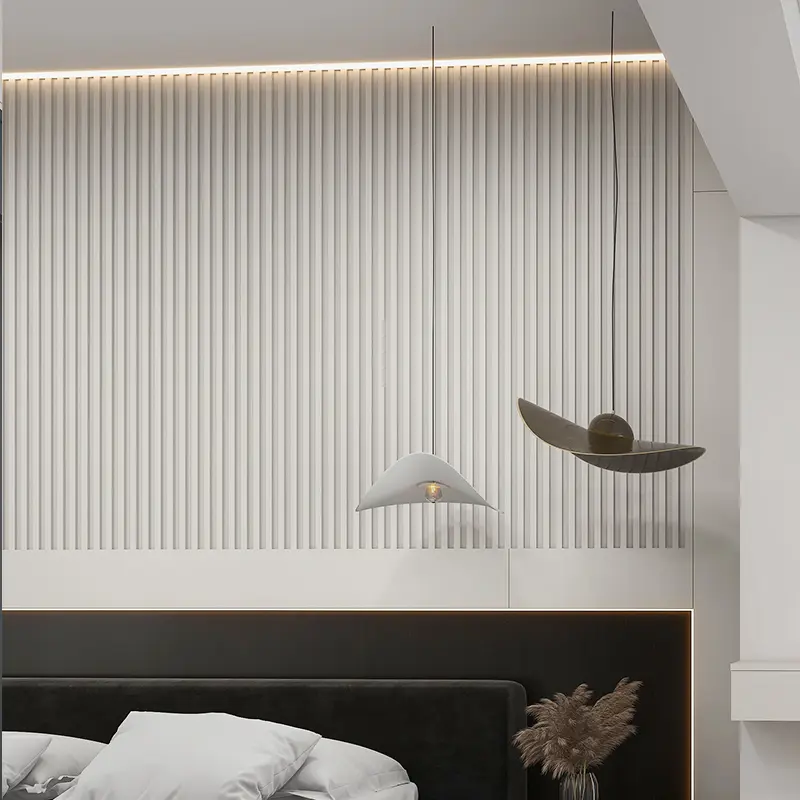
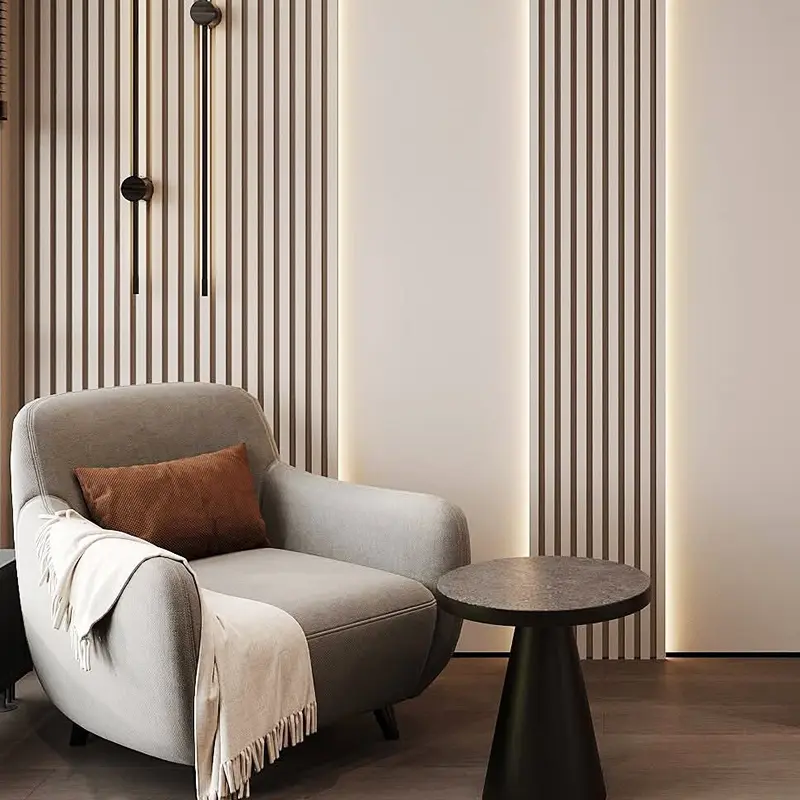
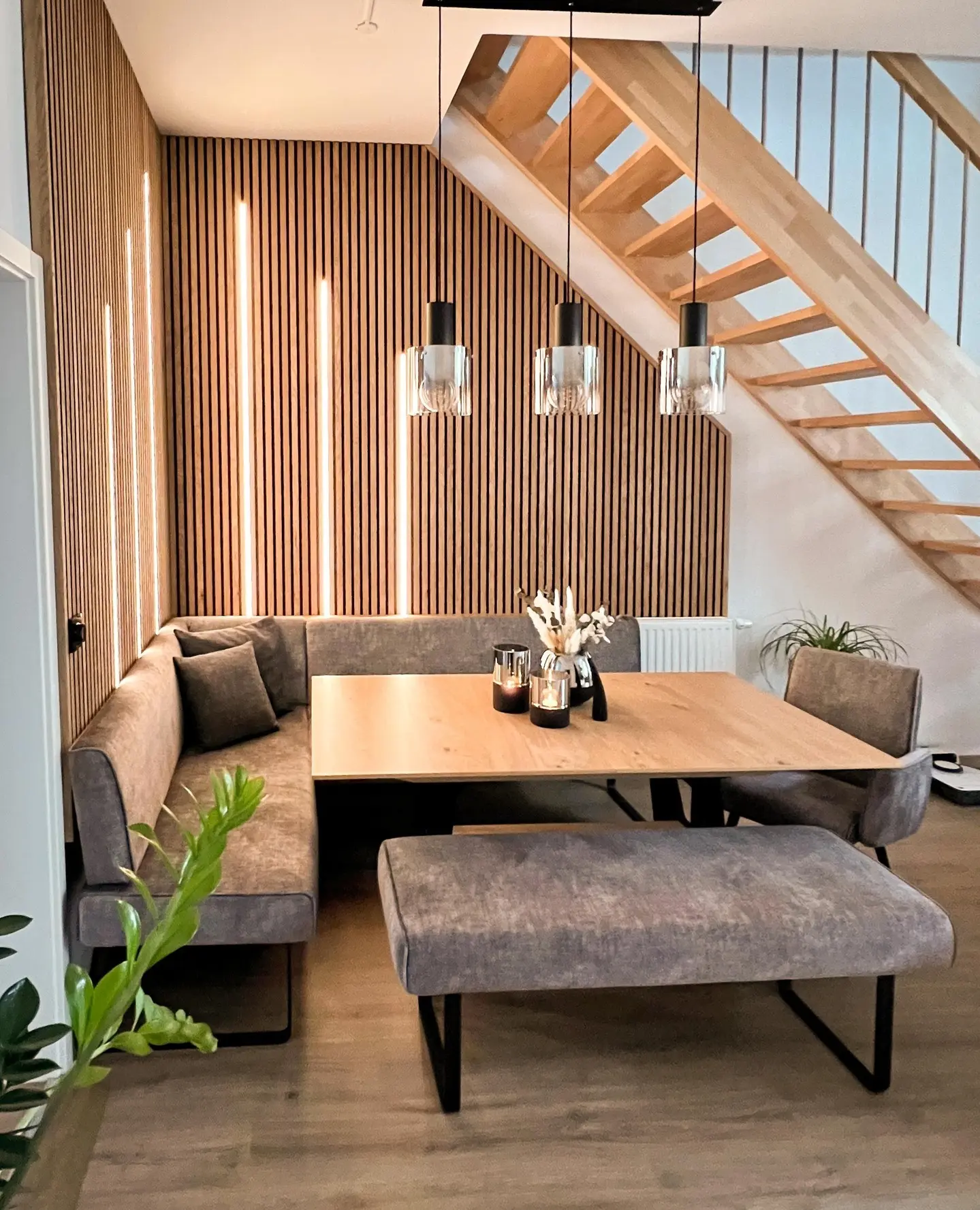
Modern acoustic solutions are no longer purely functional. They are available in a wide range of colors, textures, and patterns, enabling designers to integrate them into aesthetic concepts.
- Quick and Flexible Installation
Compared to structural soundproofing methods, acoustic panels are:
- Easy to mount on walls or ceilings
- Suitable for retrofitting existing spaces
- Replaceable without major renovations
- Sustainable Options
Many manufacturers now use recycled materials such as PET fibers, supporting environmentally responsible construction practices.
Where Acoustic Panels Are Used
Workspaces
Open-plan offices often suffer from high noise levels due to conversations, phone calls, and equipment. Acoustic panels help create quieter zones and improve employee comfort.
Hospitality Environments
Hotels, restaurants, and event venues rely heavily on ambiance. Proper sound control ensures guests can relax without being disturbed by excessive noise.
Educational Facilities
Clear communication is essential in learning environments. Acoustic panels improve speech intelligibility, helping students better understand instructors.
Healthcare Settings
Hospitals and clinics require calm, quiet surroundings. Reducing noise contributes to patient recovery and staff efficiency.
Residential Interiors
Homeowners increasingly use acoustic panels in:
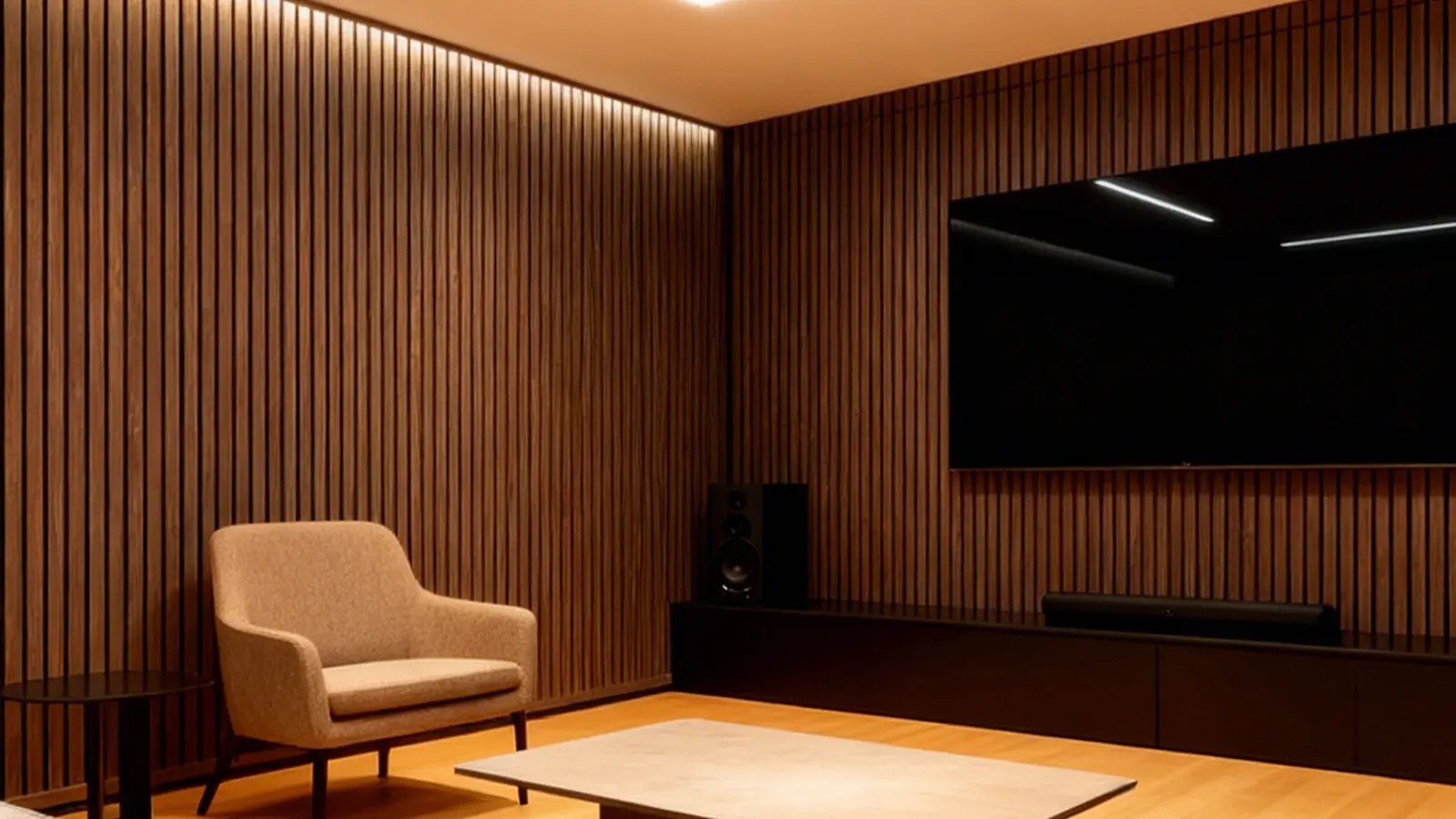
- Home theaters
- Living rooms
- Bedrooms
They enhance both comfort and audio quality.
Why Manufacturers from China Lead the Market
Global demand for acoustic solutions has led many buyers to source products from China. Several factors contribute to this trend:
Competitive Pricing
Large-scale production and efficient supply chains allow manufacturers to offer cost-effective solutions without compromising quality.
Technological Advancement
Modern factories utilize automated processes and precision equipment, ensuring consistent product performance.
Customization Options
Buyers can request tailored designs, including:
- Specific dimensions
- Unique textures
- Custom colors
Reliable Supply Chains
Established production networks ensure timely delivery and stable product availability.
Selecting the Right Acoustic Panel
Choosing the appropriate panel depends on several factors:
Define the Purpose
Different environments require different acoustic properties. For example:
- Offices need high absorption
- Public spaces require durability
- Decorative applications focus on aesthetics
Review Technical Data
Check for:
- NRC ratings above 0.7
- Fire resistance certifications
- Material density
Consider Installation Needs
Ensure the panels are compatible with your mounting surfaces and project requirements.
Evaluate Supplier Reliability
A dependable supplier ensures consistent quality and professional support throughout the project.
Emerging Trends in Acoustic Design
- Integration with Smart Technology
Future acoustic systems may adjust sound absorption dynamically based on room usage.
- Eco-Friendly Innovations
Sustainability is driving the development of biodegradable and recycled materials.
- Design-Centric Solutions
Acoustic panels are increasingly being used as decorative features rather than hidden elements.
- Rising Global Demand
Urbanization and increased awareness of noise pollution continue to drive market growth worldwide.
Acoustic panels have become a fundamental component of modern interior environments. They not only improve sound quality but also enhance comfort, productivity, and overall user experience.
As industries continue to prioritize better acoustic performance, these panels offer a practical and scalable solution. Whether for commercial, educational, or residential use, investing in acoustic treatment is a forward-thinking decision that delivers long-term benefits.