
WPC Wall Panels Explained: Fluted Designs & Waterproof Solutions for Modern Interiors
Table of Contents
- What Is a WPC Wall Panel and Why Is It Popular?
- Fluted Wall Panels: A Modern Interior Trend
- Benefits of WPC Waterproof Wall Panels
- Where to Use WPC Wall Panels in Your Home
- WPC Wall Panel vs Traditional Wood Panels
- Installation Tips for WPC Wall Panels
- Design Tips for Better Results
- Final Thoughts
- FAQs
In today’s interior design landscape, walls are no longer treated as simple background elements. They play a defining role in shaping the atmosphere, functionality, and overall visual appeal of a space. As homeowners and designers look for materials that combine style with performance, WPC wall panels have emerged as a reliable and versatile solution.
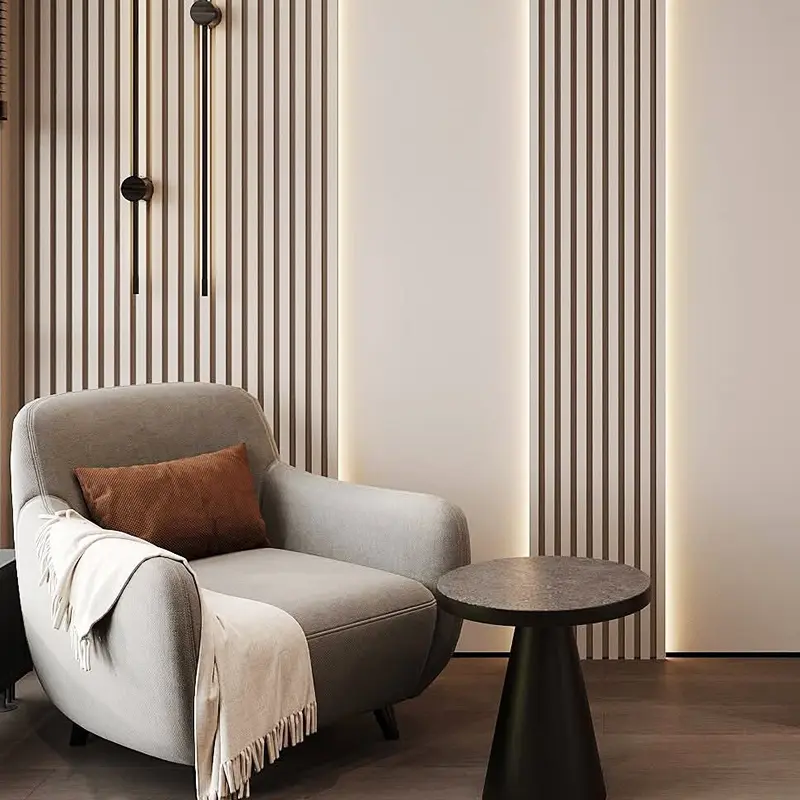
From decorative fluted Wall Panels to highly practicalWPC waterproof wall panels, this material offers a modern alternative to traditional wall finishes. Whether you are renovating a home or designing a commercial interior, understanding how to use Wpc Panels effectively can make a significant difference.
What Is a WPC Wall Panel and Why Is It Popular?
A WPC wall panel (Wood Plastic Composite panel) is made by blending wood fibers with polymer resins. This combination creates a material that maintains the natural appearance of wood while significantly improving durability.
Unlike traditional wood panels, WPC panels are engineered to withstand:
- Moisture and humidity
- Temperature fluctuations
- Everyday wear and tear
These features make them particularly suitable for modern interiors where both aesthetics and practicality are essential.
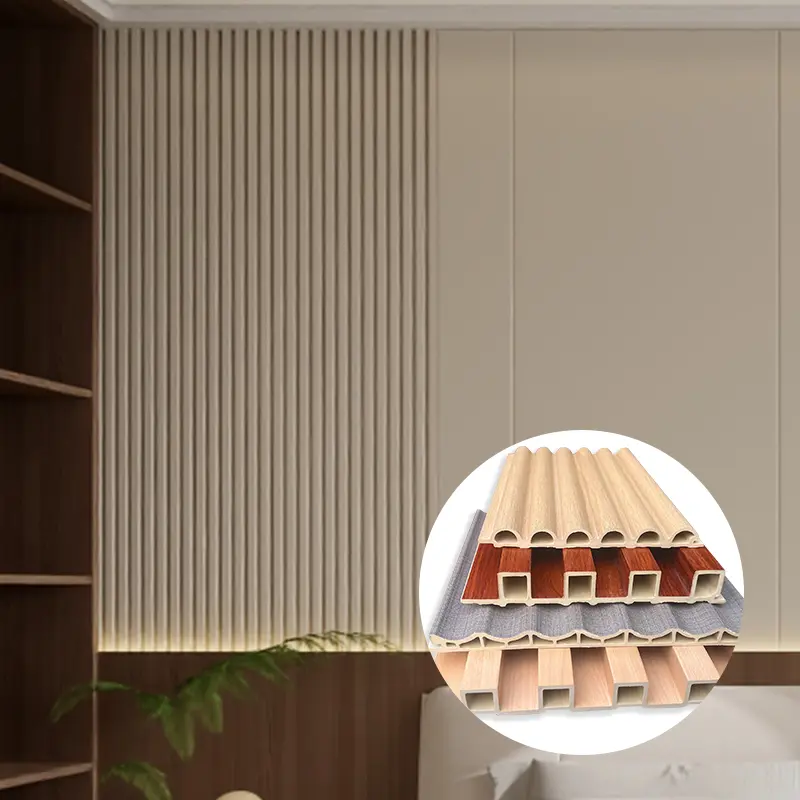
Another reason for their growing popularity is their design flexibility. WPC panels are available in various textures, colors, and finishes, allowing them to adapt to different styles—from minimalist to contemporary luxury.
Fluted Wall Panels: A Modern Interior Trend
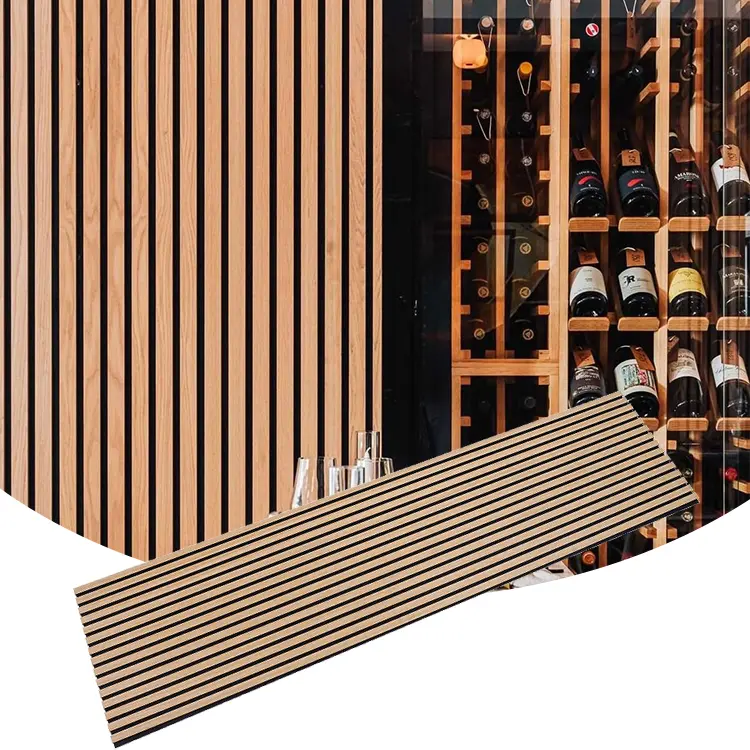
One of the most sought-after styles today is fluted wall panels. Characterized by vertical grooves or slats, these panels add depth and rhythm to flat surfaces.
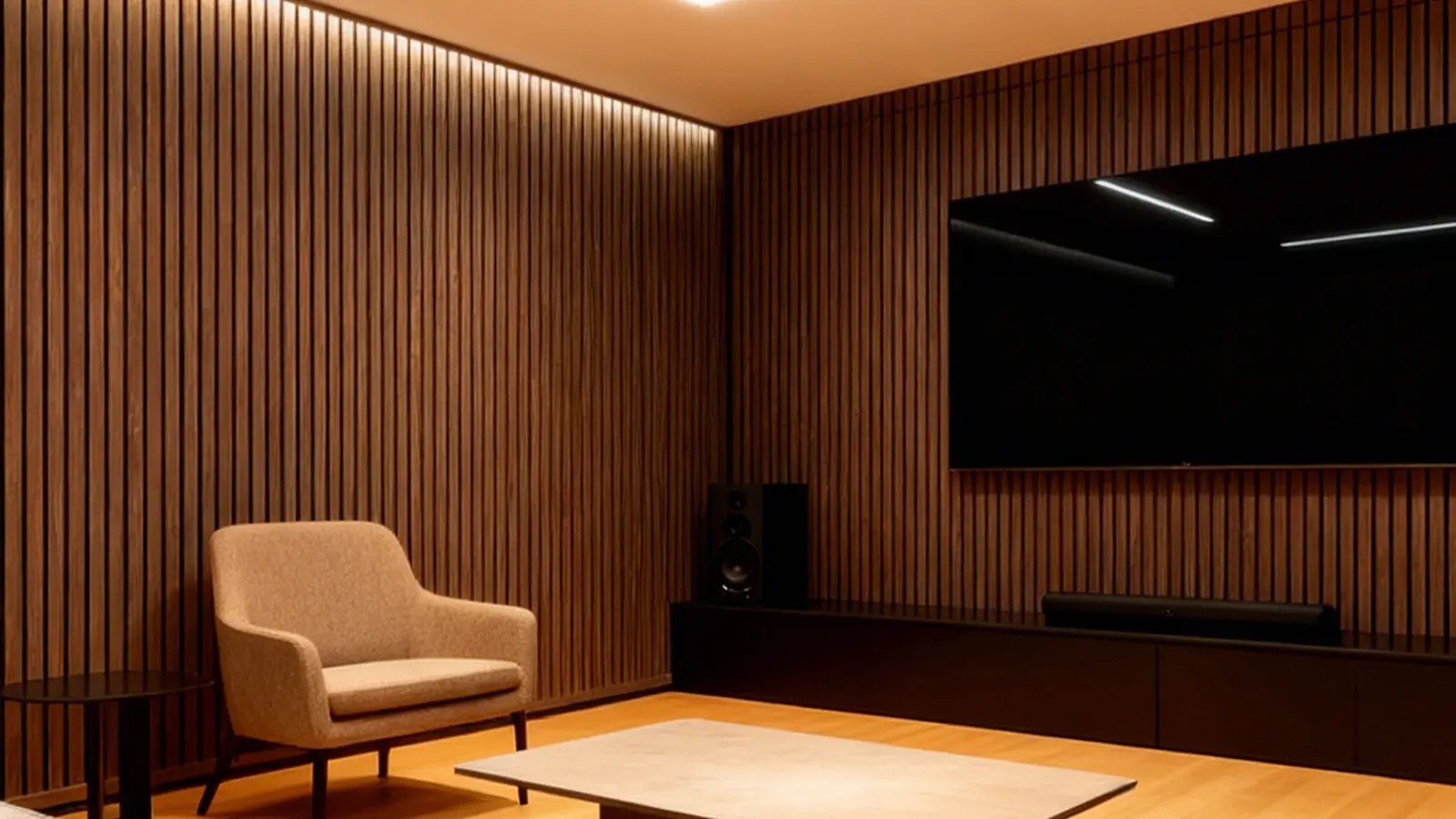
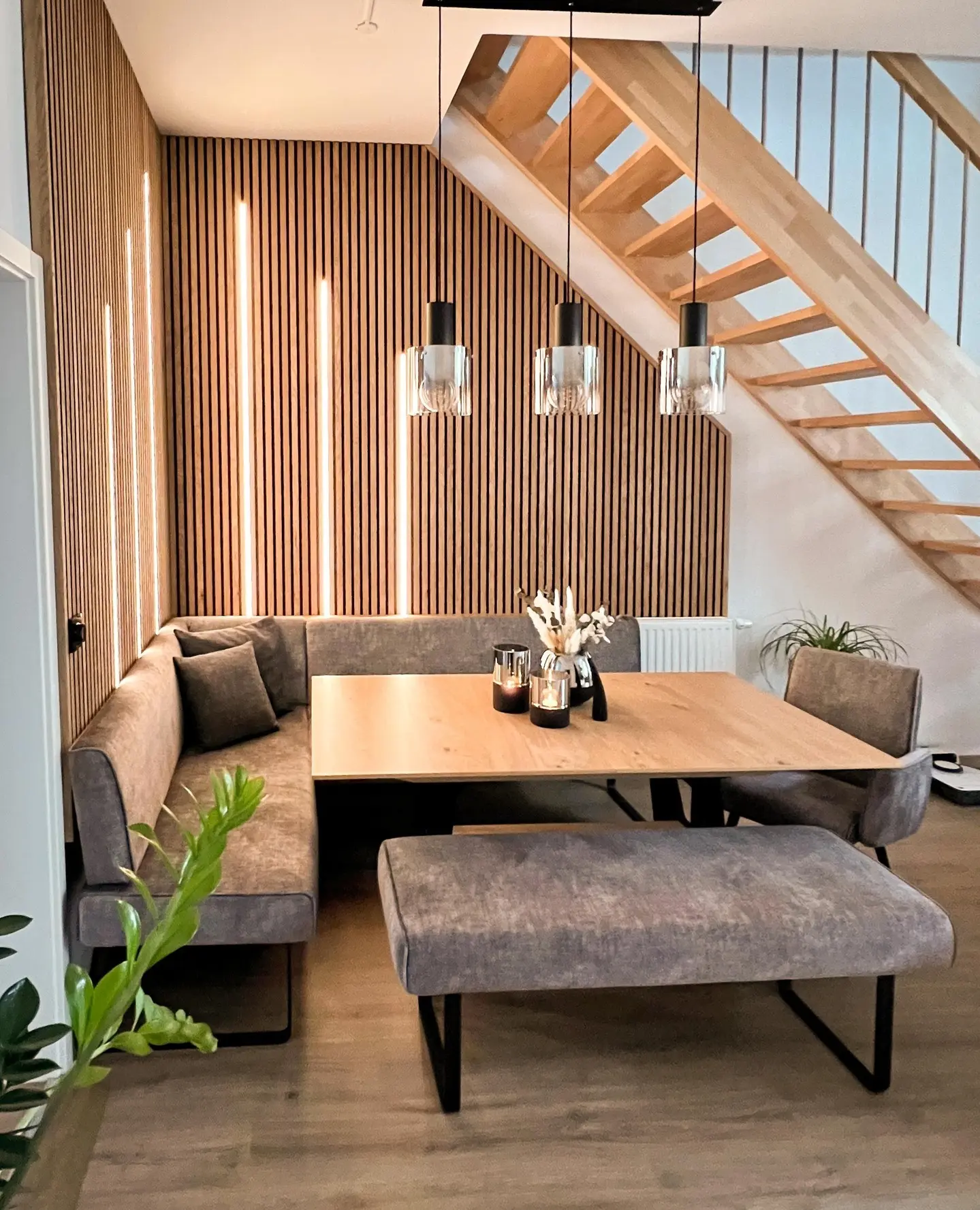
In living rooms, fluted wall panels are often used to create feature walls that draw attention without overwhelming the space. Their vertical lines can visually increase ceiling height, making rooms feel more spacious.
They are commonly used in:
- Living room accent walls
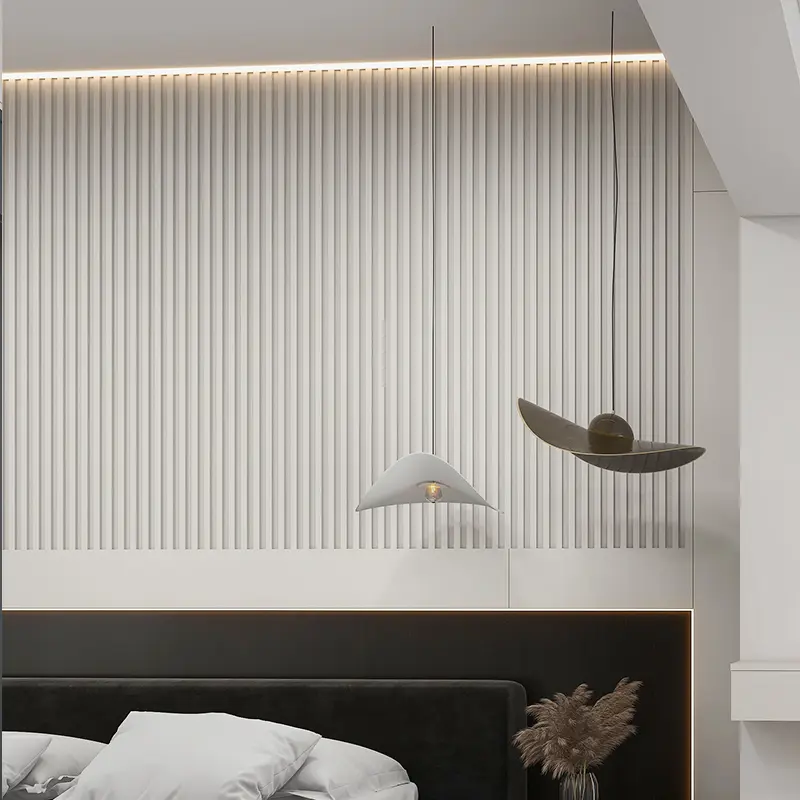
- Bedroom headboard designs
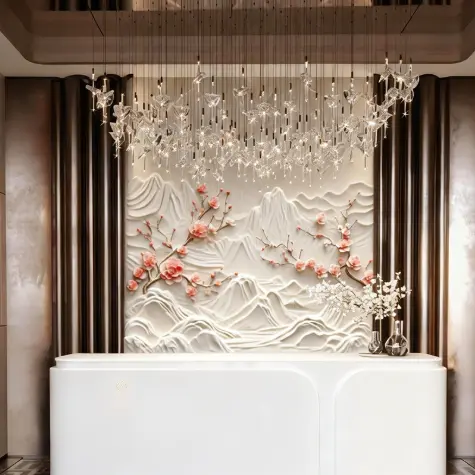
- Office and reception areas
Compared to traditional decorative panels, fluted designs offer a clean and structured aesthetic that aligns with modern design trends.
Benefits of WPC Waterproof Wall Panels
While appearance is important, functionality plays an equally critical role. This is where WPC waterproof wall panels stand out.
Unlike standard wall materials, these panels are designed to resist moisture, making them ideal for areas exposed to humidity.
Key advantages include:
- Resistance to water absorption
- Reduced risk of warping or swelling
- Easy cleaning and maintenance
Because of these properties, WPC waterproof wall panels are commonly installed in:
- Kitchens
- Dining areas
- Indoor spaces near balconies
- Commercial environments
They provide a practical solution without compromising on visual appeal.
Where to Use WPC Wall Panels in Your Home
The versatility of WPC wall panels allows them to be used in multiple areas throughout a home.
Living Room
A feature wall using fluted wall panels can instantly elevate the look of a living space. Pairing panels with soft lighting enhances texture and creates a warm atmosphere.
Bedroom
WPC panels can serve as a stylish headboard backdrop, adding depth while maintaining a clean and modern feel.
Kitchen and Dining Area
In spaces where moisture is a concern, WPC waterproof wall panels provide both durability and ease of maintenance.
Hallways and Entryways
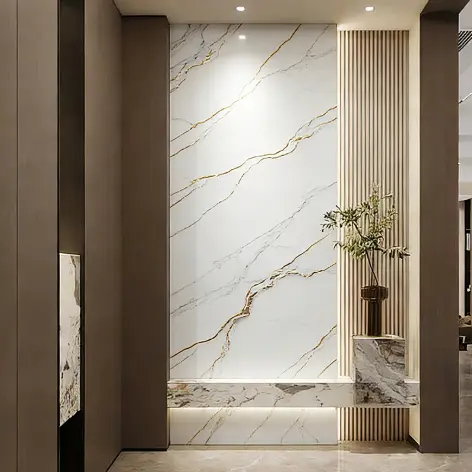
These areas often experience high traffic. WPC panels help protect walls while improving the overall visual impact of the space.
WPC Wall Panel vs Traditional Wood Panels
When comparing materials, many homeowners wonder whether to choose solid wood or WPC.
Here are some key differences:
- Maintenance: WPC panels require less upkeep
- Durability: More resistant to moisture and pests
- Cost Efficiency: Lower long-term maintenance costs
- Design Options: Wider range of finishes and styles
While natural wood has its charm, WPC wall panels offer a more practical solution for modern living.
Installation Tips for WPC Wall Panels
Proper installation ensures the best results and longevity.
Here are a few essential tips:
- Ensure the wall surface is clean and level
- Plan panel layout before installation
- Use recommended mounting systems
- Allow for slight expansion gaps if needed
Many WPC wall panel systems are designed for quick installation, making them suitable for both professionals and DIY projects.
Design Tips for Better Results
To achieve a balanced interior:
- Avoid overusing panels on every wall
- Combine with neutral colors for contrast
- Use lighting to highlight textures
- Match panel tones with flooring and furniture
For example, pairing fluted wall panels with warm LED lighting can create a soft and inviting ambiance.
Whether you are designing a modern living room or upgrading a functional space, WPC wall panels offer a combination of style, durability, and convenience. From decorative fluted wall panels to highly functional WPC waterproof wall panels, they provide solutions that meet both aesthetic and practical needs.
As interior design continues to evolve, WPC materials are becoming a preferred choice for those who value long-term performance and contemporary design.
Are WPC wall panels suitable for all interiors?
Yes, they can be used in most indoor environments, including residential and commercial spaces.
Do fluted wall panels require special maintenance?
No, they are easy to clean and maintain with basic care.
Can WPC waterproof wall panels be used in kitchens?
Yes, they are specifically designed to handle moisture and humidity.