

Why Wooden Acoustic Panels Are a Smart Choice for Modern Sound Control
- Introduction
- Understanding Wooden Acoustic Panels
- The Science Behind Sound Absorption
- Key Advantages of Wooden Acoustic Panels
- Where Wooden Acoustic Panels Are Commonly Used
- Enhancing Comfort and Productivity
- Safety and Fire Performance
- Cost Considerations
- Customization Possibilities
- Future Developments in Acoustic Design
- Conclusion
As buildings become more design-driven and open in layout, managing sound has become a critical part of interior planning. Whether it’s an office filled with conversations, a restaurant with constant background noise, or a home theater setup, poor acoustics can negatively affect both comfort and functionality.
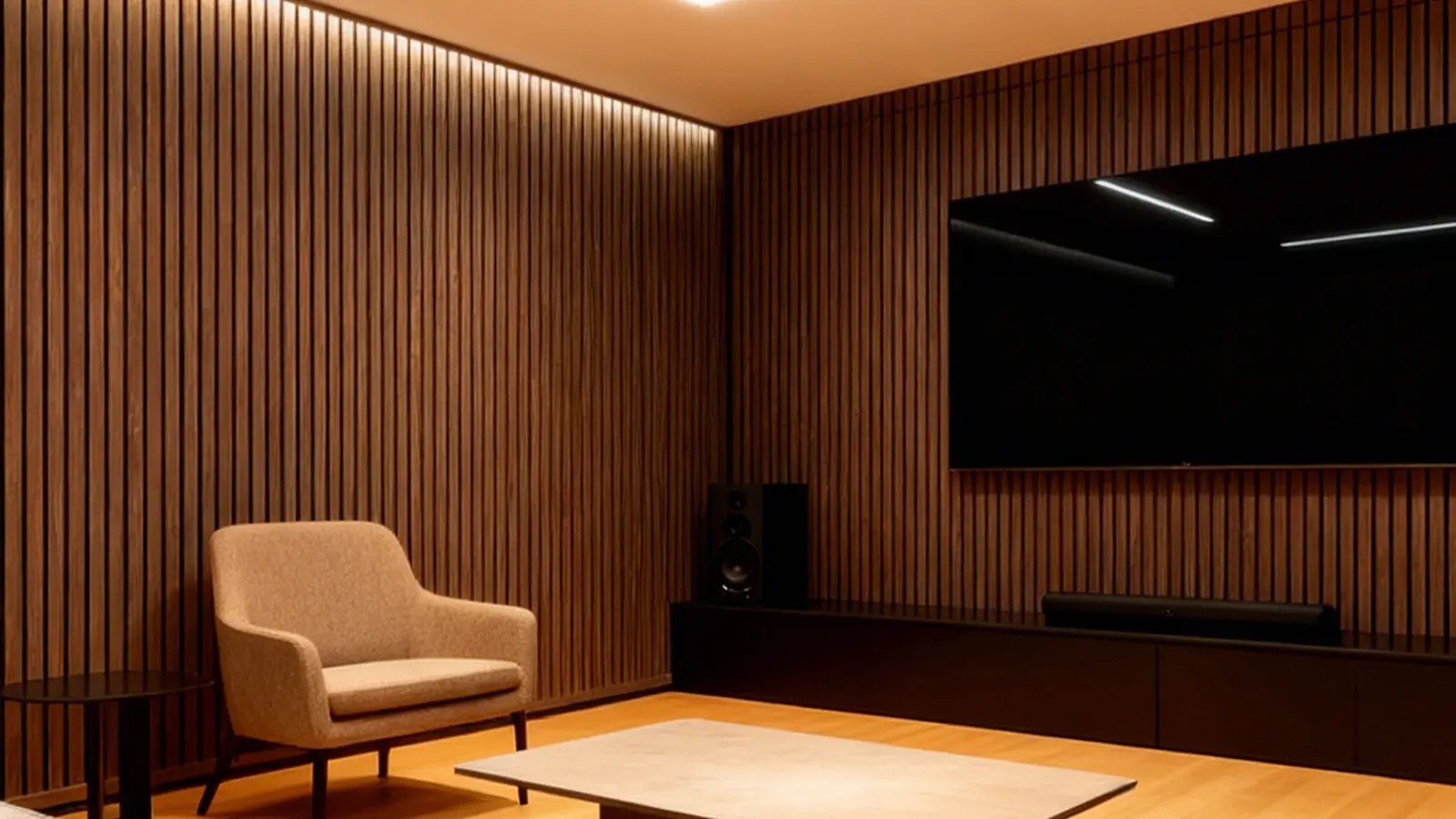
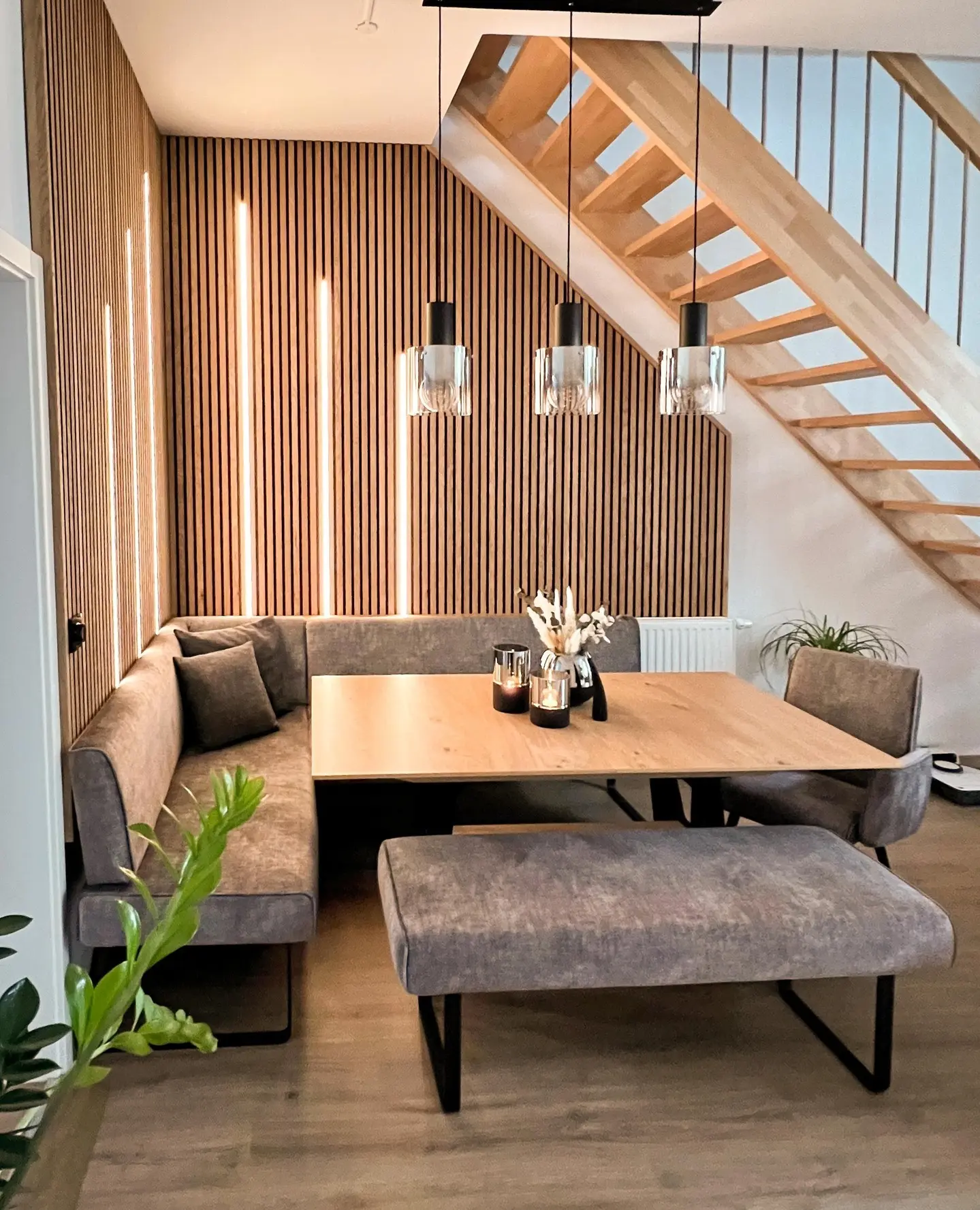
Among the many acoustic treatment options available today, wooden Acoustic Panels stand out for their ability to combine performance with visual appeal. These panels are not only effective in controlling unwanted sound but also contribute to the overall design language of a space.
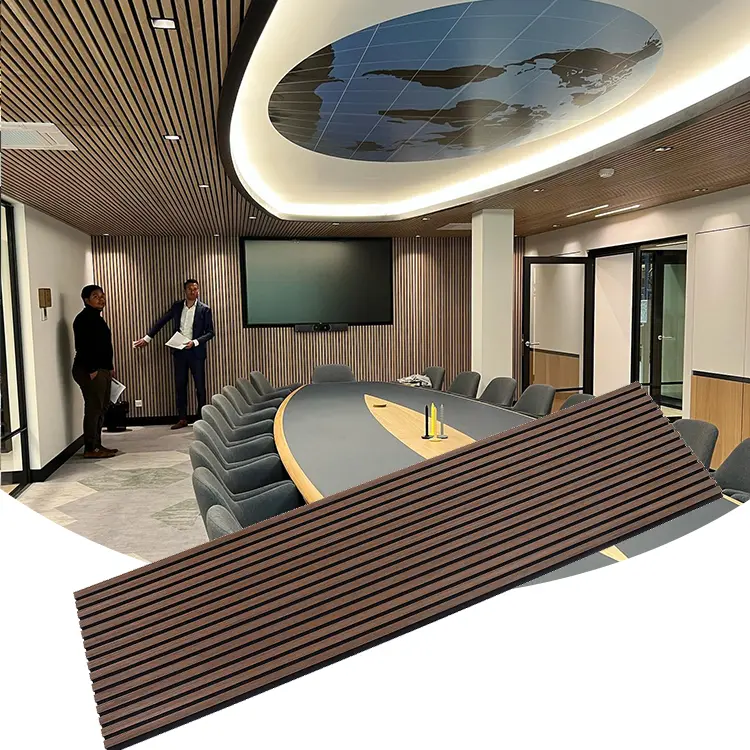
This article explores the benefits, functionality, and practical applications of wooden acoustic panels, helping project developers and designers understand why they are increasingly preferred across industries.
2. Understanding Wooden Acoustic Panels
Wooden acoustic panels are specially designed interior elements that help control sound reflections and improve acoustic quality within enclosed environments. Unlike traditional wall finishes, these panels are engineered with both structure and materials that enhance sound absorption.
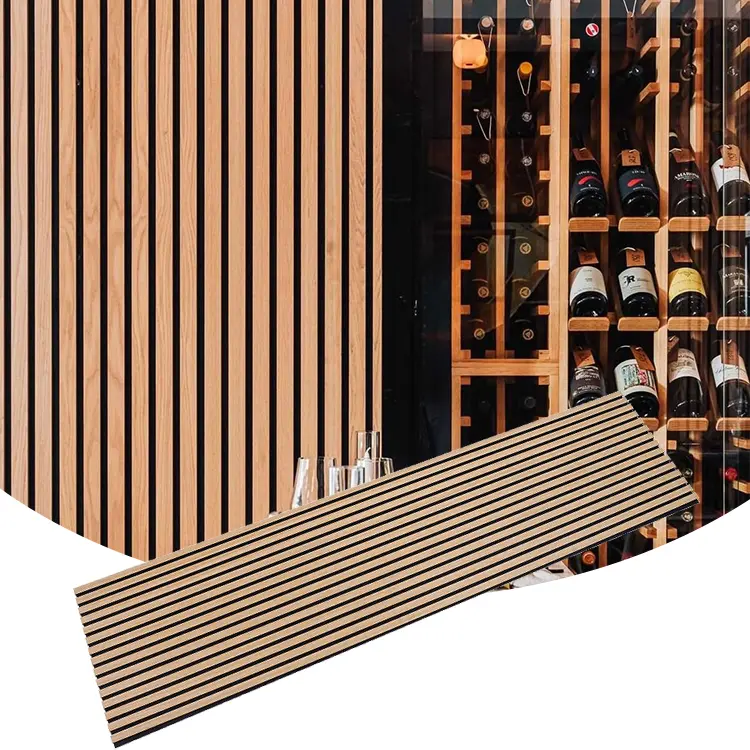
They typically consist of three layers:
- A decorative wood surface (natural veneer or laminate)
- A core board, often made of engineered wood
- An acoustic backing layer such as polyester fiber or mineral wool
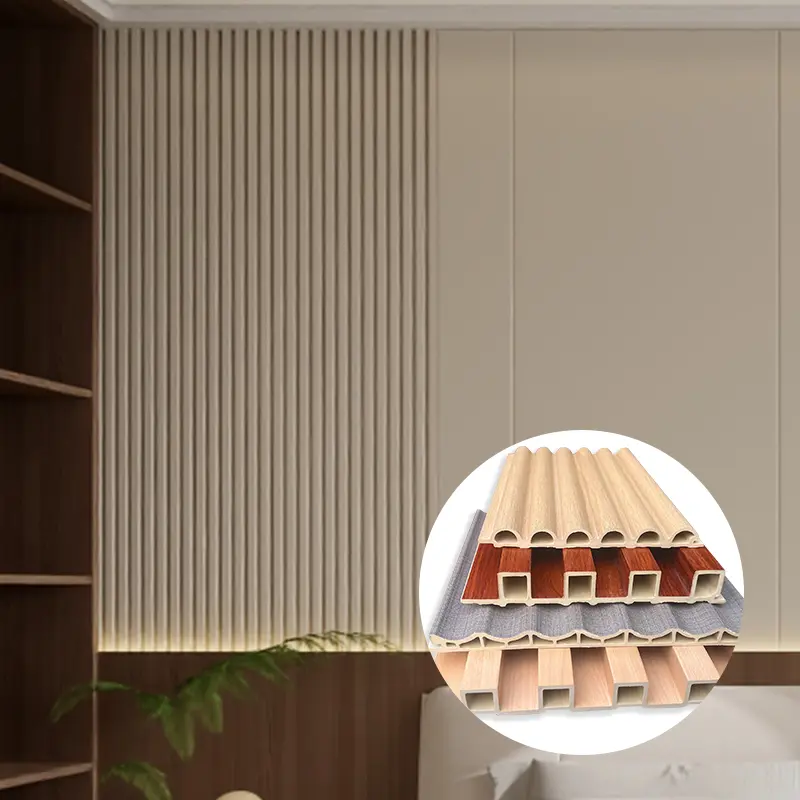
Different designs are available, including slatted, perforated, and grooved patterns, each offering unique acoustic characteristics.
3. The Science Behind Sound Absorption
To understand why these panels are effective, it’s important to look at how sound behaves indoors.
When sound waves hit hard surfaces like concrete, glass, or plain drywall, they bounce back into the room. This reflection leads to echo and reverberation, making speech unclear and increasing overall noise levels.
Wooden acoustic panels address this issue through a combination of mechanisms:
Diffusion of Sound Waves
The textured or slatted surface breaks up sound waves, scattering them instead of allowing direct reflection.
Absorption of Energy
The backing material traps sound energy and converts it into a minimal amount of heat, reducing the intensity of reflected sound.
Frequency Optimization
These panels are particularly efficient at handling mid and high-frequency sounds, such as voices and background chatter.
Together, these effects significantly improve the acoustic environment.
4. Key Advantages of Wooden Acoustic Panels
4.1 Effective Noise Reduction
One of the primary reasons for choosing wooden acoustic panel is their strong sound absorption capability. They help reduce echo and control reverberation, making spaces quieter and more comfortable.
In environments like offices or meeting rooms, this leads to clearer communication and fewer distractions.
4.2 Natural and Elegant Appearance
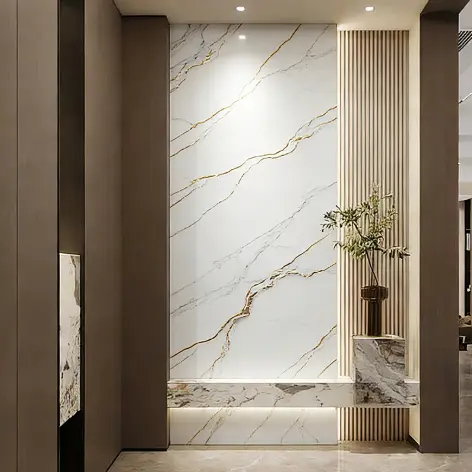
Unlike purely functional acoustic materials, wooden panels enhance the visual quality of interiors.
They offer:
- A warm, natural texture
- A variety of finishes and colors
- Compatibility with modern and classic designs
This makes them suitable for spaces where aesthetics are just as important as performance.
4.3 Sustainable Material Choice
With increasing emphasis on environmentally responsible construction, wooden acoustic panels provide a more sustainable option.
Common eco-friendly features include:
- Use of renewable materials
- Low emission adhesives and finishes
- Recyclable components
These qualities make them a good fit for projects aiming to meet green building standards.
4.4 Simple Installation Process
Another practical benefit is ease of installation. Most panels are designed as modular systems that can be mounted quickly onto walls or ceilings.
This reduces:
- Labor time
- Installation complexity
- Overall project costs
For contractors, this efficiency can be a significant advantage.
4.5 Long-Term Durability
Wooden acoustic panels are built to last. With proper finishing and treatment, they resist wear and maintain their appearance over time.
They are also relatively easy to maintain, requiring only basic cleaning to keep them in good condition.
5. Where Wooden Acoustic Panels Are Commonly Used
The flexibility of these panels allows them to be used in a wide range of environments.
- Commercial Offices: They improve concentration and reduce noise in open-plan layouts.
- Hospitality Spaces: Hotels and restaurants benefit from a more pleasant and controlled sound environment.
- Public Buildings: Libraries, airports, and auditoriums use them to enhance clarity and reduce noise levels.
- Residential Interiors: Homeowners use them in living rooms, bedrooms, and home theaters for better comfort and sound quality.
6. Enhancing Comfort and Productivity
Noise has a direct impact on human well-being. Excessive background sound can lead to stress, fatigue, and reduced productivity.
By improving acoustic conditions, wooden panels help create:
- Calmer environments
- Better communication
- Increased focus
In workplaces, this often translates into higher efficiency and employee satisfaction.
7. Safety and Fire Performance
Modern wooden acoustic panels are engineered to meet safety requirements. Many products include fire-resistant treatments and comply with international safety standards.
Key safety features may include:
- Flame-retardant core materials
- Low smoke production
- Compliance with building regulations
This makes them suitable for both private and public projects.
Although the initial cost may be higher than basic wall finishes, wooden acoustic panels provide long-term value.
They help reduce the need for additional acoustic treatments and offer durability that lowers maintenance expenses.
For large-scale projects, the overall cost efficiency becomes more evident over time.
9. Customization Possibilities
One of the strengths of wooden acoustic panels is their adaptability.
They can be customized in terms of:
- Size and thickness
- Surface design
- Color and finish
- Acoustic performance level
This flexibility allows designers and developers to create solutions tailored to specific project requirements.
10. Future Developments in Acoustic Design
As technology and design trends evolve, wooden acoustic panels are also advancing.
Emerging trends include:
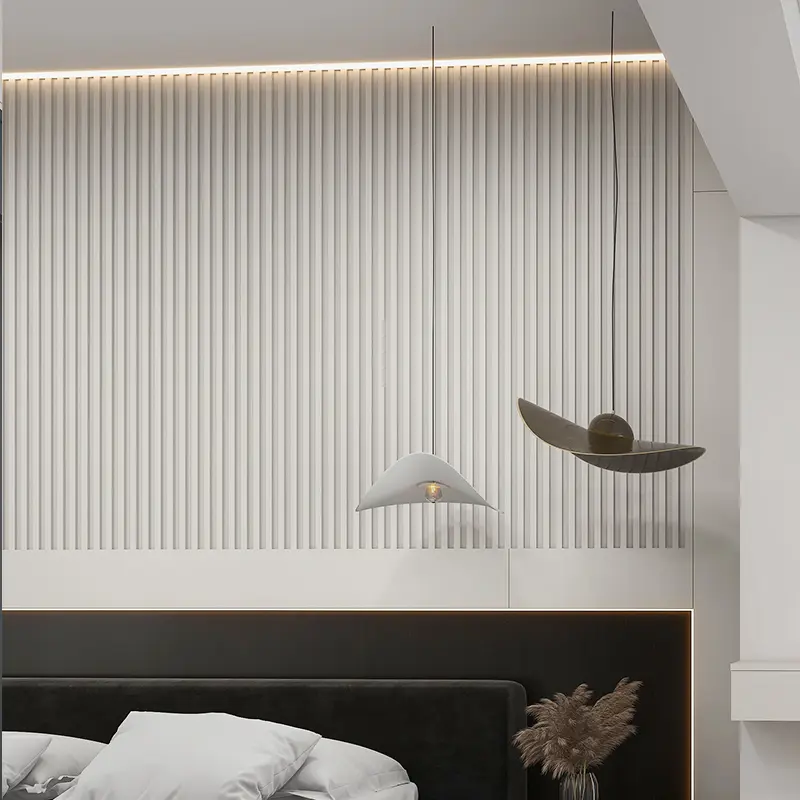
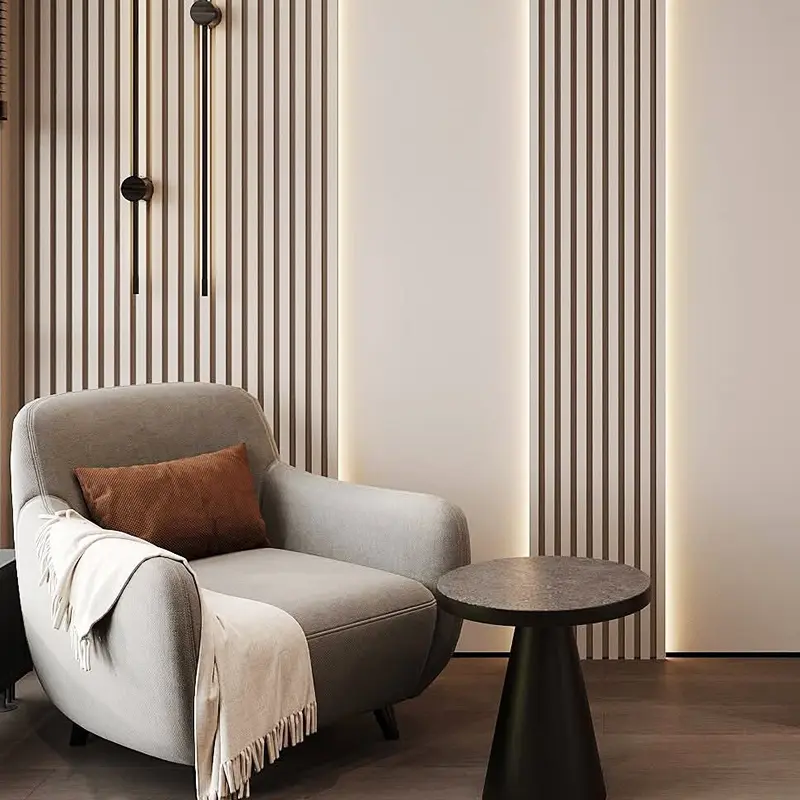
- Integration with lighting systems
- Smart panels with adjustable acoustic properties
- Increased use of recycled materials
These innovations are expected to further expand their applications in modern architecture.
Wooden acoustic panels provide a well-balanced solution for sound control and interior design. Their ability to reduce noise, enhance aesthetics, and support sustainable construction makes them a valuable addition to a wide range of projects.
For architects, designers, and developers, they offer both functional and visual benefits that align with modern building requirements.