
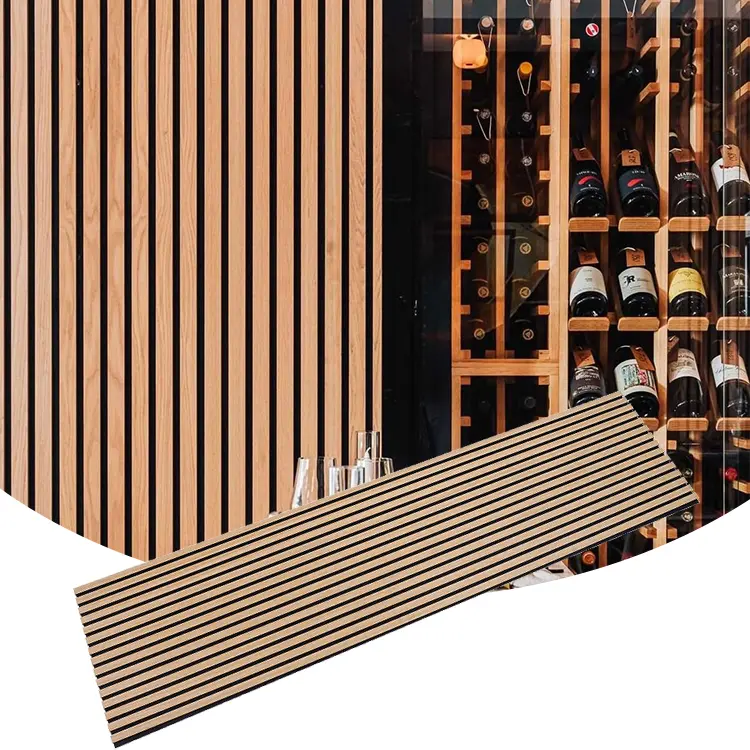
Why Architects Are Specifying Bamboo Charcoal Veneer for Next-Generation Green Buildings
- The Evolution of Interior Cladding
- Biophilic Design and Indoor Air Quality (IAQ)
- Scoring Points for LEED and BREEAM Certifications
- The Carbon Sequestration Reality
- Addressing the "Greenwashing" Elephant in the Room
- The Economic Advantage for Developers and Importers
- Securing Your Supply Chain with Ruide
The commercial real estate sector is undergoing a massive shift. With stringent environmental regulations tightening across North America, Europe, and the Asia-Pacific regions, developers can no longer rely on traditional, resource-heavy Building Materials. Specifiers and architects are constantly on the hunt for interior finishes that balance aesthetic appeal with rigorous environmental compliance.
Enter bamboo charcoal wood veneer. While it might sound like a niche product to the uninitiated, this composite material is rapidly becoming a staple in commercial fit-outs, hospitality designs, and large-scale residential developments. But how exactly does this material fit into the strict frameworks of modern sustainable architecture? As a premier manufacturer of architectural finishes, Ruide breaks down the science, the application, and the environmental economics behind this innovative Wall Cladding solution.
The Evolution of Interior Cladding
Historically, achieving a premium wood-grain finish meant relying on harvested hardwoods or heavily processed Medium Density Fiberboard (MDF) covered in synthetic laminates. Both options carry significant environmental baggage. Hardwoods contribute to global deforestation and require decades to replenish. MDF, on the other hand, is notorious for off-gassing volatile organic compounds (VOCs) due to the heavy use of formaldehyde-based glues.
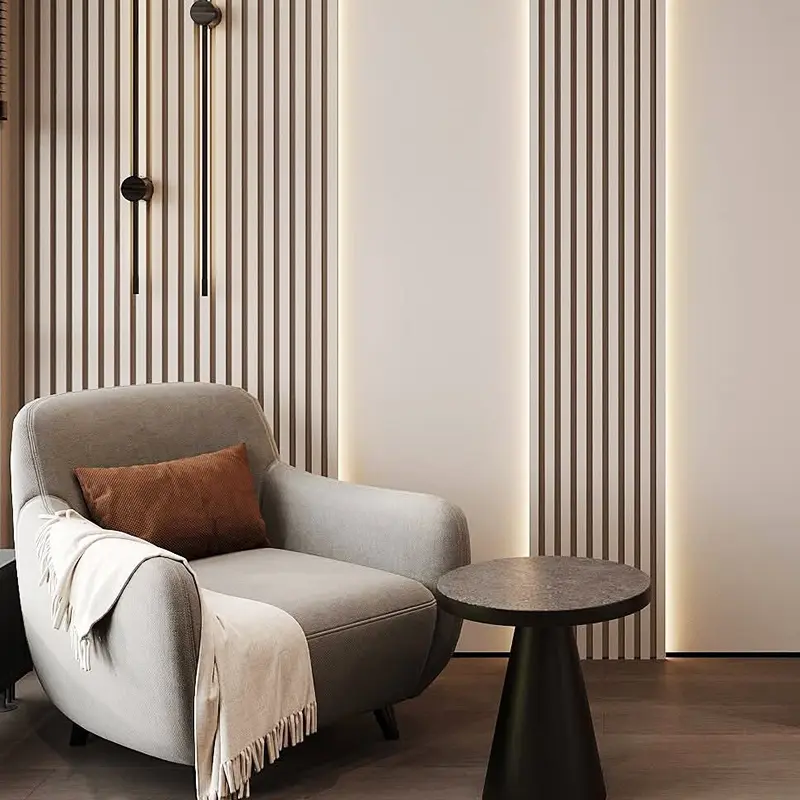
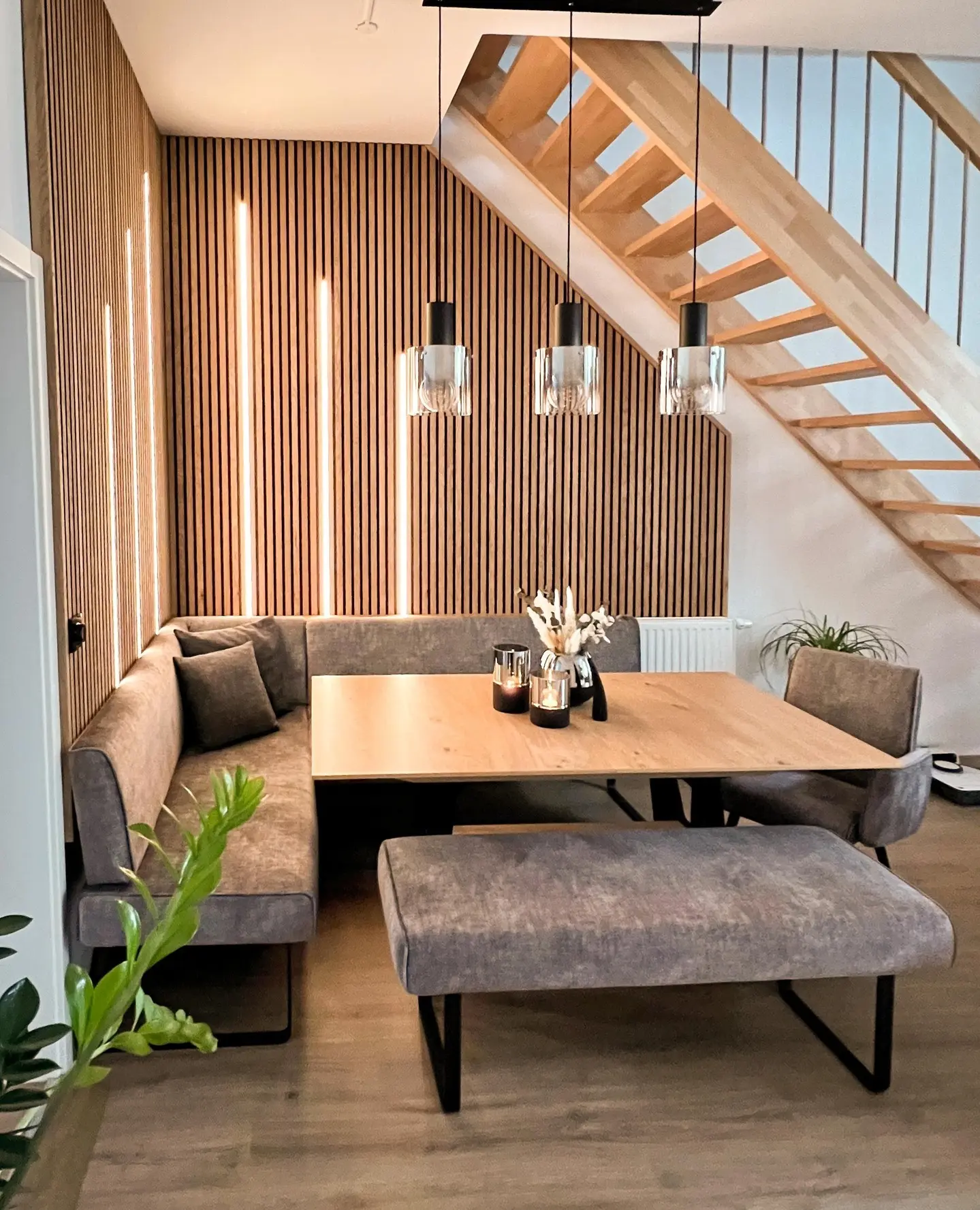
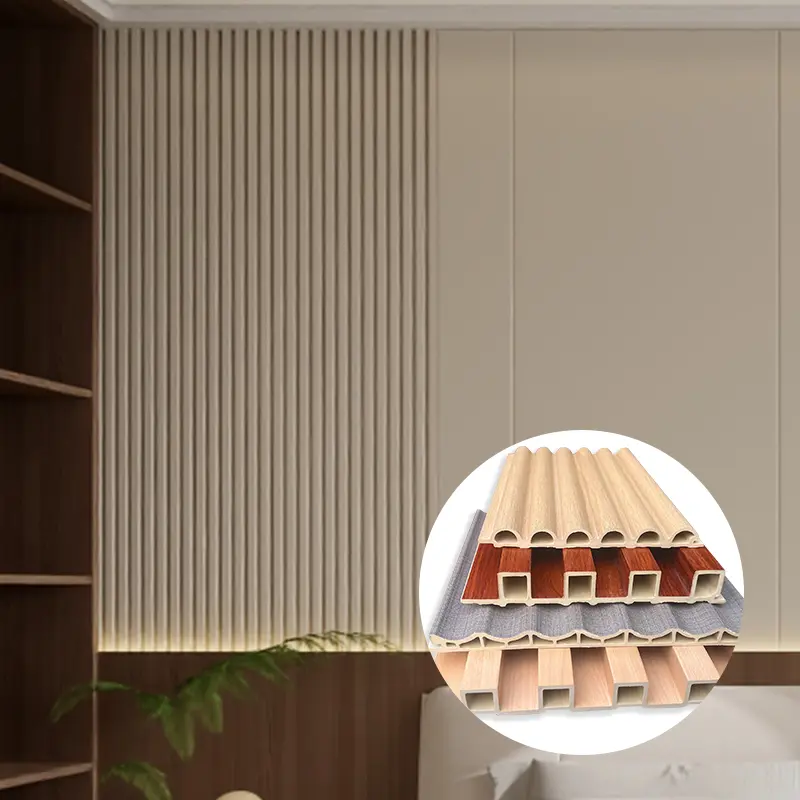
Bamboo charcoal veneer disrupts this outdated paradigm. It is engineered by combining highly renewable bamboo fiber with micro-porous bamboo charcoal powder, which is then extruded and fused under extreme heat and pressure. The resulting substrate is incredibly dense, dimensionally stable, and capable of being wrapped in various high-performance decorative films. This manufacturing evolution means architects no longer have to choose between visual luxury and environmental responsibility.
Biophilic Design and Indoor Air Quality (IAQ)
One of the most pressing concerns in modern facility management is "Sick Building Syndrome"—a condition where occupants experience acute health and comfort effects linked directly to time spent in a building. Poor indoor air quality is usually the primary culprit, driven by the continuous off-gassing of paints, carpets, and traditional Wall Panels.
This is where the unique properties of carbonized bamboo come into play. Bamboo charcoal is highly porous at a microscopic level. In traditional Asian medicine and water filtration systems, this porous nature is used to trap toxins. When integrated into interior wall panels, the charcoal powder retains a degree of this absorptive capability. It actively helps to mitigate ambient odors and traps airborne pollutants, contributing to a noticeably fresher indoor environment.
Furthermore, premium manufacturers like Ruide utilize advanced, low-emission PUR (Polyurethane) reactive adhesives or eco-friendly resins during the lamination process. This ensures that the panels easily meet strict international VOC emission standards, such as California’s CARB Phase 2 or the European E1/E0 classifications. For hospitals, schools, and wellness retreats focusing on Biophilic design—a concept that integrates natural elements to improve human health—these panels are an obvious choice.
Scoring Points for LEED and BREEAM Certifications
For B2B buyers and developers, sustainability isn't just a moral choice; it is a financial one. Buildings that achieve LEED (Leadership in Energy and Environmental Design) or BREEAM certifications command higher lease rates, attract premium tenants, and often qualify for government tax incentives.
Procuring bamboo charcoal wood veneer directly contributes to these certification frameworks in several critical ways:
- Rapidly Renewable Materials: LEED awards specific points for utilizing materials that harvest in a 10-year cycle or less. Bamboo reaches full maturity in just 3 to 5 years, far exceeding this requirement.
- Regional Materials & Sourcing: While the bamboo is harvested in Asia, the sheer density and lightweight nature of the finished composite panels mean that shipping carbon costs are lower per square meter compared to heavy solid timber or stone slabs.
- Indoor Environmental Quality (IEQ): Because the product drastically reduces the introduction of formaldehyde and other toxic binders into the building envelope, it helps secure vital points in the IEQ categories of major green building assessments.
The Carbon Sequestration Reality
To truly understand the sustainability of a product, we have to look at its cradle-to-gate carbon footprint. Bamboo is an aggressive grower. During its rapid growth phase, it absorbs significantly more carbon dioxide from the atmosphere than an equivalent stand of hardwood trees.
However, when standard timber rots or is burned at the end of its lifecycle, it releases that stored carbon back into the atmosphere. The manufacturing process of our veneer changes this dynamic. By subjecting the bamboo to pyrolysis (high-temperature treatment in the absence of oxygen), the organic material is converted into charcoal. This process effectively locks the carbon into a stable, solid state. When installed in a commercial building designed to last 50 years, that wall panel acts as a long-term carbon vault.
Addressing the "Greenwashing" Elephant in the Room
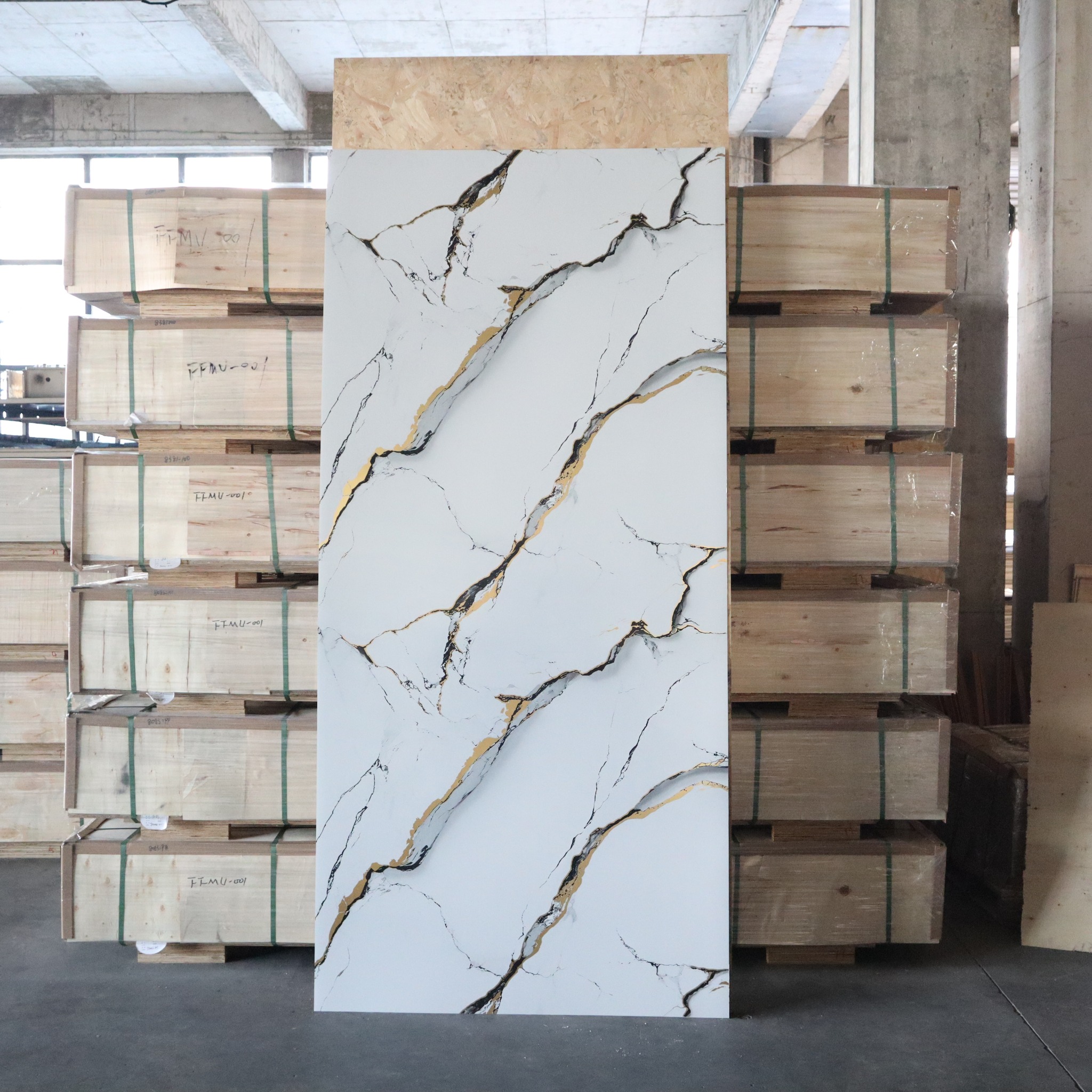
Professional procurement teams are naturally skeptical of miracle materials. Is bamboo charcoal veneer 100% flawless? No industrial product is. The decorative surface layers often rely on PVC or PET films to achieve the realistic wood, stone, or fabric textures that designers demand.
If these synthetic surface layers are produced irresponsibly, they can detract from the product's overall eco-friendly profile. The key to mitigating this lies in supply chain transparency. At Ruide, we prioritize the use of recyclable PET films and heavy-metal-free PVC alternatives. Furthermore, the core substrate is designed to be exceptionally durable. The true measure of sustainability is longevity; a panel that resists moisture, impact, and fading, and therefore doesn't need to be ripped out and replaced every five years, is inherently more sustainable than a "100% natural" product that degrades quickly in a commercial setting.
The Economic Advantage for Developers and Importers
Beyond the environmental metrics, the B2B appeal of this material is heavily rooted in installation efficiency and lifecycle costs. Traditional wood paneling requires skilled carpenters, extensive on-site finishing, staining, and sealing. This introduces unpredictable labor costs and delays project handovers.
Bamboo charcoal panels are prefabricated and finished at the factory. They utilize intuitive click-and-lock or standardized channel installation systems. A standard commercial lobby can be clad in a fraction of the time it takes to install traditional millwork. Because the material is highly resistant to moisture and termite damage, facility managers spend virtually nothing on ongoing maintenance.
Securing Your Supply Chain with Ruide
As the global push for sustainable commercial interiors accelerates, securing a reliable, high-volume manufacturing partner is critical for distributors and large-scale architectural firms. Ruide stands at the forefront of this material revolution. We do not just assemble panels; we engineer solutions.
By controlling the entire process—from sourcing sustainably managed bamboo forests to the final precision extrusion and lamination—we guarantee consistency, environmental compliance, and competitive wholesale pricing. Whether you are outfitting a massive hospitality chain or supplying a regional network of interior contractors, Ruide provides the scale, the certifications, and the customization capabilities you require.
Embrace the future of commercial interiors. Reach out to the Ruide global procurement team today to request technical data sheets, discuss OEM/ODM opportunities, and receive your comprehensive sample kit.