



Why Acoustic Panels Are Becoming Essential in Modern Hotels
- Introduction: The Rising Importance of Quiet Hospitality
- Sleep Quality as a Revenue Driver
- Competitive Positioning in Premium and Urban Markets
- Engineering Features That Improve Acoustic Control
- Regulatory and Brand Compliance
- Financial Considerations and Return on Investment
- Conference Facilities and Privacy Requirements
- Supporting Wellness and Sustainable Design
- Key Specification Considerations
- Conclusion
Introduction: The Rising Importance of Quiet Hospitality
Guest expectations in the hotel industry have evolved significantly over the past decade. While interior design, service personalization, and digital convenience often dominate marketing campaigns, one factor increasingly determines guest satisfaction behind the scenes: acoustic comfort.
Modern travelers—especially business professionals and long-haul international visitors—prioritize uninterrupted rest. Studies in hospitality management consistently show that noise-related dissatisfaction ranks among the most common negative review triggers. In an age where online ratings influence booking behavior, even minor acoustic shortcomings can affect revenue performance.
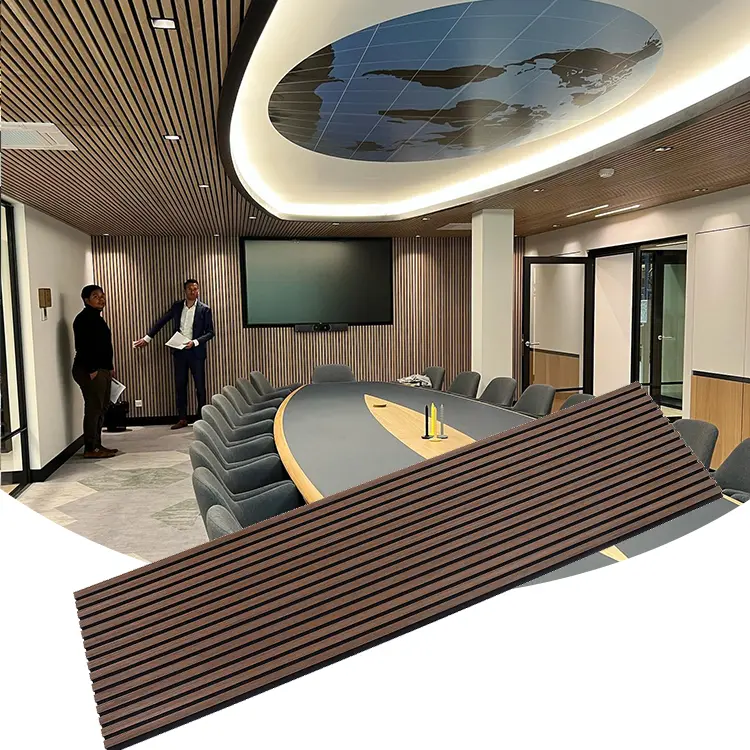
One of the most effective architectural solutions to reduce unwanted noise transmission is the installation of engineered Acoustic panels. Unlike conventional interior materials, these high-performance units are specifically constructed to limit airborne sound leakage between guest rooms, corridors, and shared facilities.
This article explores the strategic, operational, and financial reasons why Acoustic Panels are becoming standard in competitive hotel developments worldwide.
1. Sleep Quality as a Revenue Driver
A comfortable bed alone does not guarantee restorative sleep. Sound intrusion—whether from neighboring rooms or hallway activity—can quickly undermine an otherwise premium experience.
1.1 Typical Noise Challenges in Hotel Buildings
Hotels operate as dynamic environments with overlapping acoustic sources:
- Guests walking in corridors
- Elevator doors opening and closing
- Conversations in adjacent rooms
- Televisions played at high volume
- Plumbing vibrations
- Mechanical equipment
- Street traffic in urban properties
Standard interior materials generally provide limited resistance to sound transmission. Many conventional acoustic solutions offer minimal insulation against normal speech levels, allowing conversations to remain clearly audible between spaces.
By contrast, purpose-built Acoustic panels are tested under laboratory conditions and engineered to significantly reduce airborne sound transmission. When properly specified and installed, they can dramatically improve in-room quietness, even in high-density hospitality settings.
1.2 Impact on Guest Reviews and Repeat Bookings
Travel platforms heavily influence purchasing decisions. Words such as “quiet,” “peaceful,” and “well-insulated” frequently appear in top-rated hotel reviews. Conversely, complaints about hallway noise or thin walls can lower overall ratings.
Investing in soundproof Acoustic panel systems can lead to:
- Fewer room change requests
- Reduced compensation or refund cases
- Improved online reputation scores
- Higher likelihood of repeat stays
The cumulative effect of these improvements directly contributes to stronger occupancy performance and long-term profitability.
2. Competitive Positioning in Premium and Urban Markets
Acoustic comfort is increasingly recognized as a value proposition rather than a technical afterthought.
2.1 Quietness as a Premium Selling Point
Luxury brands and boutique properties now incorporate acoustic language into their marketing narratives. Phrases such as “enhanced sound insulation” or “private sleep environment” communicate quality and attention to detail.
Travel segments that especially value quiet accommodations include:
- Corporate travelers
- Conference delegates
- Medical tourists
- Long-stay guests
- High-end leisure visitors
By integrating advanced Acoustic panels, hotels can confidently promote a superior sleep experience—often justifying higher room rates.
2.2 Strengthening Urban Hotel Performance
City-center hotels face constant exposure to external noise: traffic, nightlife, and public transport systems. While façade glazing plays an important role, guestroom Acoustic panels also influence internal sound containment.
Upgrading to professionally designed Acoustic wall panels allows urban hotels to preserve their prime locations without compromising guest comfort. This approach provides a strategic advantage over competitors who rely solely on standard interior materials.
3. Engineering Features That Improve Acoustic Control
The performance of an Acoustic panel depends on more than just thickness. Several structural elements contribute to effective sound attenuation.
3.1 Dense Core Construction
Unlike lightweight conventional materials, Acoustic panels typically incorporate:
- Solid high-density cores
- Sound-absorbing infill materials
- Multi-layer composite panels
- Damping membranes
These layers increase mass and disrupt sound wave transmission. According to acoustic engineering principles, heavier structures generally offer improved sound resistance.
3.2 Advanced Perimeter Sealing
Even minor gaps around a acoustic panel frame can significantly reduce overall acoustic effectiveness. High-performance panel systems address this issue through:
- Automatic drop seals
- Continuous perimeter gaskets
- Threshold sealing systems
- Compression or magnetic strips
By sealing air gaps, these components prevent sound from bypassing the panel itself.
3.3 Integration with Fire Safety Standards
Hospitality projects must comply with fire safety regulations. Many Acoustic panel solutions are available with certified fire-resistance ratings, allowing developers to meet both safety and acoustic requirements in a single specification. This integration simplifies procurement and ensures regulatory compliance.
4. Regulatory and Brand Compliance
International hospitality developments must adhere to building codes and brand technical manuals. Acoustic standards vary by region, but most countries enforce minimum sound insulation criteria between hotel rooms.
Failure to meet these benchmarks can lead to:
- Delays in project approval
- Costly retrofitting
- Brand rejection during inspection
Major global hotel operators require developers to follow detailed construction guidelines that include acoustic performance specifications. Selecting compliant panel systems during initial construction prevents expensive modifications later.
5. Financial Considerations and Return on Investment
Although engineered Acoustic panels typically carry a higher upfront cost than standard interior materials, their long-term value often outweighs the initial investment.
5.1 Reduction in Operational Disruptions
Noise-related dissatisfaction can result in:
- Complimentary upgrades
- Guest relocation
- Refunds
- Negative online publicity
Mitigating these issues improves operational efficiency and protects revenue streams.
5.2 Rate Optimization Potential
Hotels that consistently deliver high-quality sleep environments can command premium pricing. Even modest nightly rate increases, multiplied across hundreds of rooms and sustained occupancy levels, can generate substantial annual revenue gains.
5.3 Durability in High-Traffic Environments
Hospitality Acoustic panels endure frequent use. Quality Acoustic panels are often manufactured with:
- Reinforced mounting brackets
- Scratch-resistant surfaces
- Impact-resistant edges
- Moisture-resistant cores
This durability reduces maintenance cycles and replacement costs over the building’s lifecycle.
6. Conference Facilities and Privacy Requirements
Business hotels and convention properties benefit particularly from improved sound containment.
6.1 Confidential Discussions
Corporate clients expect privacy during meetings. Acoustic panel systems prevent sensitive discussions from being overheard in adjacent spaces.
6.2 Simultaneous Event Hosting
Large venues frequently host multiple events at once. Effective acoustic separation allows ballrooms and meeting rooms to operate independently, increasing rental flexibility and maximizing event revenue.
7. Supporting Wellness and Sustainable Design
Modern hospitality design increasingly integrates wellness principles. Noise control contributes to:
- Reduced stress levels
- Better sleep cycles
- Enhanced overall comfort
Acoustic performance can also contribute to green building certification categories related to indoor environmental quality.
8. Key Specification Considerations
When selecting Acoustic panels for hotel projects, decision-makers should evaluate:
- Required sound performance rating
- Fire-resistance classification
- Panel thickness compatibility
- Hardware integration
- Installation quality
- Manufacturer production capacity
- Packaging for international shipping
- After-sales technical support
Partnering with experienced suppliers ensures consistency across large-scale developments.
Acoustic panel systems are no longer optional upgrades reserved for luxury properties. In today’s review-driven hospitality market, quietness directly influences guest perception, pricing strategy, and brand reputation.
By prioritizing high-performance panel solutions during construction or renovation, hotel developers create environments that support restorative sleep, operational efficiency, and long-term financial success.
A quieter hotel is not simply a more comfortable space—it is a smarter investment.