

Why Acoustic Ceiling Panels Are Becoming a Standard Feature in Modern Hotels
- Introduction: Silence as a Competitive Advantage in Hospitality
- The Growing Importance of Acoustic Comfort in Hotels
- How Acoustic Ceiling Panels Work
- Improving Sleep Quality Through Ceiling Acoustics
- Enhancing Privacy for Business and Premium Guests
- Creating Better Public Space Atmospheres
- Supporting High-Performance Meeting and Event Spaces
- Energy Efficiency and Indoor Comfort Benefits
- Fire Safety and Regulatory Compliance
- Sustainability and Green Building Alignment
- Design Freedom and Visual Identity
- Cost Efficiency and Long-Term Return on Investment
- Emerging Trends in Hotel Acoustic Ceiling Systems
- Conclusion: Acoustic Ceilings as a Strategic Hotel Investment
1. Introduction: Silence as a Competitive Advantage in Hospitality
In the global hotel industry, competition no longer revolves solely around location, room size, or visual design. Today’s guests expect an environment that supports rest, focus, and emotional comfort. Among all environmental factors, sound control has emerged as one of the strongest determinants of guest satisfaction, yet it remains one of the least visible design investments.
Hotels operate as complex sound ecosystems. Conversations overlap with rolling luggage, HVAC systems run continuously, and public areas amplify voices through hard architectural surfaces. Without proper acoustic planning, these elements create fatigue, irritation, and ultimately negative guest feedback.
As a result, acoustic ceiling panels have shifted from optional upgrades to core building components in hotels of all categories. From budget city hotels to five-star resorts, ceiling-mounted acoustic solutions are now used to manage noise, enhance comfort, and protect brand reputation.
This article explores how acoustic ceiling panels deliver tangible value to hotels—covering guest experience, operational performance, compliance, sustainability, and long-term return on investment.
2. The Growing Importance of Acoustic Comfort in Hotels
Guest expectations around sound have changed dramatically over the past decade. Online review platforms consistently rank noise disturbance among the top three causes of negative hotel reviews, alongside cleanliness and service quality.
Common hotel noise challenges include:
- Foot traffic and trolley movement in corridors
- Mechanical noise from air-conditioning and elevators
- Sound leakage from adjacent rooms
- Lobby crowd noise during peak hours
- Restaurant and bar reverberation
- External urban traffic or airport proximity noise
Modern hotel architecture—featuring open layouts, high ceilings, stone floors, and glass façades—often worsens these issues by increasing sound reflection. When sound waves bounce repeatedly across hard surfaces, overall noise perception rises even if the actual sound source remains unchanged.
Acoustic ceiling panels address this problem at its source by absorbing reflected sound energy, reducing echo, and stabilizing the acoustic environment across different hotel zones.
3. How Acoustic Ceiling Panels Work
Acoustic ceiling panels are engineered with porous or fibrous internal structures that convert sound energy into minimal heat through friction. This process prevents sound waves from reflecting back into occupied spaces.
Key performance indicators include:
Noise Reduction Coefficient (NRC)
- Measures how much sound a material absorbs
- Scale: 0.00 to 1.00
- NRC 0.75 means 75% of sound energy is absorbed
Typical hotel benchmarks:
- Guest rooms: NRC ≥ 0.60
- Lobbies and restaurants: NRC ≥ 0.70
- Conference halls: NRC ≥ 0.80
Reverberation Time (RT60)
RT60 represents the time required for sound to decay by 60 dB after the source stops. Excessive reverberation leads to speech overlap and auditory fatigue.
Acoustic ceiling systems significantly shorten RT60, improving clarity and reducing stress in both public and private hotel spaces.
Sound Transmission Control (STC – System Level)
While ceiling panels are not primary sound barriers, high-density systems contribute to overall sound isolation when integrated with floor and wall assemblies, helping reduce cross-room disturbance.
4. Improving Sleep Quality Through Ceiling Acoustics
Sleep quality is the strongest predictor of guest loyalty. Even visually perfect rooms fail when guests cannot rest properly.
Acoustic ceiling panels improve perceived quietness by:
- Reducing reflected corridor noise inside rooms
- Softening HVAC and mechanical sound dispersion
- Lowering echo within the guest room
- Minimizing impact noise perception from upper floors
Importantly, sound absorption does not eliminate noise sources—it reduces how intrusive they feel. Psychologically, rooms with controlled acoustics feel calmer and more private, directly influencing comfort perception.
Hotels where acoustic ceiling treatment is especially critical include:
- Airport hotels
- City-center business hotels
- Long-stay serviced apartments
- Wellness and spa resorts
When combined with Wall Panels, insulated doors, and proper floor underlay, ceiling acoustics form the backbone of a complete hotel sound comfort strategy.
5. Enhancing Privacy for Business and Premium Guests
Privacy is no longer a luxury feature—it is a baseline expectation, particularly among corporate travelers and high-end clientele.
Acoustic ceiling panels help maintain privacy by:
- Reducing internal sound buildup
- Lowering speech intelligibility outside enclosed spaces
- Supporting confidential conversations
This is particularly valuable in:
- Executive floors
- Meeting lounges
- Co-working areas
- VIP suites
In business hotels, ceiling acoustic systems are often paired with sound masking solutions to further enhance privacy without compromising openness or design aesthetics.
6. Creating Better Public Space Atmospheres
Public areas generate revenue and shape first impressions, but they are also the most acoustically challenging zones.
Hotel Lobbies
Large volumes, hard finishes, and constant movement often create chaotic soundscapes. Acoustic ceiling panels help:
- Calm background noise
- Improve communication at reception desks
- Reinforce a premium brand atmosphere
Restaurants and Bars
Poor acoustics reduce dining comfort and shorten dwell time. Ceiling panels absorb crowd noise and dish impact sounds, allowing guests to converse comfortably without raising their voices.
Better acoustics directly support:
- Higher guest satisfaction
- Increased food and beverage revenue
- Stronger online reviews
Corridors
Corridors act as sound highways. Ceiling absorption reduces the transmission of footsteps, rolling luggage, and late-night conversations before they reach guest rooms.
7. Supporting High-Performance Meeting and Event Spaces
For conference-oriented hotels, acoustic performance directly impacts commercial competitiveness.
Poor sound environments lead to:
- Listener fatigue
- Reduced speech clarity
- Lower event satisfaction
Acoustic ceiling panels improve:
- Speech intelligibility
- Sound distribution
- Overall meeting effectiveness
Hotels with professionally treated meeting spaces are more attractive for:
- Corporate events
- Government functions
- International conferences
- Training programs
This translates into higher utilization rates and stronger long-term contracts.
8. Energy Efficiency and Indoor Comfort Benefits
Many acoustic ceiling panels also contribute to thermal insulation due to their material composition.
Benefits include:
- Reduced heat transfer
- More stable indoor temperatures
- Lower HVAC energy demand
Materials such as mineral wool, PET fiber, and wood-based composites help regulate indoor climate, supporting energy-efficient building operation over time.
9. Fire Safety and Regulatory Compliance
Commercial hotels must meet strict fire safety regulations. High-quality acoustic ceiling panels are designed to comply with international standards, including:
- ASTM E84 Class A fire ratings
- Low smoke development
- Limited flame spread
This is essential for:
- International brand approvals
- Insurance compliance
- Local building code certification
Fire-rated acoustic systems allow hotels to improve sound comfort without compromising safety.
10. Sustainability and Green Building Alignment
Sustainability is increasingly influencing hotel development and procurement decisions. Modern acoustic ceiling panels often incorporate:
- Recycled PET fibers
- Engineered wood
- Low-VOC binders and adhesives
Many systems support green building certifications such as LEED or similar regional standards.
For hotel brands pursuing ESG goals, acoustic ceiling solutions contribute to:
- Lower carbon footprints
- Healthier indoor environments
- Sustainable brand positioning
11. Design Freedom and Visual Identity
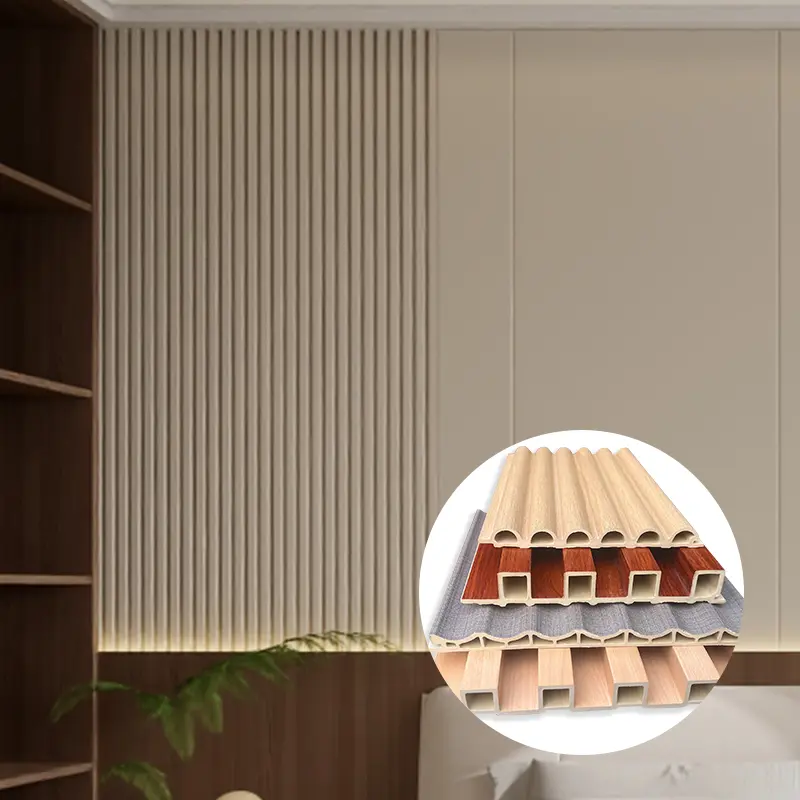
Today’s acoustic ceiling panels are no longer limited to plain white tiles. Designers can choose from:
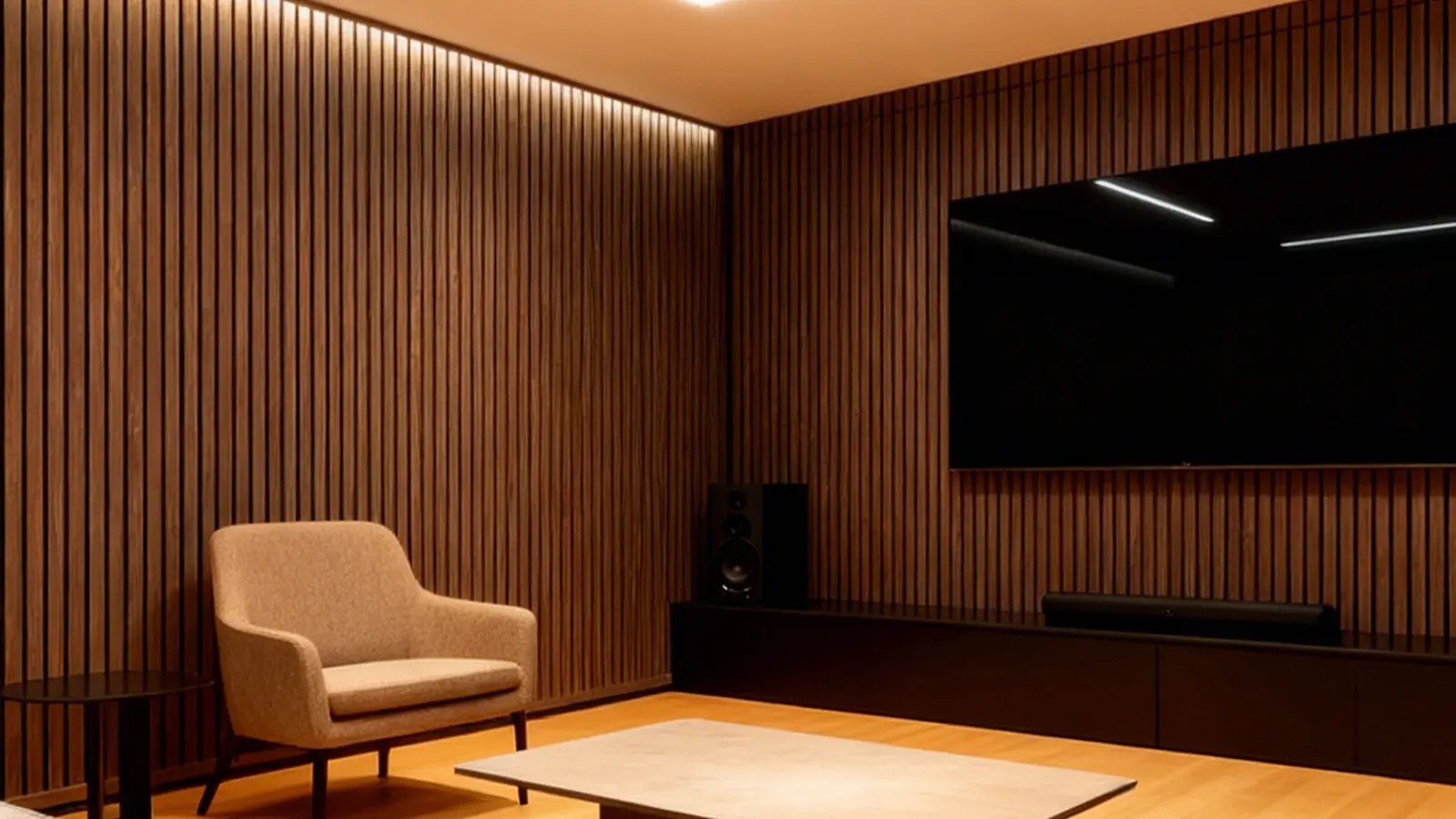
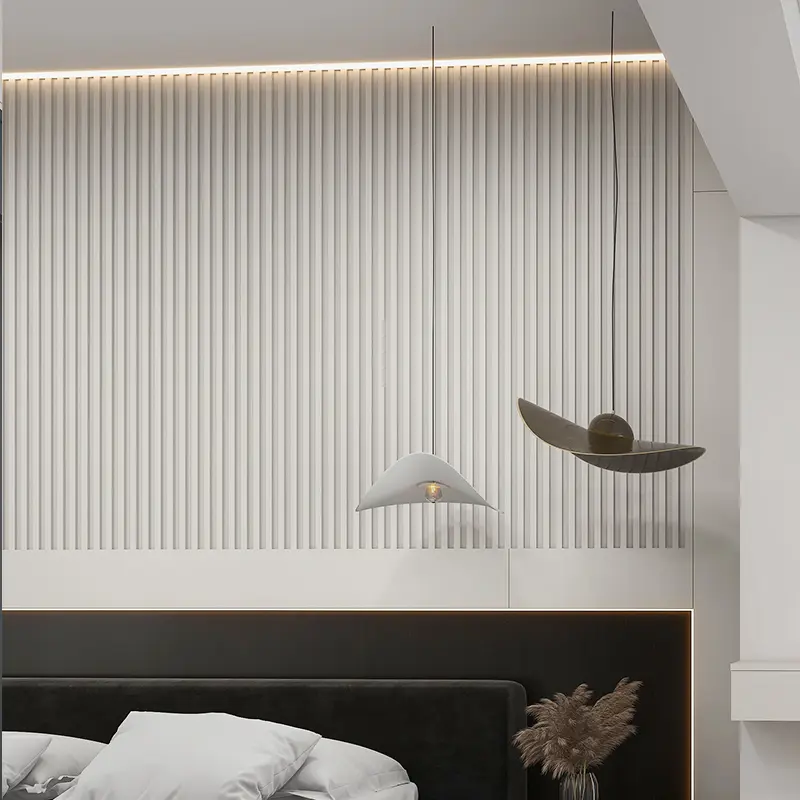
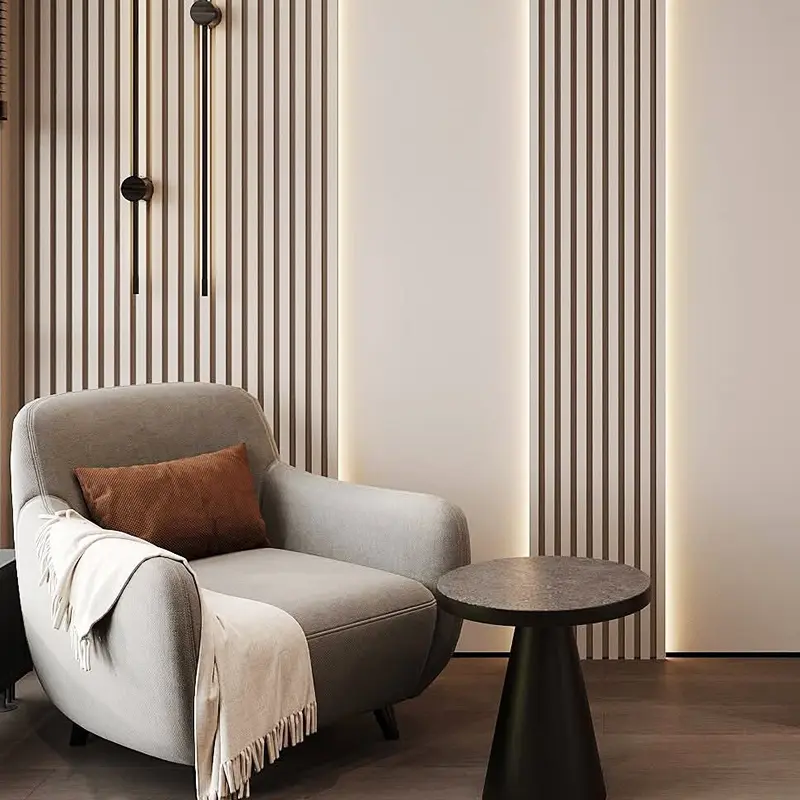
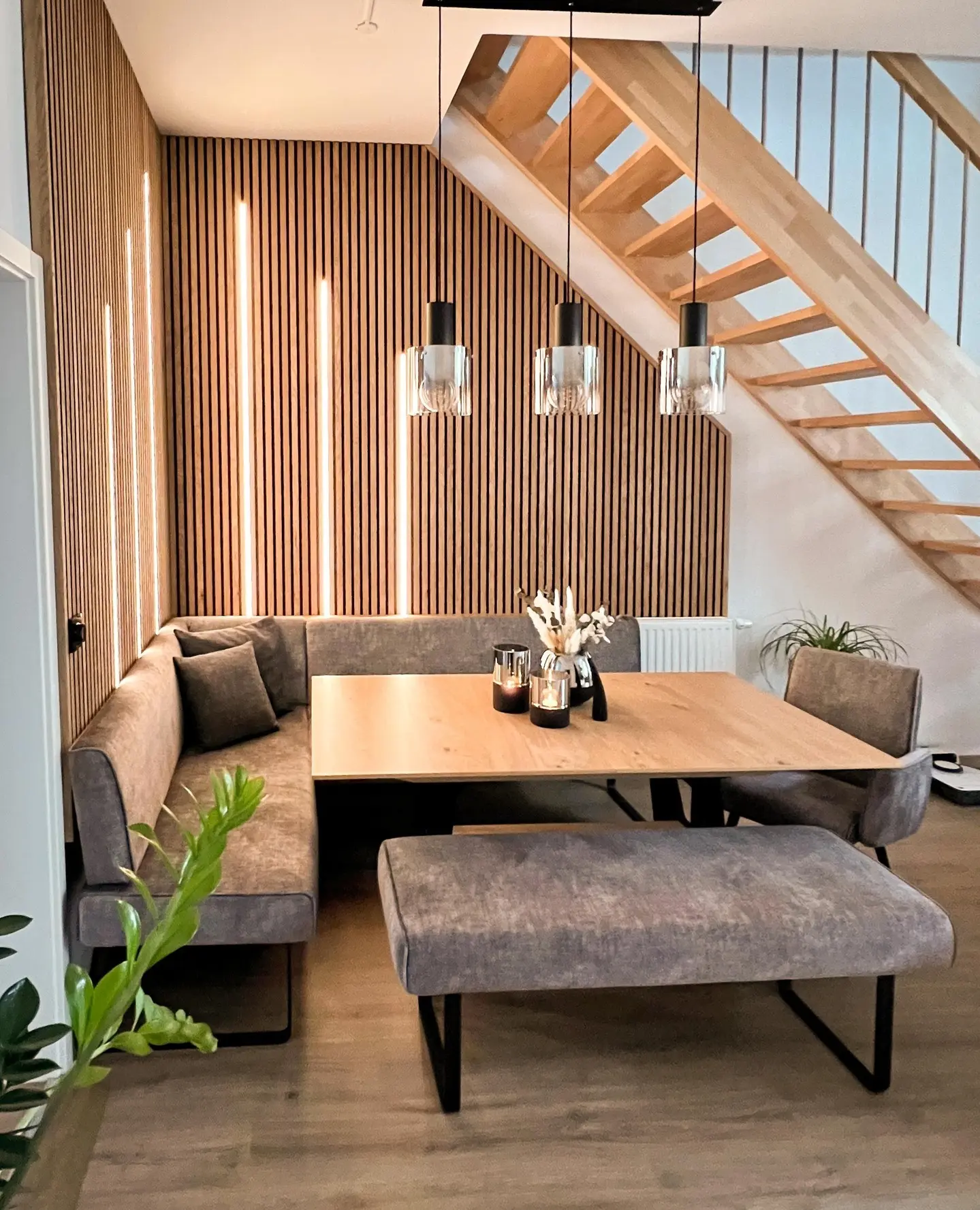
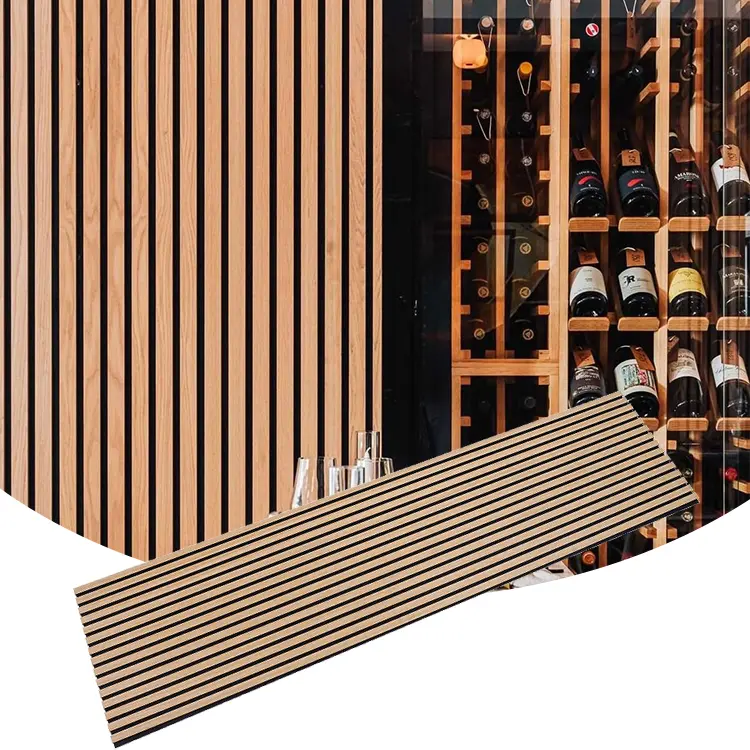
- Wood slat acoustic ceilings
- Fabric-wrapped panels
- Perforated metal systems
- Sculptural 3D forms
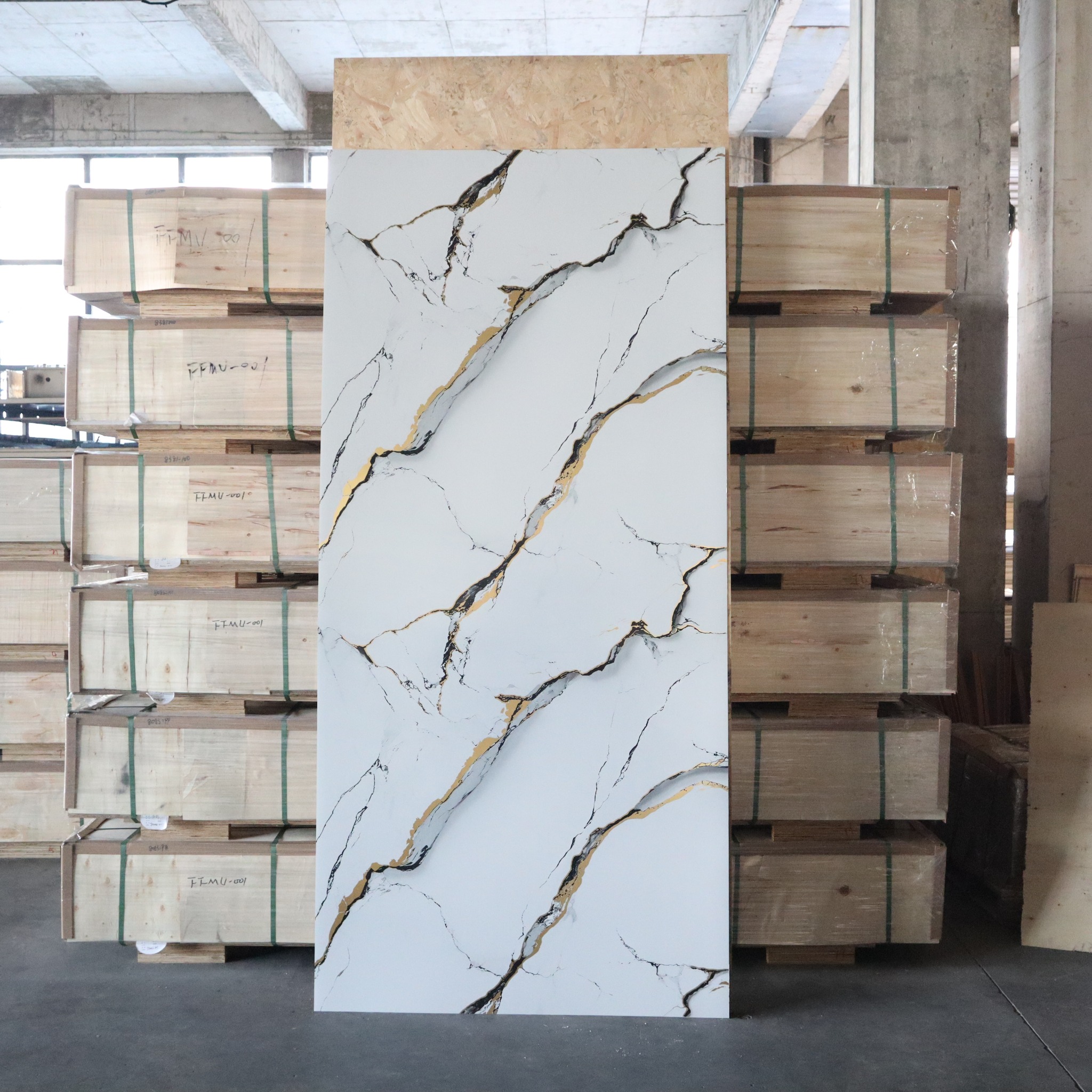
- Custom-color or printed surfaces
This flexibility allows acoustic systems to become design features rather than hidden infrastructure, particularly in boutique hotels and lifestyle brands.
Manufacturers such as RUIDE offer customizable acoustic ceiling solutions that balance performance with architectural expression, supporting both functional and branding objectives.
12. Cost Efficiency and Long-Term Return on Investment
Acoustic ceiling panels deliver strong ROI because they:
- Require minimal structural modification
- Install faster than traditional soundproofing
- Have low maintenance requirements
Indirect financial benefits include:
- Higher guest review scores
- Increased repeat bookings
- Improved corporate contract retention
- Reduced staff fatigue and turnover
For renovation projects, ceiling acoustic systems are especially attractive due to their speed of installation and minimal disruption to hotel operations.
13. Emerging Trends in Hotel Acoustic Ceiling Systems
The next generation of hotel acoustic ceilings is evolving toward:
- Integrated lighting and acoustic systems
- Modular panels for rapid renovation
- Smart building compatibility
- Bio-based and circular materials
- Hybrid absorption and diffusion designs
These innovations allow hotels to future-proof their buildings while maintaining acoustic excellence.
14. Conclusion: Acoustic Ceilings as a Strategic Hotel Investment
Acoustic panels are no longer secondary considerations in hotel design. They are essential infrastructure that directly influences guest comfort, brand perception, and operational efficiency.
By improving sleep quality, enhancing privacy, optimizing public spaces, supporting business events, and contributing to sustainability goals, ceiling acoustic systems deliver value far beyond noise control.
For hotel developers, architects, and operators, investing in high-performance acoustic ceiling solutions is one of the most effective ways to elevate guest experience while protecting long-term financial performance.