
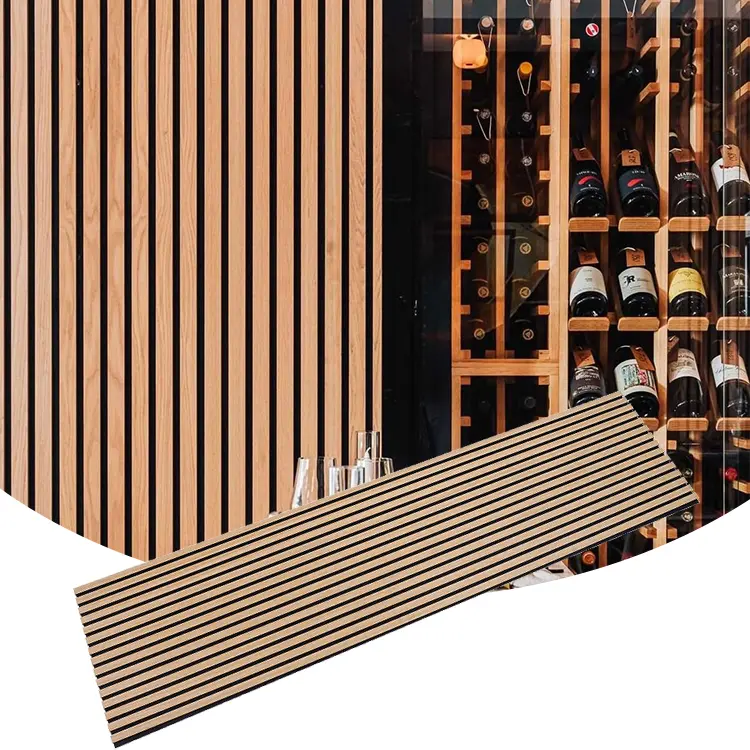
What Goes Into the Production of WPC Wall Panels?
- Introduction
- Defining Wood Plastic Composite
- Wood-Based Ingredients
- Plastic Materials in WPC Formulations
- Mineral Fillers in Composite Panels
- Performance Enhancing Additives
- Decorative Surface Treatments
- Sustainability Benefits
- Overview of the Production Process
- Growing Use of WPC Wall Panels Worldwide
- Conclusion
As construction trends move toward more sustainable and low-maintenance materials, WPC wall panels have become a preferred option for modern interior finishing.
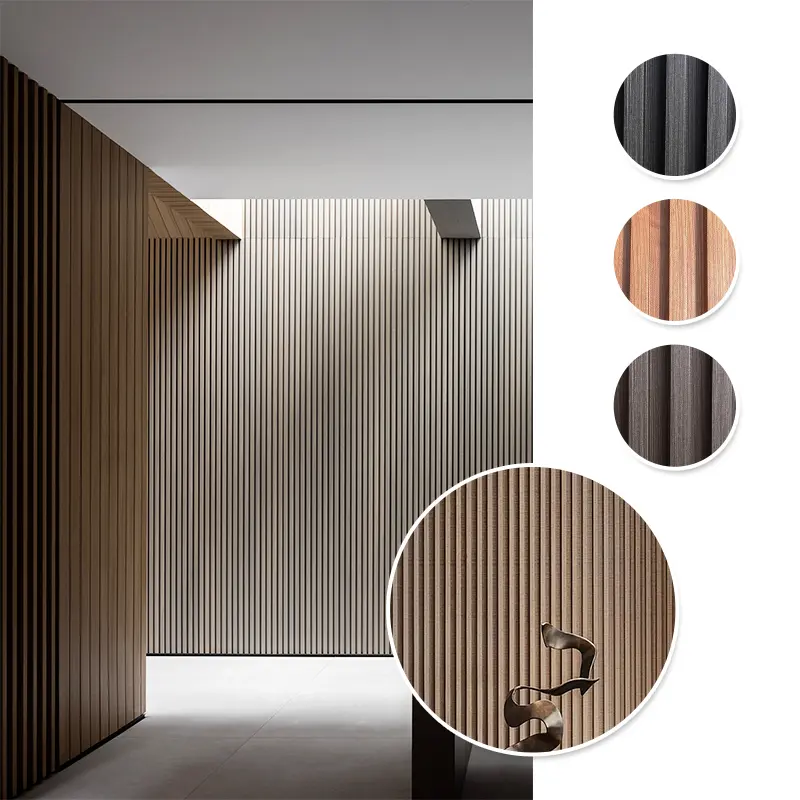
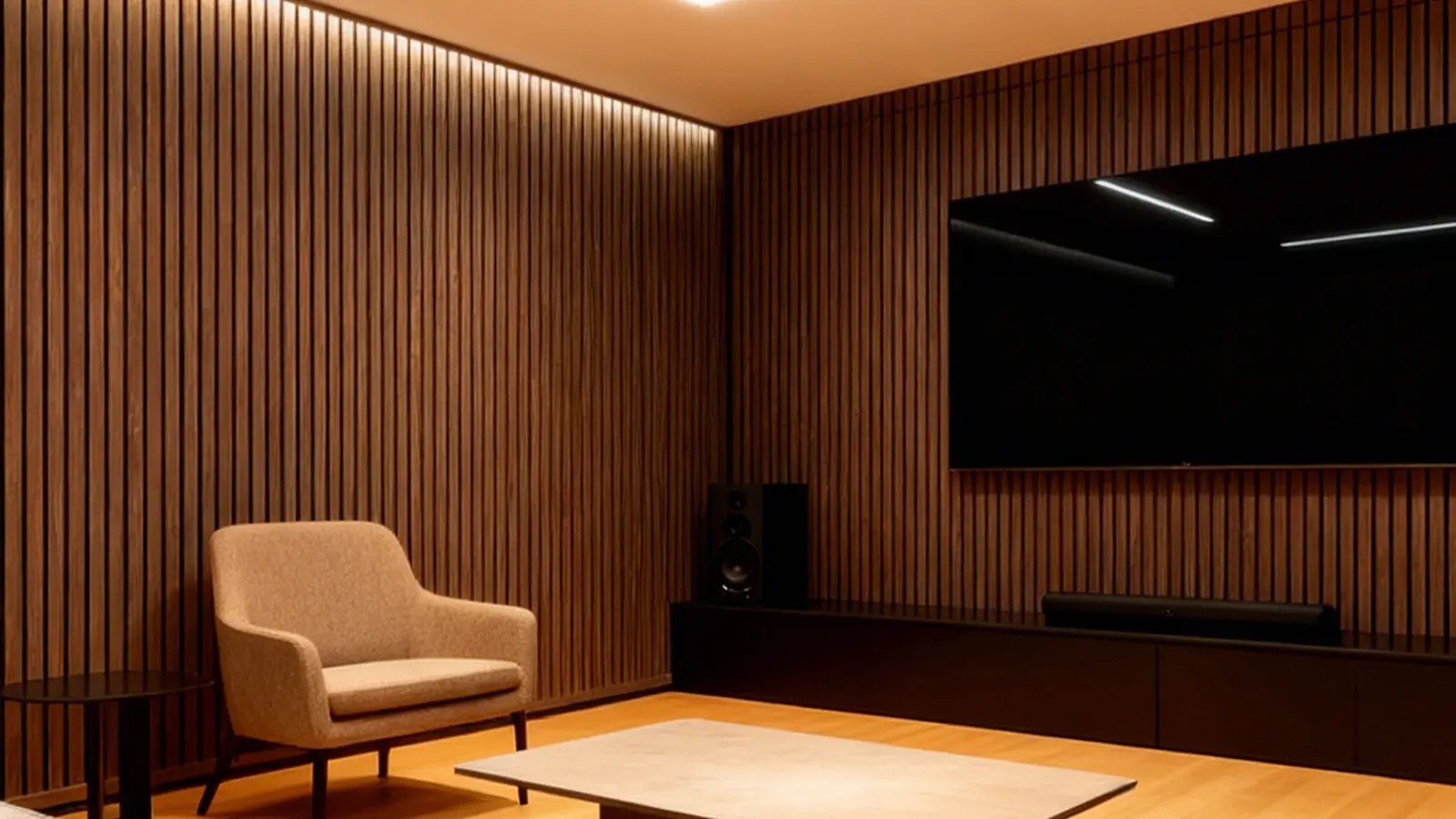
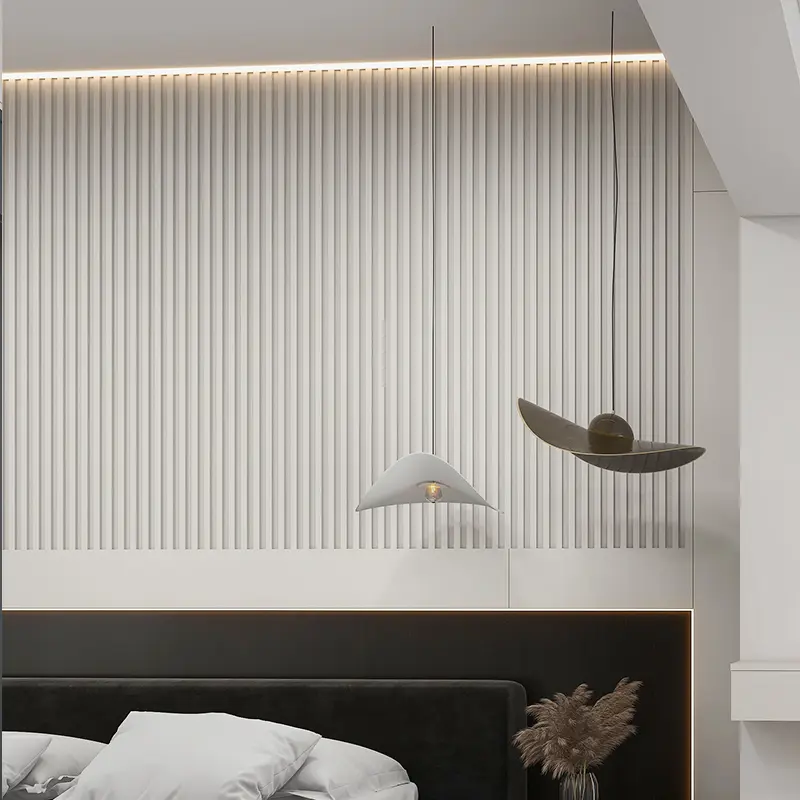
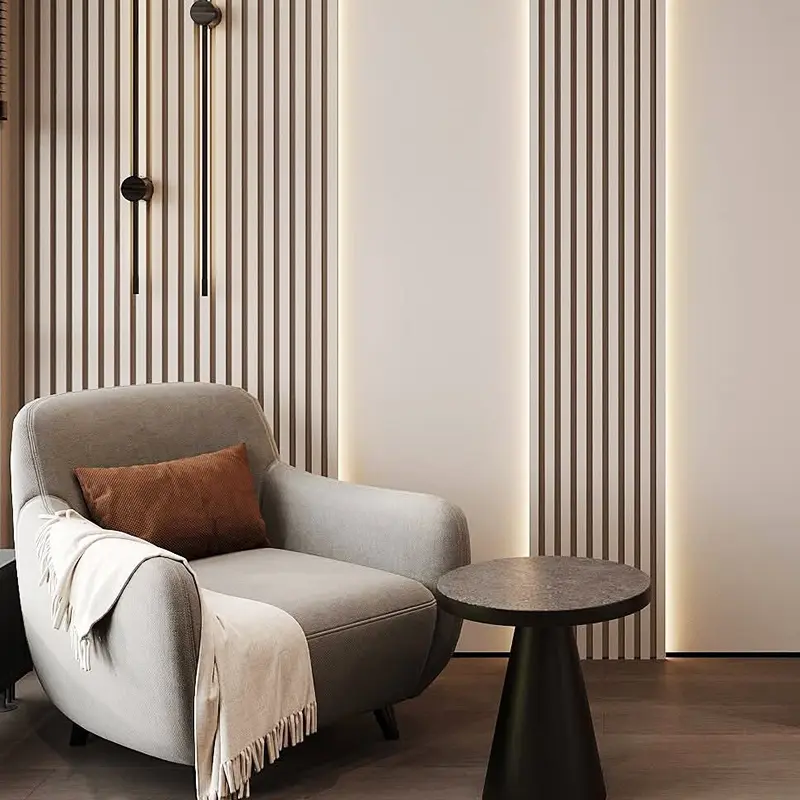
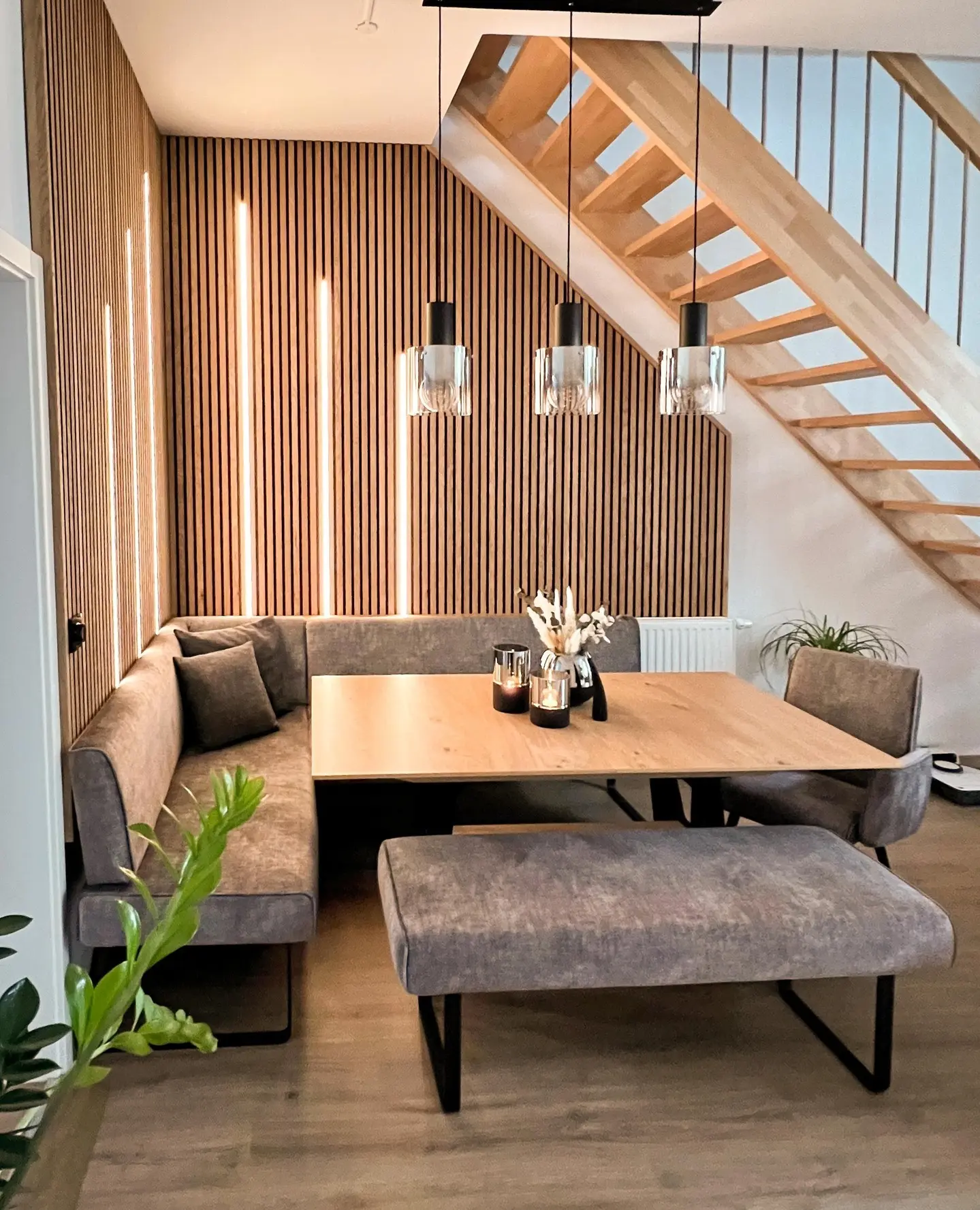
These composite panels are widely used in residential apartments, commercial spaces, hotels, and retail environments. Their ability to imitate natural wood while resisting moisture and pests makes them highly practical for interior Wall Decoration.
Although WPC panels are common in the Building Materials market, many buyers are not familiar with the materials that form the composite structure.
To better understand their performance and reliability, it is helpful to examine the components used during production.
2. Defining Wood Plastic Composite
The term Wood Plastic Composite refers to a hybrid material created by blending wood particles with thermoplastic polymers.
The mixture is processed using heat and pressure to form stable building products such as wall panels, decking boards, or cladding systems.
The resulting material combines the best properties of both components:
- The natural texture of wood
- The durability of engineered plastic
This balance gives WPC panels an advantage over many traditional wall covering materials.
The wood component in WPC panels usually comes in the form of wood flour or fine wood fibers.
These particles are often sourced from recycled wood waste produced by sawmills or furniture factories.
Benefits of Wood Content
Wood fibers provide several structural and aesthetic advantages. They strengthen the composite structure, improve rigidity, and allow the material to resemble natural wood.
Additionally, using recycled wood reduces environmental impact and helps utilize industrial by-products that would otherwise be discarded.
4. Plastic Materials in WPC Formulations
Plastic polymers are the binding element that holds the wood particles together.
During the extrusion process, the plastic melts and forms a continuous matrix around the wood fibers.
Common Thermoplastics
Manufacturers may choose from several thermoplastic materials depending on the product design.
PVC is frequently used for indoor panels because it offers excellent moisture resistance and dimensional stability.
Polyethylene and polypropylene are also used in certain composite products, especially for exterior applications.
The plastic component is responsible for making the panel resistant to water damage, mold growth, and insects.
5. Mineral Fillers in Composite Panels
To optimize mechanical properties and manufacturing efficiency, mineral fillers are added to the composite formula.
Calcium carbonate is one of the most commonly used fillers in WPC materials.
Advantages of Mineral Fillers
These fillers increase the density and stiffness of the composite while helping control production costs.
They also improve the surface consistency of the final panel, making it easier to apply decorative finishes.
In most WPC formulas, mineral fillers represent a modest percentage of the overall mixture.
6. Performance Enhancing Additives
In addition to the main ingredients, several chemical additives are included to improve the material’s performance.
These additives ensure that the panel remains stable during manufacturing and long-term use.
Examples include:
- Stabilizers to prevent heat damage during processing
- UV inhibitors to protect against sunlight exposure
- Lubricants that improve extrusion efficiency
- Bonding agents that strengthen the interface between wood and plastic
Although they are used in small quantities, these additives significantly influence product quality.
7. Decorative Surface Treatments
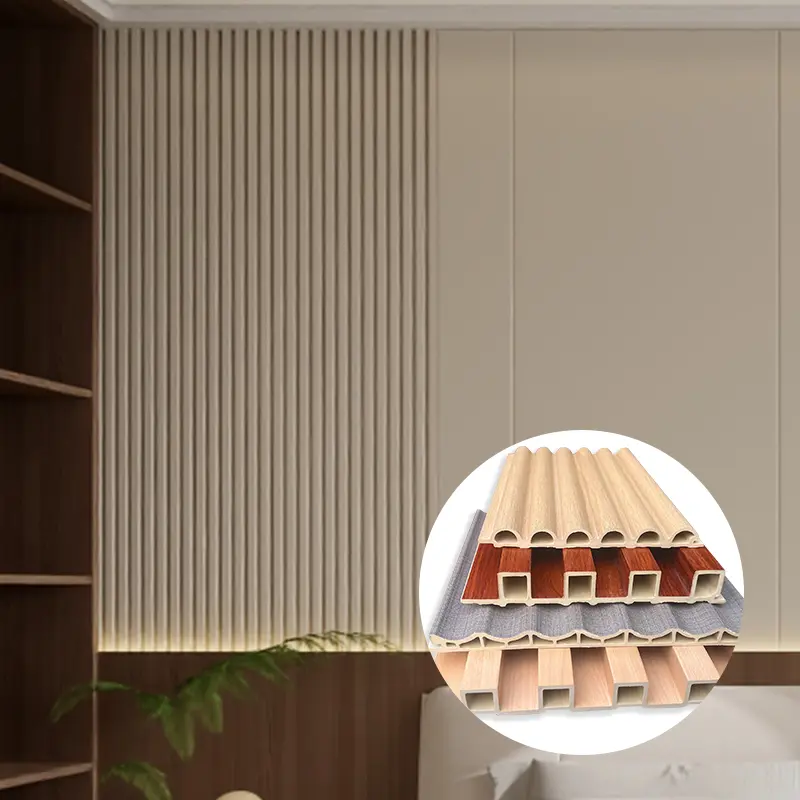
The visual appearance of WPC wall panel is enhanced through different surface finishing technologies.
These treatments allow manufacturers to produce panels that match various interior design styles.
Laminated Decorative Film
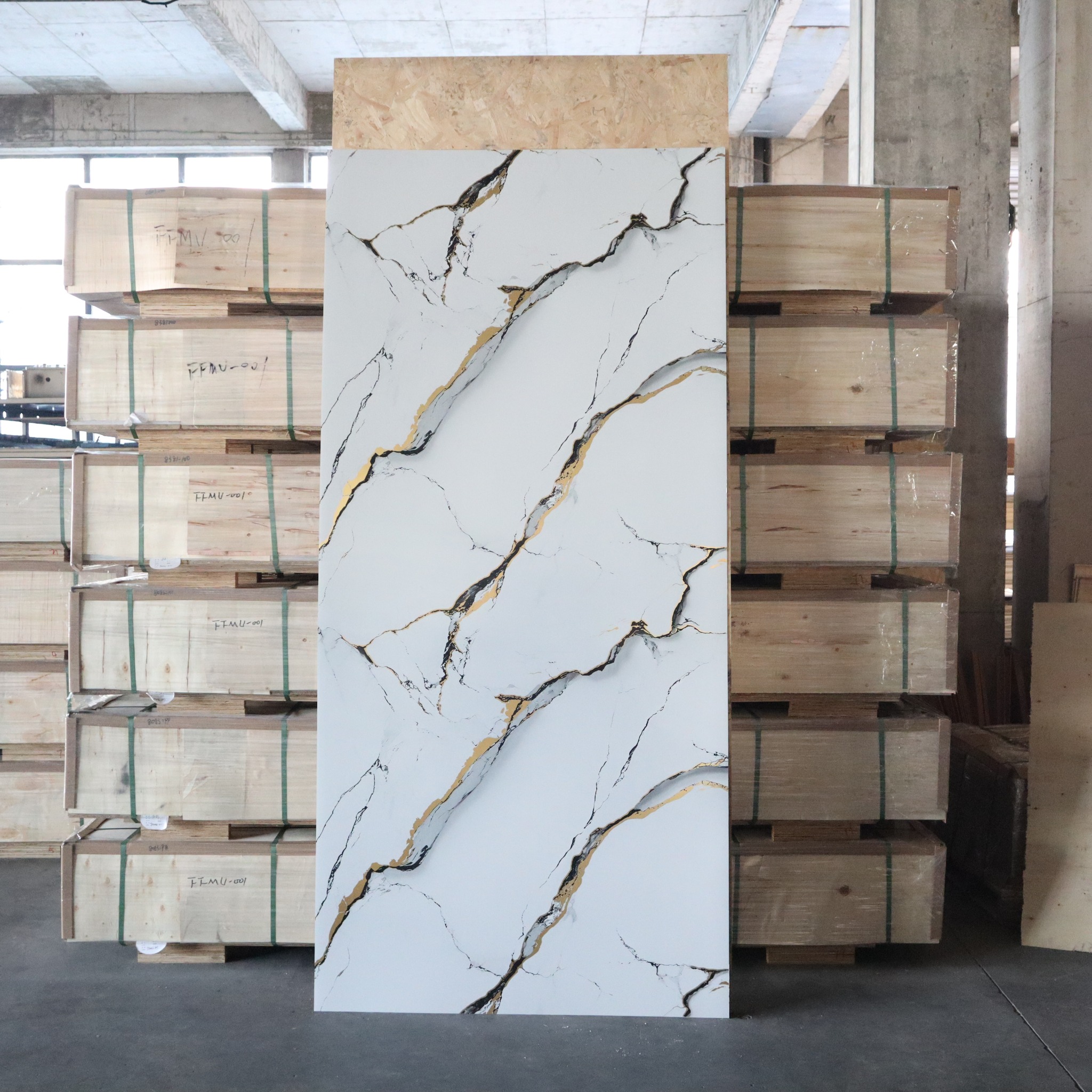
One common finishing method involves applying a decorative film with wood grain or stone patterns.
This film is bonded to the panel using heat and pressure, creating a durable decorative layer.
Protective Coatings
Some products are finished with UV-cured coatings that improve scratch resistance and color stability.
These finishing techniques allow WPC panels to achieve a premium appearance while maintaining durability.
Environmental considerations have become an important factor in building material selection.
WPC wall panel provide several ecological advantages compared with traditional wood products.
Because they use recycled wood particles and recyclable plastics, WPC panels help reduce material waste.
They also require less natural timber than solid wood panels, which helps preserve forest resources.
Many modern WPC products are designed to meet strict environmental standards for indoor air quality.
9. Overview of the Production Process
The production of WPC wall panels involves several key steps.
First, raw materials are measured and blended according to a specific formula.
The mixture is then heated and fed into an extrusion machine where it is shaped into panel profiles.
After extrusion, the panels pass through cooling systems to stabilize their dimensions.
Decorative layers or coatings are applied to create the desired appearance before final inspection and packaging.
Advanced manufacturing equipment ensures consistent product quality across large production volumes.
10. Growing Use of WPC Wall Panels Worldwide
The popularity of WPC wall panels has grown steadily across many international markets.
Architects and builders increasingly choose these panels for projects that require durable, easy-to-maintain wall finishes.
Typical applications include:
- Interior wall decoration in homes
- Hotel renovation projects
- Office and commercial interiors
- Retail stores and showrooms
As global demand for sustainable building materials continues to rise, the use of WPC composites is expected to expand further.
WPC wall panels are produced from a carefully balanced combination of wood fibers, plastic resins, mineral fillers, and performance additives.
This unique composition results in a material that is durable, moisture-resistant, and visually appealing.
Because of these characteristics, WPC panels have become a reliable solution for modern interior decoration and architectural projects.
Understanding the materials used in their production helps buyers evaluate product quality and choose suitable suppliers for long-term projects.
