
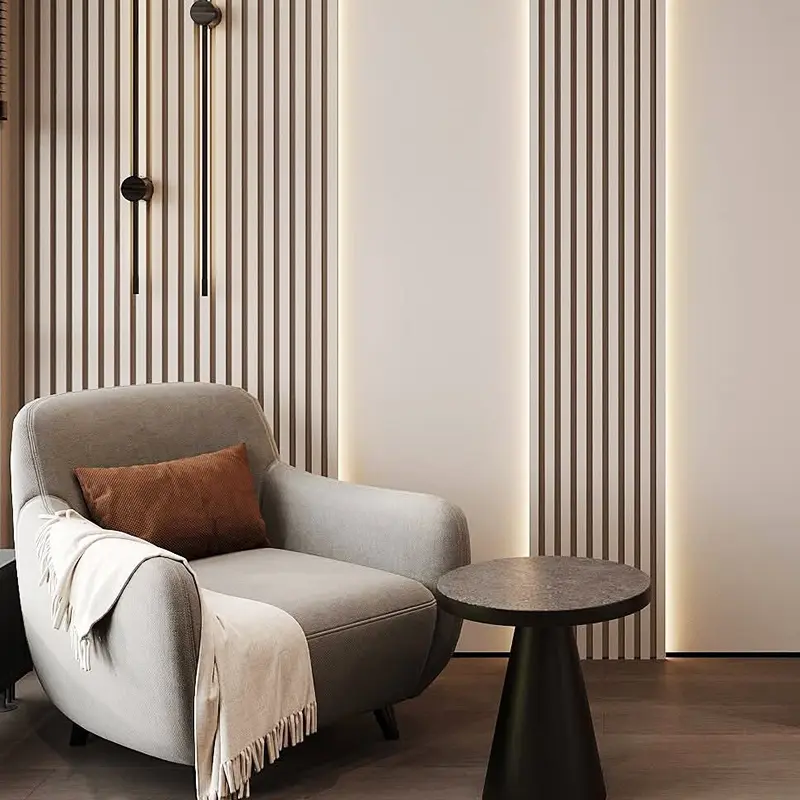
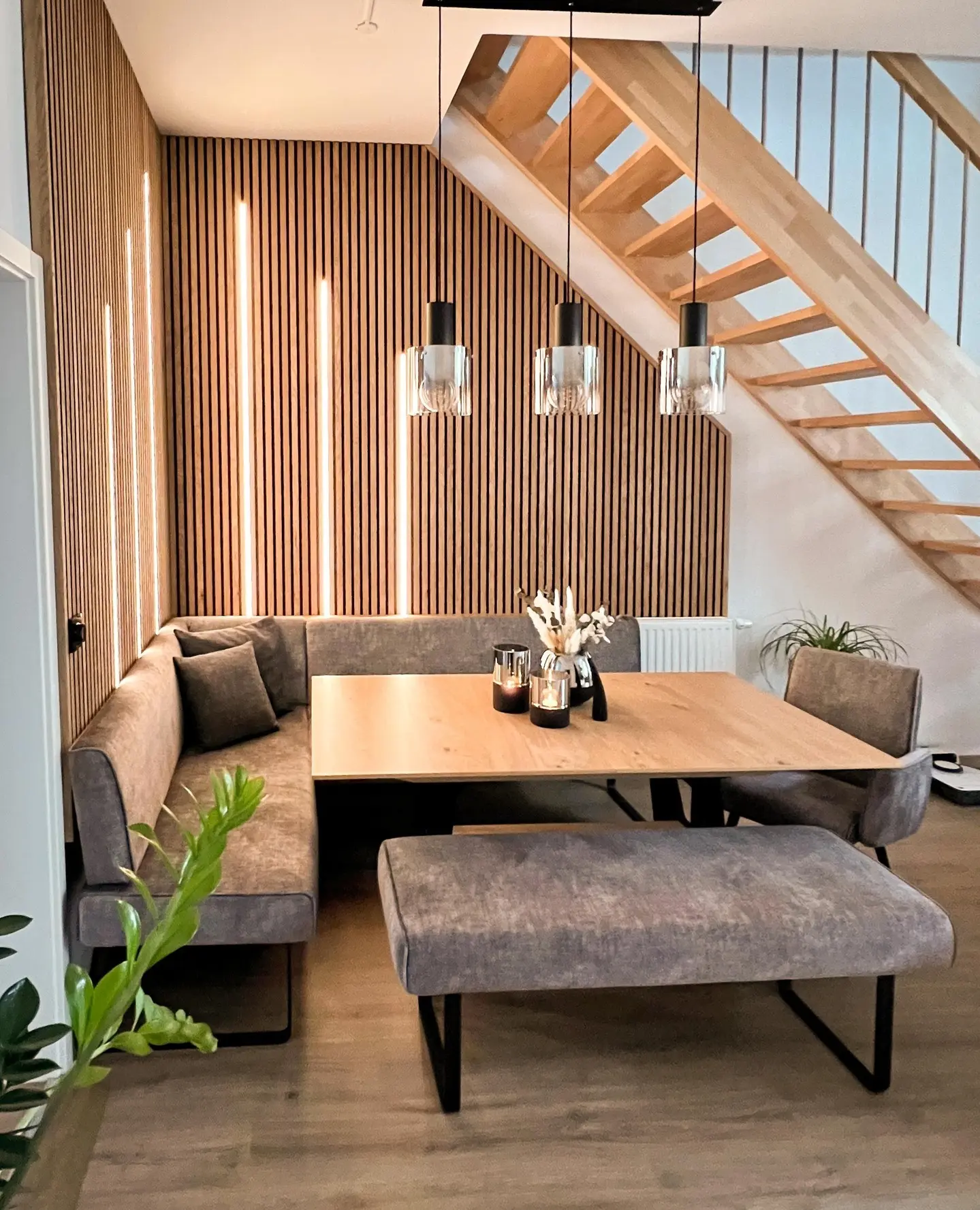
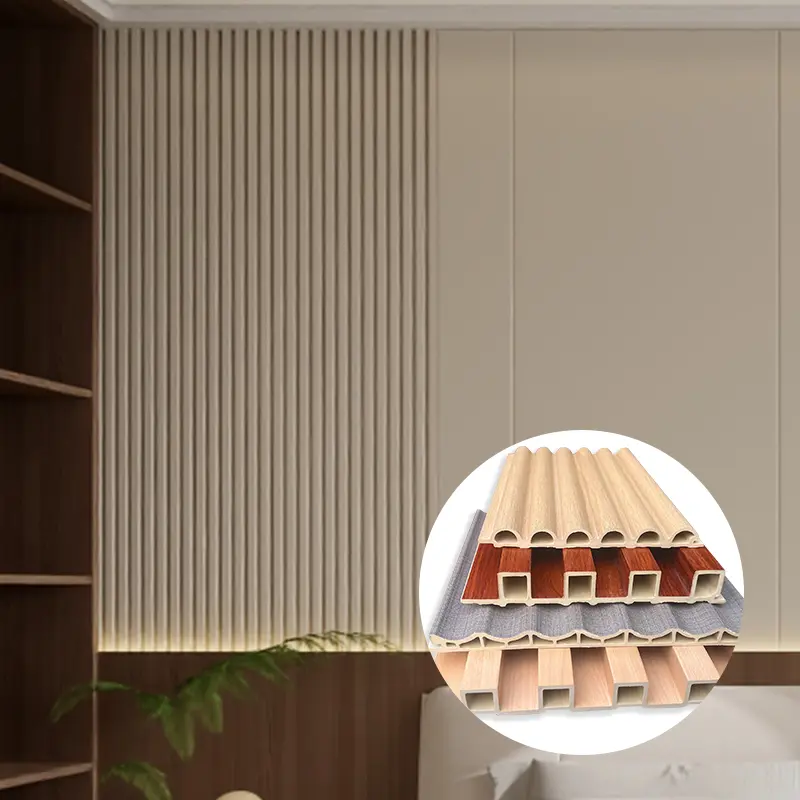
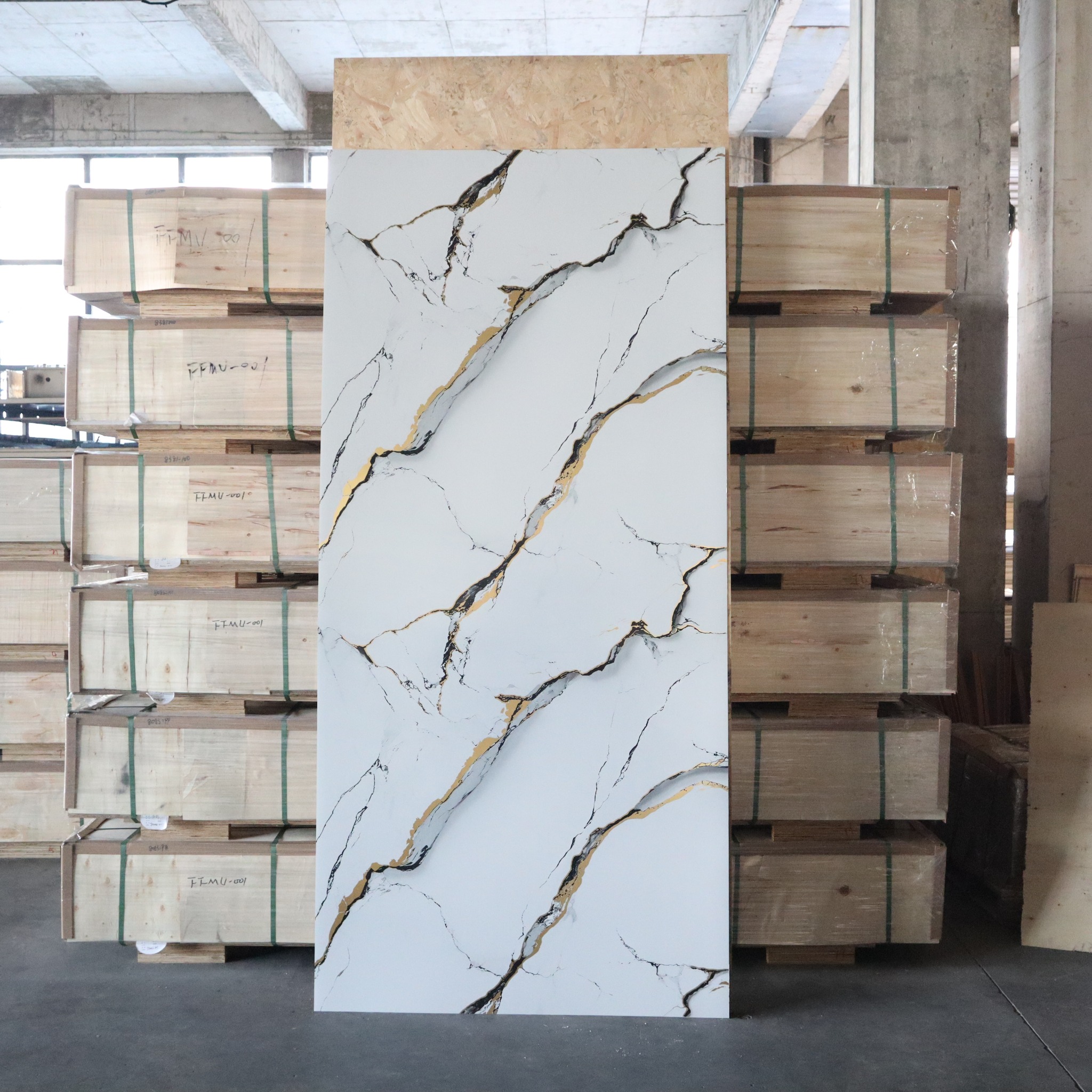
Using PU Stone Wall Panels Outdoors: Installation Tips, Design Ideas, and Practical Advice
Table of Contents
- Introduction
- Understanding PU Stone Wall Panels
- Can PU Stone Panels Handle Outdoor Conditions?
- Key Installation Precautions for Outdoor Projects
- Choosing the Right Design for Exterior Walls
- Is DIY Installation Practical for Outdoor Use?
- Cost Efficiency Compared to Natural Stone
- Regulatory Considerations
- Conclusion
Exterior wall design plays a crucial role in defining the character of a building. As construction materials continue to evolve, PU stoneWall Panels have emerged as a popular alternative to natural stone for outdoor applications. Lightweight, cost-effective, and visually convincing, PU stone panels offer flexibility that traditional materials often lack.
This article explores whether PU stone wall panels are suitable for outdoor use, how to install them properly, and how to choose the right designs for long-term exterior performance.
2. Understanding PU Stone Wall Panels
PU stone wall panels are manufactured using high-density polyurethane molded into stone-like shapes. Advanced surface treatments create realistic textures and color variations that closely resemble natural stone.
For exterior use, manufacturers typically enhance PU stone panels with:
- UV-resistant coatings
- Weather-resistant surface layers
- Reinforced structural density
These improvements allow the panels to perform well in outdoor environments when installed correctly.
3. Can PU Stone Panels Handle Outdoor Conditions?
Exterior-grade PU stone panels are designed to withstand:
- Sun exposure
- Rain and moisture
- Wind pressure
- Moderate temperature changes
However, not all PU stone panels are created equal. Always verify that the product is labeled or tested for outdoor use before installation.
4. Key Installation Precautions for Outdoor Projects
Proper installation is the foundation of long-term success with PU stone panels.
Selecting the Right Installation Surface
The supporting wall must be strong and stable. Suitable surfaces include:
- Concrete
- Cement fiber boards
- Masonry walls
- Exterior-rated plywood
Avoid installing panels on unstable, damp, or uneven surfaces.
Waterproofing Strategy
Even though PU stone panels resist moisture, the wall behind them still needs protection. Best practices include:
- Installing a waterproof membrane
- Sealing joints and edges
- Designing airflow paths behind panels
This prevents water accumulation and protects the building structure from long-term damage.
Managing Temperature Movement
Outdoor temperature fluctuations can cause materials to expand and contract. To accommodate this movement:
- Leave small expansion gaps
- Avoid overly tight joints
- Follow recommended spacing guidelines
This helps prevent warping and cracking over time.
Fixing Methods and Adhesives
Outdoor PU stone panels should be secured using:
- Exterior-grade construction adhesive
- Mechanical fasteners where necessary
- Reinforced fixing systems in high-exposure areas
Always follow the manufacturer’s recommended installation method for best results.
Post-Installation Protection and Maintenance
Applying a protective sealant after installation improves durability and appearance. Benefits include:
- Enhanced resistance to UV rays
- Improved water repellency
- Reduced surface staining
Maintenance requirements are minimal, usually limited to occasional cleaning and inspection.
5. Choosing the Right Design for Exterior Walls
Architectural Harmony
PU stone panels should complement the building’s overall design. For example:
- Traditional homes pair well with rough stone textures
- Modern buildings suit stacked or linear stone styles
Consistency enhances visual appeal.
Wall Size and Visual Balance
Consider the scale of the wall:
- Large walls benefit from bold stone patterns
- Accent walls work well with finer textures
Balanced proportions prevent visual overload.
Color and Texture Considerations
Outdoor light can dramatically affect color appearance. Neutral and natural stone colors tend to age better and adapt well to changing light conditions.
Textured finishes also help conceal dust and minor surface marks.
6. Is DIY Installation Practical for Outdoor Use?
PU stone panels are often chosen for DIY projects because:
- They are lightweight and easy to handle
- Cutting requires only basic tools
- No mortar or specialized skills are needed
- Installation time is relatively short
Small outdoor projects are ideal for DIY. Larger or more complex installations may benefit from professional expertise.
7. Cost Efficiency Compared to Natural Stone
PU stone panels offer significant cost advantages:
- Lower material cost
- Reduced transportation expenses
- Faster installation
- Minimal maintenance
These factors make them an attractive option for both residential and commercial exterior projects.
Always review local building codes before installation. Exterior cladding may require compliance with:
- Fire safety standards
- Structural regulations
- Commercial construction guidelines
Meeting these requirements ensures safety and legal compliance.
PU stone wall panelscan be a reliable and attractive solution for outdoor Wall Decoration when the correct products and installation methods are used. With proper planning, weather-resistant materials, and thoughtful design choices, these panels can enhance exterior spaces while offering long-term value.
For builders, designers, and property owners seeking the look of natural stone without its drawbacks, exterior-grade PU stone wall panels provide a practical and modern alternative.