

Understanding the Raw Materials Behind WPC Wall Panels
- Introduction to WPC Wall Panels
- Main Components of Wood Plastic Composite Panels
- Natural Wood Fibers in WPC Materials
- Plastic Polymers Used in WPC Panels
- Mineral Fillers and Structural Reinforcement
- Functional Additives in Composite Panels
- Surface Finishes and Decorative Layers
- Environmental Advantages of WPC Materials
- Basic Manufacturing Workflow of WPC Wall Panels
- Global Market Demand for WPC Panels
- Final Thoughts
Published on: 13 Mar, 2026
Category: Building Materials Guide
1. Introduction to WPC Wall Panels
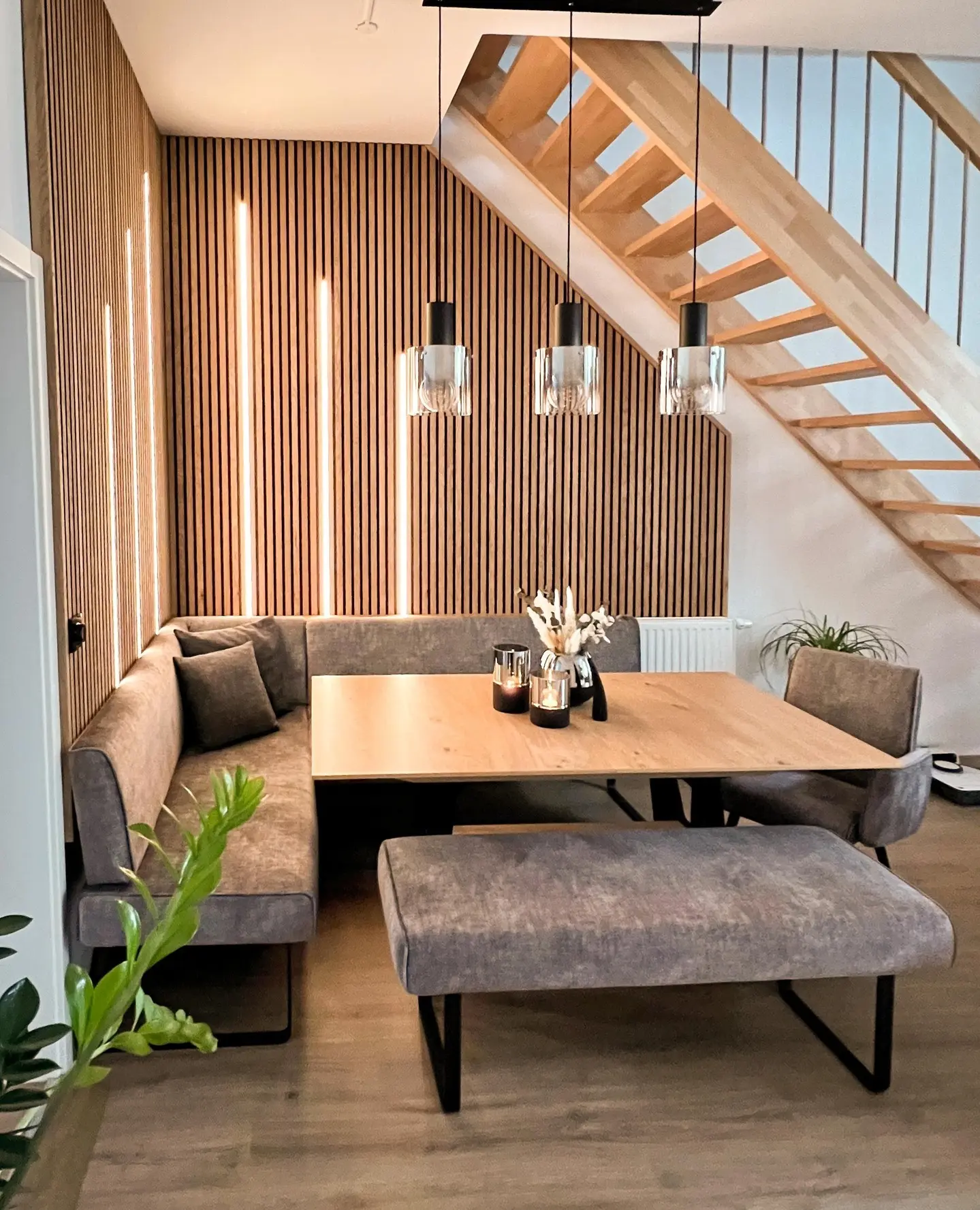
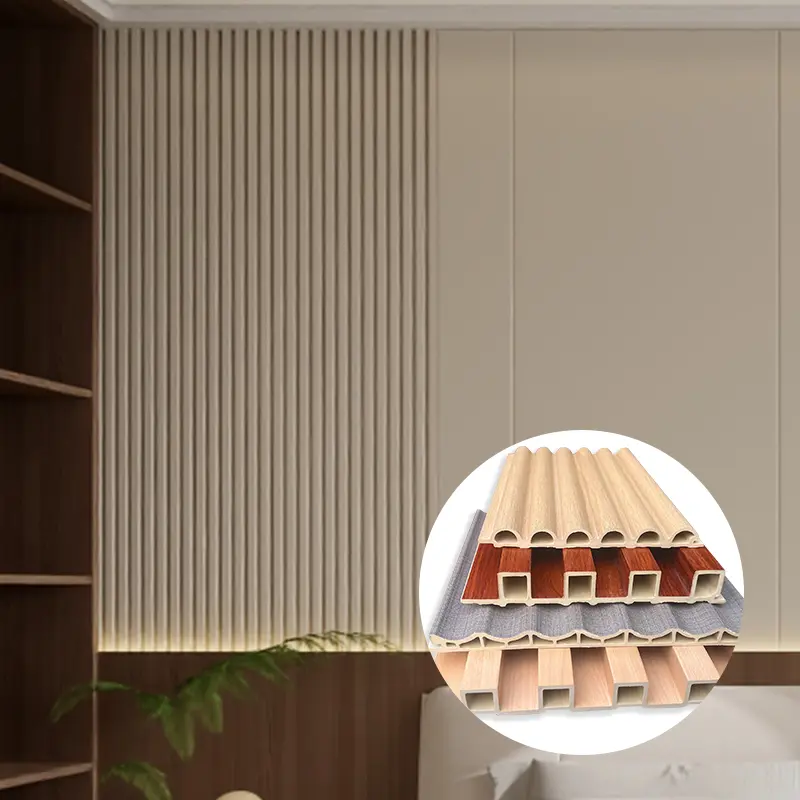
In modern architecture and interior decoration, WPC wall panels have emerged as a practical alternative to traditional wood boards and PVC cladding systems. These panels combine the visual warmth of wood with the durability and moisture resistance of engineered polymers.
Over the past decade, WPC wall panels have gained popularity in residential projects, hotels, commercial buildings, and renovation markets worldwide. Designers appreciate their natural appearance, while contractors value their stability and easy installation.
But many buyers and project developers still ask an important question before purchasing: What exactly are WPC wall panels made of?
Understanding the material composition helps buyers evaluate product quality, durability, environmental performance, and long-term maintenance requirements. This guide explains the main ingredients used in WPC wall panels and how each component contributes to the final product.
2. Main Components of Wood Plastic Composite Panels
The name Wood Plastic Composite (WPC) already indicates that the product is created by blending two primary materials: wood and plastic. However, the actual composition is more complex. A typical WPC wall panel formula contains several elements:
- Wood-based fibers or powder
- Thermoplastic resins
- Mineral fillers
- Functional additives
- Decorative surface materials
These materials are mixed under controlled conditions and processed through extrusion machines to create strong and stable wall panels. Each ingredient has a specific purpose in the final composite structure.
3. Natural Wood Fibers in WPC Materials
The organic portion of WPC panels comes from wood fibers or wood flour, which provide both strength and a natural appearance.
Sources of Wood Fiber
Most manufacturers obtain these fibers from recycled or by-product materials such as:
- Sawdust from furniture factories
- Reclaimed wood particles
- Bamboo powder
- Agricultural plant residues
Using recycled wood resources helps reduce industrial waste while lowering the demand for freshly cut timber.
Role of Wood Fibers
Wood particles contribute several benefits to the panel structure:
- Structural Reinforcement: When evenly distributed within the composite matrix, wood fibers increase stiffness and mechanical strength.
- Natural Texture: Because the material contains genuine wood particles, it can reproduce realistic grain patterns and textures.
- Thermal Insulation: Wood fibers provide better insulation properties than pure plastic materials, improving indoor comfort.
- Sustainability: Reusing wood waste materials supports environmentally responsible manufacturing practices.
In many WPC formulas, wood fibers represent roughly half of the total material composition.
4. Plastic Polymers Used in WPC Panels
The second major ingredient in WPC panels is thermoplastic resin. This component binds the wood fibers together and provides resistance to moisture and environmental conditions.
Common Types of Plastics
Different plastic resins can be used depending on the intended application:
- PVC (Polyvinyl Chloride): PVC is widely used for interior WPC wall panels because of its stability, fire resistance, and water-resistant properties.
- Polyethylene (PE): PE is frequently used for outdoor composite products such as decking and exterior cladding systems.
- Polypropylene (PP): This polymer offers higher temperature tolerance and is sometimes used in specialized WPC formulations.
Among these options, PVC remains the most common choice for indoor decorative wall panels.
Benefits of Plastic Components
Plastic materials provide several key advantages:
- Excellent moisture resistance
- Protection against mold and mildew
- Long-term durability
- Improved dimensional stability
- Smooth processing during extrusion
Typically, plastic resins account for 30–40% of the total composition in most WPC wall panel products.
5. Mineral Fillers and Structural Reinforcement
Another important ingredient used in composite panels is calcium carbonate, a naturally occurring mineral widely used in plastics and construction materials.
Functions of Mineral Fillers
Adding calcium carbonate provides several benefits during production and in the final product:
- Enhanced Rigidity: Mineral fillers increase the hardness of the composite material and improve its structural stability.
- Improved Processing: These fillers help control the viscosity of the mixture during extrusion, making the manufacturing process more efficient.
- Cost Efficiency: Mineral fillers reduce raw material costs without compromising the panel’s mechanical performance.
- Surface Smoothness: A properly balanced formula can improve the panel’s surface quality and uniformity.
Most WPC wall panels contain approximately 5–15% mineral filler content.
6. Functional Additives in Composite Panels
Although used in smaller quantities, chemical additives are essential for achieving stable performance in WPC materials. These additives help improve durability, safety, and manufacturing efficiency.
Common Additives Used in WPC Panels
- Heat Stabilizers: Stabilizers prevent thermal degradation during high-temperature processing.
- UV Protection Agents: These additives reduce color fading and material breakdown when exposed to sunlight.
- Lubricants: Lubricants reduce friction during extrusion and help the material flow smoothly through processing equipment.
- Coupling Agents: Coupling agents improve bonding between wood fibers and plastic polymers, ensuring a stronger composite structure.
- Impact Modifiers: These additives enhance resistance to cracking and improve the panel’s overall toughness.
Even though additives usually represent less than 5% of the total formula, they play a crucial role in ensuring reliable product performance.
7. Surface Finishes and Decorative Layers
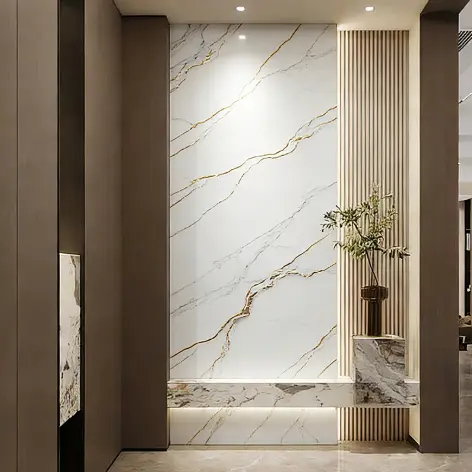
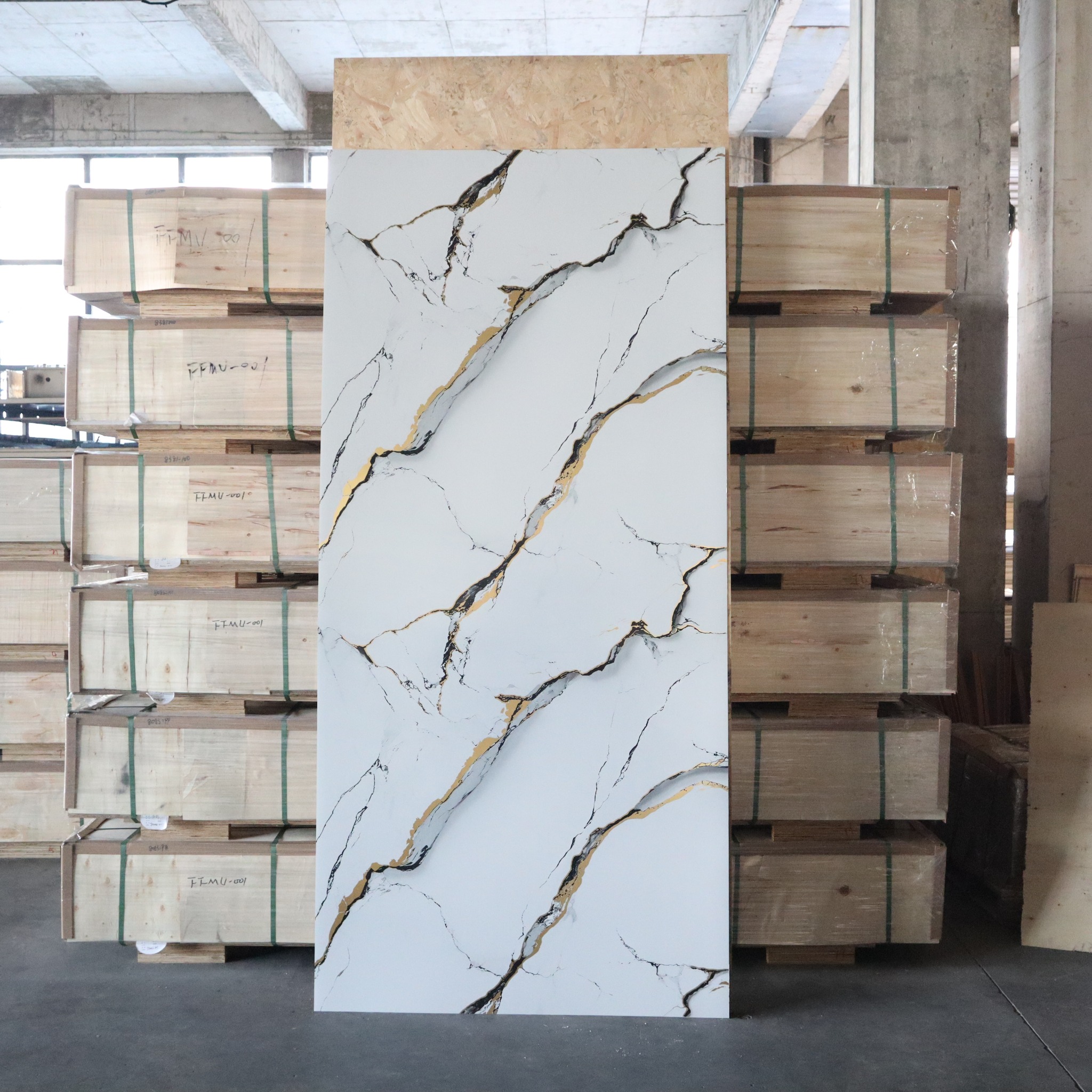
The outer layer of WPC wall panels is designed to enhance both aesthetics and durability. Modern production technologies allow manufacturers to create panels that replicate natural materials such as wood, marble, or stone.
PVC Decorative Film
Lamination with decorative PVC film is one of the most widely used finishing methods. This technology allows panels to feature:
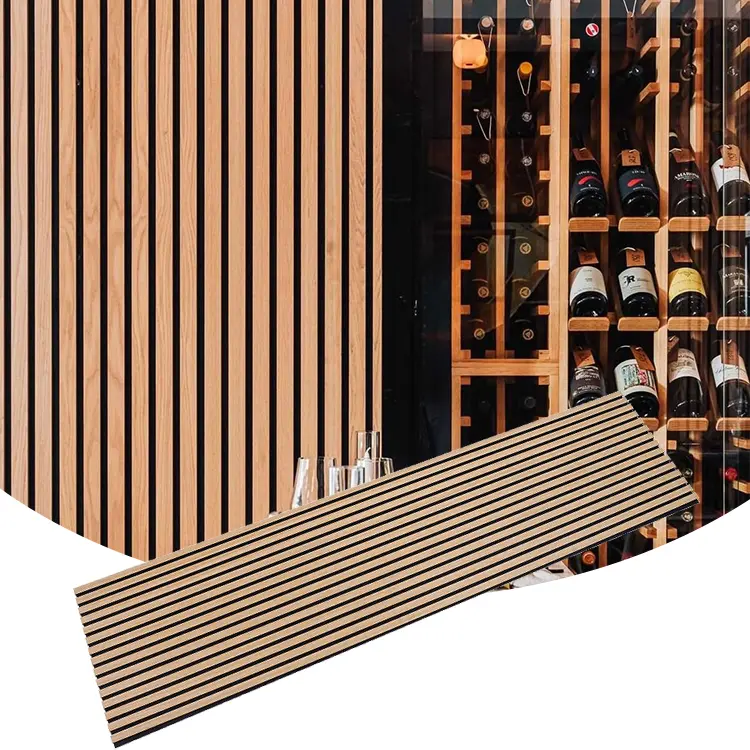
- Realistic wood grain textures
- Stone or marble patterns
- Contemporary color designs
- Decorative interior styles
The film is bonded to the panel using high-temperature lamination processes to ensure strong adhesion.
UV Coating
Some panels receive a protective UV coating that offers:
- Scratch resistance
- Improved stain protection
- Longer color stability
These decorative technologies allow WPC panels to match a wide variety of interior design themes.
8. Environmental Advantages of WPC Materials
One reason WPC wall panels are becoming increasingly popular is their environmentally friendly material composition.
- Reduced Timber Consumption: Because WPC products use wood powder rather than solid lumber, they reduce the demand for large quantities of natural wood.
- Recycling Potential: Many WPC products contain recycled plastic and wood materials, which helps minimize industrial waste.
- Low Emissions: High-quality WPC panels are designed to meet strict indoor environmental standards, including low formaldehyde emissions.
These features make WPC panels suitable for homes, hotels, offices, and commercial interiors.
9. Basic Manufacturing Workflow of WPC Wall Panels
The production of WPC panels involves several carefully controlled stages:
- Material Preparation: Raw materials such as wood powder, polymer resin, fillers, and additives are measured according to a specific formula.
- Mixing Process: The materials are blended in high-speed mixers to create a uniform composite compound.
- Extrusion: The mixture is heated and pushed through specialized extrusion equipment to form wall panel profiles.
- Cooling and Shaping: The panels pass through cooling systems that stabilize their shape and dimensions.
- Surface Decoration: Decorative films, coatings, or textures are applied depending on the desired design.
- Quality Inspection: Finished panels are inspected to ensure proper thickness, strength, and surface quality before packaging.
10. Global Market Demand for WPC Panels
Demand for WPC wall panels has expanded rapidly in recent years. These panels are widely used in:
- Interior wall decoration
- Hotel renovation projects
- Commercial office interiors
- Apartment buildings
- Retail environments
Countries in Europe, North America, and the Middle East have become major import markets for WPC decorative panels. Many international distributors source these products from manufacturers in Asia, where large-scale production and advanced extrusion technology allow for competitive pricing.
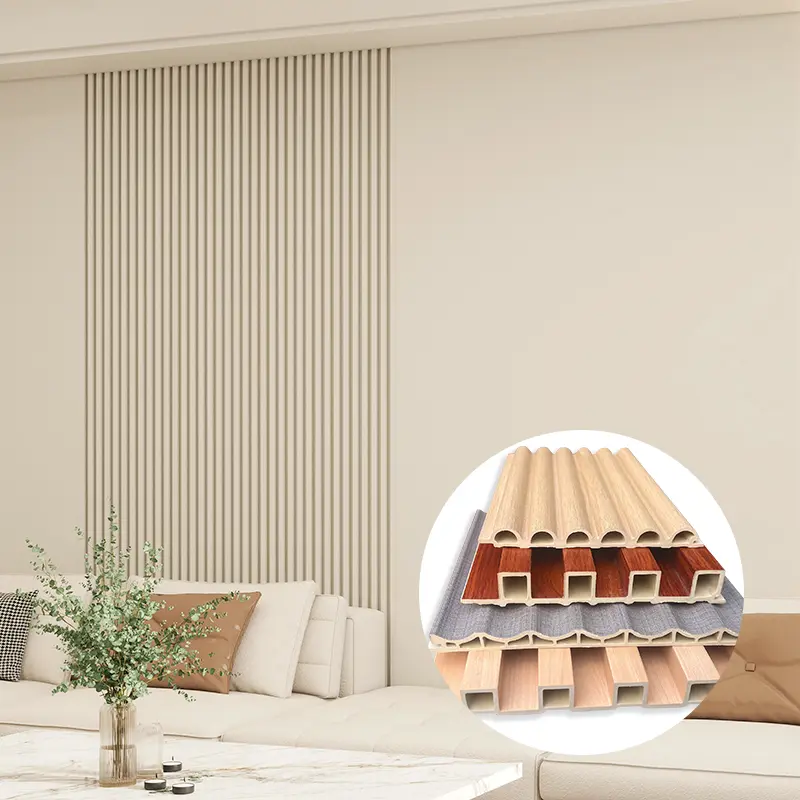
WPC wall panels are engineered building materials that combine wood fibers, plastic polymers, mineral fillers, and specialized additives into a durable decorative solution. Together, these materials create panels that are:
- Waterproof
- Resistant to insects and mold
- Structurally stable
- Low maintenance
- Visually attractive
With the increasing demand for sustainable and cost-effective construction materials, WPC wall panels are expected to remain an important part of modern interior design and architectural projects.
For distributors, contractors, and building material suppliers, understanding the materials behind WPC panels can help ensure better purchasing decisions and long-term product performance.