
Top 7 Benefits of Using WPC Wall Panels in Commercial Buildings
Contents
- Introduction
- Exceptional Durability for High-Traffic Environments
- Moisture Resistance and Mold Protection
- Low Maintenance Requirements
- Modern Aesthetic Appeal
- Faster Installation and Construction Efficiency
- Environmentally Friendly Material Option
- Cost Efficiency Over the Long Term
- Common Applications in Commercial Buildings
- Conclusion
Commercial buildings today must meet higher standards than ever before. Developers, architects, and property managers are under increasing pressure to balance aesthetics, durability, sustainability, and cost efficiency when selecting construction materials. Wall finishing materials, in particular, play a significant role in both the visual identity and long-term maintenance requirements of a building.
One material that has gained significant attention in recent years is the WPC wall panel. Short for Wood-Plastic Composite, Wpc Panels combine wood fibers with thermoplastic polymers to create a durable and visually appealing cladding system.
Originally used in outdoor decking applications, WPC technology has evolved to become a popular solution for commercial interior walls, office spaces, hospitality projects, retail environments, and large-scale architectural developments.
This article explores the seven key advantages of using WPC wall panels in commercial buildings, explaining why many designers and developers are shifting toward this modern material.
1. Exceptional Durability for High-Traffic Environments
Commercial buildings typically experience much higher levels of daily use compared with residential spaces. Hotels, shopping centers, office buildings, and public facilities must use materials that can withstand constant activity without deteriorating quickly.
WPC wall panels are engineered specifically for durability. The combination of wood fibers and polymer resins produces a composite structure that is significantly more stable than traditional wood boards.
Unlike natural wood, WPC panels are less likely to crack, warp, or split over time. They also maintain their structural integrity even when exposed to changing temperature and humidity levels.
For commercial property owners, this durability translates into longer service life and lower replacement frequency, which ultimately reduces long-term maintenance costs.
2. Moisture Resistance and Mold Protection
Moisture is one of the most common causes of wall damage in commercial interiors. Buildings located in humid climates or high-traffic spaces such as restaurants, gyms, and hotels are particularly vulnerable to moisture-related problems.
Traditional Wood Panels can absorb water easily, which may lead to swelling, mold growth, or structural deterioration.
WPC wall panels, however, contain a high percentage of plastic polymers that significantly reduce water absorption. This makes them much more resistant to humidity and damp conditions.
Because of this property, WPC panels are frequently installed in areas such as:
- Hotel corridors
- Restaurant interiors
- Commercial restrooms
- Office lobbies
- Coastal buildings
- Basement environments
Their moisture resistance helps maintain a clean and stable interior environment over long periods.
3. Low Maintenance Requirements
Maintenance is a major consideration for commercial property managers. Materials that require regular sealing, painting, or refinishing can create ongoing operational costs.
One of the major advantages of WPC wall panel is their minimal maintenance requirements.
Unlike natural wood surfaces, WPC panels typically do not require repainting, polishing, or chemical treatments. Routine cleaning with a damp cloth or mild detergent is usually sufficient to keep the surface looking new.
Because the color and texture are integrated into the panel during the manufacturing process, they tend to maintain their appearance for many years without fading or peeling.
For commercial buildings with large wall areas, this reduced maintenance can significantly lower operational expenses.
Visual design plays an important role in shaping the atmosphere of commercial environments. Retail stores, hotels, and office buildings often use decorative wall materials to create memorable interior spaces.
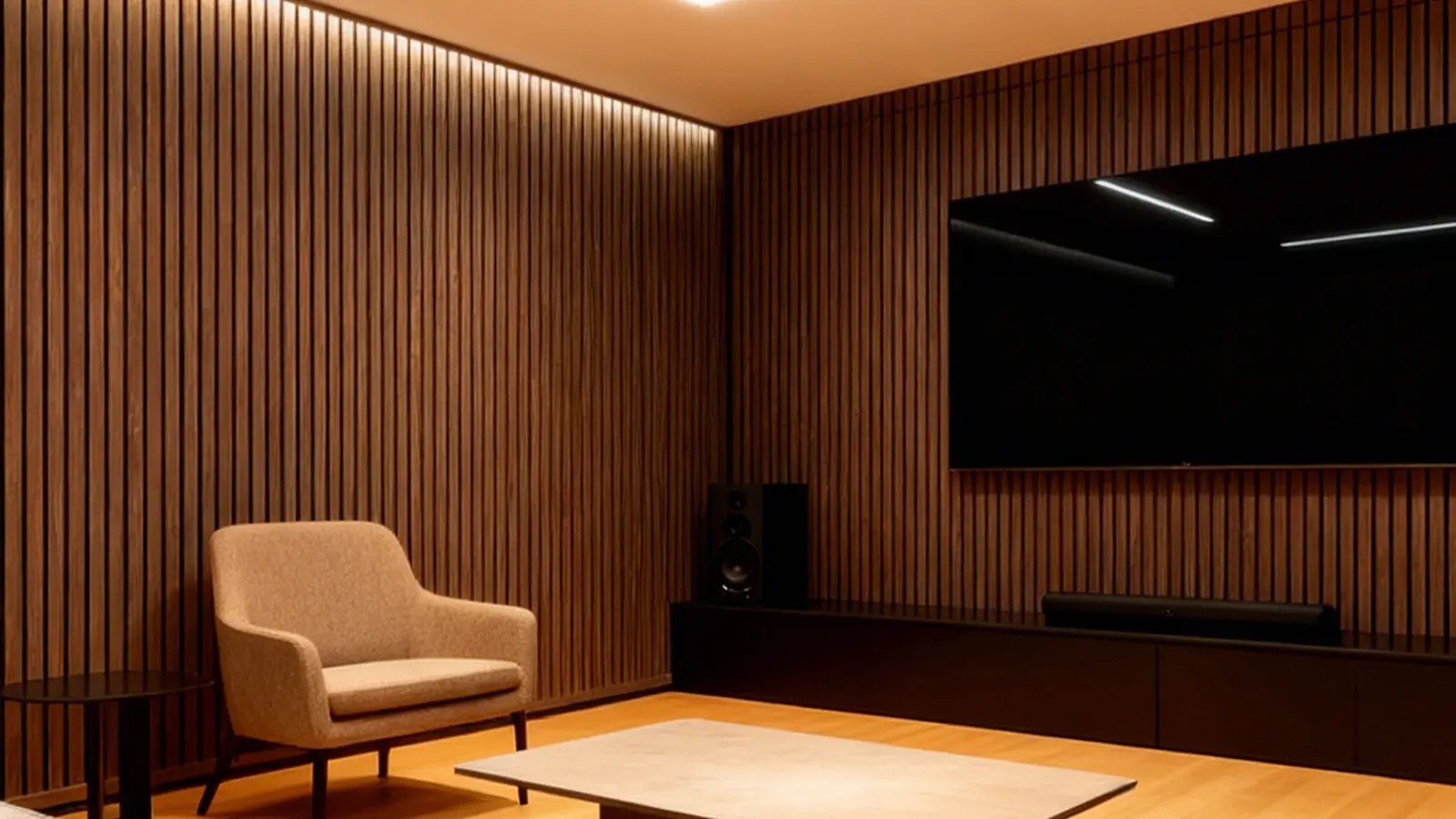
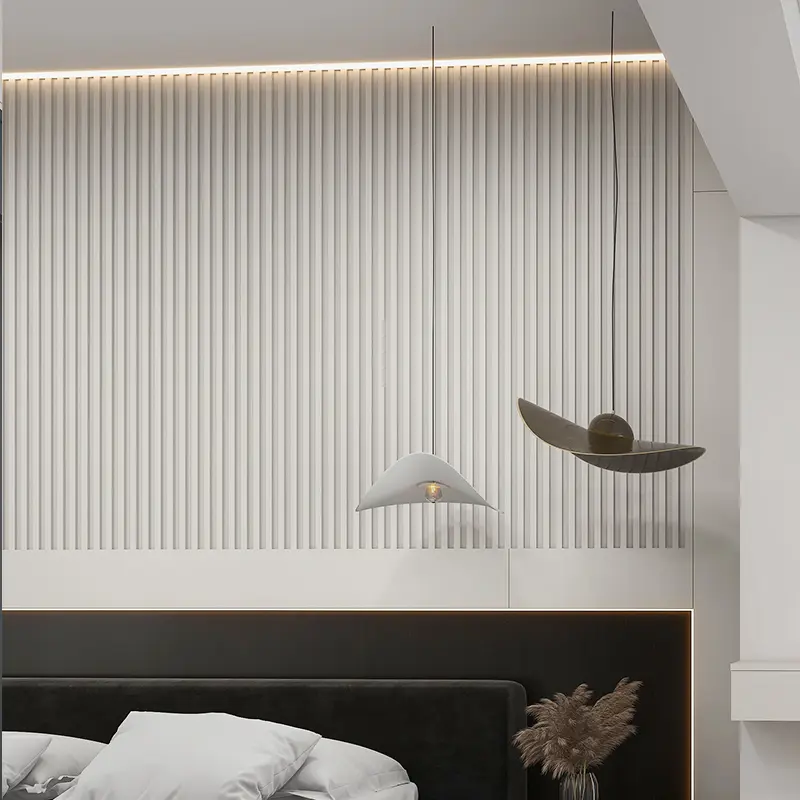
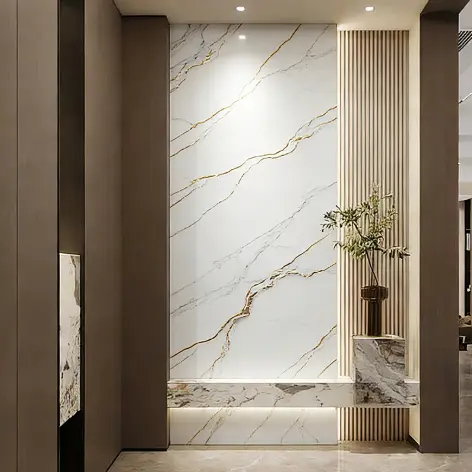
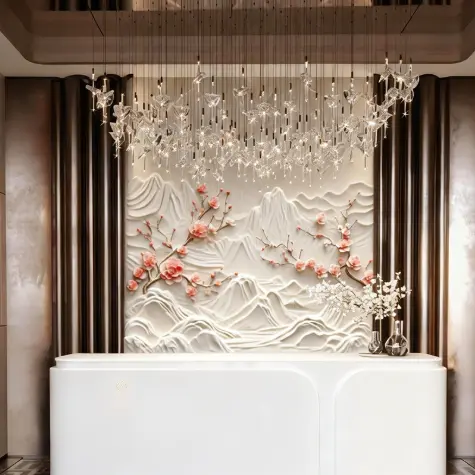
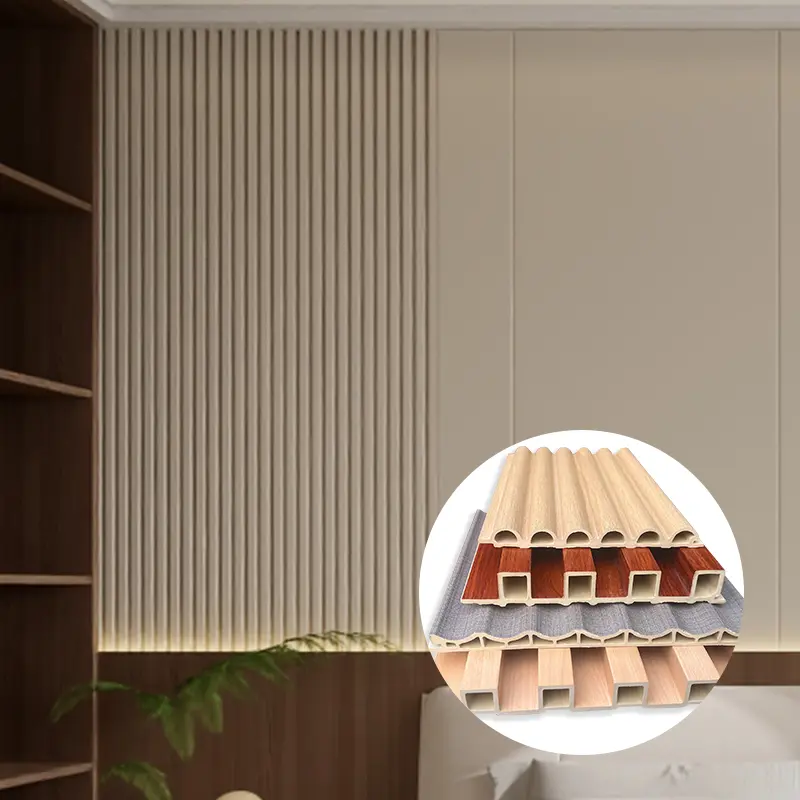
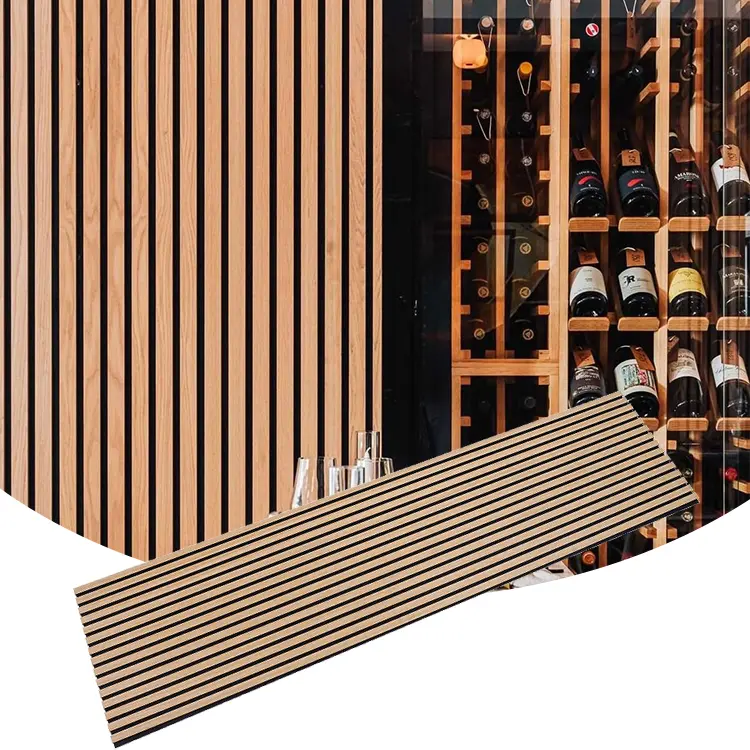
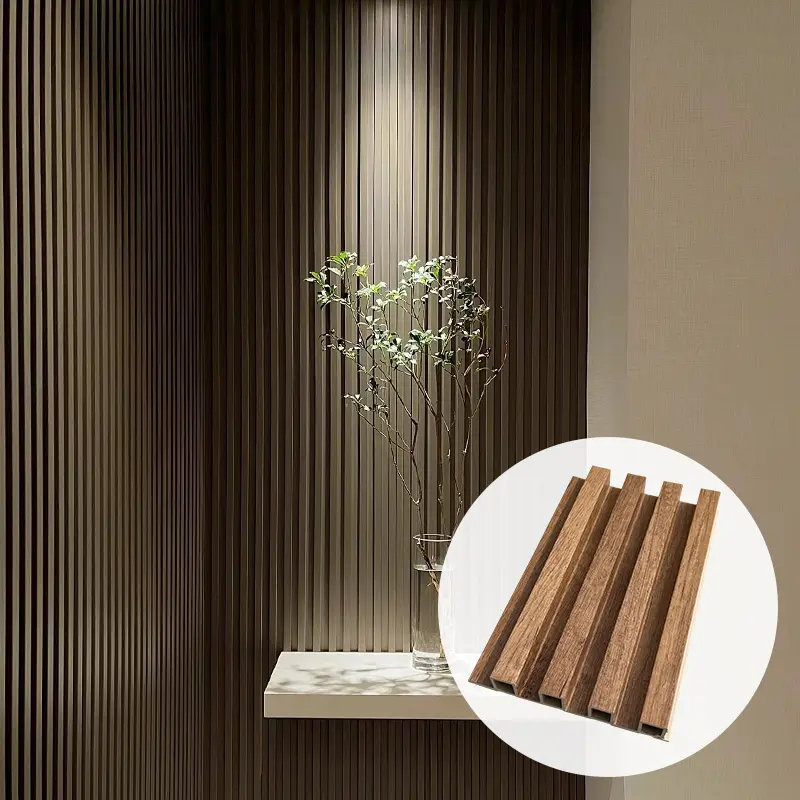
WPC Wall Panels are available in a wide range of textures, colors, and finishes. Advanced surface technologies allow manufacturers to replicate natural wood grain patterns with remarkable realism.
Common design styles include:
- Natural oak or walnut wood textures
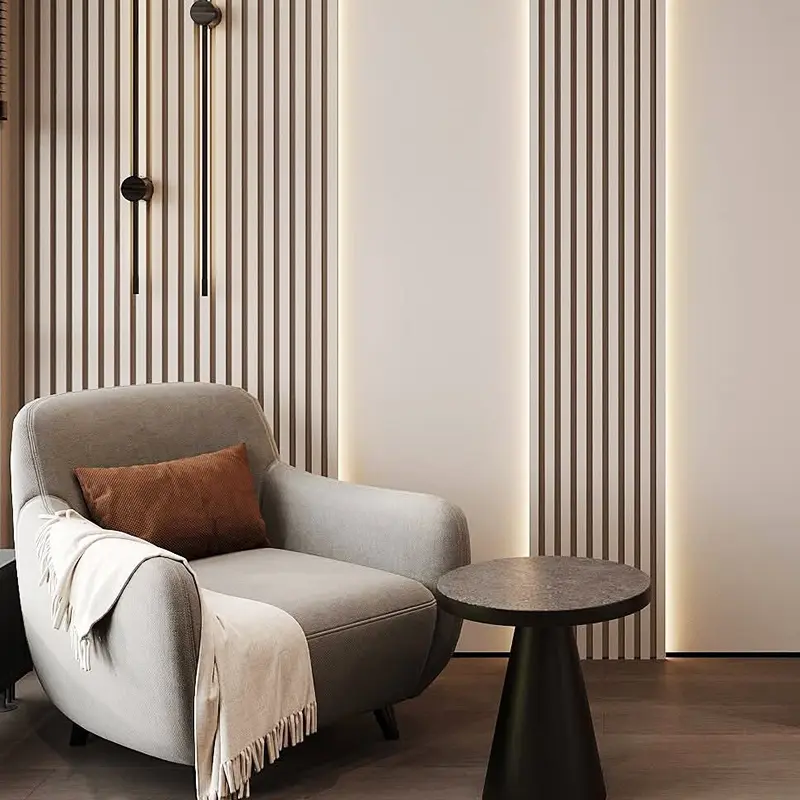
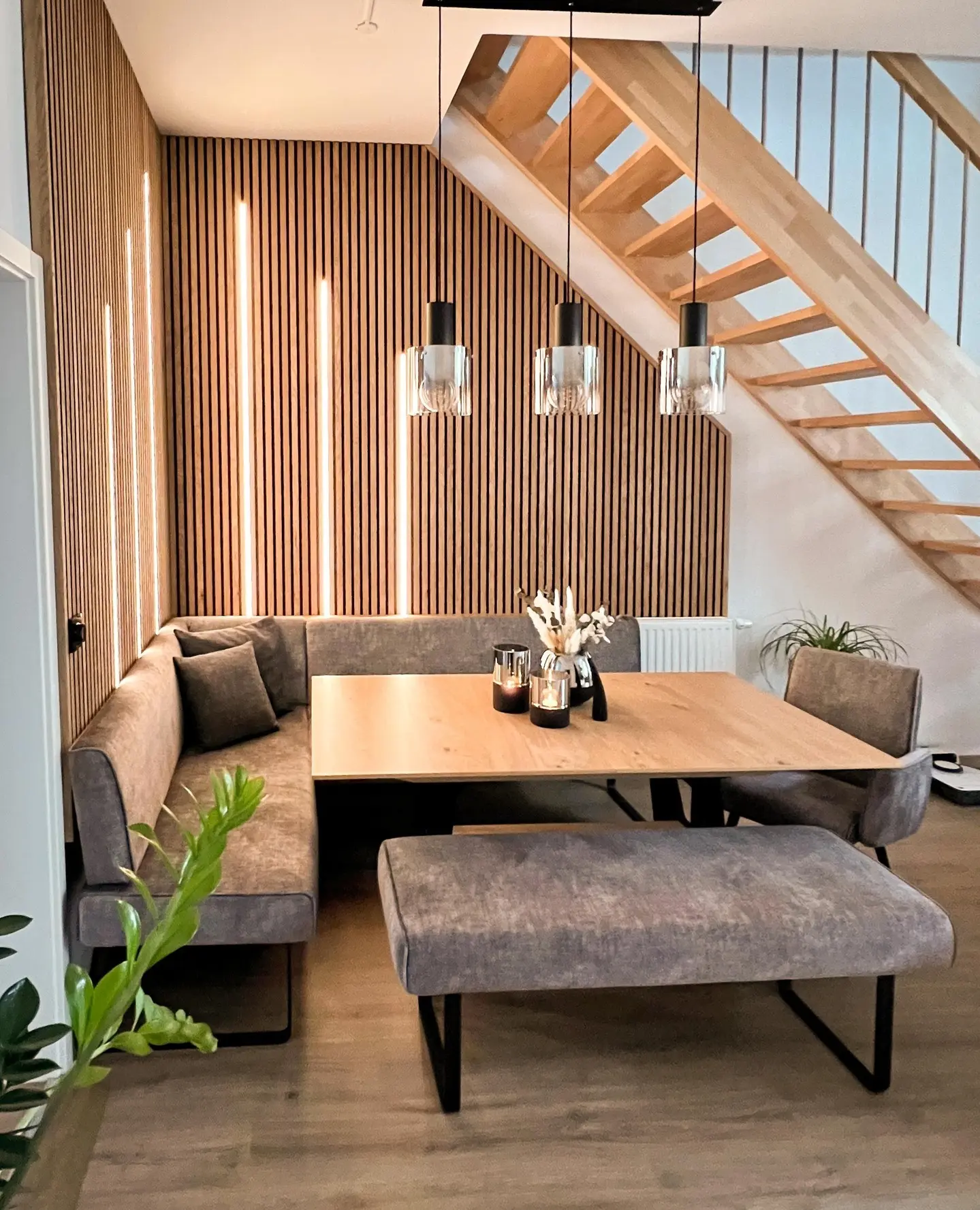
- Fluted or slatted wall designs
- Matte modern finishes
- Decorative 3D panel structures
These design options allow architects to achieve a sophisticated interior appearance while benefiting from the durability of composite materials.
Many commercial designers appreciate the ability of WPC panels to deliver the warm visual effect of wood without the maintenance challenges of real timber.
5. Faster Installation and Construction Efficiency
Construction timelines are critical in commercial projects. Delays in finishing interior walls can postpone project completion and increase labor costs.
WPC wall panels are designed for efficient installation. Many systems use interlocking structures or concealed fastening systems that simplify the installation process.
Compared with traditional tile or stone cladding, WPC panels are typically:
- Lighter in weight
- Easier to cut and shape
- Faster to install
This reduces installation time and allows contractors to complete large wall areas more efficiently.
In large commercial renovation projects, faster installation can lead to significant labor cost savings and shorter construction schedules.
6. Environmentally Friendly Material Option
Sustainability has become an important factor in modern construction. Many commercial developers are actively searching for materials that support environmentally responsible building practices.
WPC wall panels can contribute to sustainable construction in several ways.
First, many manufacturers incorporate recycled plastic materials and reclaimed wood fibers during production. This helps reduce waste and lower the demand for natural timber resources.
Second, WPC products generally have a longer lifespan than traditional wood panels, which means fewer materials are required for replacements over time.
Finally, the durability and low maintenance requirements of WPC panels reduce the need for chemical coatings or treatments, which can further improve environmental performance.
For commercial projects aiming to meet green building standards, these factors can support sustainability goals.
7. Cost Efficiency Over the Long Term
Although the initial purchase price of WPC panels may be slightly higher than some basic wall materials, their long-term cost efficiency often makes them a more economical choice.
Several factors contribute to this cost advantage:
- Longer service life
- Reduced maintenance requirements
- Lower repair frequency
- Faster installation labor
When evaluated over the entire lifecycle of a commercial building, WPC wall panels often deliver a strong balance between cost and performance.
For developers managing large projects such as hotels, office complexes, or shopping centers, this lifecycle value can make a significant difference in overall project budgeting.
Common Applications in Commercial Buildings
Due to their durability and design flexibility, WPC wall panels are widely used in many commercial settings.
Typical applications include:
- Hotel lobbies and guest corridors
- Office reception areas
- Conference rooms
- Shopping mall interiors
- Restaurants and cafes
- Commercial exhibition spaces
- Entertainment venues
Their combination of durability, aesthetics, and low maintenance makes them a practical solution for environments that require both functionality and visual appeal.
The construction industry continues to evolve as designers seek materials that combine performance, aesthetics, and sustainability. WPC wall panels have emerged as a versatile option for commercial interiors because they address many of the challenges associated with traditional wall materials.
From durability and moisture resistance to design flexibility and cost efficiency, WPC panels offer a range of benefits that make them suitable for modern commercial architecture.
As more developers prioritize long-lasting materials and efficient construction methods, WPC wall panels are likely to remain an increasingly popular choice for commercial building projects.