
The Most Popular WPC Wall Panel Patterns in Europe and North America
- Introduction: How Pattern Preferences Shape the Western WPC Wall Panel Market
- Why Pattern Selection Matters More in Western Markets
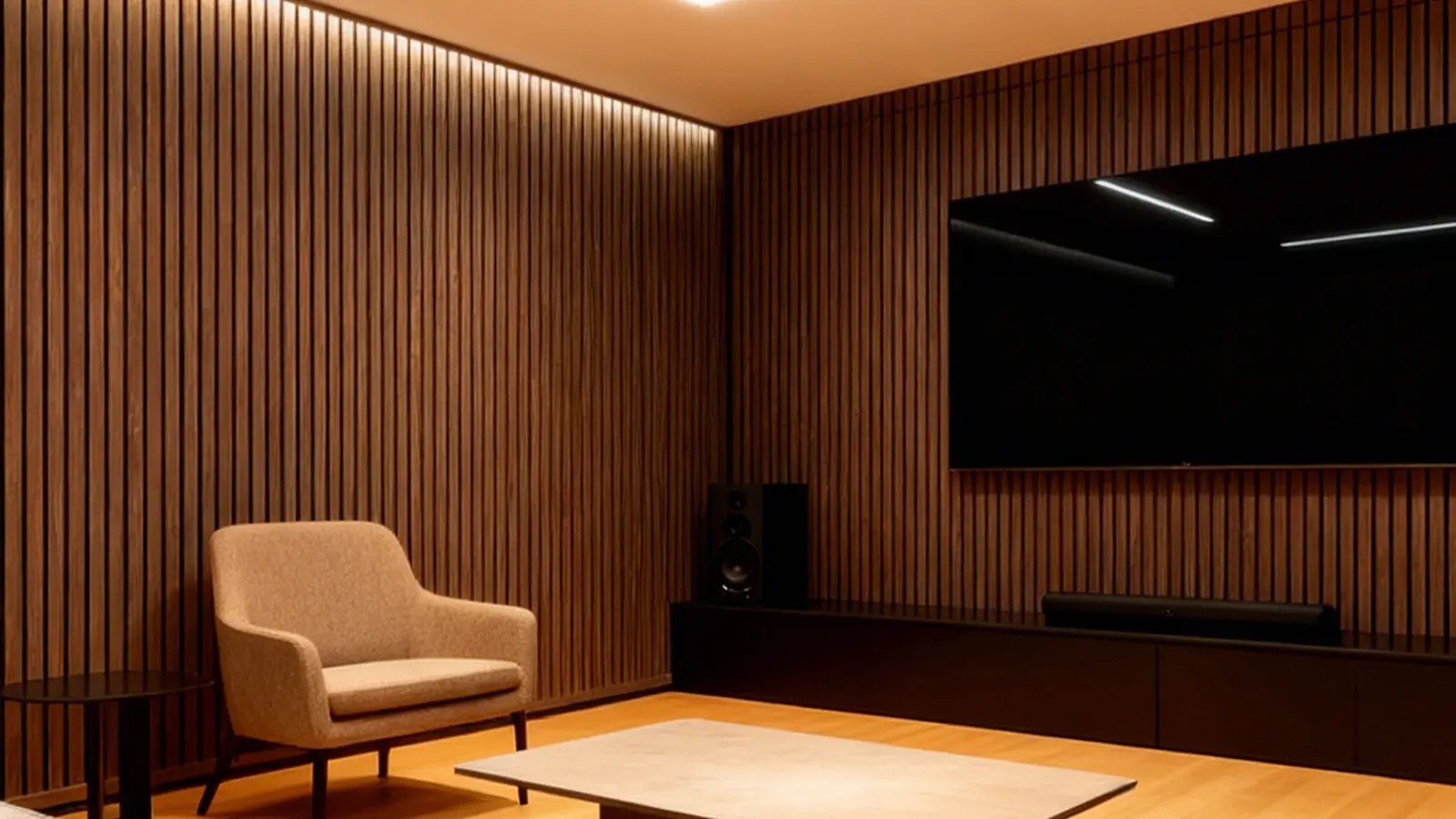
- Natural Wood Grain Patterns: The Core of Western Demand
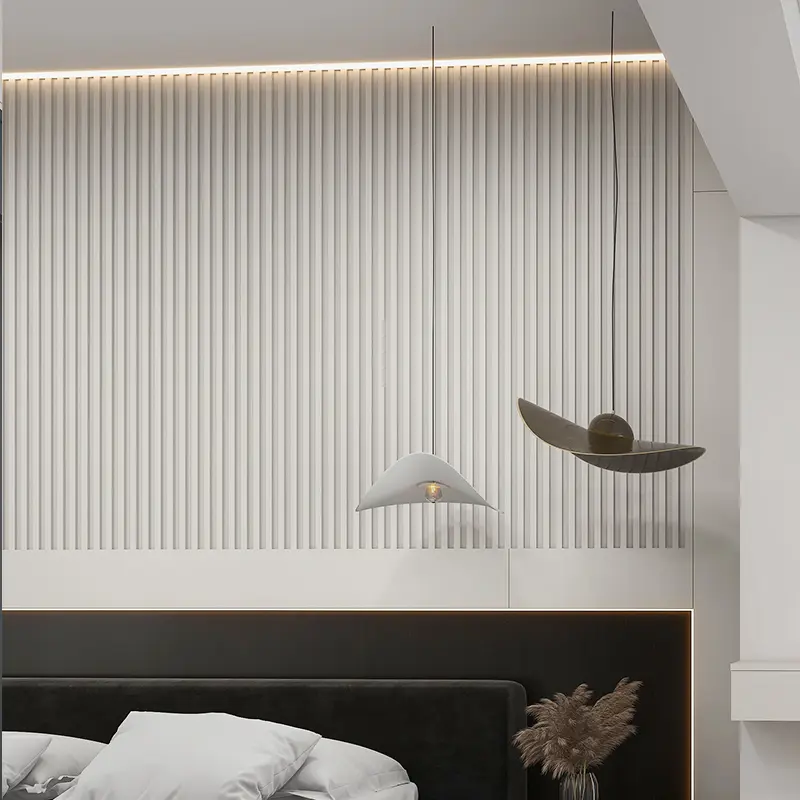
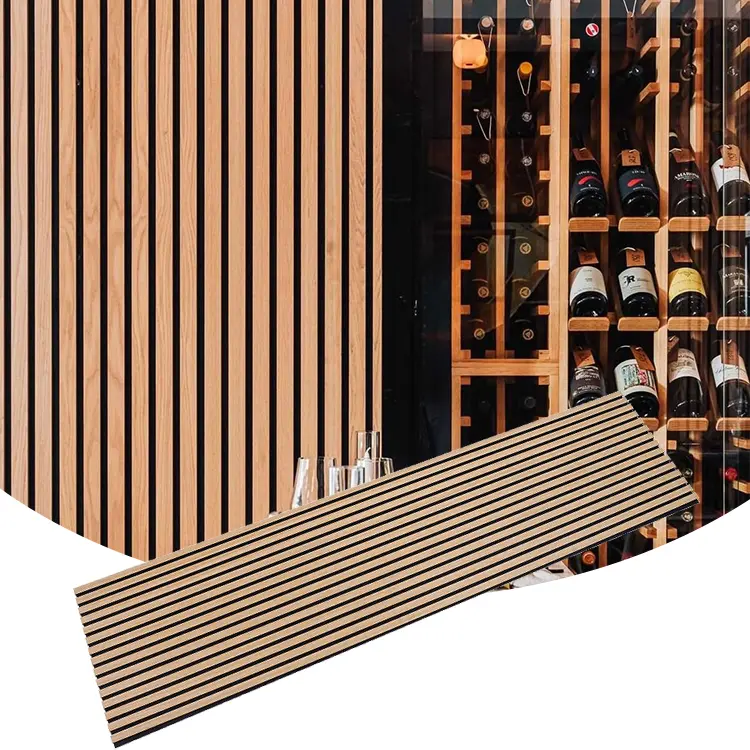
- Linear and Slatted Patterns: A Strong Architectural Statement
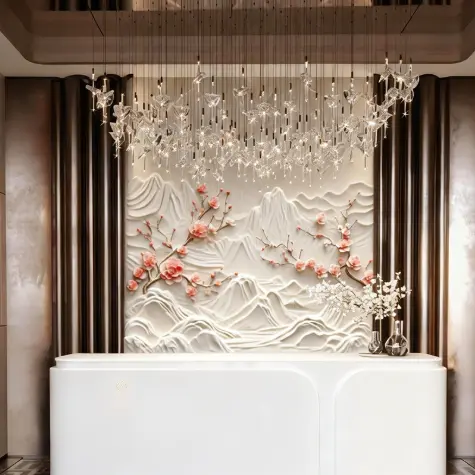
- 3D and Sculpted Patterns: Refined Design for Commercial Projects
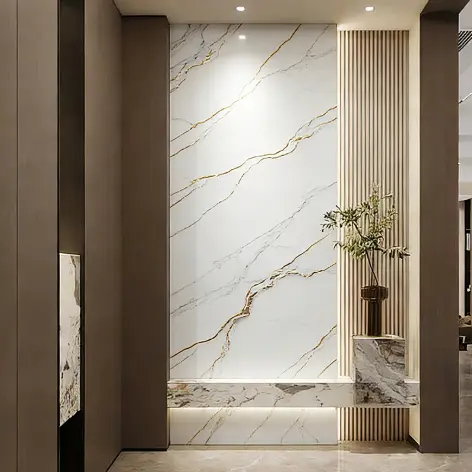
- Stone and Concrete-Inspired Patterns: Modern and Practical
- Solid Colors and Minimalist Finishes
- How Chinese Manufacturers Support Western Market Needs
- Conclusion: What Defines a Successful WPC Pattern in Western Markets
1. Introduction: How Pattern Preferences Shape the Western Wpc Wall Panel Market
Over the past decade, WPC wall panels have become a widely accepted interior and exterior cladding solution across Europe and North America. What began as a practical alternative to wood and stone has gradually developed into a design-driven architectural material used in residential, commercial, and hospitality projects.
As Western buyers become more experienced, purchasing decisions are no longer based solely on waterproof performance or initial cost. Instead, specifiers, distributors, and contractors now focus heavily on surface patterns and visual consistency. A WPC wall panel is expected to perform structurally while also supporting long-term design value.
Typical questions raised by buyers in Western markets include:
- Does this pattern align with European or North American interior aesthetics?
- Will the surface texture remain stable after years of use?
- Can the factory guarantee consistency across multiple shipments?
- Is the pattern already proven in real projects rather than only showroom samples?
This article explores the most popular WPC wall panel patterns across Europe and North America and explains why these designs continue to succeed from both a market and manufacturing perspective.
2. Why Pattern Selection Matters More in Western Markets
In Europe and North America, wall panels are considered part of a long-term building system rather than a temporary decorative finish. Developers and property owners expect materials to maintain both appearance and performance for 10 to 20 years.
Several regional factors influence pattern performance:
Climate and indoor conditions
Seasonal temperature changes, heating systems, and air-conditioning cycles place continuous stress on wall surfaces. Panels with unstable surface layers or poor embossing quality may fade, warp, or show uneven texture over time.
Design culture
Western interior design tends to favor timeless aesthetics. Instead of bold, short-lived trends, designers prefer neutral textures that integrate easily with furniture, lighting, and flooring. Patterns that appear overly decorative or artificial often fall out of favor quickly.
Project continuity
Large-scale developments frequently require repeat orders months or even years later. If a factory cannot reproduce the same pattern accurately, contractors face visual inconsistencies that compromise project quality.
For these reasons, pattern selection is one of the most critical considerations for WPC Wall Panels in Western markets.
3. Natural Wood Grain Patterns: The Core of Western Demand
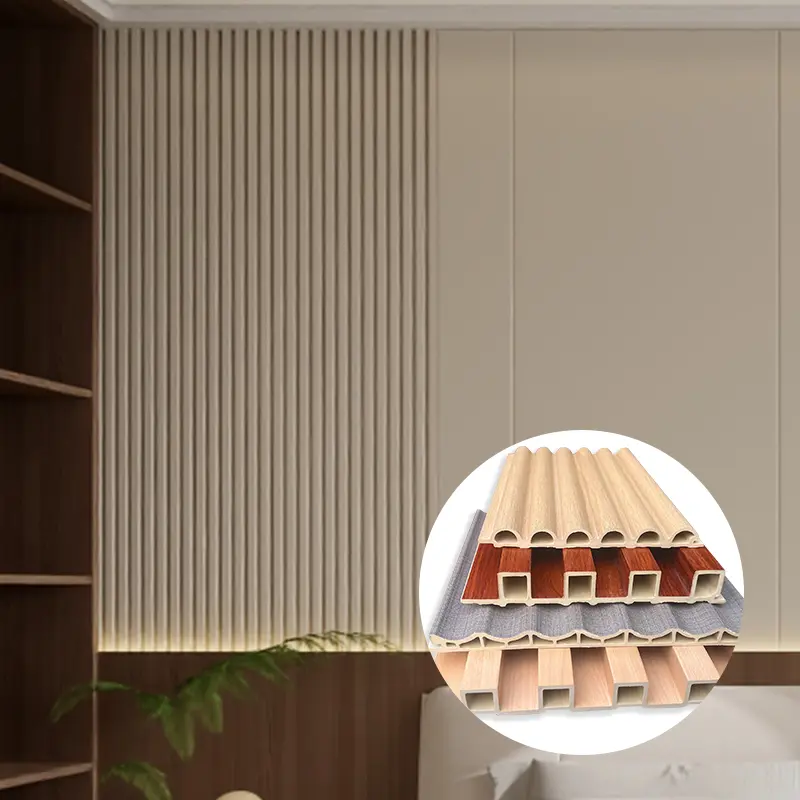
Among all WPC wall panel designs, natural wood grain patterns remain the most consistently requested across Europe and North America.
Why wood textures remain dominant
Wood has a strong emotional and visual connection with Western interiors. It conveys warmth, balance, and familiarity while remaining adaptable to modern architectural styles. Wood-look WPC panels are commonly used in:
- Residential living spaces
- Apartments and condominiums
- Hotels and serviced residences
- Offices and commercial interiors
Popular wood tones include light oak, ash-inspired shades, neutral walnut, and soft mid-brown finishes. Extremely dark colors or glossy surfaces are generally avoided, as they tend to appear heavy or artificial under interior lighting.
Manufacturing requirements for realistic wood grain
From a factory perspective, successful wood grain patterns depend on several technical factors:
- Sufficient embossing depth to create tactile realism
- Continuous grain alignment across adjacent panels
- Matte or satin surface finishes to reduce reflection
- Strict color calibration across production batches
Advanced extrusion combined with synchronized embossing technology is essential. Panels produced with low-grade equipment often show shallow textures and repetitive grain patterns, which are easily detected by experienced Western buyers.
4. Linear and Slatted Patterns: A Strong Architectural Statement
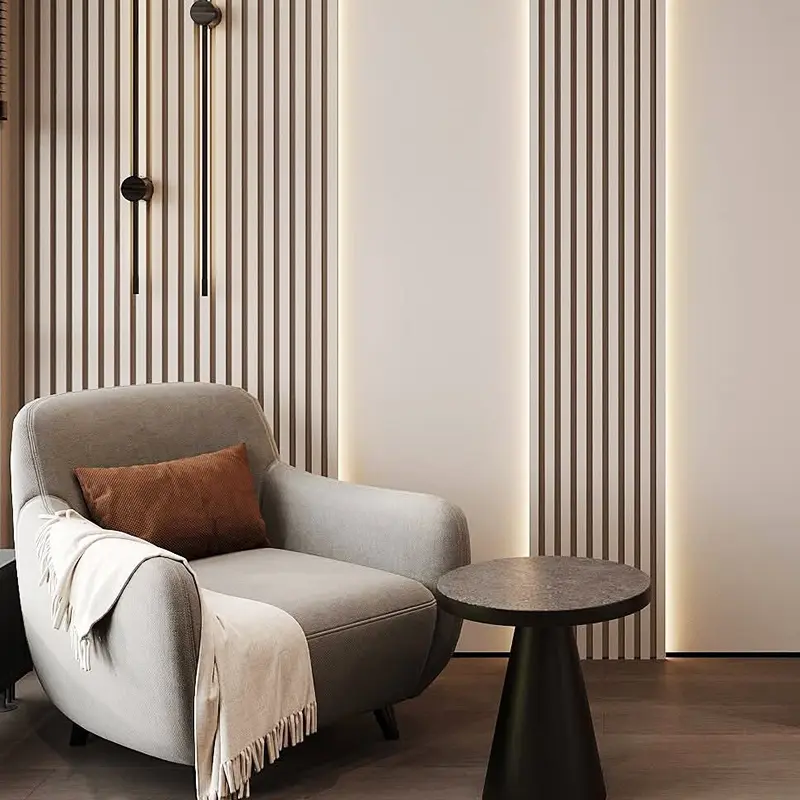
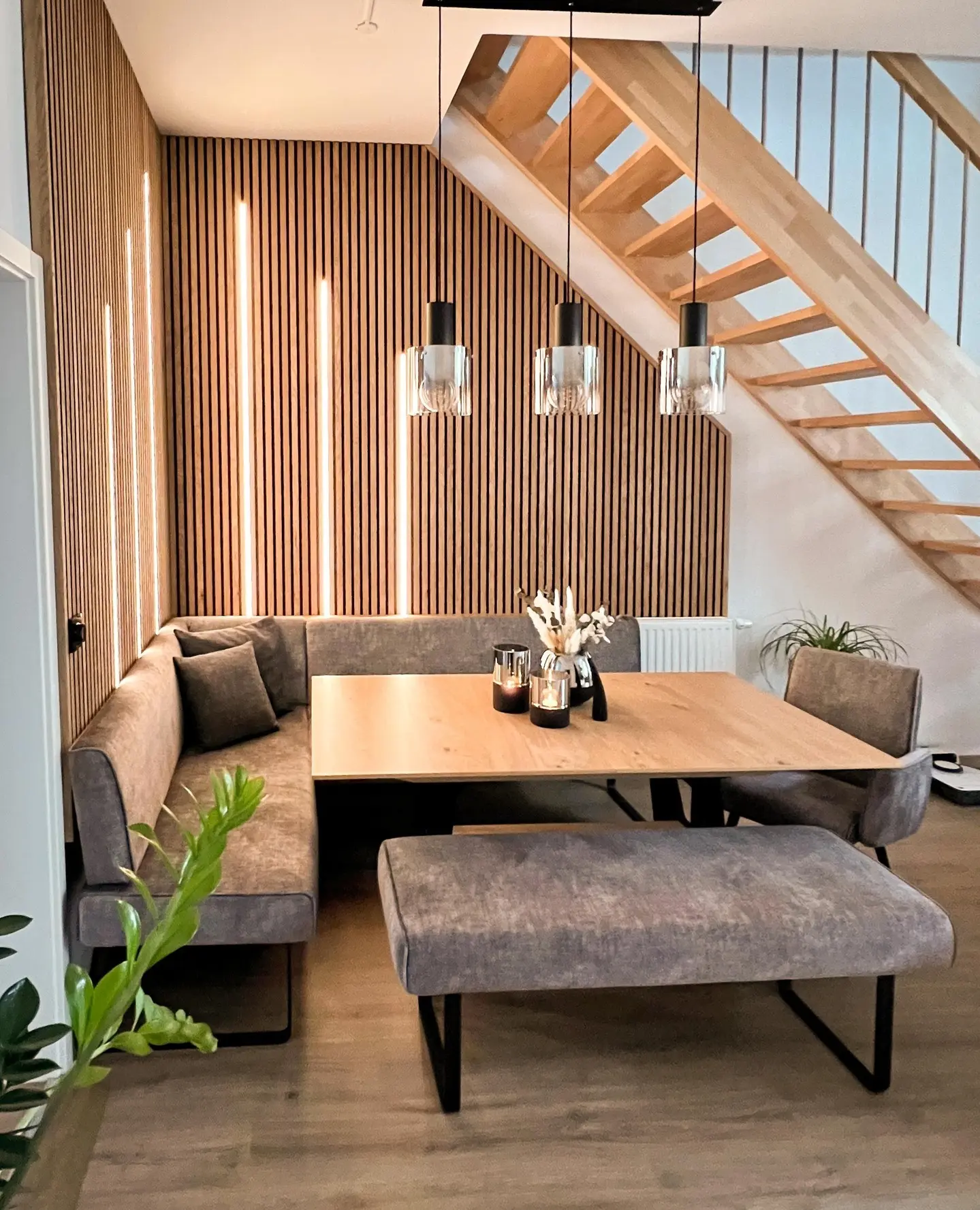
Linear and slatted WPC wall panels have experienced significant growth across urban areas in Europe and North America.
Where slatted panels are commonly used
- Feature walls in living rooms
- Home offices and studies
- Hotel corridors and lobbies
- Reception areas in commercial buildings
Vertical slats are particularly popular because they visually enhance ceiling height while maintaining a clean and structured appearance. These designs align well with Scandinavian, minimalist, and contemporary architectural styles.
Precision manufacturing is critical
Slatted panels demand higher production accuracy than flat panels. Western contractors often specify:
- Uniform spacing between slats
- Straight profiles after installation
- Clean, consistent edge finishing
Factories must maintain tight dimensional tolerances during extrusion and cooling. Even minor deformation can cause alignment issues during installation, leading to costly delays or material rejection.
5. 3D and Sculpted Patterns: Refined Design for Commercial Projects
Three-dimensional WPC wall panel patterns are primarily specified for commercial and hospitality environments in Western markets.
Typical applications include
- Hotel reception walls
- Corporate headquarters
- Showrooms and exhibition spaces
- Creative studios
Unlike some regions that favor bold and dramatic reliefs, European and North American buyers generally prefer subtle depth. Soft wave patterns or gently sculpted surfaces create visual interest without overwhelming the space.
Production challenges
Manufacturing 3D patterns requires:
- Stable raw material formulation
- Precisely engineered molds
- Even pressure distribution during extrusion
Factories without sufficient experience often struggle with surface inconsistency or installation difficulties. For Western commercial projects, reliability and repeatability are valued more than experimental design.
6. Stone and Concrete-Inspired Patterns: Modern and Practical
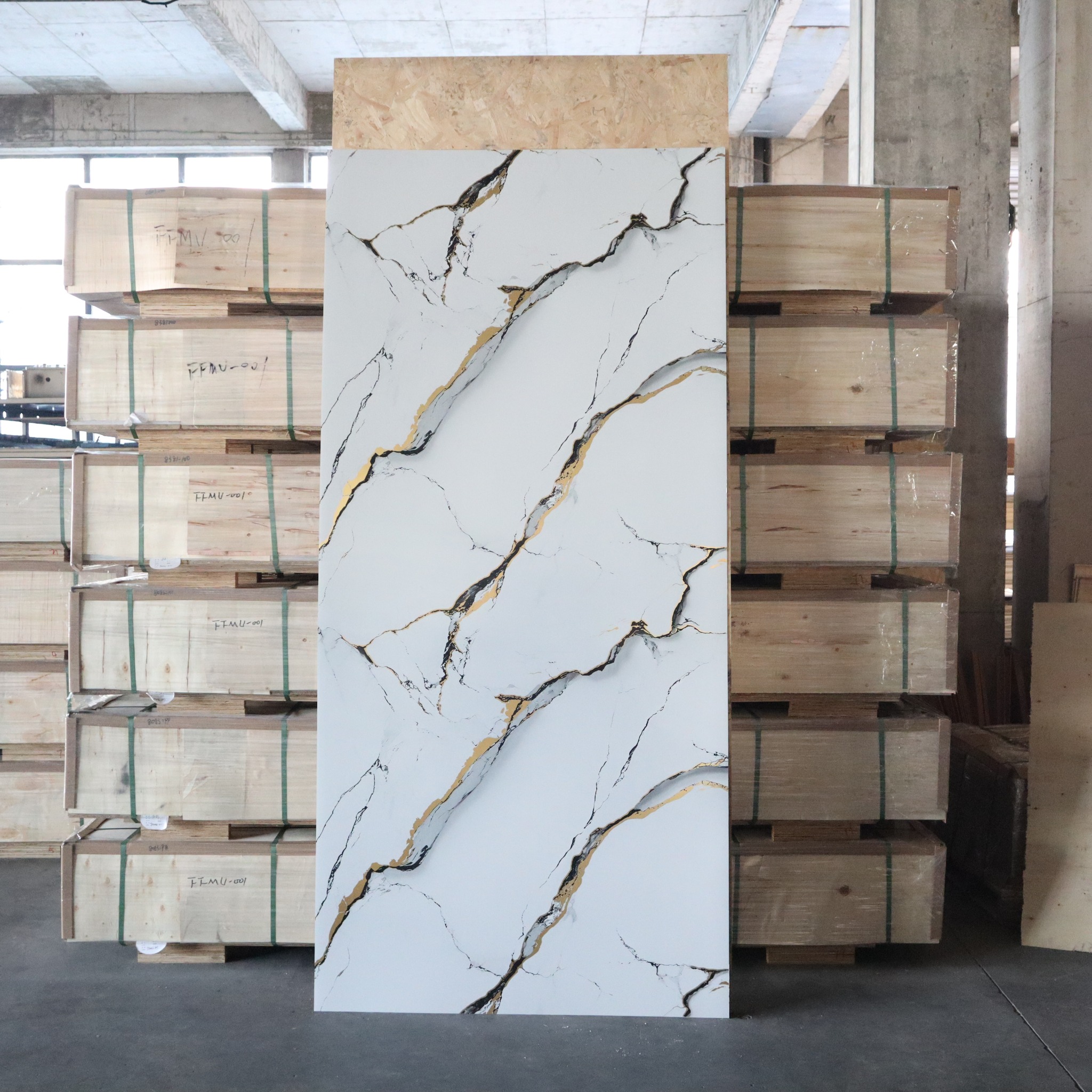
Stone-effect and concrete-look WPC wall panels have become increasingly popular in Western interiors.
Reasons for growing adoption
- Significantly lower weight than real stone
- Faster and cleaner installation
- No cracking or moisture absorption
- Easier maintenance over time
Common finishes include light cement grey, soft concrete textures, and subtle marble-style veining. These patterns are frequently used in bathrooms, kitchens, office interiors, and modern residential developments.
7. Solid Colors and Minimalist Finishes
Plain-color WPC wall panels play an important role in large-scale Western projects such as rental housing and commercial renovations.
Popular colors include warm white, light grey, beige, and muted charcoal. These neutral tones provide flexibility, allowing interior spaces to evolve through furniture and décor updates without changing wall finishes.
From a manufacturing standpoint, solid colors require precise pigment control. Professional factories maintain batch records and archived samples to ensure long-term color consistency.
8. How Chinese Manufacturers Support Western Market Needs
Many European and North American buyers now prefer sourcing directly from experienced manufacturers.
Key advantages include:
- Stable production capacity for large projects
- Custom pattern and color development
- OEM and private label options
- Quality inspections prior to shipment
- Export-grade packaging and logistics planning
Factories with Western export experience design patterns with installation habits, project timelines, and long-term performance requirements in mind.
9. Conclusion: What Defines a Successful WPC Pattern in Western Markets
Across Europe and North America, the most successful WPC wall panel patterns share several qualities:
- Natural appearance
- Visual consistency
- Long-term reliability
Whether wood grain, slatted, stone-inspired, or minimalist, patterns that perform well are supported by strong manufacturing control rather than decorative excess. Understanding real market preferences allows suppliers to deliver panels that meet both aesthetic and technical expectations.