

The Human Experience of Sound – Designing Acoustic Comfort Without Sacrificing Soul
Table of Contents
- The Origin of "Acoustic Hospitality"
- A Shift to Human-Centered Acoustics
- The Aesthetic Revolution in Acoustic Materials
- Acoustic Zoning in the Hospitality Industry
- The Psychological Dimension of Acoustic Treatment
- Space-Specific Coverage Recommendations
- Acoustic Elements as Intentional Design Features
- Material Selection for Personalized Acoustic Experiences
- Practical Implementation Principles
- The Economic Case for Partial Treatment
- Preserving Architectural Character
- The Future of Acoustic Design
- Concluding Philosophy
1. The Origin of "Acoustic Hospitality"
Mark Chen never intended to become an acoustic design advocate. As an architect specializing in adaptive reuse projects across Portland's historic districts, he simply grew tired of clients complaining that their beautifully renovated spaces felt "uncomfortable" despite perfect visual aesthetics. The breakthrough came during a library renovation where he noticed patrons consistently avoiding a particular reading nook—not because of poor lighting or uncomfortable furniture, but because conversations from the adjacent aisle created an unbearable cacophony of overlapping reflections. Installing four fabric-wrapped panels on strategic wall sections transformed the space from avoided to coveted overnight. That experience sparked Chen's decade-long exploration into what he calls "acoustic hospitality"—the art of designing spaces that feel sonically comfortable without announcing their treatment.
2. A Shift to Human-Centered Acoustics
This human-centered approach to acoustics represents a significant shift from purely technical methodologies. While engineers calculate Sabine equations and measure RT60 decay times, designers increasingly recognize that acoustic comfort operates on psychological and physiological levels beyond measurable metrics. Our brains process sound environments continuously, even during focused tasks—a phenomenon neuroscientists call "auditory scene analysis." When reflections create competing sound sources, cognitive load increases by up to 30%, according to research from the Journal of Environmental Psychology. This explains why open-plan offices with identical visual layouts can feel either energizing or exhausting based solely on acoustic treatment choices.
3. The Aesthetic Revolution in Acoustic Materials
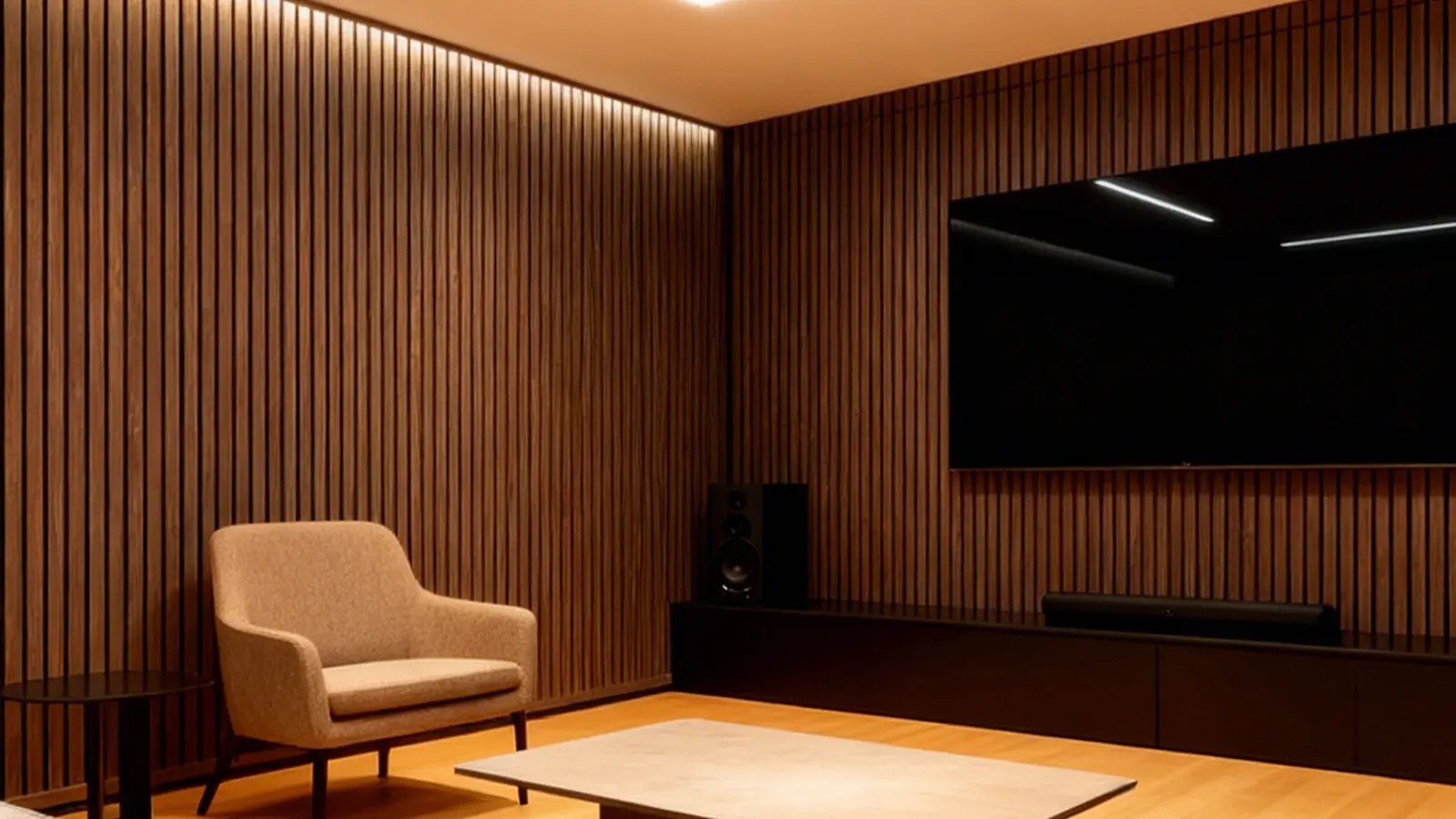
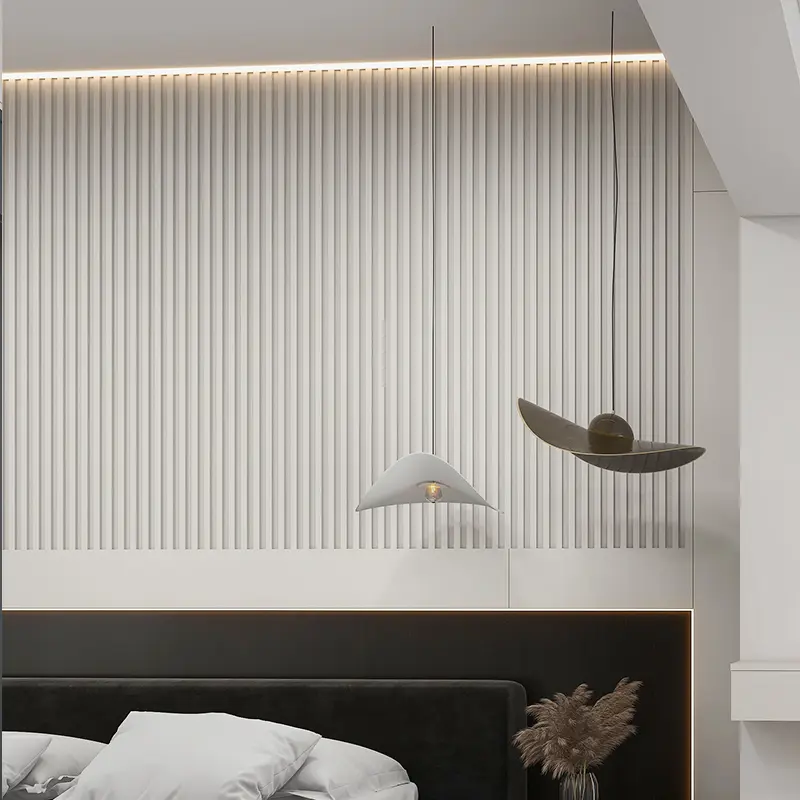
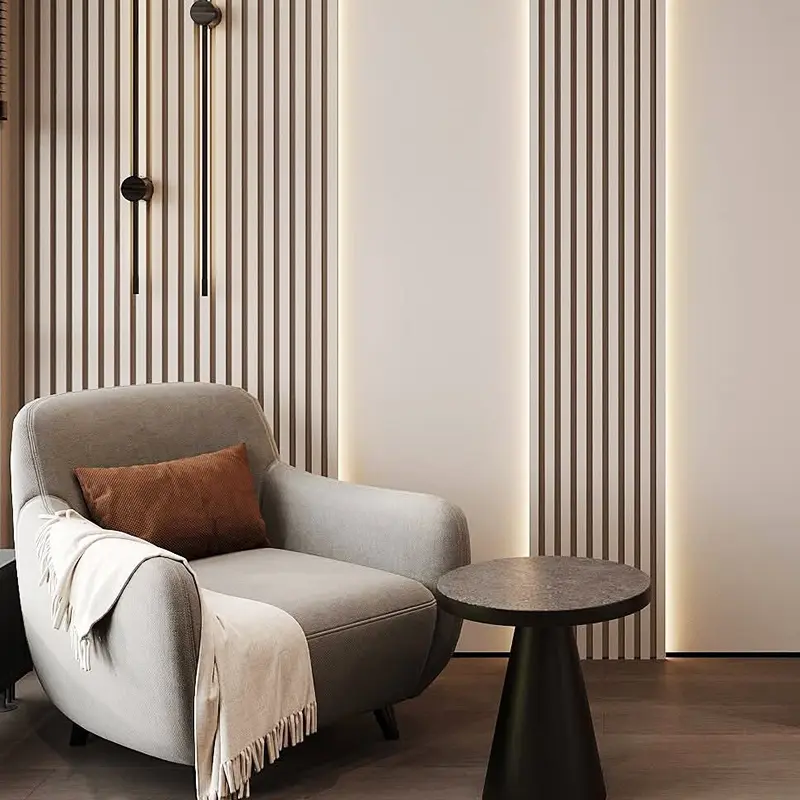
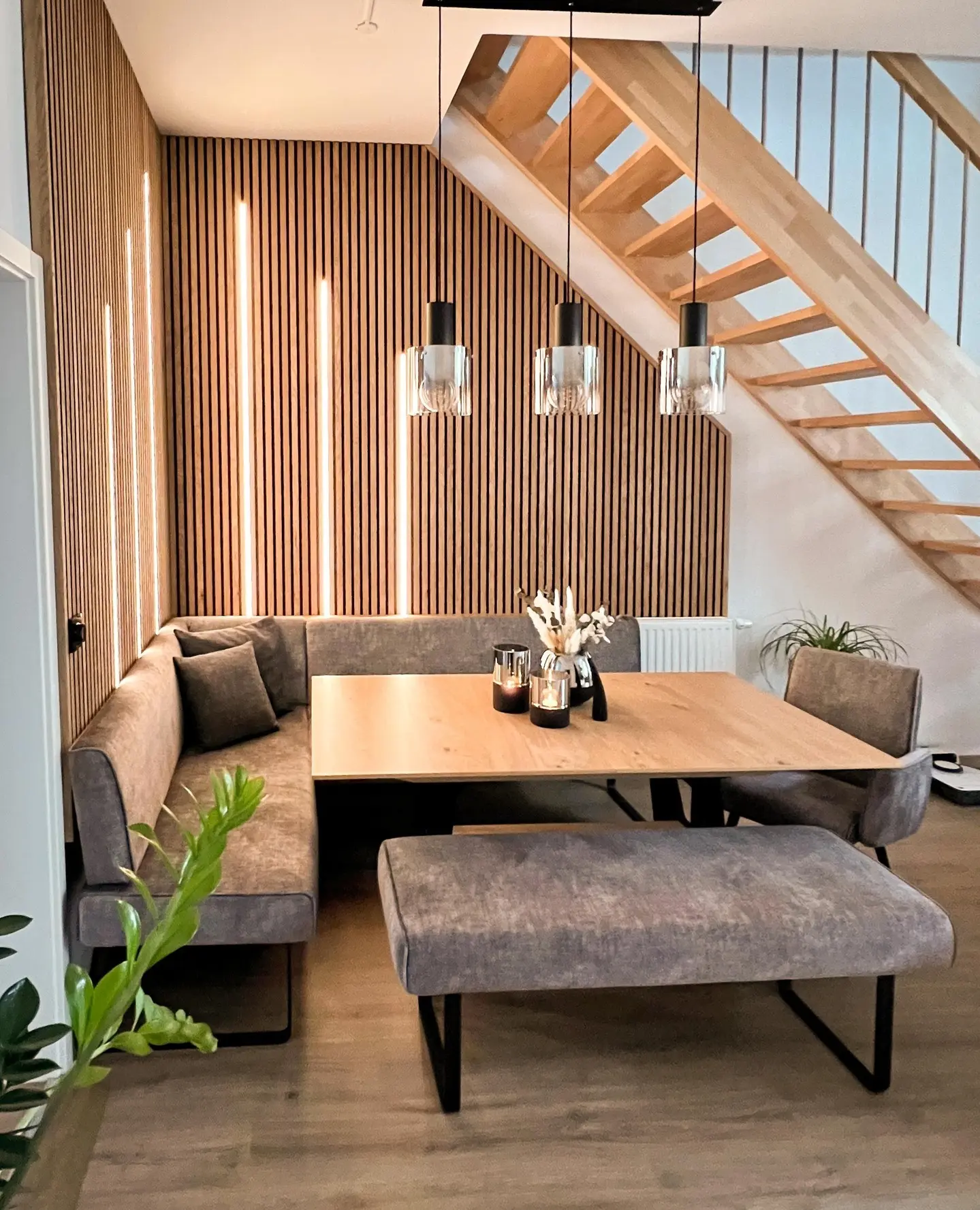
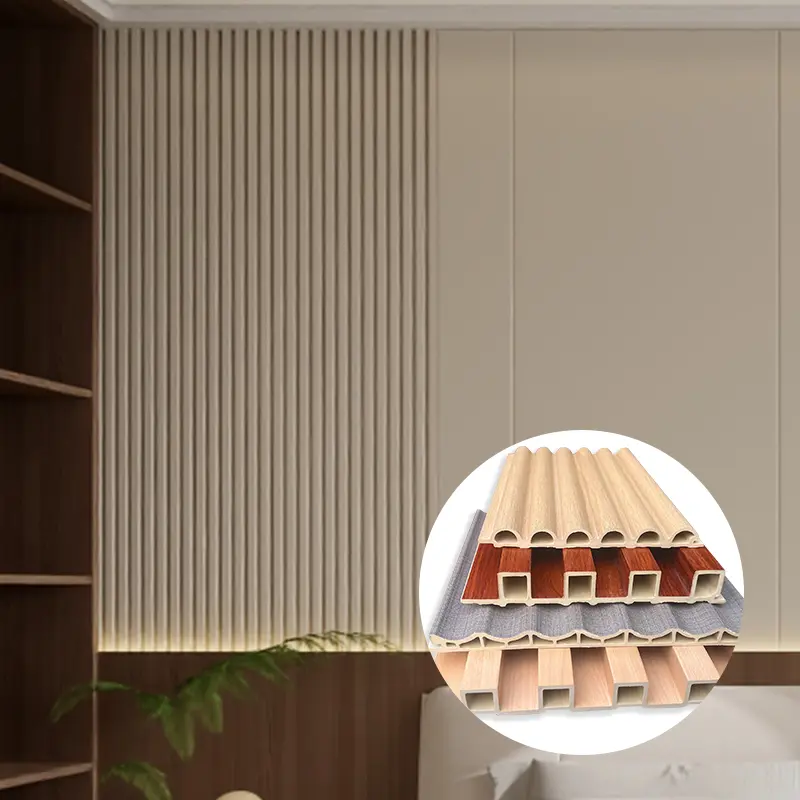
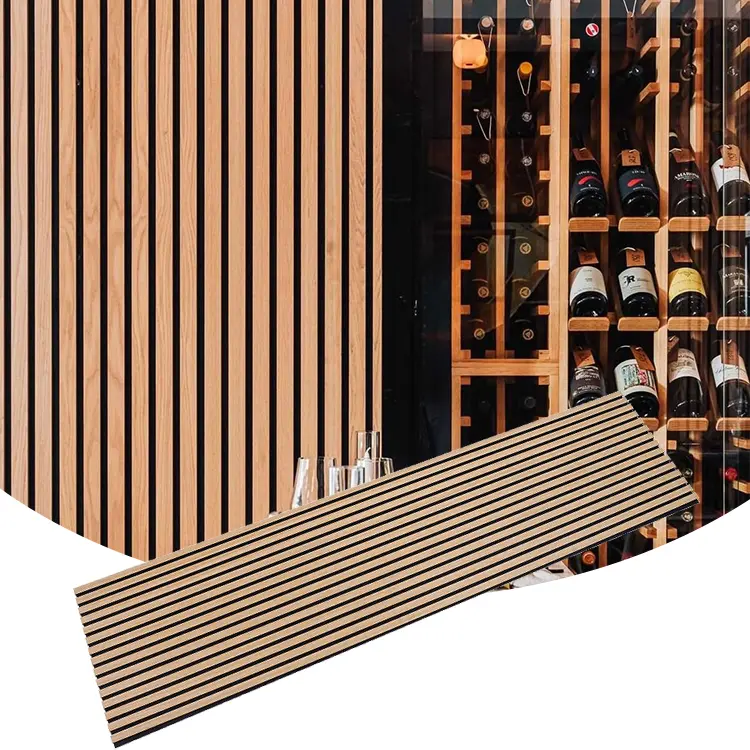
The aesthetic revolution in acoustic materials has accelerated this human-centered approach. Gone are the days when treatment meant industrial foam wedges or institutional fabric panels in limited color palettes. Contemporary acoustic solutions integrate seamlessly into design schemes: wood slat systems with hidden absorption cores, 3D-printed geometric panels doubling as sculptural elements, textiles woven with sound-absorbing fibers, and even living walls where plant density contributes to noise reduction. These innovations dissolve the false dichotomy between acoustic performance and visual beauty—making partial, strategic treatment not just acoustically superior but design-enhancing.
4. Acoustic Zoning in the Hospitality Industry
Consider the hospitality industry's evolution. Boutique hotels like The Ace Hotel chain and citizenM properties now employ "acoustic zoning"—treating specific areas within open lobbies to create distinct sonic experiences. Near conversation clusters, panels absorb mid-range frequencies to prevent speech bleed. Adjacent lounge areas might feature diffusers that scatter energy while preserving ambience. Bar zones incorporate ceiling clouds targeting the 2-4kHz range where human speech intelligibility lives. This layered approach uses approximately 22% total surface coverage yet creates perceptually distinct acoustic neighborhoods within single spaces—a strategy impossible with uniform wall-to-wall treatment.
5. The Psychological Dimension of Acoustic Treatment
The psychological dimension of acoustic treatment proves particularly fascinating. Humans possess an innate aversion to completely dead spaces—a survival mechanism evolved to detect environmental threats through subtle sound cues. Rooms with excessive absorption trigger subconscious unease, manifesting as fatigue or desire to leave. Conversely, spaces with uncontrolled reflections create cognitive strain as our auditory systems struggle to separate direct sound from delayed copies. The optimal zone—what acoustic designers call "controlled liveliness"—maintains 0.4-0.6 second reverberation times in residential settings, preserving enough ambience for comfort while eliminating problematic echoes.
6. Space-Specific Coverage Recommendations
This balance explains why coverage recommendations vary dramatically by space function. A meditation studio might intentionally use 35% coverage with broadband absorbers to create profound quiet. A children's playroom benefits from 18% coverage focused on impact noise reduction—strategically placed panels absorbing the sharp transients of dropped toys without eliminating the joyful sounds of play. Home offices typically need just 15-20% coverage targeting the 500Hz-4kHz range where speech clarity lives—sufficient for Zoom call intelligibility without creating an unnatural recording booth atmosphere.
7. Acoustic Elements as Intentional Design Features
The myth that Acoustic Panels must be hidden or disguised has also dissolved. Forward-thinking designers now treat acoustic elements as intentional design features. In a recent San Francisco co-working space renovation, designer Lena Rodriguez arranged panels in asymmetrical clusters creating visual rhythm while addressing reflection points. Members consistently comment on the space feeling "calm" without identifying specific acoustic interventions—a testament to treatment that serves human experience rather than technical specifications. This approach typically requires 20-25% coverage but achieves results impossible through higher coverage with random placement.
8. Material Selection for Personalized Acoustic Experiences
Material selection further personalizes the acoustic experience. Natural fibers like wool, cork, and recycled cotton offer NRC ratings comparable to synthetic alternatives while providing tactile warmth and biophilic benefits. A study published in Building and Environment found occupants reported 27% higher satisfaction in spaces using natural acoustic materials versus identical-performing synthetic options—demonstrating that acoustic comfort extends beyond physics into sensory and emotional domains.
9. Practical Implementation Principles
Practical implementation follows intuitive principles when viewed through this human lens. Begin by observing how people actually use your space. Do conversations consistently occur in one area? Does television viewing happen from a specific seating arrangement? These behavioral patterns reveal where acoustic intervention matters most. Treat the wall opposite primary seating first. Add ceiling elements above conversation zones. Address corners only if bass buildup creates physical discomfort (that "boomy" sensation in the chest). This user-centered methodology typically identifies 3-5 critical zones comprising 15-25% of surfaces—precisely matching scientific recommendations while feeling intuitively correct.
10. The Economic Case for Partial Treatment
The economic argument further supports partial treatment. Quality acoustic panels range from 1,200-3,000 before installation. Strategic treatment targeting 20% coverage costs $120-600—making acoustic comfort accessible without major renovation budgets. More importantly, this approach allows iterative refinement: start with essential zones, live with the results for two weeks, then add treatment only where needed. This responsive methodology respects both budget constraints and the reality that acoustic needs evolve with space usage.
11. Preserving Architectural Character
Perhaps most significantly, partial treatment preserves architectural character—a priority increasingly valued in renovation culture. Historic homes with original plaster walls, exposed brick in converted lofts, or textured finishes in mid-century properties lose their soul when covered entirely with flat panels. Strategic treatment honors these features while solving acoustic problems: a single panel at first reflection points, bass traps tucked into corners, ceiling clouds above seating areas. This respectful approach maintains visual interest while delivering acoustic comfort—a balance impossible with comprehensive coverage.
12. The Future of Acoustic Design
The future of acoustic design lies not in covering more surface area, but in smarter integration of treatment within human experience. Emerging technologies like parametric design allow panels to be fabricated with site-specific geometries that address acoustic needs while creating unique visual identities. Bio-based materials continue improving performance while reducing environmental impact. Most importantly, designers increasingly recognize that acoustic comfort isn't about eliminating sound—it's about curating sonic experiences that support human activities without demanding conscious attention.
As Mark Chen observed during his library renovation: "People shouldn't notice the acoustics. They should simply feel comfortable staying longer, conversing more easily, and experiencing less fatigue. When treatment achieves that invisibly, it's succeeded." This philosophy—prioritizing human experience over technical metrics—explains why covering 20% of surfaces thoughtfully outperforms 80% coverage applied without consideration for how people actually inhabit spaces. The walls don't need to be silent; they simply need to support the life happening within them.