
PVC Marble Sheets Explained: A Practical Guide to Features, Performance, and Real-World Applications
Table of Contents
- Introduction: Why Pvc Marble Sheets Are Gaining Global Attention
- What Exactly Is a PVC Marble Sheet?
- Key Characteristics That Define PVC Marble Sheets
- PVC Marble Sheets vs Traditional Decorative Materials
- Common Thicknesses and Finishes
- Interior Applications of PVC Marble Sheets
- Commercial and Public Space Usage
- Educational and Medical Facilities
- Environmental Considerations
- Installation and Maintenance Overview
- Conclusion
1. Introduction: Why PVC Marble Sheets Are Gaining Global Attention
Interior Decoration trends are shifting rapidly. Designers, contractors, and homeowners are all searching for materials that balance aesthetics, performance, and cost. Natural marble remains a symbol of luxury, but its weight, fragility, and maintenance requirements often limit its practicality. This is wherePVC marble sheets step in as a modern alternative.
PVC marble sheets deliver the elegant appearance of stone while eliminating many of the limitations associated with real marble. With improvements in surface printing technology and material engineering, these decorative panels have become increasingly popular across residential, commercial, and institutional projects worldwide.
This article provides a comprehensive overview of what PVC marble sheets are, how they are manufactured, what makes them different from other decorative materials, and where they are most effectively used.
2. What Exactly Is a PVC Marble Sheet?
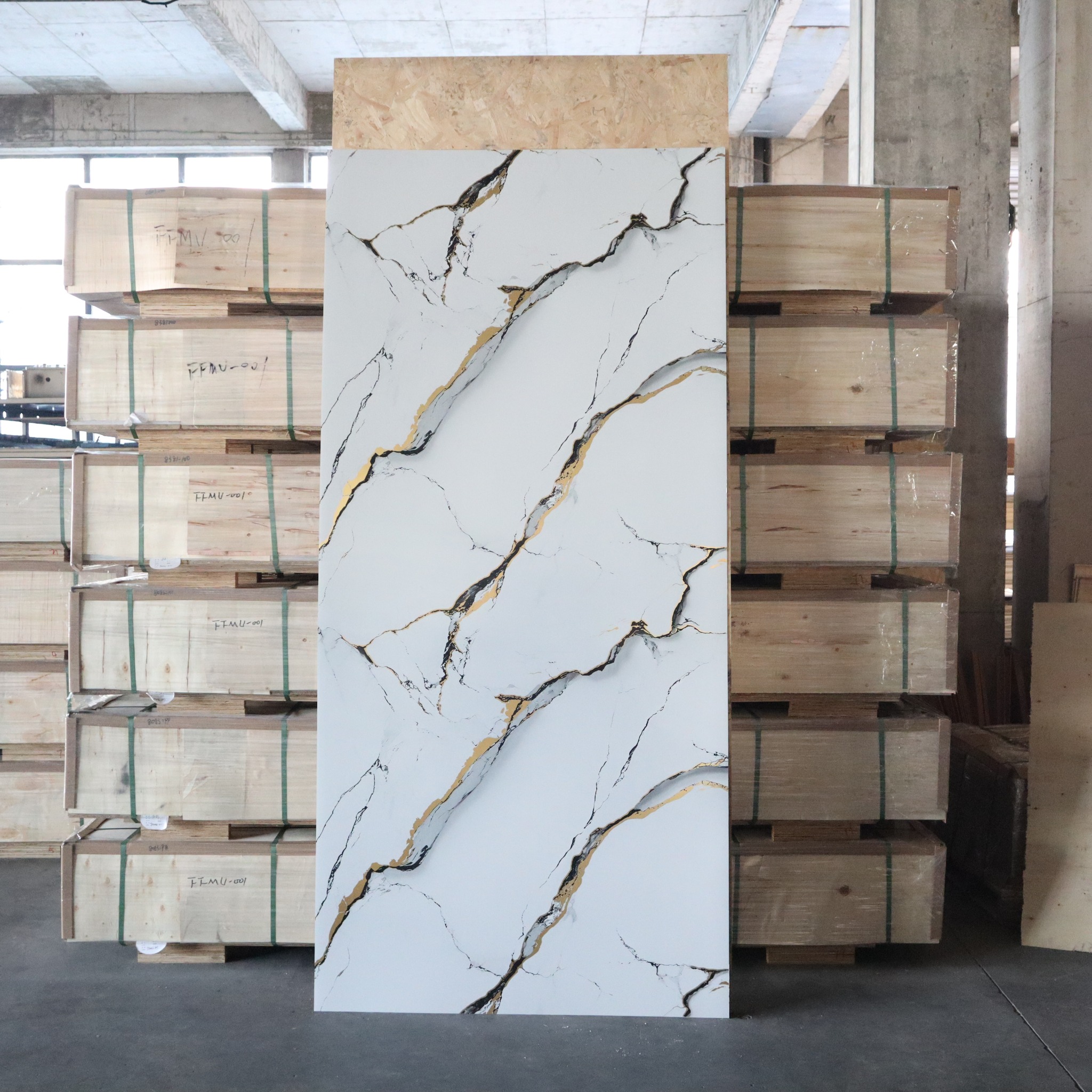
A PVC marble sheet is a decorative panel manufactured primarily from polyvinyl chloride combined with mineral fillers such as calcium carbonate. This composite structure allows the sheet to achieve both rigidity and flexibility while maintaining a smooth, stone-like surface.
Modern PVC marble sheets are produced using extrusion or calendaring processes. Once the base sheet is formed, high-resolution marble patterns are applied using advanced UV printing or hot stamping techniques. A transparent protective coating is then added to enhance surface hardness, gloss stability, and resistance to daily wear.
Unlike natural marble slabs, PVC marble sheets are engineered for consistency. Each panel offers uniform thickness, controlled weight, and predictable performance, making them easier to work with in large-scale interior projects.
3. Key Characteristics That Define PVC Marble Sheets
3.1 Lightweight Construction
PVC marble sheets are significantly lighter than stone or ceramic tiles. This reduces transportation costs, simplifies handling, and lowers installation risks—especially in high-rise buildings or renovation projects where load-bearing capacity is a concern.
3.2 Moisture and Humidity Resistance
One of the most valuable properties of PVC marble sheet is their resistance to water. The non-porous surface prevents moisture absorption, making them suitable for environments such as bathrooms, kitchens, and laundry rooms.
3.3 Surface Durability
The UV-coated surface layer protects the panel from scratches, stains, and fading. This makes PVC marble sheets appropriate for areas with frequent human contact, such as corridors, retail interiors, and reception areas.
3.4 Visual Realism
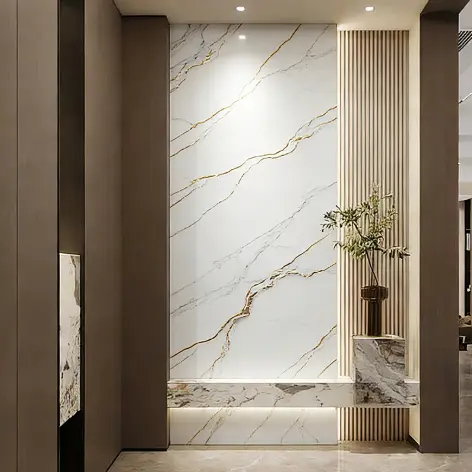
High-definition printing technology allows PVC marble sheets to replicate natural stone veining with remarkable accuracy. From classic white marble patterns to bold dark stone designs, the range of available styles continues to expand.
4. PVC Marble Sheets vs Traditional Decorative Materials
4.1 Compared to Natural Marble
Natural marble offers authenticity but requires sealing, polishing, and careful maintenance. PVC marble sheets, by contrast, provide a similar appearance with far less upkeep. They are also less prone to cracking and chipping.
4.2 Compared to Ceramic Tiles
Ceramic tiles are durable but heavy and labor-intensive to install. PVC marble sheets cover larger surface areas with fewer joints, creating a cleaner and more seamless appearance.
4.3 Compared to Laminate Panels
Laminate panels are cost-effective but often lack depth and realism. PVC marble sheets typically offer superior surface definition and longer lifespan, especially in moisture-prone environments.
5. Common Thicknesses and Finishes
PVC marble sheets are generally available in thicknesses ranging from 2 mm to 6 mm, depending on application requirements. Thicker panels are preferred for commercial installations, while thinner sheets are often used for decorative wall cladding.
Surface finishes typically include:
- High-gloss for luxury interiors
- Matte for minimalist designs
- Textured finishes for enhanced realism
This variety allows designers to match the material with specific interior styles and lighting conditions.
6. Interior Applications of PVC Marble Sheets
6.1 Residential Wall Decoration
In homes, PVC marble sheets are widely used in living rooms, bedrooms, dining areas, and hallways. They provide a refined visual impact without overwhelming the space or increasing structural load.
Feature walls made with PVC marble sheets often become focal points, especially when combined with modern lighting solutions.
6.2 Kitchen Wall Panels and Backsplashes
PVC marble sheets are particularly effective in kitchen environments. Their resistance to grease, steam, and spills allows for easy cleaning, while their seamless appearance enhances overall kitchen aesthetics.
Unlike traditional stone backsplashes, PVC marble sheets do not require grouting, reducing long-term maintenance.
6.3 Bathroom Wall Systems
Bathrooms demand materials that can withstand constant exposure to water and humidity. PVC marble sheets are commonly used on shower walls, vanity backsplashes, and partition panels, providing both functionality and elegance.
7. Commercial and Public Space Usage
7.1 Retail Stores and Showrooms
Retail spaces rely heavily on visual presentation. PVC marble sheets are frequently used in display walls, counters, and decorative columns to create a premium brand image at a controlled cost.
7.2 Hotels and Hospitality Interiors
From hotel lobbies to guest room walls, PVC marble sheets help create a sophisticated environment while simplifying cleaning and upkeep. Their consistent appearance is particularly valuable for chain hotels seeking uniform design standards.
7.3 Office Buildings
In office interiors, PVC marble sheets are used in reception areas, meeting rooms, and executive spaces. They offer a professional aesthetic while remaining practical for long-term use.
8. Educational and Medical Facilities
8.1 Schools and Universities
Educational environments require materials that are durable, safe, and easy to maintain. PVC marble sheets meet these criteria while also enhancing the visual appeal of classrooms, libraries, and common areas.
8.2 Healthcare Settings
Hospitals and clinics benefit from the hygienic surface of PVC marble sheets. The non-porous finish does not harbor bacteria, making it suitable for clean and controlled environments.
9. Environmental Considerations
Many manufacturers now produce PVC marble sheets using recycled materials and energy-efficient processes. Their long service life also reduces the need for frequent replacement, contributing to lower material waste over time.
While PVC is a synthetic material, responsible production and recycling practices help minimize environmental impact.
10. Installation and Maintenance Overview
PVC marble sheets can be installed using adhesives, mechanical fasteners, or specialized mounting systems. They can be cut with standard tools, allowing for precise customization on-site.
Maintenance is straightforward. Regular cleaning with mild detergent and water is usually sufficient to maintain surface appearance.
PVC marble sheets represent a practical evolution in interior decorative materials. By combining the visual appeal of marble with modern material performance, they offer a reliable solution for a wide range of applications.
Whether used in residential renovations or large commercial projects, PVC marble sheets provide durability, design flexibility, and long-term value. As technology continues to advance, their role in contemporary interior design is expected to grow even further.