

Professional Acoustic Panels for Music Studios: A Complete Buyer’s Guide for Western Markets
1. Introduction: Why Studio Acoustics Matter More Than Gear
2. Common Acoustic Problems in Music Studios
3. Understanding Acoustic Panel Performance
4. Materials Used in Professional Acoustic Panels
5. Essential Acoustic Panel Types for Music Studios
6. Designing an Effective Panel Layout
7. Why Western Buyers Source Acoustic Panels from China
8. Installation Best Practices
9. Conclusion: Building a Studio That Sounds Right
1. Introduction: Why Studio Acoustics Matter More Than Gear
In music production, sound accuracy is everything. While microphones, interfaces, and monitors often receive the most attention, the acoustic environment of a studio has a far greater impact on final sound quality. Without proper acoustic control, even world-class equipment will produce unreliable results.
For home studios, project rooms, and commercial recording facilities across the United States and Europe, acoustic panels are the foundation of effective sound treatment. They control reflections, manage resonance, and help engineers hear music as it truly is—without distortion caused by the room itself.
This guide explores how professional Acoustic Panels work, what types are best suited for music studios, and why many Western buyers now source panels directly from experienced manufacturers in China.
2. Common Acoustic Problems in Music Studios
Most untreated studios suffer from the same acoustic issues, regardless of size or location:
- Excessive reverberation
- Flutter echo between parallel walls
- Low-frequency buildup in corners
- Phase cancellation
- Inconsistent stereo imaging
These problems interfere with recording clarity and mixing accuracy. Vocals may sound boxy, bass lines may feel uncontrolled, and mixes may fail to translate to other listening environments.
Acoustic panels address these issues by absorbing unwanted reflections and reducing resonance, allowing sound to remain clean and controlled.
3. Understanding Acoustic Panel Performance
3.1 How Acoustic Panels Absorb Sound
Acoustic panels are designed to absorb sound energy rather than reflect it. When sound waves enter a porous panel, friction within the material converts part of the sound energy into heat. This process significantly reduces reflected sound inside the room.
3.2 Key Performance Metrics
Noise Reduction Coefficient (NRC)
NRC measures how much sound a panel absorbs across key frequencies.
- NRC 0.70–0.85: Suitable for basic control
- NRC 0.85–1.00: Preferred for professional studios
Thickness and Frequency Control
Panel thickness plays a major role in frequency absorption:
- 25 mm (1"): Controls high frequencies
- 50 mm (2"): Absorbs mids effectively
- 75–100 mm (3"–4"): Improves low-frequency response
Most professional studios use a combination of panel thicknesses to achieve balanced sound control.
4. Materials Used in Professional Acoustic Panels
Different materials offer different acoustic characteristics and cost levels.
| Material | Performance | Typical Use |
| Fiberglass | Excellent broadband absorption | Professional studios |
| Polyester fiber (PET) | Stable, eco-friendly | Home & project studios |
| Acoustic foam | Limited low-frequency control | Entry-level use |
| Wood slat + PET | Absorption + diffusion | Premium studio design |
High-density polyester fiber panels are particularly popular in Western markets due to their safety, durability, and environmental compliance.
5. Essential Acoustic Panel Types for Music Studios
5.1 Broadband Wall Panels
Broadband panels are the backbone of studio acoustics.
Used for:
- Side walls
- Rear walls
- First reflection points
Benefits:
- Balanced frequency absorption
- Clearer vocals and instruments
- Improved monitoring accuracy
5.2 Bass Traps
Low frequencies behave differently from mids and highs. Bass traps are specifically designed to absorb these problematic frequencies.
Installed in:
- Vertical corners
- Ceiling-wall junctions
Advantages:
- Reduces bass buildup
- Tightens low-end response
- Essential for mixing rooms
5.3 Ceiling Cloud Panels
Ceiling reflections often go untreated but significantly affect sound quality.
Applications:
- Above mix position
- Above drum kits
- Above vocal recording areas
Ceiling clouds improve clarity and stereo balance by controlling vertical reflections.
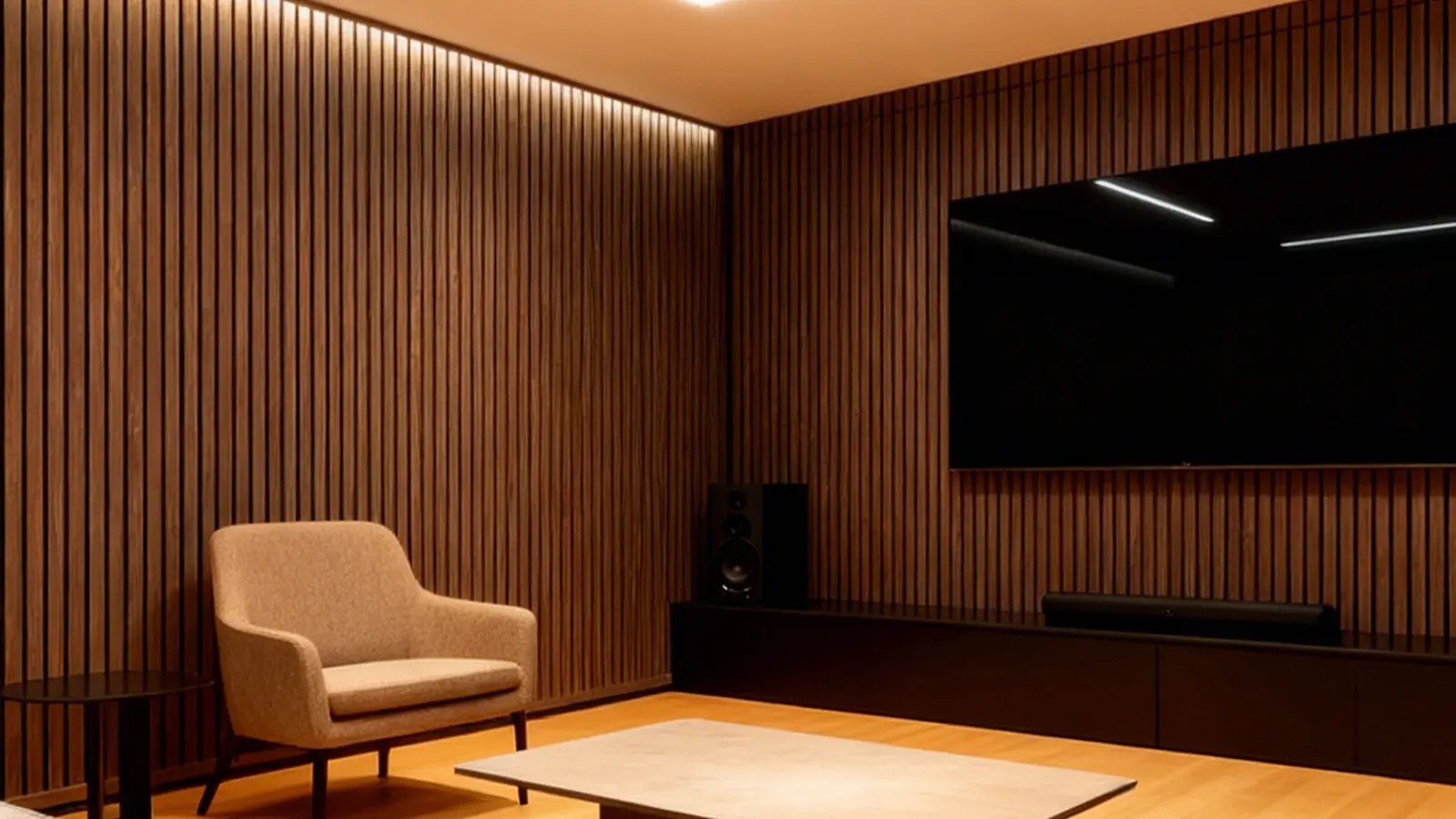
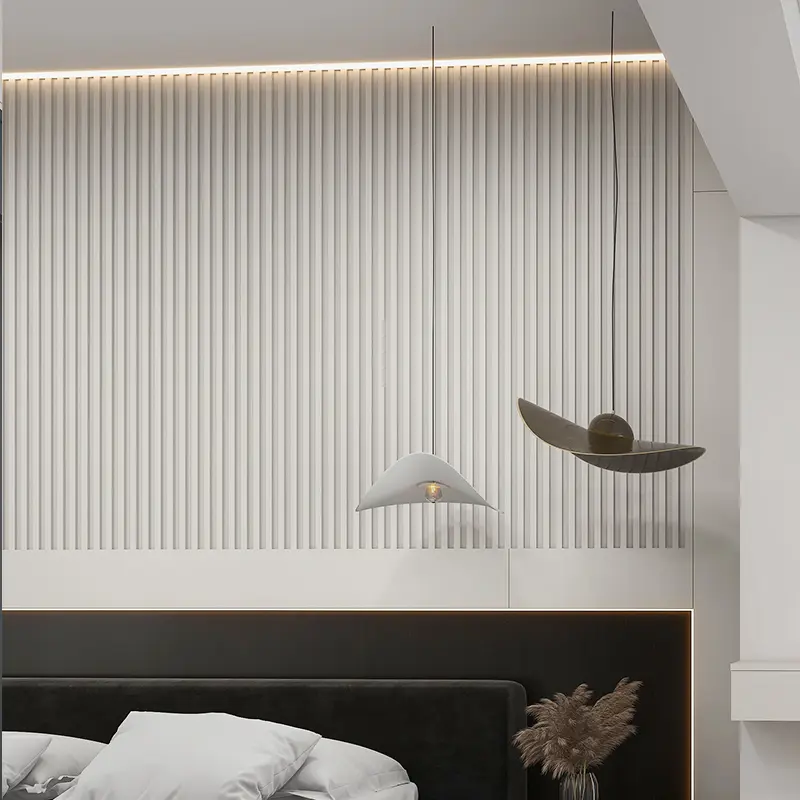
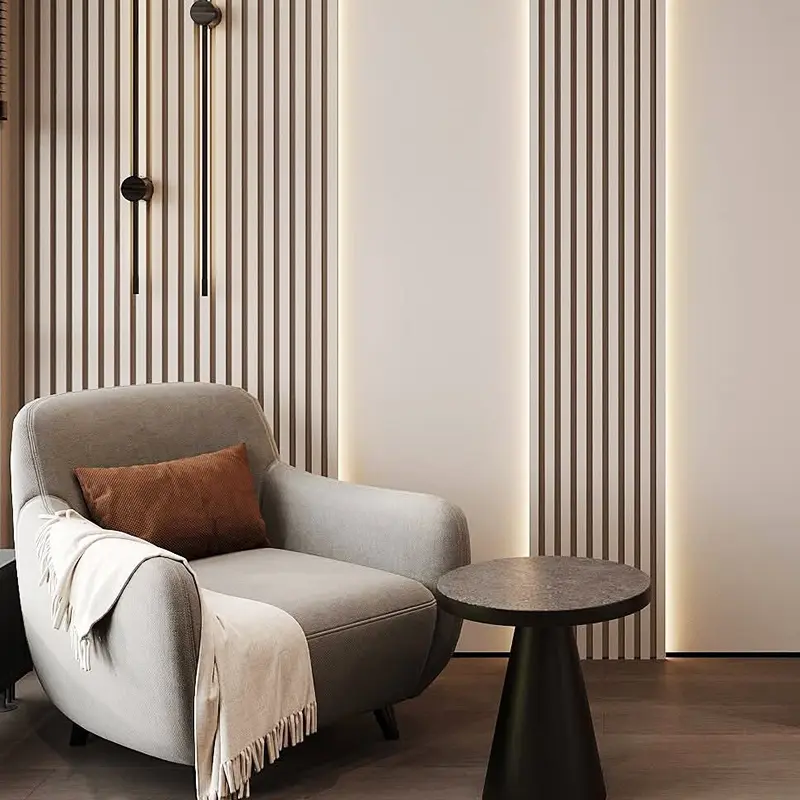
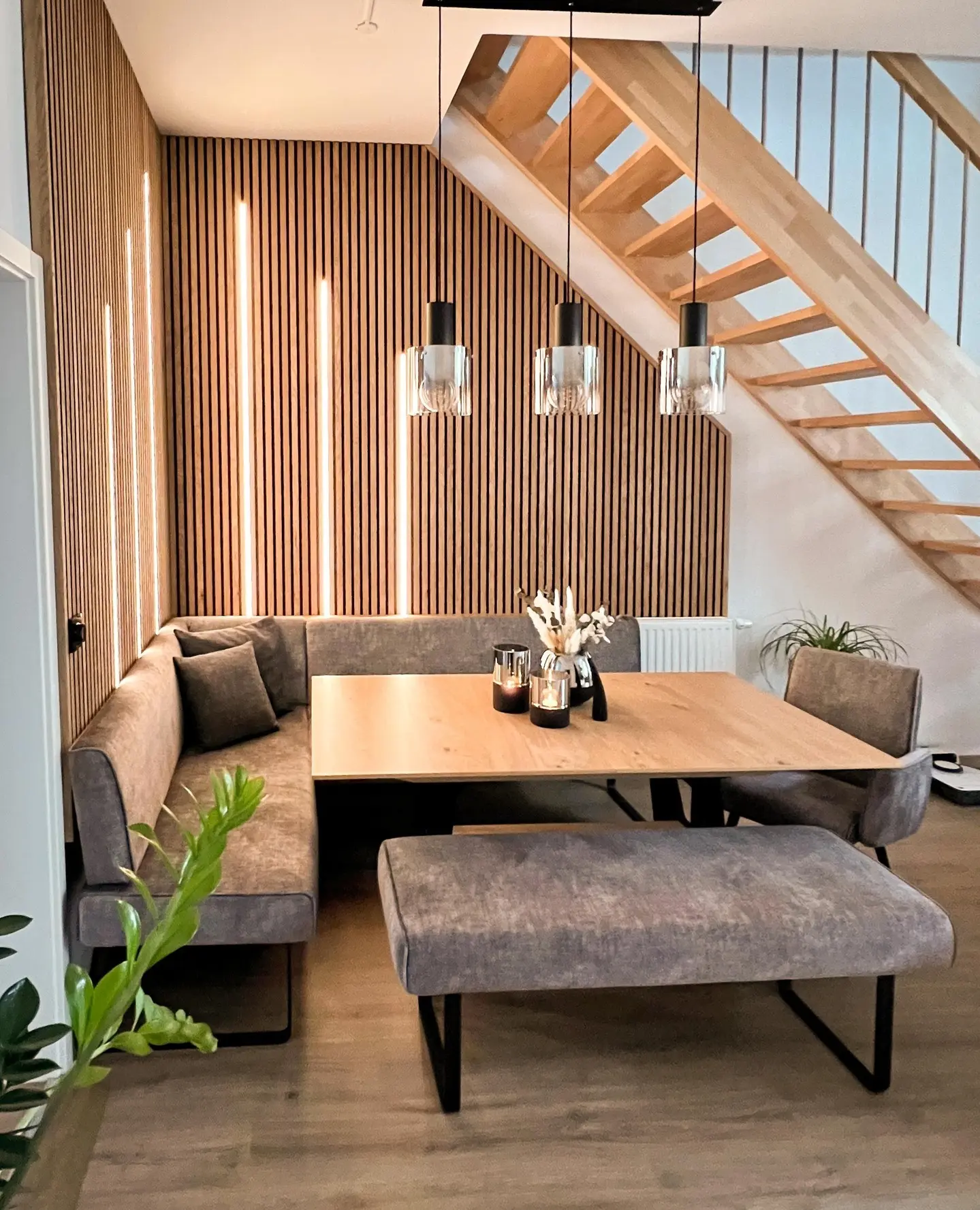
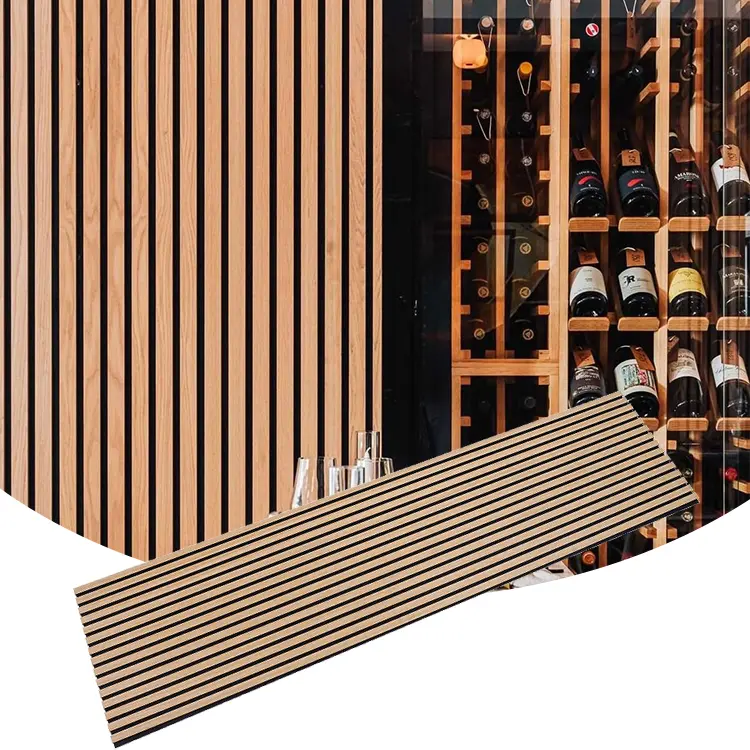
5.4 Slatted Wood Acoustic Panels
Slatted panels combine absorption with sound diffusion, offering both performance and visual appeal.
Best for:
- Rear walls
- Creative studios
- Modern commercial spaces
These panels are increasingly popular in European and North American studios where design aesthetics matter.
6. Designing an Effective Panel Layout
A successful acoustic setup depends on placement, not just panel quantity.
6.1 General Guidelines
- Treat first reflection points on side walls
- Install bass traps in all available corners
- Use ceiling clouds above listening positions
- Maintain left-right symmetry
- Leave air gaps behind panels when possible
6.2 Typical Panel Quantities
- Small room (10–15 m²): 8–12 panels + bass traps
- Medium room (20–30 m²): 16–24 panels
- Large studios: Custom acoustic design
7. Why Western Buyers Source Acoustic Panels from China
Many studio brands, distributors, and contractors in the US and EU now work directly with Chinese acoustic panel manufacturers.
7.1 Cost Efficiency
- Factory-direct pricing
- No retail markup
- Better margins for resellers
7.2 Manufacturing Capabilities
- Consistent density control
- In-house testing
- Large-scale production capacity
7.3 Customization Options
- Panel size and thickness
- Fabric colors
- Fire-retardant standards
- OEM branding
- Export-ready packaging
These advantages make China-based factories ideal partners for B2B buyers.
8. Installation Best Practices
- Use wall anchors suitable for panel weight
- Keep panels evenly spaced
- Avoid over-treating high frequencies
- Combine absorption with diffusion
- Measure results after installation
Correct installation ensures panels perform as intended.
9. Conclusion: Building a Studio That Sounds Right
The best acoustic panels for music studios are defined by performance, material quality, and proper application—not brand labels.
By selecting the right panel types, using appropriate thicknesses, and working with experienced manufacturers, studios can achieve professional sound control at a reasonable cost.
For Western buyers seeking bulk orders, OEM solutions, or project-based acoustic treatment, sourcing directly from a reliable Chinese factory offers a strong competitive advantage.