

Maximizing Hospitality ROI: The Operational and Financial Case for WPC Wall Cladding
Maximizing Hospitality ROI: The Operational and Financial Case for Wpc Wall Cladding
- The True Cost of Traditional Hotel Wall Finishes
- Value Engineering with WPC: The Material Science
- Slashing Renovation Downtime with Modular Installation
- Moisture Immunity: Solving the Hospitality Wet-Zone Crisis
- Fire Safety Compliance and Risk Mitigation
- Mastering the Global Supply Chain with Factory-Direct Sourcing
The hospitality industry operates on razor-thin margins, where every day a room sits empty due to renovations translates directly to lost RevPAR (Revenue Per Available Room). When hotel developers and asset managers sit down to specify FF&E (Furniture, Fixtures, and Equipment) and interior finishes, the conversation has dramatically shifted. It is no longer just about what looks luxurious; it is about what can be installed overnight, withstands brutal daily wear and tear, and eliminates ongoing maintenance budgets.
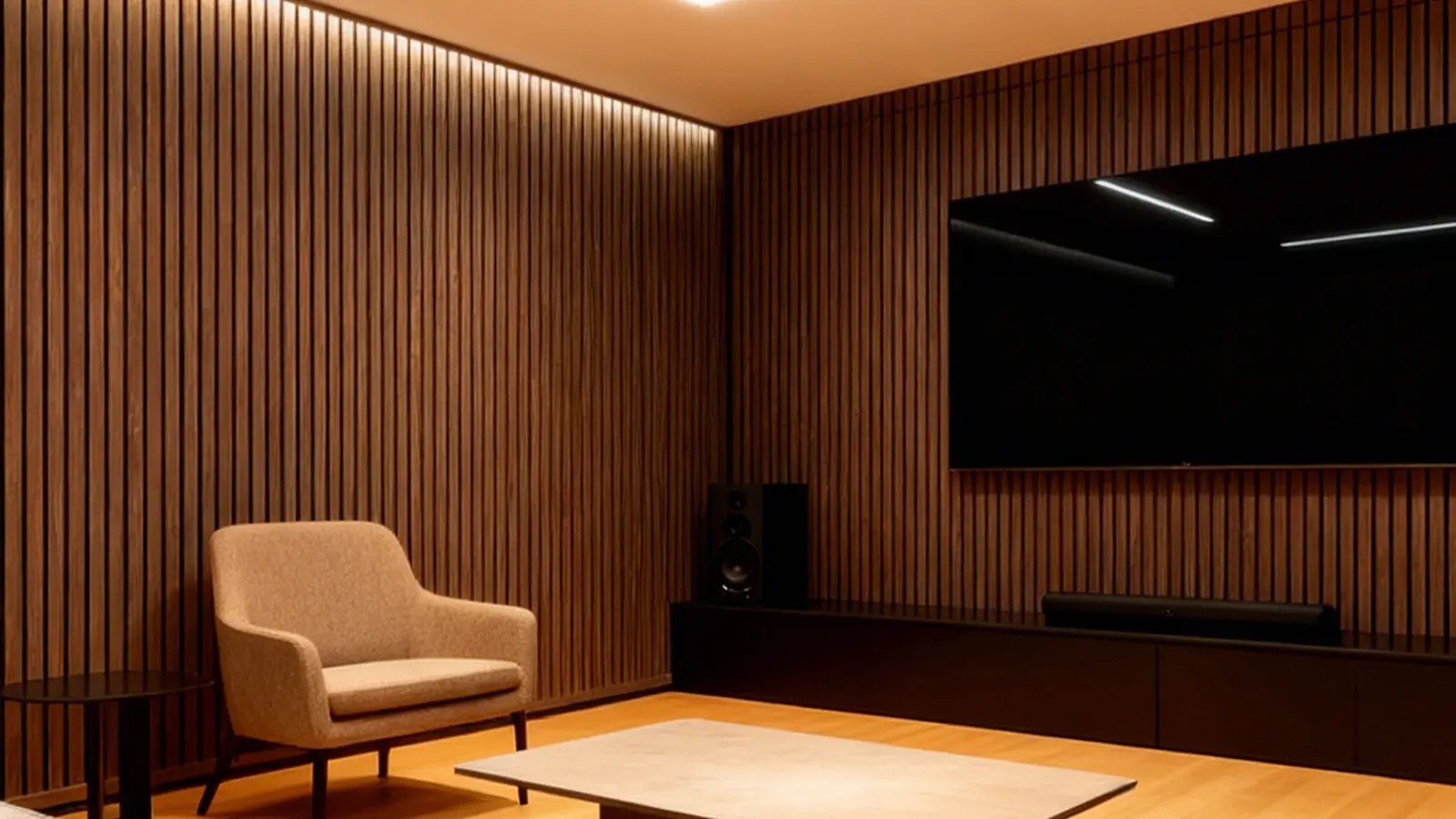
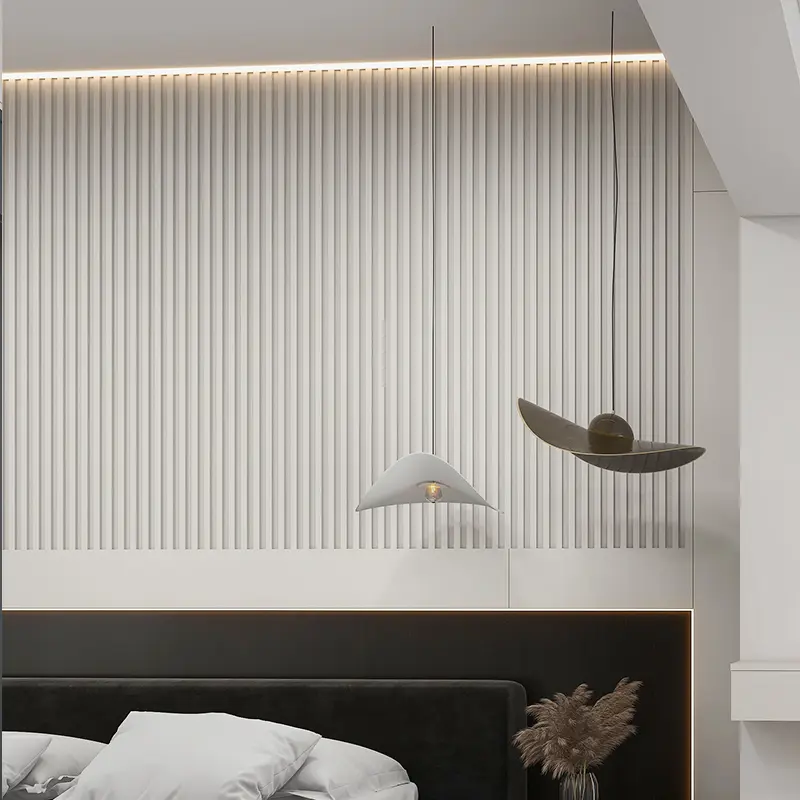
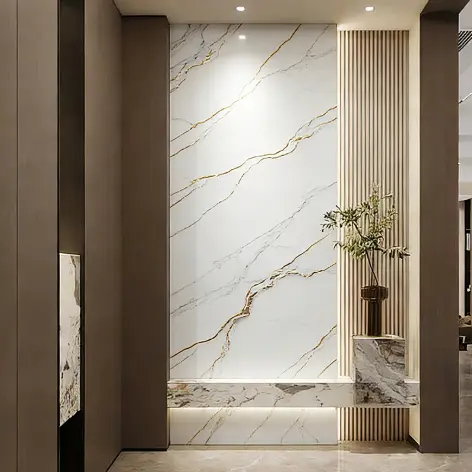
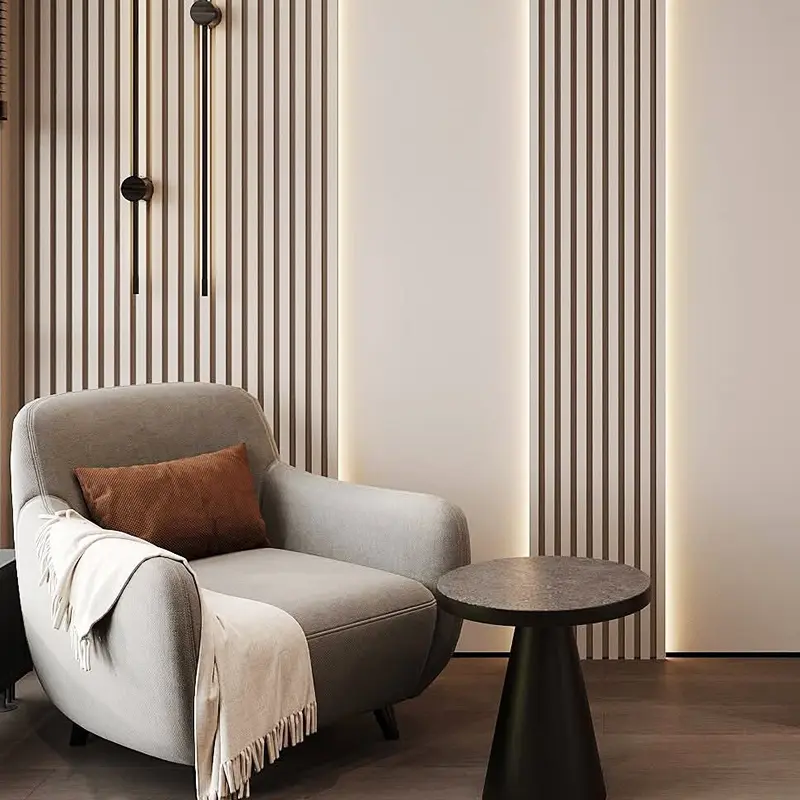
This financial reality is exactly why Wood-Plastic Composite (WPC) wall panelingis rapidly replacing traditional drywall, vinyl wallpaper, and natural timber in commercial hotel projects worldwide. As a premier manufacturing partner for global hospitality brands, Ruide provides a hard look at the economics and operational advantages of specifying engineered Wpc Cladding for large-scale hotel developments.
The True Cost of Traditional Hotel Wall Finishes
To understand the value of composite engineering, we must first look at the legacy materials it replaces. Commercial hotel corridors are high-impact zones. Housekeeping carts, heavy guest luggage, and room service trolleys constantly batter the lower half of corridor walls.
When traditional drywall or standard vinyl wallcoverings are used, this daily impact results in scuffs, tears, and dents. The operational response requires a continuous cycle of patching, sanding, and repainting. This not only drains the facility management budget but also takes inventory offline.
Natural wood veneer, while visually stunning in a grand lobby, presents its own financial nightmare. It requires specialized carpentry for installation, periodic oiling or varnishing, and is highly susceptible to fading from UV exposure through lobby windows. Furthermore, natural wood reacts poorly to the aggressive chemical cleaning agents required in post-pandemic hotel sanitation protocols.
Value Engineering with WPC: The Material Science
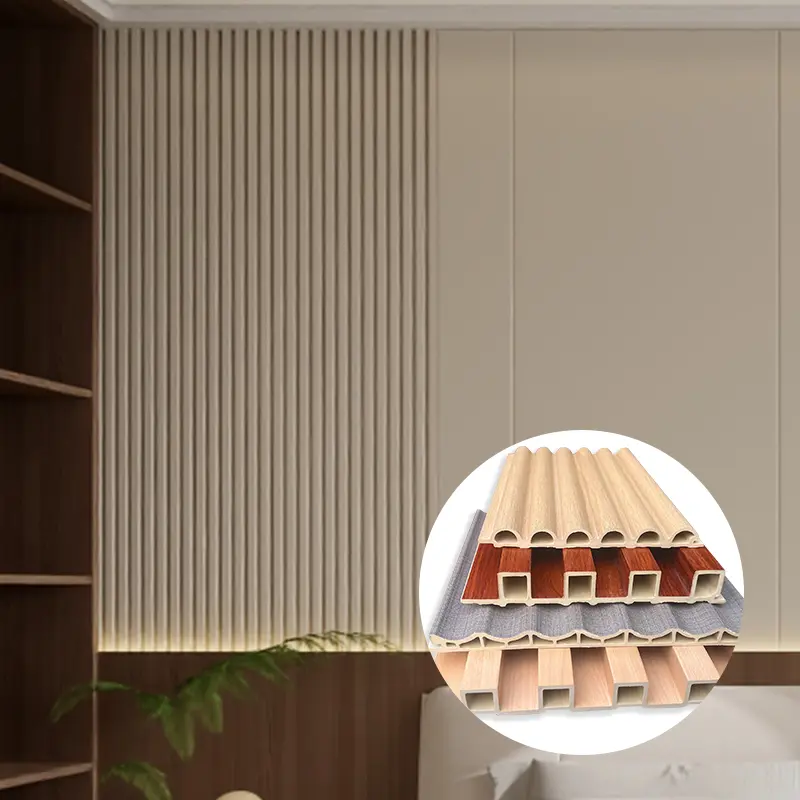
WPC solves these operational headaches at the molecular level. By fusing high-density wood fibers with commercial-grade thermoplastics (such as polyethylene or PVC) and binding them with industrial stabilizers, factories create a substrate that is practically indestructible in a standard hotel environment.
From a procurement standpoint, WPC is a triumph of value engineering. It delivers the exact tactile and visual experience of premium timber—complete with embossed grain textures—at a fraction of the raw material cost. Because the color and finish are integrated into a heavy-duty surface film (often utilizing co-extrusion technology), the panels never require painting, sealing, or staining. For the lifecycle of the hotel interior, the maintenance budget for WPC-clad walls drops to zero. Housekeeping staff only need standard mild detergents to wipe away spills, stains, or scuffs.
Slashing Renovation Downtime with Modular Installation
Time is the most expensive commodity in hotel construction and renovation. Property Improvement Plans (PIPs) mandated by major hotel franchises require periodic interior upgrades. Shutting down entire floors for weeks to accommodate drywall mudding, curing, and painting is a massive hit to gross operating profit.
WPC wall panels radically alter the construction timeline. Engineered with precision tongue-and-groove or click-lock mounting systems, these panels are designed for rapid, dry installation. They can often be installed directly over existing, structurally sound drywall or dated tile, completely bypassing the demolition phase. A skilled contracting team can clad an entire hotel corridor or upgrade guestroom feature walls in a matter of hours, rather than days. This modularity means hotel operators can renovate floor-by-floor with minimal noise disruption, keeping the property open and generating revenue while the upgrade happens in the background.
Moisture Immunity: Solving the Hospitality Wet-Zone Crisis
Water damage is a leading cause of insurance claims and unplanned CapEx in the hotel sector. Bathrooms, indoor pool enclosures, spa facilities, and coastal resort lobbies are subjected to constant humidity. Traditional MDF (Medium-Density Fiberboard) baseboards and wood paneling absorb ambient moisture, leading to swelling, structural failure, and the dangerous proliferation of black mold.
The thermoplastic polymer matrix within WPC renders the material 100% hydrophobic. It simply does not absorb water. Specifying WPC for bathroom vanity backdrops or spa feature walls guarantees that the aesthetic will not degrade, regardless of steam exposure or direct water splashes. This inherent waterproof nature also drastically improves the indoor air quality of the hotel by eliminating the damp environments where mold spores thrive.
Fire Safety Compliance and Risk Mitigation
No material enters a commercial hotel without passing stringent fire safety regulations. Hospitality procurement teams must navigate complex building codes, such as the ASTM E84 in the United States or the EN 13501 standards in Europe.
High-quality WPC panels, like those engineered by Ruide, incorporate advanced flame-retardant additives during the extrusion process. These panels are engineered to achieve Class B1 or Class A fire ratings, meaning they self-extinguish and do not contribute to the rapid spread of flames or produce excessive toxic smoke. Meeting these codes not only ensures guest safety but can also lead to more favorable premiums with commercial property insurance underwriters.
Mastering the Global Supply Chain with Factory-Direct Sourcing
For mega-resorts, casino hotels, and international franchise rollouts, supply chain reliability is just as critical as the product itself. Relying on local wholesalers often means dealing with inflated markups, limited inventory, and inconsistent batch colors across different project phases.
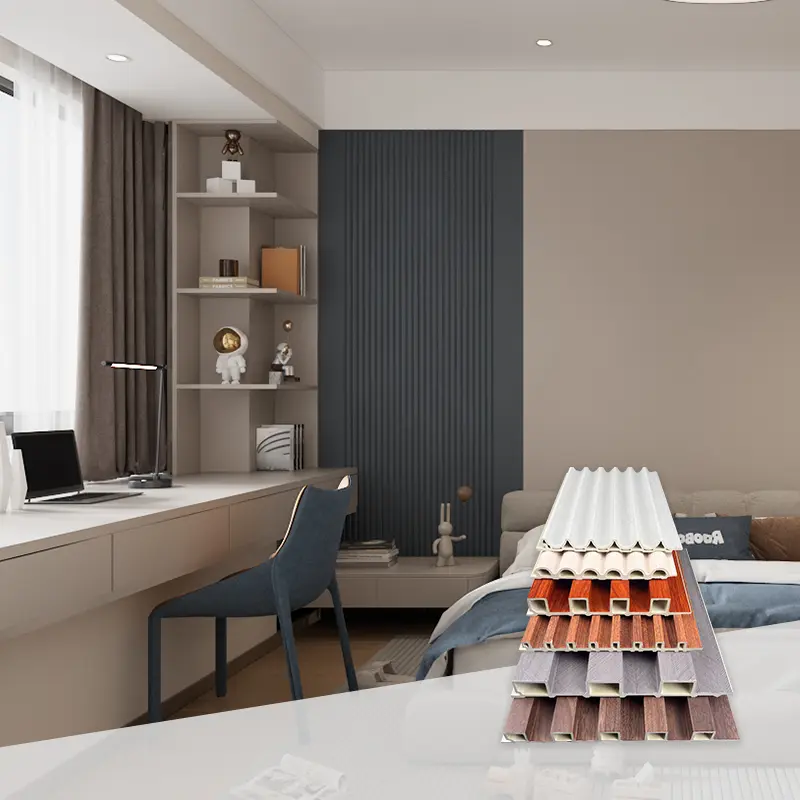
Strategic B2B buyers bypass the middlemen by partnering directly with established Chinese manufacturers. Ruide operates at the scale required for massive hospitality projects. By controlling the entire process—from raw material sourcing and custom mold creation to the final protective packaging—we guarantee batch-to-batch color consistency across thousands of square meters.
Furthermore, our export logistics teams are deeply experienced in optimizing container loads for international freight, handling customs documentation, and ensuring that materials arrive at the project site strictly aligned with your construction schedule.
If you are a developer, procurement officer, or FF&E contractor looking to maximize your project's ROI while delivering uncompromising luxury, WPC is the strategic choice. Reach out to the Ruide global commercial team today to request volume pricing, custom extrusion profiles, and our comprehensive hospitality sample kit.