
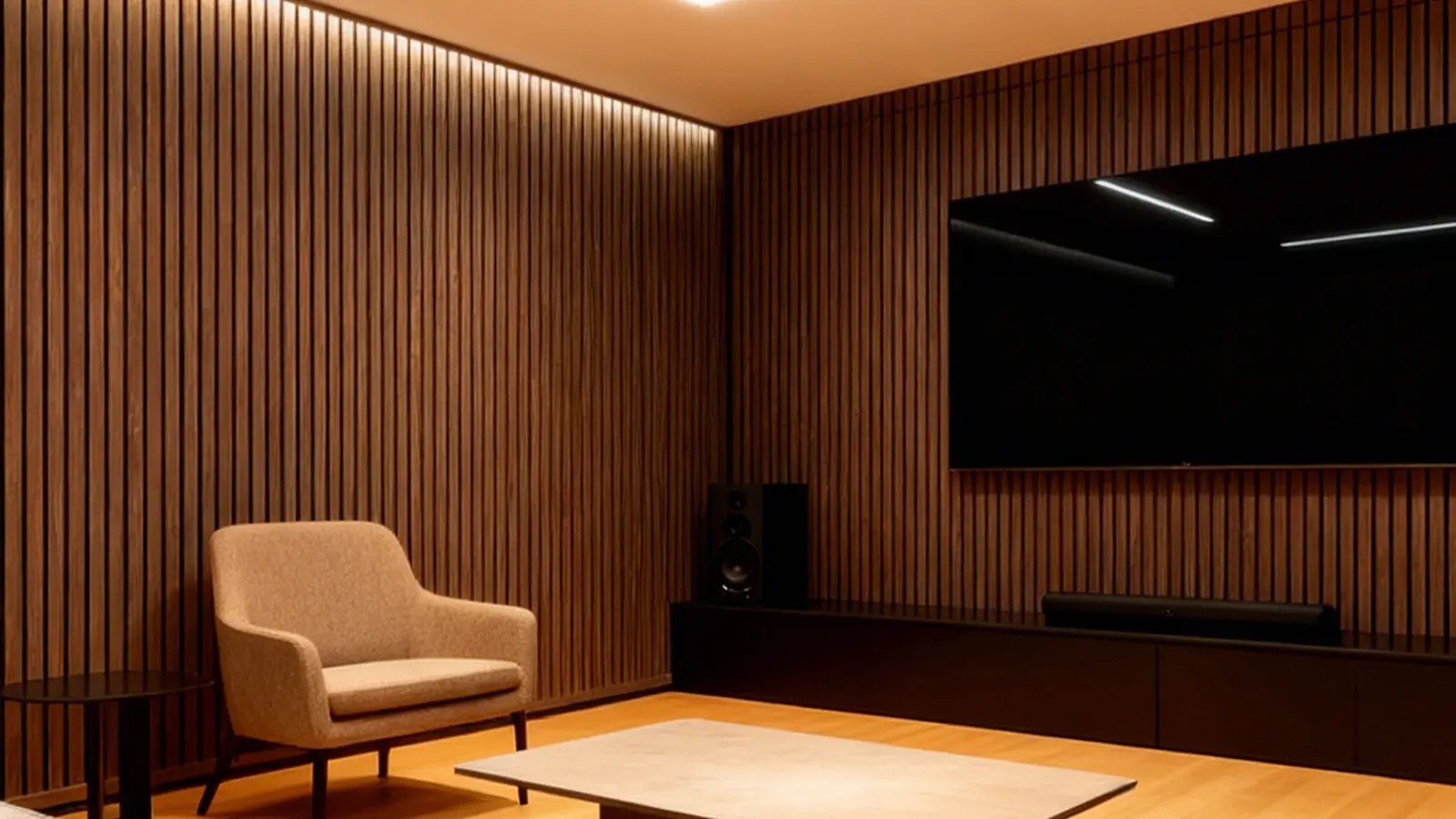
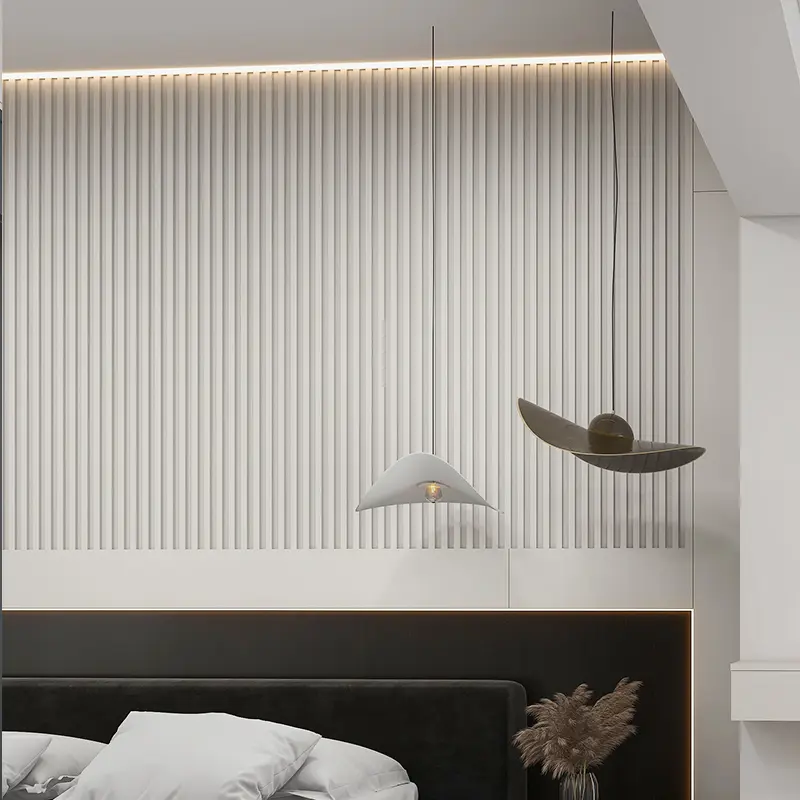
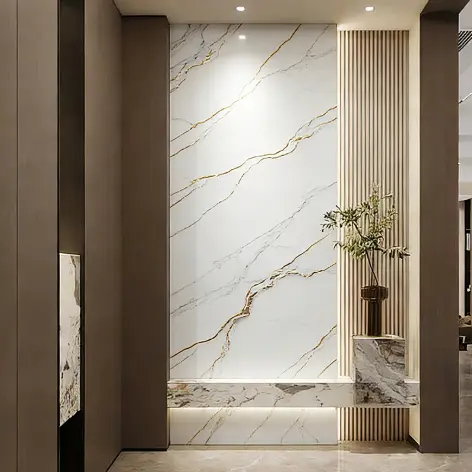

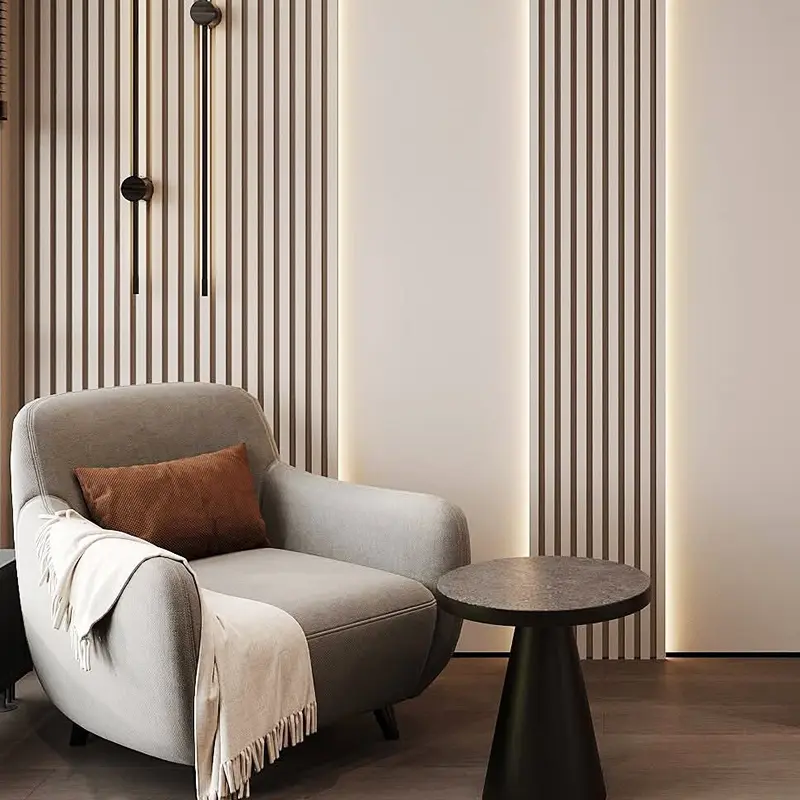
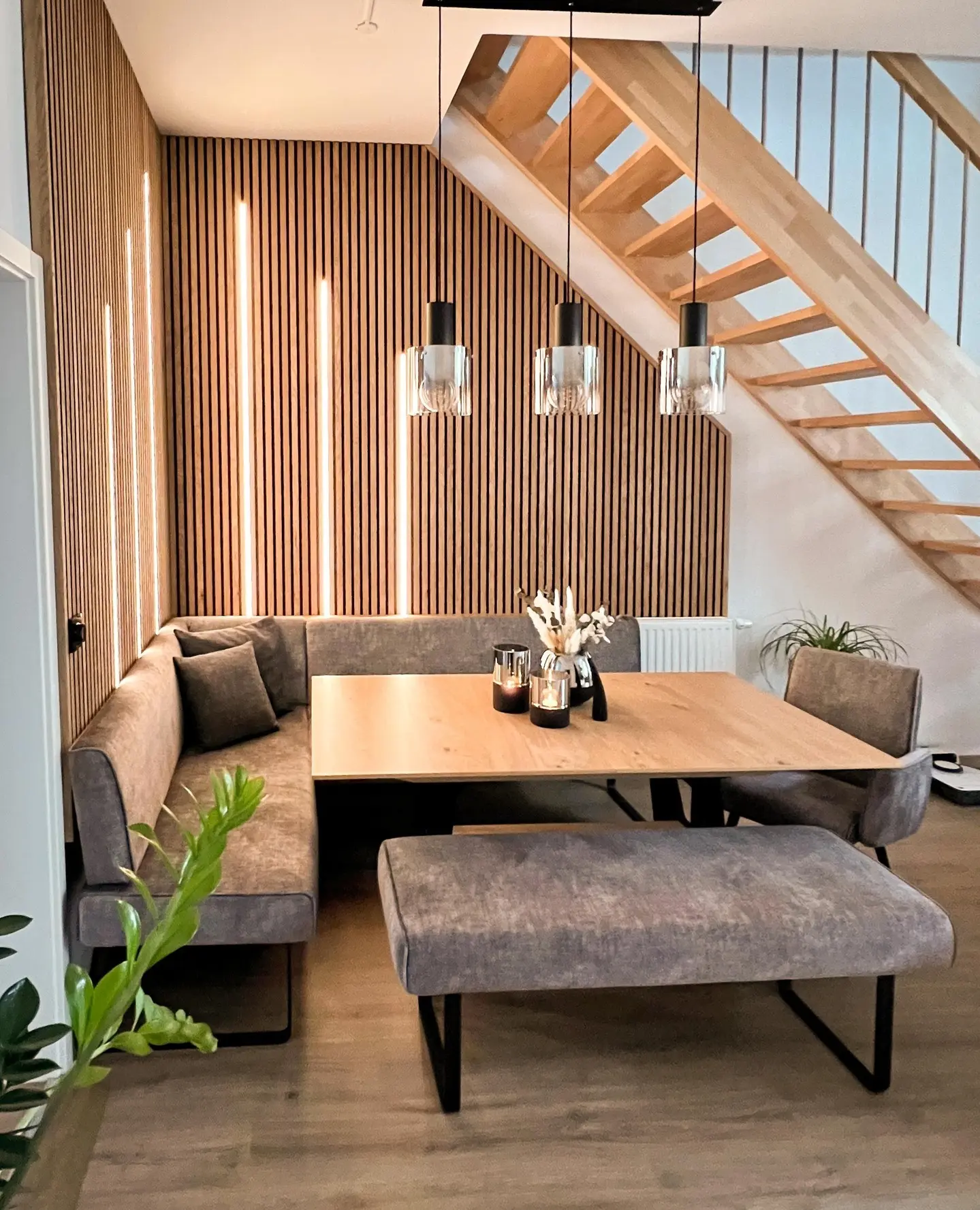
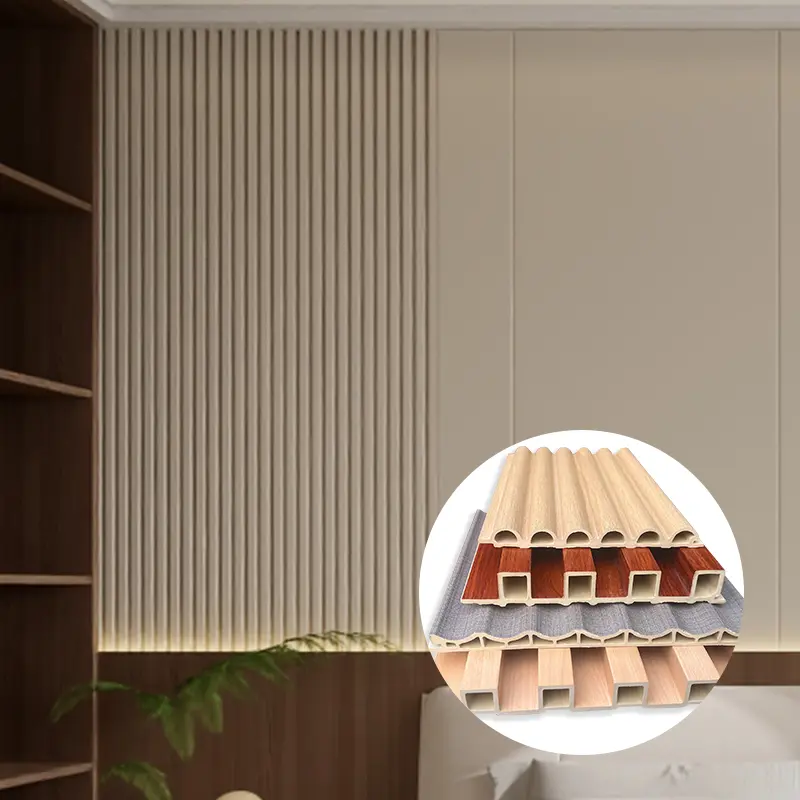
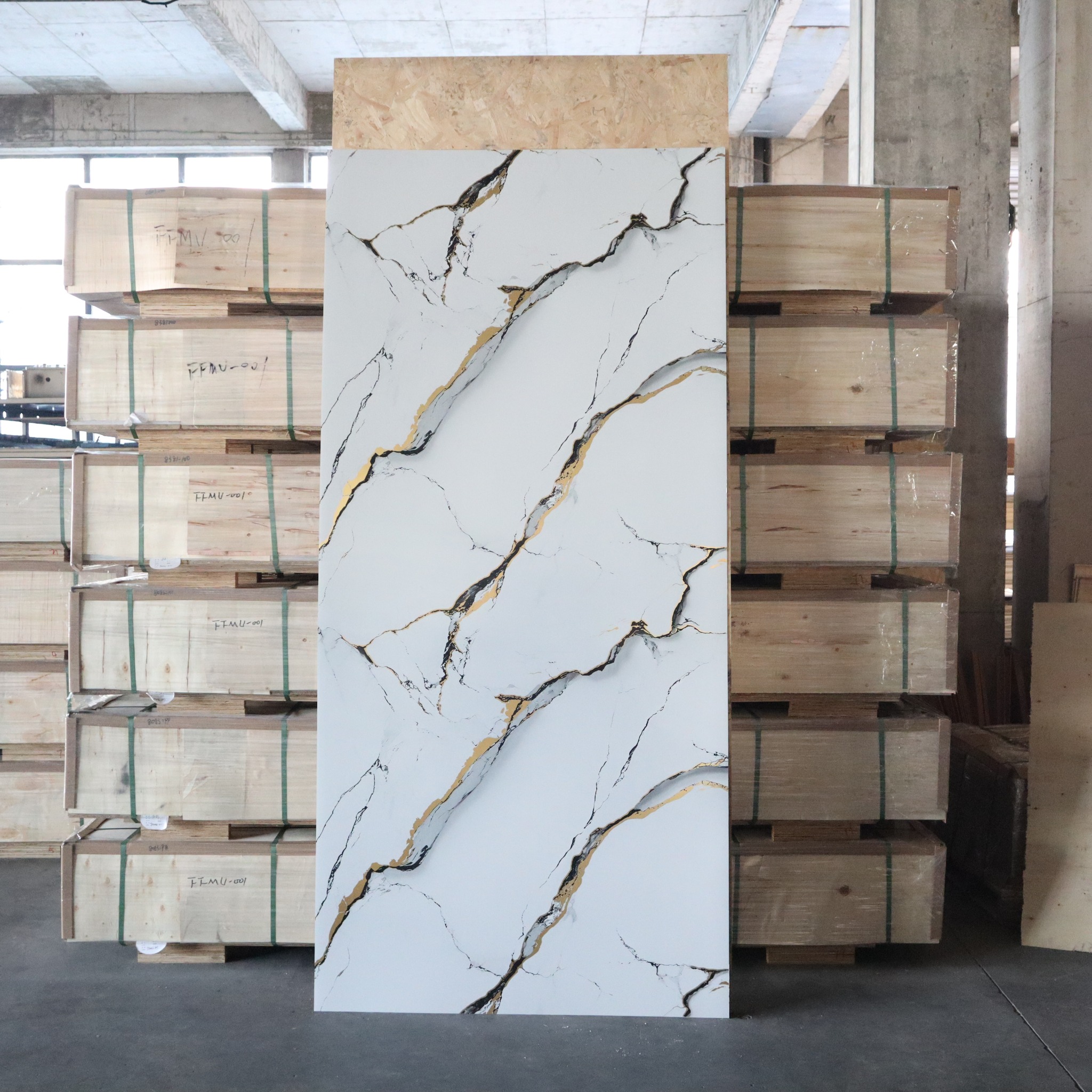
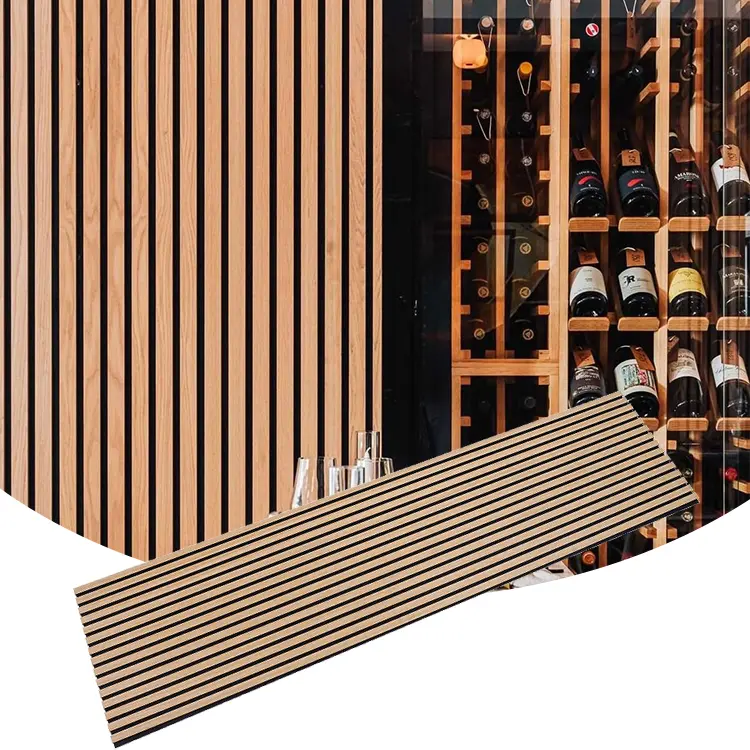
Installing WPC Wall Panels for Interior Design and Commercial Projects
Table of Contents
- Introduction: WPC Wall Panels in Professional Interior Fit-Outs
- Why Contractors and Designers Choose WPC Wall Panels
- Project Planning and Design Coordination
- Installation Systems Used in Commercial Projects
- Handling, Storage, and On-Site Logistics
- On-Site Cutting and Adjustment
- Quality Control During Installation
- Cost Efficiency and Commercial Advantages
- Long-Term Performance in Commercial Interiors
- Considerations for Distributors and Project Buyers
- Conclusion: A Reliable Interior Wall System for Modern Projects
1. Introduction: WPC Wall Panels in Professional Interior Fit-Outs
Modern interior projects—whether commercial spaces, hospitality venues, or large-scale residential developments—demand materials that seamlessly blend creative design flexibility with efficient construction workflows. In recent years, WPC (Wood-Plastic Composite) wall panels have emerged as a cornerstone specification in these projects, thanks to their unique balance of aesthetic versatility, structural durability, and streamlined installation processes.
Unlike traditional wall materials such as ceramic tiles, solid wood panels, or plasterboard, WPC wall panels are precision-manufactured in controlled factory environments. This ensures consistent dimensions, uniform surface textures, and reliable performance across every unit— a critical advantage for large-scale projects where visual cohesion and predictable installation timelines can make or break project success. Whether designers aim for a sleek minimalist look, a warm natural wood finish, or a bold custom color, Wpc Panels can be tailored to meet diverse design visions without compromising on functionality.
This article delves into the installation of WPC wall panels from a practical, project-focused perspective, addressing key considerations that matter most to contractors, interior designers, project managers, and distributors. From pre-installation planning to long-term performance, we cover the full lifecycle of WPC wall panel integration in commercial and high-volume interior projects.
2. Why Contractors and Designers Choose WPC Wall Panels
In professional interior construction, WPC wall panels stand out for their multifaceted advantages that address both operational and creative needs:
- Stable performance in indoor environments: WPC panels resist warping, swelling, or cracking even in spaces with mild humidity fluctuations (such as lobbies, corridors, or retail floors), outperforming solid wood which is prone to environmental damage.
- Faster installation compared to wet trades: Unlike tiling (which requires mortar curing) or plastering (which needs drying time), WPC panels can be installed in a fraction of the time, reducing project lead times significantly.
- Reduced labor costs: The lightweight nature of WPC panels and simple installation systems minimize the need for specialized labor, lowering overall workforce expenses.
- Minimal maintenance requirements: Unlike painted walls (which need touch-ups) or solid wood (which requires sealing), WPC panels only need regular cleaning with mild detergents to retain their appearance.
- Consistent quality across large volumes: Factory production eliminates the natural variations found in solid wood or stone, ensuring every panel matches perfectly—ideal for projects spanning thousands of square feet.
These benefits make WPC wall panels particularly well-suited for hotels, office buildings, retail chains, co-working spaces, and multi-unit residential complexes, where efficiency, durability, and aesthetic consistency are top priorities.
3. Project Planning and Design Coordination
Successful WPC wall panel installation begins long before the first panel is mounted—with meticulous coordination during the design phase. Proper planning not only ensures the final result aligns with the design vision but also minimizes costly on-site modifications and delays. Key considerations include:
- Panel layout and joint direction: Designers should map out panel orientation (vertical, horizontal, or diagonal) to enhance space perception—for example, vertical panels can make ceilings feel higher, while horizontal layouts can widen narrow corridors. Joint placement should be planned to avoid awkward alignments with doorways, windows, or focal points.
- Alignment with lighting and architectural elements: Panels should be coordinated with recessed lighting, sconces, or decorative moldings to ensure cutouts are precise and visual harmony is maintained. For example, panel joints should not clash with light fixture positions.
- Coordination with electrical and mechanical systems: Early collaboration with MEP (Mechanical, Electrical, Plumbing) teams is essential to mark locations for electrical outlets, switches, or HVAC vents. This prevents last-minute panel cutting that can compromise the material’s integrity.
- Trim and corner detailing: Selecting compatible trims, edge profiles, and corner pieces (such as bullnose trims or L-shaped corners) ensures a polished finish. These details also protect panel edges from chipping or damage in high-traffic areas.
By integrating these considerations into the design phase, project teams can streamline installation, reduce waste, and preserve the original design intent throughout the construction process.
4. Installation Systems Used in Commercial Projects
WPC wall panels offer flexible installation systems tailored to different project scenarios—from new builds to renovations. Choosing the right system depends on substrate condition, project timeline, and long-term performance needs:
Direct Fixing on Prepared Walls
This is the most common system for new-build projects or spaces with smooth, flat substrates (such as concrete or drywall):
- Panels are secured using high-strength construction adhesive (compatible with WPC materials) or concealed fasteners (such as screws with decorative caps or hidden clips).
- Installation speed is exceptionally high, making it ideal for tight project schedules.
- The surface finish remains clean and seamless, with no visible fasteners—perfect for spaces where aesthetics are a top priority, such as hotel lobbies or high-end retail stores.
Batten-Based Installation System
Widely used in renovation, retrofit, or older buildings where wall substrates are uneven or damaged:
- Wooden or metal battens (typically 2x4 inches) are first mounted horizontally or vertically on the wall to create a level base.
- Battens effectively correct wall irregularities, ensuring the final panel surface is smooth and uniform.
- The gap between battens and the wall provides space for concealed wiring, plumbing, or insulation—adding functionality without compromising design.
- This system also enhances structural stability, making it suitable for walls that may experience minor movement.
Hybrid Fixing Method
A combination of adhesive and mechanical fixing, designed for high-demand environments:
- Ideal for high-traffic areas such as airport terminals, shopping mall corridors, or office break rooms, where panels are at risk of impact or vibration.
- Adhesive provides strong initial bonding, while mechanical fasteners (such as screws or brackets) add long-term security.
- This dual approach reduces the risk of panel detachment over time, even in busy spaces with constant foot traffic or equipment movement.
5. Handling, Storage, and On-Site Logistics
Proper material handling and storage are critical to preserving the quality of WPC wall panels—especially on commercial sites where materials are often moved, stored, and installed in large quantities. Poor handling can lead to scratches, dents, or warping, which can compromise both aesthetics and performance:
- Transportation: Panels should be transported vertically with adequate support (such as wooden crates or padded racks) to prevent bending or stacking damage. Avoid leaning panels against sharp edges or exposing them to extreme temperatures during transit.
- Storage: Store panels flat in a dry, well-ventilated indoor area—away from direct sunlight, moisture, or heat sources (such as heaters or construction equipment). Use pallets or raised platforms to keep panels off the ground, preventing water damage from floor condensation.
- Stacking: Avoid stacking panels directly on uneven surfaces or piling too many layers (typically no more than 10-12 panels per stack) to prevent compression damage. Place protective sheets between layers to minimize scratches.
- On-site logistics: Plan material delivery to align with installation schedules—avoid storing panels on-site for extended periods. Designate a dedicated storage area to keep panels organized and protected from dust, debris, or accidental damage during construction.
By prioritizing proper handling and logistics, project teams can reduce material waste, avoid costly replacements, and ensure panels are in optimal condition for installation.
6. On-Site Cutting and Adjustment
Commercial projects rarely fit perfectly with standard panel dimensions—on-site cutting and adjustment are often necessary to accommodate irregular spaces, fixtures, or architectural details. Following best practices ensures clean cuts, minimal waste, and long-lasting performance:
- Tools and techniques: Use sharp, fine-toothed saws (such as circular saws with carbide blades) or specialized WPC cutting tools to avoid splintering or fraying the panel surface. Cut panels slowly and steadily, applying light pressure to maintain precision.
- Support during cutting: Fully support the panel on a stable workbench or sawhorse—never cut a panel that is hanging or unsupported, as this can cause uneven cuts or damage to the material.
- Sealing exposed edges: After cutting, seal any exposed edges with a high-quality WPC edge sealer or silicone caulk. This prevents moisture absorption, which can lead to swelling or discoloration over time. For high-moisture areas (such as restroom corridors), use waterproof sealants.
- Measurement and marking: Double-check measurements before cutting—“measure twice, cut once” is critical to reducing waste. Use a straightedge and pencil to mark cut lines clearly, ensuring accuracy for fixtures, outlets, or corner spaces.
Accurate cutting and careful edge treatment not only improve the visual finish but also extend the lifespan of WPC wall panels in commercial environments.
7. Quality Control During Installation
Consistent quality checks throughout the installation process are essential to maintaining a professional standard—especially in large-scale projects where small errors can accumulate into major issues. Project managers and contractors should implement the following checks:
- Alignment verification: Every 3-4 panels, use a level and straightedge to confirm vertical or horizontal alignment. Even minor misalignments can become noticeable across large surfaces, so correcting them early is key.
- Expansion gap confirmation: WPC panels expand and contract slightly with temperature changes. Ensure a 3-5mm expansion gap at all edges (walls, floors, ceilings) and around fixed fixtures (such as columns or door frames). This gap prevents buckling or warping over time.
- Joint tightness inspection: Before final trimming or installing trims, inspect panel joints to ensure they are tight and uniform. Gaps between panels should be consistent (typically 1-2mm) and free of dust or debris.
- Fastener security: For mechanical or hybrid fixing systems, check that fasteners are fully secured and not loose. Concealed clips should be properly engaged to prevent panel movement.
- Surface condition: Regularly inspect installed panels for scratches, dents, or damage. Address any issues immediately—replacing damaged panels early is more cost-effective than correcting them after the project is complete.
These quality control measures prevent cumulative errors, ensure the final installation meets design standards, and reduce the risk of callbacks for repairs.
8. Cost Efficiency and Commercial Advantages
From a project management and financial perspective, WPC wall panels offer compelling advantages that directly impact a project’s bottom line:
- Reduced installation time: Compared to traditional materials, WPC panels can cut installation time by 30-50%. This accelerates project completion, allowing commercial spaces to open earlier and start generating revenue sooner.
- Lower labor dependency: The simplicity of WPC installation means fewer skilled workers are required. This reduces labor costs and mitigates risks associated with labor shortages or delays.
- Fewer maintenance callbacks: WPC’s durability and low-maintenance nature translate to fewer post-installation repairs or touch-ups. This saves project teams time and money on maintenance callbacks, improving client satisfaction.
- Predictable project scheduling: Factory-manufactured WPC panels have consistent lead times and installation timelines, making project scheduling more reliable. This reduces the risk of cost overruns due to delays.
- Material waste reduction: Precise factory cutting and on-site best practices minimize material waste (typically 5-8% for WPC, compared to 10-15% for solid wood or tiles). This lowers material costs and aligns with sustainable construction goals.
For commercial projects—where time is money and cost predictability is critical—these factors combine to improve overall project profitability and reduce financial risks.
9. Long-Term Performance in Commercial Interiors
When installed correctly, WPC wall panels deliver reliable, long-lasting performance even in the most demanding commercial environments. Their robust construction and material properties make them ideal for high-use public spaces:
- Resistant to impact and surface wear: WPC panels are engineered to withstand daily wear and tear, including bumps from luggage (in hotels), shopping carts (in retail stores), or office equipment. Their surface is scratch-resistant and maintains its appearance even with heavy foot traffic.
- Stable under indoor temperature variations: Unlike solid wood, WPC does not expand or contract drastically with changes in temperature. This stability ensures panels remain flat and secure, even in spaces with fluctuating heating or cooling systems.
- Easy to clean and maintain: WPC panels have a non-porous surface that repels dirt, stains, and moisture. Routine cleaning with a damp cloth and mild detergent is sufficient to keep them looking new—no special cleaners or treatments are required.
- Mold and mildew resistance: The plastic component of WPC prevents mold and mildew growth, making panels suitable for indoor spaces with moderate humidity (such as hotel bathrooms, gym corridors, or office break rooms).
- Long lifespan: With proper installation and maintenance, WPC wall panels can last 15-20 years in commercial settings—outperforming many traditional materials that require replacement every 5-10 years.
This long-term durability not only reduces lifecycle costs but also ensures commercial spaces retain their professional appearance for years to come.
10. Considerations for Distributors and Project Buyers
For distributors, bulk buyers, and project procurement teams, WPC wall panels offer distinct advantages that support business scalability and customer satisfaction:
- Standardized product specifications: WPC panels are manufactured to strict industry standards, ensuring consistent dimensions, thicknesses, and finish quality across batches. This eliminates the risk of mismatched products in large orders.
- Ease of inventory management: WPC panels are lightweight, stackable, and have a long shelf life (when stored properly). This simplifies inventory storage and reduces the risk of stock damage or obsolescence.
- Strong market demand across sectors: The versatility of WPC panels drives demand in multiple industries—hospitality, retail, corporate offices, education, and residential. Distributors can tap into diverse customer bases without specializing in a single sector.
- Compatibility with custom design solutions: Many WPC manufacturers offer custom finishes, colors, and textures—allowing distributors to meet unique client requirements. Panels can also be paired with custom trims or accessories to create cohesive design systems.
- Sustainable credentials: WPC panels are often made from recycled wood fibers and plastic, aligning with growing demand for eco-friendly construction materials. This makes them attractive to clients focused on green building certifications (such as LEED).
These features make WPC wall panels a valuable addition to product portfolios, supporting scalable business growth and long-term customer relationships.
11. Conclusion: A Reliable Interior Wall System for Modern Projects
WPC wall panels have solidified their position as a go-to solution for modern commercial and large-scale interior projects—marrying design flexibility, installation efficiency, and long-term durability in a single material. For contractors, they streamline workflows and reduce costs; for designers, they offer endless aesthetic possibilities; for project managers, they ensure predictability and profitability; and for distributors, they provide a high-demand, scalable product.
In an era where interior projects demand more from materials—faster installation, lower maintenance, and sustainable performance—WPC wall panels exceed expectations. Their ability to adapt to diverse project types, from luxury hotels to budget-friendly offices, makes them a versatile choice that aligns with the evolving needs of the construction industry.
Whether you’re planning a new commercial development, renovating an existing space, or building a product portfolio for distribution, WPC wall panels represent a reliable, cost-effective, and future-proof wall system that meets the demands of modern interior design and construction.