

How WPC Wall Panels Are Made: A Complete Guide to Their Materials
- Introduction
- Why WPC Wall Panels Are Popular in Modern Construction
- Key Materials Used in WPC Wall Panels
- The Role of Wood Powder in Composite Panels
- Plastic Resins and Their Importance
- Mineral Fillers in WPC Production
- Functional Additives That Improve Performance
- Decorative Layers and Surface Technologies
- Environmental Benefits of WPC Materials
- A Simplified Look at the Manufacturing Process
- Growing Global Demand for WPC Panels
- Conclusion
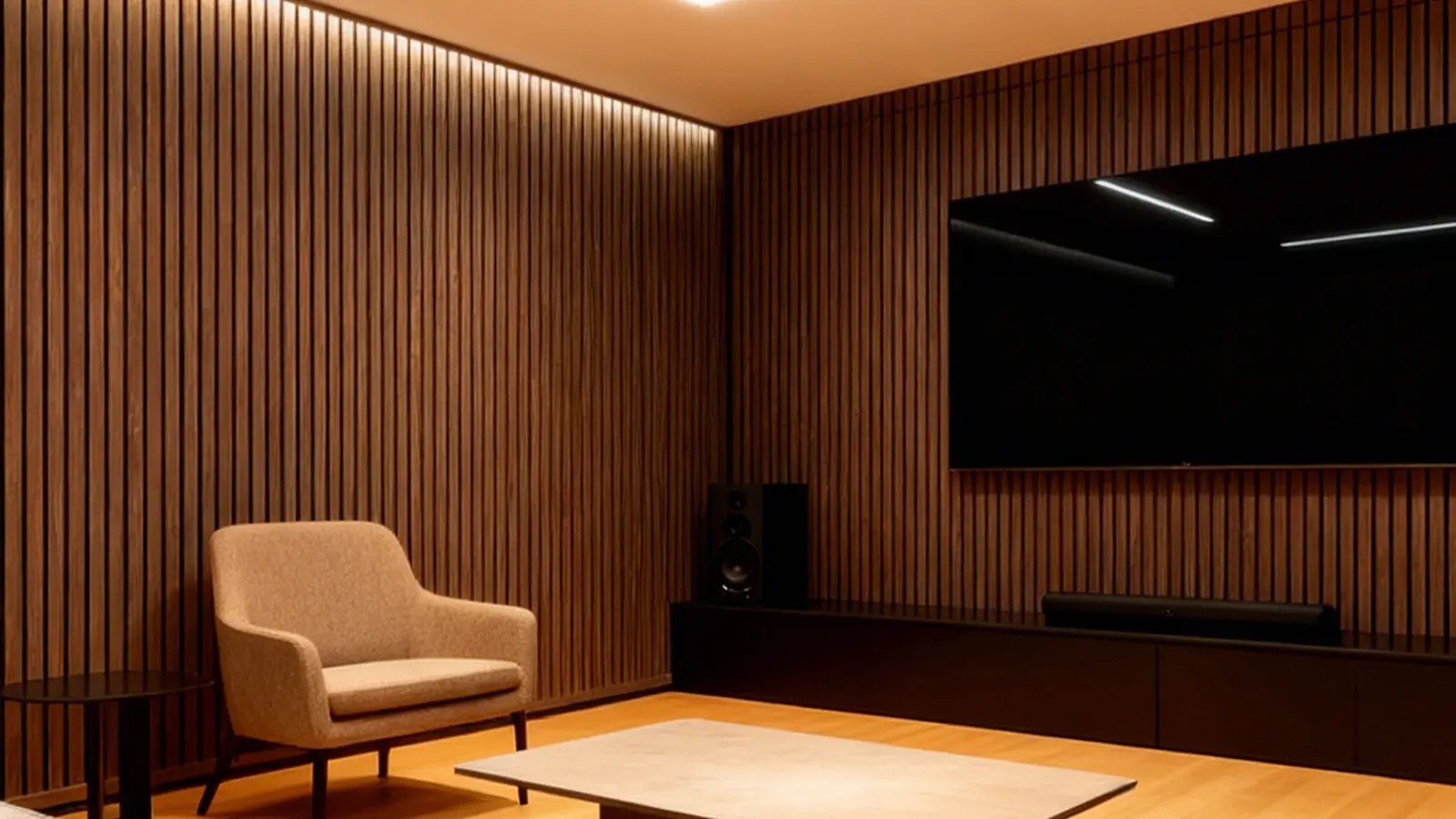
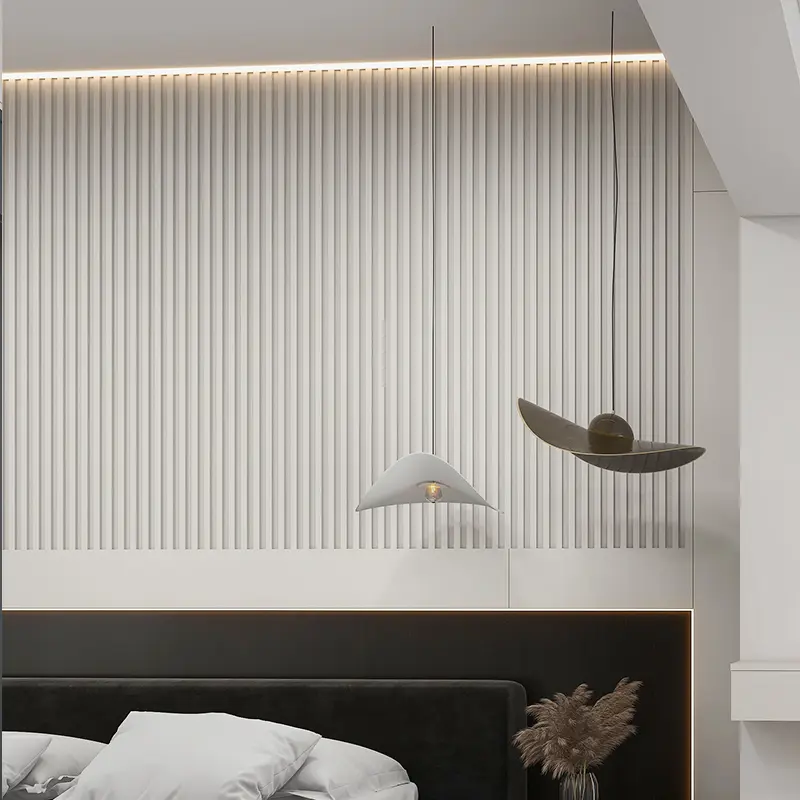
Interior Wall Decoration has evolved significantly over the past few decades. Traditional materials such as natural wood boards, MDF panels, and ceramic tiles are gradually being replaced by more advanced composite materials. Among these innovations,WPC wall panels have become a widely adopted solution in both residential and commercial construction.
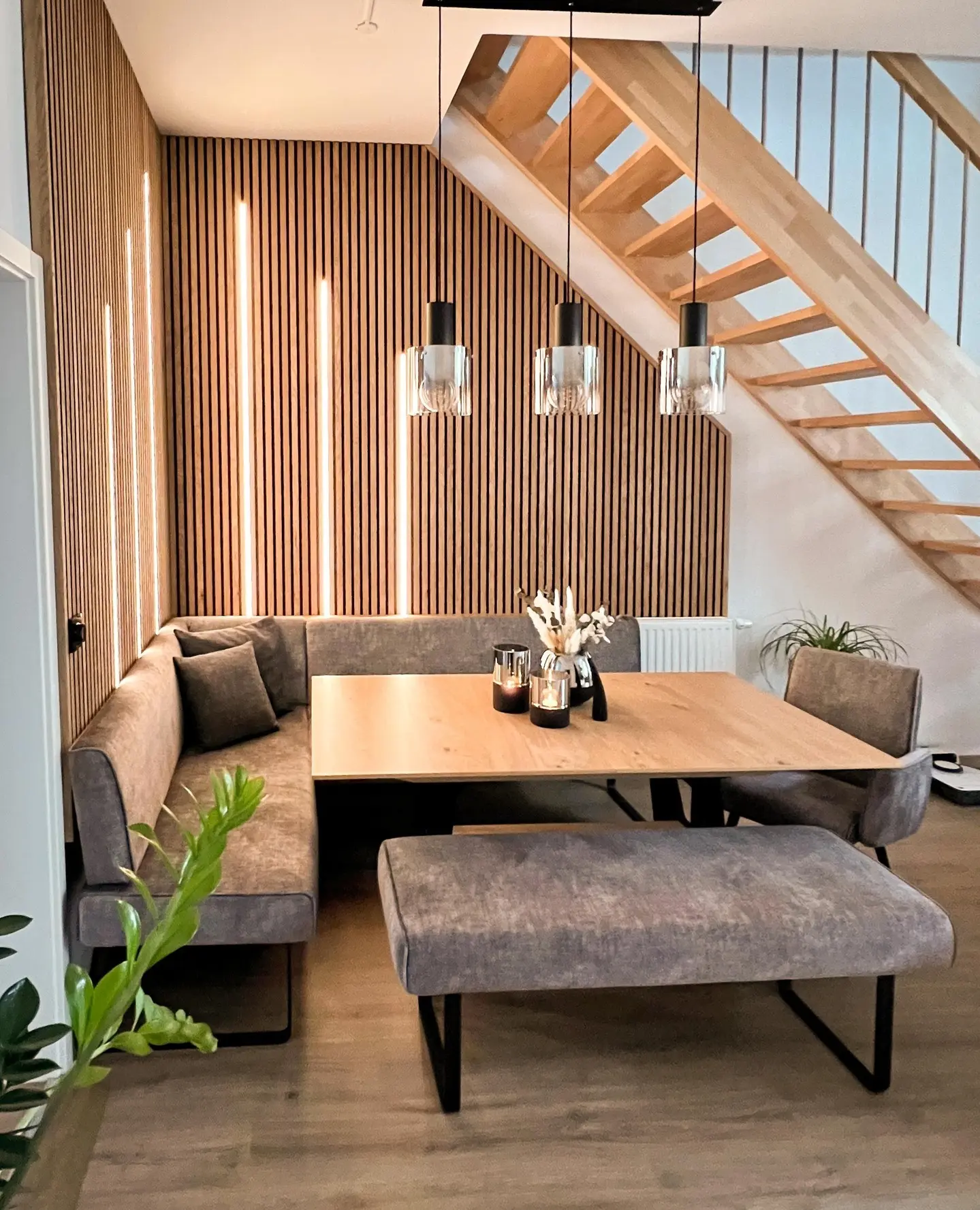
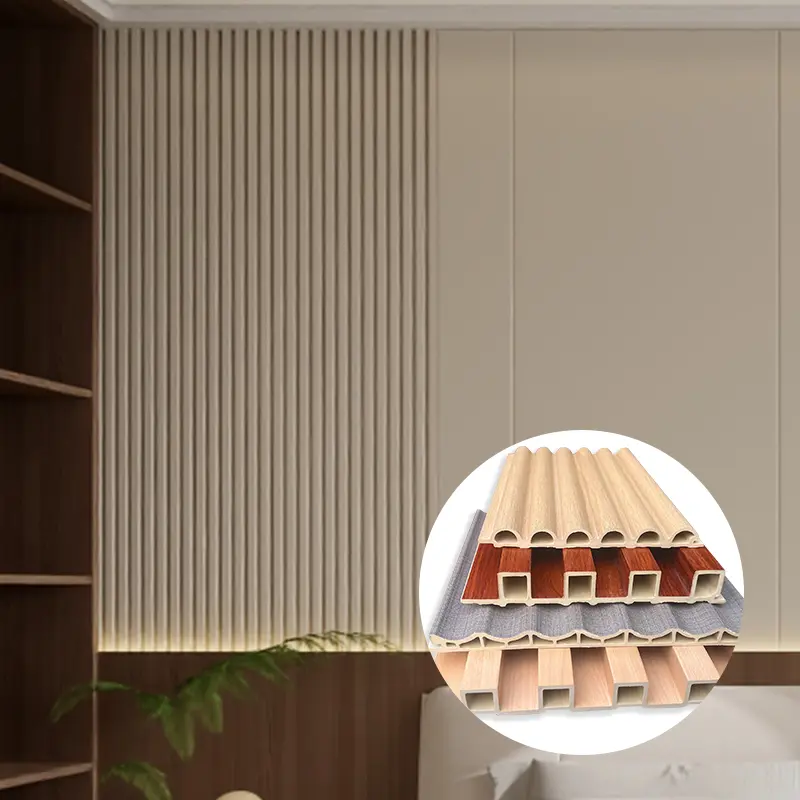
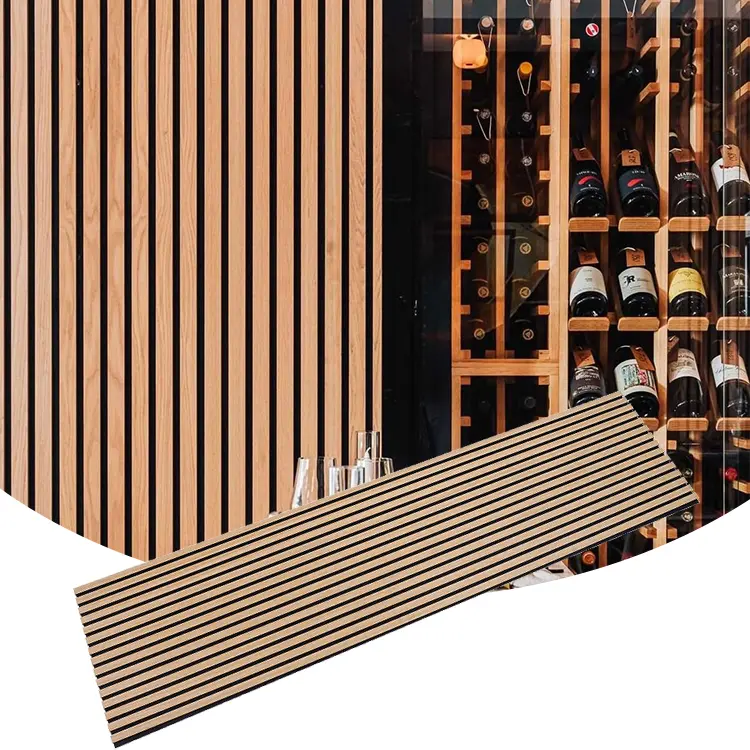
WPC, short for Wood Plastic Composite, combines natural wood fibers with thermoplastic materials to create a durable and versatile decorative panel. This hybrid structure allows the panels to maintain the appearance of wood while offering better resistance to moisture, insects, and everyday wear.
Because of these advantages, Wpc Panels are now frequently used in apartments, office buildings, hotels, and retail environments around the world.
For distributors, contractors, and property developers, understanding what materials are used in WPC wall panels is an important step when evaluating product quality and long-term performance.
2. Why WPC Wall Panels Are Popular in Modern Construction
The popularity of WPC wall panels can be attributed to several practical advantages over traditional wall materials.
First, they offer strong resistance to water and humidity, which helps prevent common problems such as swelling, warping, or mold growth. This makes them particularly suitable for indoor environments where moisture levels may fluctuate.
Second, WPC panels are relatively lightweight and easy to install compared with stone or ceramic wall cladding. This reduces labor costs and shortens construction timelines.
Another benefit is design flexibility. Modern production technologies allow manufacturers to create panels in a wide range of textures, colors, and patterns that mimic natural materials.
Finally, WPC panels require minimal maintenance, making them a convenient long-term solution for interior decoration.
These advantages largely depend on the materials used in the composite structure, which are discussed in the following sections.
3. Key Materials Used in WPC Wall Panels
Although WPC panels appear similar to traditional wood boards, their internal structure is quite different.
Most WPC wall panels are made from a carefully balanced combination of the following materials:
- Wood powder or wood fibers
- Thermoplastic polymers
- Mineral fillers
- Performance additives
- Decorative surface layers
Each material contributes specific properties that improve the panel’s durability, stability, and appearance.
4. The Role of Wood Powder in Composite Panels
Wood powder, sometimes referred to as wood flour, is the main natural ingredient in WPC panels. It is typically produced by grinding recycled wood into fine particles.
Sources of Wood Powder
Manufacturers usually obtain this material from industrial wood waste, including:
- Sawdust generated during furniture production
- Recycled wood scraps
- Bamboo fibers
- Agricultural plant residues
Using these recycled resources helps reduce manufacturing waste and supports more sustainable production practices.
Functions of Wood Powder
Wood powder provides several important benefits within the composite material.
- Improved Structural Strength: Wood fibers help reinforce the panel structure, increasing its rigidity and mechanical stability.
- Natural Appearance: Because the composite contains real wood particles, the panels can achieve a more authentic wood-like texture.
- Better Insulation: Wood-based materials naturally provide better thermal insulation compared with pure plastic products.
In many WPC wall panels, wood powder accounts for approximately half of the total material composition.
5. Plastic Resins and Their Importance
The second key component of WPC wall panels is plastic resin. This material acts as the binding agent that holds the wood particles together.
During production, the plastic melts under high temperatures and forms a continuous matrix around the wood fibers.
Common Types of Plastic Used
Different thermoplastics can be used depending on the intended application of the panel.
- Polyvinyl Chloride (PVC): PVC is widely used in interior WPC panels because it provides excellent moisture resistance and dimensional stability.
- Polyethylene (PE): PE is often used in exterior WPC products, such as decking boards and outdoor cladding.
- Polypropylene (PP): PP may be used in certain formulations where higher temperature resistance is required.
Among these materials, PVC remains the most commonly used plastic for decorative indoor wall panels.
Benefits of Plastic Components
The plastic portion of WPC panels provides several advantages:
- Waterproof performance
- Resistance to mold and mildew
- Improved durability
- Long-term dimensional stability
Typically, plastic resins represent 30–40% of the composite structure.
6. Mineral Fillers in WPC Production
In addition to wood and plastic, manufacturers often add mineral fillers to the composite formula.
One of the most common fillers used in WPC panels is calcium carbonate.
Why Mineral Fillers Are Used
Adding mineral fillers provides several practical benefits during manufacturing and in the final product.
- Increased Hardness: Calcium carbonate improves the rigidity and overall strength of the panel.
- Cost Efficiency: Mineral fillers are relatively inexpensive and help optimize production costs.
- Improved Surface Quality: The addition of fillers can help create smoother and more uniform panel surfaces.
Most WPC wall panels contain around 5–15% mineral filler content.
7. Functional Additives That Improve Performance
Although they make up a small portion of the material formula, chemical additives play an essential role in ensuring product performance.
- Stabilizers: Heat stabilizers protect the material during the high temperatures involved in the extrusion process.
- UV Inhibitors: UV inhibitors help prevent color fading and material degradation when panels are exposed to sunlight.
- Lubricants: Lubricants reduce friction during manufacturing, allowing the material to flow more smoothly through the extrusion equipment.
- Coupling Agents: These agents improve bonding between wood fibers and plastic resins, creating a stronger composite structure.
- Impact Modifiers: Impact modifiers increase the panel’s resistance to cracking or damage.
Together, these additives ensure that WPC panels meet industry standards for strength and durability.
8. Decorative Layers and Surface Technologies
The visual appeal of WPC wall panels is enhanced by various surface finishing techniques.
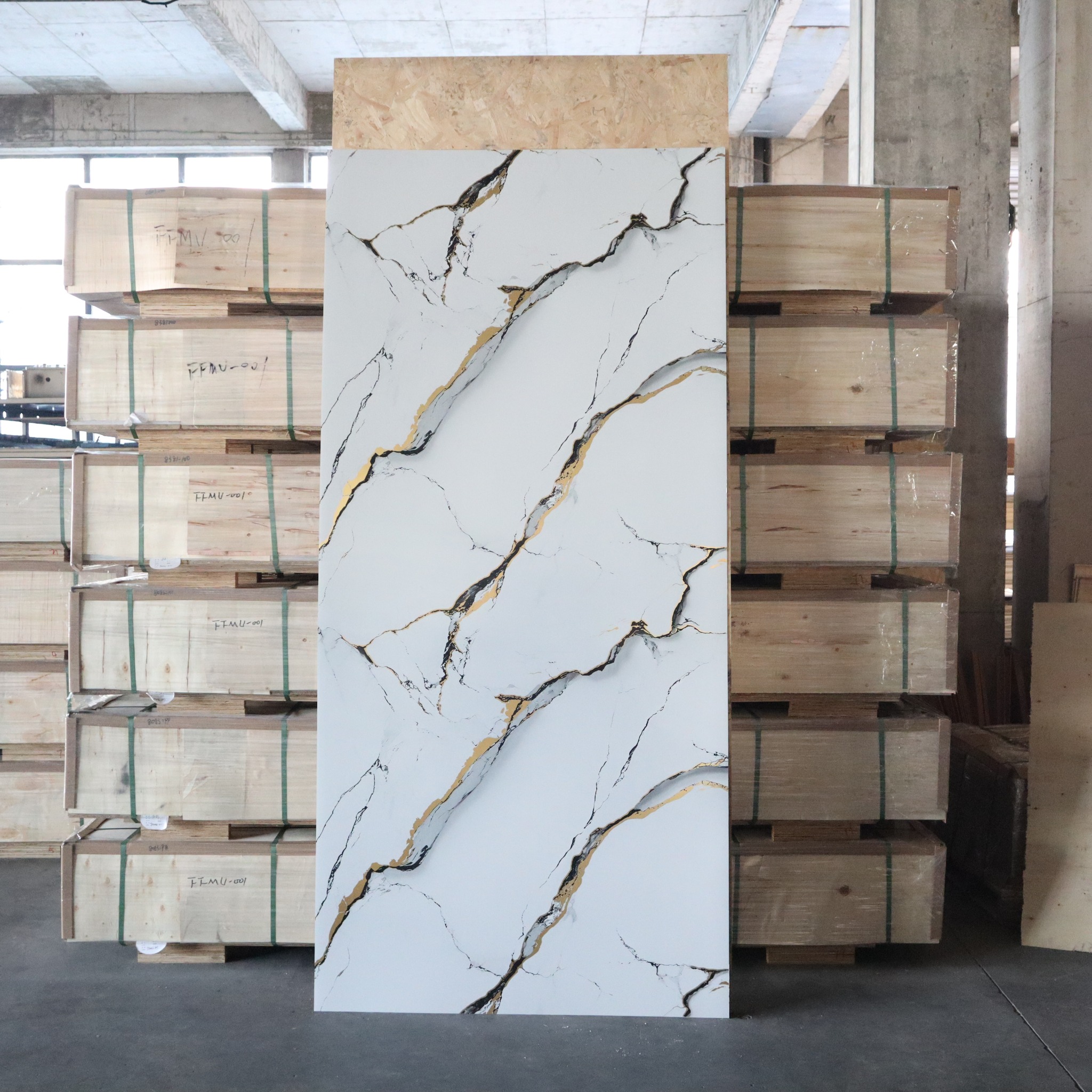
These decorative layers allow the panels to imitate natural materials while maintaining durability.
PVC Decorative Film
One of the most widely used finishing methods involves laminating decorative PVC film onto the panel surface.
This film can replicate:
- Wood grain patterns
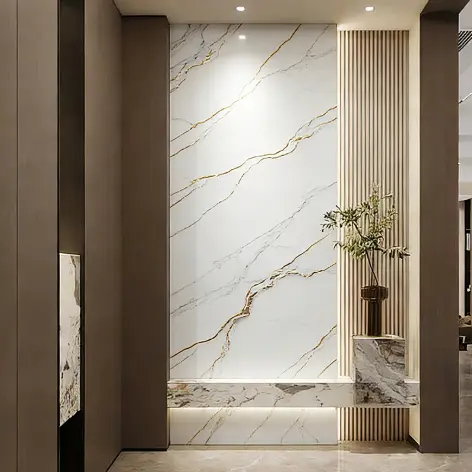
- Marble textures
- Modern decorative designs
UV Coatings
Some WPC panels are finished with protective UV coatings that provide additional benefits such as scratch resistance and improved color stability.
These technologies allow WPC panels to fit a wide range of interior design styles.
9. Environmental Benefits of WPC Materials
Another reason WPC wall panels have gained popularity is their environmentally responsible material composition.
Many manufacturers use recycled wood fibers and recyclable plastic materials in their production processes.
This reduces industrial waste and lowers the demand for natural timber resources.
Additionally, modern WPC panels are often produced to meet strict environmental standards related to indoor air quality.
As a result, they are commonly used in residential buildings, offices, hotels, and other indoor environments.
10. A Simplified Look at the Manufacturing Process
The production of WPC wall panels involves several key steps.
- First, raw materials such as wood powder, plastic resin, fillers, and additives are carefully measured.
- Next, the materials are blended in high-speed mixers to create a uniform composite mixture.
- This mixture is then fed into an extrusion machine, where heat and pressure shape it into panel profiles.
- After extrusion, the panels pass through cooling systems that stabilize their structure.
- Finally, decorative surface layers are applied before the panels undergo quality inspection and packaging.
Advanced production equipment helps ensure consistent product quality.
11. Growing Global Demand for WPC Panels
The market for WPC wall panels has expanded rapidly over the past few years.
Architects, interior designers, and builders increasingly choose WPC panels for their durability, aesthetic versatility, and ease of installation.
Common applications include:
- Interior wall decoration in residential homes
- Hotel renovation projects
- Office interiors and commercial spaces
- Retail store decoration
As sustainable construction materials become more important worldwide, WPC panels are expected to remain a major trend in the building materials industry.
WPC wall panels are produced from a combination of wood fibers, plastic polymers, mineral fillers, and specialized additives.
This unique material composition creates a product that offers both the natural appearance of wood and the durability of modern engineered materials.
Because of their moisture resistance, structural stability, and decorative flexibility, WPC wall panels have become a practical solution for contemporary interior design.
For distributors, contractors, and project developers, understanding the materials used in WPC panels helps ensure better purchasing decisions and long-term project success.