
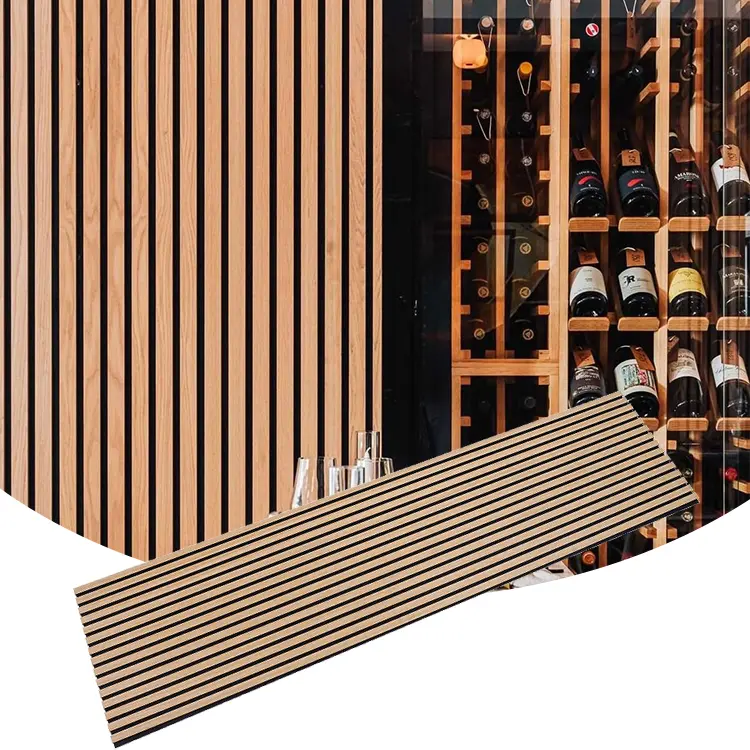
How to Transform Interior Spaces with Fluted Wall Panels
Table of Contents
- Introduction: Why Fluted Wall Panels Are Everywhere Now
- Why WPC Fluted Wall Panels Are a Smart Choice
- Installation Overview: What Homeowners Should Know
- Design Ideas for Residential Interiors
- Office and Commercial Design Applications
- Summary
- Frequently Asked Questions
Introduction: Why Fluted Wall Panels Are Everywhere Now
Interior design trends across North America and Europe have shifted toward materials that balance visual texture, durability, and sustainability. Among these trends, fluted wall panels—also known as slatted or ribbed wall panels—have become a defining element in modern homes, apartments, and commercial interiors.
Unlike flat painted walls or traditional wallpaper, fluted panels introduce depth and rhythm. They change how light interacts with a space, creating subtle shadows that make rooms feel layered and intentional. Whether used as a feature wall or integrated throughout an interior, fluted wall panels offer a timeless look that works with minimalist, Scandinavian, modern farmhouse, and contemporary styles.
In this guide, we explore how to decorate residential and office spaces using WPC fluted wall panels, why they are particularly suited to Western markets, and how thoughtful placement can completely reshape an interior.
Why WPC Fluted Wall Panels Are a Smart Choice
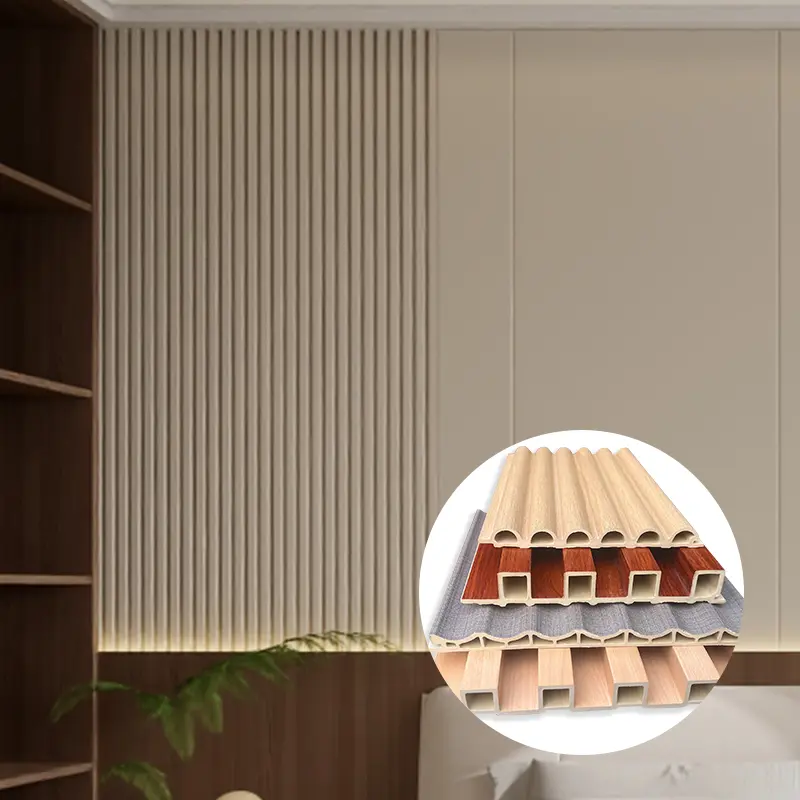
When choosing wall finishes, homeowners and designers typically compare materials such as painted drywall, MDF panels, Pvc Sheets, natural wood, or wallpaper.WPC (wood-plastic composite) fluted panels stand out because they merge the warmth of wood with the resilience of engineered materials.
Key benefits of WPC fluted panels include:
- Low upkeep requirements: WPC panels do not require painting, sealing, or refinishing. A simple wipe-down is enough to keep them looking new.
- Long service life: High-quality WPC panels can last over two decades without cracking, warping, or fading under normal indoor conditions.
- Moisture and mold resistance: This makes them suitable for kitchens, bathrooms, and basements—areas where MDF or solid wood often fails.
- Environmentally responsible composition: Most WPC panels are made from recycled wood fibers and plastics, aligning with sustainability expectations in Europe and North America.
- Improved acoustic comfort: The grooved surface helps break sound waves, reducing echo in living rooms, offices, and open-plan spaces.
- Installation flexibility: Panels can be mounted vertically, horizontally, or even diagonally to achieve different visual effects.
Although WPC panels may cost slightly more than basic PVC or MDF options, the long-term durability and reduced maintenance often make them more cost-effective over time.
Installation Overview: What Homeowners Should Know
One of the reasons fluted wall panels are popular in Western markets is their DIY-friendly nature. Many homeowners install them without professional contractors.
Basic installation steps include:
- Surface preparation: Walls should be clean, dry, and reasonably flat. Minor imperfections can be covered, but major cracks should be repaired first.
- Layout planning: Before fixing panels, it’s important to decide orientation and spacing. Vertical panels make ceilings appear higher, while horizontal layouts visually widen rooms.
- Cutting and fitting: WPC panels can be cut using standard woodworking tools. Precision ensures clean joints and a seamless finish.
- Mounting method: Panels are typically secured using construction adhesive, hidden clips, or a combination of both.
- Finishing touches: Edges can be finished with trim profiles or caulking for a refined look.
With proper planning, a single accent wall can often be completed within one day.
Design Ideas for Residential Interiors
Bedroom Feature Walls
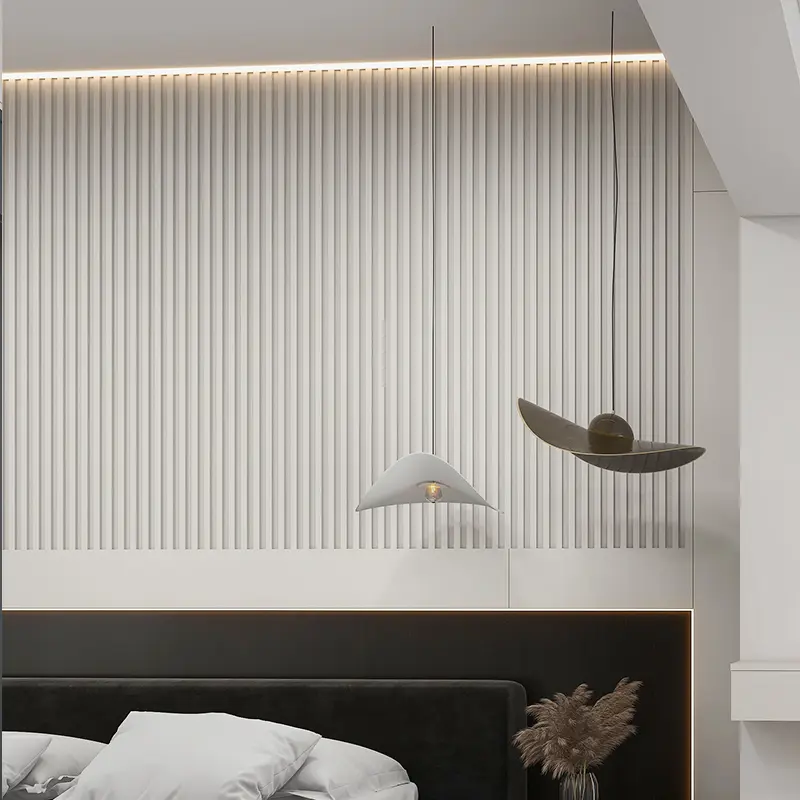
Fluted wall panels are particularly effective behind beds. Instead of a traditional headboard, a vertical slatted wall creates a calm and cohesive backdrop.
Neutral shades such as oak, walnut, beige, or soft gray work well for bedrooms. These tones reduce visual noise and promote relaxation. Some homeowners choose to extend the panels from floor to ceiling, while others stop at headboard height for a lighter appearance.
Fluted panels can also frame windows or dressing tables, adding continuity without overwhelming the space.
Living Room Enhancements
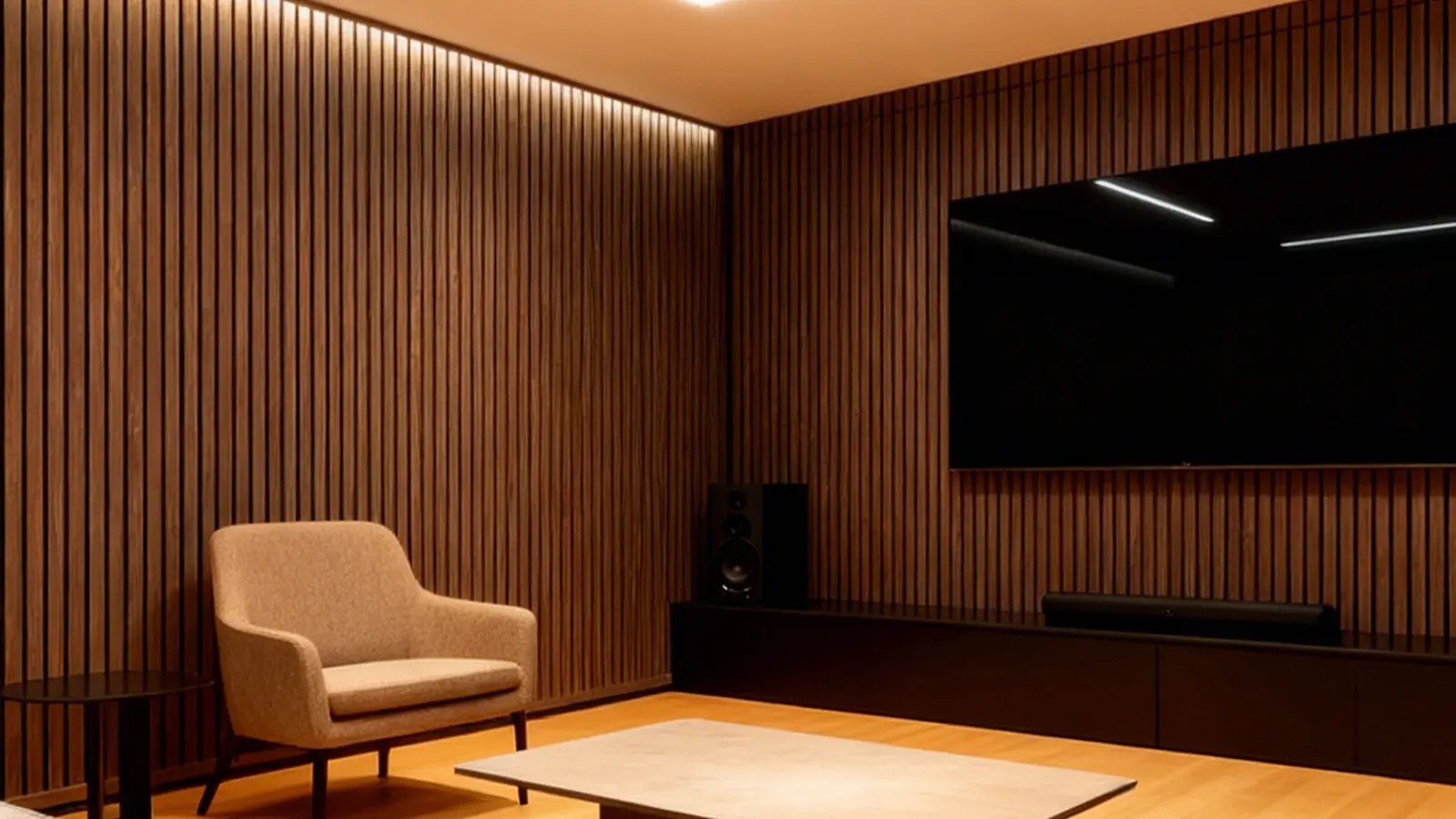
In living rooms, fluted panels help define focal points. A common approach is to install panels behind the television or fireplace, creating contrast against smooth surrounding walls.
Another idea is zoning. In open-plan layouts, fluted panels subtly separate areas such as reading corners or home offices without building physical partitions.
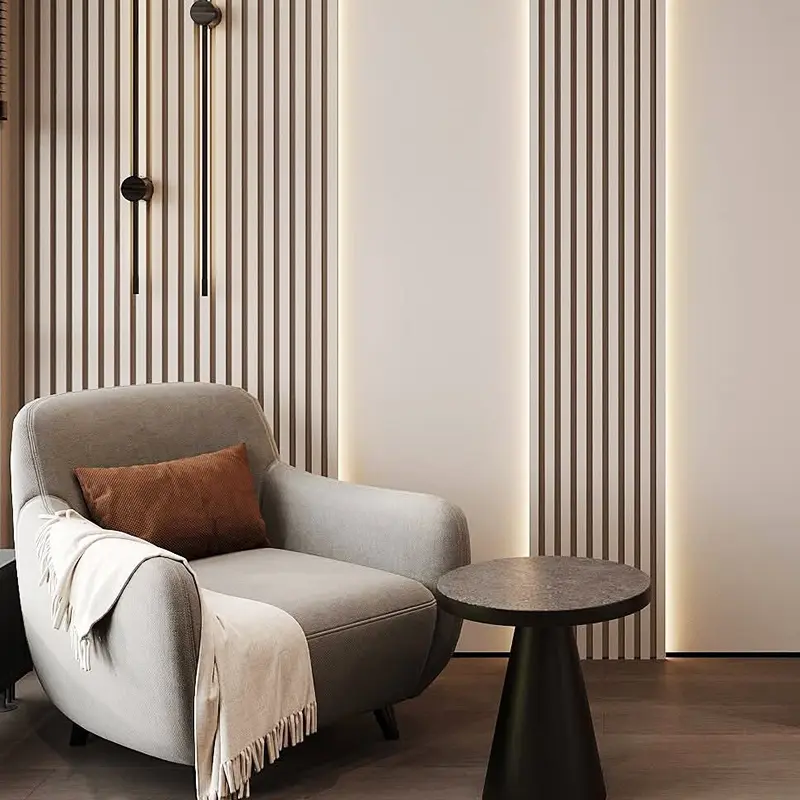
When paired with soft lighting—such as LED strips or wall sconces—the grooves create dramatic shadow effects, elevating the overall atmosphere.
Dining Room Statements
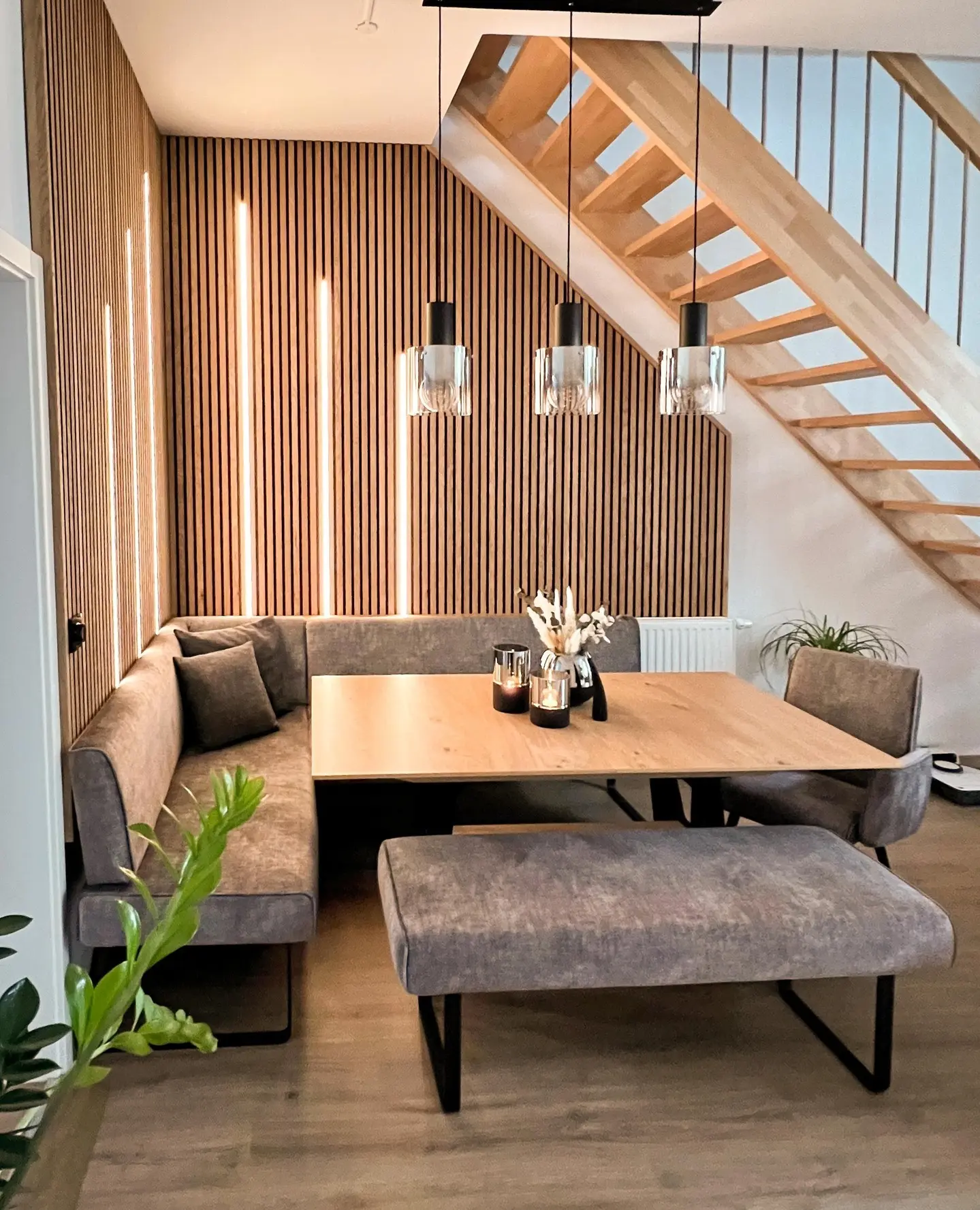
Dining rooms benefit from texture, especially in otherwise minimal interiors. A fluted feature wall behind a dining table adds depth while keeping the space elegant.
Light-colored panels reflect natural light, making smaller dining areas feel open. Darker wood tones, on the other hand, create a more intimate, upscale dining experience commonly seen in European interiors.
Kitchens and Bathrooms
Thanks to their water resistance, WPC fluted panels are increasingly used as backsplashes or decorative walls in kitchens and bathrooms.
In kitchens, they are often installed on islands or breakfast bar fronts. In bathrooms, vertical slatted panels behind vanities add warmth without compromising durability.
Office and Commercial Design Applications
Reception Areas
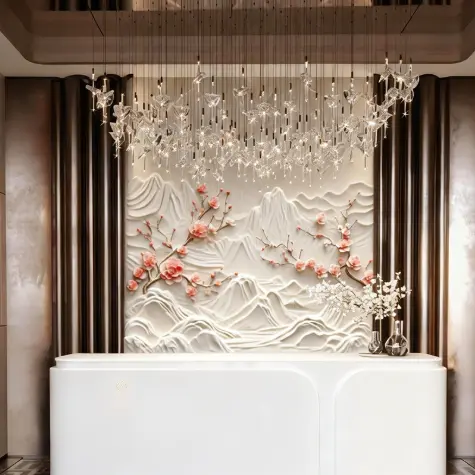
First impressions matter in commercial spaces. Fluted wall panels behind reception desks or waiting areas instantly convey professionalism and modern design.
Neutral tones combined with brand colors create a balanced look that feels both welcoming and corporate.
Elevator Lobbies and Corridors
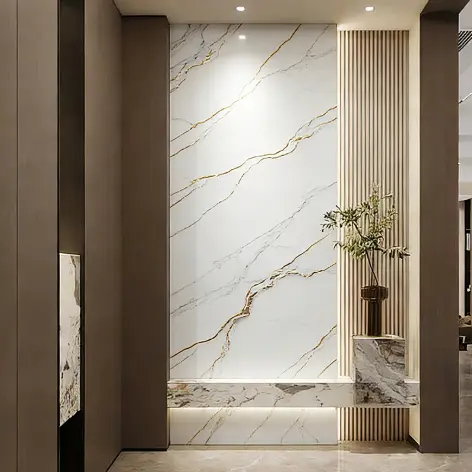
Often overlooked, elevator areas can become design highlights. Installing fluted panels between elevator doors or along corridors adds visual interest and guides movement naturally.
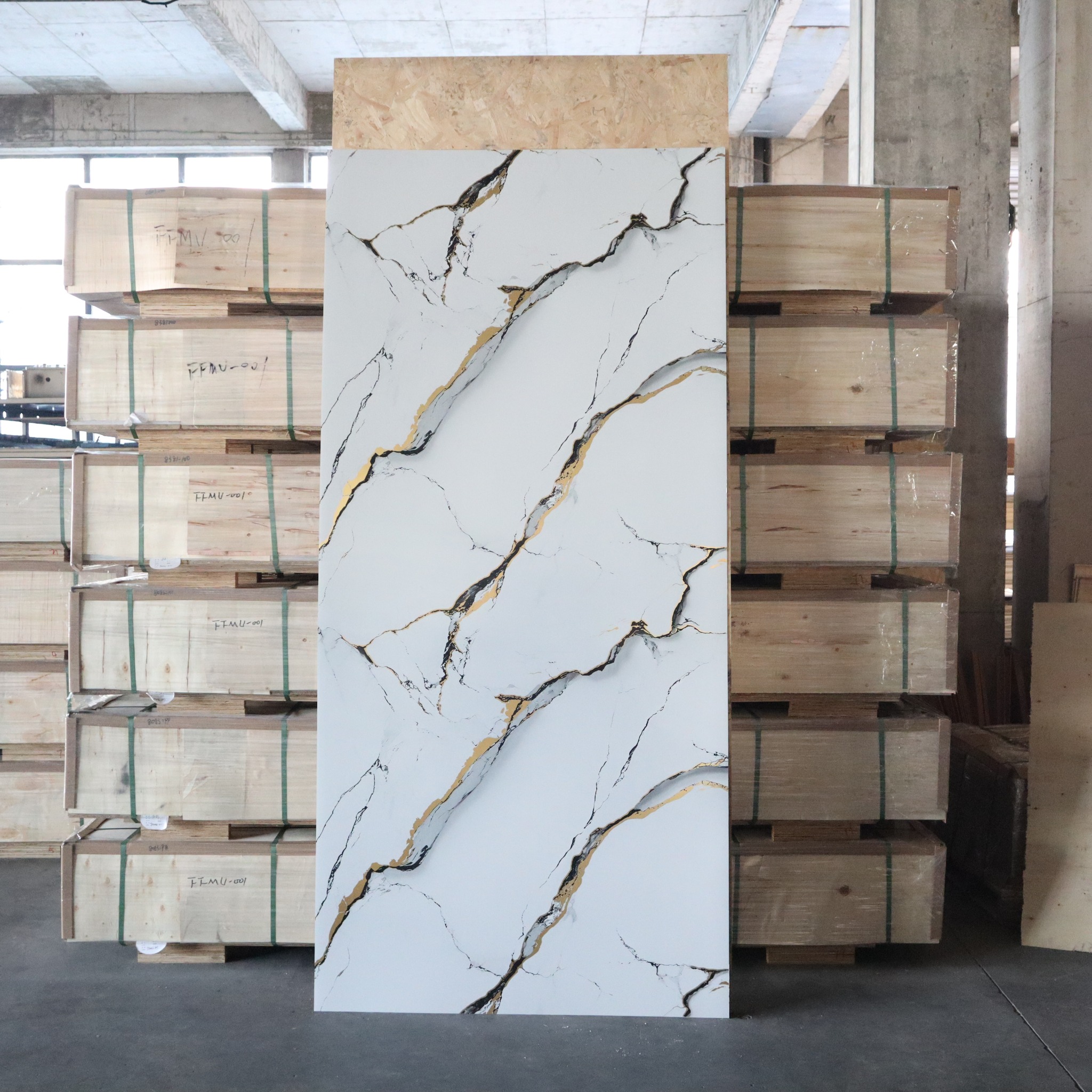
Pairing fluted panels with stone, glass, or metal elements creates a sophisticated, layered design commonly seen in premium office buildings across Europe and North America.
Fluted wall panels are more than a decorative trend—they are a practical design solution for modern interiors. With their durability, sustainability, and versatile aesthetics, WPC fluted panels suit both residential and commercial environments.
Whether used as a subtle accent or a bold design feature, they enhance spatial depth, improve acoustics, and elevate interior character. For homeowners and designers seeking a long-lasting, low-maintenance wall solution, fluted panels remain a compelling choice.
- Can WPC fluted panels be used in humid environments?
- Yes. They are moisture-resistant and suitable for kitchens, bathrooms, and basements.
- Are fluted panels hard to clean?
- No. Regular dusting or wiping with a damp cloth is sufficient.
- Do fluted wall panels go out of style quickly?
- Their linear design is considered timeless and adapts well to changing interior trends.