



How to Install WPC Wall Panels: A Complete Interior Wall Solution Guide
Table of Contents
- Understanding WPC Wall Panels and Their Applications
- Pre-Installation Planning and Material Selection
- Tools, Accessories, and Safety Preparation
- Wall Surface Requirements and Preparation
- Installation Methods for WPC Wall Panels
- Panel Cutting, Detailing, and Finishing
- Expansion Gaps and Structural Considerations
- Common Installation Problems and Practical Solutions
- Time, Cost, and Labor Expectations
- Post-Installation Care and Maintenance
- Frequently Asked Questions About WPC Wall Panels
Introduction: Modern Interior Walls Built with WPC Technology
Interior wall materials are no longer chosen solely for appearance. Today’s residential and commercial projects demand durability, environmental responsibility, installation efficiency, and long-term value. WPC wall panels have emerged as a modern interior wall solution that meets all of these requirements.
WPC, or Wood Plastic Composite, is manufactured by combining wood fibers with thermoplastic materials. This composition delivers the warm, natural texture of wood while significantly improving resistance to moisture, deformation, insects, and daily wear. Compared with solid wood, gypsum boards, or ceramic tiles, WPC wall panels offer a more stable and cost-efficient alternative for interior Wall Decoration.
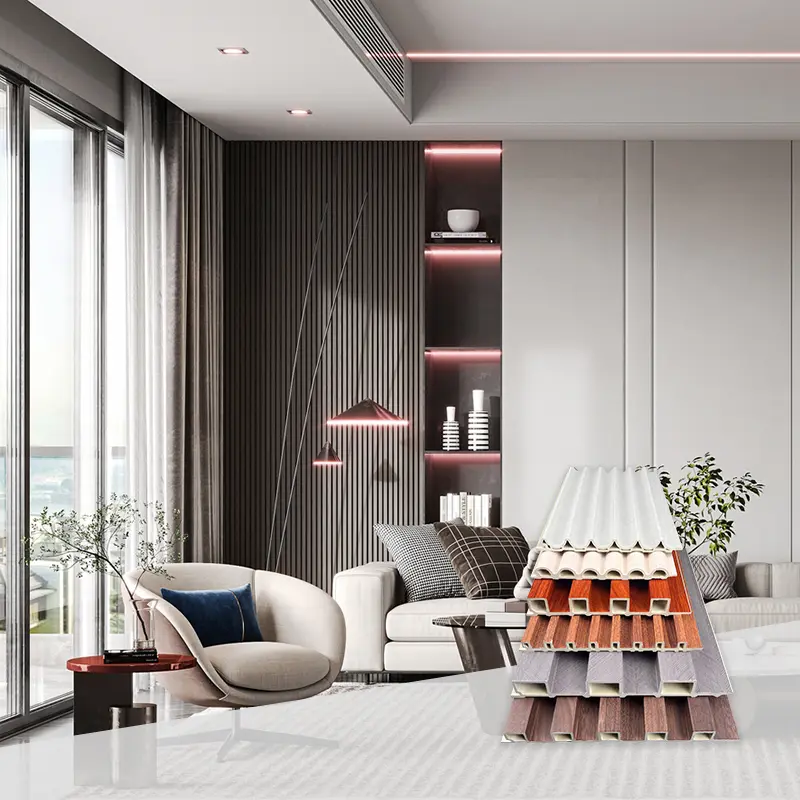
From private homes and apartments to hotels, offices, shopping malls, and hospitality projects, WPC wall panels are now widely specified by architects, designers, and contractors. This guide explains how to install WPC wall panels correctly, ensuring a professional finish that performs well over time.
1. Understanding WPC Wall Panels and Their Applications
WPC wall panels are designed primarily for interior use, offering both decorative and functional benefits. Their layered structure provides strength while maintaining a relatively lightweight profile, making them easier to transport and install compared to stone or cement-based materials.
Common interior applications include:
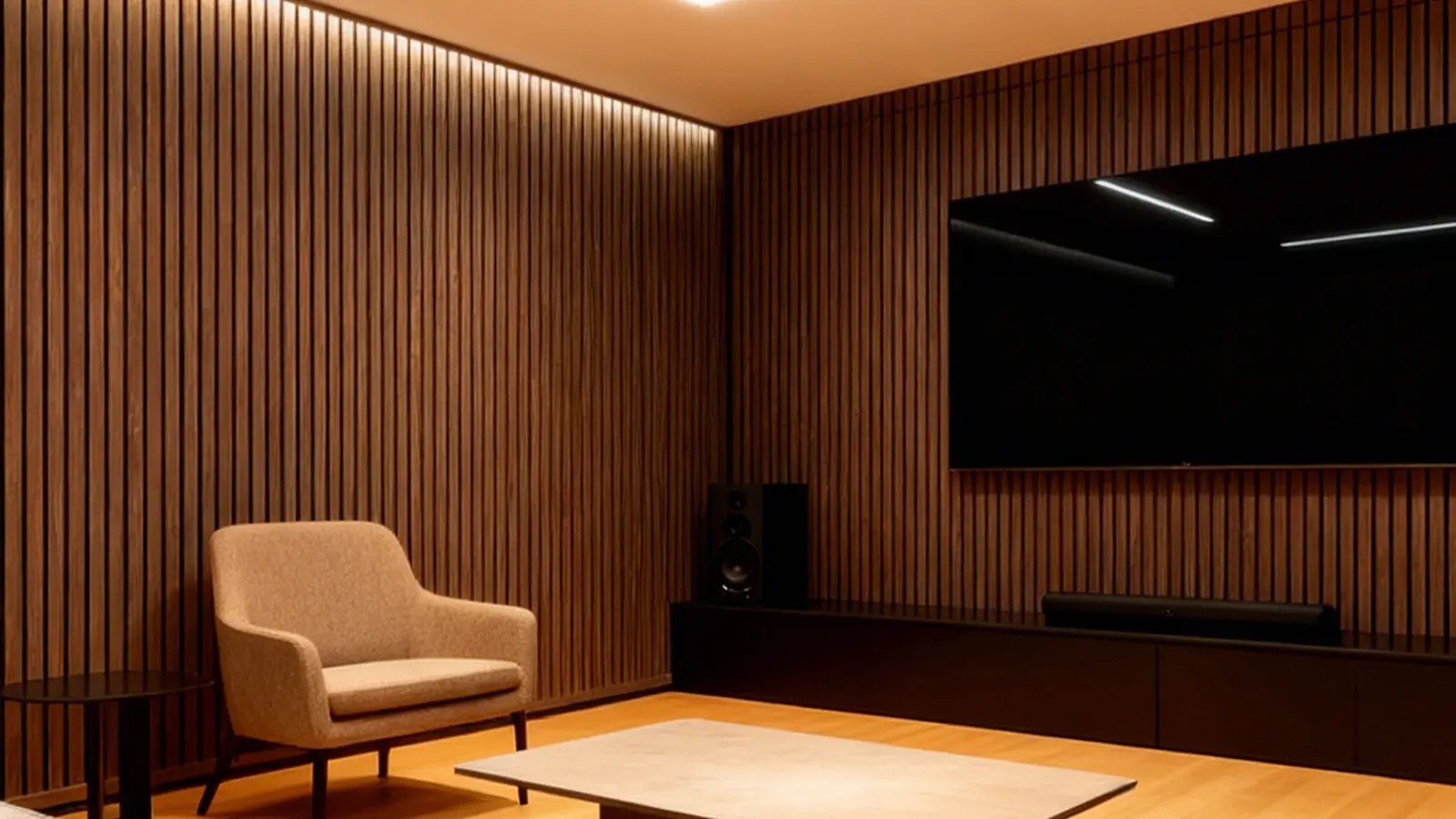
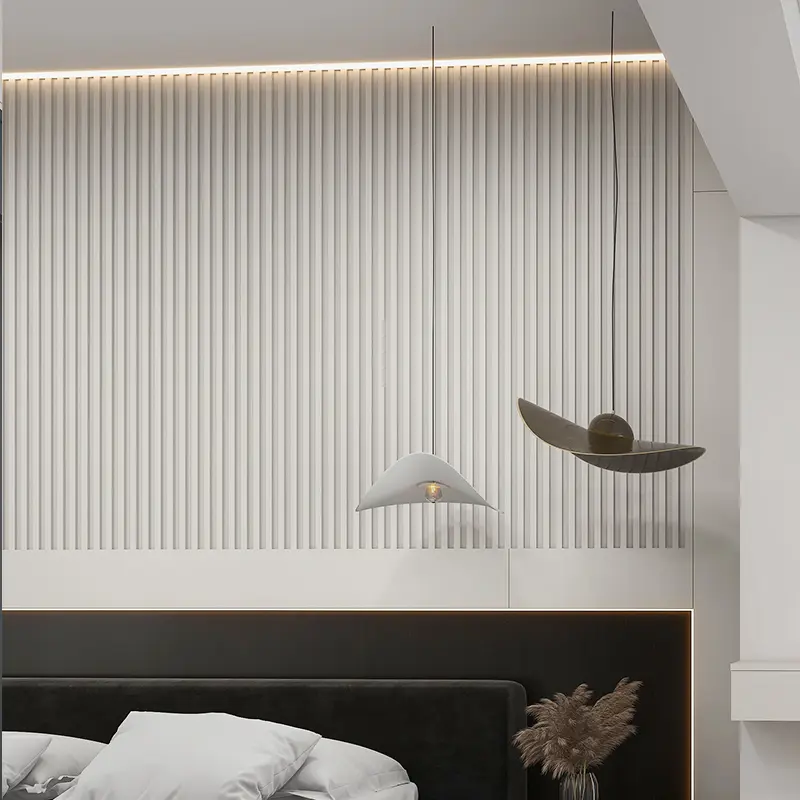
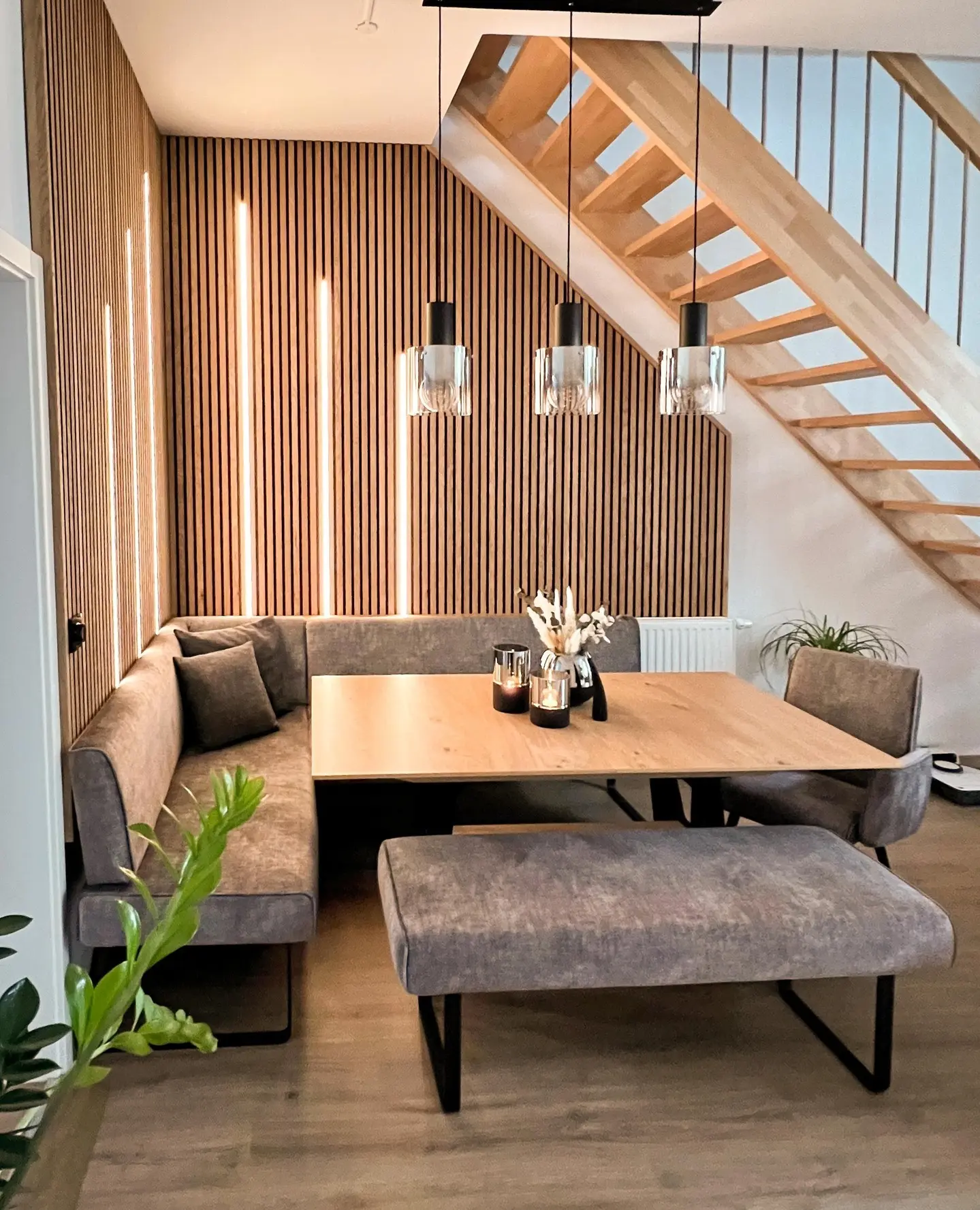
- Living room and bedroom feature walls
- Hotel guest rooms and corridors
- Office reception areas and meeting rooms
- Retail shop interiors and display walls
- Restaurants, cafes, and commercial spaces
- Apartment renovation and refurbishment projects
Because Wpc Panels are moisture-resistant and dimensionally stable, they are also suitable for semi-humid environments such as kitchens and powder rooms, provided proper installation and edge sealing are applied.
2. Pre-Installation Planning and Material Selection
Successful installation begins long before the first panel is fixed to the wall. Careful planning ensures better visual results and reduces material waste.
Selecting the Right WPC Panel
When choosing WPC wall panels, consider the following factors:
- Panel thickness and density
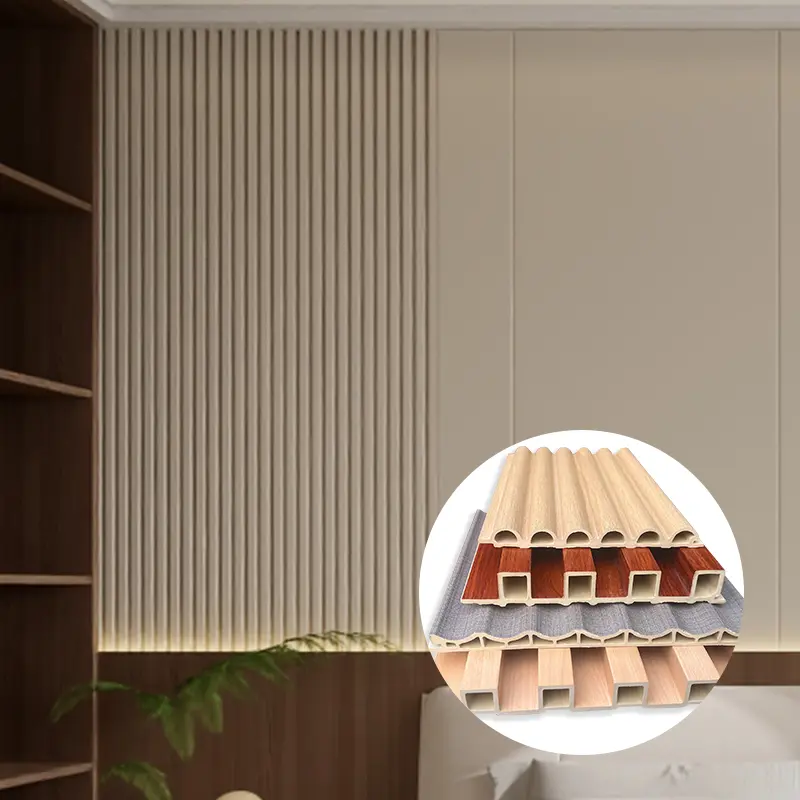
- Surface finish (wood grain, fluted, smooth, matte)
- Fire performance rating (if required by project regulations)
- Matching trims and accessories
- Color consistency between batches
For large projects, it is recommended to order panels from the same production batch to avoid slight color variations.
Acclimatization Before Installation
WPC panels should be stored horizontally in the installation area for at least 24 hours before use. This allows the material to adjust to room temperature and humidity, reducing the risk of expansion-related issues after installation.
3. Tools, Accessories, and Safety Preparation
Using the correct tools improves efficiency and ensures clean installation results.
Essential Tools
- Measuring tape and marking pencil
- Spirit level or laser level
- Circular saw or jigsaw with fine-tooth blade
- Electric drill and screwdriver
- Rubber mallet
- Utility knife
- Straightedge or metal ruler
Installation Materials
- WPC wall panels
- Starter trims, corner trims, and end caps
- Construction-grade adhesive (low VOC recommended)
- Screws or concealed fasteners (if required)
- Silicone sealant for finishing edges
Safety Equipment
- Protective gloves
- Safety glasses
- Dust mask during cutting
4. Wall Surface Requirements and Preparation
A properly prepared wall is critical for long-term performance.
The wall surface must be:
- Dry and free from moisture problems
- Flat and structurally sound
- Clean, without dust, grease, or loose paint
Uneven walls should be leveled using battens or furring strips. This is especially important in renovation projects where wall flatness cannot be guaranteed.
For concrete or brick walls, mechanical fixing combined with adhesive is often recommended. For drywall or plywood substrates, confirm load-bearing capacity before installation.
5. Installation Methods for WPC Wall Panels
Different project conditions require different installation approaches. The most common methods are outlined below.
Method 1: Adhesive Installation on Flat Walls
This method is suitable for smooth, even interior walls.
- Install starter or corner trims vertically at the wall edge.
- Apply adhesive to the back of the panel in vertical lines or a zigzag pattern.
- Press the panel firmly against the wall, starting from one side.
- Check alignment with a level before proceeding.
- Use masking tape to hold panels in place while adhesive cures.
- Continue panel by panel across the wall.
This method offers a clean appearance with no visible fixings.
Method 2: Interlocking WPC Panel Installation
Interlocking WPC wall panels feature a concealed joint system that improves alignment and speed.
- Secure the starter trim.
- Fix the first panel using adhesive or concealed screws.
- Insert the next panel by locking it into the previous one.
- Gently tap with a rubber mallet to ensure tight joints.
- Continue until the wall is fully covered.
This system creates a seamless, continuous surface ideal for feature walls.
Method 3: Mechanical Fixing with Battens
For uneven walls or high-traffic commercial areas, mechanical fixing is recommended.
- Install battens vertically at 300–400 mm intervals.
- Fix panels to battens using concealed screws.
- Maintain consistent spacing and alignment.
- Cover edges with trims for a finished look.
This method provides additional structural support and allows for easier panel replacement in the future.
6. Panel Cutting, Detailing, and Finishing
Accurate cutting is essential for a professional appearance.
Cutting Panels
- Measure twice before cutting
- Use fine-tooth blades to avoid surface chipping
- Cut panels face-down when possible
Cutouts for Electrical Fixtures
For sockets, switches, or wall-mounted fixtures:
- Measure and mark the cutout location precisely.
- Cut the opening using a jigsaw or oscillating tool.
- Apply adhesive around cut edges before installation.
- Install cover plates after panel fixing is complete.
7. Expansion Gaps and Structural Considerations
Although WPC panels have low expansion rates, small movement can occur due to temperature changes.
- Leave a 3–5 mm expansion gap at wall edges
- Use trims to conceal gaps
- Avoid rigid sealing across large panel runs
Proper expansion allowances help prevent buckling or joint stress over time.
8. Common Installation Problems and Practical Solutions
- Uneven Panel Alignment: Usually caused by unlevel starting panels. Always check the first panel carefully.
- Loose Panels: Result from insufficient adhesive or premature movement before curing.
- Visible Gaps: Often due to missing expansion allowances or improper locking.
- Surface Damage During Cutting: Use sharp blades and slow cutting speeds.
9. Time, Cost, and Labor Expectations
WPC wall panels are faster to install than traditional materials.
- Installation Time: 1–2 days for a standard residential room
- Labor Requirements: Basic carpentry skills are sufficient
- Cost Efficiency: Lower labor and maintenance costs compared to stone, tile, or solid wood
Overall project costs are highly competitive, especially for large-scale interior projects.
10. Post-Installation Care and Maintenance
WPC wall panels require minimal maintenance.
- Clean using a soft cloth and mild detergent
- Avoid abrasive cleaners or sharp tools
- Inspect joints periodically in humid areas
With proper installation and basic care, WPC panels maintain their appearance for many years.
11. Frequently Asked Questions About WPC Wall Panels
- Are WPC Wall Panels Suitable for Residential and Commercial Use?
- Yes. They are widely used in homes, offices, hotels, and retail spaces.
- Do WPC Panels Require Special Maintenance?
- No. Routine cleaning is sufficient.
- Are WPC Wall Panels Environmentally Friendly?
- Most WPC panels are recyclable and help reduce reliance on natural timber resources.