



How to Choose the Right Acoustic Panels for Commercial and Public Projects
- Introduction: Acoustic Panels as a Strategic Specification Decision
- Step 1: Define the Acoustic Objective with Precision
- Step 2: Evaluate Acoustic Performance Indicators Beyond NRC
- Step 3: Integrate Acoustic Solutions with Architectural Design
- Step 4: Prioritize Durability, Maintenance, and Sustainability
- Step 5: Vet Supplier Capability for Complex Projects
- Conclusion
Introduction: Acoustic Panels as a Strategic Specification Decision
Selecting acoustic panels for commercial and public projects extends far beyond aesthetic preferences—it represents a critical technical specification that directly impacts occupant well-being, functional performance, regulatory compliance, and long-term operational costs. In environments ranging from corporate offices and educational institutions to healthcare facilities and transportation hubs, poor acoustic design can lead to decreased productivity, compromised privacy, elevated stress levels, and failure to meet building codes.
With an increasingly diverse marketplace offering everything from fabric-wrapped panels and perforated wood systems to innovative 3D geometries and sustainable materials, architects and specifiers must adopt a methodical approach grounded in acoustic science, spatial requirements, and lifecycle considerations. This structured selection process ensures that acoustic treatments deliver measurable performance while harmonizing with architectural vision and budget constraints.
Step 1: Define the Acoustic Objective with Precision
Before evaluating specific products, stakeholders must clearly articulate the primary acoustic challenge and desired outcome for each space. Generic goals like "reduce noise" are insufficient; instead, objectives should be quantifiable and context-specific:
- Reverberation time reduction: Critical in large-volume spaces like atriums, gymnasiums, and worship halls where excessive echo impedes communication. Target reverberation times typically range from 0.4–0.6 seconds in classrooms to 1.2–1.8 seconds in concert venues, depending on intended use.
- Speech intelligibility enhancement: Essential for learning environments, courtrooms, and conference centers. Metrics like Speech Transmission Index (STI) or Articulation Class (AC) provide objective benchmarks—classrooms often require STI > 0.60 for optimal learning outcomes.
- Sound comfort and privacy: Open-plan offices benefit from balanced absorption that reduces distraction without creating an unnaturally dead acoustic environment. Healthcare settings demand higher performance to ensure patient confidentiality.
- Regulatory compliance: Projects must satisfy standards specifying maximum reverberation times.
Different zones within a single project may require distinct acoustic strategies—lobbies might prioritize impact resistance alongside absorption, while executive meeting rooms demand superior speech privacy. Conducting a preliminary acoustic assessment or consulting an acoustical engineer early in design prevents costly retrofits later.
Step 2: Evaluate Acoustic Performance Indicators Beyond NRC
While the Noise Reduction Coefficient (NRC)—a single-number rating representing average sound absorption across key frequencies (250Hz–2000Hz)—offers a useful starting point, it presents significant limitations. An NRC of 0.80, for instance, could mask poor low-frequency performance critical for controlling HVAC noise or booming voices. Specifiers should request full absorption coefficient data across the 125Hz–4000Hz spectrum to ensure balanced performance.
Equally important are installation variables that dramatically affect real-world performance:
- Air gap/backing: Mounting panels with a 2–4 inch air cavity behind them significantly boosts low-frequency absorption—sometimes improving effective NRC by 20–30%.
- Edge detailing and spacing: Gaps between panels create diffraction effects that alter absorption characteristics; tight butt-jointed installations versus spaced arrangements yield different acoustic outcomes.
- Mounting height and distribution: Strategic placement on first-reflection points (typically upper wall sections and ceilings) maximizes impact versus random distribution.
- Complementary treatments: Bass traps in corners, cloud baffles in high ceilings, and absorptive flooring work synergistically with Wall Panels for holistic acoustic control.
Third-party laboratory test reports should be reviewed to verify manufacturer claims, as real-world performance can deviate substantially from idealized lab conditions.
Step 3: Integrate Acoustic Solutions with Architectural Design
Acoustic panels increasingly serve dual roles as functional elements and design features. Successful integration requires collaboration between acousticians, architects, and interior designers from schematic design forward:
- Spatial composition: Panel layout should respond to architectural rhythm—aligning with structural bays, window mullions, or ceiling grids creates visual harmony. Asymmetrical arrangements may be used intentionally for dynamic visual interest in cultural venues.
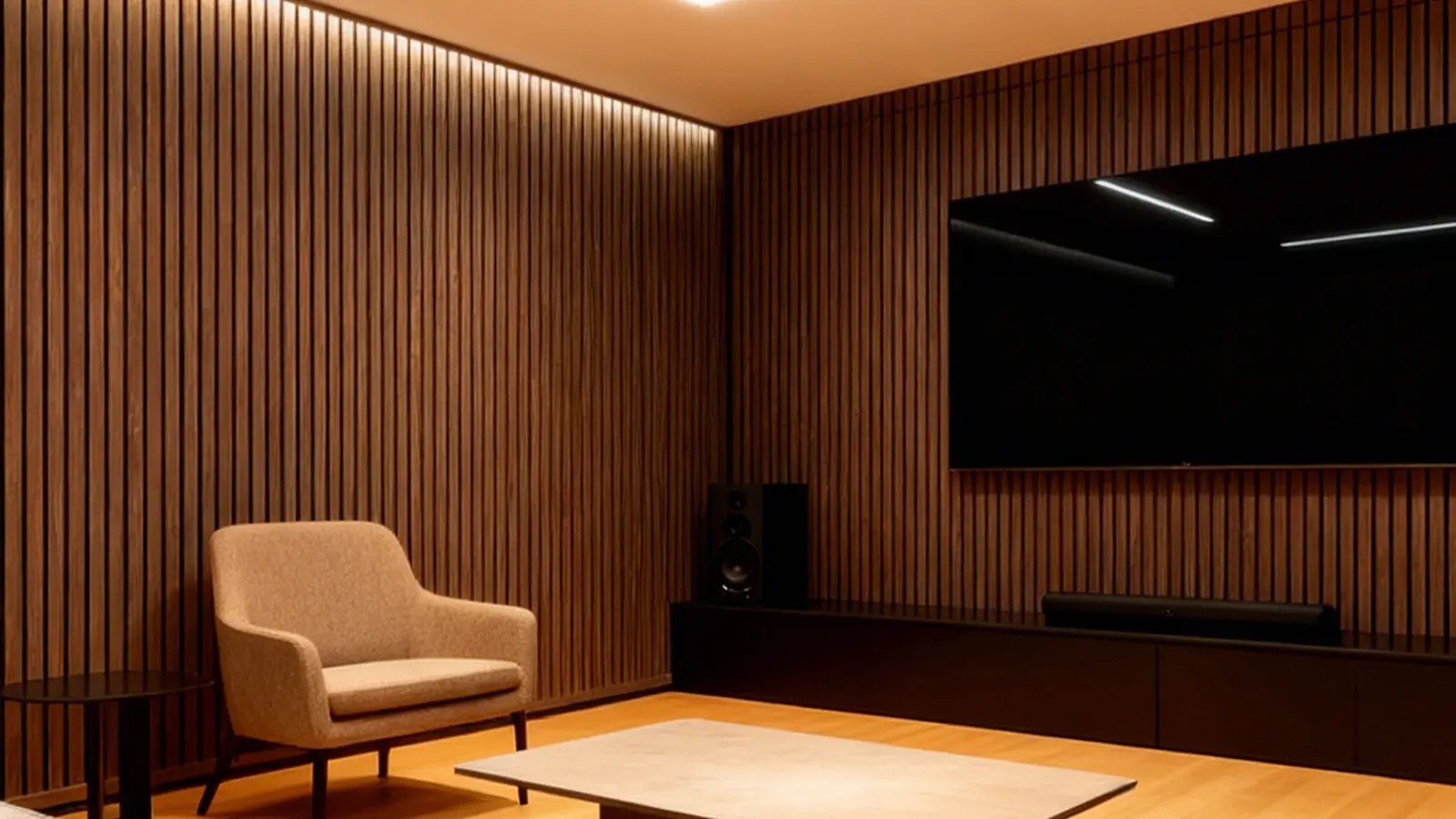
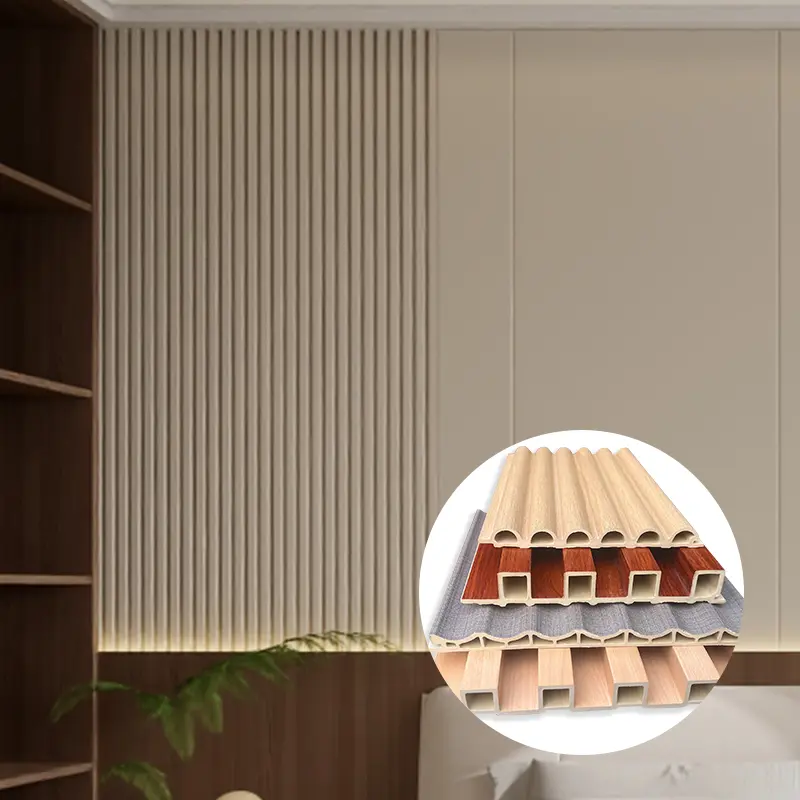
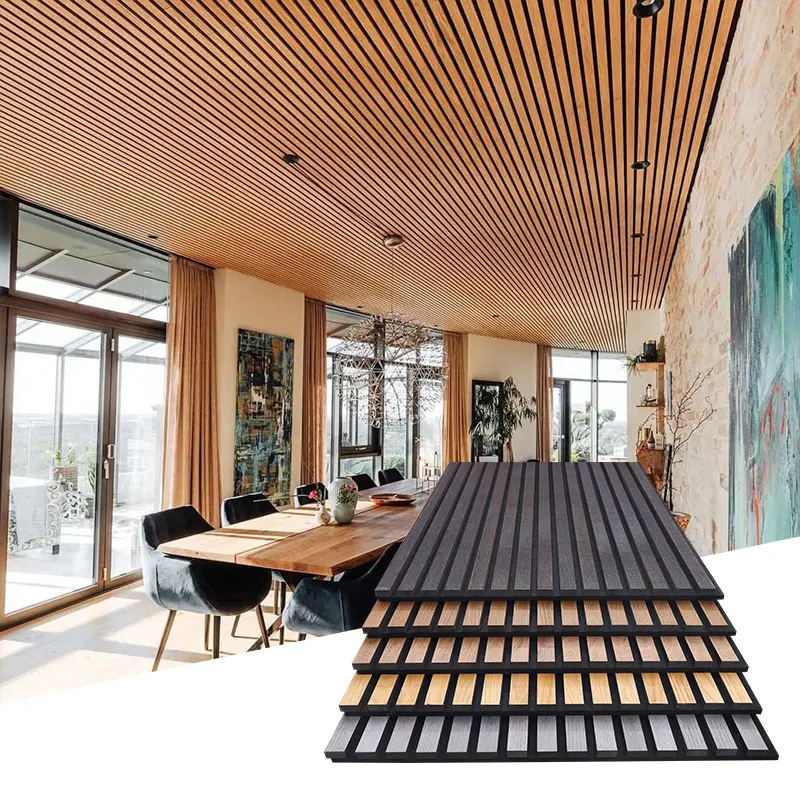
- Materiality and finishes: Beyond standard fabric options, specifiers can select wood veneers, metal perforations, recycled PET felt, or custom-printed graphics that reinforce brand identity or wayfinding. Finish durability must align with space usage—healthcare settings require antimicrobial, cleanable surfaces.
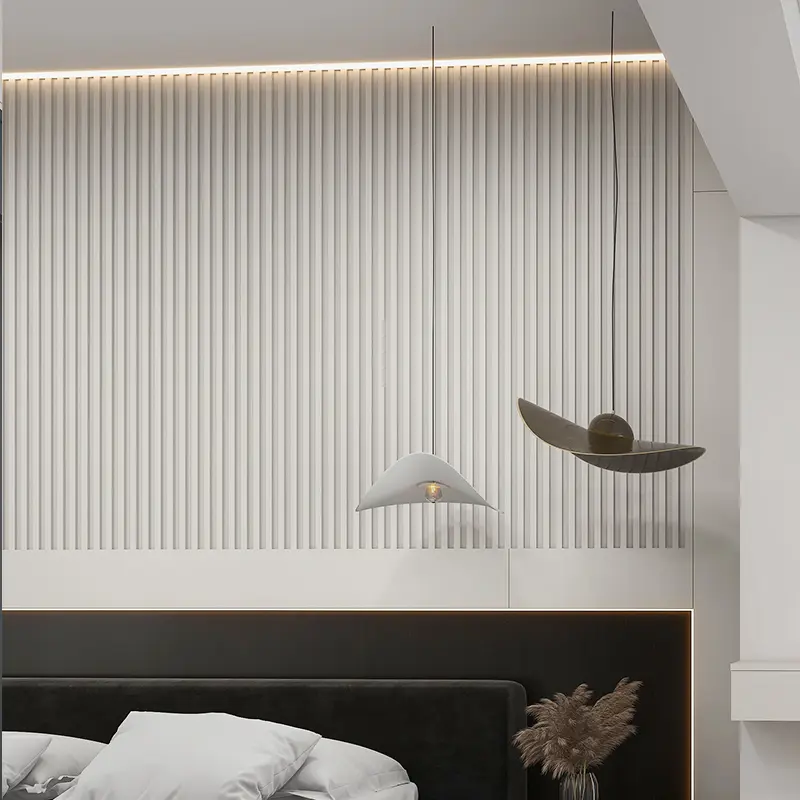
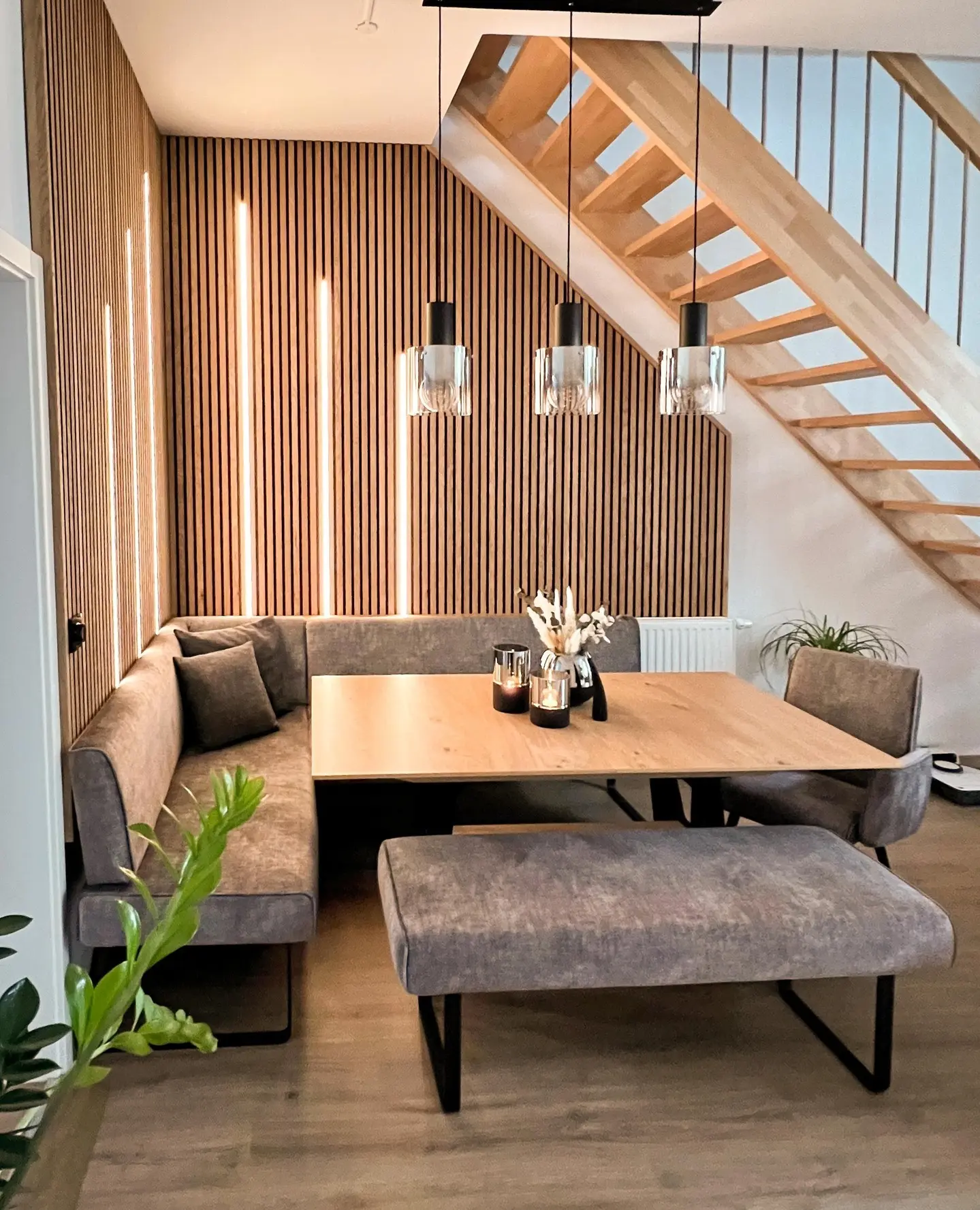
- Lighting integration: Recessed panels accommodating linear LED strips or backlit translucent systems merge illumination with absorption. Coordination with lighting designers prevents glare and ensures uniform illumination.
- Ceiling transitions: Where wall panels meet suspended ceilings, thoughtful detailing—such as matching panel depth to ceiling grid or using integrated perimeter trim—avoids visual discontinuity.
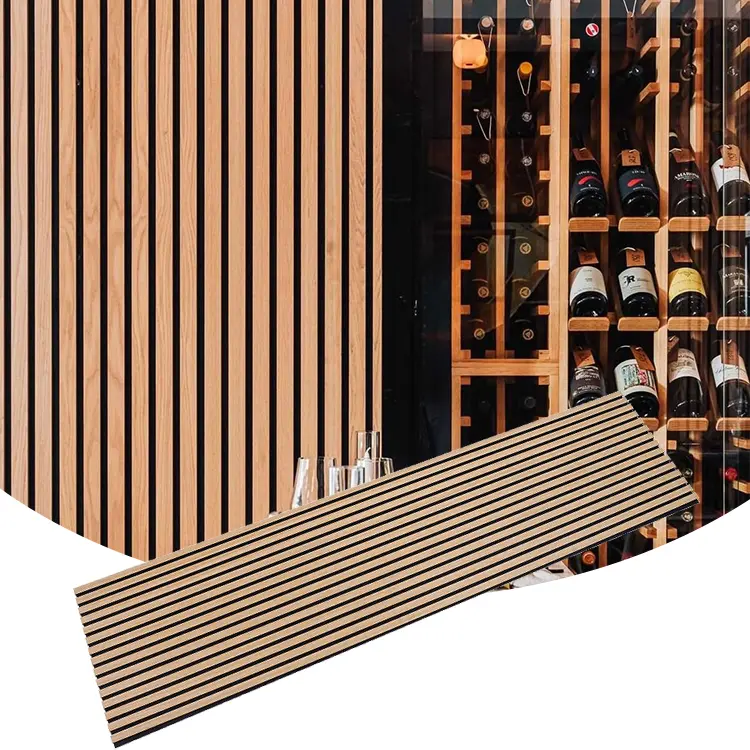
Leading projects now treat acoustic surfaces as opportunities for biophilic design (e.g., wood slats mimicking natural patterns) or artistic expression, transforming functional requirements into distinctive spatial experiences.
Step 4: Prioritize Durability, Maintenance, and Sustainability
Commercial environments subject acoustic treatments to physical impact, UV exposure, humidity fluctuations, and frequent cleaning. Performance degradation over time undermines initial acoustic investments. Key durability considerations include:
- Core material stability: Rigid fiberglass or mineral wool cores resist sagging and moisture better than softer alternatives. Wood-based panels require moisture-resistant treatments for humid climates.
- Impact resistance: High-traffic corridors and educational facilities benefit from reinforced edges and heavy-duty fabrics.
- Cleanability: Smooth, non-porous finishes withstand hospital-grade disinfectants; textured surfaces may trap contaminants. Removable/replacement panels simplify maintenance in critical environments.
- Sustainability credentials: Specify panels with recycled content (e.g., 60%+ post-consumer PET), low-VOC emissions, and end-of-life recyclability to support ESG goals and green building certifications.
Lifecycle cost analysis often reveals that premium panels with extended warranties (10–15 years) deliver better value than frequent replacements of budget alternatives.
Step 5: Vet Supplier Capability for Complex Projects
For multi-site rollouts, international installations, or custom architectural requirements, manufacturer capabilities become as critical as product specifications:
- Customization expertise: Leading suppliers offer bespoke sizing, color matching to Pantone/RAL systems, integrated mounting hardware, and digital printing for branded environments.
- Production scalability: Verify lead times for large orders (e.g., 10,000+ sq. ft.) and batch-to-batch color consistency protocols to avoid visible variations across phases.
- Logistics competence: International projects require suppliers experienced in export documentation, climate-controlled shipping, and customs clearance to prevent moisture damage or delays.
- Technical support: Access to acoustic modeling services, detailed installation guides, and on-site supervision ensures design intent translates accurately to built reality.
Requesting project portfolios similar in scale and typology provides confidence in a supplier's ability to deliver reliably under real-world constraints.
Selecting acoustic panels for commercial and public projects demands a holistic approach that balances scientific performance metrics with architectural integration, durability requirements, and supply chain reliability. By methodically defining acoustic objectives, scrutinizing performance data beyond simplified ratings, collaborating across disciplines for seamless design integration, prioritizing lifecycle value over initial cost, and partnering with capable manufacturers, specifiers can transform challenging acoustic environments into spaces that enhance communication, comfort, and human experience.
This disciplined process not only ensures regulatory compliance and functional success but also elevates acoustic treatments from invisible necessities to celebrated elements of thoughtful, human-centered design.
