

How Much of a Wall Should Be Covered with Acoustic Panels? A Practical Room-by-Room Guide
1. Introduction: Why “More Panels” Is Not Always Better
When people first explore acoustic panels, a common assumption appears: the more panels you install, the quieter the room becomes. In reality, effective acoustic treatment is not about covering every available surface. Over-treating a room can create an unnatural, lifeless sound, while under-treating leaves echoes and reflections untouched.
This guide explains how much wall coverage is actually needed, how sound behaves in enclosed spaces, and how to apply Acoustic Panels strategically—without wasting budget or ruining the room’s atmosphere.
Whether you are improving a home office, classroom, gym, or professional studio, understanding where and how much treatment to apply matters more than total surface area.
2. Acoustic Treatment vs Soundproofing: A Critical Distinction
Before discussing coverage percentages, it is essential to separate two often-confused concepts:
- Acoustic treatment improves the sound inside a room by controlling reflections, reverberation, and clarity.
- Soundproofing prevents sound from passing through walls, floors, and ceilings.
Acoustic panels belong to the first category. They absorb sound reflections, reducing echo and improving speech intelligibility. They do not stop noise from entering or leaving a room. Blocking sound transmission requires mass, airtight construction, and structural solutions.
Understanding this difference prevents unrealistic expectations and leads to smarter design decisions.
3. How Sound Interacts with Walls and Surfaces
Sound travels in waves. When those waves strike hard, flat surfaces—such as drywall, glass, or concrete—they bounce back into the room. This creates:
- Echo
- Reverb buildup
- Speech distortion
- Listening fatigue
The strongest reflections occur at first reflection points, which are the locations where sound travels directly from the source to a surface and back to the listener. Treating these zones provides the highest acoustic improvement with the least material.
This is why targeted placement consistently outperforms random wall coverage.
4. Recommended Acoustic Panel Coverage by Room Type
There is no universal percentage that fits every room. Instead, acoustic professionals rely on coverage ranges based on room function and noise behavior.
Home Offices and Bedrooms
- Recommended coverage: 15–20% of wall and ceiling area
- Primary goal: Clear speech, reduced echo, comfortable listening
- Best locations: Side walls near desk, ceiling above seating position
In most residential spaces, modest treatment dramatically improves call quality and comfort without making the room sound unnatural.
Classrooms and Training Rooms
- Recommended coverage: 15–20%
- Primary goal: Speech clarity and reduced reverberation
- Best locations: Rear walls, upper side walls, partial ceiling coverage
Balanced absorption helps students understand speech while maintaining a natural acoustic environment.
Gyms and Multipurpose Halls
- Recommended coverage: 15–25%
- Primary goal: Reduce impact noise reflections
- Best locations: High walls, ceiling clouds, rear surfaces
Treating only part of the space keeps the room energetic rather than acoustically “flat.”
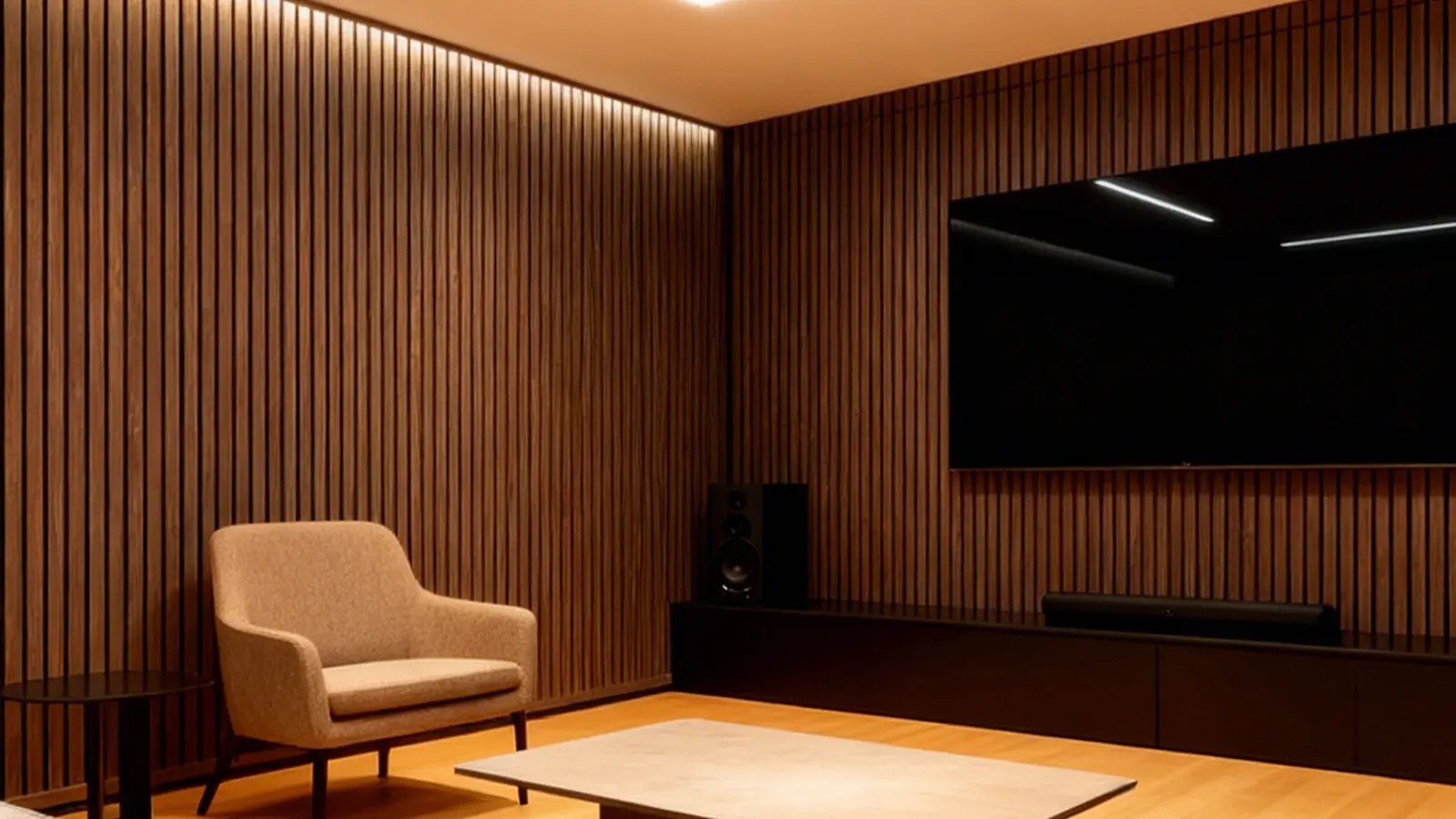
Home Theaters and Recording Rooms
- Recommended coverage: 25–35%
- Primary goal: Controlled reflections and balanced sound
- Best locations: First reflection points, corners (bass traps), rear wall
These rooms demand higher precision, but even here, full wall coverage is unnecessary.
5. Can You Treat Only Part of a Wall?
Yes—and in most cases, you should.
Partial treatment allows you to:
- Control reflections without over-absorption
- Reduce cost significantly
- Maintain visual balance
- Adjust gradually based on results
A practical approach is to begin with 15% coverage, evaluate the sound, and add panels only if needed. This step-by-step method avoids unnecessary expenses and over-treatment.
6. Acoustic Panels Do Not Block Noise: What Actually Stops Sound?
If the goal is to stop sound from passing through walls, acoustic panels alone are not enough. Soundproofing relies on four principles:
- Mass – Heavy materials like drywall or concrete
- Decoupling – Separating wall structures to prevent vibration transfer
- Damping – Reducing vibration energy within materials
- Sealing – Closing air gaps that allow sound leakage
Adding another drywall layer or sealing cracks often provides more noise reduction than covering an entire wall with absorptive panels.
7. Strategic Placement: Where Panels Make the Biggest Impact
Instead of covering large areas randomly, focus on these priority zones:
- First reflection points on side walls and ceilings
- Corners for low-frequency control
- Rear walls to reduce slap echo
- Areas opposite sound sources
Symmetrical placement across left and right walls improves balance and listening accuracy.
8. Typical Cost Expectations for Partial Coverage
Costs vary widely depending on panel quality and thickness. As a general reference:
- Entry-level fabric panels: lower cost, suitable for offices
- Fiberglass or mineral wool panels: higher absorption efficiency
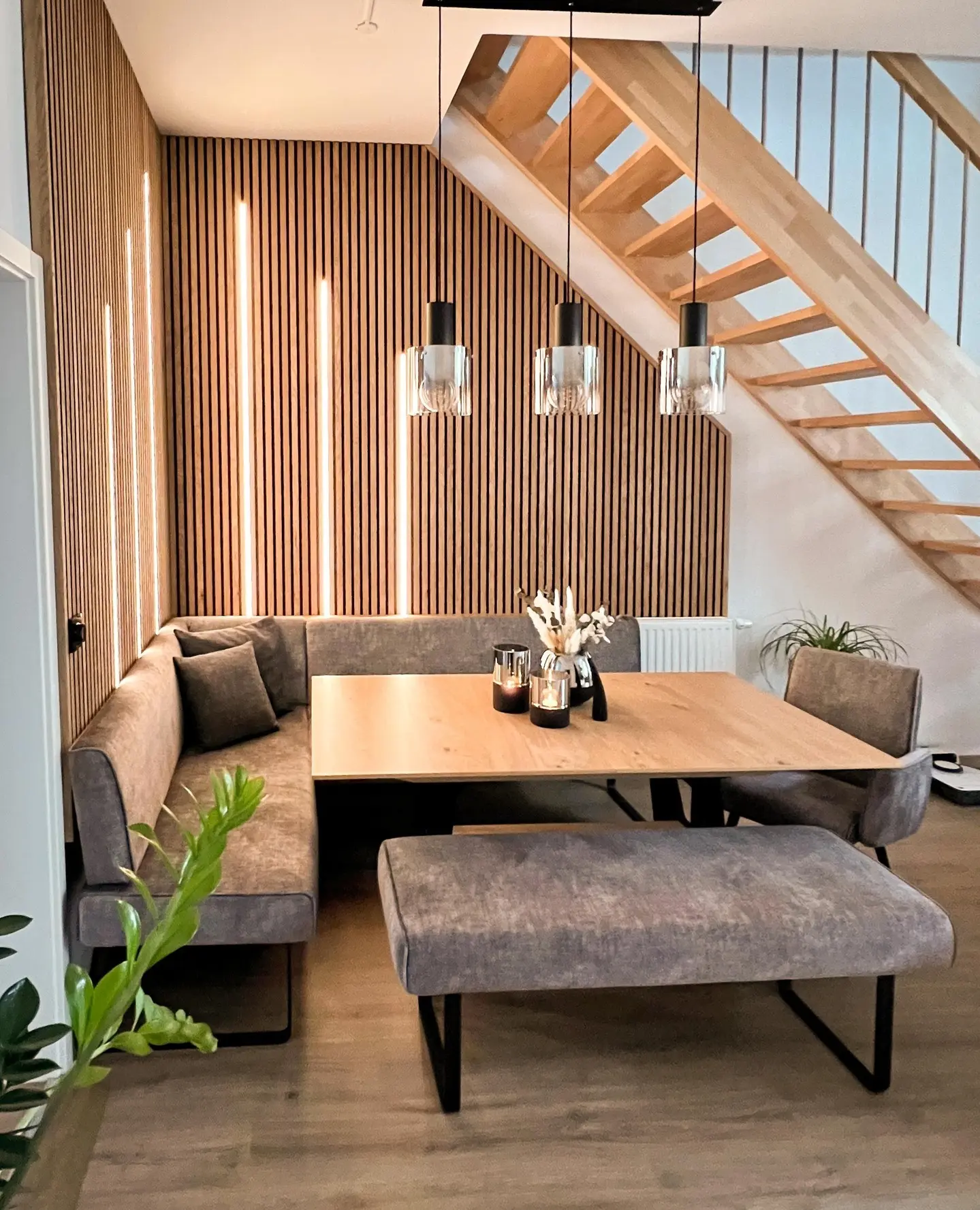
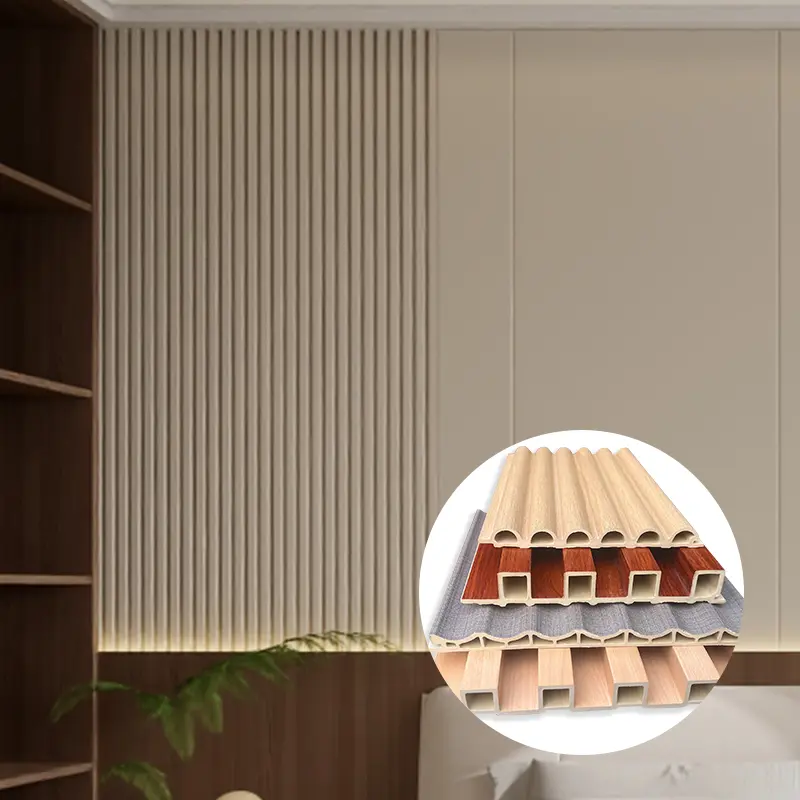
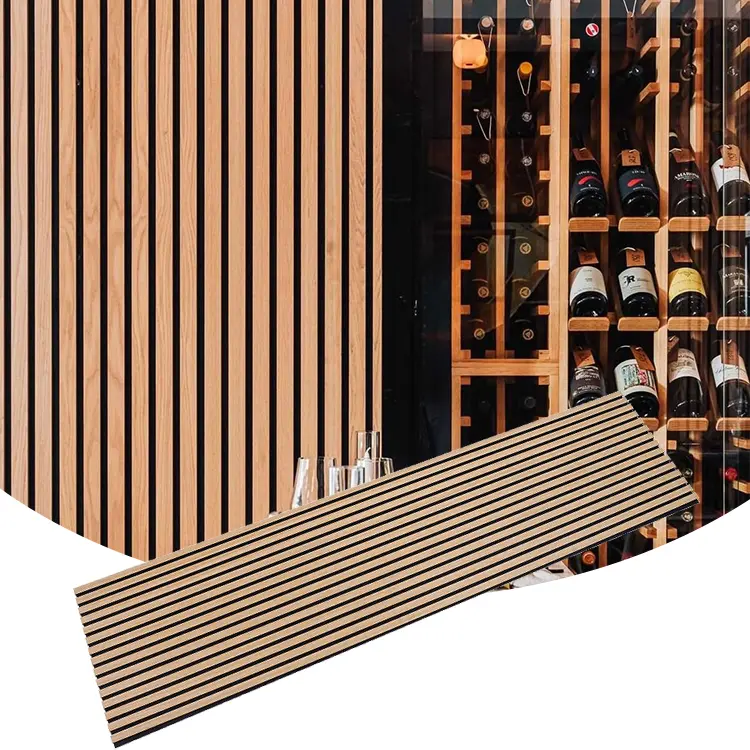
- Decorative acoustic panels: blend design with performance
For a medium-sized room, partial coverage usually delivers excellent results within a moderate budget.
9. Final Thoughts: Smart Coverage Beats Full Coverage
Covering an entire wall with acoustic panels is rarely necessary and often counterproductive. Strategic placement and reasonable coverage percentages deliver better sound, better aesthetics, and better value.
Start small, focus on reflection points, and expand only when needed. Acoustic treatment works best when it is intentional, not excessive.