
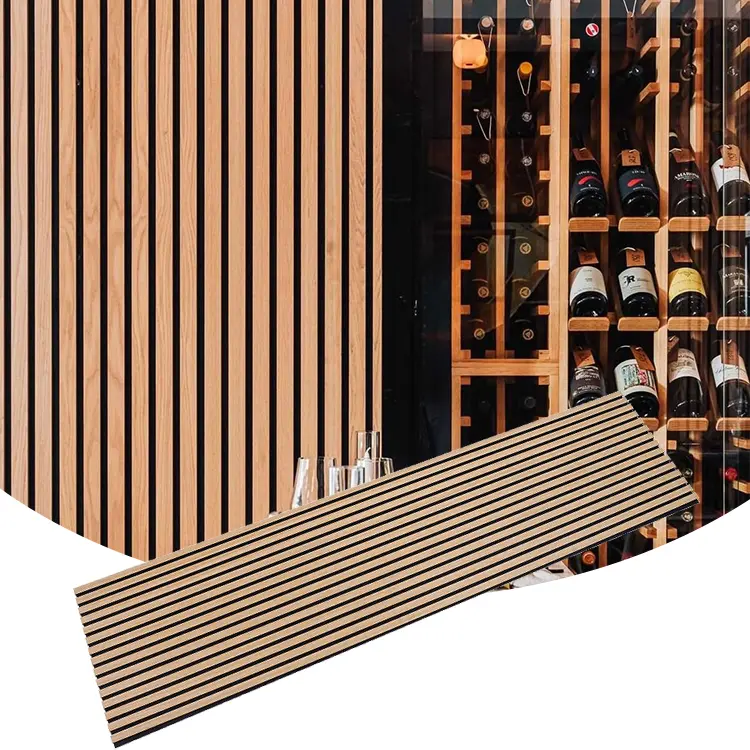
How Durable Are WPC Wall Panels? A Material-Level Explanation
- Introduction
- What Determines the Durability of Wall Panels?
- How WPC Material Structure Improves Strength
- Moisture Resistance: Why WPC Panels Don’t Swell
- Resistance to Termites and Biological Damage
- Impact Strength and Daily Wear Resistance
- Fire Performance of WPC Wall Panels
- Color Stability and Surface Protection
- Expected Lifespan of WPC Wall Panels
- Factors That Affect Long-Term Performance
- Applications Where Durability Matters Most
- Conclusion
Durability is one of the most important factors when selecting interior wall materials, especially for commercial projects, rental properties, and high-traffic environments.
In recent years, WPC wall panelshave become a popular alternative to traditional materials such as solid wood, MDF boards, and Pvc Sheets. While they are often promoted as “long-lasting” and “low maintenance,” many buyers still want to understand what actually makes them durable.
Rather than focusing only on marketing claims, it is more useful to analyze Wpc Panels from a material composition perspective. The durability of these panels is not accidental—it is directly related to how their raw materials are combined and processed.
This article explains how each component in WPC panels contributes to their long-term performance.
2. What Determines the Durability of Wall Panels?
Before looking specifically at WPC, it’s important to understand what “durability” means in the context of wall panels.
A durable wall panel should be able to:
- Resist moisture and humidity
- Maintain its shape over time
- Withstand physical impact
- Prevent biological damage such as mold or insects
- Retain its color and surface finish
- Require minimal maintenance
Traditional materials often fail in one or more of these areas. For example, wood may warp or rot, while MDF can swell when exposed to moisture.
WPC wall panels are designed to overcome these weaknesses through their composite structure.
3. How WPC Material Structure Improves Strength
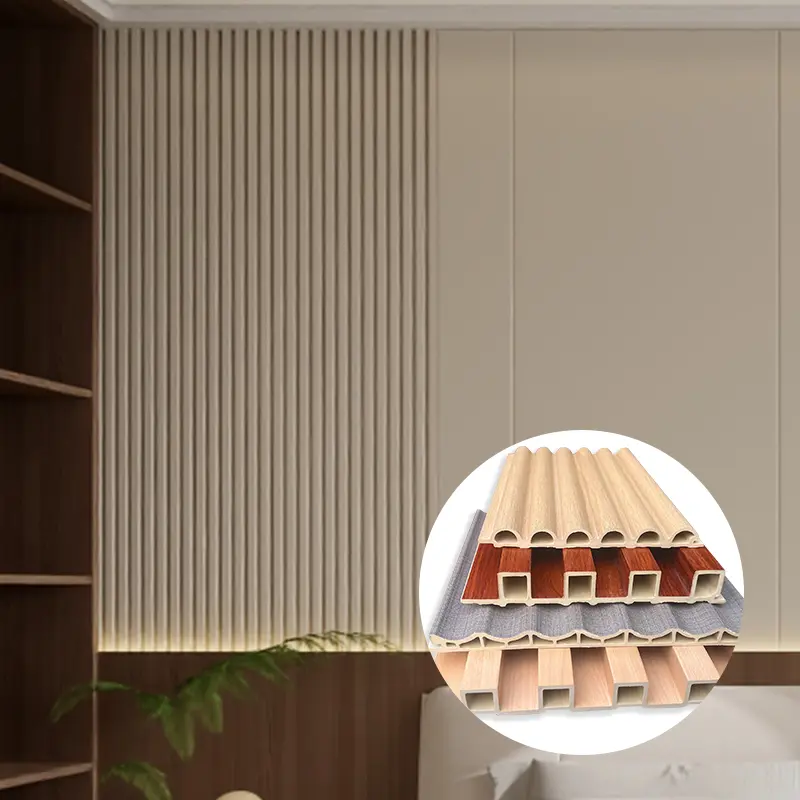
WPC panels are made by combining wood fibers with thermoplastic materials, creating a hybrid structure that balances flexibility and rigidity.
The wood fibers act as reinforcement, increasing the stiffness of the panel. Meanwhile, the plastic component binds everything together, preventing cracks and structural separation.
This combination results in a material that is stronger and more stable than many conventional wall panel options.
Unlike solid wood, which can expand or contract with changes in humidity, WPC panels maintain consistent dimensions over time.
4. Moisture Resistance: Why WPC Panels Don’t Swell
One of the biggest advantages of WPC wall panels is their resistance to moisture.
Traditional wood-based materials absorb water easily, which leads to swelling, warping, or even structural damage. This is especially problematic in areas with high humidity.
In WPC panels, the plastic component forms a protective barrier around the wood fibers. This prevents water from penetrating deeply into the material.
As a result:
- Panels do not swell when exposed to humidity
- Surface deformation is minimized
- Mold growth is significantly reduced
This makes WPC panels suitable for kitchens, bathrooms (non-direct water exposure), and other indoor environments where moisture levels fluctuate.
5. Resistance to Termites and Biological Damage
Another common issue with natural wood materials is vulnerability to termites and insects.
Because WPC panels contain a significant amount of plastic, they are far less attractive to pests compared to traditional wood.
In addition, the manufacturing process often includes additives that further enhance resistance to biological threats.
This means:
- No need for chemical anti-termite treatments
- Lower maintenance costs over time
- Longer service life in residential and commercial settings
For many buyers, especially in tropical or humid regions, this is a major advantage.
6. Impact Strength and Daily Wear Resistance
Wall panels in commercial spaces, offices, and public environments must withstand daily wear and tear.
WPC panels are engineered to handle moderate impact without cracking or breaking easily.
This is achieved through:
- Strong bonding between wood fibers and plastic
- The use of impact modifiers in the material formula
- A dense internal structure
Compared with brittle materials such as some PVC sheets, WPC panels offer better resistance to physical damage.
This makes them suitable for:
- Hallways
- Retail stores
- Office interiors
- Hospitality environments
7. Fire Performance of WPC Wall Panels
Fire safety is another important consideration for interior materials.
Many WPC wall panels are manufactured with fire-retardant properties, especially those designed for commercial projects.
This is typically achieved through the use of:
- Flame-retardant additives
- PVC-based formulations, which naturally resist ignition better than some other plastics
While WPC panels are not completely fireproof, high-quality products can meet international fire safety standards required for interior applications.
8. Color Stability and Surface Protection
Over time, exposure to light can cause some materials to fade or discolor.
WPC panels address this issue through the use of:
- UV stabilizers in the material formula
- Protective surface coatings
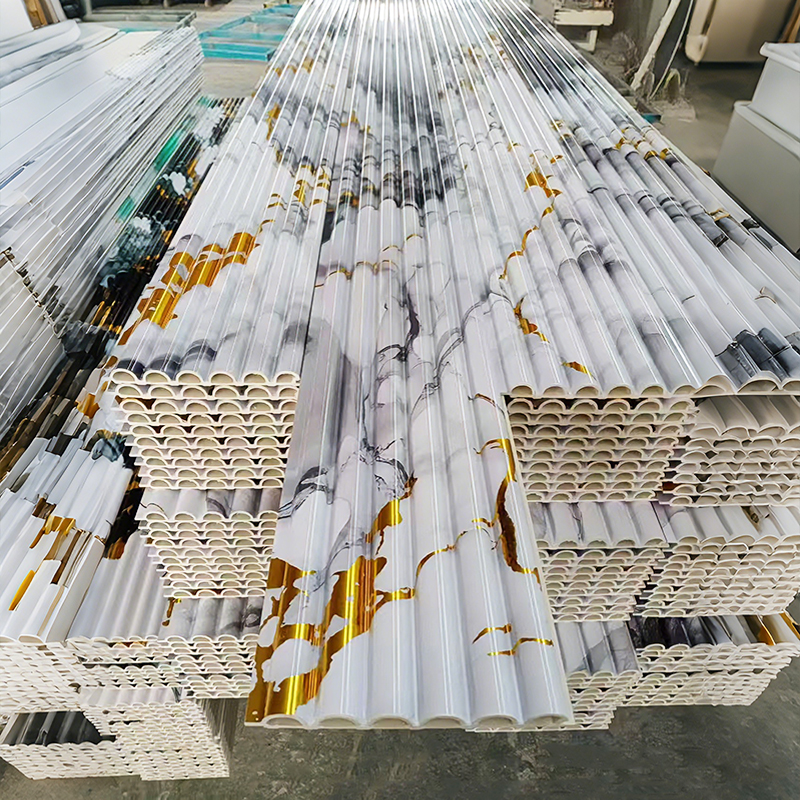
- Laminated decorative films
These features help maintain the panel’s original appearance for a longer period.
In indoor environments, high-quality WPC panels can retain their color and texture for many years without significant fading.
9. Expected Lifespan of WPC Wall Panels
The lifespan of WPC wall panels depends on material quality, manufacturing standards, and installation conditions.
However, in typical indoor applications, WPC panels can last:
- 10–20 years or more under normal usage conditions
This is significantly longer than many traditional decorative materials that may require replacement or refurbishment after a shorter period.
The combination of moisture resistance, structural stability, and low maintenance contributes to this extended lifespan.
10. Factors That Affect Long-Term Performance
Although WPC panels are designed to be durable, their performance can still vary depending on several factors.
Material Quality
The ratio of wood, plastic, and additives directly affects the panel’s strength and durability.
Manufacturing Process
Advanced extrusion technology and strict quality control result in more consistent and reliable products.
Installation Method
Proper installation ensures that panels remain stable and secure over time.
Usage Environment
Extreme conditions, such as direct sunlight or excessive moisture, may affect performance if the panel is not designed for such applications. Choosing the right product for the intended environment is essential.
11. Applications Where Durability Matters Most
Because of their strong performance characteristics, WPC wall panels are widely used in areas where durability is critical.
Common applications include:
- Hotel interior renovation
- Office wall decoration
- Commercial retail spaces
- Apartment projects
- Public buildings
In these environments, materials must perform reliably over long periods while maintaining their appearance.
The durability of WPC wall panel is the result of their carefully engineered material composition.
By combining wood fibers, thermoplastics, mineral fillers, and performance additives, manufacturers create a product that offers:
- Strong structural stability
- Excellent moisture resistance
- Protection against insects and mold
- Long-lasting surface appearance
These characteristics make WPC panels a practical and cost-effective solution for modern interior wall decoration.
For buyers and project developers, understanding the material science behind WPC panels can help ensure better product selection and long-term value.