




How China Became the Backbone of Global Acoustic Panel Supply
1. Introduction: Acoustic Performance as a Global Requirement
As contemporary architecture continues to prioritize openness, flexibility, and multi-functional spaces, acoustic performance has become a fundamental design consideration rather than a secondary upgrade. Offices, hospitality venues, educational buildings, healthcare facilities, and residential developments all face similar challenges: managing noise while maintaining visual appeal.
This shift has led to a steady global increase in demand for acoustic panels. At the same time, buyers are becoming more strategic about where these products are manufactured. Beyond appearance and basic sound absorption, factors such as supply stability, customization capability, technical documentation, and long-term cost control are shaping sourcing decisions.
Within this context, China has established itself as a central manufacturing base for Acoustic Panels worldwide.
2. The Evolution of Acoustic Panels in Modern Interiors
Acoustic panels were once limited to specialized environments such as recording studios, theaters, and auditoriums. Today, they are widely used in:
- Open-plan offices and meeting rooms
- Hotels, restaurants, and public lounges
- Schools, libraries, and training centers
- Medical and wellness facilities
- High-density residential developments
As adoption has expanded, acoustic panels have transitioned from specialty products to standardized Building Materials. This change favors manufacturers capable of producing consistent quality at scale—one of the core strengths of China’s manufacturing ecosystem.
3. Why Global Buyers Look Beyond Local Manufacturing
While many regions offer local acoustic solutions, local production often faces limitations such as:
- Higher raw material and labor costs
- Restricted product variety
- Limited capacity for large or phased projects
- Reduced flexibility in custom design
For buyers managing commercial or multi-site projects, these constraints can lead to higher overall costs and longer lead times. As a result, sourcing decisions increasingly extend beyond local markets toward regions with deeper industrial capabilities.
4. China’s Industrial Structure and Manufacturing Density
One of China’s most significant advantages lies in its industrial clustering. In key manufacturing regions, acoustic panel producers operate alongside:
- PET fiber and felt suppliers
- MDF and wood composite processors
- Surface finishing and lamination specialists
- Packaging and logistics providers
This proximity allows manufacturers to shorten production cycles, reduce coordination costs, and respond quickly to design or specification changes. It also enables efficient scaling when project volumes increase.
5. Raw Material Integration and Cost Control
China’s domestic supply chain provides stable access to essential materials used in acoustic panels, including PET fibers, MDF, adhesives, fabrics, and decorative films. This integration supports:
- Predictable material pricing
- Reduced exposure to global supply disruptions
- Faster product development and modification
Rather than relying heavily on imported inputs, Chinese manufacturers maintain tighter control over both cost and quality throughout the production process.
6. Design Diversity at Industrial Scale
Modern interior projects demand more than acoustic performance alone. Designers increasingly expect acoustic panels to contribute to the overall visual language of a space.
Chinese manufacturers typically offer a wide range of design options, including:
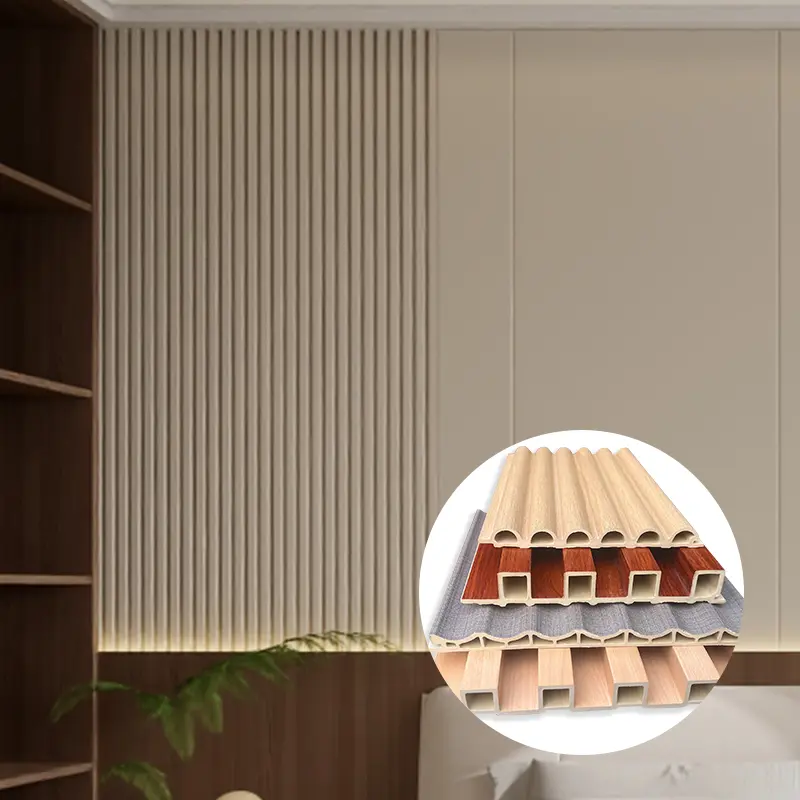
- PET polyester acoustic panels in various densities
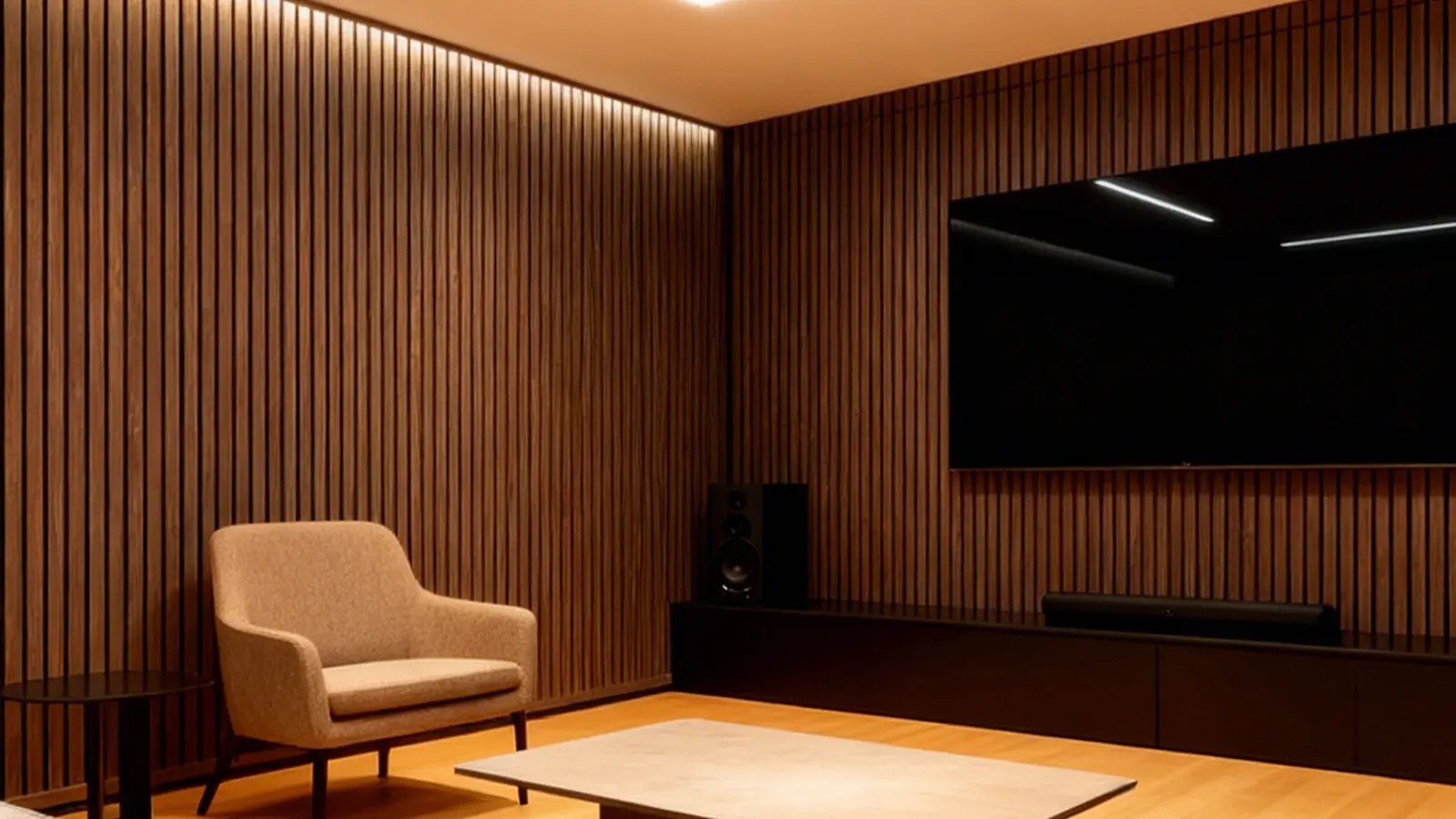
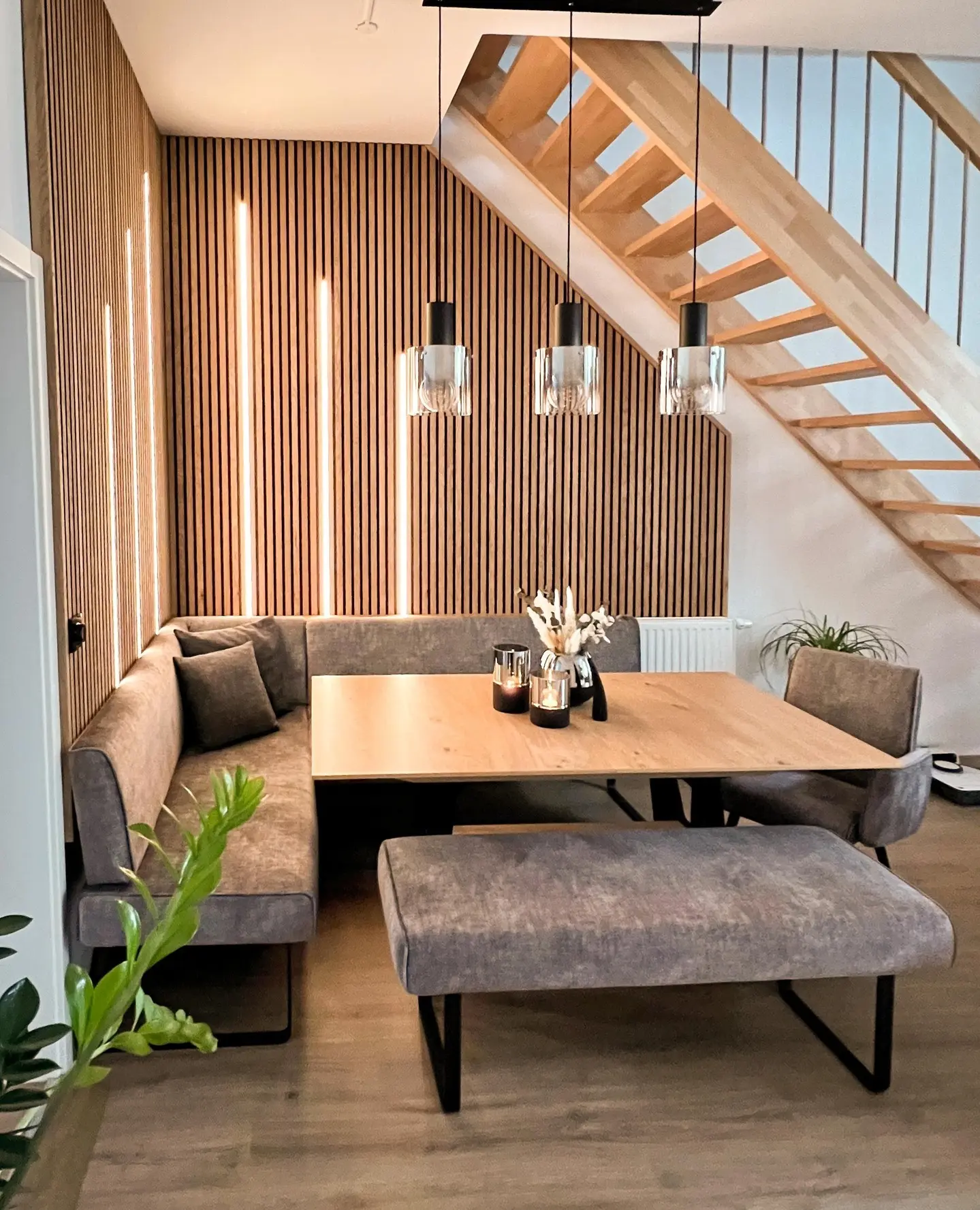
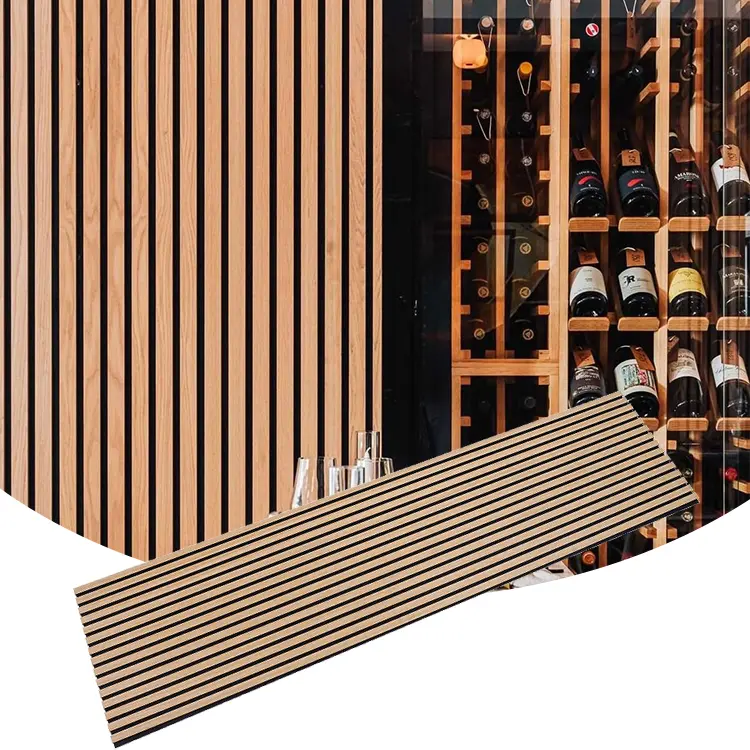
- Wood slat acoustic panels with felt backing
- Fabric-wrapped acoustic systems
- Perforated and grooved MDF boards
- Ceiling baffles and suspended acoustic elements
This diversity allows buyers to source multiple acoustic solutions from a single manufacturing partner, simplifying procurement and quality management.
7. Custom Manufacturing as a Competitive Advantage
Customization is no longer a niche requirement—it is a standard expectation in commercial interiors. Chinese factories are structured to handle custom production efficiently, including:
- Non-standard panel dimensions
- Custom colors and surface finishes
- Project-specific perforation or slat spacing
- Acoustic tuning based on target NRC values
Unlike markets focused primarily on stock products, China’s acoustic panel industry has developed around OEM and ODM manufacturing, making customization a core competency rather than an exception.
8. The Role of Export-Oriented Manufacturers Like RUIDE
Within China’s acoustic panel industry, export-oriented manufacturers such as RUIDE play a critical role in serving international markets. These companies are structured not only for production but also for cross-border project support.
Factories like RUIDE typically combine:
- Stable large-scale manufacturing capacity
- Experience working with international contractors and distributors
- Familiarity with overseas technical and documentation requirements
Rather than acting as simple product suppliers, such manufacturers function as long-term partners for buyers seeking reliability and consistency across multiple projects.
9. Technical Support and Project Readiness
For global buyers, technical clarity is essential. Leading Chinese manufacturers provide comprehensive support materials, including:
- Acoustic test reports and performance data
- Fire safety and environmental compliance documents
- Installation guidelines and system drawings
- CAD-based shop drawings for project coordination
This level of preparation reduces approval delays and minimizes on-site installation risks.
10. Logistics Efficiency and Delivery Reliability
China’s export infrastructure is designed for global building material distribution. Key advantages include:
- Multiple international ports with frequent sailings
- Competitive container shipping options
- Standardized export packaging methods
These logistics capabilities enable predictable delivery schedules, even for full-container or repeat orders—an important consideration for time-sensitive construction projects.
11. Quality Consistency and Certification Standards
Consistency is critical when projects are delivered in phases or across multiple locations. Reputable Chinese manufacturers implement structured quality control systems covering:
- Incoming raw material inspection
- In-process quality checks
- Final inspection before shipment
Many products are tested according to internationally recognized acoustic, fire, and environmental standards, supporting their use in globally standardized projects.
12. Sustainability and Material Innovation
As sustainability becomes a central concern in construction, China’s acoustic panel industry is undergoing steady transformation. Many manufacturers now invest in:
- Recyclable PET-based acoustic panels
- Low-emission adhesives and coatings
- Energy-efficient production processes
These developments align with global green building trends and increase the long-term viability of Chinese-manufactured acoustic solutions.
13. China Compared with Other Manufacturing Regions
While European and Japanese products are often associated with premium branding, they typically involve higher costs and longer lead times. Emerging low-cost regions may lack technical maturity or export experience.
China’s position is defined by balance—combining industrial efficiency, design flexibility, and technical depth within a competitive cost structure.
14. Building Long-Term Supply Partnerships
Experienced buyers increasingly prioritize long-term supplier relationships over short-term price advantages. These partnerships often involve:
- Private-label production
- Exclusive product development
- Forecast-based manufacturing planning
Manufacturers like RUIDE, with strong OEM capabilities, are well-positioned to support this evolution from transactional sourcing to strategic cooperation.
15. Conclusion: China’s Enduring Role in the Acoustic Panel Industry
China’s leadership in acoustic panel manufacturing is rooted in structural advantages rather than temporary market conditions. Integrated supply chains, scalable production, customization expertise, and export readiness continue to attract global buyers.
As acoustic performance becomes an essential element of modern interiors, manufacturers such as RUIDE represent the type of industrial partner that global markets increasingly rely on—capable of delivering consistency, flexibility, and long-term value at scale.