

How Acoustic Panels Improve Sound Performance and Long-Term Value in Interior Projects
Table of Contents
- Introduction: Sound Quality as a Measurable Asset
- Understanding the Function of Acoustic Panels
- Why Acoustic Control Matters in Modern Interiors
- Acoustic Performance as a Project Specification
- Design Integration and Visual Impact
- Durability and Lifecycle Performance
- Sustainability and Responsible Material Use
- Application Across Multiple Project Types
- Installation Efficiency and Project Planning
- Global Sourcing and Manufacturing Considerations
- RUIDE: A Professional Acoustic Panel Manufacturer
- Conclusion: Acoustic Panels as a Long-Term Interior Solution
1. Introduction: Sound Quality as a Measurable Asset
In contemporary building design, acoustic quality is no longer treated as a secondary concern. As workspaces become more collaborative, hospitality environments more experiential, and residential interiors more open, sound behavior directly influences how people perceive and use a space. Excessive noise, uncontrolled reverberation, and poor speech intelligibility can undermine even the most visually impressive interiors.
Acoustic panelshave therefore become a core component of modern interior systems. Rather than serving purely as technical sound treatments, today’s Acoustic Panels are integrated architectural elements that deliver measurable performance benefits while contributing to visual identity. For developers, architects, and commercial property owners, acoustic panels represent both a functional necessity and a long-term value investment.
This article examines how acoustic panels work, why they are widely specified across global projects, and how they contribute to sound comfort, durability, and interior quality over time.
2. Understanding the Function of Acoustic Panels
Acoustic panels are designed to manage sound reflections within enclosed spaces. Unlike soundproofing materials that focus on blocking noise transmission between rooms, acoustic panels improve the internal acoustic environment by absorbing and diffusing sound waves.
A well-designed acoustic panel system typically includes three functional elements:
Decorative or Perforated Surface Layer
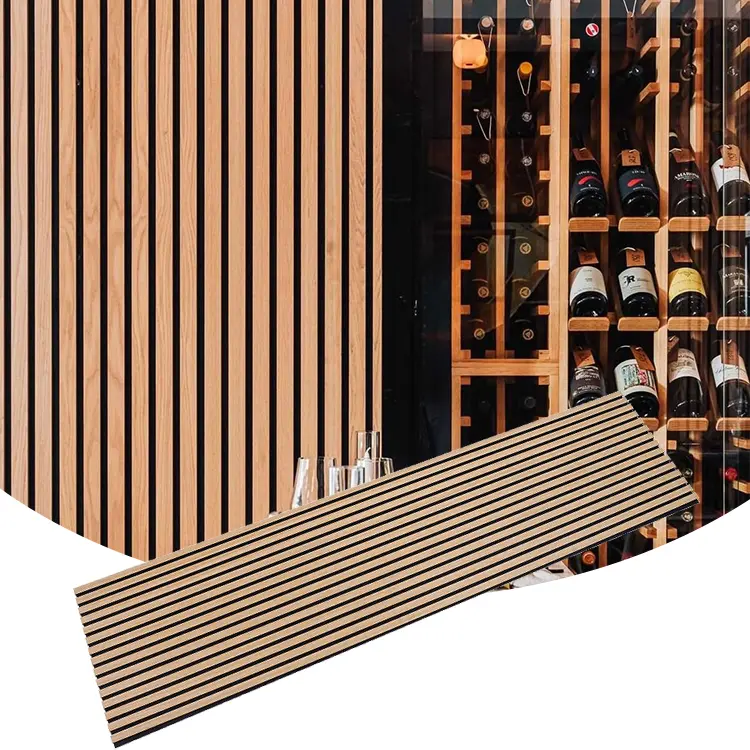
The visible surface allows sound waves to pass through openings or slat gaps. At the same time, it provides the aesthetic character of the panel, often defining the architectural tone of the space.
Sound-Absorbing Backing Material
Behind the surface layer is an acoustic core made from materials such as polyester fiber, mineral wool, or recycled PET felt. This layer absorbs sound energy and reduces reflected noise.
Structural Support Layer
The backing structure provides rigidity and ensures the panel maintains its shape during installation and long-term use.
This layered configuration enables acoustic panels to deliver consistent performance while remaining visually refined.
3. Why Acoustic Control Matters in Modern Interiors
Modern interior design trends often create challenging acoustic conditions. Large open areas, hard surfaces, and minimalist finishes can dramatically increase noise levels if not properly managed.
Reducing Reverberation in Open Spaces
In open-plan offices, restaurants, and lobbies, sound reflections can accumulate quickly. Acoustic panels absorb reflected sound, reducing reverberation time and preventing noise from spreading throughout the space.
Improving Speech Intelligibility
Clear communication is essential in meeting rooms, classrooms, and public venues. Acoustic panels are engineered to perform effectively in the frequency range of human speech, making conversations easier to understand.
Enhancing User Comfort and Productivity
Studies have shown that excessive noise contributes to stress, fatigue, and reduced concentration. By lowering background noise levels, acoustic panels support healthier and more productive environments.
4. Acoustic Performance as a Project Specification
For large-scale projects, acoustic performance is often a defined technical requirement rather than a design preference. Acoustic panels help projects meet performance targets efficiently.
Noise Reduction Coefficient (NRC)
Acoustic panels are commonly specified based on NRC values, which indicate how much sound a material absorbs. Properly designed panel systems can achieve NRC ratings suitable for most commercial and institutional applications.
Consistency Across Large Areas
Unlike localized acoustic treatments, panel systems provide uniform sound absorption across walls or ceilings, ensuring predictable performance.
Adaptability Through Design Configuration
Panel spacing, backing material thickness, and installation methods can be adjusted to meet specific acoustic goals without changing the overall design concept.
5. Design Integration and Visual Impact
One of the key reasons acoustic panels are widely adopted is their ability to integrate seamlessly into interior design schemes.
Architectural Expression
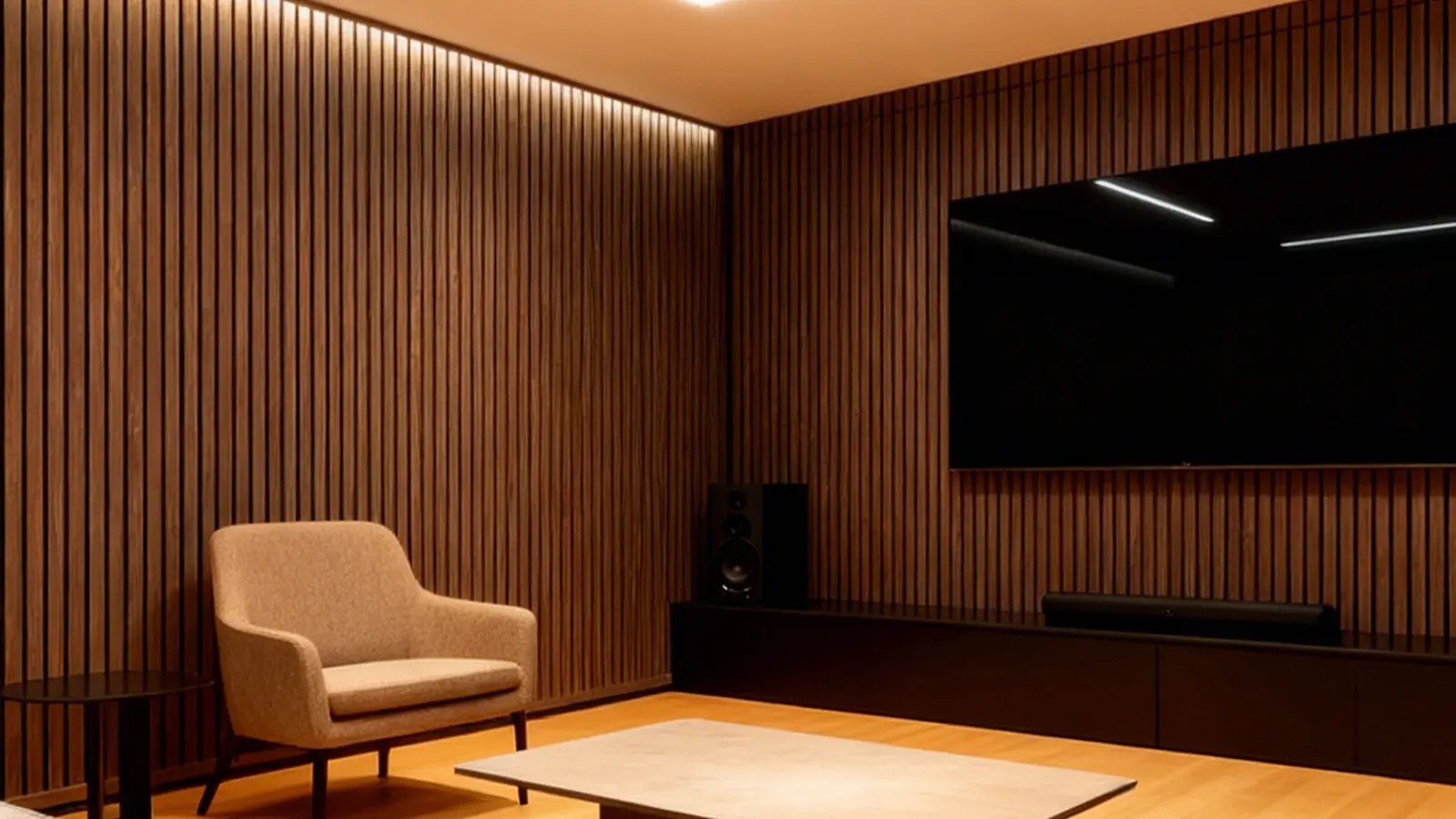
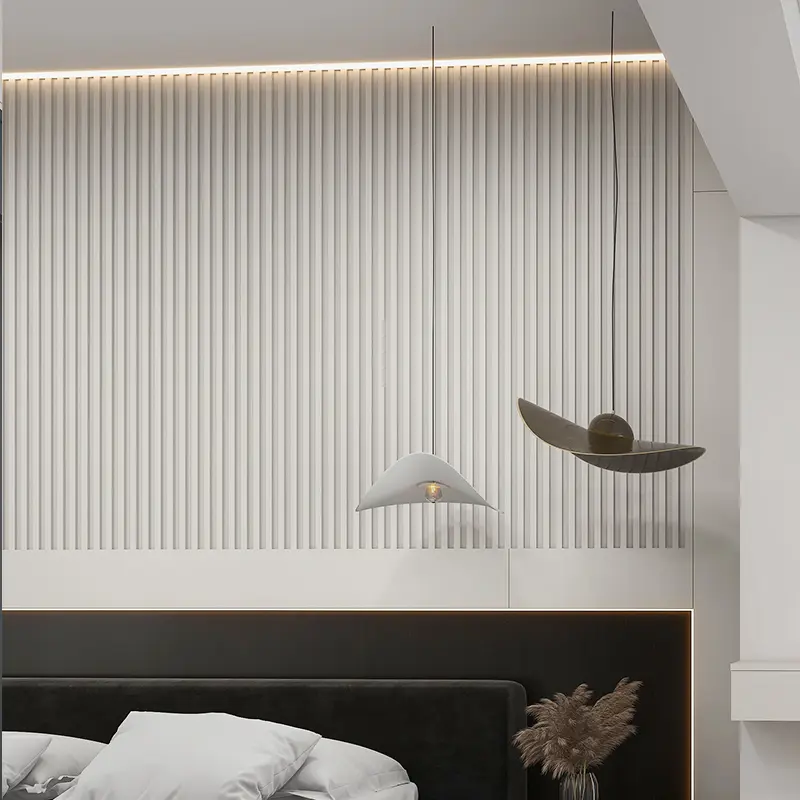
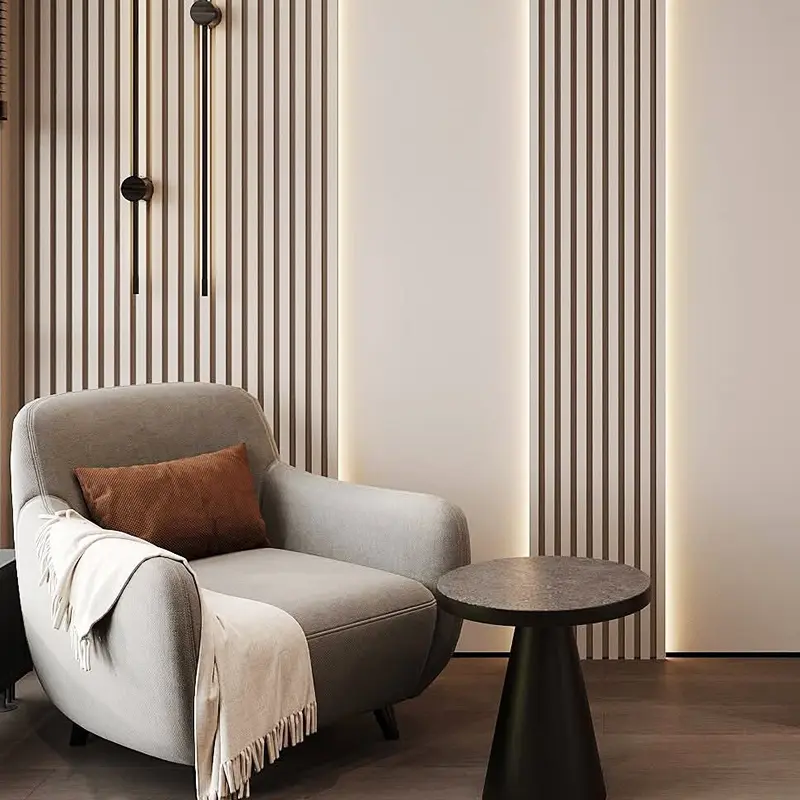
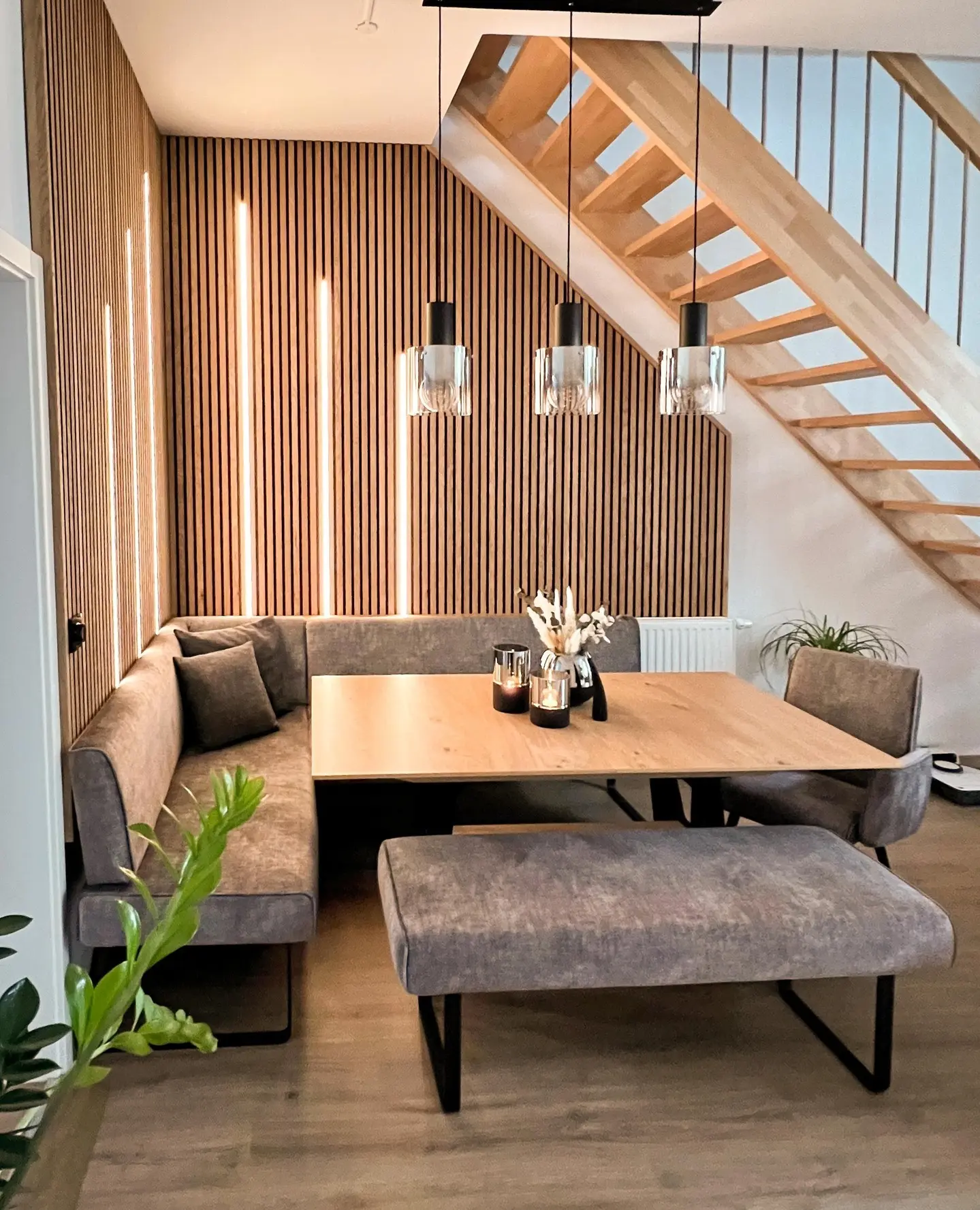
Wood slat and decorative acoustic panels often serve as feature elements, adding rhythm, texture, and depth to walls and ceilings.
Customization Possibilities
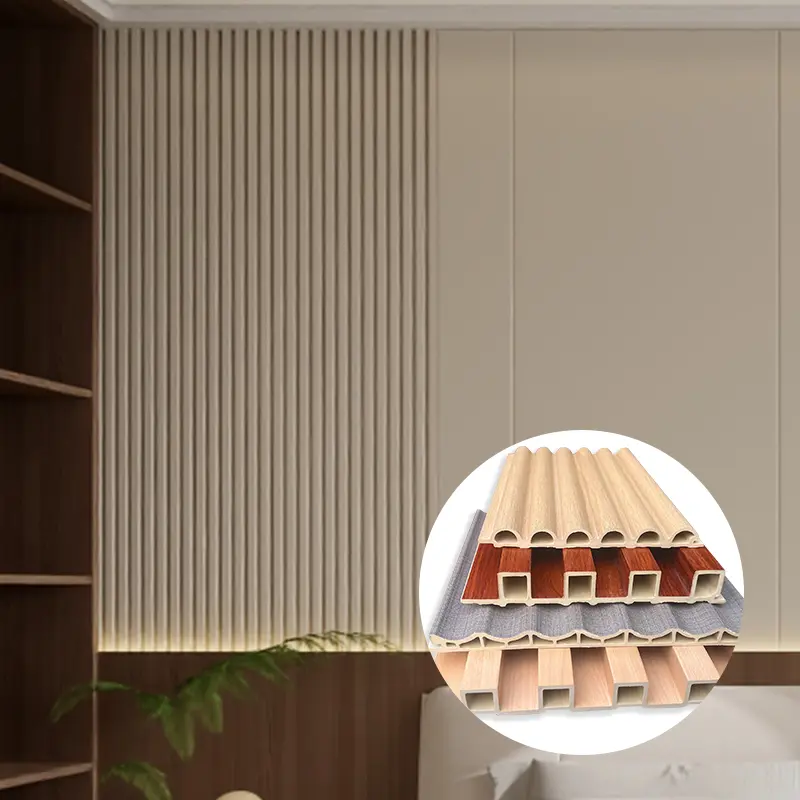
Manufacturers offer flexibility in panel dimensions, slat spacing, surface finishes, and backing colors, allowing designers to align acoustic solutions with brand identity or architectural themes.
Balance Between Function and Aesthetics
By combining sound absorption with refined visual design, acoustic panels eliminate the need to choose between performance and appearance.
6. Durability and Lifecycle Performance
From a project investment perspective, material longevity is critical. Acoustic panels are designed for long-term performance in demanding environments.
Structural Stability Over Time
Professional manufacturing ensures stable bonding between layers, reducing the risk of deformation or delamination during use.
Resistance to Environmental Changes
Quality acoustic panels maintain consistent performance across different indoor climates, including spaces with varying temperature and humidity levels.
Minimal Maintenance Requirements
Unlike fabric-based treatments, modern acoustic panels are easy to clean and maintain, making them suitable for commercial properties with long operating cycles.
7. Sustainability and Responsible Material Use
Environmental considerations play an increasing role in project decision-making. Acoustic panels can support sustainability objectives when produced responsibly.
Use of Recycled Acoustic Materials
Many acoustic panels incorporate recycled PET felt, offering effective sound absorption while reducing environmental impact.
Efficient Material Utilization
Engineered surface layers and optimized panel designs reduce raw material consumption without compromising performance.
Support for Green Building Goals
Low-emission finishes and adhesives contribute to indoor air quality standards and green building certification efforts.
8. Application Across Multiple Project Types
Acoustic panels are used across a wide spectrum of interior environments due to their versatility.
Corporate and Commercial Interiors
Offices, meeting rooms, and reception areas benefit from improved communication and reduced noise distraction.
Hospitality and Entertainment Venues
Hotels, restaurants, lounges, and cinemas rely on acoustic panels to enhance guest comfort without sacrificing atmosphere.
Educational and Public Buildings
Classrooms, libraries, auditoriums, and cultural centers depend on acoustic clarity to support learning and public engagement.
Residential Projects
In high-end residential interiors, acoustic panels improve sound comfort while adding architectural character.
9. Installation Efficiency and Project Planning
Ease of installation is an important factor for contractors and developers managing project timelines.
Prefabricated Panel Systems
Acoustic panels are typically delivered as pre-assembled units, reducing on-site labor and installation complexity.
Compatibility with Common Substrates
Panels can be installed on concrete, gypsum board, and framed structures, making them suitable for both new construction and renovation projects.
Scalability for Large Projects
Modular systems allow acoustic panels to be deployed efficiently across large areas while maintaining consistent quality.
10. Global Sourcing and Manufacturing Considerations
As demand for acoustic panels grows, global buyers increasingly evaluate sourcing options based on capability, reliability, and value.
Manufacturing Expertise in China
China has developed advanced production capacity for acoustic panels, combining modern machinery with skilled labor.
Customization for International Projects
Factory-direct suppliers can accommodate project-specific requirements, including custom sizes, finishes, and acoustic configurations.
Export and Logistics Experience
Experienced manufacturers understand international standards, packaging requirements, and delivery timelines, reducing project risk.
11. RUIDE: A Professional Acoustic Panel Manufacturer
RUIDE is a China-based manufacturer specializing in acoustic panel systems for global B2B clients. With stable production capacity, strict quality control, and experience in international projects, RUIDE supports architects, contractors, and distributors across multiple regions.
12. Conclusion: Acoustic Panels as a Long-Term Interior Solution
Acoustic panels play a critical role in shaping the acoustic and visual quality of modern interiors. By improving sound clarity, reducing noise, and integrating seamlessly into architectural design, they deliver both immediate and long-term value.
For project developers, designers, and global buyers, acoustic panels represent a practical investment in comfort, performance, and sustainability. As interior spaces continue to evolve, acoustic panels will remain an essential component of high-quality, future-ready design.