

How Acoustic Panels Improve Hotel Interiors and Guest Comfort
How Acoustic Panels Improve Hotel Interiors and Guest Comfort
- Introduction
- The Importance of Sound Control in Hotels
- Understanding Acoustic Panels
- Advantages of Acoustic Panels in Hotel Design
- Common Areas Where Acoustic Panels Are Used
- Materials Commonly Used in Hotel Acoustic Panels
- Choosing the Right Acoustic Panel Supplier
- Emerging Trends in Hotel Acoustic Design
- Conclusion
In the hospitality sector, comfort extends beyond elegant décor and premium amenities. One often overlooked factor that strongly influences guest satisfaction is sound. A beautifully designed hotel can still deliver a poor experience if guests are constantly disturbed by hallway chatter, restaurant noise, or echoes in large public areas.
Modern hotels are therefore investing more effort in acoustic planning. Proper sound control helps create peaceful guest rooms, comfortable dining areas, and productive meeting spaces. One of the most effective solutions for achieving this balance is the use of acoustic panels.
Acoustic panels are specially engineered surfaces that absorb sound waves and reduce reverberation within indoor environments. When used strategically in hotel interiors, these panels help control background noise, improve speech clarity, and enhance the overall atmosphere. They also serve as decorative elements that complement architectural design.
This article explores the importance of acoustic solutions in hospitality environments, how acoustic panels work, the types commonly used in hotels, and the factors to consider when choosing a reliable supplier.
2. The Importance of Sound Control in Hotels
Hotels are complex buildings where multiple activities take place simultaneously. Guests may be resting in their rooms while others are attending conferences, dining in restaurants, or socializing in lounges.
Without proper acoustic design, sound can travel easily through walls, corridors, and open spaces. This leads to several common issues:
- Noise between guest rooms
- Echo in large reception areas
- Loud conversations in restaurants and bars
- Footstep noise in hallways
- Sound reflections in meeting rooms
Large surfaces made of marble, glass, or concrete tend to reflect sound waves rather than absorb them. As a result, voices and other noises bounce repeatedly around a room, creating an unpleasant acoustic environment.
Noise complaints are among the most frequent issues reported by hotel guests. Poor sound insulation can affect sleep quality, which directly influences customer satisfaction and online reviews.
By incorporating acoustic treatments early in the design stage, hotels can avoid these problems and create a more comfortable environment for guests.
3. Understanding Acoustic Panels
Acoustic panels are materials specifically designed to absorb sound energy. Instead of allowing sound waves to reflect off hard surfaces, they capture and dissipate them within their internal structure.
Structure of Acoustic Panels
Although designs vary, most acoustic panels include three key components:
- Decorative surface layer: The outer layer determines the appearance of the panel. This surface may be fabric, wood veneer, PET felt, or laminated material.
- Sound-absorbing core: The core is responsible for absorbing sound waves. Materials such as fiberglass, mineral wool, or recycled polyester fibers are commonly used.
- Backing layer: The backing provides structural stability and can contribute additional sound control.
How They Reduce Noise
When sound waves strike a hard wall, they reflect back into the room. Acoustic panels interrupt this process by allowing sound waves to enter their porous structure. The energy is then dissipated as heat through friction within the fibers.
This process reduces:
- Echo and reverberation
- Background noise levels
- Sound reflections that interfere with speech clarity
The result is a quieter and more balanced acoustic environment.
4. Advantages of Acoustic Panels in Hotel Design
1. Better Sleep Quality in Guest Rooms
For most hotel guests, restful sleep is the primary expectation. Acoustic wall panels placed behind headboards or on feature walls help reduce internal echoes and minimize sound reflections within the room.
Although they are not a substitute for structural soundproofing, acoustic panels lower the overall sound energy in the room, making outside noise less noticeable.
2. Comfortable Public Spaces
Large hotel lobbies often feature tall ceilings and reflective surfaces. While visually impressive, these elements can create excessive reverberation.
Installing acoustic panels on walls or ceilings helps absorb sound reflections, allowing conversations between guests and staff to remain clear even during busy periods.
3. Improved Meeting and Conference Rooms
Hotels that host business events must provide clear sound conditions for presentations, video conferences, and group discussions.
Acoustic panels help control reverberation and ensure that speech remains intelligible across the room. This is especially important in conference halls where microphones and sound systems are used.
4. Enhanced Dining Experience
Restaurants and cafés inside hotels often become noisy during peak hours. Clattering dishes, background music, and conversations can combine into an overwhelming sound environment.
By adding acoustic ceiling panels or wall treatments, hotels can reduce overall noise levels and create a more relaxed dining atmosphere.
5. Aesthetic Integration
Modern acoustic panels are designed not only for performance but also for visual appeal. Designers can incorporate them as part of the interior concept rather than hiding them.
Common decorative styles include:
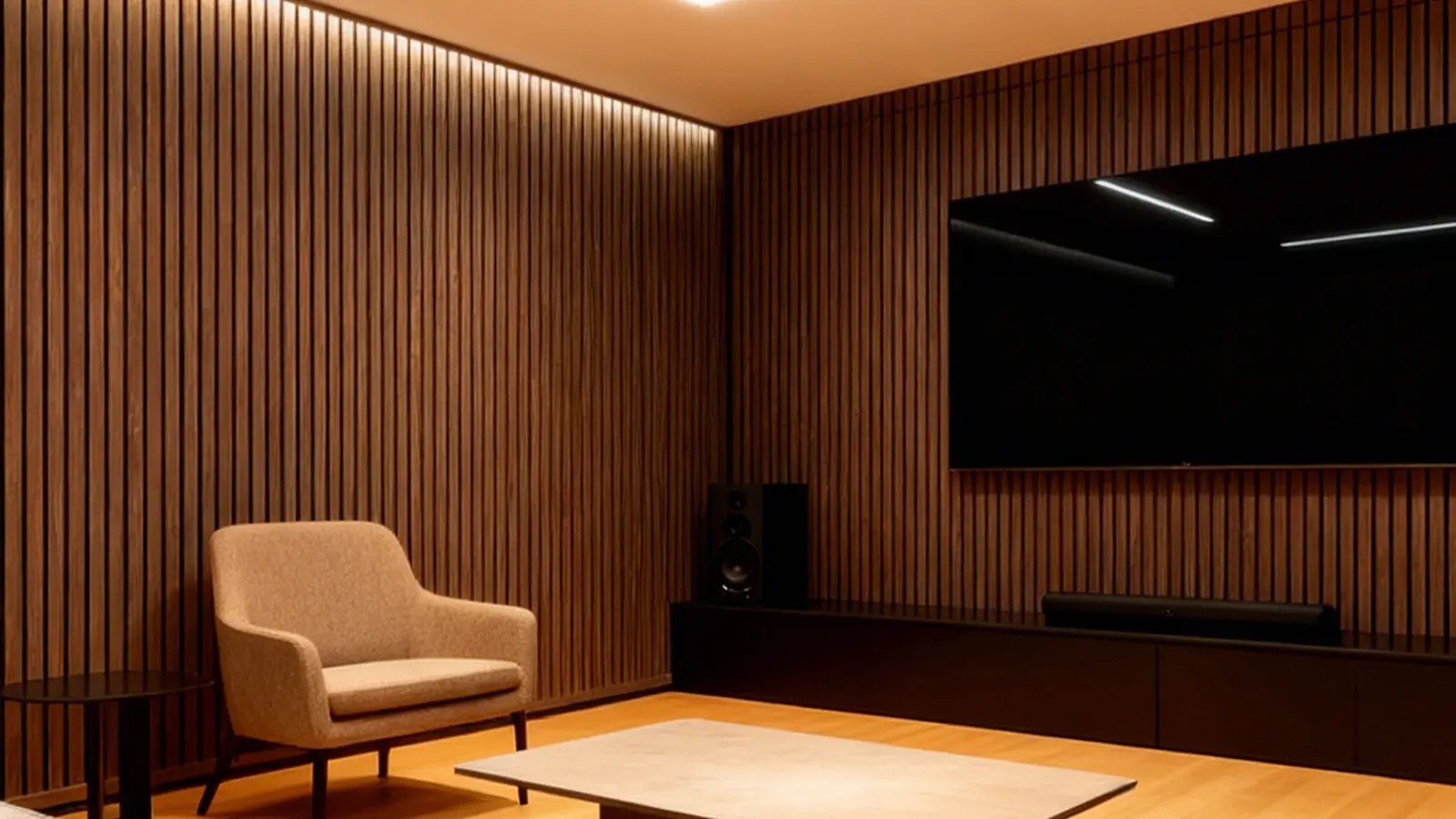
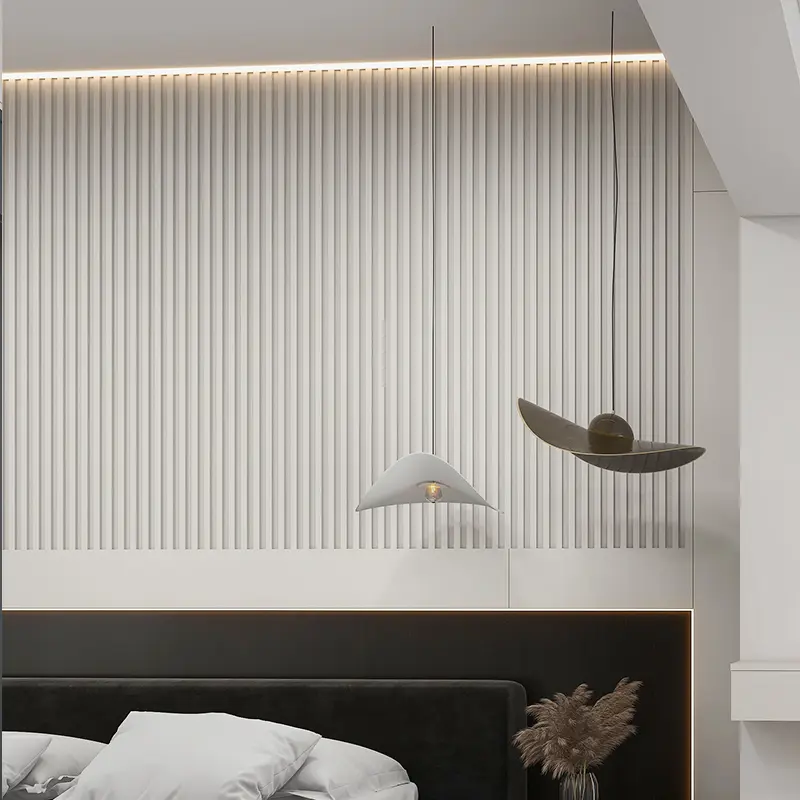
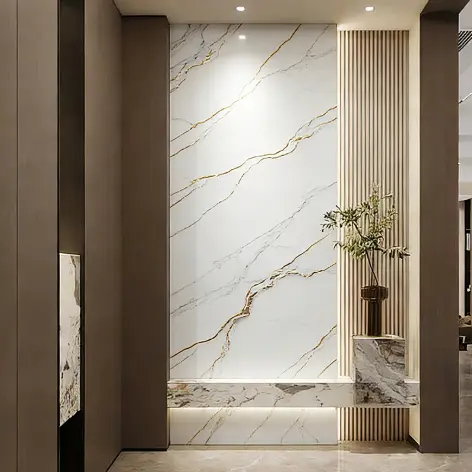
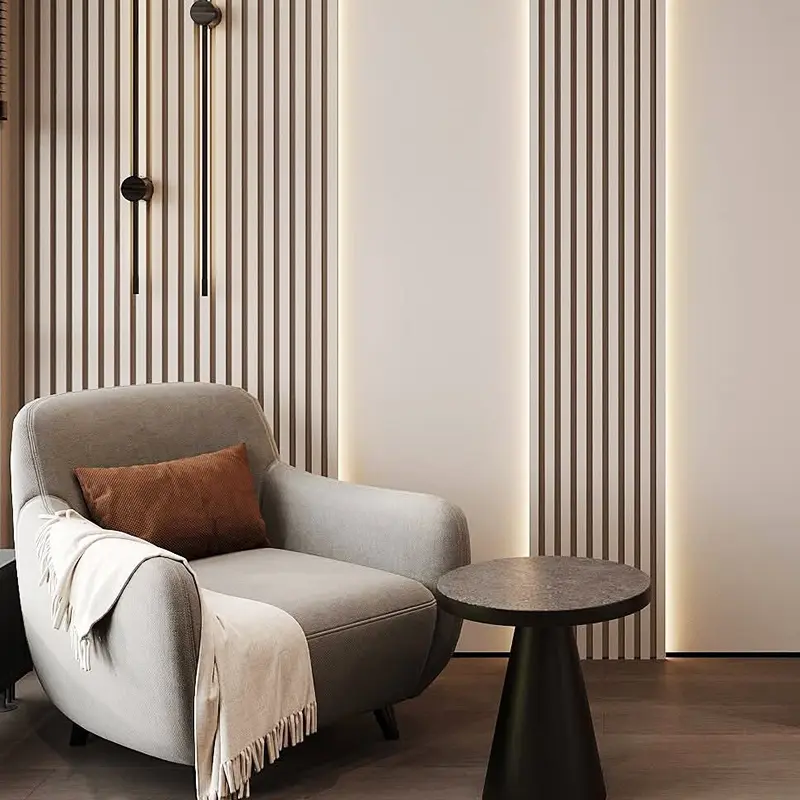
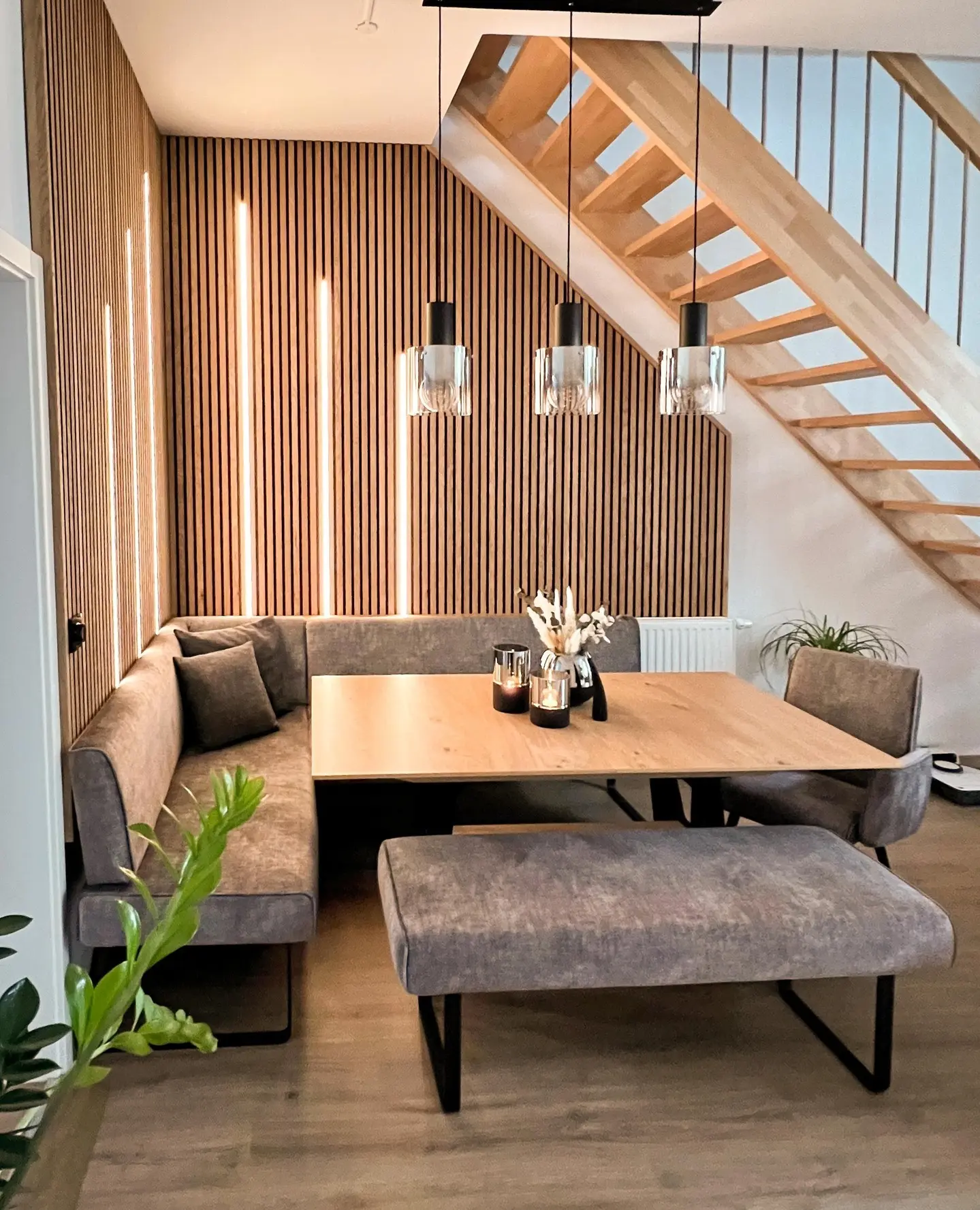
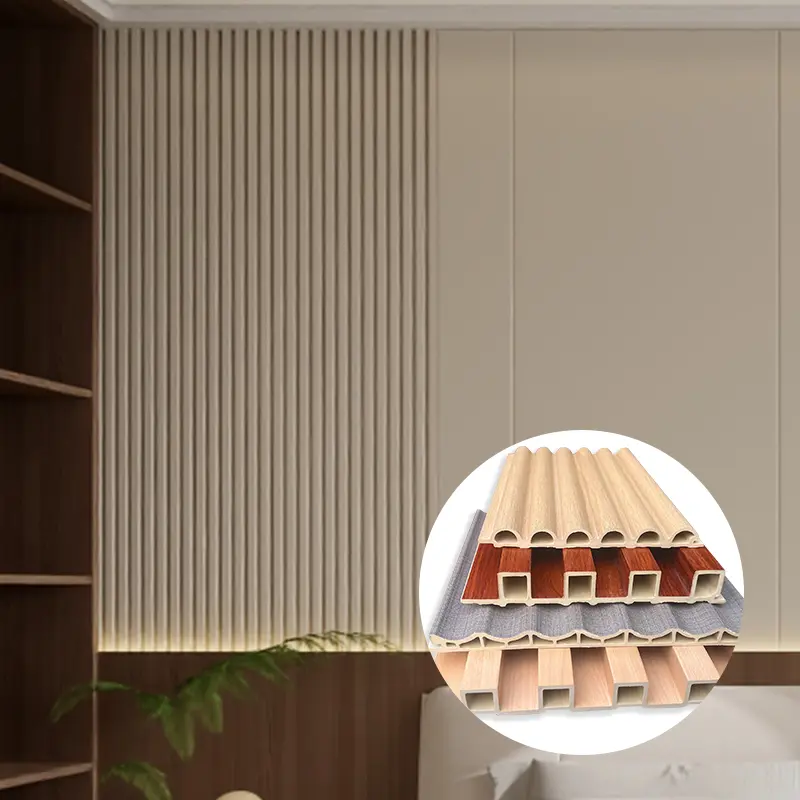
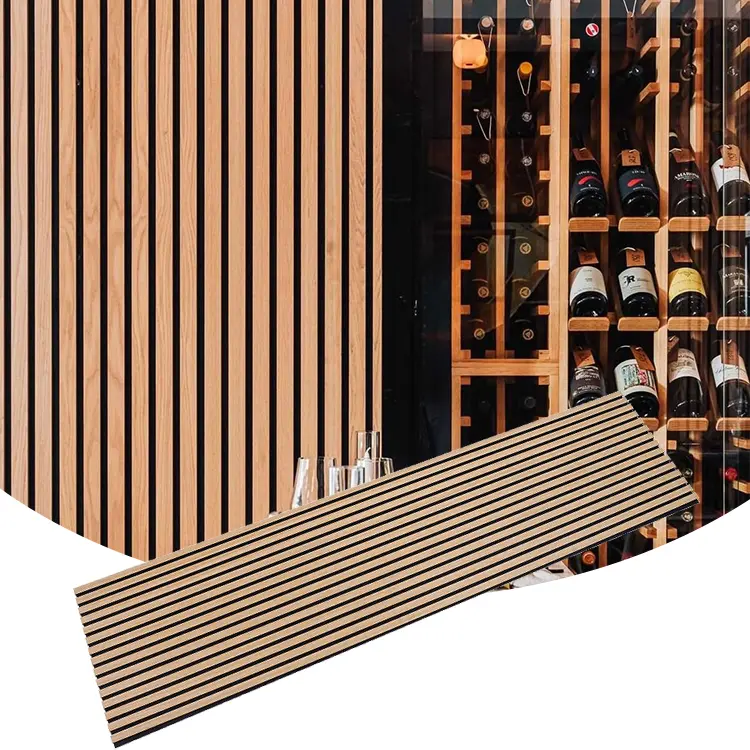
- Wood slat acoustic walls
- Fabric-covered Wall Panels
- Geometric acoustic installations
- Artistic wall patterns
These solutions allow sound control to complement interior design.
5. Common Areas Where Acoustic Panels Are Used
Hotel Lobbies
The lobby is often the busiest part of a hotel. Acoustic panels installed on feature walls or ceilings help prevent excessive noise from accumulating in this open space.
Guest Rooms
Panels can be placed behind beds, on decorative walls, or on ceilings to improve acoustic comfort and privacy.
Corridors
Hallways often amplify footsteps and conversations. Acoustic wall treatments help absorb these sounds and prevent them from spreading into guest rooms.
Restaurants and Bars
Panels installed on ceilings or walls reduce noise from crowds and tableware, improving communication between diners.
Conference Facilities
Meeting rooms benefit from acoustic panels that control reverberation and enhance speech clarity.
Wellness and Spa Areas
Quiet environments are essential in spas and relaxation areas. Acoustic treatments help maintain a calm atmosphere by isolating outside noise.
6. Materials Commonly Used in Hotel Acoustic Panels
Wood Slat Panels
Wood slat acoustic panels combine natural aesthetics with sound absorption. Their linear design fits well with modern architectural styles.
These panels are widely used in hotel lobbies, corridors, and reception areas.
Fabric Acoustic Panels
Fabric-wrapped panels are popular for meeting rooms and theaters. They offer excellent acoustic performance and are available in many colors and textures.
PET Felt Panels
Panels made from recycled polyester fibers are lightweight and environmentally friendly. They are easy to shape and install, making them suitable for creative interior designs.
Perforated Wood Panels
Perforated wood panels provide a classic appearance while allowing sound to pass through small holes into the absorptive core behind them.
These panels are often used in banquet halls and conference centers.
7. Choosing the Right Acoustic Panel Supplier
For hotel developers and contractors, selecting the right manufacturer is essential to ensure quality and reliability. Key considerations include the following aspects:
Experience and Expertise
Suppliers with years of experience in acoustic materials can provide technical support and reliable product performance.
Customization Capabilities
Hotels often require unique sizes, finishes, and colors. Manufacturers that offer customization can help architects achieve specific design goals.
Compliance and Certifications
Acoustic materials used in hospitality projects must meet safety and environmental standards, including fire resistance and low emissions.
Production Capacity
Large hotel projects require consistent product supply. Factories with advanced manufacturing facilities are better equipped to handle large orders.
8. Emerging Trends in Hotel Acoustic Design
As hotel architecture continues to evolve, acoustic solutions are becoming more innovative. The main emerging trends are as follows:
Sustainable Materials
Eco-friendly materials such as recycled PET fiber panels are gaining popularity as hotels pursue green building certifications.
Integrated Design Solutions
Acoustic panels are increasingly integrated with lighting systems and decorative elements, allowing them to function as both acoustic and visual features.
Modular Installation Systems
Prefabricated acoustic systems enable faster installation and easier maintenance during hotel renovations.
Acoustic comfort plays a vital role in shaping the guest experience. From peaceful guest rooms to lively but controlled public areas, proper sound management enhances both functionality and atmosphere.
Acoustic panels provide an efficient and visually appealing solution for improving hotel interiors. By reducing echoes, controlling noise levels, and enhancing speech clarity, these materials help create spaces that feel calm, comfortable, and refined.
For hotel developers, architects, and designers, investing in high-quality acoustic panels is an effective way to elevate both the performance and aesthetics of hospitality environments.