
Hotel Bathroom Renovation Strategies for 2026: Design, Technology, and Operational Value
Table of Contents
1. Introduction: The Strategic Role of Hotel Bathrooms in Modern Hospitality
2. Sustainability as a Foundation, Not an Upgrade
3. The Normalization of Smart and Contactless Bathrooms
4. Wellness-Driven Bathroom Experiences
5. Moving Away from Traditional Stone Materials
6. Modular Design and Efficient Space Planning
7. Regional Priorities in Bathroom Renovation
8. Evaluating Cost, Performance, and Long-Term Value
9. Conclusion: Bathroom Renovation as a Competitive Advantage
1. Introduction: The Strategic Role of Hotel Bathrooms in Modern Hospitality
By 2026, hotel bathrooms have become one of the most influential spaces shaping guest perception. What was once a purely functional area is now a key driver of comfort, hygiene confidence, and brand differentiation. For many guests, the bathroom experience directly affects online ratings, repeat bookings, and overall trust in a hotel brand.
This transformation is driven by several global forces: tighter environmental regulations, rising labor and maintenance costs, changing guest lifestyles, and the growing influence of wellness-oriented travel. At the same time, hotel owners are under pressure to renovate faster, control budgets more precisely, and minimize room downtime.
As a result, bathroom renovation strategies in 2026 focus less on visual impact alone and more on long-term performance, operational efficiency, and guest-centered design.
2. Sustainability as a Foundation, Not an Upgrade
Environmental responsibility is no longer positioned as an optional feature. In 2026, sustainability forms the baseline for hotel bathroom renovation decisions.
2.1 Water-Saving Systems Without Compromising Comfort
Modern hotels increasingly install advanced water-saving fixtures designed to balance efficiency with user comfort. These include optimized low-flow shower systems, pressure-regulating valves, and intelligent flushing mechanisms. Rather than simply reducing water output, these systems are engineered to maintain a consistent, satisfying experience for guests.
In many regions, hotels must now meet mandatory water consumption benchmarks tied to licensing, insurance, or green certification programs. As a result, water efficiency directly impacts a property’s regulatory compliance and operating costs.
2.2 Environmentally Responsible Surface Materials
Beyond plumbing, material selection plays a crucial role in sustainable renovation. In 2026, hotel bathrooms frequently use recyclable composite panels, low-emission finishes, and moisture-resistant surfaces that reduce the need for aggressive chemical cleaners. These choices lower environmental impact while also improving indoor air quality.
For international hotel brands, sustainable bathrooms support corporate ESG goals and appeal strongly to environmentally conscious travelers.
3. The Normalization of Smart and Contactless Bathrooms
What was once considered luxury technology has become standard practice in many renovated hotels.
3.1 Hygiene-Driven Contactless Design
Touchless interaction has reshaped bathroom design priorities. Motion-activated faucets, automatic flushing systems, and sensor-based lighting are now widely adopted. These features not only improve hygiene perception but also reduce wear and tear caused by frequent manual use.
From an operational standpoint, contactless systems help reduce maintenance calls and extend fixture lifespan.
3.2 Integrated Digital Control Systems
In newly renovated or repositioned hotels, bathroom systems are increasingly linked to centralized room controls. Guests can adjust lighting intensity, water temperature, and ventilation through intuitive interfaces or preset modes.
Regional differences still apply: North American and European hotels emphasize simplicity and reliability, while luxury properties in the Middle East often prioritize customization and premium digital experiences.
4. Wellness-Driven Bathroom Experiences
Wellness continues to influence hospitality design in 2026, and bathrooms are central to this trend.
4.1 Creating a Calming, Spa-Inspired Environment
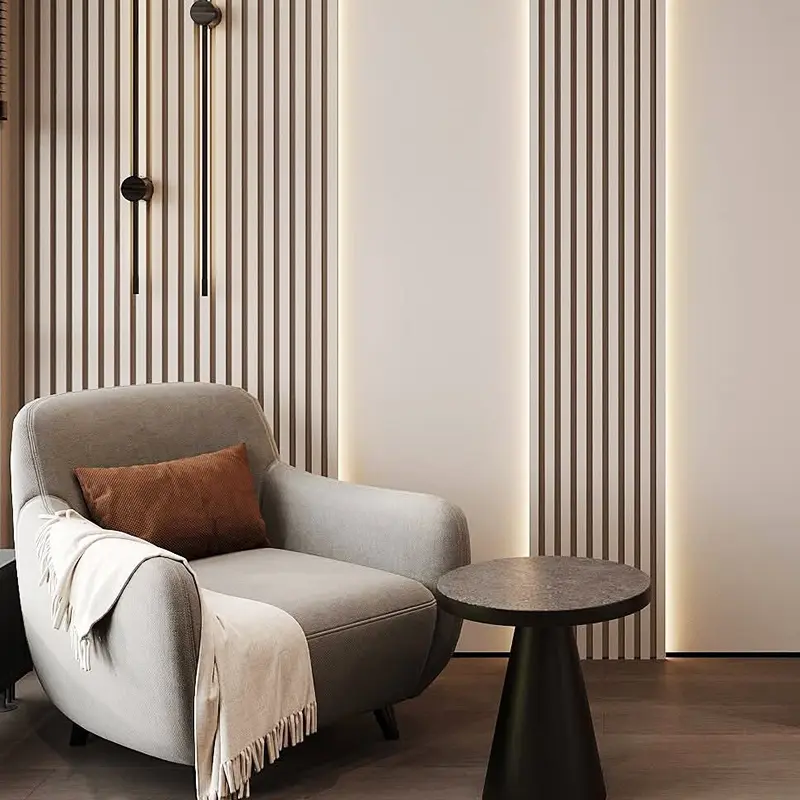
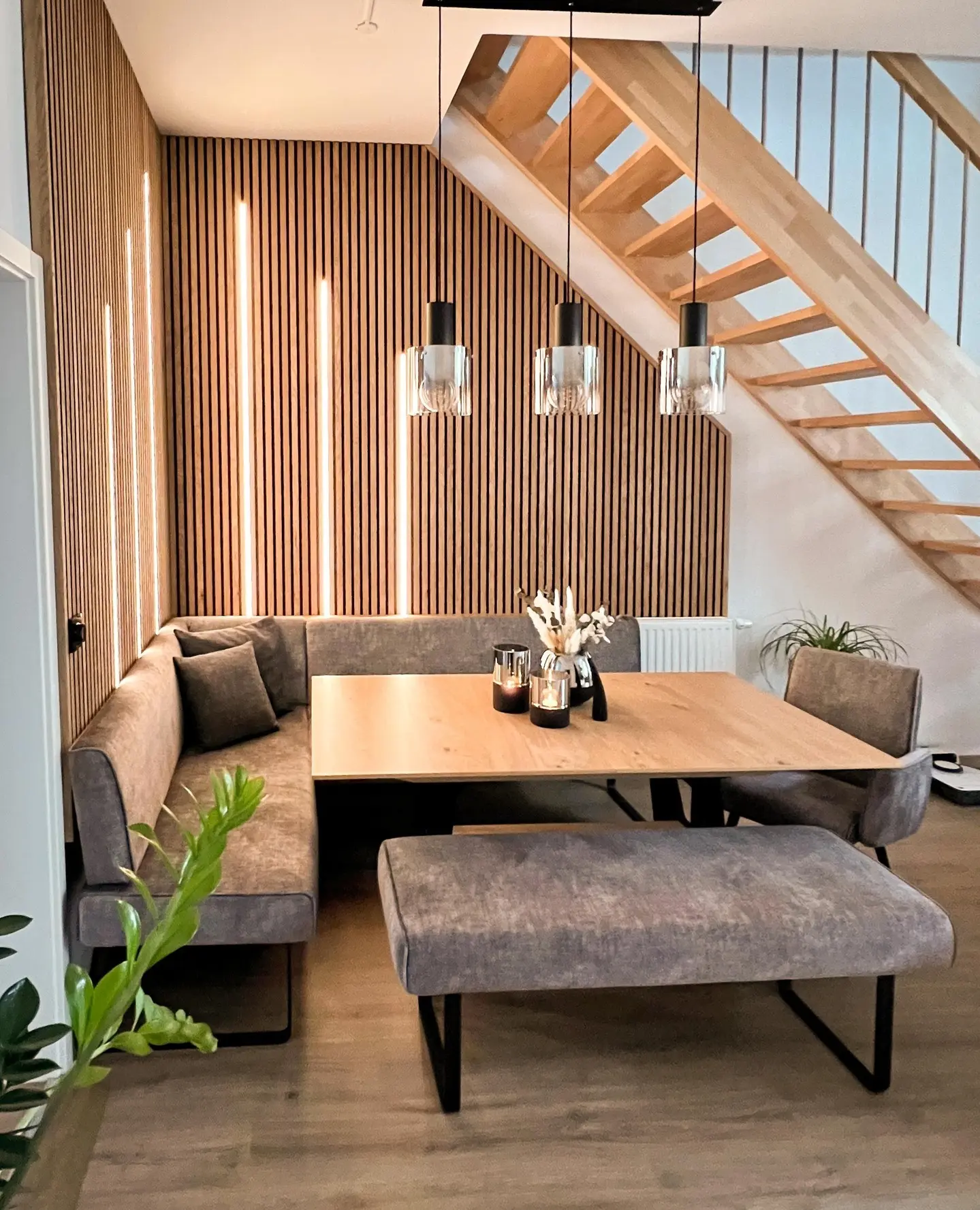
Renovated hotel bathrooms now favor clean lines, soft lighting, and neutral or nature-inspired color schemes. Walk-in showers, concealed drainage systems, and seamless wall finishes create a sense of openness and calm.
Rather than decorative excess, designers focus on reducing visual noise and enhancing comfort.
4.2 Acoustic and Air Quality Improvements
Hotels are paying greater attention to sound insulation and ventilation in bathroom spaces. Improved wall systems help minimize noise transfer between rooms, while advanced ventilation controls manage humidity more effectively. These features directly improve sleep quality and guest satisfaction, especially in urban and business hotels.
5. Moving Away from Traditional Stone Materials
Natural stone has long been associated with luxury, but by 2026 many hotels are re-evaluating its practicality.
5.1 Limitations of Natural Marble and Stone
While visually impressive, stone surfaces often require intensive maintenance, specialized installation, and ongoing sealing. They are also vulnerable to staining, cracking, and inconsistent appearance across rooms.
For large renovation projects, these drawbacks translate into higher lifecycle costs and longer renovation timelines.
5.2 Engineered Alternatives Gain Popularity
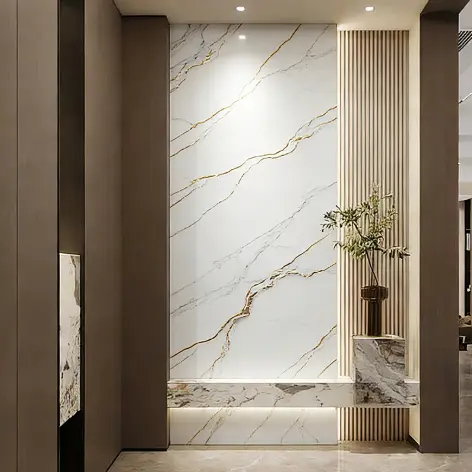
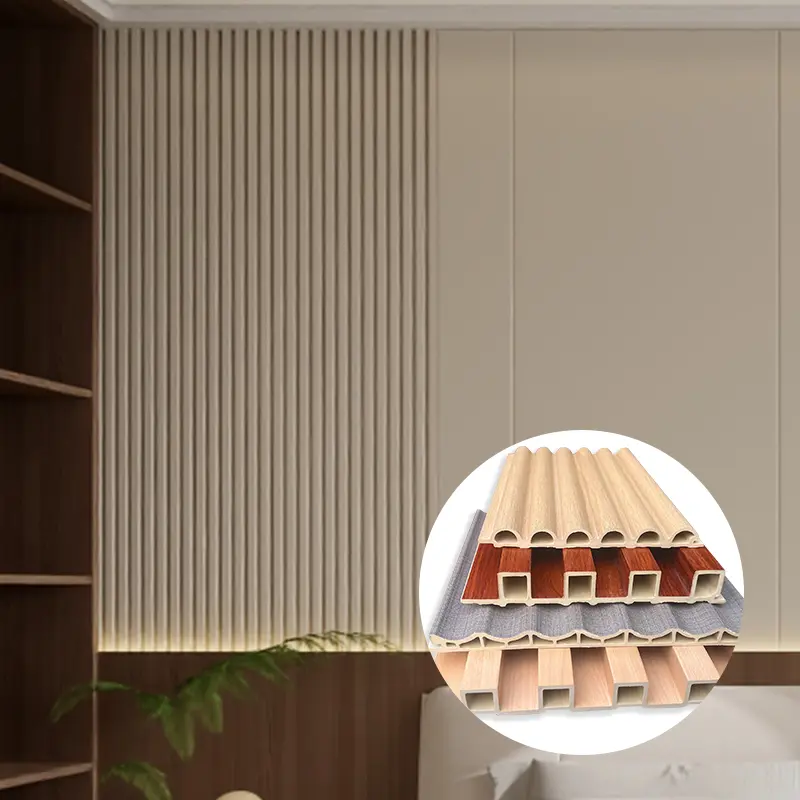
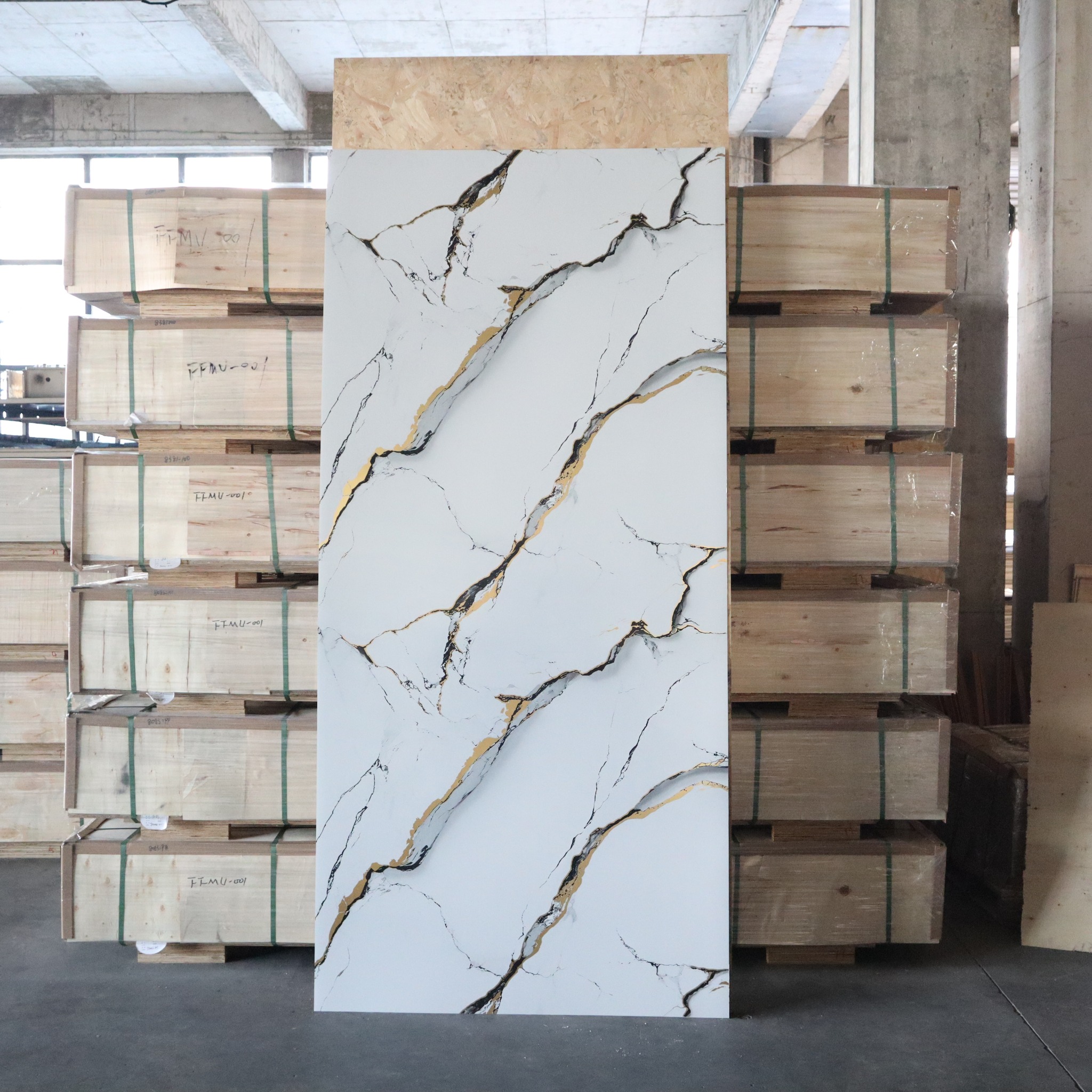
Hotels increasingly choose engineered panels, composite wall systems, and stone-look decorative surfaces. These materials offer consistent quality, faster installation, and superior resistance to moisture and impact. For operators managing hundreds of rooms, predictability and durability outweigh the symbolic value of traditional materials.
6. Modular Design and Efficient Space Planning
Speed and consistency are critical factors in hotel renovations, especially for chain properties.
6.1 Prefabricated and Modular Bathroom Solutions
In 2026, modular bathroom systems are widely adopted. Pre-assembled Wall Panels, integrated plumbing frameworks, and standardized layouts reduce on-site labor and shorten renovation schedules. This approach allows hotels to reopen rooms faster and maintain consistent quality across locations.
6.2 Compact Layout Optimization
Even in smaller spaces, modern layouts feel open and functional. Wall-mounted fixtures, recessed storage niches, and frameless glass partitions maximize usable space while maintaining a clean aesthetic.
7. Regional Priorities in Bathroom Renovation
Although trends are global, local preferences continue to shape renovation strategies.
- North America: Accessibility compliance, walk-in showers, and durable finishes dominate design decisions.
- Europe: Sustainability certifications, minimalist styling, and efficient spatial planning are key priorities.
- Middle East: Larger bathrooms, premium materials, and advanced smart systems reflect luxury market expectations.
- Asia-Pacific: Moisture resistance, cost efficiency, and space-saving design guide material and layout choices.
Understanding these regional differences is essential for suppliers and developers working across multiple markets.
8. Evaluating Cost, Performance, and Long-Term Value
Hotel owners in 2026 assess bathroom renovations through a lifecycle cost lens rather than initial investment alone.
Durable materials, reduced maintenance requirements, and shorter renovation downtime directly influence return on investment. Well-executed bathroom upgrades often lead to improved guest reviews, higher average daily rates, and stronger brand positioning.
9. Conclusion: Bathroom Renovation as a Competitive Advantage
In 2026, hotel bathroom renovation is no longer a routine upgrade—it is a strategic decision with long-term implications. Properties that balance sustainability, technology, durability, and guest comfort are better positioned to compete in an increasingly experience-driven hospitality market.