

Health, Sustainability, and Indoor Safety: Why WPC Wall Panels Are Gaining Trust Worldwide
Table of Contents
- Introduction: Interior Decoration Enters the Health-Conscious Era
- Understanding WPC Wall Panels: More Than Just a Decorative Surface
- Indoor Air Quality: A Core Advantage of WPC Wall Panels
- Formaldehyde-Free Structure and Long-Term Safety
- Moisture Resistance and Mold Prevention: An Overlooked Health Benefit
- Fire Safety and Material Stability
- Comparing WPC Wall Panels with Other Common Wall Materials
- Sustainability and Environmental Responsibility
- How to Identify High-Quality, Health-Safe WPC Wall Panels
- Conclusion: A Practical Choice for Health-Focused Interiors
1. Introduction: Interior Decoration Enters the Health-Conscious Era
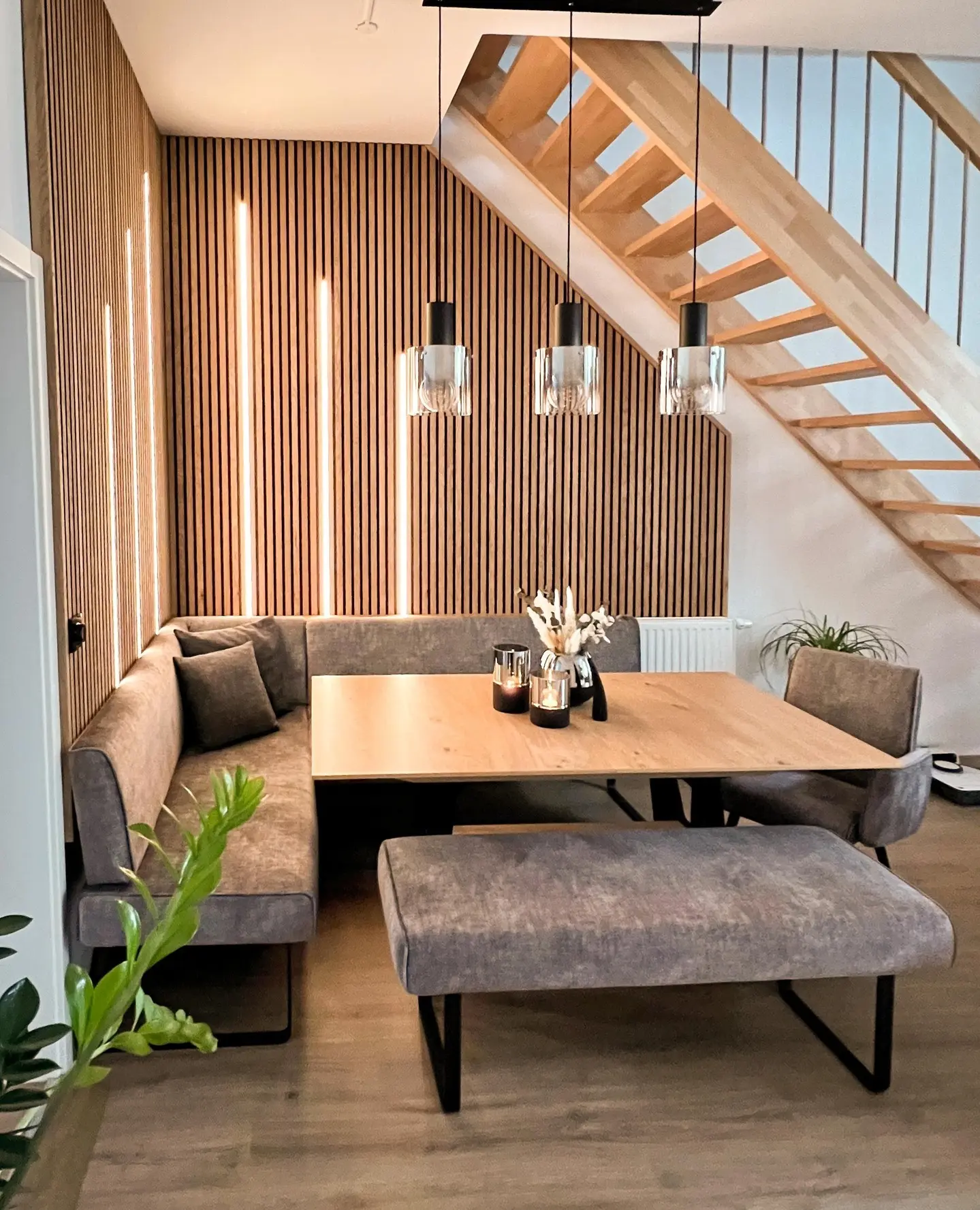
In recent years, interior decoration has shifted from purely aesthetic concerns to a more holistic focus on health, sustainability, and long-term safety. Homeowners, architects, and developers are paying closer attention to the materials used inside living spaces, especially those covering large surface areas such as walls.
Wall materials play a critical role in indoor air quality, humidity control, and overall comfort. Among the many modern alternatives available today, WPC wall panels have gradually gained recognition as a healthier and more environmentally responsible solution.
But what makes WPC Wall Panels stand out from a health perspective? Are they truly safer than traditional wall materials, or is their reputation exaggerated? This article explores the issue from multiple professional angles to help readers make informed decisions.
2. Understanding WPC Wall Panels: More Than Just a Decorative Surface
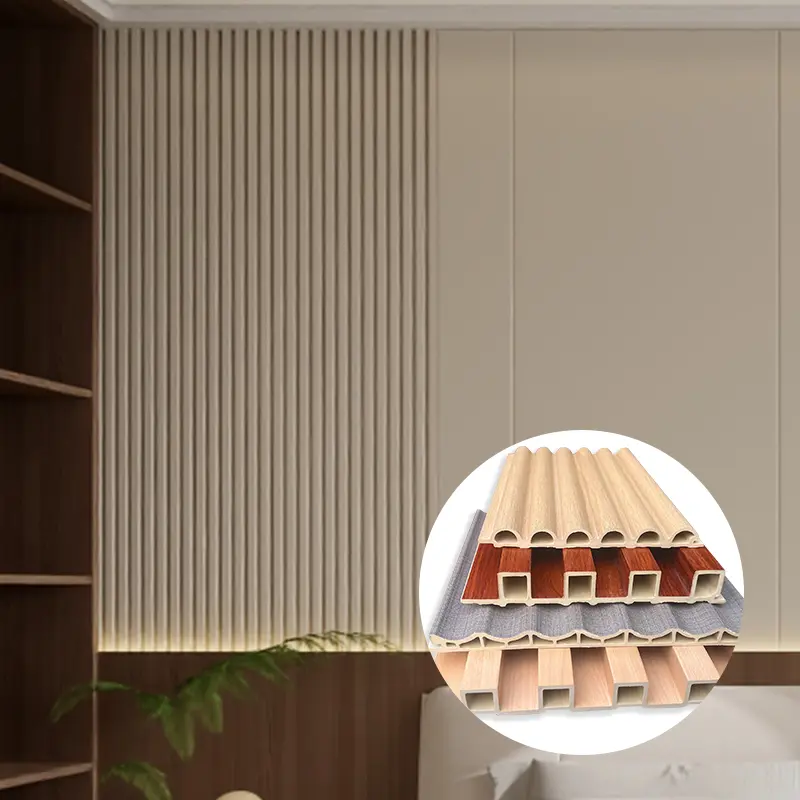
WPC, short for Wood Plastic Composite, is a hybrid material developed to combine the strengths of natural wood and plastic polymers. Unlike traditional wood-based panels that rely heavily on chemical adhesives, WPC wall panels are produced through a controlled extrusion process.
Their typical composition includes:
- Finely processed wood fiber or plant fiber
- Thermoplastic materials such as polyethylene or polypropylene
- Stabilizers and performance-enhancing additives
This structure allows WPC wall panels to achieve mechanical strength, dimensional stability, and resistance to moisture without the need for toxic bonding agents.
From a material science standpoint, the way WPC panels are formed significantly reduces the likelihood of harmful chemical emissions over time.
3. Indoor Air Quality: A Core Advantage of WPC Wall Panels
Indoor air pollution is now recognized as a serious health risk. Many traditional wall materials release gases that are invisible but harmful, especially in enclosed environments.
Reduced VOC Emissions
Volatile organic compounds (VOCs) are commonly released by:
- Paints
- Glues
- Engineered wood boards
- Laminated wall products
High-quality WPC wall panels are engineered to minimize VOC emissions. Since the material does not depend on solvent-based adhesives, it produces little to no ongoing chemical release, even after years of installation.
This makes WPC panels particularly suitable for:
- Residential living rooms and bedrooms
- Children’s rooms and nurseries
- Schools, hospitals, and care facilities
4. Formaldehyde-Free Structure and Long-Term Safety
Formaldehyde remains one of the most controversial substances in interior construction. It is widely used in plywood, MDF, and particle board manufacturing due to its bonding efficiency and low cost.
However, prolonged exposure to formaldehyde may cause:
- Eye and throat irritation
- Respiratory issues
- Increased health risks with long-term exposure
Well-manufactured WPC wall panels do not require formaldehyde-based adhesives. Their structure relies on physical fusion rather than chemical bonding, which significantly lowers potential health hazards.
This structural difference explains why WPC panels are often chosen for environments with strict indoor safety requirements.
5. Moisture Resistance and Mold Prevention: An Overlooked Health Benefit
Humidity is a hidden enemy in many homes. Moisture trapped behind wall surfaces can lead to mold growth, which poses serious health risks.
WPC wall panels offer several advantages in this area:
- Low water absorption rate
- Resistance to swelling and deformation
- Smooth, non-porous surface that discourages mold spores
In regions with high humidity or frequent rainfall, WPC wall panels help maintain a cleaner and healthier interior environment by preventing the conditions mold needs to thrive.
6. Fire Safety and Material Stability
Fire behavior is another important safety consideration for interior materials. Some plastic-based panels can release dense smoke or toxic gases when exposed to high temperatures.
Compared with low-grade plastic panels, WPC wall panels:
- Have more stable thermal behavior
- Do not melt or drip as easily
- Generate fewer toxic byproducts during combustion
While fire safety standards vary by region, WPC wall panels generally meet the requirements for interior decorative use and offer improved performance over many conventional plastic wall coverings.
7. Comparing WPC Wall Panels with Other Common Wall Materials
WPC Wall Panels vs Painted Walls
Painted walls often require:
- Multiple layers of coatings
- Regular repainting
- Extended ventilation periods
Many paints continue to release VOCs long after application. WPC wall panels eliminate the need for paint altogether, reducing chemical exposure and maintenance frequency.
WPC Wall Panels vs Engineered Wood Panels
Engineered wood products such as MDF and plywood are cost-effective but often rely on adhesives that emit harmful substances.
From a health and durability standpoint, WPC wall panels provide:
- Lower emissions
- Better moisture resistance
- Longer service life
WPC Wall Panels vs PVC Panels
PVC wall panels are popular for their waterproof properties but may contain plasticizers that raise health concerns over long-term exposure. Additionally, PVC tends to perform poorly in fire scenarios.
WPC panels balance plastic durability with improved environmental performance.
WPC Wall Panels vs Ceramic Tiles
Tiles are chemically stable but less comfortable for residential living spaces. Their cold surface and complex installation process make them less appealing for bedrooms or family areas.
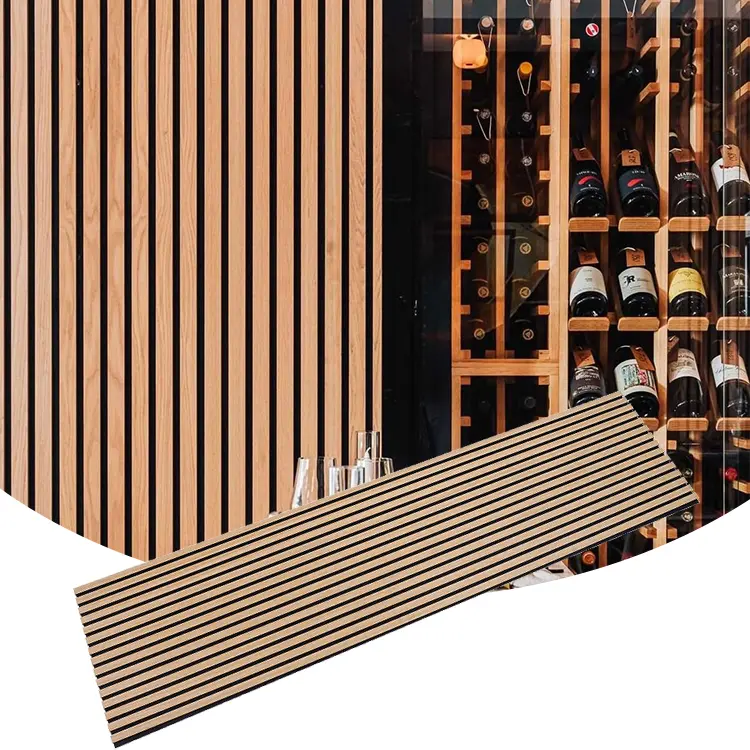
WPC panels provide warmth, acoustic comfort, and easier installation while maintaining safety.
8. Sustainability and Environmental Responsibility
Beyond health concerns, sustainability has become a decisive factor in material selection.
WPC wall panels support sustainable building practices by:
- Utilizing recycled plastic materials
- Reducing dependence on natural timber
- Offering long service life and recyclability
By diverting plastic waste from landfills and reducing wood consumption, WPC products contribute to a more circular construction economy.
9. How to Identify High-Quality, Health-Safe WPC Wall Panels
Despite their general advantages, not all WPC wall panels on the market meet the same standards. Buyers should evaluate the following factors carefully:
Manufacturing Standards
Products made under strict quality control systems are more likely to maintain stable composition and low emissions.
Certification and Testing
Look for panels tested according to recognized standards related to emissions, fire performance, and material safety.
Installation Method
Mechanical installation systems reduce reliance on adhesives, further minimizing indoor chemical exposure.
Long-Term Performance
Panels that resist fading, warping, and cracking help avoid future renovations and secondary pollution.
10. Conclusion: A Practical Choice for Health-Focused Interiors
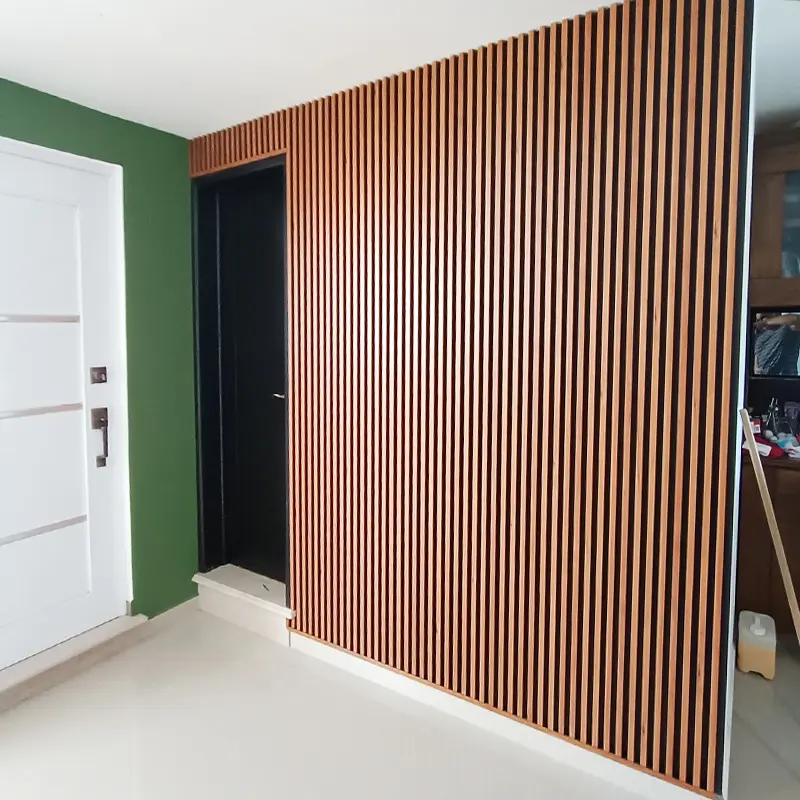
WPC wall panels have emerged as a reliable interior wall solution for those prioritizing health, safety, and sustainability. Their material structure minimizes chemical emissions, resists moisture-related problems, and offers stable performance over time.
When selected from reputable manufacturers and installed correctly, WPC wall panels provide a balanced solution that meets modern expectations for indoor living. As awareness of indoor environmental quality continues to grow, WPC wall panels are likely to remain a trusted option for healthier interior spaces.