

Global Market Outlook for Bamboo Charcoal Wood Veneer in 2026: Pricing, Supply Chain and Industry Trends
1. Introduction
Over the last decade, bamboo-based construction materials have moved from niche eco-products to mainstream options for architects, furniture manufacturers, and interior designers. Among these materials, bamboo charcoal wood veneer has attracted growing attention thanks to its combination of sustainability, durability, and functional benefits.
As construction industries continue to prioritize environmentally responsible materials, bamboo charcoal veneer is increasingly specified for both residential and commercial projects. With expanding demand, buyers across the world are closely monitoring price movements.
This report examines how the bamboo charcoal wood veneer market is evolving in 2026. It reviews historical price behavior, analyzes the main cost drivers, compares regional pricing structures, and offers practical guidance for companies sourcing this material.
Whether you are a furniture exporter, interior design firm, building contractor, or materials distributor, understanding these market dynamics can help you make more informed purchasing decisions.
2. Understanding Bamboo Charcoal Wood Veneer
Bamboo charcoal wood veneer is a decorative surface material created from thin sheets of engineered bamboo that incorporate charcoal-treated fibers or layers. The charcoal component provides several practical advantages beyond appearance.
Key characteristics include:
- Improved humidity regulation
- Natural odor absorption
- Resistance to bacteria and mold
- Unique wood-grain textures
- Compatibility with eco-friendly construction standards
Because bamboo grows much faster than traditional hardwood trees, it is widely regarded as a renewable resource. When combined with charcoal processing technology, the resulting veneer can serve both aesthetic and functional roles in modern buildings.
Common applications include:
- Cabinet and furniture surfaces
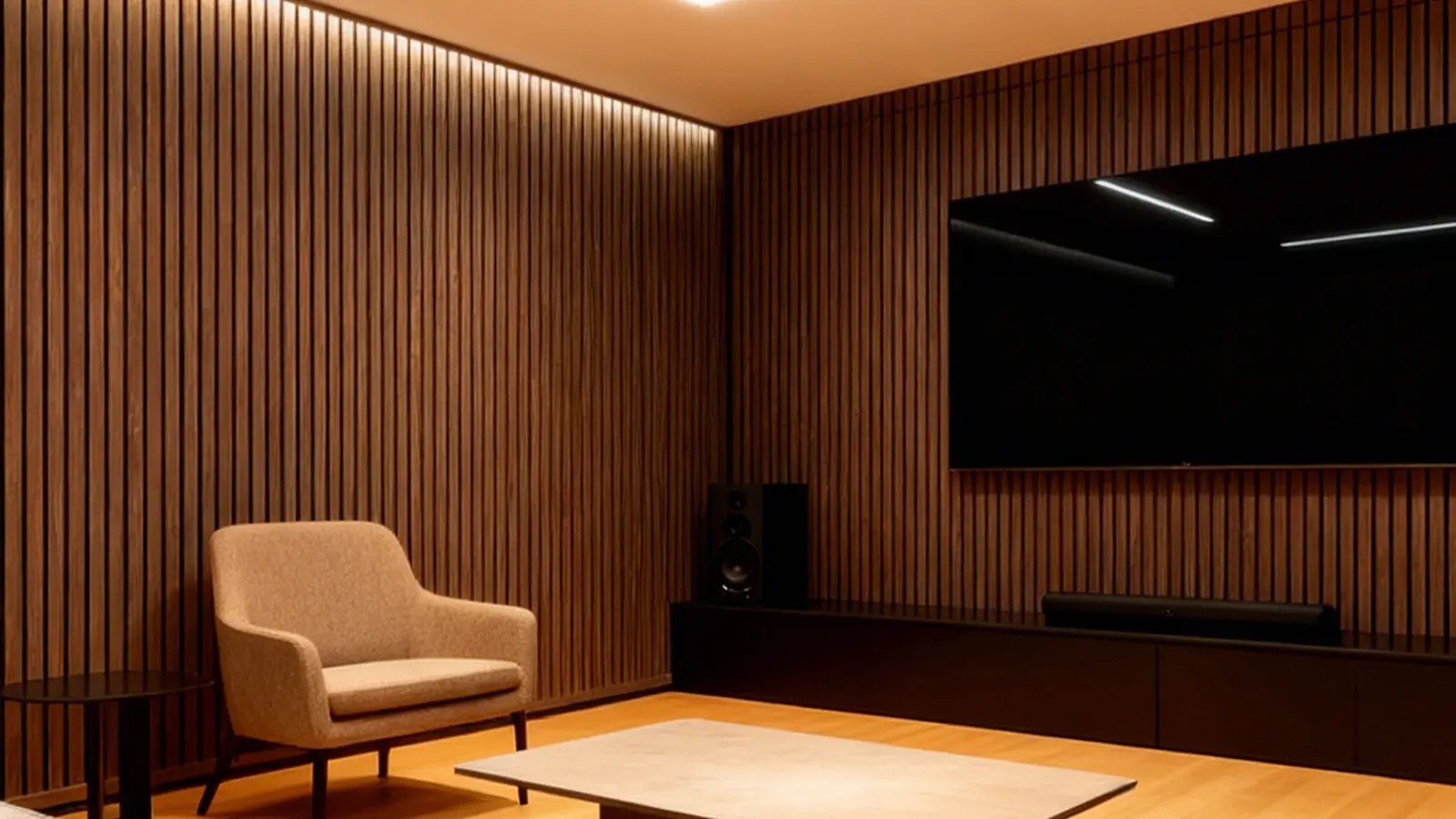
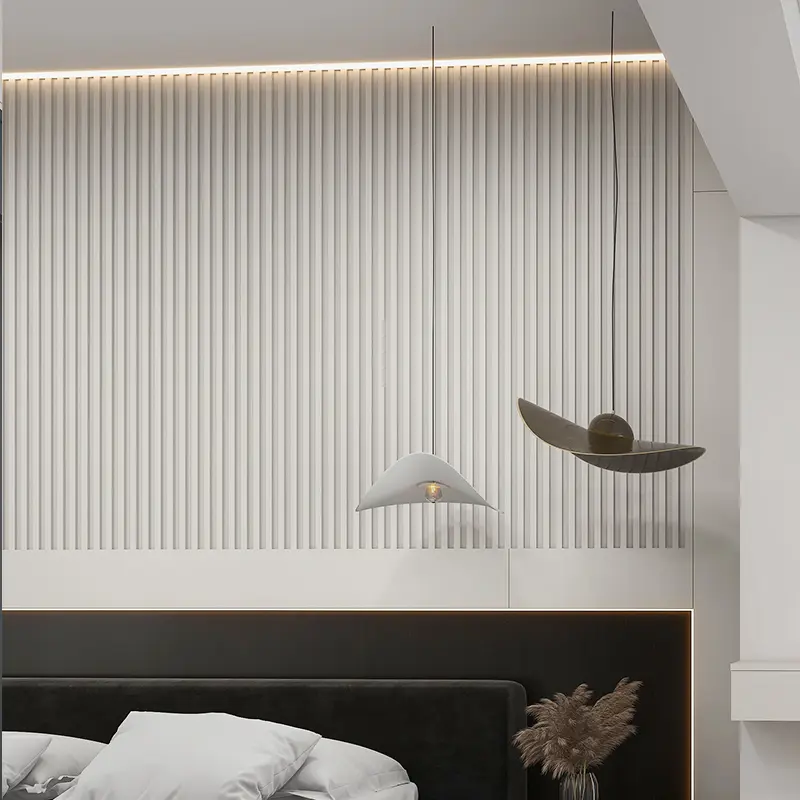
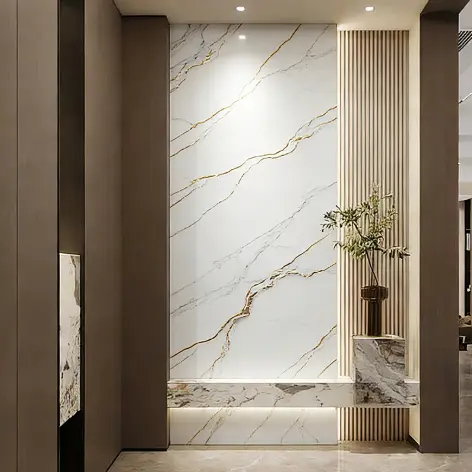
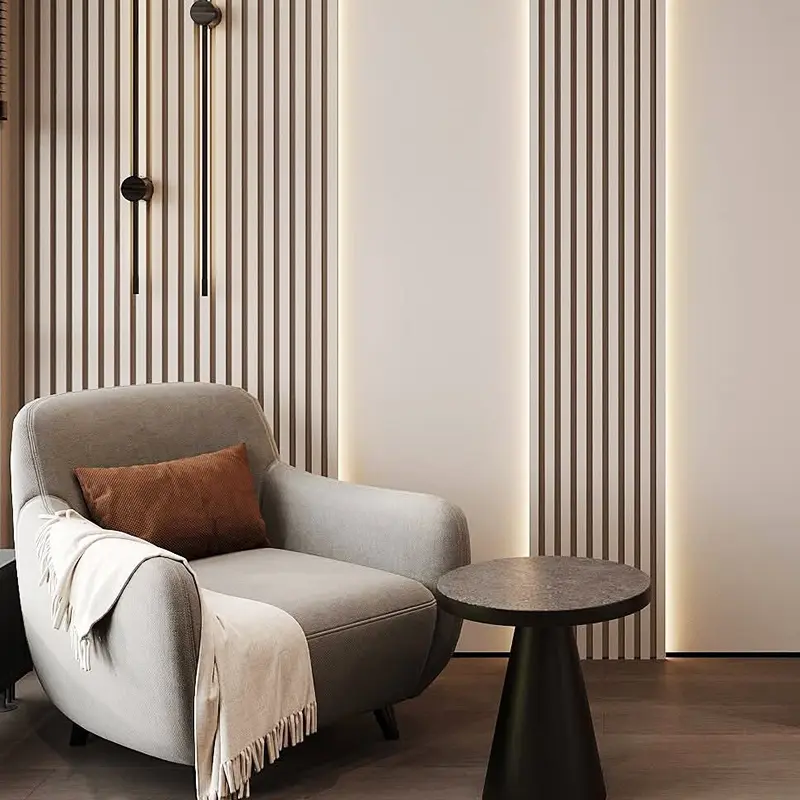
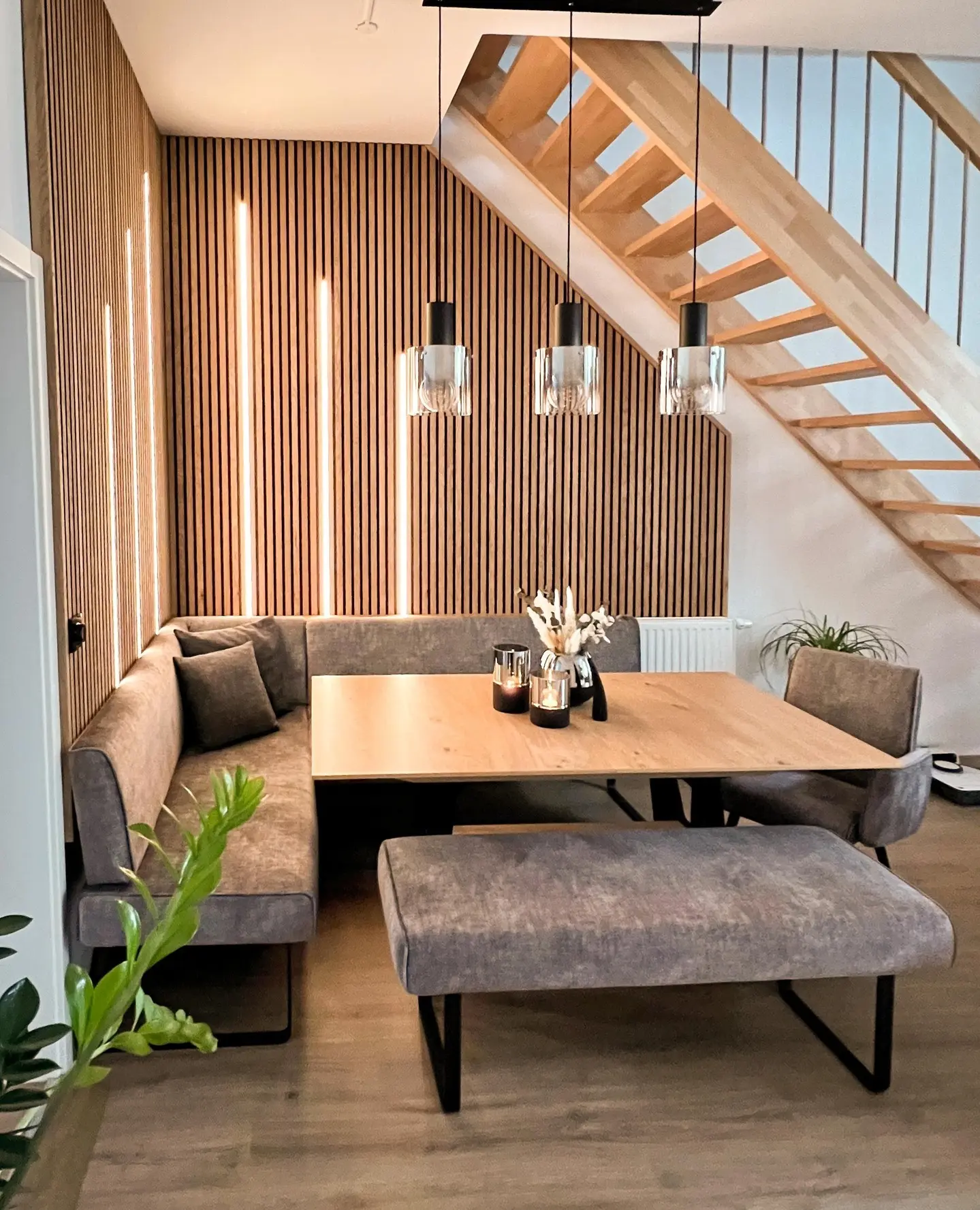
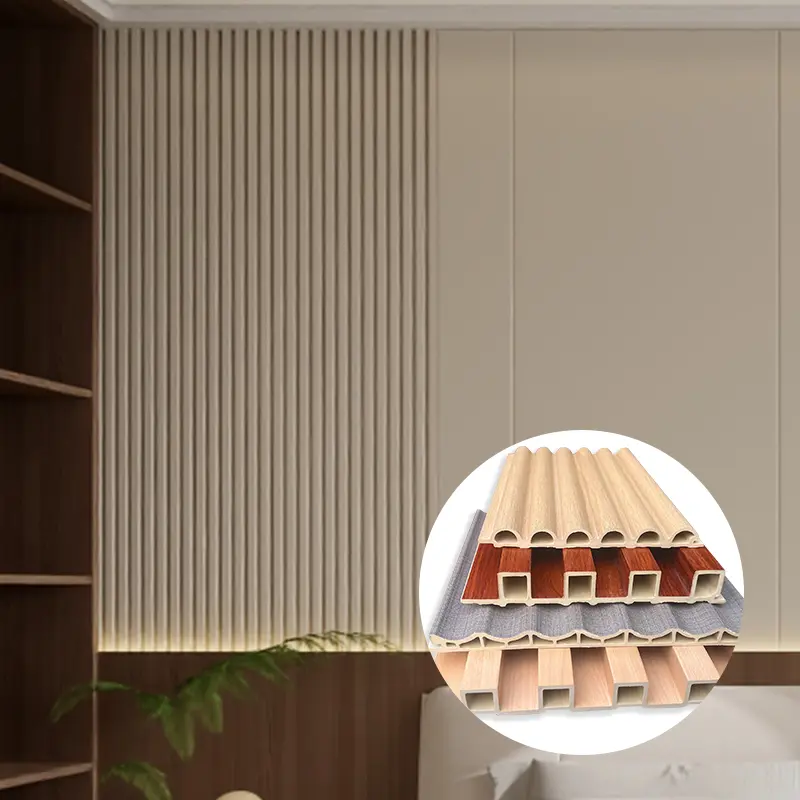
- Interior Wall Panels
- Ceiling decoration systems
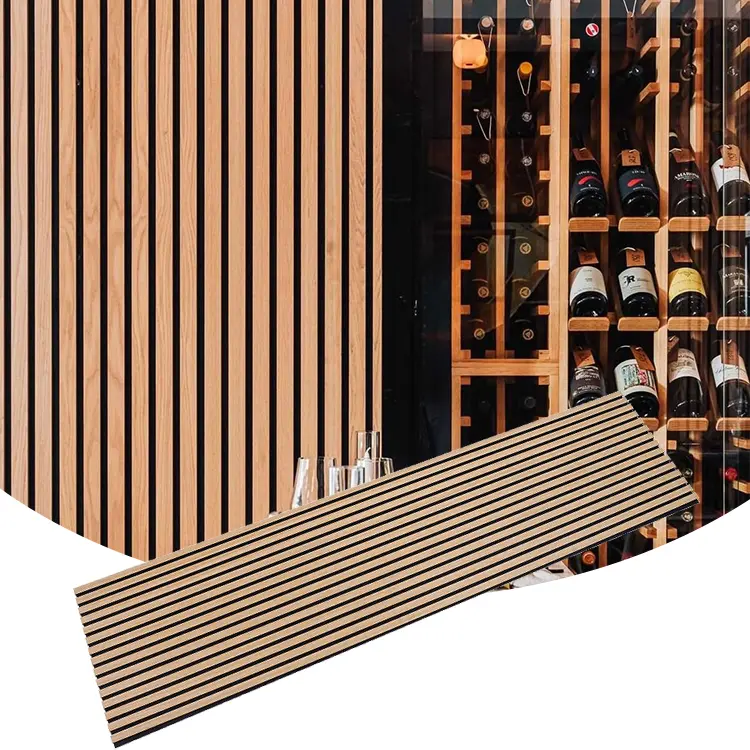
- Decorative acoustic boards
- Flooring surface layers
- Retail and hospitality interiors
Architects frequently specify bamboo charcoal veneer for projects targeting sustainable building certifications or low-emission interior environments.
3. Price Movement From 2018 to 2025
Analyzing historical data helps explain how current market prices developed.
2018–2019: Early Market Development
During this period, bamboo charcoal veneer remained a relatively specialized material used primarily in eco-focused design projects. Manufacturing capacity was limited and most production was concentrated in East Asia.
Average prices for standard panels generally ranged between 6.00 per square foot. Demand was stable but still modest compared with traditional wood veneer.
2020–2021: Supply Chain Disruption
The global pandemic dramatically affected supply chains across the Building Materials sector. Lockdowns, transportation bottlenecks, and factory closures created shortages in many raw materials.
As a result, the cost of bamboo veneer production rose significantly. Freight rates also surged during this period.
Market prices increased to roughly 8.00 per square foot, depending on grade and order size.
2022–2023: Regulatory Changes and Market Adjustment
As the world economy reopened, production gradually recovered. However, stricter environmental policies in major bamboo-producing countries increased manufacturing costs.
Governments introduced tighter regulations on emissions, waste management, and forestry practices. Although these policies improved sustainability standards, they also required additional investment from producers.
Typical market prices stabilized around 9.50 per square foot for mid-grade materials.
2024: Growing Interest in Green Interiors
The construction sector increasingly embraced eco-friendly interior materials. Demand from hotels, office projects, and residential developers expanded significantly.
At the same time, more manufacturers entered the bamboo veneer industry, creating wider variations in product quality.
Prices varied broadly between 10.20 per square foot, depending on specifications.
2025: Expansion in International Markets
By 2025, bamboo charcoal veneer had become more widely recognized in North American and European design communities. High-end furniture brands began using the material in premium product lines.
The market developed clear price tiers:
- Economy: 7.50
- Standard: 9.00
- Premium: 12.00
This pricing structure continues to influence market expectations for 2026.
4. Key Drivers Shaping Prices in 2026
Several important factors influence how bamboo charcoal wood veneer is priced in the current year.
Raw Material Supply
The cost of bamboo cultivation directly impacts production expenses. Although bamboo grows rapidly, maintaining sustainable plantations requires careful management.
Transportation from bamboo forests to processing facilities also contributes to overall cost.
Carbonization Processing
Creating bamboo charcoal involves controlled heating processes that require energy-intensive equipment. Electricity or fuel prices can therefore significantly affect manufacturing expenses.
Labor and Manufacturing Technology
Producing high-quality veneer requires skilled workers and precision machinery. Facilities with advanced equipment can achieve better efficiency, but the initial investment in technology may raise product prices.
Environmental Compliance
Manufacturers must increasingly meet strict environmental standards, particularly in regions with strong regulatory oversight.
Waste treatment systems, emissions controls, and certification processes all contribute to production costs.
International Demand
Global interest in sustainable building materials continues to grow. When demand rises faster than supply, prices tend to increase accordingly.
Major demand centers currently include:
- United States
- Western Europe
- Japan
- Middle East construction markets
Logistics and Shipping Costs
Because most bamboo charcoal veneer is exported internationally, transportation costs play a significant role in final pricing.
Ocean freight remains the most economical shipping option for large orders, but fluctuations in fuel prices can affect overall costs.
5. Regional Pricing Comparison
The global market for bamboo charcoal wood veneer shows clear geographic price differences.
Asia-Pacific
Asia remains the primary production center for bamboo veneer products. Countries such as China, Vietnam, and Indonesia account for the majority of global supply.
Local market prices are typically lower due to proximity to bamboo resources and established manufacturing infrastructure.
Typical price levels:
- Standard grade: 8.50 per square foot
- Premium grade: 10.50 per square foot
However, wages and regulatory costs in some production regions have increased over the past several years.
North America
Most bamboo charcoal veneer used in the United States and Canada is imported from Asian manufacturers.
After factoring in transportation costs, import duties, and distributor margins, prices tend to be higher than in producing regions.
Average market prices:
- Standard grade: 10.50 per square foot
- Premium grade: 13.00 per square foot
Large distributors often maintain warehouse inventories to reduce delivery times for customers.
Europe
European markets often require additional compliance checks related to environmental and safety standards.
Certification requirements and quality inspections add to overall landed costs.
Typical pricing:
- Standard grade: 11.00 per square foot
- Premium grade: 14.00 per square foot
Despite higher prices, demand remains strong due to the region’s emphasis on sustainable design.
6. 2026 Market Price Forecast
Based on current supply conditions and demand projections, analysts expect relatively stable pricing for bamboo charcoal wood veneer throughout 2026.
Estimated price ranges:
- Economy grade: 8.50 per square foot
- Standard grade: 10.50 per square foot
- Premium grade: 14.00 per square foot
Moderate price increases are possible for certified products with enhanced environmental credentials.
Growth Drivers
Several trends support continued demand:
- Increased adoption of green building practices
- Expanding eco-furniture market
- Higher awareness of indoor air quality
- Growing hospitality and retail design projects
Factors That May Stabilize Prices
On the other hand, some developments may prevent excessive price growth:
- New manufacturing facilities entering the market
- Improvements in bamboo processing technology
- More efficient shipping networks
7. Strategies for Buyers in 2026
Businesses sourcing bamboo charcoal wood veneer can manage costs by adopting several practical strategies.
Establish Long-Term Supplier Relationships
Working with trusted suppliers helps ensure consistent quality and stable pricing. Long-term agreements may also provide priority access during periods of high demand.
Purchase in Bulk
Large orders typically receive better unit pricing and lower shipping costs per unit.
Evaluate Supplier Certifications
Checking sustainability certifications helps verify product quality and environmental standards. Although certified materials may cost more initially, they can provide long-term value.
Compare Multiple Production Regions
Sourcing from different manufacturing hubs can reveal price and quality differences. Diversifying supply also reduces risk.
Consider Total Landed Cost
Buyers should evaluate not only factory prices but also freight charges, customs duties, and handling fees.
8. Sustainability and Market Value
Environmental responsibility is increasingly influencing purchasing decisions across the construction industry.
Products with recognized certifications—such as responsibly managed forestry standards or carbon reduction programs—often command higher prices.
However, these materials can provide additional benefits:
- Improved brand reputation
- Compliance with green building programs
- Reduced environmental impact
As sustainable design continues to gain popularity, bamboo charcoal wood veneer is likely to remain an attractive option for environmentally conscious projects.
9. Conclusion
The bamboo charcoal wood veneer market has evolved rapidly over the past decade, transforming from a niche eco-product into a widely used architectural material.
In 2026, prices reflect a combination of production costs, environmental regulations, and strong international demand. While moderate price increases are expected, expanding manufacturing capacity may help maintain overall market stability.
Companies planning to source bamboo charcoal veneer should carefully evaluate supplier quality, logistics options, and certification requirements. With the right purchasing strategy, businesses can secure reliable supply while controlling costs.