

From Noise Control to Interior Design: The Growing Role of Acoustic Wall Panels
The Changing Relationship Between Architecture and Sound
Over the past decade, architectural priorities have shifted dramatically. Open-plan offices, mixed-use developments, minimalist interiors, and glass-heavy structures have become the global norm. While these design trends emphasize light, flexibility, and visual openness, they also introduce a less visible challenge—sound management.
Hard surfaces reflect sound efficiently. As a result, many modern interiors suffer from excessive reverberation, speech distortion, and ambient noise accumulation. What was once considered a technical issue for recording studios has now become a mainstream concern across workplaces, homes, hospitality venues, and educational buildings.
Acoustic wall panels have emerged as one of the most practical responses to this challenge. No longer hidden behind walls or ceilings, they are increasingly treated as intentional design elements that balance visual aesthetics with acoustic performance.
Acoustic Comfort as a Core Design Requirement
Sound quality directly affects how people experience a space. In offices, poor acoustics lead to reduced concentration and increased cognitive fatigue. In homes, uncontrolled noise disrupts privacy and relaxation. In commercial spaces, excessive background noise can shorten customer dwell time and negatively impact brand perception.
As awareness of these effects grows, acoustic comfort is being recognized as a fundamental design requirement rather than an optional upgrade. Acoustic wall panels offer a scalable solution that can be adapted to different room sizes, functions, and budgets without major structural changes.
This shift reflects a broader movement in interior design—one that prioritizes human experience alongside visual impact.
How Acoustic Wall Panels Work in Real Environments
Acoustic wall panels are designed to absorb airborne sound energy before it reflects repeatedly within a room. Their effectiveness depends on several interrelated factors, including material composition, thickness, surface structure, and installation method.
Most panels feature porous or fibrous cores that allow sound waves to enter the material. Once inside, the energy is dissipated rather than reflected back into the space. This process reduces echo, improves speech intelligibility, and creates a more balanced acoustic environment.
Unlike soundproofing systems, which aim to block sound transmission between spaces, acoustic wall panels focus on controlling sound behavior within a room. This makes them particularly suitable for interior environments where clarity and comfort are the primary goals.
Why Acoustic Panels Are Moving Beyond Technical Spaces
For many years, acoustic treatment was associated almost exclusively with recording studios and performance halls. Today, the application scope has expanded significantly.
Several factors are driving this change:
- The rise of open and collaborative workplaces
- Increased remote work and home-based offices
- Growth in content creation, podcasting, and streaming
- Higher expectations for hospitality and retail environments
- Stronger emphasis on wellness and sensory comfort
As a result, acoustic wall panels are now specified in projects where they would have been considered unnecessary just a few years ago.
Materials Commonly Used in Acoustic Wall Panels
Textile and Fabric Acoustic Panels
Fabric-covered acoustic panels typically consist of a sound-absorbing core—such as mineral wool or fiberglass—wrapped in acoustically transparent fabric. They offer high absorption performance and design flexibility, making them popular in offices, meeting rooms, and public buildings.
Their ability to blend seamlessly into corporate interiors or match brand color schemes contributes to their widespread adoption.
Wood-Based Acoustic Systems
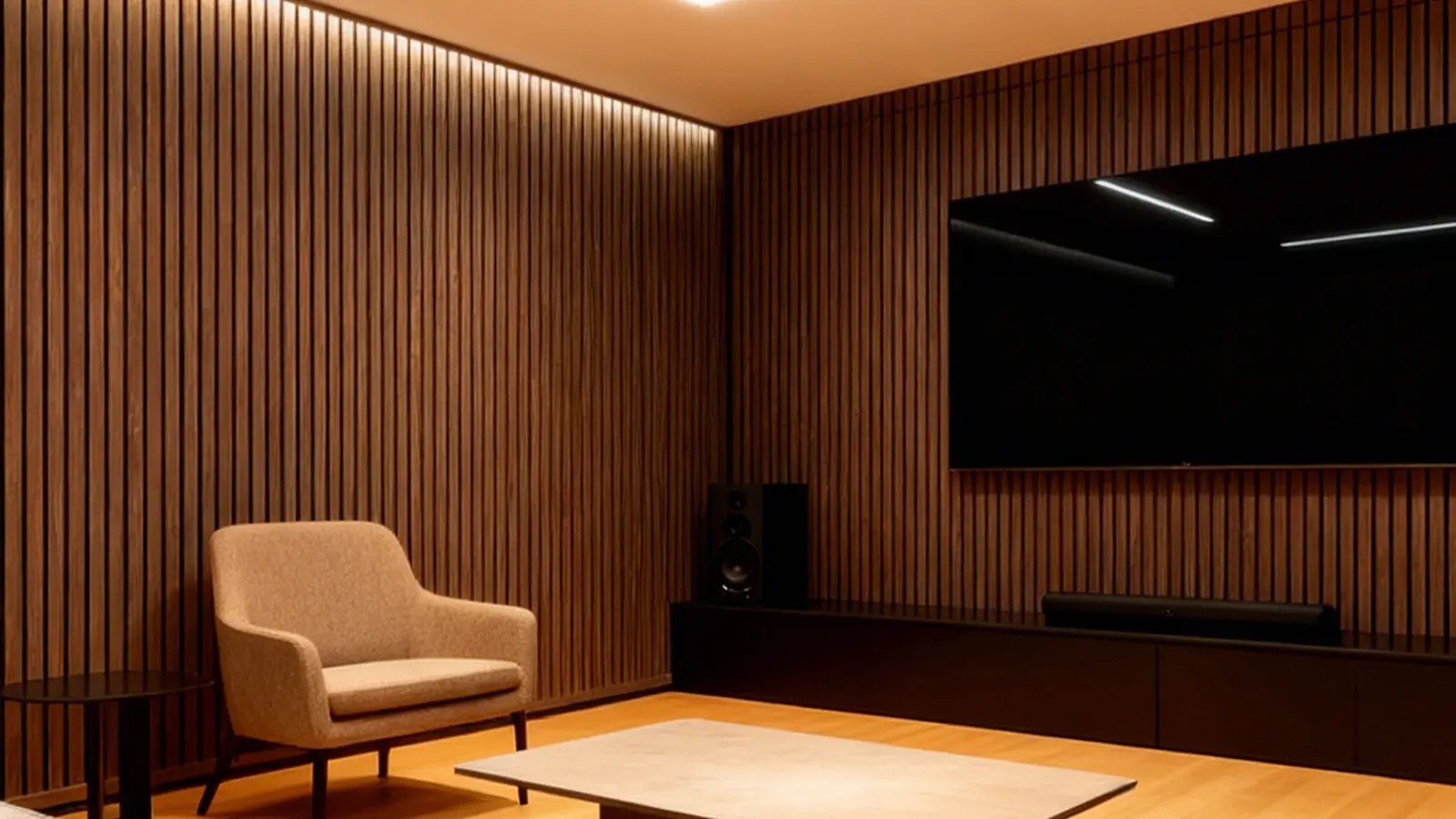
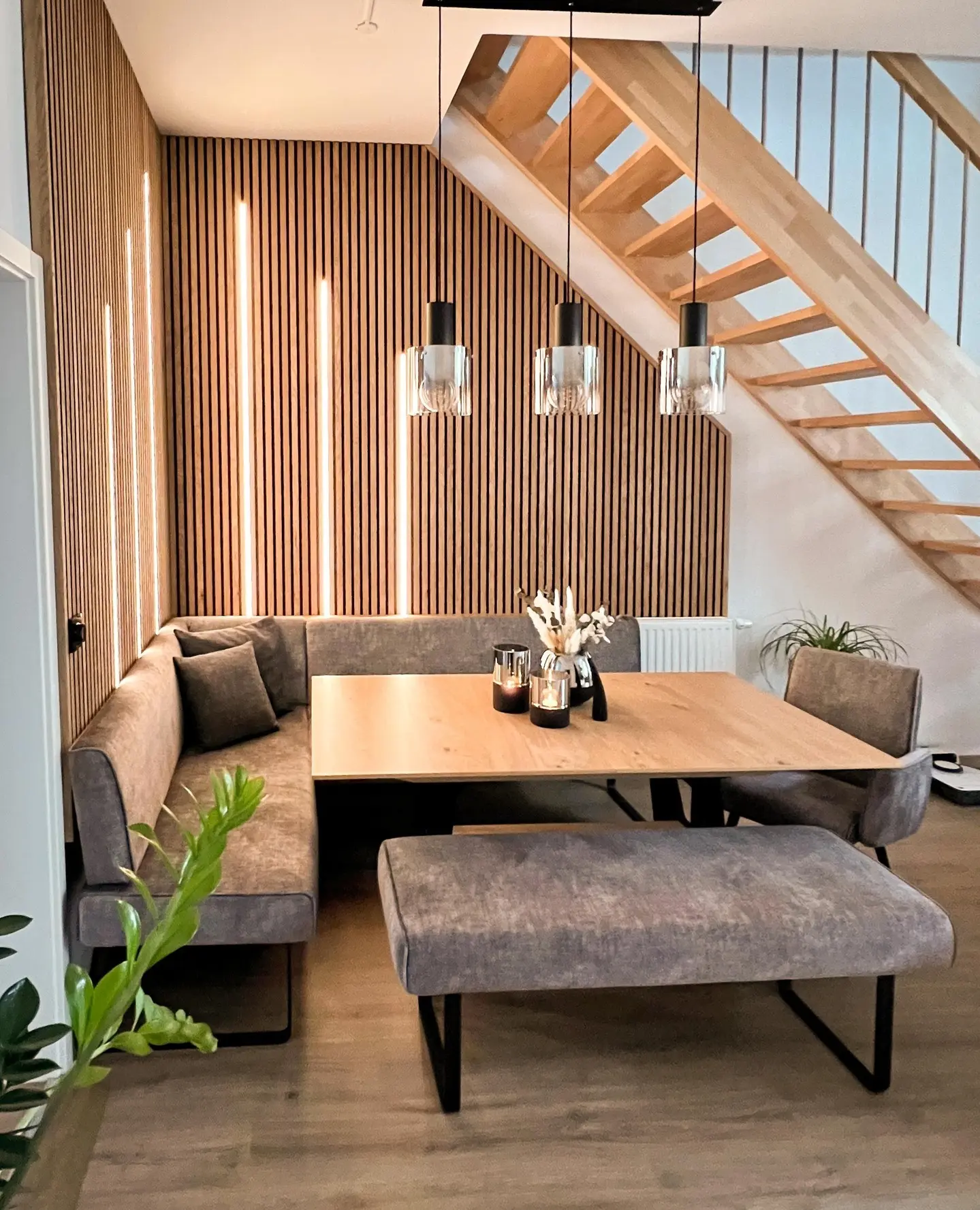
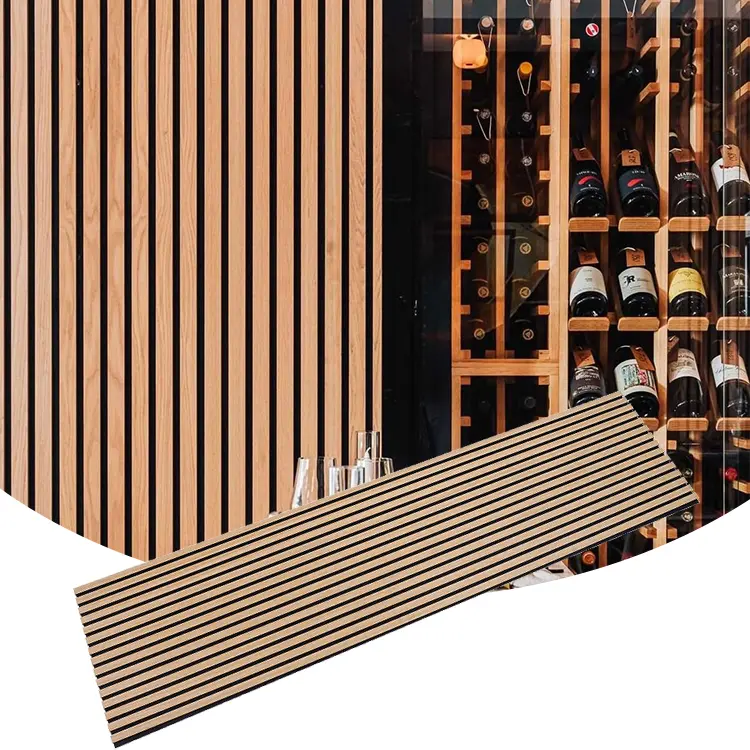
Wood slat and perforated wood panels combine natural aesthetics with functional sound control. These systems often include an absorptive backing layer concealed behind decorative wood surfaces.
Because they offer both visual warmth and acoustic performance, wood-based panels are frequently used in premium commercial spaces, hotels, and residential interiors where design coherence is critical.
Recycled PET Fiber Panels
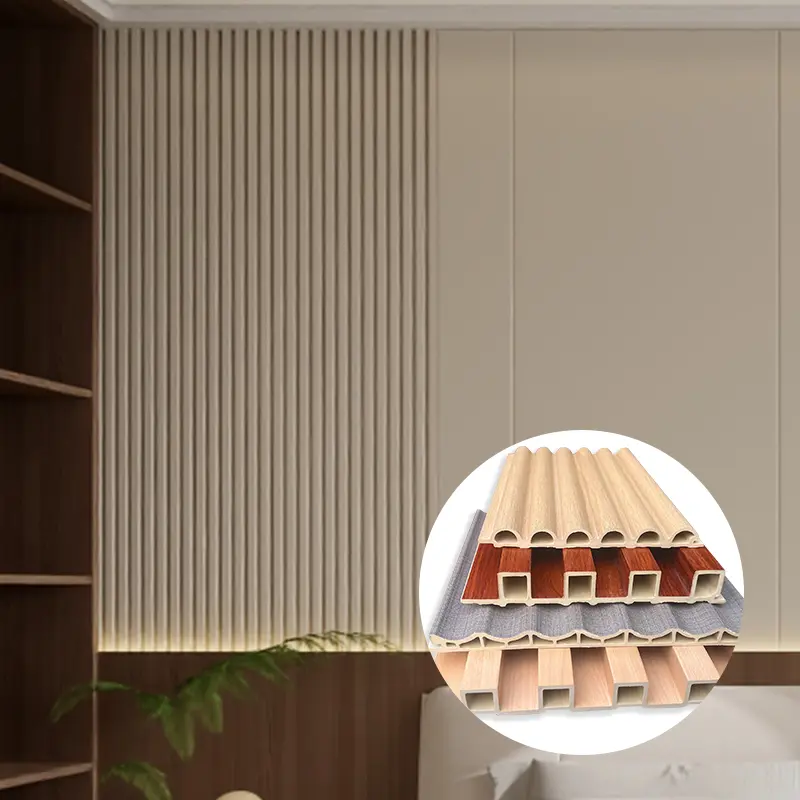
PET acoustic panels are manufactured from recycled polyester fibers, aligning with sustainability goals in modern construction. They are lightweight, durable, and resistant to moisture and impact.
These panels are commonly used in schools, studios, and large commercial projects due to their cost efficiency, ease of installation, and broad color selection.
Foam Acoustic Panels
Open-cell acoustic foam panels remain common in technical environments such as recording booths and rehearsal rooms. While effective for mid- and high-frequency absorption, they are less frequently used in decorative applications.
Understanding Acoustic Performance Ratings
Noise Reduction Coefficient (NRC)
NRC values indicate how effectively a panel absorbs sound within a space. Higher NRC ratings correspond to greater reduction in reverberation.
In practical terms, panels with NRC values above 0.75 are generally considered effective for offices, classrooms, and residential interiors where speech clarity is important.
Sound Transmission Class (STC)
STC ratings measure a wall system’s ability to block sound from passing between rooms. While individual acoustic panels do not typically provide high STC values, they can complement wall assemblies designed for sound isolation.
For most interior wall panel applications, NRC is the more relevant performance metric.
Application Scenarios Across Industries
Office and Workplace Design
Acoustic wall panels are widely used in meeting rooms, open work areas, phone booths, and collaborative zones. By reducing background noise and echo, they support clearer communication and more focused work environments.
Residential Interiors
In modern homes, acoustic panels are increasingly installed in home offices, media rooms, bedrooms, and shared living spaces. They help manage sound reflection without altering architectural layouts.
Media and Content Production
Recording studios, podcast rooms, and editing suites rely on acoustic panels to control sound coloration and resonance. Consistent acoustic conditions are essential for accurate monitoring and recording.
Hospitality and Commercial Spaces
Hotels, restaurants, cafés, and event venues use acoustic panels to improve guest comfort. Excessive noise can negatively affect customer experience, making acoustic treatment a valuable investment.
Educational Facilities
Classrooms and lecture halls benefit significantly from acoustic wall panels. Improved speech intelligibility supports better learning outcomes and reduced vocal strain for educators.
Installation Flexibility and Long-Term Maintenance
One of the advantages of acoustic wall panels is their adaptability. Installation methods include adhesive bonding, mechanical fastening, track-mounted systems, and modular configurations.
Many panels are designed for easy removal or replacement, allowing spaces to be reconfigured as usage changes. Maintenance requirements are typically minimal, especially for PET fiber and fabric panels that resist dust accumulation.
How Professionals Specify Acoustic Wall Panels
Architects, designers, and contractors typically evaluate acoustic panels based on:
- Acoustic performance targets
- Fire resistance and safety standards
- Environmental certifications
- Durability and lifecycle expectations
- Visual integration with interior design
- Project timelines and logistics
For large-scale developments, acoustic modeling and mock-up installations are often used to verify performance before final specification.
Market Outlook and Design Direction
The global acoustic panel market continues to expand alongside trends in flexible workspaces, urban densification, and mixed-use developments. Increasing attention to mental well-being and sensory comfort is further reinforcing demand.
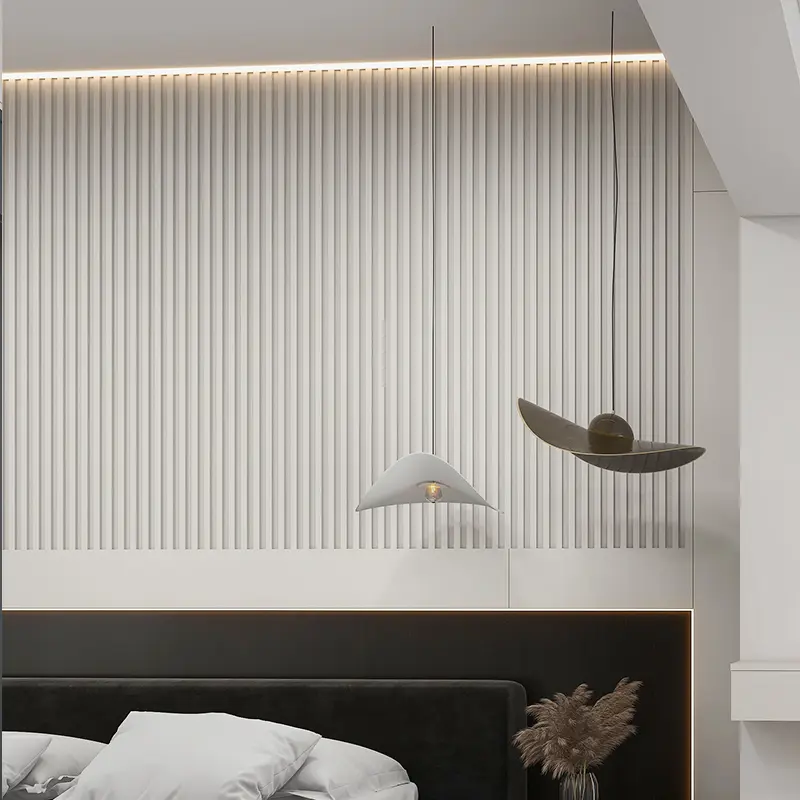
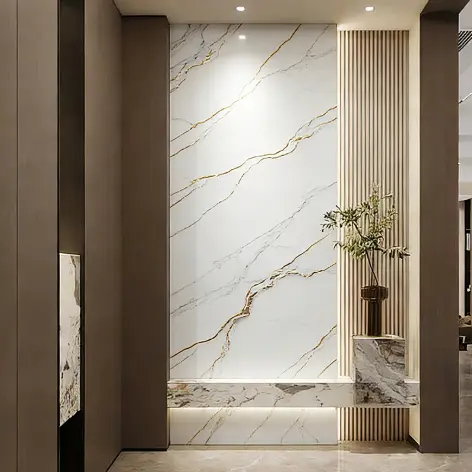
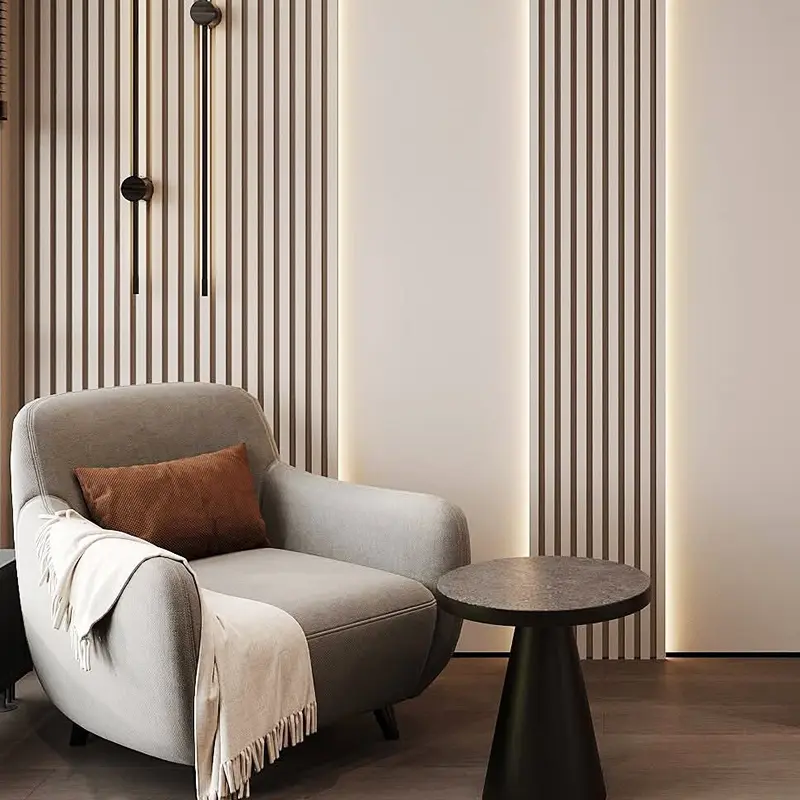
Design-driven acoustic solutions—such as decorative slatted panels and customized fiber panels—are gaining popularity as architects seek materials that perform multiple functions.
Sustainability is also playing a larger role, with recycled materials and certified wood products becoming standard requirements in many regions.
Manufacturing and Global Supply Considerations
China has established itself as a key manufacturing hub for acoustic wall panels, serving international markets across North America, Europe, the Middle East, and Asia-Pacific.
Buyers sourcing from China benefit from:
- Scalable production capacity
- Competitive pricing structures
- Broad material and finish options
- OEM and private-label services
- Experience with international compliance standards
These factors make Chinese manufacturers a strategic choice for both large construction projects and branded interior solutions.
Final Thoughts
Acoustic wall panels have transitioned from specialized technical products to essential components of modern interior design. By addressing sound comfort while contributing to visual identity, they support healthier, more functional spaces.
As expectations for interior environments continue to rise, acoustic solutions will remain central to how architects and designers shape the built environment—ensuring that spaces not only look good, but also sound right.