

Exploring the Benefits of Wood-Based Acoustic Panels in Interior Design
- Introduction
- What Are Wood-Based Acoustic Panels?
- How Wood Acoustic Panels Improve Sound Environments
- Key Advantages of Wood-Based Acoustic Panels
- Applications in Different Environments
- Impact on Productivity and Well-Being
- Fire Safety and Compliance
- Cost Efficiency Over the Long Term
- Customization and Project Adaptability
- Future Trends in Acoustic Panel Design
- Conclusion
In modern architecture and interior design, sound control has become just as important as lighting, ventilation, and spatial planning. As more buildings adopt open layouts and multifunctional spaces, managing noise effectively is no longer optional—it is a necessity.
Whether it’s a collaborative office, a busy restaurant, or a residential media room, poor acoustics can lead to discomfort, reduced productivity, and a negative overall experience. This has driven the growing demand for reliable acoustic treatment solutions.
Among the many materials available, wood-based acoustic panels have emerged as a preferred option due to their ability to combine technical performance with visual sophistication. They not only improve sound quality but also enhance the design value of a space.
This article takes a comprehensive look at how these panels work, their advantages, and why they are widely used across different industries.
What Are Wood-Based Acoustic Panels?
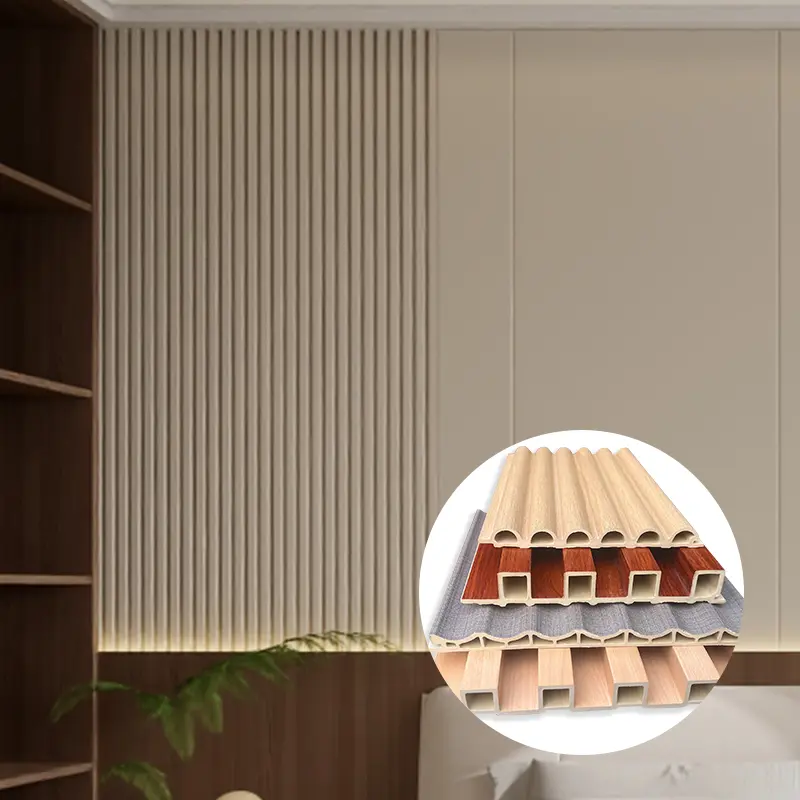
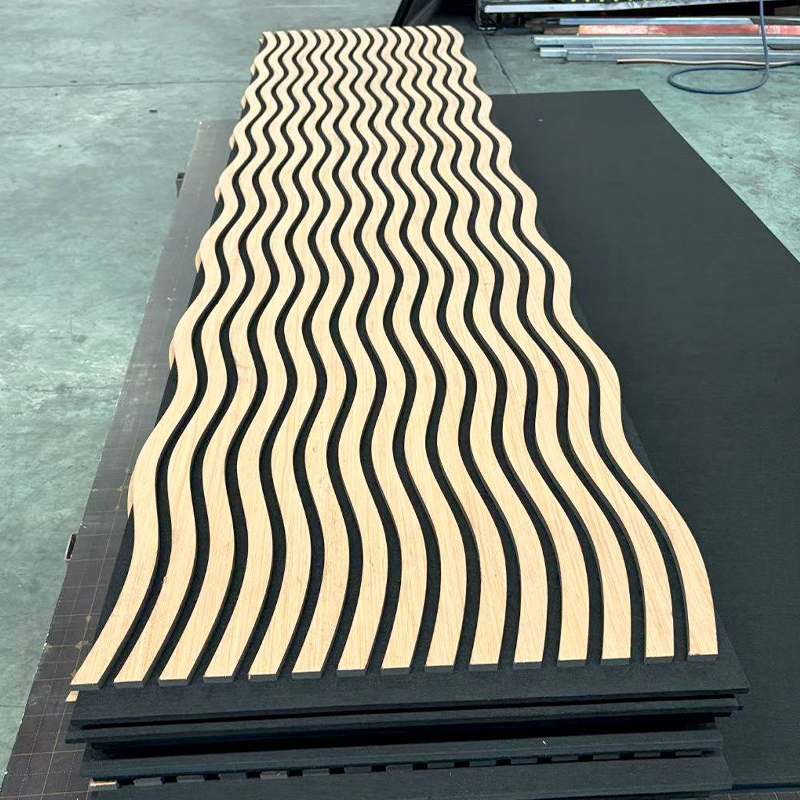
Wood-based acoustic panelsare specially engineered interior elements designed to control sound behavior within enclosed spaces. Unlike standard Decorative Panels, they are built with acoustic performance in mind.
A typical panel consists of multiple layers:
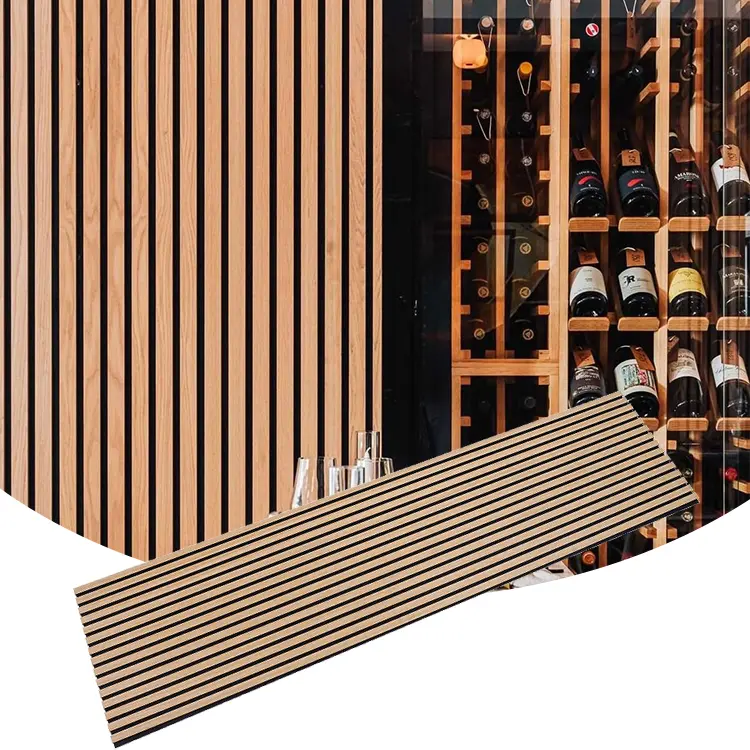
- A decorative wooden surface (natural veneer, laminate, or engineered wood)
- A structural core that provides strength and stability
- A sound-absorbing backing layer, often made from polyester fiber or similar materials
The surface design plays a crucial role. Common configurations include:
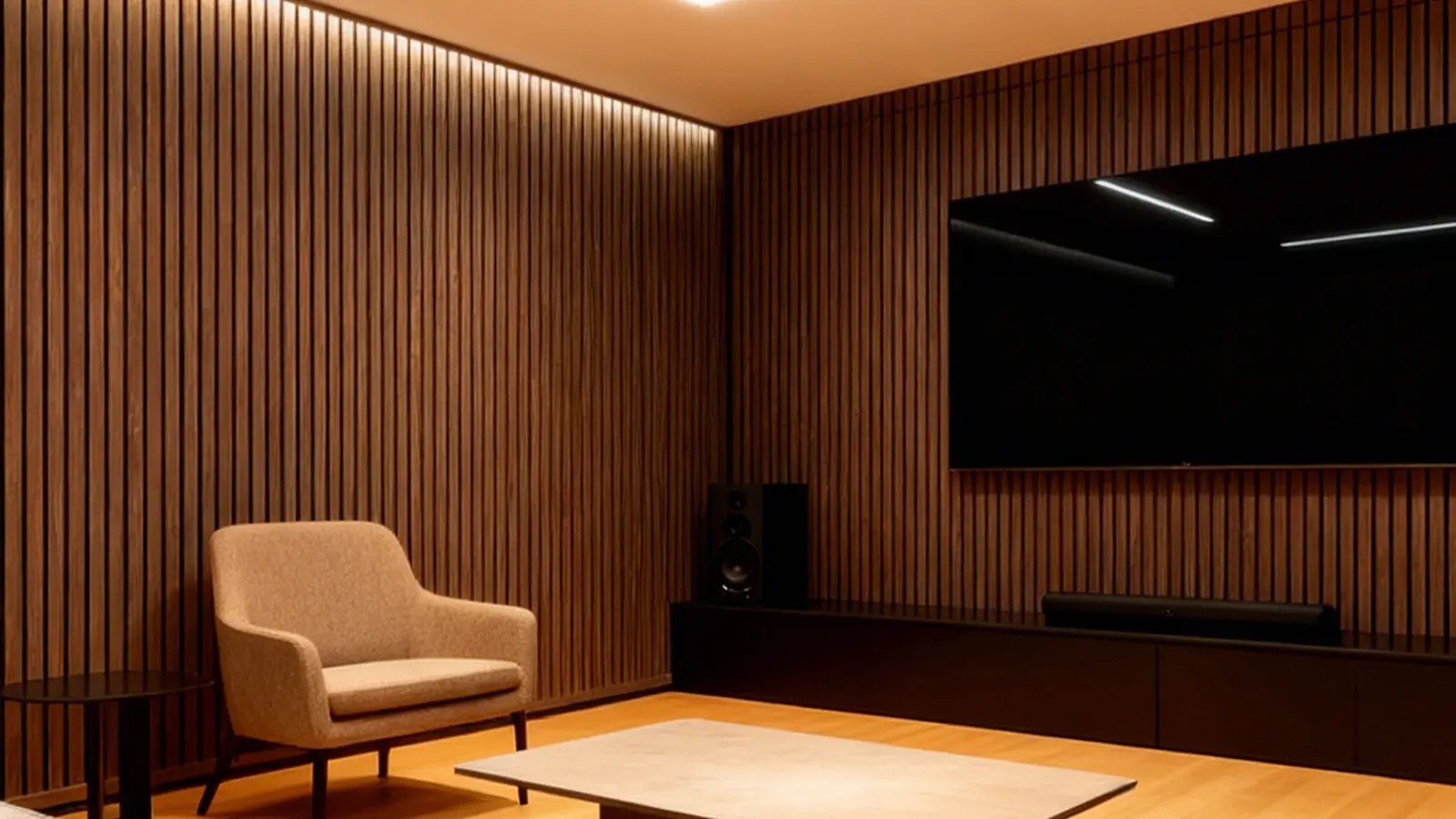
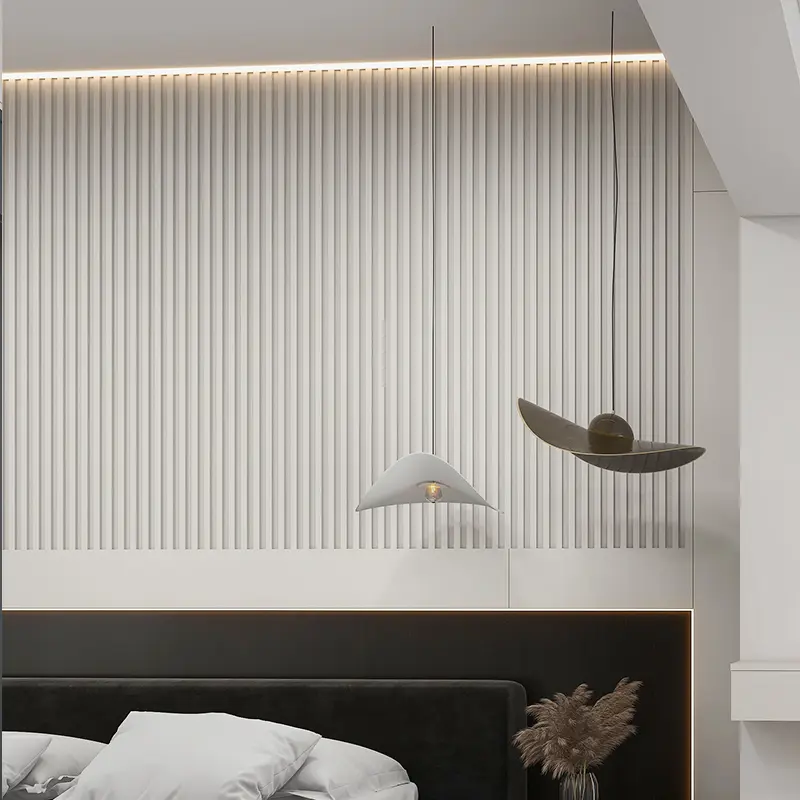
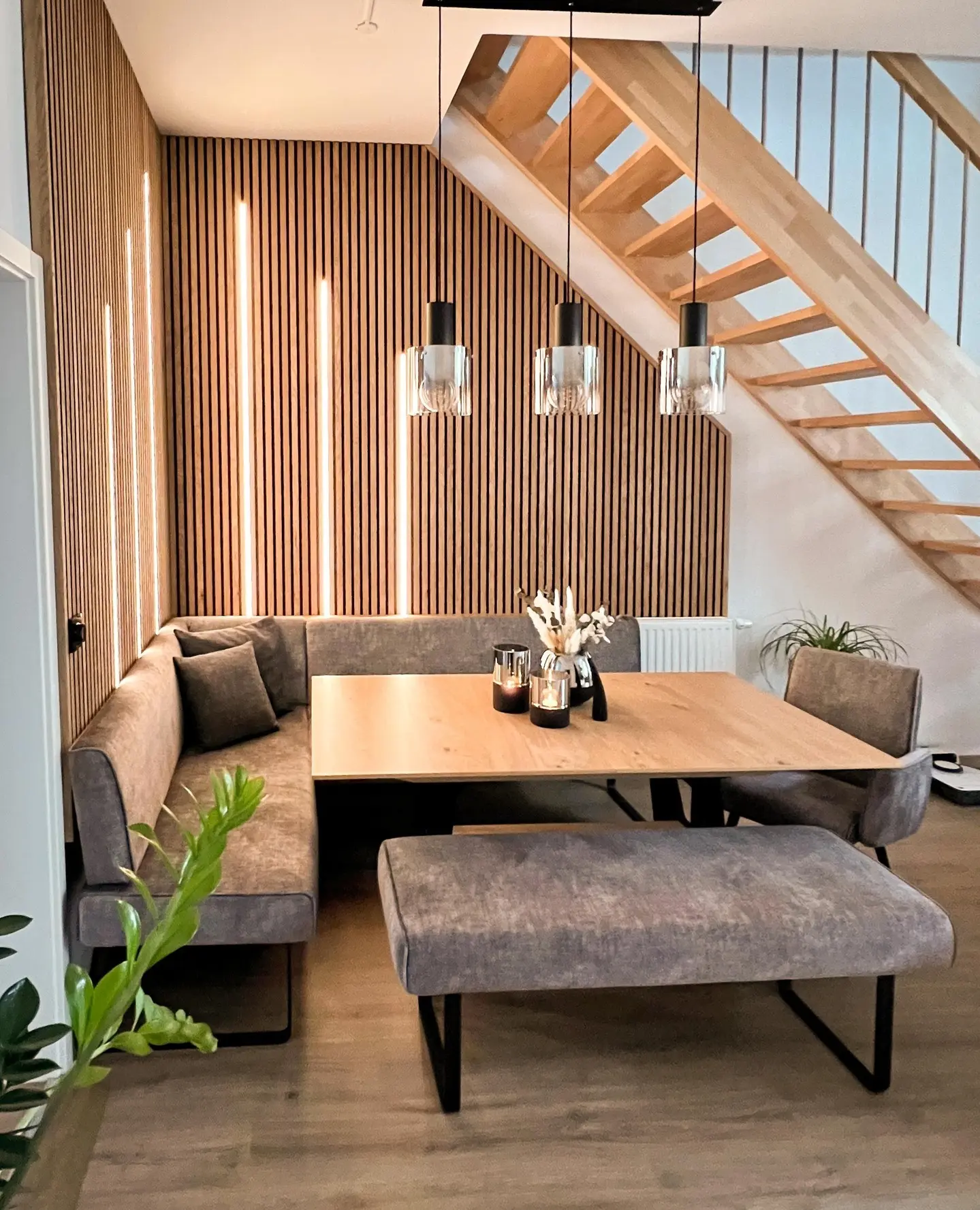
- Slatted panels with evenly spaced wooden strips
- Perforated panels with precision-drilled holes
- Grooved designs that guide sound into the core
Each type is designed to address specific acoustic challenges.
How Wood Acoustic Panels Improve Sound Environments
To understand their effectiveness, it’s important to examine how sound behaves indoors.
In enclosed environments, sound waves reflect off hard surfaces such as walls, ceilings, and floors. This reflection creates echo and reverberation, which can distort speech and increase background noise.
Wood acoustic panels address these issues through a combination of techniques:
Surface Diffusion
The patterned surface disrupts sound waves, scattering them in different directions instead of allowing direct reflection.
Sound Absorption
The internal backing material captures sound energy and converts it into a small amount of heat, reducing the intensity of reflected waves.
Frequency Optimization
These panels are particularly effective at managing mid- to high-frequency sounds, such as human speech, making them ideal for communication-focused spaces.
The result is a more balanced acoustic environment with improved clarity and reduced noise levels.
Key Advantages of Wood-Based Acoustic Panels
1. Enhanced Acoustic Performance
One of the most important benefits is their ability to significantly improve sound quality.
By reducing echo and controlling reverberation, these panels create a more comfortable listening environment. This is especially valuable in spaces where clear communication is essential, such as conference rooms and classrooms.
2. Strong Visual Appeal
Unlike many traditional acoustic materials, Wood Panels contribute positively to interior aesthetics.
They offer:
- A natural and warm appearance
- A wide range of finishes and textures
- Compatibility with various design styles
This makes them suitable for high-end interiors where both performance and design are priorities.
3. Flexibility in Design
Wood acoustic panels are highly adaptable. Designers can customize them to match specific project requirements.
Options include:
- Different panel sizes and layouts
- Various surface patterns
- Custom colors and finishes
This flexibility allows for creative integration into walls, ceilings, and even feature installations.
4. Environmentally Friendly Characteristics
Sustainability is an increasingly important factor in material selection.
Wood-based panels offer several environmental benefits:
- Use of renewable raw materials
- Reduced environmental footprint compared to synthetic alternatives
- Potential compatibility with green building certifications
These features make them suitable for projects aiming to meet sustainability goals.
5. Efficient Installation Process
Another advantage is their ease of installation.
Most panels are designed as modular systems that can be quickly mounted onto standard frameworks. This reduces construction time and minimizes disruption during installation.
For contractors, this translates into improved efficiency and lower labor costs.
6. Durability and Longevity
Wood acoustic panels are built for long-term use.
With proper finishing, they can resist wear, maintain their appearance, and continue performing effectively over time. Their durability makes them a practical choice for both commercial and residential projects.
Applications in Different Environments
The versatility of wood-based acoustic panels allows them to be used in a wide range of settings.
Office Spaces
Open-plan offices often struggle with noise control. Acoustic panels help reduce distractions and improve focus.
Hospitality Industry
Hotels, restaurants, and lounges benefit from a more comfortable and pleasant sound environment, enhancing the overall guest experience.
Educational Facilities
In classrooms and lecture halls, improved acoustics lead to better speech clarity and learning outcomes.
Public Buildings
Airports, libraries, and auditoriums use acoustic panels to manage large volumes of sound effectively.
Residential Interiors
Homeowners increasingly use these panels in living rooms, bedrooms, and home theaters to create quieter and more enjoyable spaces.
Impact on Productivity and Well-Being
Noise is not just an inconvenience—it can directly affect human health and performance.
Excessive or uncontrolled noise can lead to:
- Increased stress levels
- Difficulty concentrating
- Reduced communication efficiency
By improving acoustic conditions, wood panels contribute to a more comfortable and productive environment. In workplaces, this often results in better employee performance and satisfaction.
Safety is a key consideration in building materials.
Modern wood acoustic panels are often treated to meet fire resistance standards. Depending on the product, they may comply with various international regulations.
Common safety features include:
- Flame-retardant treatments
- Low smoke emission properties
- Compliance with building codes
This ensures they can be safely used in a wide range of applications.
Cost Efficiency Over the Long Term
While the initial investment may be higher than basic wall finishes, wood acoustic panels offer strong long-term value.
They help reduce the need for additional acoustic treatments and require minimal maintenance. Their durability also means fewer replacements over time.
For large-scale projects, these factors contribute to overall cost savings.
Customization and Project Adaptability
One of the biggest advantages of wood acoustic panel is their ability to be tailored to specific needs.
Customization options include:
- Panel thickness and dimensions
- Surface design and spacing
- Acoustic performance levels
- Finish and color
This allows architects and developers to create solutions that align perfectly with project goals.
Future Trends in Acoustic Panel Design
As technology and design continue to evolve, wood acoustic panels are also advancing.
Key trends include:
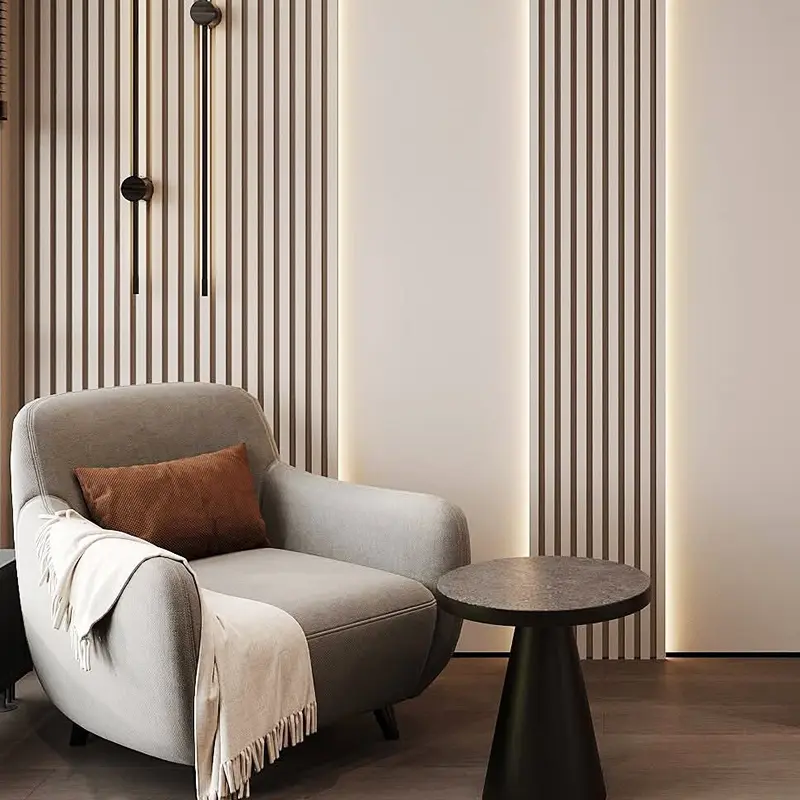
- Integration with lighting and smart systems
- Increased use of recycled and eco-friendly materials
- More modular and flexible designs
- Enhanced acoustic performance through innovative structures
These developments are expanding the role of acoustic panels in modern architecture.
Wood-based acoustic panels offer a balanced solution for managing sound while enhancing interior design. Their ability to improve acoustic performance, support sustainability, and provide design flexibility makes them a valuable choice for a wide range of applications.
As the demand for better indoor environments continues to grow, these panels are expected to play an increasingly important role in shaping how spaces look, feel, and function.
