
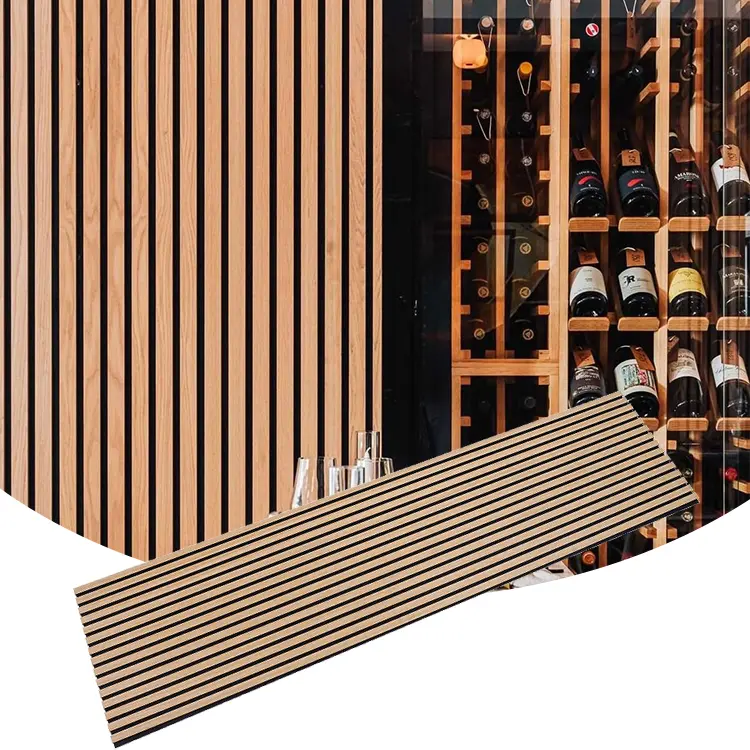
Engineered Bamboo Charcoal Wall Panels: A Smart Alternative to Traditional Marble and Wood for Public Interiors
Table of Contents
- Public Interior Design Is Changing
- The Engineering Behind Bamboo Charcoal Wall Panels
- Meeting Regulatory and Functional Requirements
- Design Consistency Across Large Spaces
- Typical Public Applications
- Sustainability and Health Considerations
- Installation Advantages for Large Projects
- The Role of Chinese Manufacturing in Global Supply
- Aesthedge’s Manufacturing and Project Support Capabilities
- Conclusion
1. Public Interior Design Is Changing
Public interiors today are designed with a very different mindset compared to the past. Beyond visual impact, decision-makers must consider operational efficiency, safety compliance, sustainability targets, and long-term maintenance costs. Materials that perform well in private residences often fail to meet the demands of large-scale public use.
Natural marble, for example, delivers prestige but requires heavy structural support and specialized installation. Painted walls are affordable initially but degrade quickly in high-traffic areas. Solid Wood Panels introduce warmth but are vulnerable to humidity and temperature changes.
These limitations have driven the adoption of engineered materials that provide consistent performance across diverse public environments. Among them, bamboo charcoal wall panels with marble and wood veneer finishes have gained increasing attention.
2. The Engineering Behind Bamboo Charcoal Wall Panels
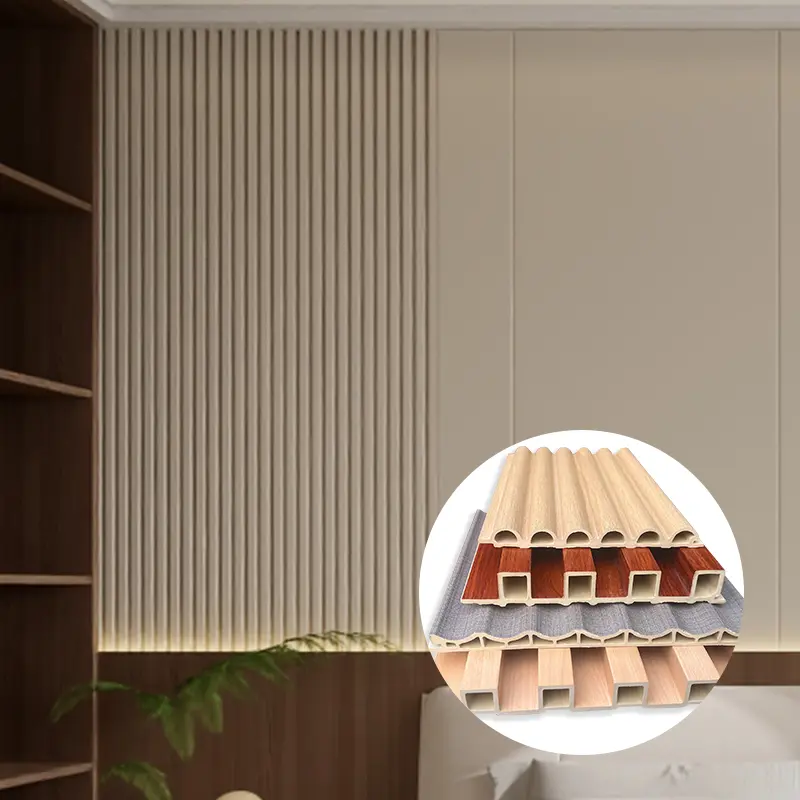
At the core of these panels lies bamboo charcoal fiber, produced through controlled carbonization and compression processes. This engineered core offers a stable internal structure that resists moisture absorption and deformation.
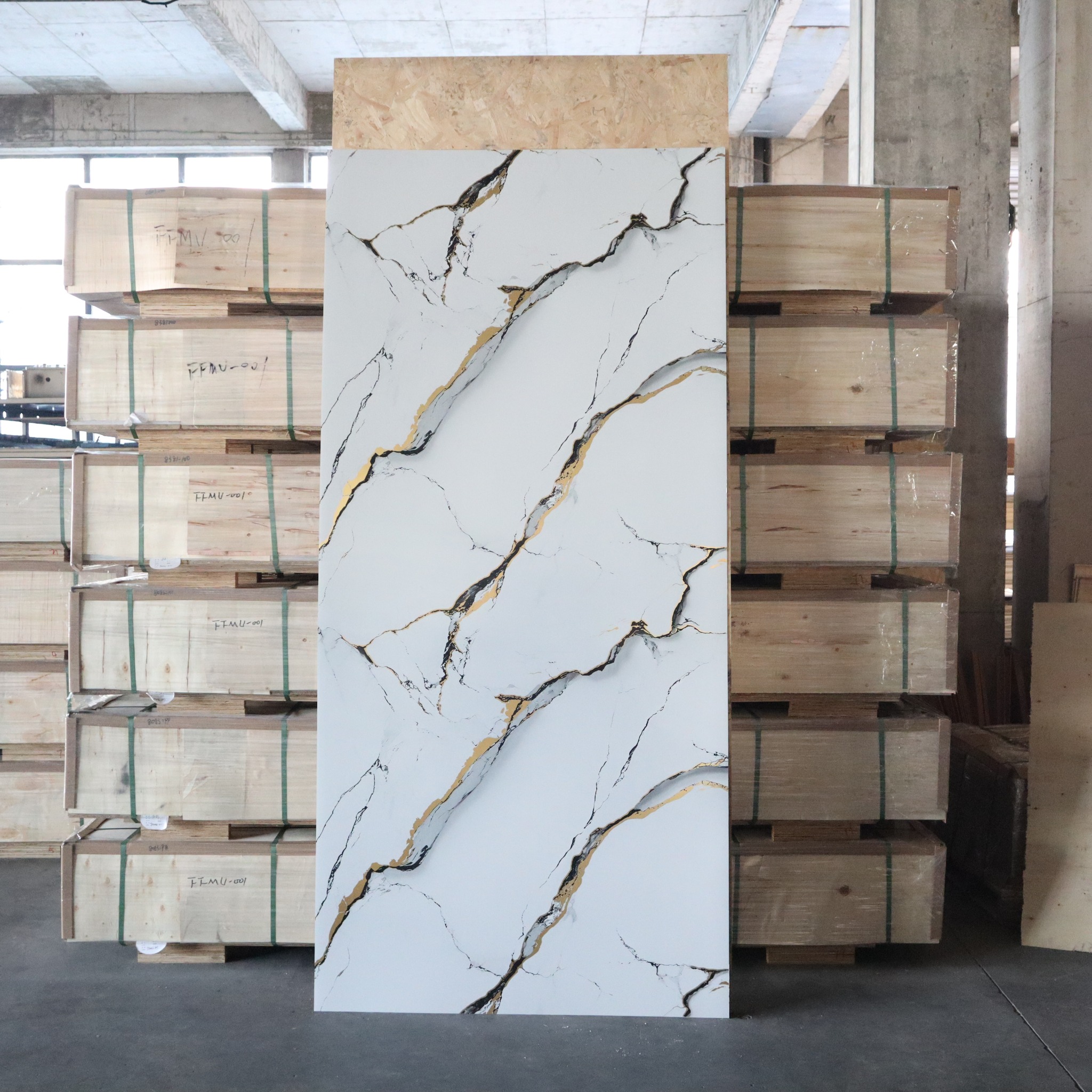
Surface finishes are applied using advanced lamination techniques that replicate stone or wood textures with high visual accuracy. Protective coatings enhance resistance to scratches, stains, and UV exposure, ensuring long-term surface stability.
This layered construction transforms bamboo charcoal panels into a multifunctional interior solution suitable for demanding public applications.
3. Meeting Regulatory and Functional Requirements
Public buildings are subject to strict regulatory oversight. Wall materials must meet fire safety, environmental, and durability standards.
Fire-retardant formulations allow bamboo charcoal panels to achieve required fire classifications for commercial use. This makes them appropriate for hospitality, office, healthcare, and transportation projects.
Humidity resistance is another critical factor. Bamboo charcoal cores maintain dimensional stability even in environments with fluctuating moisture levels, reducing the risk of warping or delamination.
Surface durability ensures that panels maintain their appearance despite frequent cleaning and daily contact, reducing the need for ongoing refurbishment.
4. Design Consistency Across Large Spaces
One of the key challenges in public interior design is maintaining visual consistency across expansive areas. Natural materials often introduce variations that are difficult to control at scale.
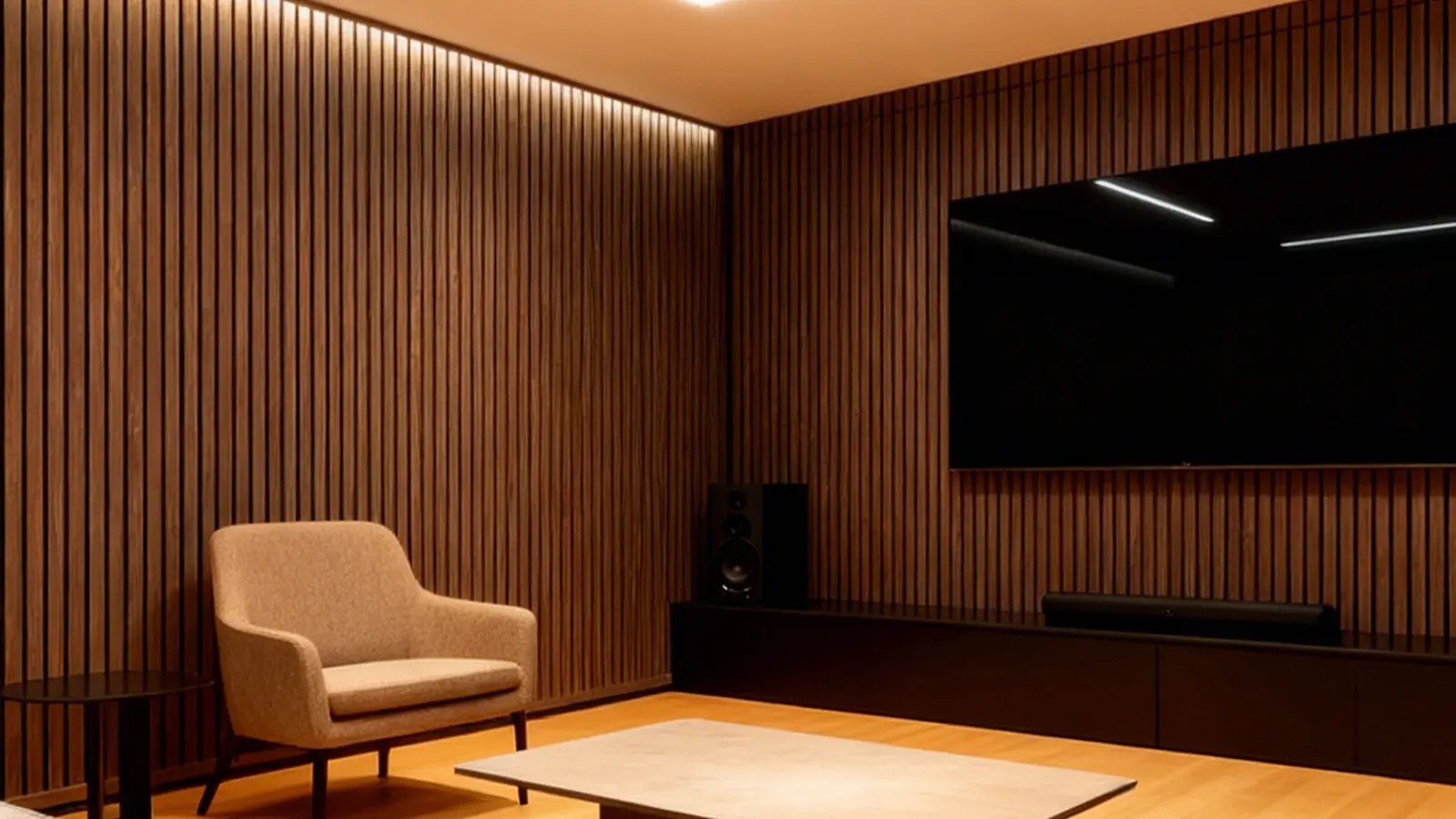
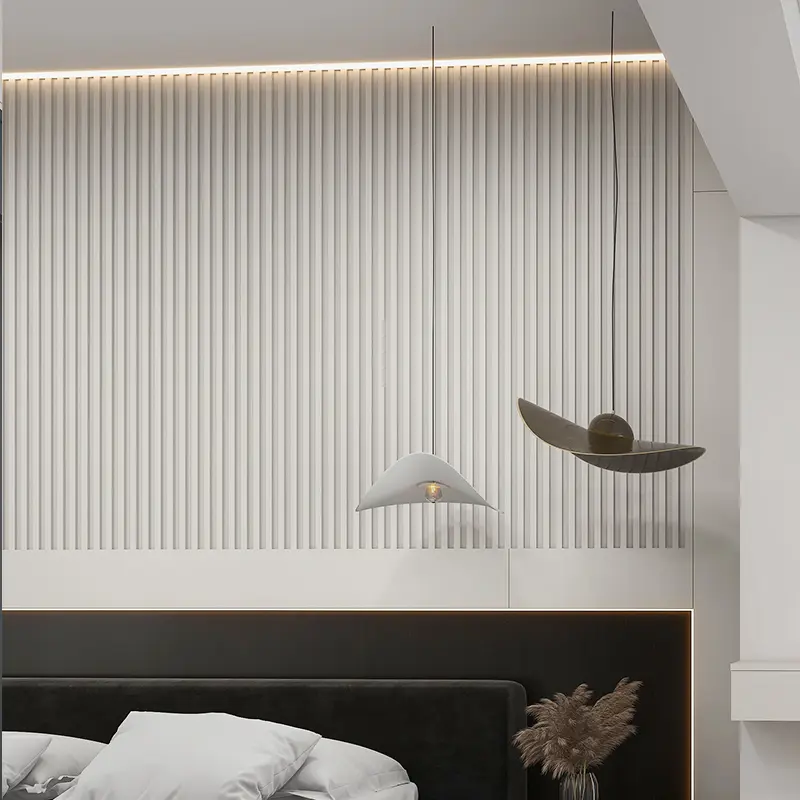
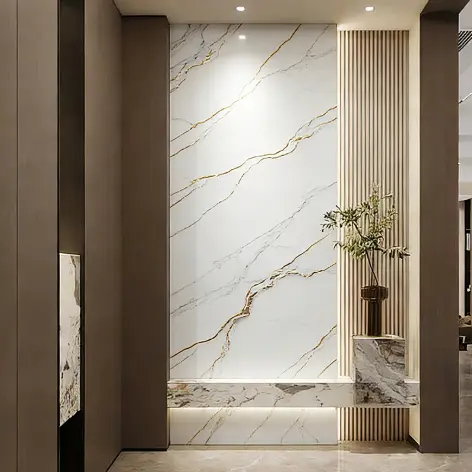
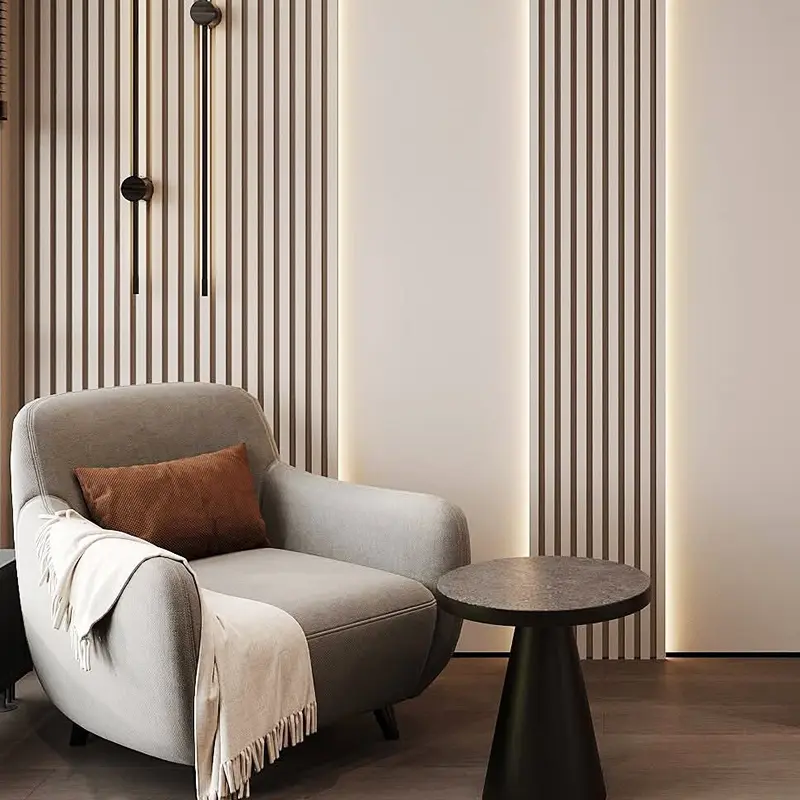
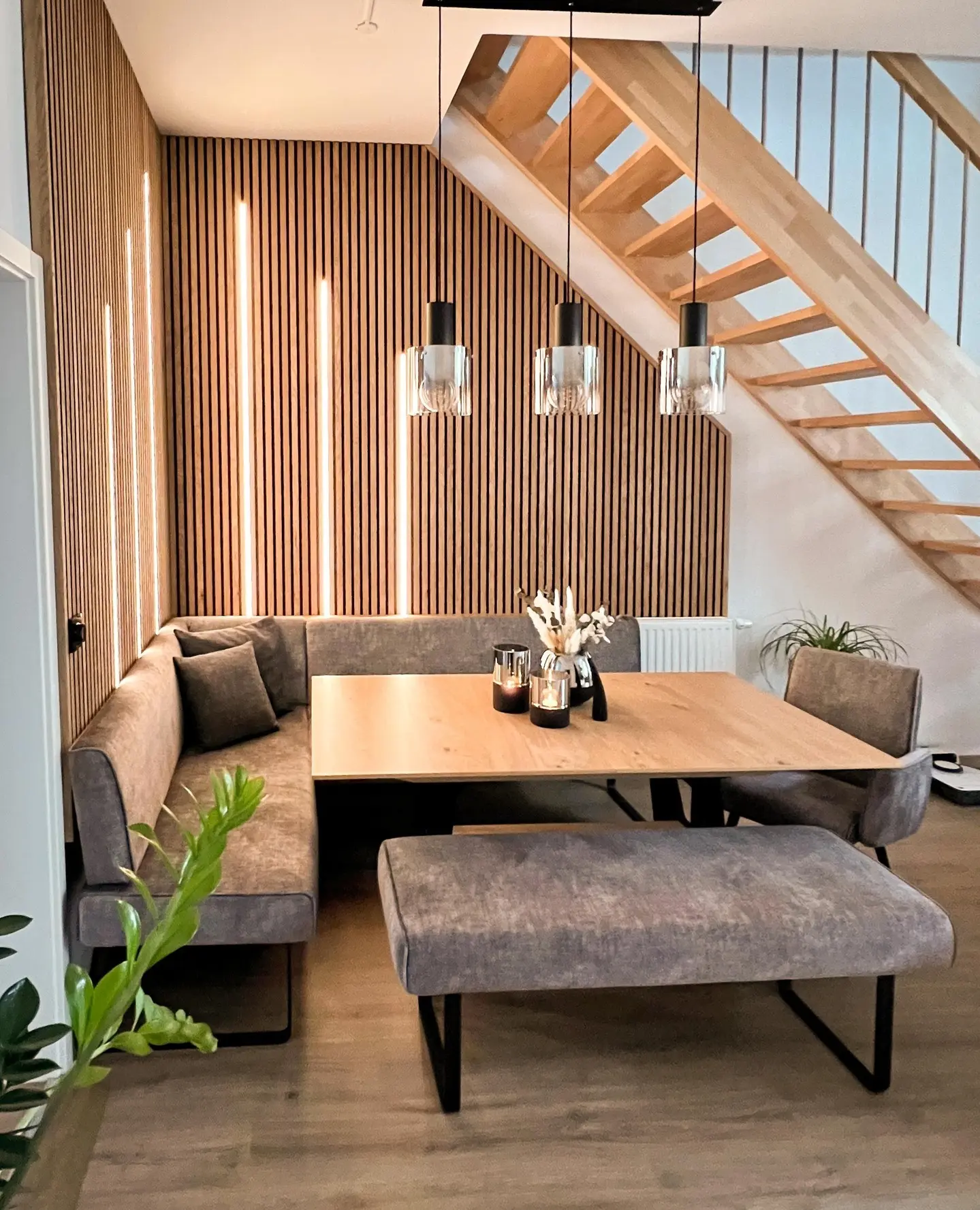
Engineered bamboo charcoal panels offer controlled color tones, uniform textures, and repeatable patterns. Marble-inspired finishes deliver elegance without excessive weight, while wood-inspired surfaces create warmth without maintenance complications.
This consistency simplifies design coordination and ensures predictable visual outcomes.
5. Typical Public Applications
Bamboo charcoal wall panels are widely used across public infrastructure.
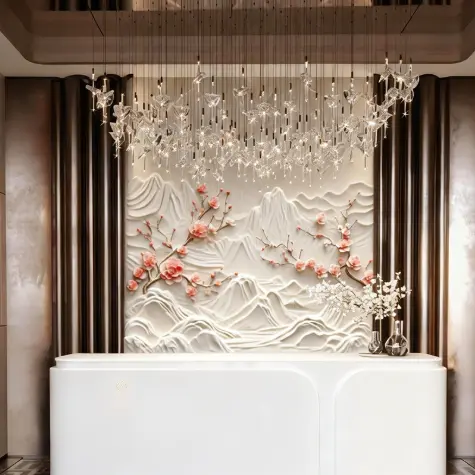
In hotels, they appear in lobby walls, corridors, elevator cabins, and conference spaces. Their premium appearance supports brand positioning while enabling efficient renovation cycles.
In office buildings, panels contribute to reception zones, meeting rooms, and executive spaces. Modular systems allow for easy updates as tenant needs change.
Public transportation facilities require materials that combine resilience with easy replacement. Bamboo charcoal panels meet these criteria, making them suitable for stations, terminals, and waiting areas.
6. Sustainability and Health Considerations
Sustainable material selection has become a defining factor in public construction. Bamboo, as a rapidly renewable resource, offers clear environmental advantages.
Bamboo charcoal also contributes to improved indoor comfort by reducing odors and supporting healthier interior environments. Panels can be produced to meet international emission standards, aligning with green building certification requirements.
These attributes make bamboo charcoal wall panels particularly attractive for education, healthcare, and civic buildings.
7. Installation Advantages for Large Projects
Construction timelines are critical in public developments. Lightweight bamboo charcoal panels reduce structural load and simplify logistics.
Dry installation methods allow for faster assembly and cleaner job sites. Panels can be removed or replaced without damaging underlying structures, minimizing downtime during maintenance or renovation.
From an investment perspective, reduced labor costs and lower maintenance requirements improve overall project efficiency.
8. The Role of Chinese Manufacturing in Global Supply
China’s decorative panel industry has evolved significantly, offering advanced manufacturing technologies and consistent quality output.
Manufacturers provide customization options that support project-specific requirements, from surface finishes to panel dimensions. Competitive pricing combined with reliable quality makes Chinese suppliers a strategic choice for international buyers.
9. Aesthedge’s Manufacturing and Project Support Capabilities
Aesthedge focuses on producing bamboo charcoal wall panels for commercial and public interior projects. Through standardized production, quality control systems, and export-ready packaging, the company supports international project delivery.
Technical documentation and installation guidance further assist partners in executing projects efficiently across different markets.
Engineered bamboo charcoal wall panels represent a practical evolution in public interior materials. They bridge the gap between aesthetics and performance, offering durability, sustainability, and design control in one integrated system.
As public buildings demand higher standards and smarter solutions, bamboo charcoal wall panels stand out as a reliable alternative to traditional marble and wood, supporting the future of efficient and responsible interior design.
