

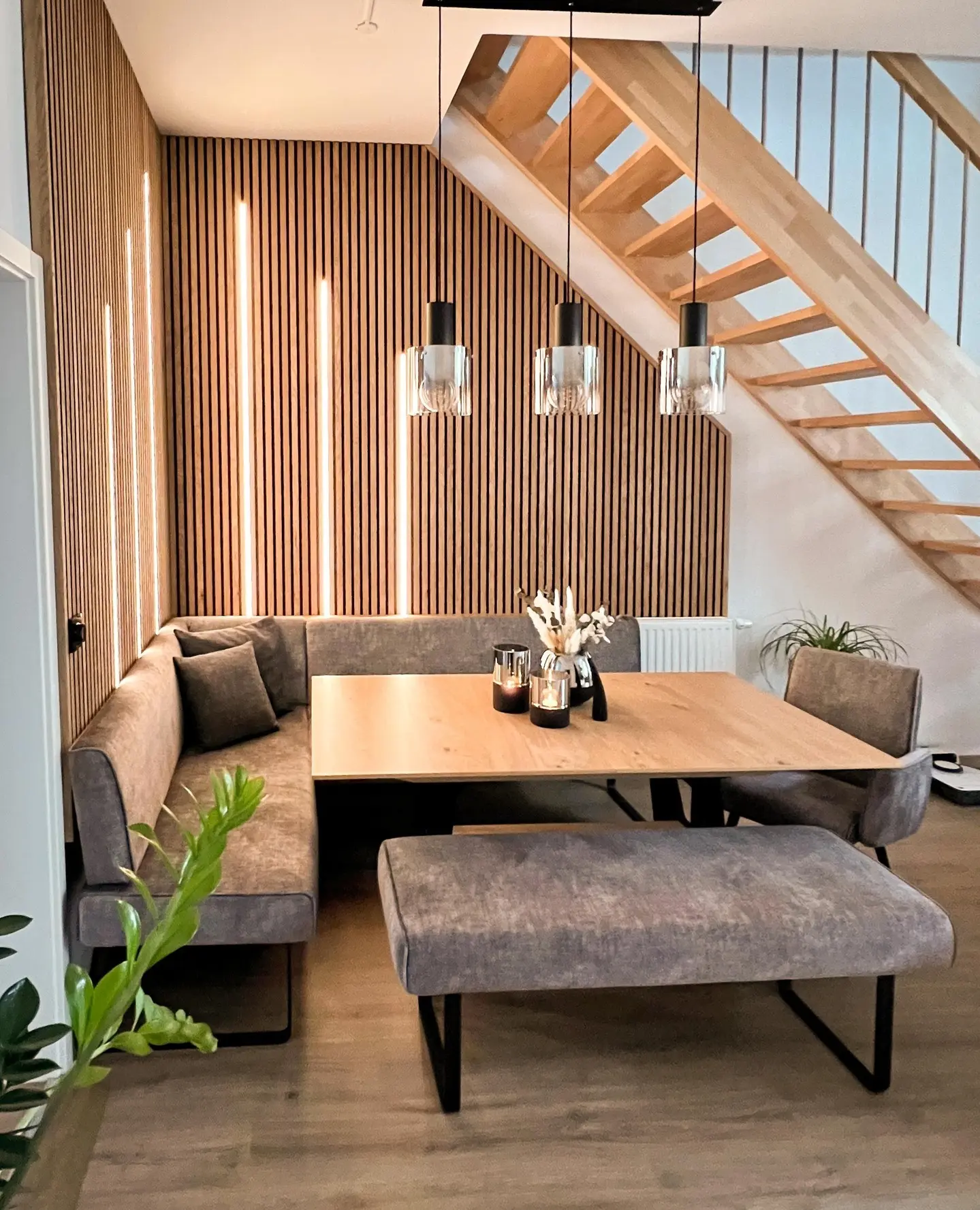
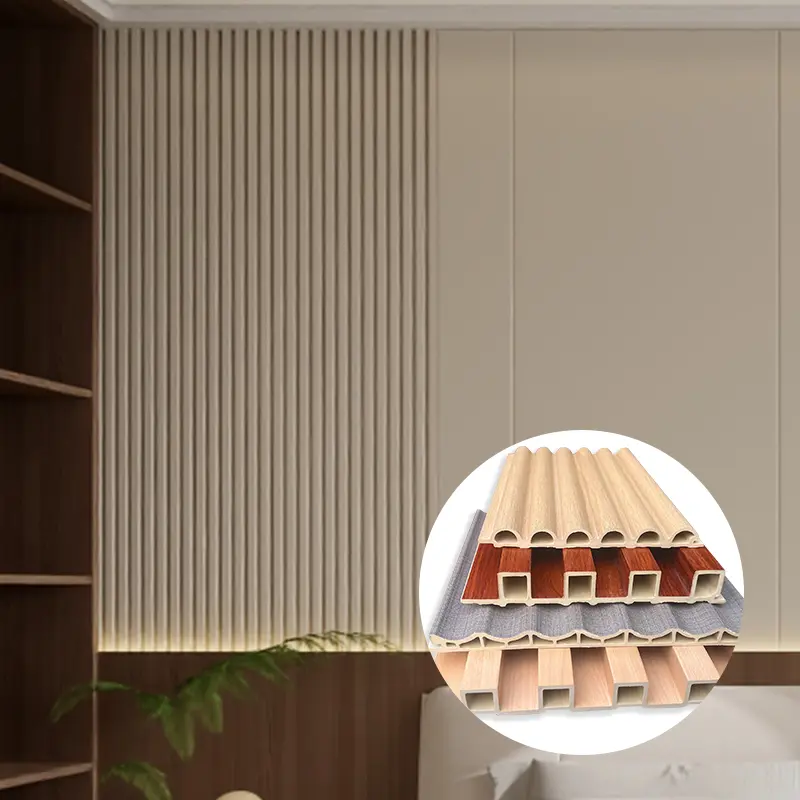
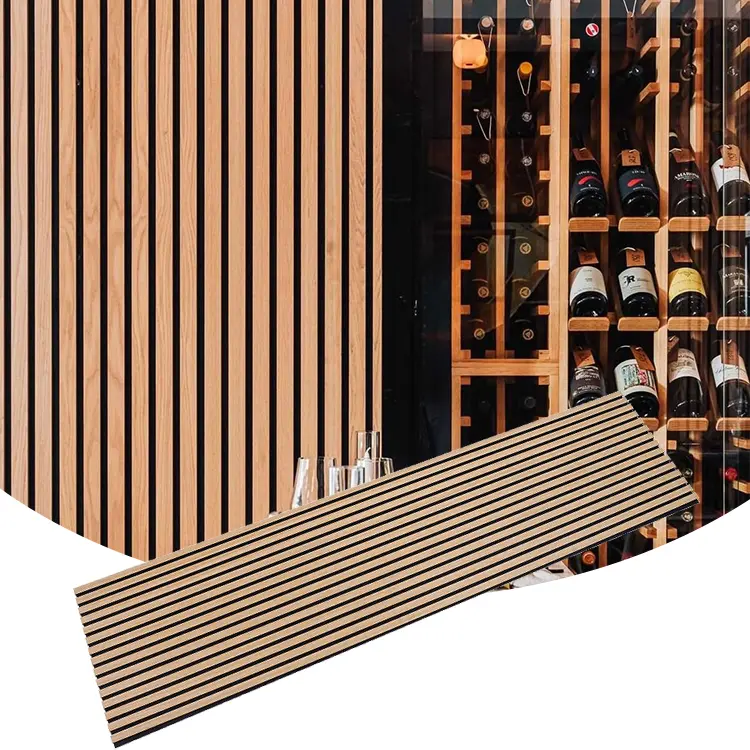
Do Acoustic Panels Need Full-Wall Coverage? Understanding Efficient Acoustic Design for Modern Spaces
1. Introduction: Why Full-Wall Acoustic Coverage Is Rarely Necessary
When people start researching acoustic panels, many assume that better sound control requires covering as much wall space as possible. This assumption often leads to unnecessary spending, awkward room aesthetics, and disappointing acoustic results. In reality, effective acoustic design focuses on precision rather than total coverage.
Professional acousticians rarely recommend full-Wall Panel installations outside of very specific environments. Instead, they analyze how sound behaves within a space and apply treatment only where it delivers measurable improvement. This article explains why full-wall coverage is usually unnecessary, how to determine the right amount of treatment, and how to design a room that sounds natural, balanced, and comfortable.
2. How Sound Behaves Inside Enclosed Rooms
Sound travels outward from a source in all directions. When it encounters hard surfaces—walls, ceilings, floors, windows—it reflects back into the room. These reflections interact with direct sound and with each other, creating several common acoustic problems:
- Echo and flutter echo
- Excessive reverberation
- Reduced speech intelligibility
- Listener fatigue over time
Not all reflections are harmful. In fact, some reflections help a room feel lively and natural. The real issue occurs when early reflections and repeated bouncing overwhelm the listener’s ears. That is why acoustic treatment should focus on controlling sound, not eliminating it.
3. Acoustic Treatment vs Soundproofing: Clearing the Confusion
A major reason people overuse acoustic panels is confusion between acoustic treatment and soundproofing.
- Acoustic treatment improves sound quality inside a room by absorbing or diffusing reflections.
- Soundproofing prevents sound from passing through walls, floors, and ceilings.
Acoustic Panels are designed to absorb sound energy and reduce reflections. They do not significantly block sound transmission. If the goal is to keep noise from reaching adjacent rooms or neighboring spaces, structural solutions—such as additional drywall layers, insulation, or airtight sealing—are required.
Understanding this distinction helps users avoid installing excessive panels in an attempt to solve a problem they are not designed to fix.
4. The Problem with Full-Wall Acoustic Panel Coverage
Covering an entire wall with acoustic panels may seem logical, but it often creates new issues:
- Over-absorption: Too much absorption removes high-frequency energy, making a room sound dull or lifeless.
- Unbalanced acoustics: Treating one wall completely while leaving others untreated can create uneven sound behavior.
- Poor cost efficiency: Beyond a certain point, additional panels provide minimal improvement.
- Visual overload: Full-wall installations can dominate interior design, especially in residential or commercial spaces.
For most rooms, targeted placement achieves better results with fewer materials.
5. How Much Coverage Is Actually Needed?
Instead of total wall coverage, acoustic professionals work with percentage-based guidelines. These percentages refer to the combined area of walls and ceilings that are treated.
General Coverage Guidelines
- 15–20% for residential rooms, offices, and classrooms
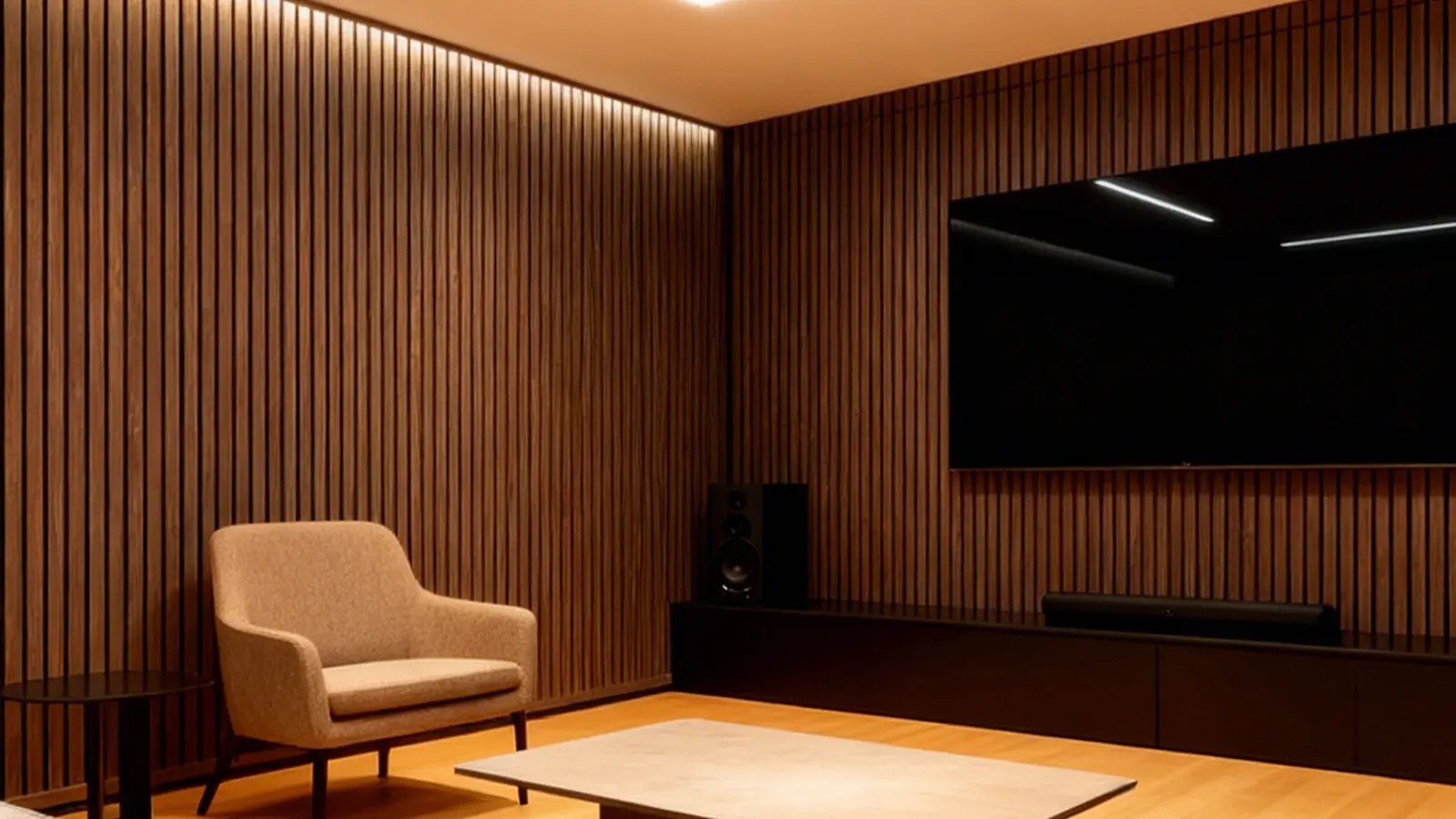
- 20–30% for conference rooms, home theaters, and media rooms
- 30–40% for recording studios and critical listening spaces
Coverage beyond 40% is rarely needed and should only be applied after careful acoustic measurement.
6. Room-by-Room Acoustic Treatment Strategies
Home Offices and Bedrooms
These rooms typically suffer from speech reflections and minor echo. Treating side walls near desks and adding a small amount of ceiling absorption usually solves the issue.
- Recommended coverage: 15–20%
- Result: Clear calls, reduced echo, natural sound
Living Rooms and Open Spaces
Large reflective surfaces such as glass and bare walls often create harsh reflections. Instead of covering entire walls, focus on seating areas and speaker reflection points.
- Recommended coverage: 15–25%
- Result: Improved comfort without altering room character
Classrooms and Educational Facilities
Speech clarity is critical, but too much absorption can make a classroom feel acoustically flat. Balanced wall and ceiling treatment improves intelligibility without eliminating energy.
- Recommended coverage: 15–20%
Gyms and Fitness Studios
Impact noise and hard surfaces create long reverberation times. Strategic placement on high walls and ceilings controls reflections while maintaining an energetic atmosphere.
- Recommended coverage: 15–25%
Home Theaters and Studios
These rooms demand higher precision. However, even here, full-wall coverage is unnecessary. A mix of absorbers and diffusers produces better balance.
- Recommended coverage: 25–35%, plus bass traps
7. Why First Reflection Points Matter More Than Surface Area
First reflection points are locations where sound reaches a surface and reflects directly to the listener. These areas contribute most to clarity loss and echo.
Treating first reflection points:
- Improves speech intelligibility
- Enhances stereo imaging
- Reduces harshness
A simple mirror test can identify these zones. When the sound source becomes visible from the listening position, that spot is a prime candidate for treatment.
8. Absorption, Diffusion, and Balance
Not all acoustic panels perform the same function.
- Absorbers reduce sound energy and reflections
- Diffusers scatter sound to maintain liveliness
Relying solely on absorption can make a room feel acoustically dead. Mixing absorption and diffusion preserves natural sound while controlling problematic reflections. This balanced approach is another reason full-wall absorption is rarely recommended.
9. Why Acoustic Panels Do Not Stop Noise Leakage
Many users install panels expecting them to block sound from adjacent rooms. This leads to frustration when results fall short.
Sound transmission depends on:
- Wall mass
- Structural vibration
- Air gaps and leaks
Even a fully covered wall with acoustic panels will not prevent sound from passing through if the wall itself is lightweight or poorly sealed. Structural upgrades are required for real sound isolation.
10. Incremental Acoustic Design: A Smarter Approach
Rather than installing panels everywhere at once, a step-by-step method works best:
- Identify problem areas
- Treat first reflection points
- Evaluate sound improvement
- Add panels only if necessary
This approach avoids over-treatment and ensures every panel contributes meaningful improvement.
11. Cost Considerations and Practical Budgeting
Partial acoustic treatment significantly reduces cost while delivering most of the benefit. Depending on panel type and thickness, moderate coverage can improve room acoustics without excessive investment.
Focusing on placement rather than quantity ensures better return on investment.
12. Common Acoustic Treatment Mistakes to Avoid
- Treating only one wall
- Ignoring the ceiling
- Overusing thin foam panels
- Expecting panels to soundproof a room
Avoiding these mistakes leads to more professional results.
13. Final Thoughts: Efficient Acoustic Design Over Maximum Coverage
Acoustic panels do not need to cover an entire wall to be effective. In most cases, strategic placement and moderate coverage outperform full-wall installations in both performance and aesthetics.
Good acoustic design is about understanding sound behavior, setting realistic goals, and applying treatment with intention. When done correctly, even a small number of well-placed panels can transform how a room sounds and feels.