

Designing Quiet and Elegant Hotels with Modern Acoustic Panel Solutions
- Introduction
- Why Acoustic Design Matters in Hospitality Buildings
- What Makes Acoustic Panels Effective?
- Benefits of Acoustic Panels for Hotels
- Types of Acoustic Panels Used in Hospitality Interiors
- Design Strategies for Installing Acoustic Panels
- Sustainability in Modern Acoustic Materials
- Selecting the Right Manufacturer for Hotel Projects
- Future Developments in Hospitality Acoustics
- Conclusion
A successful hotel interior design must satisfy multiple senses at once. Visual beauty, comfortable lighting, and high-quality furniture are obvious priorities. However, the acoustic environment is equally important.
Imagine entering a luxury hotel lobby where every sound echoes loudly or trying to sleep in a room where corridor noise constantly interrupts your rest. Even the most luxurious décor cannot compensate for a poor acoustic experience.
As hospitality standards continue to rise, architects and designers are paying greater attention to sound control. Acoustic panels have become one of the most effective tools for improving indoor sound environments while maintaining aesthetic quality.
This article explains why acoustic treatment is essential in hotel architecture, how Acoustic Panels function, the different types available, and how hospitality projects can integrate them effectively.
2. Why Acoustic Design Matters in Hospitality Buildings
Hotels contain a wide variety of spaces that serve different functions. Guest rooms require quiet conditions for relaxation, while restaurants and lounges are designed for social interaction.
Because these activities occur within the same building, managing sound becomes a critical design challenge.
Typical Noise Problems in Hotels
Several factors contribute to poor acoustics in hospitality environments:
- Hard interior surfaces reflecting sound
- Large open spaces with high ceilings
- Continuous foot traffic in corridors
- Mechanical equipment noise
- Crowd noise in dining areas
When these elements combine, they create high reverberation levels and excessive background noise.
In large rooms such as banquet halls or conference centers, sound reflections can make conversations difficult to understand. Acoustic panels help reduce these reflections and improve speech clarity.
3. What Makes Acoustic Panels Effective?
Acoustic panels are designed to absorb sound waves and control reverberation within enclosed spaces.
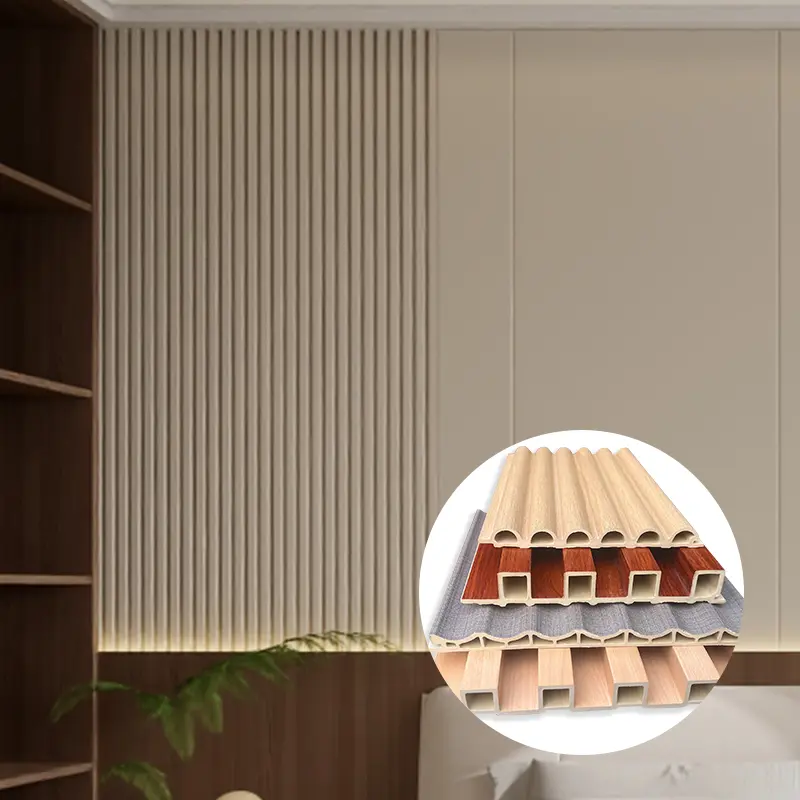
Unlike simple Decorative Panels, they are constructed with porous materials that capture sound energy.
Key Components
Typical acoustic panels consist of:
- Sound-transparent surface fabric or veneer
- Absorptive core materials such as mineral wool, fiberglass, or PET fibers
- Rigid backing layers that support installation
The outer layer allows sound waves to pass through to the internal core, where the energy is absorbed.
Acoustic Performance
By reducing reflections from walls and ceilings, acoustic panels help achieve balanced sound conditions. This improves communication and reduces the overall noise level in busy environments.
4. Benefits of Acoustic Panels for Hotels
Creating Restful Guest Rooms
Noise disturbances can significantly affect sleep quality. Acoustic panels help soften internal echoes and reduce the perception of outside noise.
Strategically placing panels near beds or on ceiling sections can significantly improve the acoustic comfort of guest rooms.
Enhancing Lobby Ambience
The lobby sets the tone for a guest’s entire stay. However, it is often one of the loudest spaces in a hotel.
Acoustic wall panels or suspended ceiling baffles help absorb background noise, creating a welcoming and relaxed atmosphere.
Improving Restaurant Acoustics
Dining environments should allow guests to converse comfortably without raising their voices.
Acoustic ceiling treatments reduce clattering sounds and prevent noise from bouncing around the room.
Supporting Business Events
Hotels frequently host conferences, workshops, and presentations. Clear speech transmission is essential in these spaces.
Acoustic panels help reduce reverberation and improve microphone performance, ensuring that every participant can hear presentations clearly.
Increasing Overall Guest Satisfaction
A well-designed acoustic environment contributes to:
- Better sleep quality
- More enjoyable dining experiences
- Improved communication during meetings
- A calm and relaxing atmosphere
These factors play a significant role in guest reviews and brand reputation.
5. Types of Acoustic Panels Used in Hospitality Interiors
Fabric-Wrapped Panels
Fabric acoustic panels are widely used in meeting rooms and entertainment spaces. They offer high sound absorption and a wide range of design possibilities.
Wooden Slat Panels
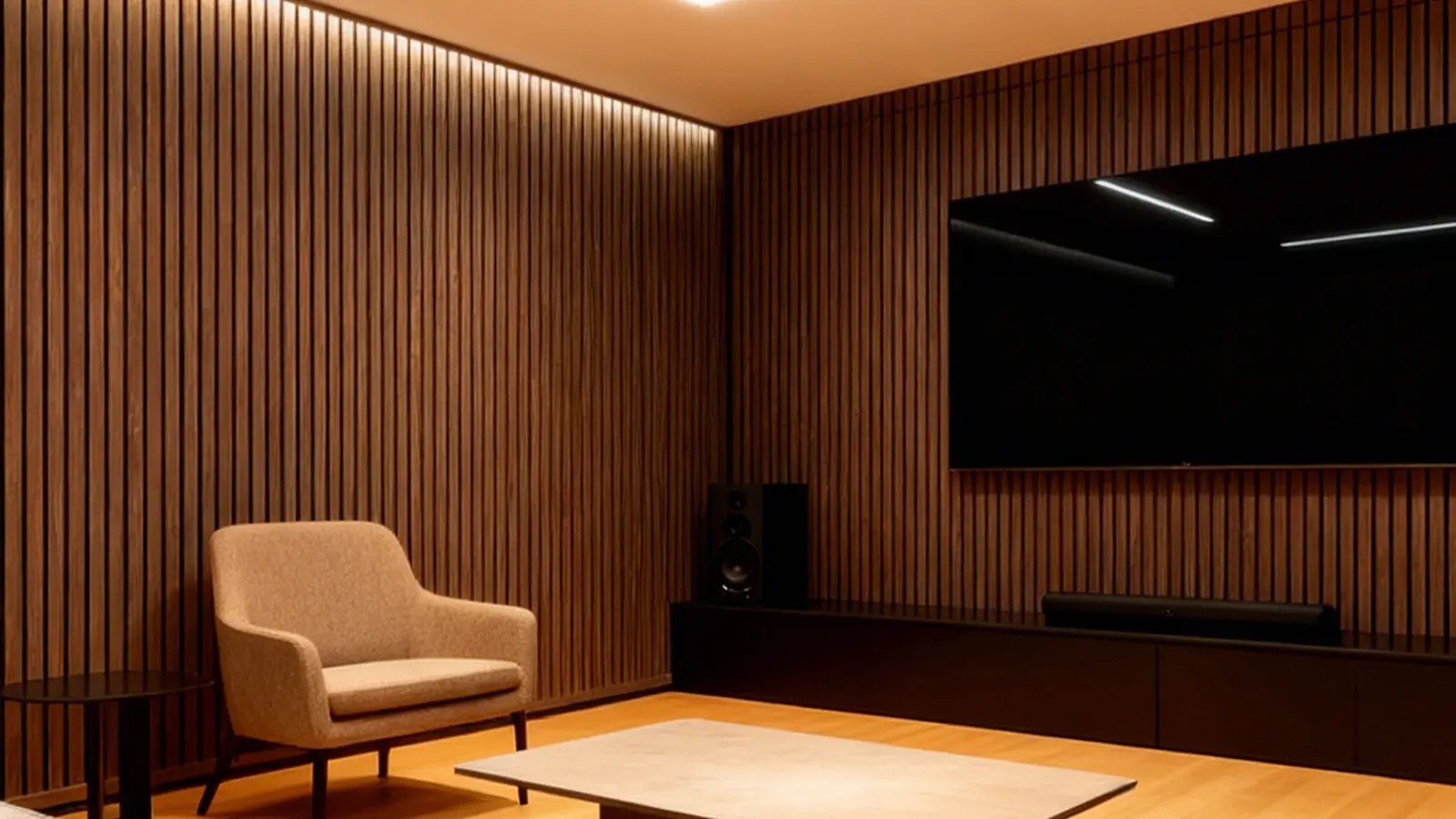
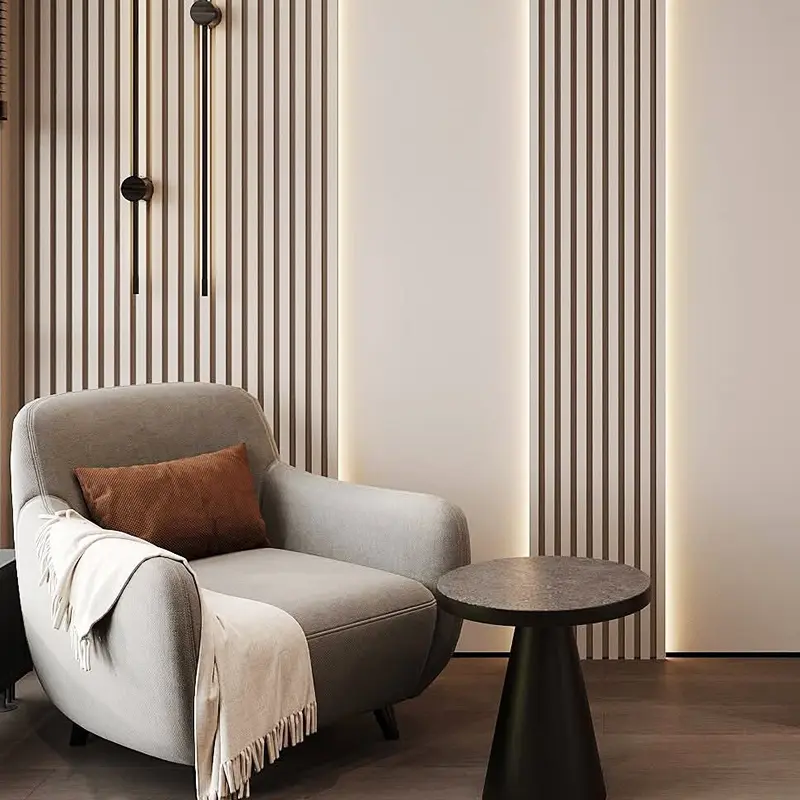
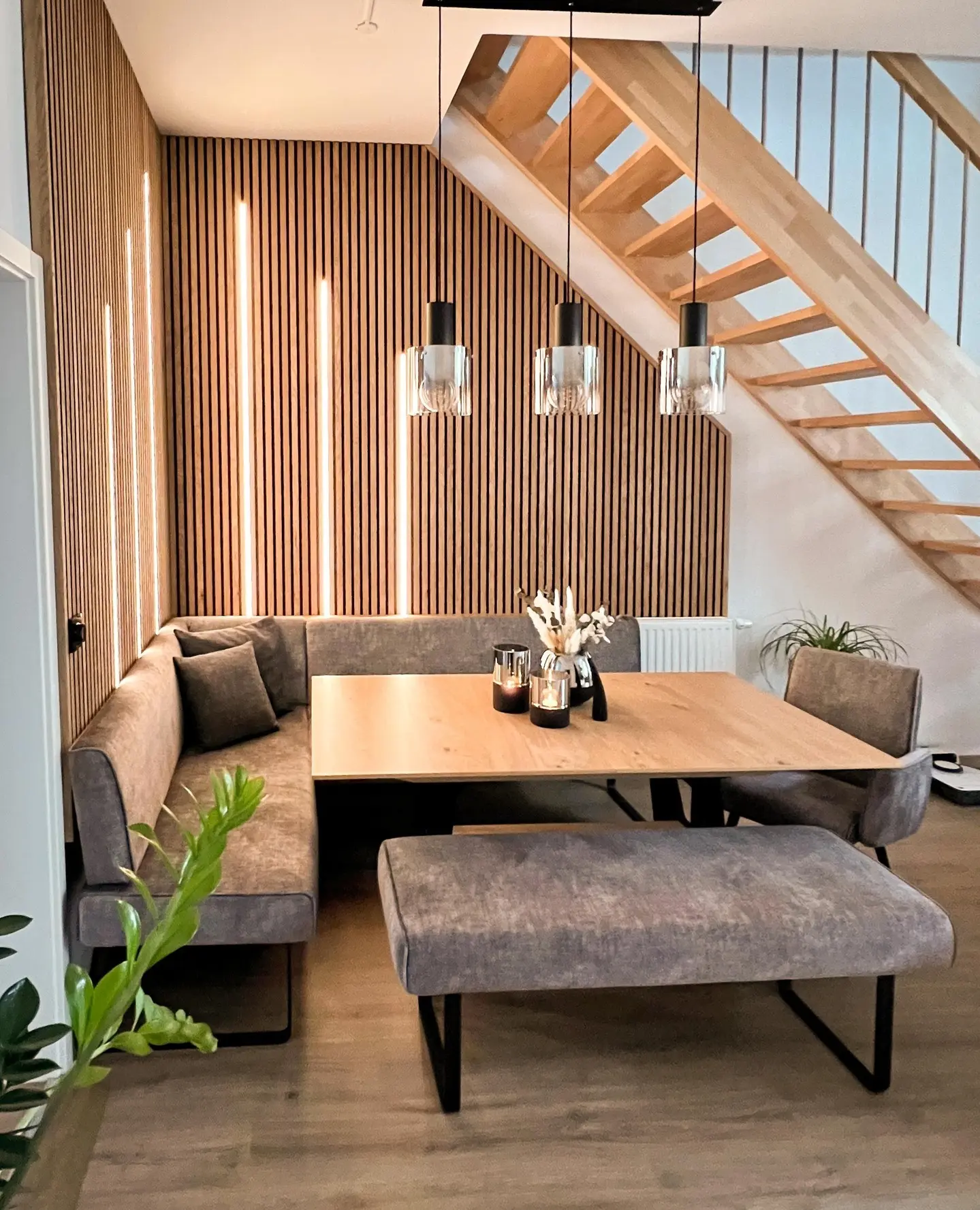
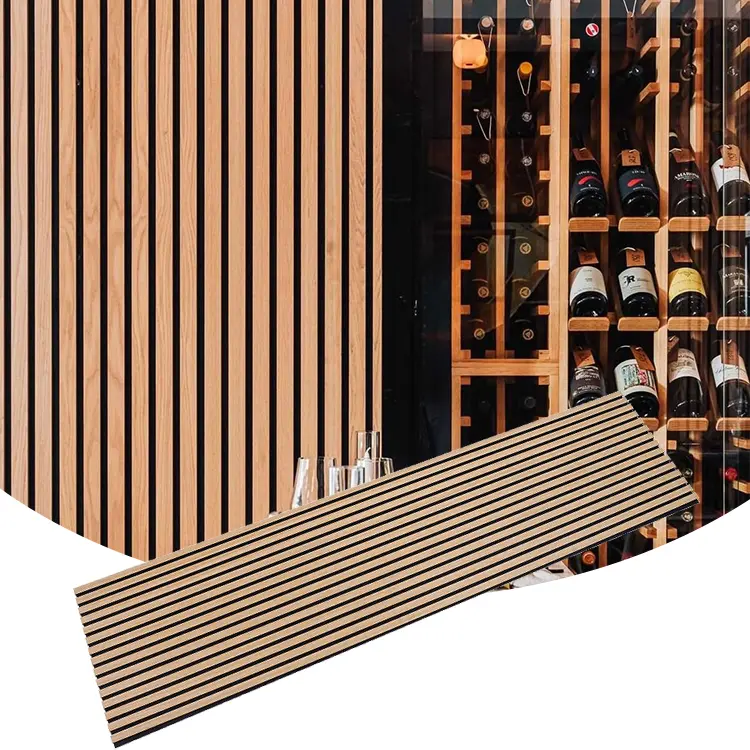
Wood slat panels combine acoustic performance with natural aesthetics. Their linear patterns add warmth and texture to hotel interiors.
These panels are commonly installed in lobbies and corridors.
PET Felt Panels
PET panels are made from recycled polyester fibers, making them an environmentally responsible option.
They are lightweight, customizable, and easy to install.
Perforated Architectural Panels
Perforated wood or gypsum panels provide a more traditional architectural appearance while still offering acoustic benefits.
They are often used in ballrooms and conference halls.
6. Design Strategies for Installing Acoustic Panels
Effective acoustic design requires more than simply adding panels to a room. Strategic placement is essential.
- Wall Treatments: Installing panels on walls helps control lateral sound reflections and improves speech clarity.
- Ceiling Systems: Ceiling panels and suspended baffles are useful in large spaces where wall surfaces are limited.
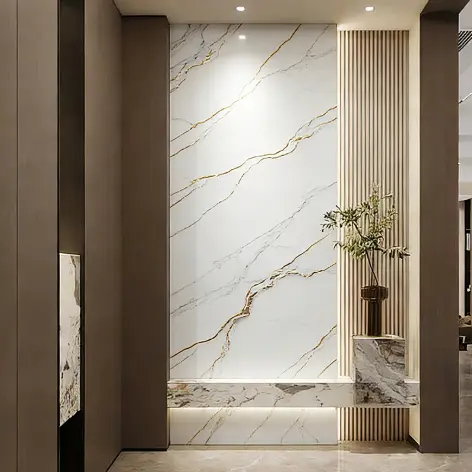
- Feature Walls: Acoustic panels can be incorporated into decorative feature walls, blending sound control with interior design.
- Combined Systems: Many hotels combine Wall Panels, ceiling treatments, and soft furnishings to create a balanced acoustic environment.
7. Sustainability in Modern Acoustic Materials
Sustainability is becoming a key consideration in hospitality design. Many acoustic panels are now manufactured using recycled materials and environmentally friendly adhesives.
PET acoustic panels made from recycled plastic fibers are particularly popular in green building projects.
These materials support sustainability goals while maintaining strong acoustic performance.
8. Selecting the Right Manufacturer for Hotel Projects
When choosing acoustic materials for a hotel, developers should consider several factors:
- Product Quality: Panels should deliver reliable sound absorption and maintain their performance over time.
- Custom Design Options: Hotels often require custom colors, textures, and dimensions to match their interior concepts.
- Fire Safety Standards: Materials used in hotels must meet strict fire-resistance requirements.
- Project Experience: Manufacturers with experience in hospitality projects can provide valuable technical guidance during design and installation.
9. Future Developments in Hospitality Acoustics
The demand for better acoustic environments is driving innovation in building materials.
Several emerging trends include:
- Smart acoustic materials: Advanced engineering techniques are improving sound absorption performance while reducing panel thickness.
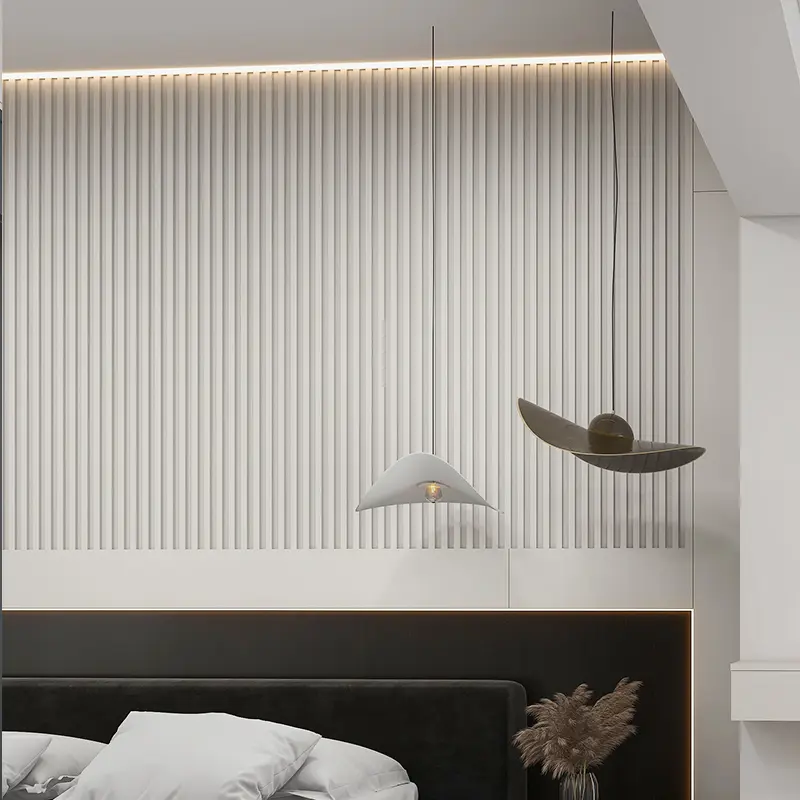
- Integrated lighting and acoustic systems: Panels combined with lighting features allow designers to address multiple functions simultaneously.
- Modular acoustic systems: Prefabricated systems simplify installation and reduce construction time.
As these technologies evolve, acoustic design will become an even more integral part of hotel architecture.
Creating a memorable hotel experience involves more than attractive interiors. Sound plays a crucial role in how guests perceive comfort, privacy, and relaxation.
Acoustic panels provide an efficient way to manage noise while enhancing the visual appeal of interior spaces. From guest rooms and corridors to restaurants and conference facilities, these materials help create balanced acoustic environments throughout the building.
By integrating acoustic panels into hotel design, developers can improve guest satisfaction, strengthen brand reputation, and deliver a higher standard of hospitality.