
Designing for the Modern Guest: Elevating Hotel Interiors with Architectural WPC Cladding
- The Evolution of Architectural Composites
- Three-Dimensional Depth: The Rise of Fluted and Louvered Panels
- Acoustic Management in Open-Plan Hospitality
- Zone-by-Zone Versatility: Designing Without Boundaries
- The Sustainability Narrative for Eco-Conscious Brands
- Empowering Your Design Vision with Ruide
The modern traveler’s expectations have evolved. Whether checking into an urban boutique hotel or a sprawling luxury resort, guests are seeking an immersive, tactile experience. Sterile, painted drywall and generic wallpaper no longer cut it. Today’s premier hospitality design leans heavily into Biophilic principles—incorporating natural textures, organic tones, and architectural depth to create spaces that feel grounding and luxurious.
However, executing these designs at a commercial scale presents a massive challenge for architects and interior designers. Real timber, the traditional go-to for bringing warmth into a space, is fraught with limitations. It is astronomically expensive, highly susceptible to climate fluctuations, and notoriously difficult to maintain in heavy-traffic public spaces.
To bridge the gap between high-end design intent and the harsh realities of commercial hotel operations, the architecture world is rapidly adopting Wood-Plastic Composite (WPC) cladding. As a leading manufacturer of architectural composites, Ruide explores how engineered WPC is unlocking new creative possibilities in hospitality design.
The Evolution of Architectural Composites
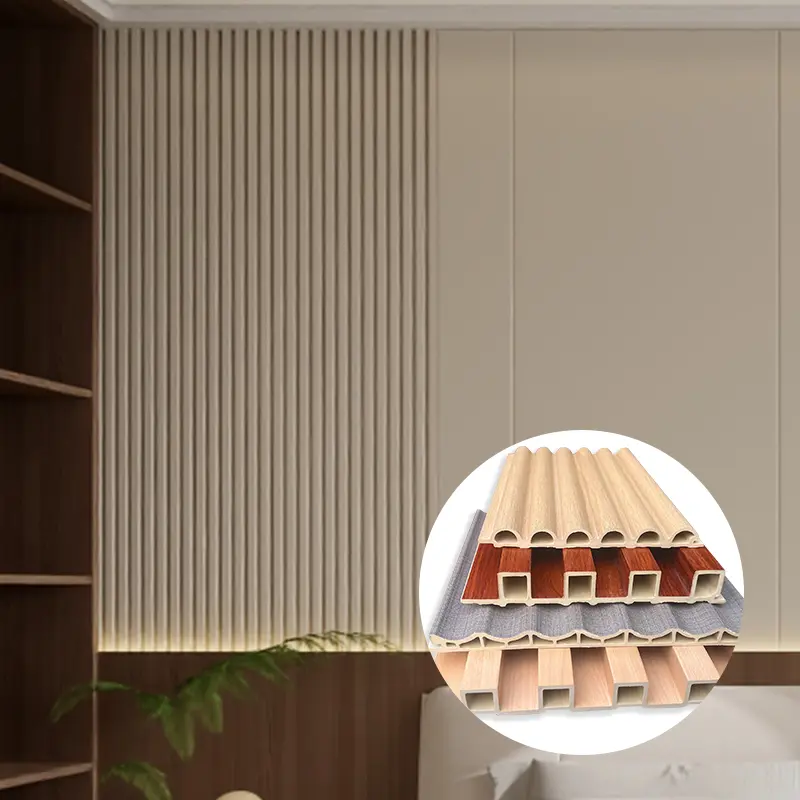
To appreciate the design flexibility of WPC, one must look past outdated perceptions of "faux wood." The current generation of WPC wall panels represents a leap forward in material science. Utilizing advanced co-extrusion technology, manufacturers can now wrap a highly durable, rigid composite core in a protective, 360-degree engineered polymer shield.
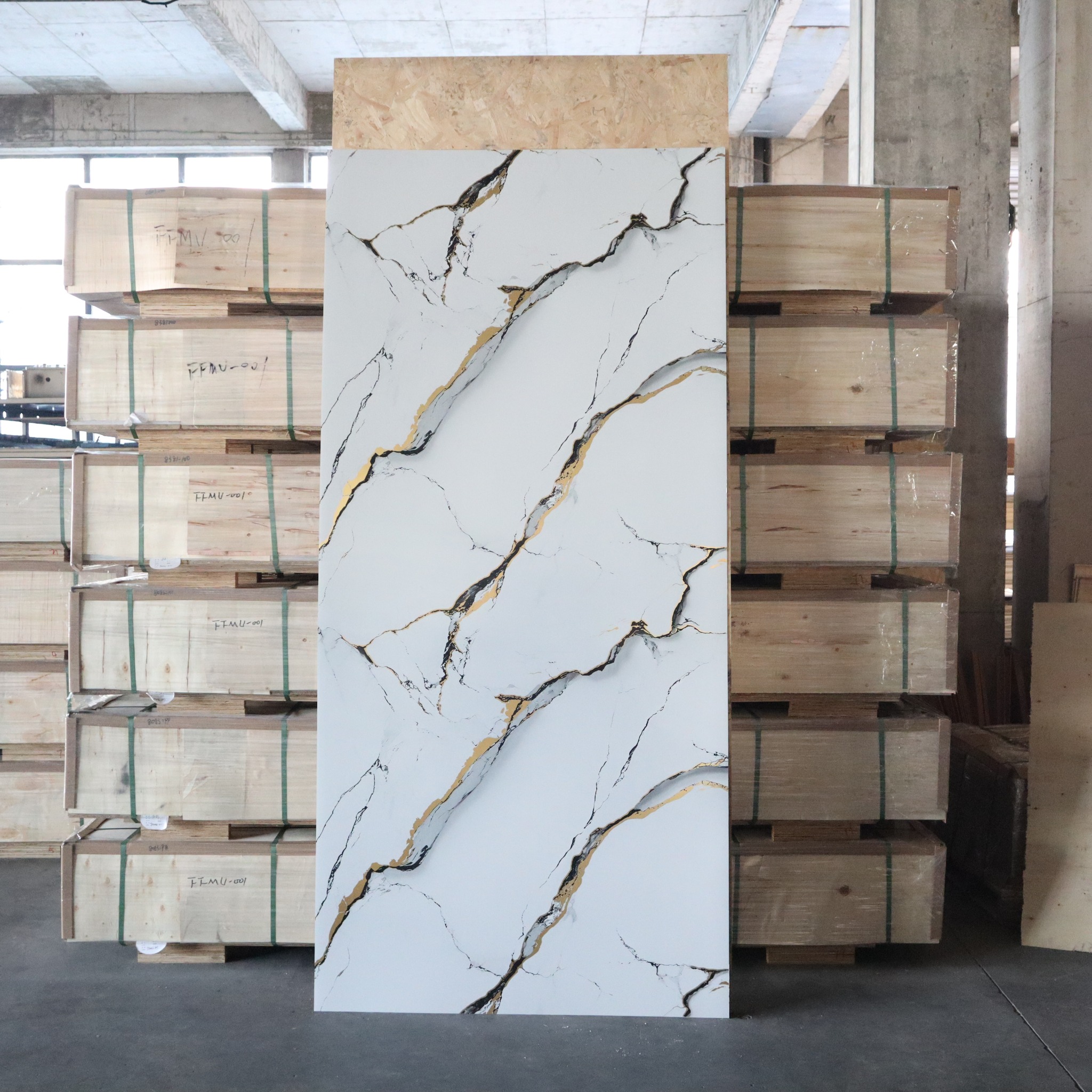
This outer layer utilizes high-definition printing and deep-embossing techniques to replicate the exact visual and tactile properties of rare materials. Designers can specify the deep, rich grains of smoked walnut, the clean, minimalist lines of bleached white oak, or even industrial textures like raw concrete and brushed brass. Unlike natural wood, which has unpredictable color variations and knots that can ruin a seamless design, WPC offers absolute aesthetic control and consistency across massive wall elevations.
Three-Dimensional Depth: The Rise of Fluted and Louvered Panels
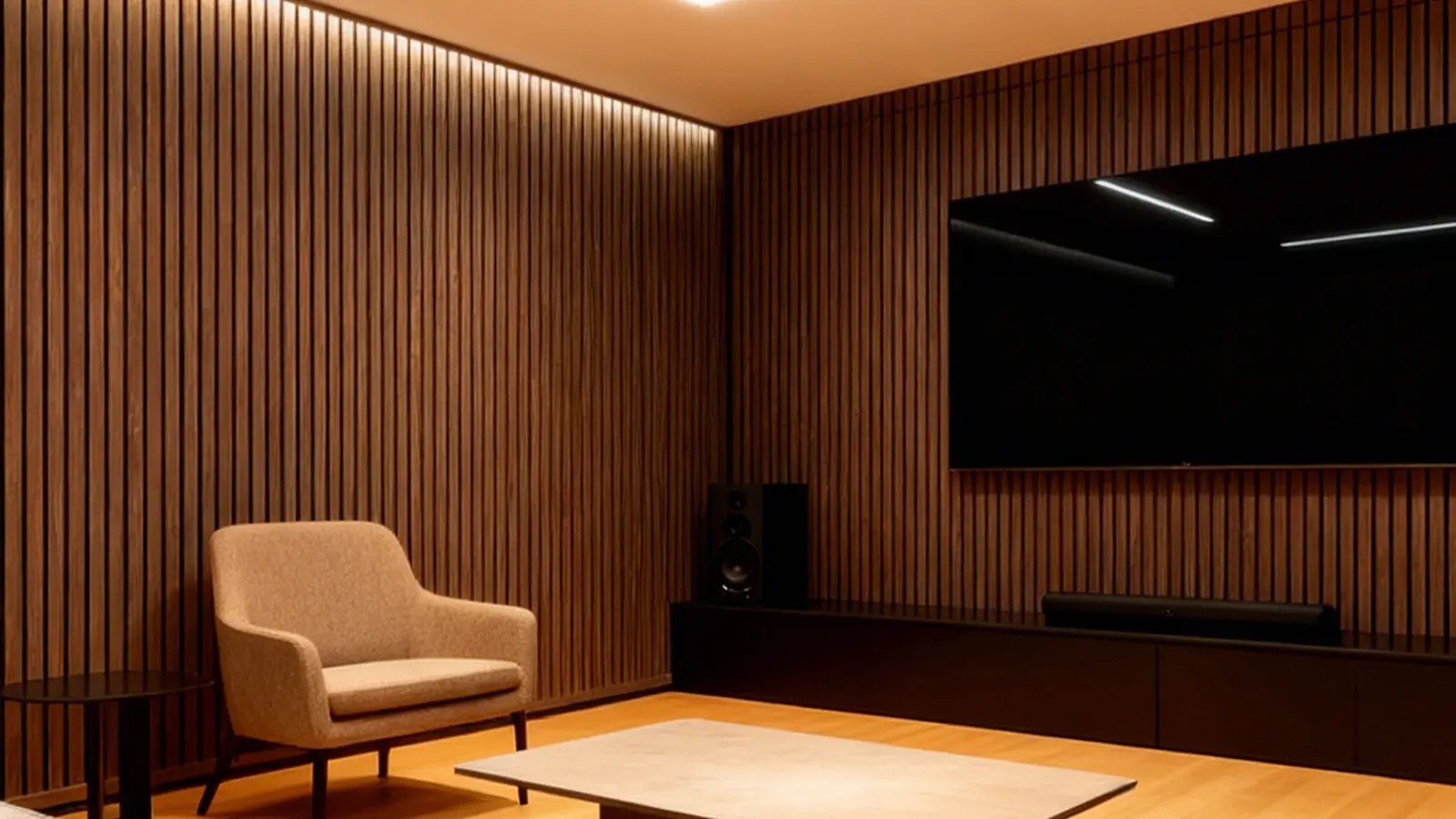
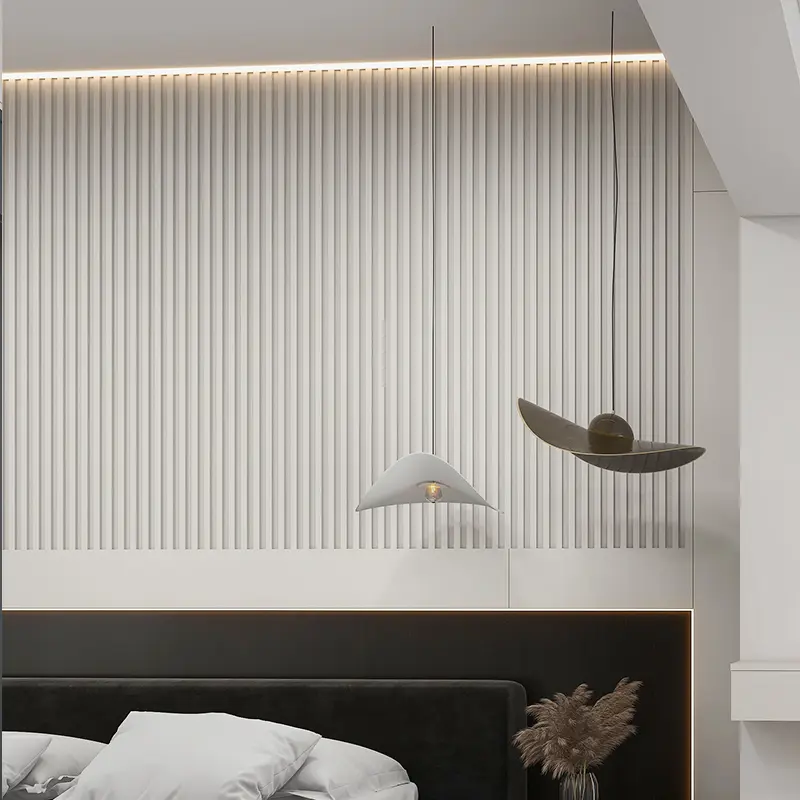
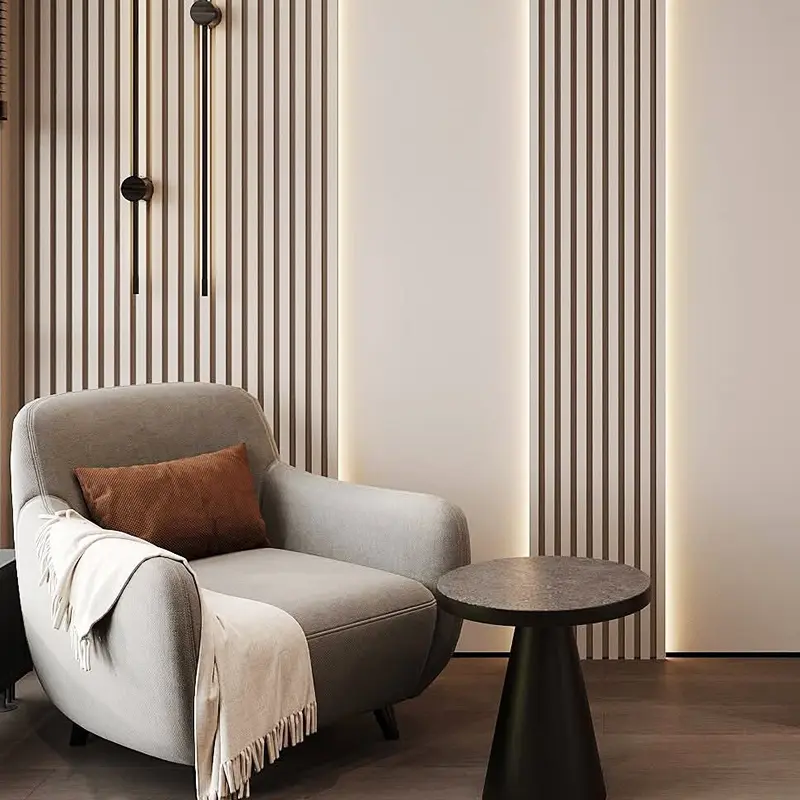
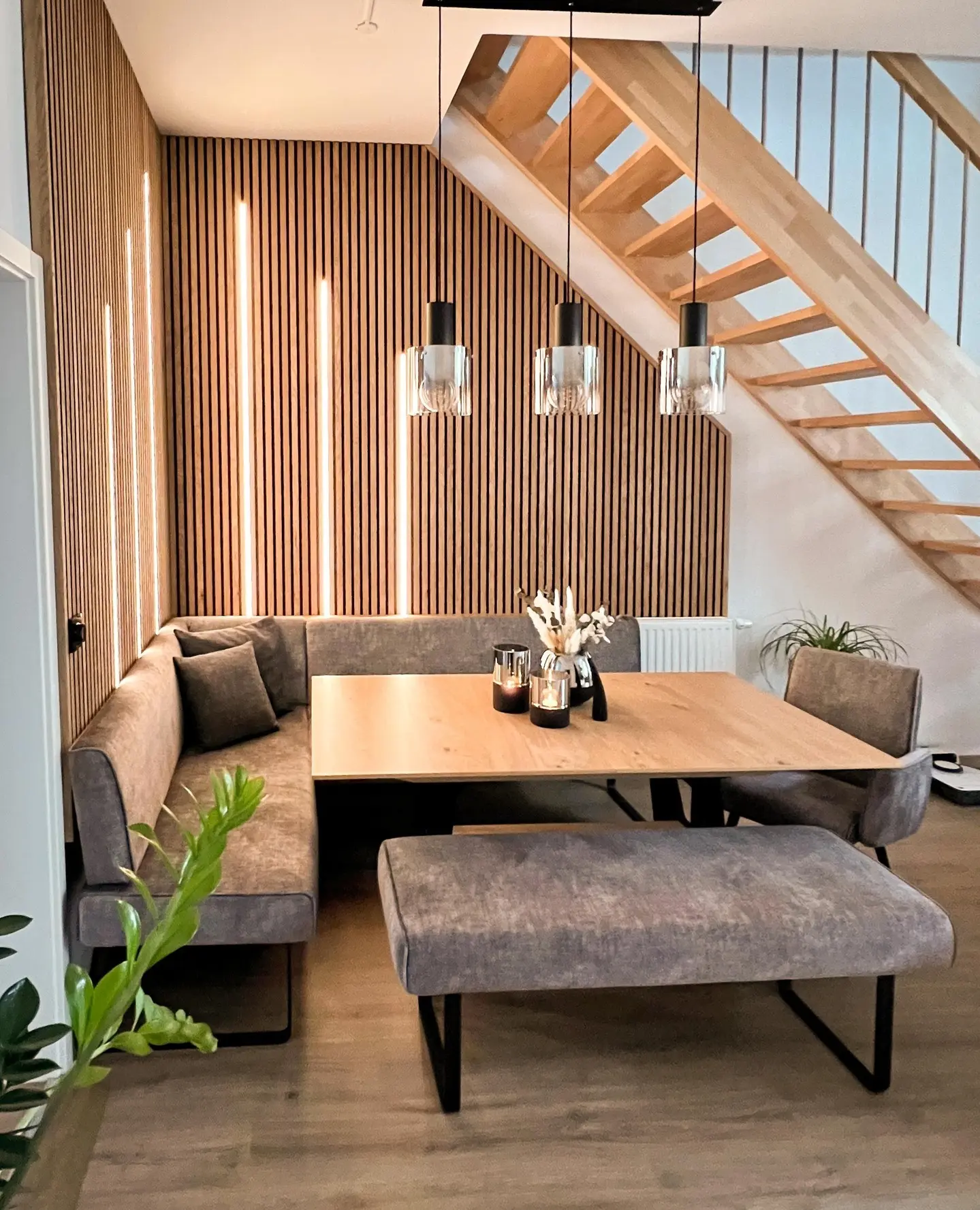
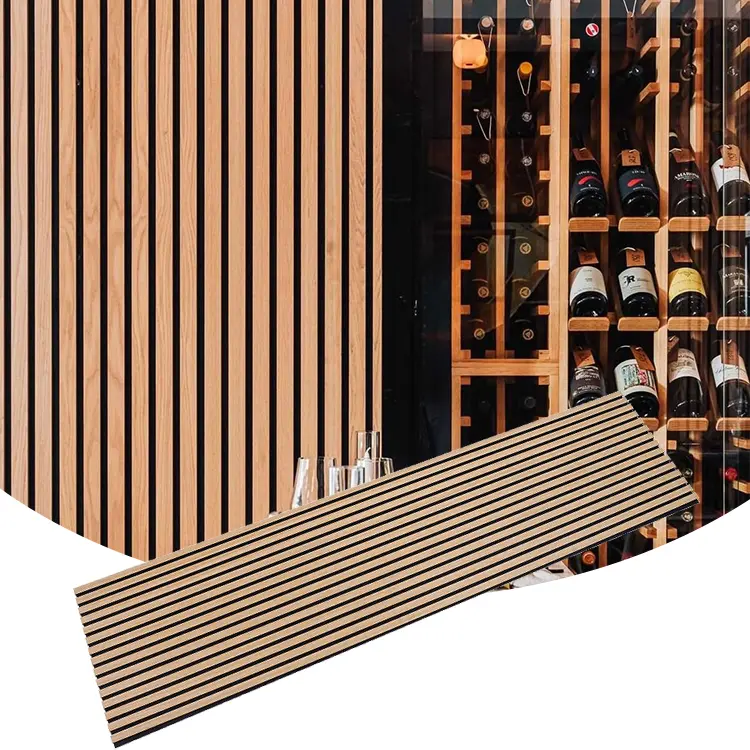
Flat walls are disappearing from high-end hotel lobbies. The current architectural zeitgeist favors texture, rhythm, and the interplay of light and shadow. Fluted panels, slatted walls, and louvered designs are highly sought after to add verticality and grandeur to reception areas and elevator banks.
Custom-milling these 3D profiles out of solid timber or MDF is a painstakingly slow and expensive process. Furthermore, milling exposes the raw core of the wood, increasing the risk of moisture absorption and warping. WPC panels are extruded directly into these complex 3D profiles. This means architects can instantly specify intricate, repetitive geometric patterns—from gentle curves to sharp, angular slats—knowing the panels will arrive on-site perfectly uniform and ready to mount.
Acoustic Management in Open-Plan Hospitality
One of the hidden challenges in designing modern hotels is acoustics. Grand, double-height lobbies with marble floors and glass facades are acoustic nightmares, creating echoing chambers that ruin the intimate, relaxing atmosphere guests expect.
Here, 3D WPC wall panels serve a dual purpose. Beyond their visual appeal, slatted and fluted WPC profiles help break up sound waves. When installed over an acoustic backing material, these panels significantly reduce reverberation and ambient noise levels. This makes them exceptionally valuable not just in grand lobbies, but in hotel restaurants, bustling bar areas, and corridor walls adjacent to elevator shafts.
Zone-by-Zone Versatility: Designing Without Boundaries
The true genius of WPC lies in its ability to carry a unified design language throughout an entire hotel property, regardless of the micro-environment.
- The Guestroom Sanctuary: WPC is increasingly replacing upholstered headboards and accent wallpaper in luxury guestrooms. A bespoke WPC wood-grain feature wall behind the bed provides a high-end, bespoke millwork aesthetic that is entirely immune to luggage scratches and staining.
- The Wet Zones (Spas and En-Suites): Historically, designers had to abruptly switch from wood to cold ceramics or stone when transitioning into a hotel bathroom or spa due to humidity constraints. Because WPC is completely waterproof and resistant to mold and mildew, designers can now extend warm wood textures directly into shower enclosures, pool surrounds, and vanity splashbacks, creating a seamless, spa-like flow.
- Corridors and Transitions: Long hotel hallways often feel institutional. Applying a textured WPC wainscoting or a full-height slatted feature breaks up the visual monotony while simultaneously protecting the walls from the inevitable impact of housekeeping carts.
The Sustainability Narrative for Eco-Conscious Brands
For modern hotel brands, sustainability is a core pillar of their identity. Gen-Z and Millennial travelers actively seek out eco-conscious accommodations. Specifying WPC directly supports a property's green narrative.
Rather than contributing to deforestation, premium WPC is manufactured using a blend of reclaimed wood fibers (often diverted from furniture manufacturing waste) and recycled commercial polymers. This closed-loop approach drastically reduces the carbon footprint of the Building Materials. Furthermore, the extreme longevity of WPC means it won't end up in a landfill five years after installation, a key factor when pursuing certifications like LEED or BREEAM for commercial interiors.
Empowering Your Design Vision with Ruide
Realizing a complex hospitality design requires a manufacturing partner capable of executing bespoke visions at an industrial scale. Ruide is not just a supplier; we are an extension of your architectural team.
Based in China’s advanced manufacturing hubs, we offer unparalleled Custom OEM/ODM capabilities. If your hotel brand requires a proprietary colorway, a specific architectural profile mold, or a specialized matte finish, our engineering team can develop and mass-produce it. We bridge the gap between custom, boutique design and the economies of scale required for 500-room property developments.
Redefine what is possible in your next hotel project. Connect with the Ruide design and engineering division today to explore our architectural lookbooks, discuss custom tooling options, and secure premium material samples for your next presentation.