
Best Wall Cladding Materials for Hotel Interior Renovation
- Introduction
- Why Wall Cladding Is Important in Hotel Design
- Natural Marble
- Ceramic Tiles
- Wood Veneer Panels
- PVC Marble Sheets
- Comparing the Materials
- Choosing the Best Option for Your Project
- Conclusion
Hotel interior renovation is a major investment that directly affects guest experience, brand perception, and long-term operational efficiency. Whether it is a luxury resort, a boutique hotel, or a large international chain, the choice of interior materials plays a crucial role in the success of a renovation project. Among all decorative elements, Wall Cladding materials have one of the greatest visual impacts because they occupy large surface areas throughout the building.
From lobby spaces to guest rooms and corridors, wall finishes influence how guests perceive the atmosphere of a hotel. Designers must select materials that create an appealing aesthetic while also meeting practical requirements such as durability, ease of maintenance, and cost control.
Traditionally, hotels relied on premium materials like natural marble and wood veneer to achieve a luxurious interior appearance. While these materials remain popular, modern construction projects increasingly demand solutions that are easier to install, more cost-efficient, and suitable for large-scale renovations.
Today, a wide range of wall cladding options are available for hotel interiors, including natural stone, ceramic tiles, Wood Panels, and engineered decorative panels such asPVC marble sheets. Each material offers unique advantages and limitations.
This article explores some of the most common wall cladding materials used in hotel renovation projects and explains why PVC marble sheets are becoming an increasingly popular solution in the hospitality industry.
2. Why Wall Cladding Is Important in Hotel Design
Walls represent one of the largest visible surfaces in any building. In hotels, they serve not only as structural components but also as essential elements of interior design. The materials used on walls help establish the overall style and atmosphere of the property.
For example, a hotel aiming to present a luxury image may choose elegant marble patterns or polished stone finishes. A boutique hotel with a modern theme might use textured panels or minimalist surfaces to create a contemporary aesthetic.
Beyond visual appearance, wall cladding materials must also meet practical requirements. Hotels experience constant daily use, which means surfaces must be durable enough to withstand wear while remaining easy to maintain. Materials that stain easily or require complicated cleaning procedures can increase operational costs over time.
Another important consideration is installation efficiency. Hotel renovation projects often operate under tight schedules because rooms or floors may need to be temporarily closed during construction. Materials that can be installed quickly help minimize downtime and allow hotels to reopen faster.
For these reasons, selecting the right wall cladding material is a key decision in any renovation project.
Natural marble has long been associated with luxury architecture. Its distinctive veining patterns and polished surface create an elegant appearance that many designers find appealing. As a result, marble has been widely used in high-end hotel interiors for decades.
In hotel lobbies, marble walls can create a grand first impression that communicates prestige and sophistication. Bathrooms, reception areas, and elevator surrounds often incorporate marble surfaces for decorative impact.
However, while marble offers undeniable beauty, it also presents several practical challenges.
First, natural marble is expensive. The cost of quarrying, processing, and transporting marble slabs can be significant, particularly when large quantities are required. For hotels with hundreds of rooms, the material cost alone can represent a major portion of the renovation budget.
Second, marble is extremely heavy. Stone slabs require careful handling during transportation and installation. This increases both shipping expenses and labor requirements.
Installation is also time-consuming. Marble must be cut precisely, polished, and carefully aligned to create a seamless appearance. These processes require skilled craftsmen and specialized tools.
Finally, marble surfaces require ongoing maintenance. Over time, stone may need sealing, polishing, or repair to maintain its appearance.
Because of these challenges, many developers are now exploring alternative materials that offer similar visual appeal with greater practicality.
Ceramic tiles are another widely used wall cladding material in hotel interiors. They are especially common in bathrooms, kitchens, and spa areas because of their resistance to water and humidity.
Tiles are available in a wide variety of colors, sizes, and patterns, making them versatile for different design styles. They are also relatively affordable compared with natural stone.
One advantage of ceramic tiles is their durability. Properly installed tiles can last for many years and are resistant to moisture and stains.
However, tile installations involve grout lines between each piece. Over time, grout can accumulate dirt or discoloration, requiring periodic cleaning or replacement.
In addition, tile installation can be labor-intensive, particularly when covering large wall surfaces.
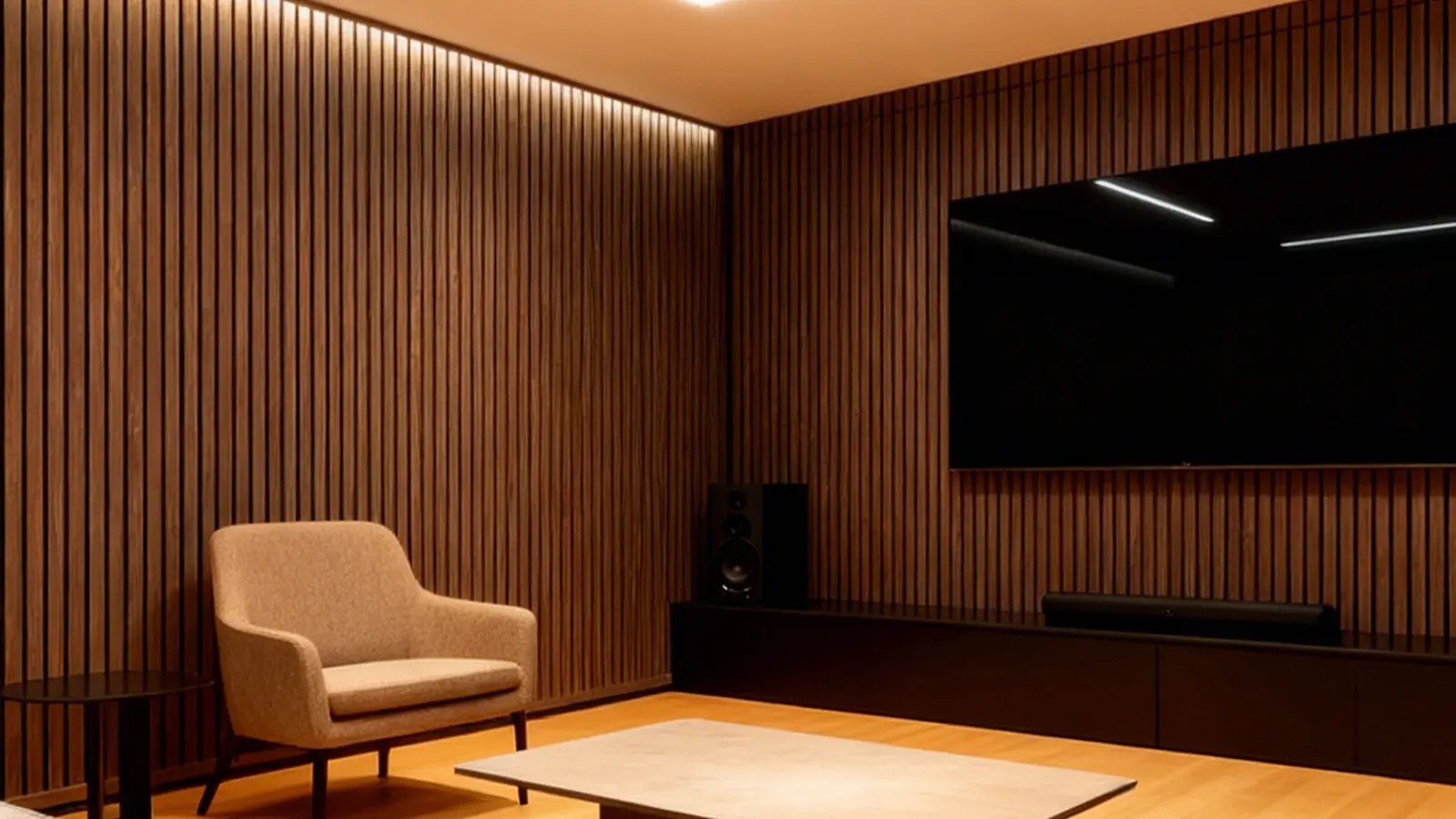
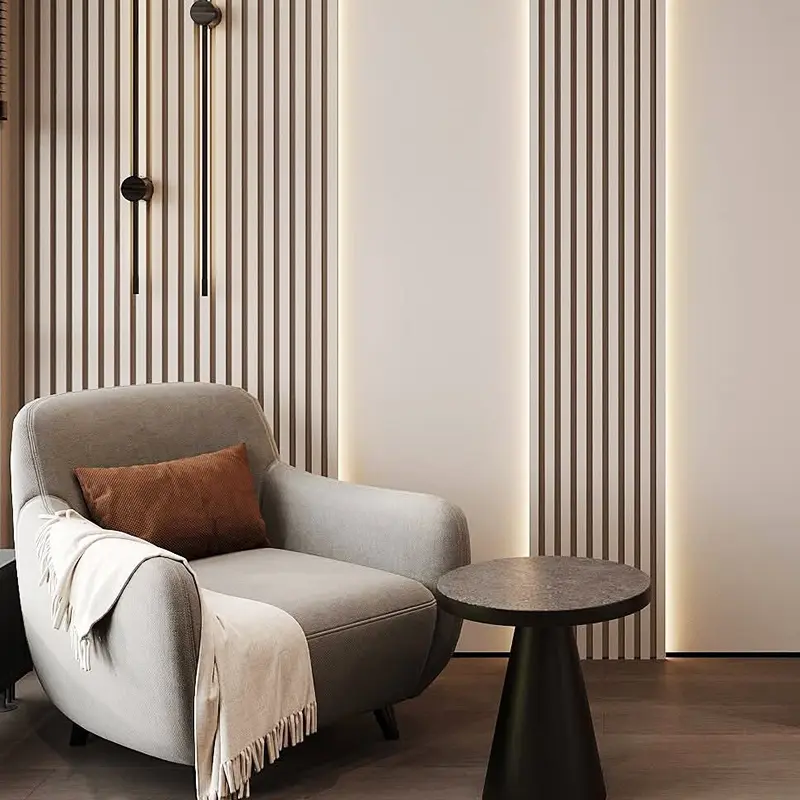
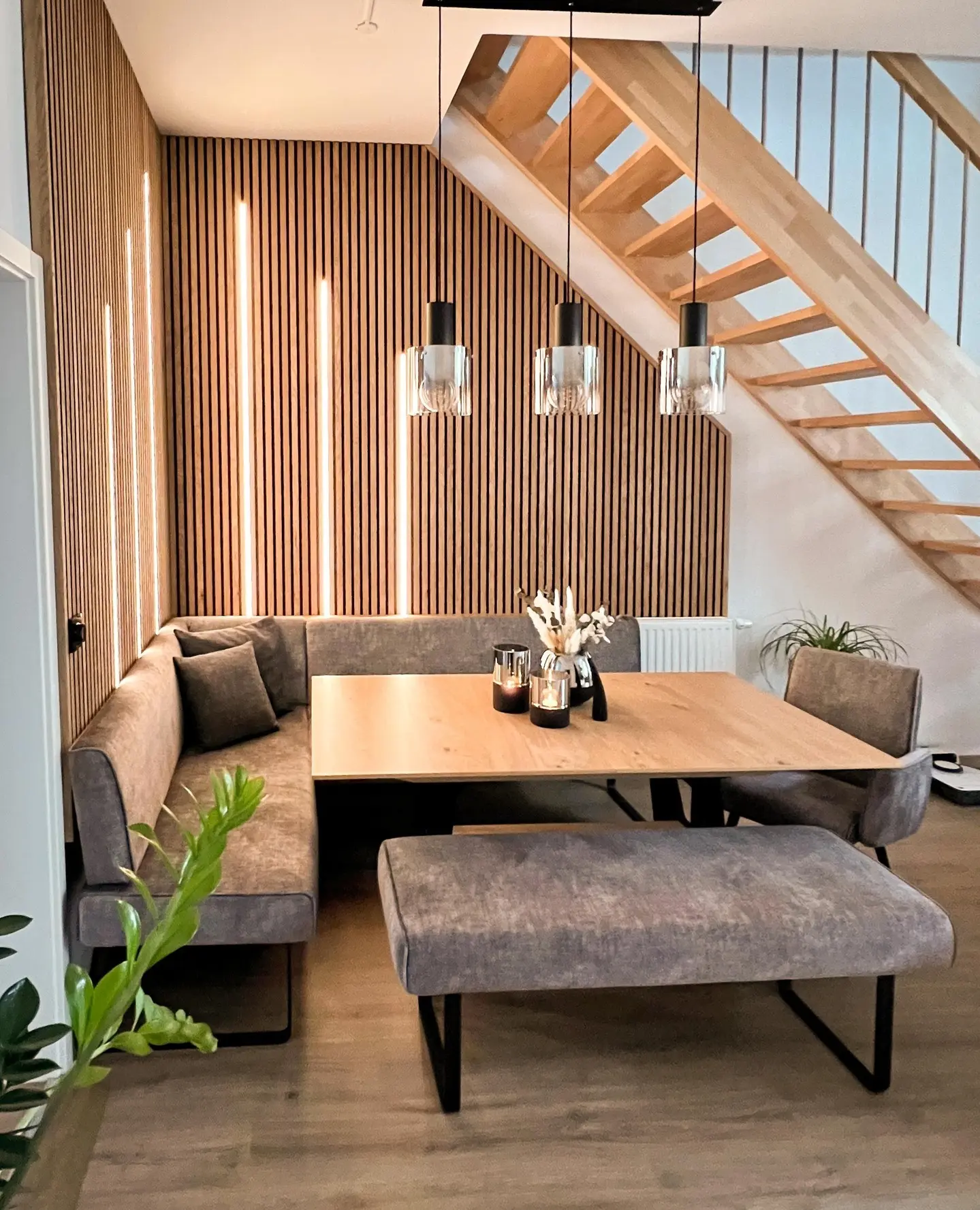
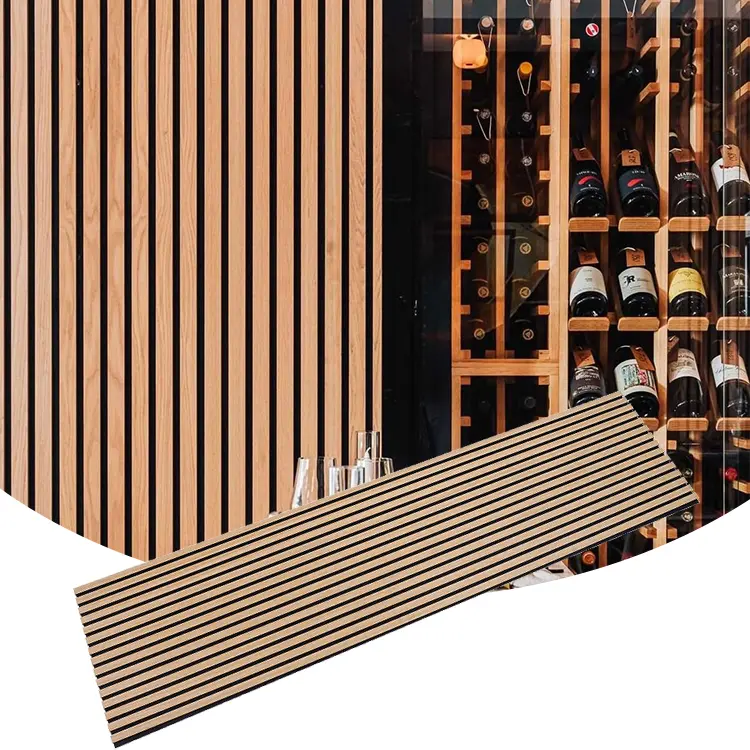
Wood veneer panels provide a warm and natural aesthetic that is popular in many luxury hotels. The texture and color variations of natural wood create a comfortable and inviting atmosphere.
These panels are often used in guest rooms, lounges, and conference areas where designers want to create a relaxed and elegant environment.
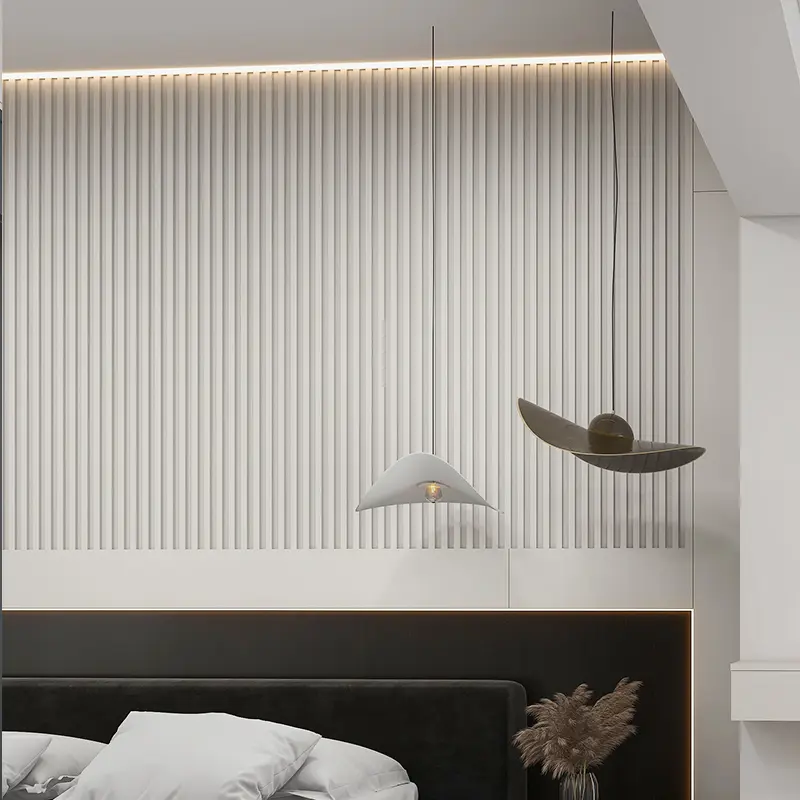
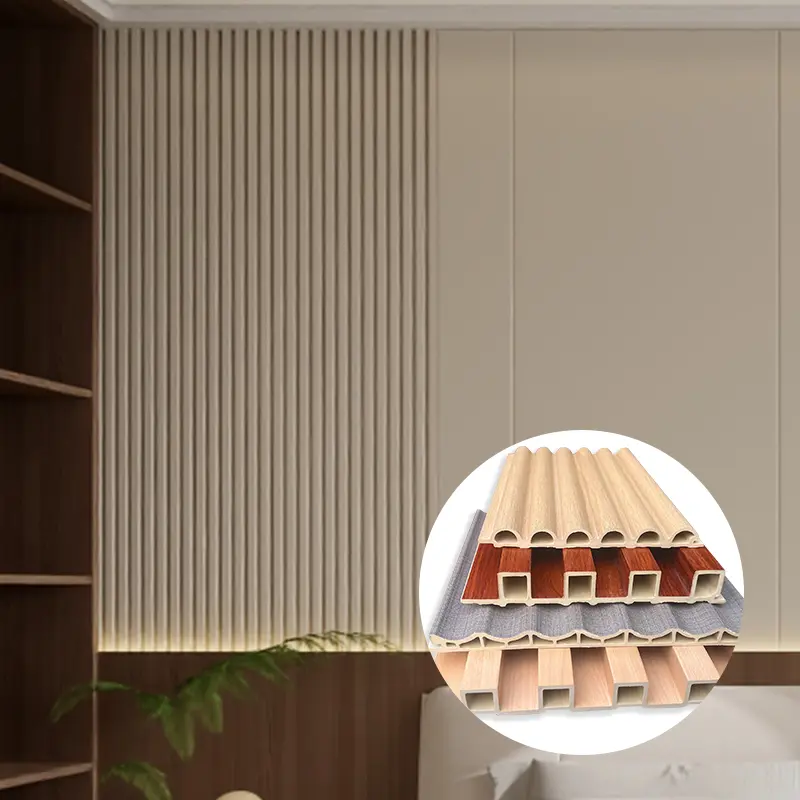
Wood panels can also be customized with different finishes and patterns, allowing architects to achieve unique interior designs.
However, wood materials may be sensitive to moisture and humidity, which can limit their use in certain areas such as bathrooms or kitchens. In addition, wood surfaces may require protective coatings and regular maintenance to prevent damage.
6. PVC Marble Sheets
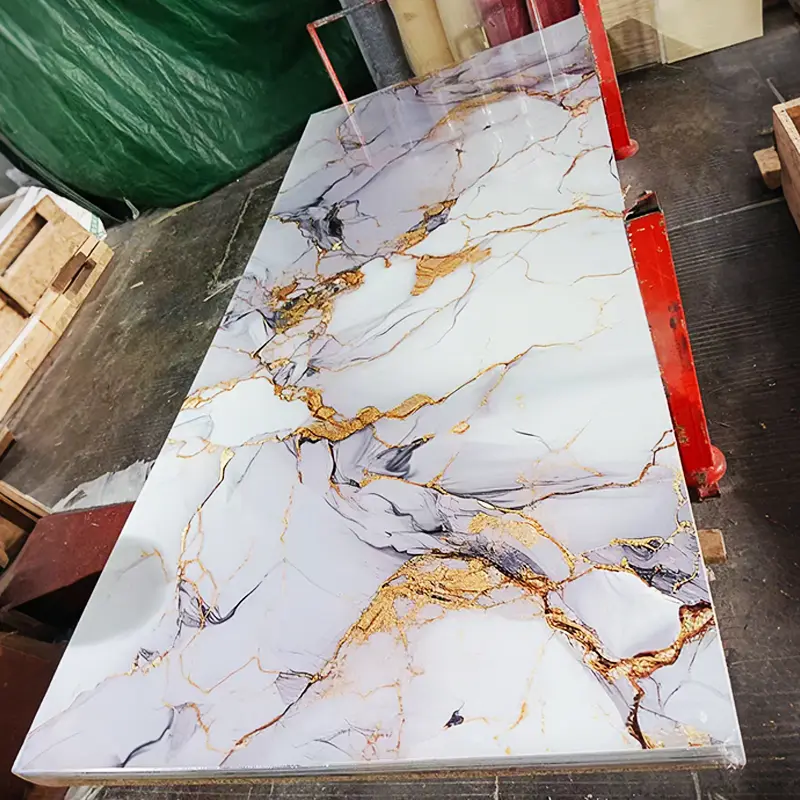
In recent years, PVC marble sheets have emerged as one of the most practical alternatives to natural marble for interior wall decoration.
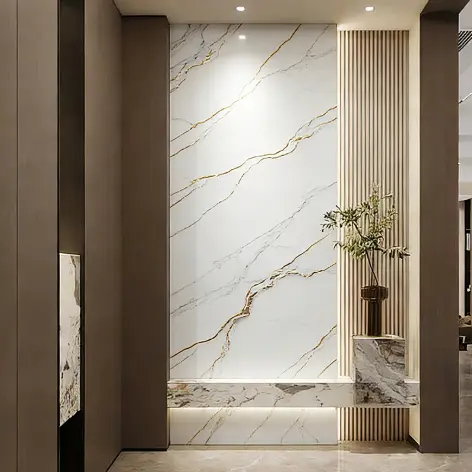
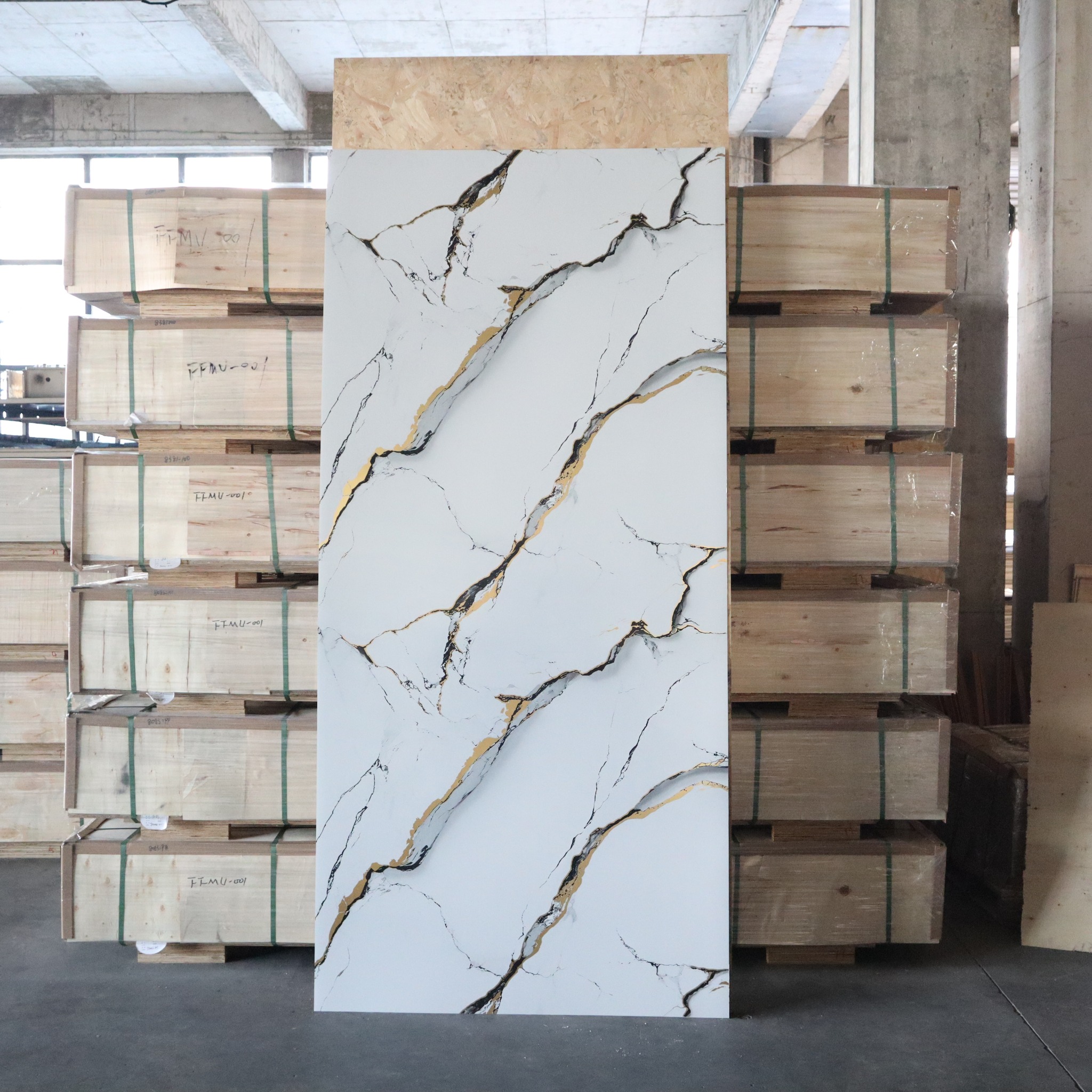
These decorative panels are made from polyvinyl chloride and manufactured using high-resolution printing technology that replicates the appearance of marble. A protective UV coating is applied to the surface, creating a glossy finish similar to polished stone.
One of the most significant advantages of PVC marble sheets is their lightweight structure. Compared with natural marble slabs, these panels are much easier to transport and install.
Installation typically involves adhesive mounting or simple mechanical fixing, which significantly reduces labor requirements. As a result, renovation projects can be completed more quickly.
Another important benefit is water resistance. PVC marble sheets are not affected by moisture, making them suitable for bathrooms, kitchens, and other humid environments.
Maintenance is also straightforward. The smooth surface can be cleaned easily using standard cleaning products, reducing long-term maintenance costs.
Because these panels are manufactured in factories, they are available in a wide range of designs, including classic white marble patterns, grey stone textures, and modern dark marble styles.
When choosing wall cladding materials for hotel renovation, it is useful to compare the main options based on several factors.
Natural marble offers unmatched prestige and authenticity but is expensive and difficult to install.
Ceramic tiles are durable and water-resistant but involve grout lines and more complex installation.
Wood veneer panels create a warm and luxurious atmosphere but may require careful maintenance and protection from moisture.
PVC marble sheets combine several advantages, including affordability, easy installation, and a marble-like appearance. For many renovation projects, they provide a balanced solution that meets both aesthetic and practical requirements.
8. Choosing the Best Option for Your Project
The ideal wall cladding material depends on the specific goals of the renovation project. Designers should consider factors such as project budget, installation timeline, and maintenance expectations.
Luxury hotels with larger budgets may still incorporate natural stone in prominent areas like lobby entrances. However, many developers combine different materials throughout the property to control costs while maintaining visual quality.
For example, marble-look PVC panels can be used in corridors and guest rooms, while real marble may be reserved for small decorative areas.
This mixed-material approach allows hotels to achieve an upscale appearance without exceeding renovation budgets.
Selecting the right wall cladding materials is one of the most important decisions in hotel interior renovation. The materials chosen will influence the visual atmosphere of the property as well as construction costs, installation time, and long-term maintenance.
Traditional materials such as marble, ceramic tiles, and wood panels each offer unique design advantages. However, modern decorative materials like PVC marble sheets are gaining popularity because they provide a practical combination of aesthetic appeal and cost efficiency.
With their lightweight structure, easy installation, and realistic marble appearance, PVC marble sheets offer a smart solution for many hospitality renovation projects.
As hotels continue to modernize their interiors, innovative materials like these are likely to play an increasingly important role in shaping the future of hotel design.