
Bamboo Charcoal Wood Veneer Solutions from China for International Hotel Interiors
Bamboo Charcoal Wood Veneer Solutions from China for International Hotel Interiors
- Introduction
- What Is Bamboo Charcoal Wood Veneer?
- Why It Fits Hotel Projects
- Typical Hotel Application Scenarios
- Advantages Chinese Manufacturers Bring
- Future Outlook in Hospitality Design
- Conclusion
In modern hospitality design, decorative materials have evolved far beyond mere visual appeal. Today’s hoteliers, designers, and procurement professionals prioritize aesthetics, sustainability, indoor health performance, and efficiency. Materials that deliver on all fronts are increasingly important in large-scale hotel builds and renovations. One emerging choice gaining traction globally is bamboo charcoal wood veneer — particularly from China, where a mature manufacturing ecosystem supports quality production and global export.
This article walks through the essence of bamboo charcoal wood veneer, why it works for hospitality environments, how it enhances hotel spaces, and what Chinese suppliers uniquely offer to international projects.
2. What Is Bamboo Charcoal Wood Veneer?
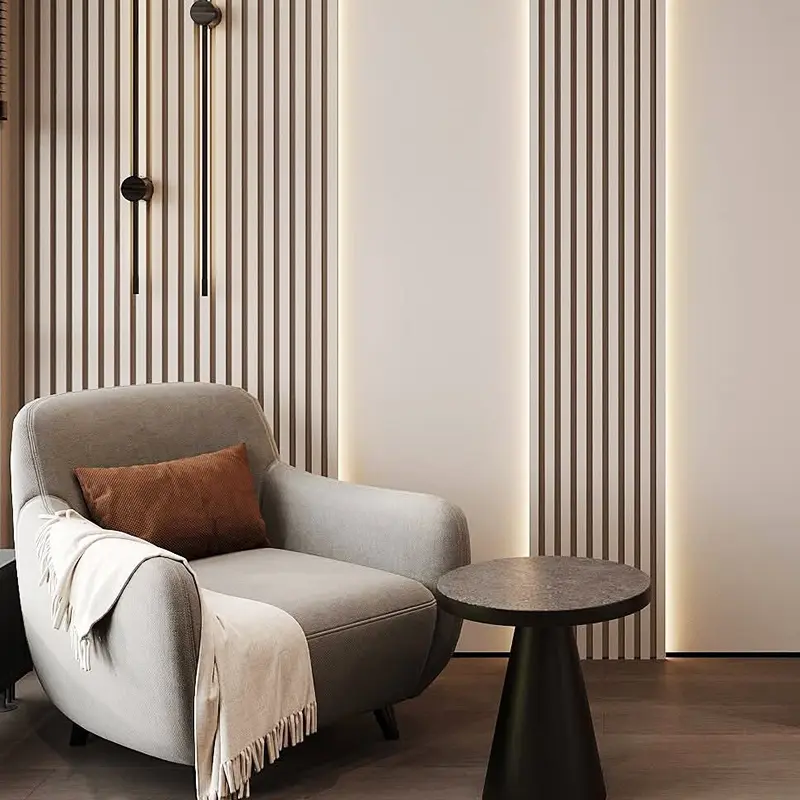
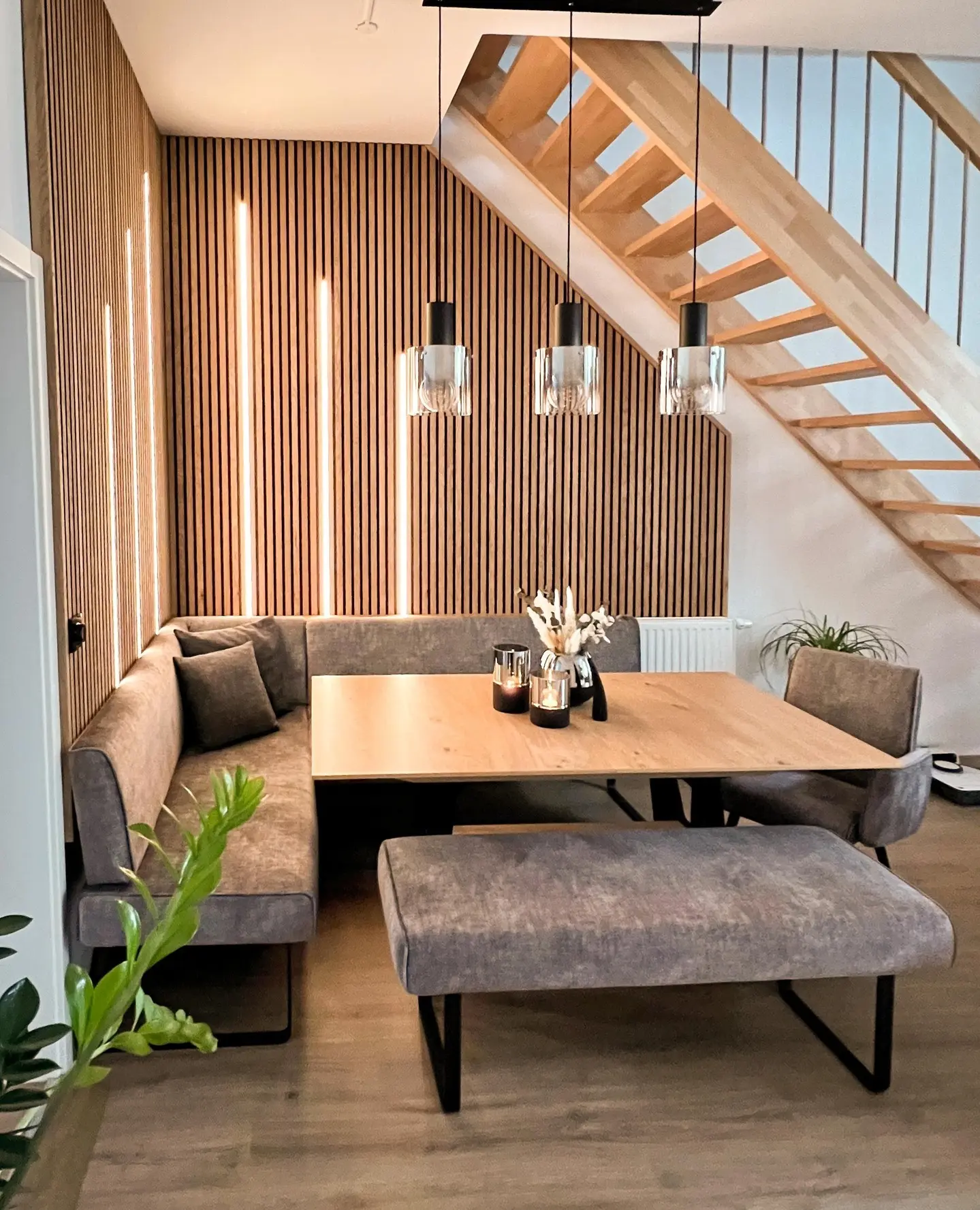
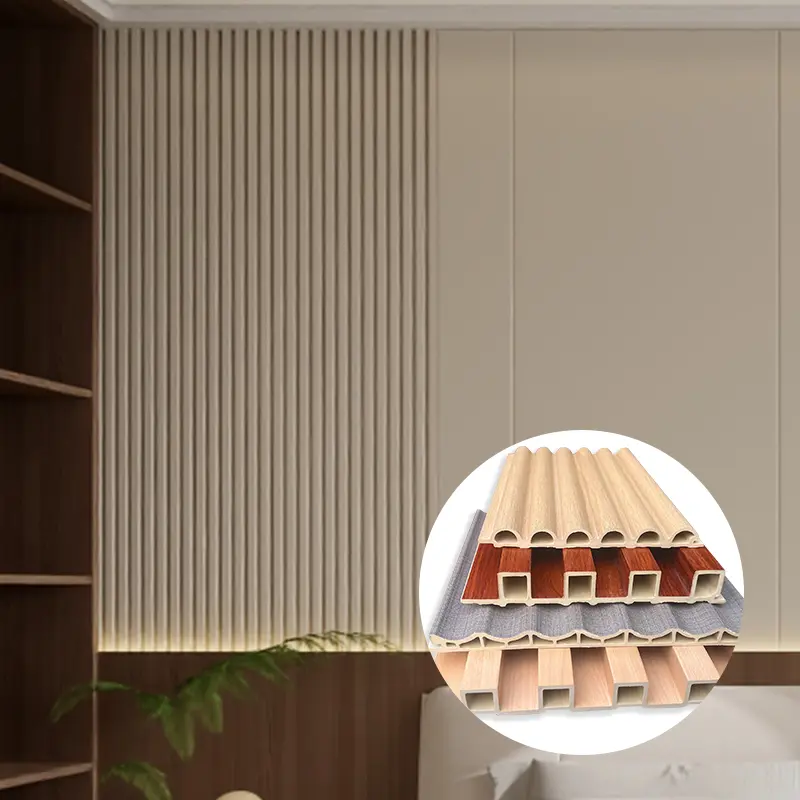
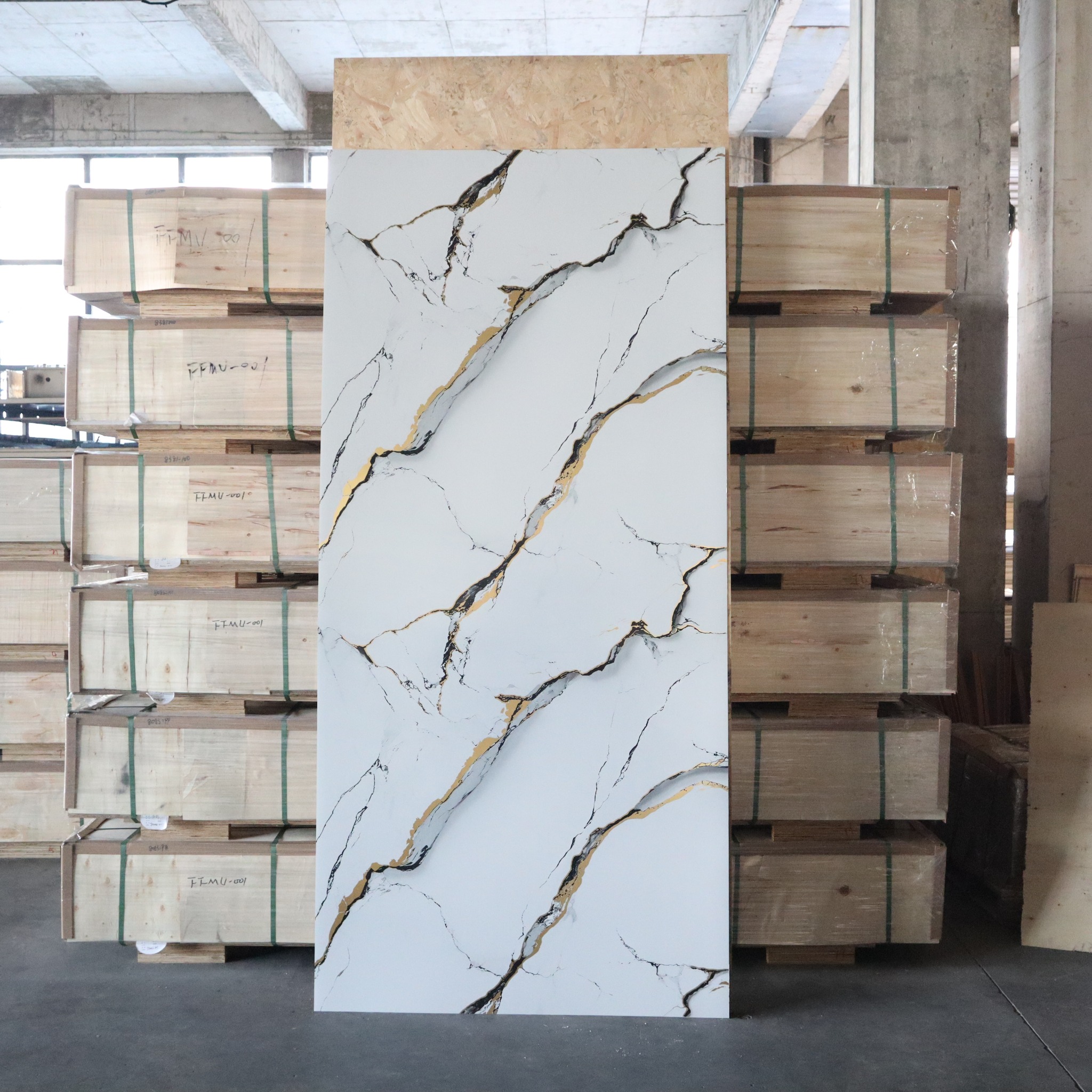
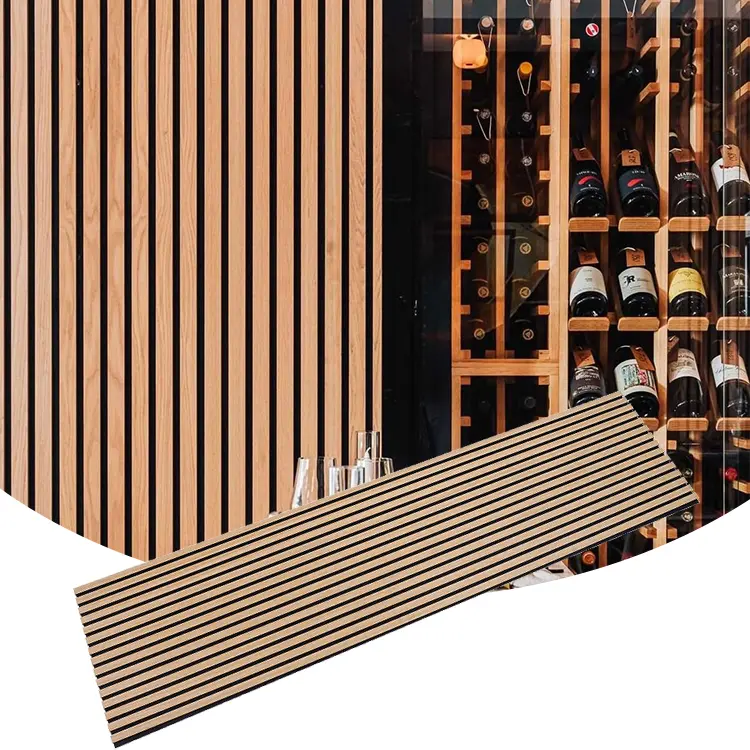
Bamboo charcoal wood veneer refers to engineered Decorative Panels composed of bamboo charcoal particles and surface finishes that mimic natural wood, stone, or marble. Unlike traditional solid wood veneer, these panels integrate bamboo charcoal for performance benefits while achieving the look and texture designers desire.
Core elements usually include:
- Bamboo Charcoal Composite Base – A porous, lightweight core made from bamboo charcoal that can help regulate indoor air quality and improve moisture behavior.
- Decorative Surface Layer – Often wood grain, marble, or metal finish films that are UV-coated for scratch resistance.
- Protective Coatings – UV or anti-fade coatings that enhance durability and make surfaces easier to clean.
This hybrid structure delivers both beauty and engineered performance beyond what traditional wood veneers offer.
3.1 Aesthetic Versatility
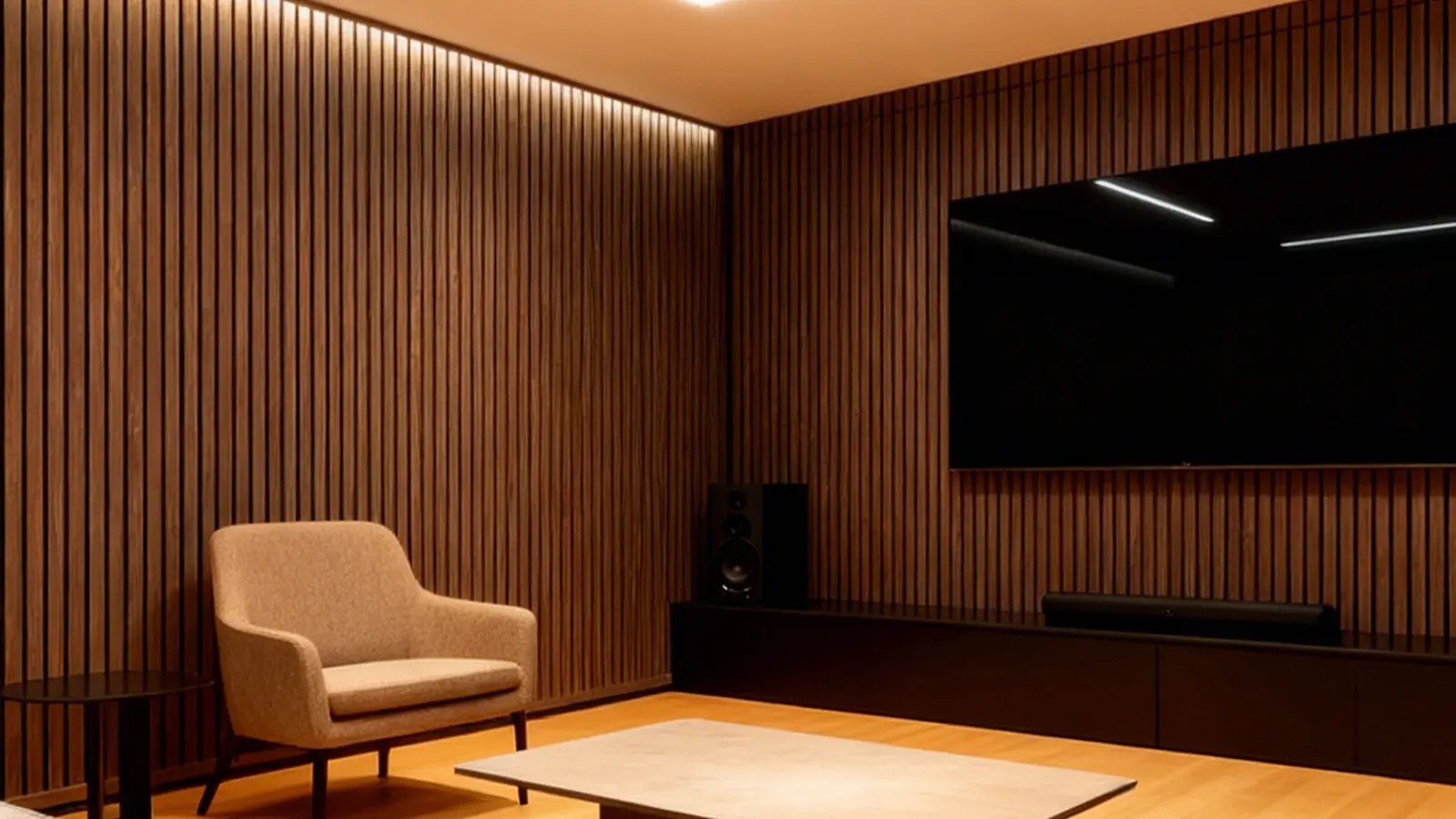
Bamboo charcoal wood veneer can replicate a vast range of finishes — from classical wood grains to contemporary marble effects — without the limitations of solid wood pieces. PVC film and printed surfaces ensure uniform patterns and consistent tones across large wall expanses, helping designers maintain a cohesive visual identity throughout guest rooms, lobbies, and public areas.
3.2 Health & Sustainability Performance
Bamboo itself is one of the fastest renewable materials, with growth cycles of just a few years. Its activated charcoal component naturally absorbs odors, formaldehyde, and some volatile organic compounds (VOCs), contributing to better indoor air quality — a key consideration in hospitality environments.
By significantly reducing reliance on slow-growing hardwoods, bamboo charcoal veneer supports eco-friendly construction and aligns with green certification aspirations (e.g., LEED, WELL).
3.3 Moisture & Humidity Resistance
Unlike conventional wood veneers that can warp or swell in damp environments, bamboo charcoal veneer products — especially those with high-performance PVC layers — resist moisture and dimensional changes. This makes them suitable for hotel environments including bathrooms and spa areas where humidity is often elevated.
3.4 Cost and Installation Efficiency
In large hotel projects with hundreds of rooms and extensive public spaces, bamboo charcoal veneer often costs less than natural wood or stone cladding. Its light weight and modularity also reduce labor time and allow faster onsite assembly, helping projects stay on schedule.
4. Typical Hotel Application Scenarios
4.1 Guest Rooms
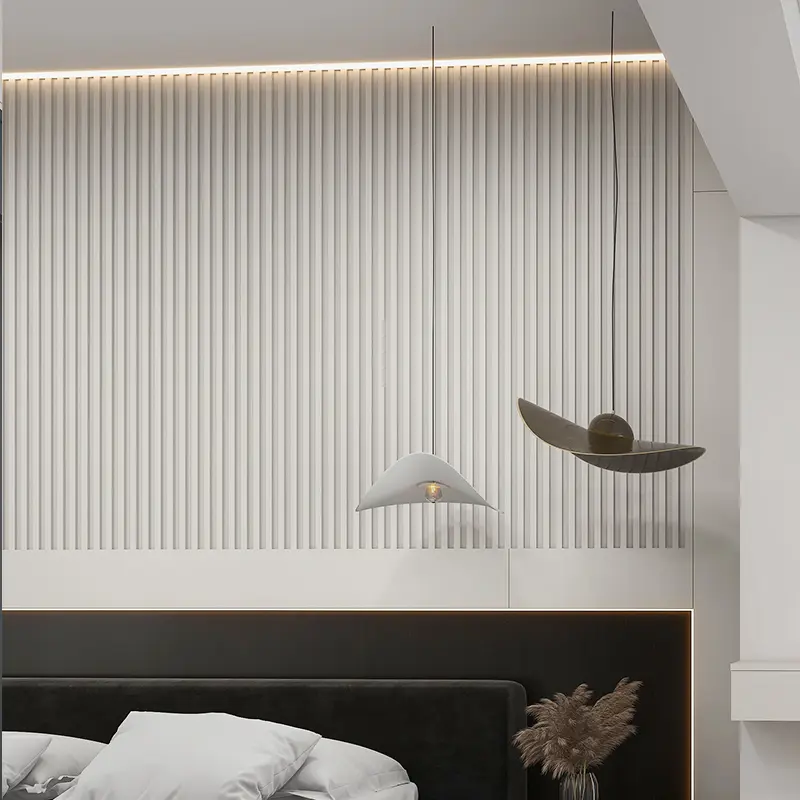
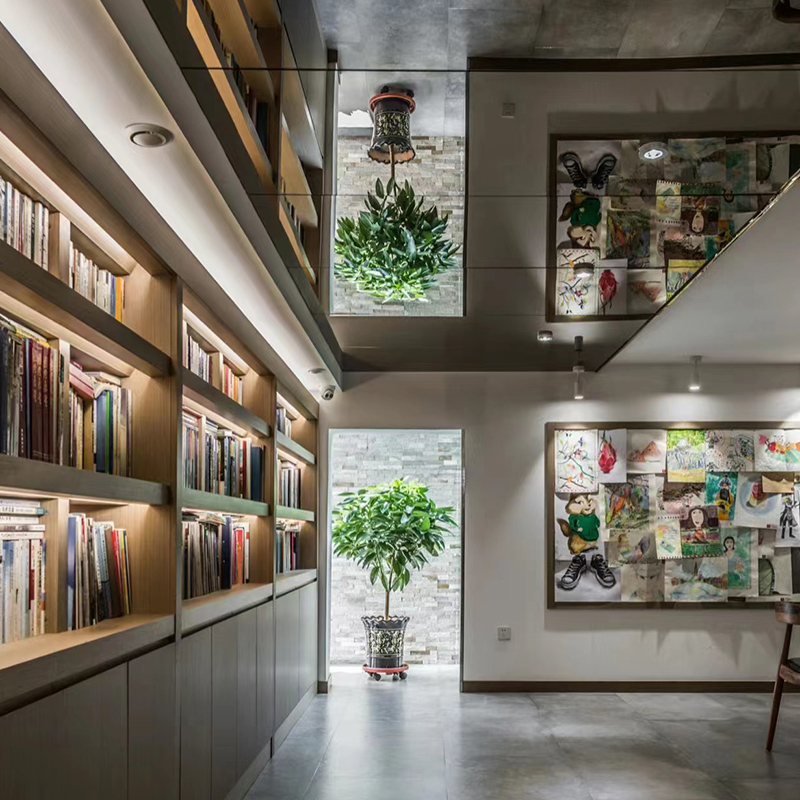
Walls behind beds, wardrobe panels, and headboards benefit from the warm and natural textures offered by bamboo charcoal veneer. Designers can tailor finishes to guest room themes while ensuring easy maintenance for housekeeping teams.
4.2 Lobbies and Feature Walls
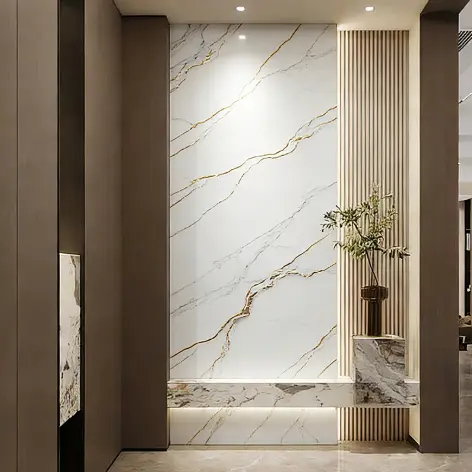
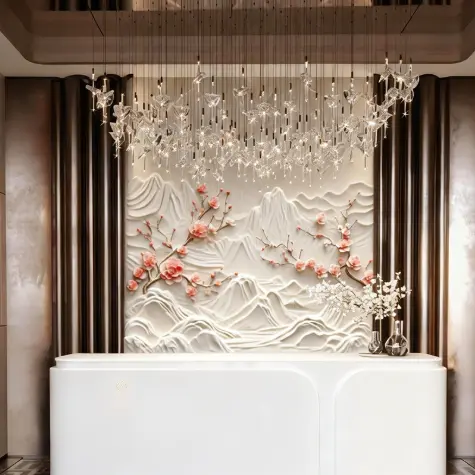
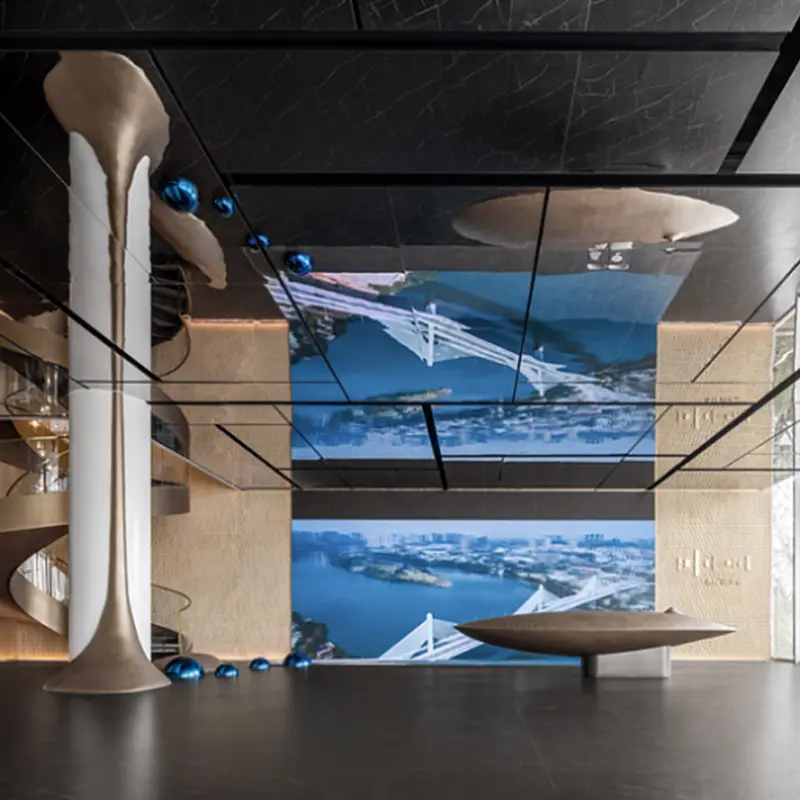
Hotel lobbies are high-impact spaces where first impressions matter. Large continuous bamboo charcoal veneer walls — with marble, wood grain, or custom patterns — bring rich texture and visual depth without the cost and weight challenges of stone.
4.3 Corridors and Public Spaces
Areas with heavy foot traffic need durable surfaces. Bamboo charcoal veneer’s scratch-resistant finishes and moisture stability help maintain aesthetics over time without frequent repairs.
4.4 Restaurants and Lounges
The veneer’s versatility in finish and texture allows restaurants and lounges to combine functional performance with elevated design. Its cleanable surfaces also support hygiene requirements in dining areas.
4.5 Bathrooms and Wet Areas
With engineered moisture resistance and mold-resistant properties, bamboo charcoal panels can replace traditional tiles or painted finishes in some wet areas — offering a continuous, warm look that integrates with the rest of the interior theme.
5. Advantages Chinese Manufacturers Bring
5.1 Competitive Factory Pricing
China’s large-scale manufacturing enables competitive cost structures — including factory-direct pricing and bulk order volume discounts — which can significantly lower material budgets in hospitality projects.
5.2 Customization Capabilities
Many Chinese suppliers offer tailored sheet sizes, thicknesses, textures, and edge finishes to match brand-specific interior design schemes. Custom pattern printing and surface effects allow hotels to maintain distinctive design languages across spaces.
5.3 Export Experience
China’s export-oriented suppliers are experienced in international logistics, packaging, and documentation, simplifying procurement for overseas clients and helping projects adhere to delivery timelines.
5.4 Quality Control Systems
Established plants employ multi-stage inspections, surface inspections, and consistency testing to ensure panels meet international standards for performance and safety.
6. Future Outlook in Hospitality Design
Bamboo charcoal wood veneer has moved beyond niche usage and is becoming mainstream in hotel interior design due to:
- Growing emphasis on sustainable materials.
- Increasing demand for low-emission interiors.
- The need for cost-efficient modular cladding.
Emerging surface technologies — including advanced texture fidelity and antimicrobial coatings — are poised to further elevate the role of engineered veneers in tomorrow’s luxury hotel projects.
For hotel developers and interior designers focused on delivering premium guest experiences within budget and sustainability goals, bamboo charcoal wood veneer from Chinese suppliers provides a compelling solution. Its combination of aesthetics, performance, environmental benefits, and ease of installation makes it one of the most promising materials for modern hospitality spaces.
If you are evaluating materials for your next hotel design or retrofit project, consider engaging with seasoned Chinese manufacturers that can deliver sample boards, technical consultation, and tailored solutions aligned with global standards.