
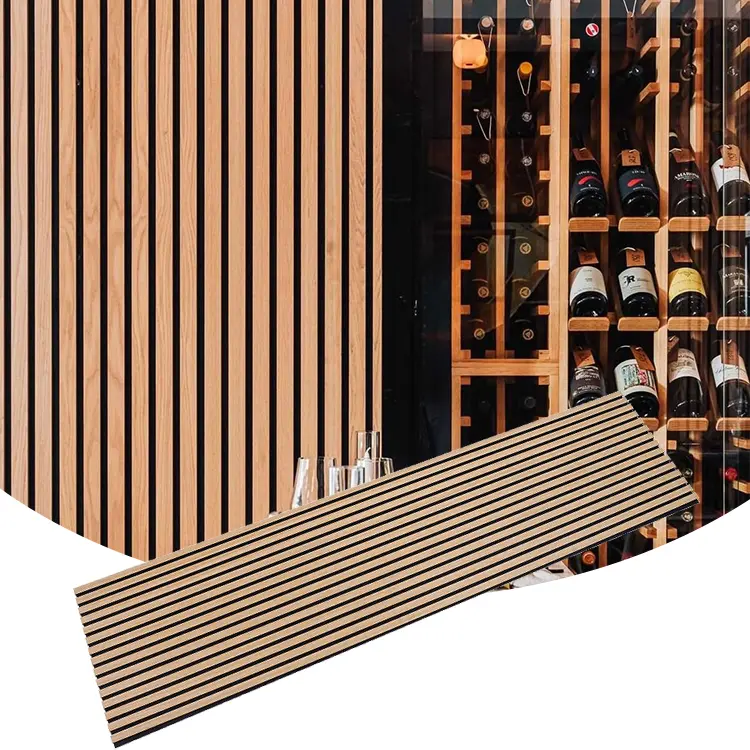
Bamboo Charcoal Wood Veneer Panels — A Practical Material Redefining Modern Interior Spaces
1. Introduction: A New Generation of Interior Surface Solutions
2. Understanding Bamboo Charcoal Wood Veneer Panels
3. Streamlined Installation: Reducing Time, Cost, and Construction Complexity
4. Low-Maintenance Performance for Everyday Use
5. Design Versatility Across Contemporary Interior Styles
6. Creating Visual Depth and Spatial Balance
7. Customization Options for Unique Architectural Requirements
8. Environmental Responsibility and Material Safety
9. Comparing Bamboo Charcoal Veneer with Traditional Wall Materials
10. Long-Term Value for Residential and Commercial Projects
11. Conclusion: A Balanced Material for Contemporary Interiors
1. Introduction: A New Generation of Interior Surface Solutions
Interior wall materials have undergone significant transformation over the past decade. Traditional options such as paint, wallpaper, ceramic tiles, and solid Wood Panels are no longer the only choices available to homeowners and designers. Today’s interior projects demand materials that balance aesthetics, performance, environmental responsibility, and installation efficiency.
Within this evolving landscape, bamboo charcoal wood veneer panels have emerged as a highly practical and design-oriented solution. Rather than serving as a niche decorative product, these panels are increasingly specified for residential, commercial, and hospitality interiors worldwide. Their appeal lies not in exaggerated marketing claims, but in their ability to solve real-world design and construction challenges.
This article explores how bamboo charcoal wood veneer panels are redefining modern interior spaces, examining their installation benefits, maintenance performance, design versatility, customization potential, and long-term value.
2. Understanding Bamboo Charcoal Wood Veneer Panels
Bamboo charcoal wood veneer panels are composite decorative boards designed for interior wall and ceiling applications. While surface finishes may resemble natural wood, stone, or contemporary textures, the internal structure is engineered to provide stability, durability, and consistent performance.
The integration of bamboo-based materials contributes to improved dimensional stability compared to many traditional wood products. This makes the panels particularly suitable for environments where temperature and humidity fluctuations are common.
Rather than attempting to replace natural wood entirely, bamboo charcoal veneer panels offer a more predictable and controlled alternative, especially in projects that require uniform appearance and scalable installation.
3. Streamlined Installation: Reducing Time, Cost, and Construction Complexity
One of the most significant advantages of bamboo charcoal wood veneer panels is their efficient installation process. Traditional wall finishes often require multiple labor-intensive steps, including surface leveling, priming, painting, drying, and finishing. Each step introduces time delays and potential quality inconsistencies.
In contrast, bamboo charcoal veneer panels are factory-finished and designed for direct installation. Panels are typically installed using adhesive bonding systems, mechanical fasteners, or lightweight sub-frames, depending on project requirements.
3.1 Installation Benefits in Detail
- Minimal wall surface preparation
- Reduced dependence on skilled labor
- Faster project turnaround times
- Clean installation with minimal dust and odor
- Suitable for both new construction and renovation projects
This installation efficiency is especially valuable in commercial environments such as hotels, offices, and retail spaces, where extended renovation periods can disrupt operations and increase costs.
4. Low-Maintenance Performance for Everyday Use
Interior wall materials must withstand daily interaction, environmental changes, and routine cleaning. Bamboo charcoal wood veneer panels are engineered to provide stable, low-maintenance performance over extended periods.
The surface layer is designed to resist dust accumulation, light staining, and moisture exposure. As a result, routine cleaning typically requires nothing more than a damp cloth or mild cleaning solution.
4.1 Maintenance Advantages
- No repainting or refinishing required
- Resistant to common household stains
- Reduced risk of warping or surface cracking
- Consistent appearance over time
Unlike wallpaper that may peel or discolor, or painted walls that often require touch-ups, bamboo charcoal veneer panels maintain their original finish with minimal effort. This makes them particularly attractive for property owners seeking long-term cost efficiency.
5. Design Versatility Across Contemporary Interior Styles
Design flexibility is another key reason bamboo charcoal wood veneer panels are gaining popularity. Modern interior projects rarely follow a single aesthetic direction. Instead, designers often combine materials, textures, and finishes to create layered, visually engaging spaces.
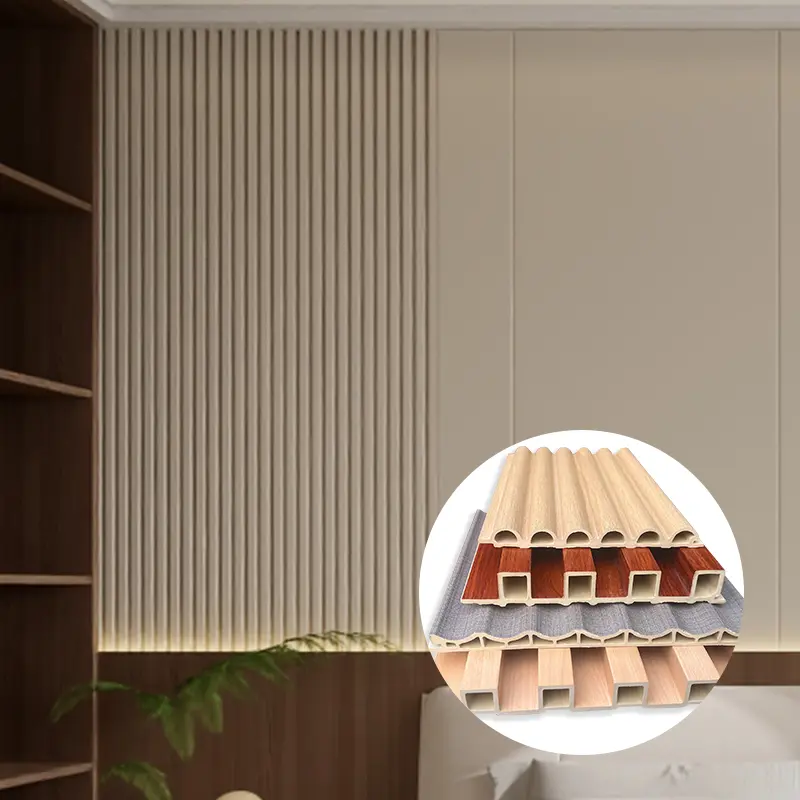
Manufacturers now offer bamboo charcoal veneer panels in a wide range of surface finishes, including:
- Natural wood grain effects
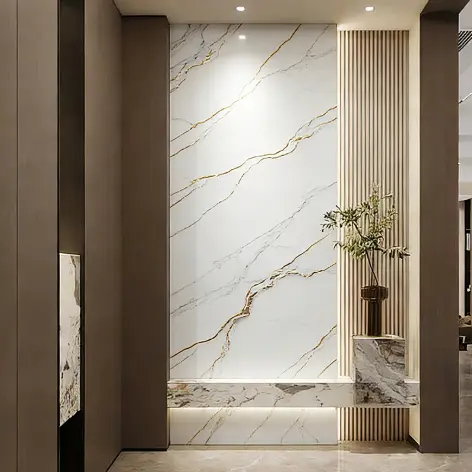
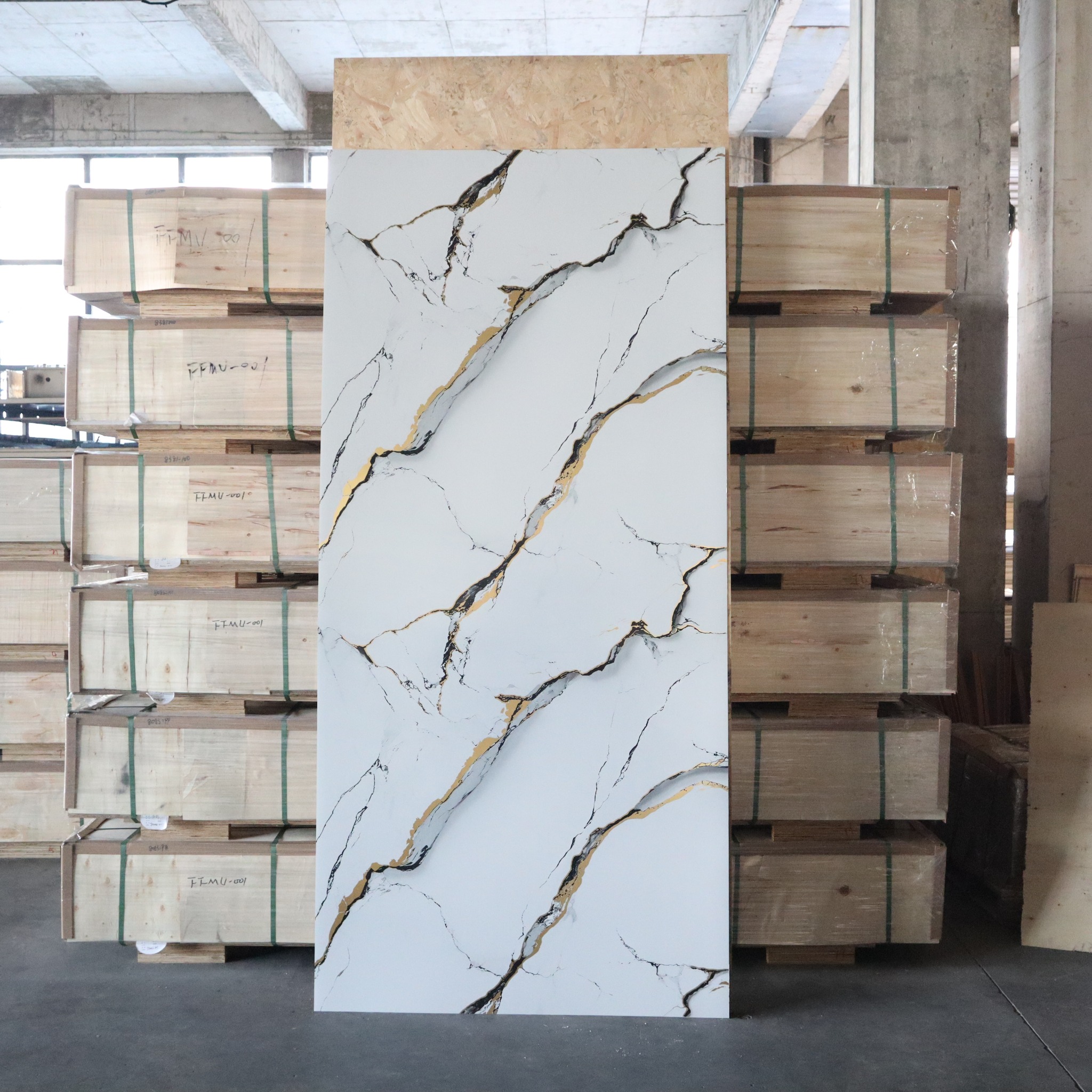
- Stone and concrete-inspired textures
- Matte and satin solid colors
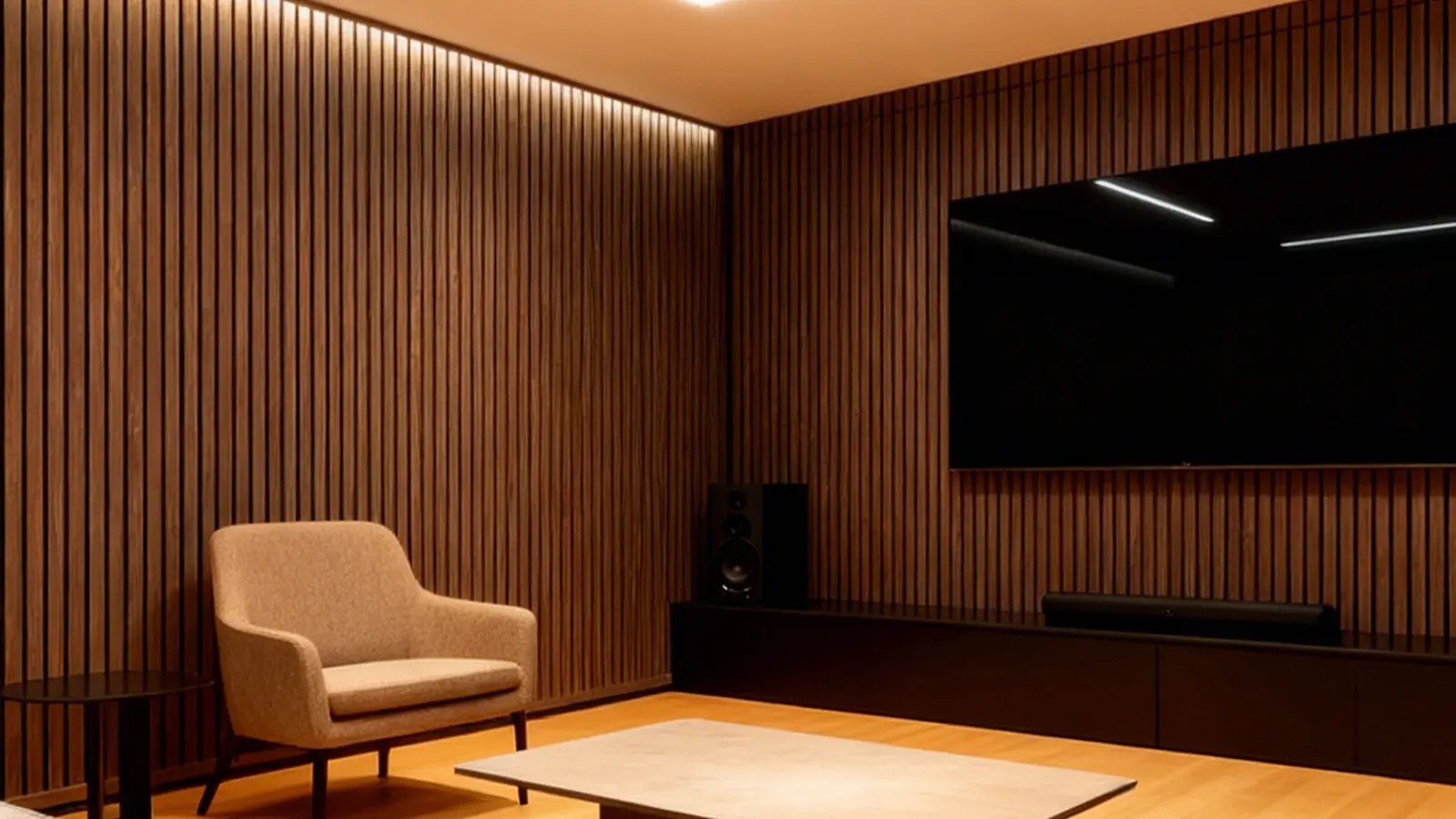
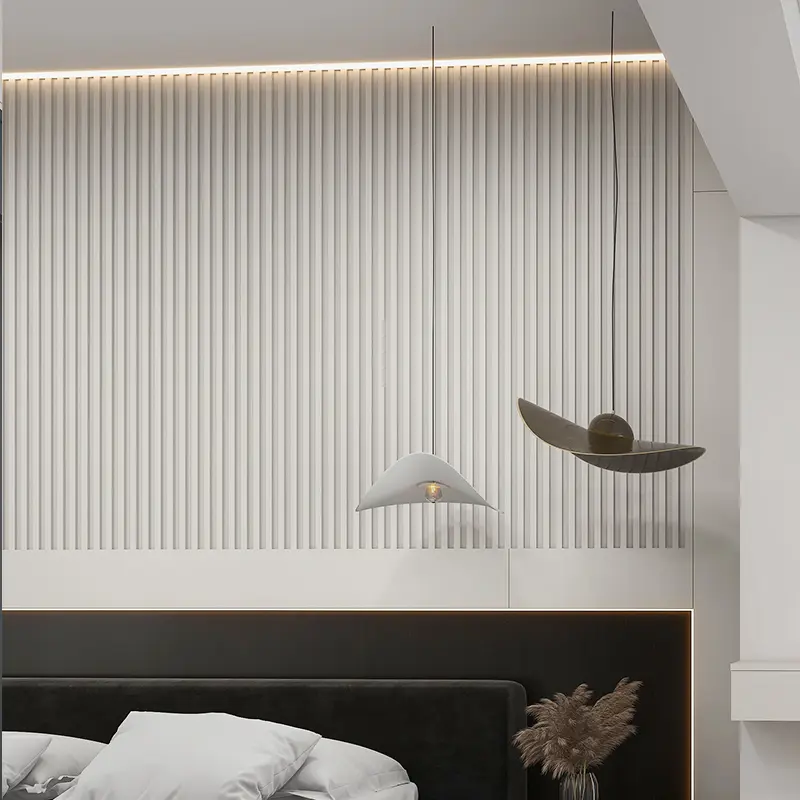
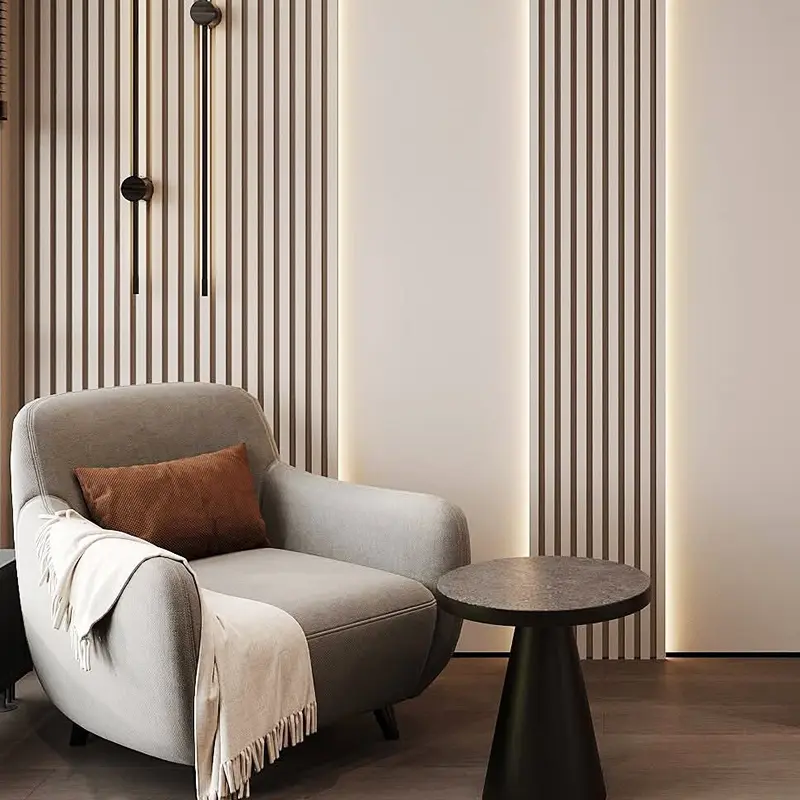
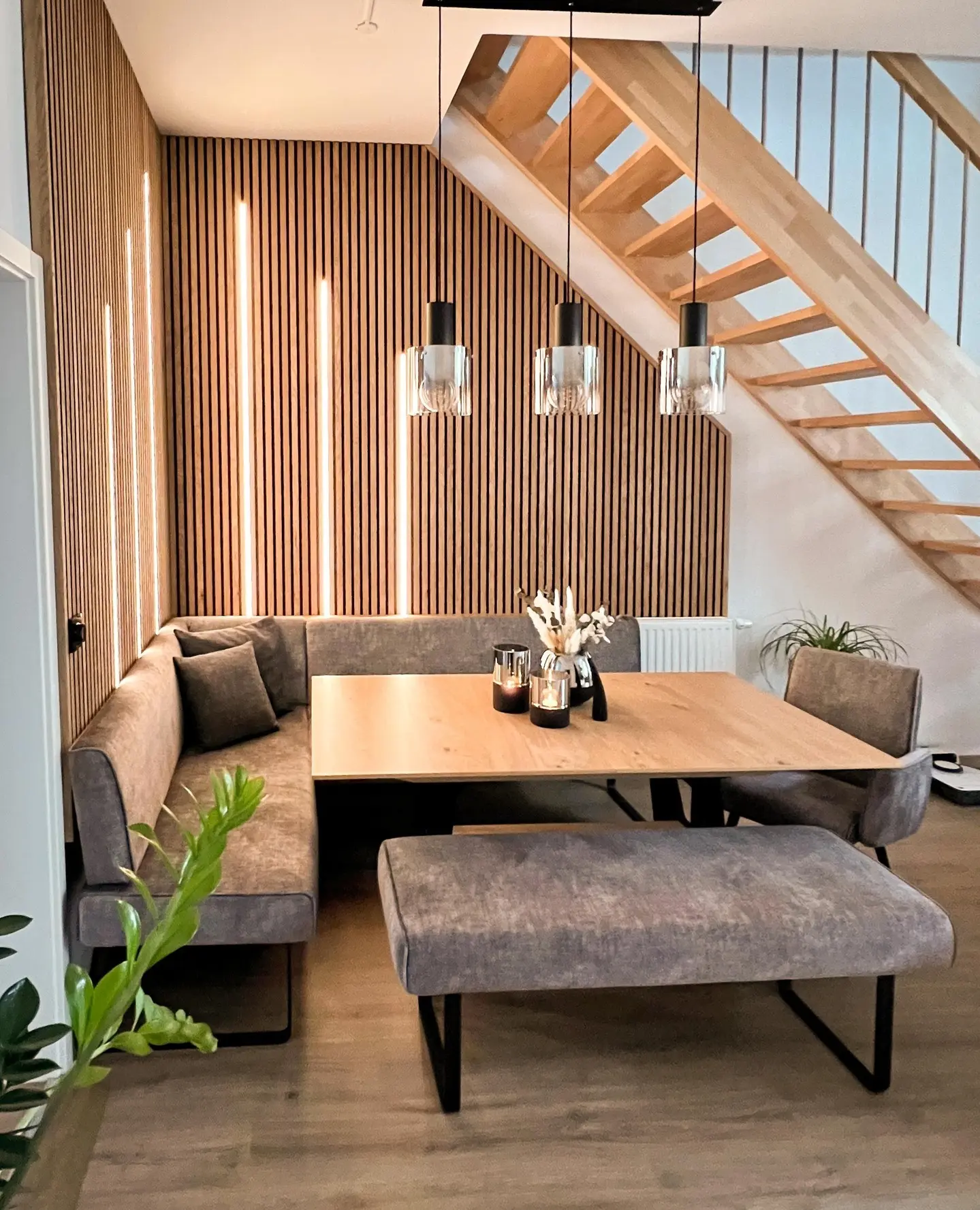
- Linear, slatted, or textured patterns
This diversity allows the material to adapt to various interior styles, from minimalist and modern to warm, natural, or industrial-inspired spaces.
5.1 Common Design Applications
- Living room feature walls
- Bedroom headboard backgrounds
- TV and media walls
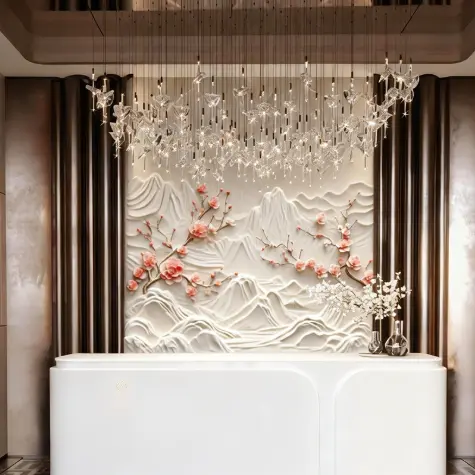
- Office reception and meeting areas
- Hotel corridors and guest rooms
- Retail showrooms and display walls
Because the panels provide consistent color and texture, designers can achieve a cohesive look across large wall areas without the unpredictability associated with natural materials.
6. Creating Visual Depth and Spatial Balance
Beyond surface appearance, bamboo charcoal wood veneer panels contribute to spatial perception. Their textures and finishes can be used strategically to influence how a space feels.
For example:
- Vertical panel layouts can visually increase ceiling height
- Horizontal patterns can widen narrow spaces
- Dark finishes add depth and intimacy
- Light tones enhance brightness and openness
These subtle design effects allow architects and designers to shape interior experiences without relying solely on structural changes.
7. Customization Options for Unique Architectural Requirements
No interior project is entirely standard. Variations in ceiling height, wall geometry, lighting conditions, and functional requirements often demand customized solutions.
Bamboo charcoal wood veneer panels support project-specific customization, enabling greater design freedom while maintaining manufacturing consistency.
7.1 Customization Options may include
- Non-standard panel sizes
- Custom color matching
- Special surface textures or gloss levels
- Integrated decorative grooves or patterns
This flexibility is particularly valuable in commercial and hospitality projects, where interior identity and brand consistency play a critical role.
8. Environmental Responsibility and Material Safety
Sustainability has become an essential consideration in material selection. Bamboo charcoal wood veneer panels benefit from the use of bamboo-based components, which regenerate more quickly than traditional hardwood resources.
Additionally, reputable manufacturers adhere to strict indoor air quality standards, ensuring the panels are suitable for long-term interior use.
8.1 Environmental and Safety Benefits
- Reduced reliance on slow-growing timber
- Controlled factory production processes
- Low-VOC adhesive systems
- Long service life reduces material replacement frequency
When sourced responsibly, bamboo charcoal veneer panels align well with modern green building principles without compromising performance or aesthetics.
9. Comparing Bamboo Charcoal Veneer with Traditional Wall Materials
When evaluating wall finishes, it is helpful to consider how bamboo charcoal veneer compares with conventional options:
- Paint: Low initial cost but requires frequent maintenance
- Wallpaper: Decorative but prone to peeling and staining
- Solid Wood Panels: Natural appearance but higher cost and maintenance
- Stone or Tile: Durable but heavy and labor-intensive
Bamboo charcoal wood veneer panels occupy a balanced position, offering durability and design flexibility without the drawbacks of excessive maintenance or installation complexity.
10. Long-Term Value for Residential and Commercial Projects
Beyond aesthetics, bamboo charcoal wood veneer panels provide long-term value through durability, stable performance, and reduced maintenance needs. These qualities make them suitable for projects where lifecycle cost matters as much as initial investment.
For developers, property managers, and homeowners, this translates into fewer repairs, consistent visual quality, and predictable upkeep over time.
11. Conclusion: A Balanced Material for Contemporary Interiors
Bamboo charcoal wood veneer panels represent a thoughtful response to the demands of modern interior design. Their combination of efficient installation, low-maintenance performance, design versatility, customization potential, and environmental responsibility positions them as a practical alternative to traditional wall finishes.
For projects seeking a reliable, visually appealing, and future-ready interior solution, bamboo charcoal wood veneer panels continue to redefine what decorative wall materials can achieve.