
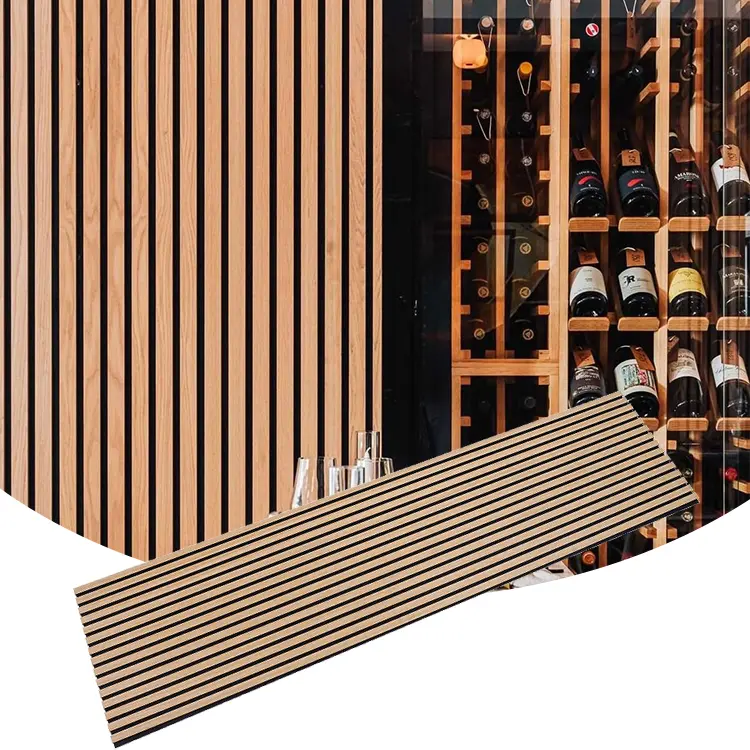
Bamboo Charcoal Composite Wall Panels: A Practical Interior Solution for High-Traffic Public Buildings
- The Growing Demand for Smarter Wall Systems in Public Buildings
- What Defines Bamboo Charcoal Composite Wall Panels
- Performance Standards Required in Public Interior Projects
- Visual Flexibility for Contemporary Public Design
- Common Applications in Public Environments
- Environmental Considerations and Indoor Comfort
- Installation Efficiency and Lifecycle Cost Benefits
- Why International Projects Rely on Chinese Manufacturing
- Aesthedge: Supporting Public Interior Projects Worldwide
- Final Thoughts
1. The Growing Demand for Smarter Wall Systems in Public Buildings
Public buildings operate under constant pressure. Hotels run around the clock, office towers host thousands of daily users, shopping centers experience continuous foot traffic, and transportation hubs must remain operational with minimal downtime. In these environments, interior wall materials are no longer selected based on appearance alone. Durability, safety compliance, maintenance efficiency, and long-term cost control have become equally critical.
Traditional wall finishes such as natural stone, painted drywall, or solid Wood Panels often struggle to meet all of these demands simultaneously. Natural marble is visually impressive but heavy and expensive to install. Painted walls require frequent repainting. Solid wood can warp or discolor under fluctuating humidity. These challenges have pushed architects and developers to explore engineered alternatives that combine aesthetics with performance.
Bamboo charcoal composite wall panels with marble and wood veneer finishes have gradually become a preferred option for public interior projects. Their balanced performance profile allows them to address functional requirements without compromising visual quality.
2. What Defines Bamboo Charcoal Composite Wall Panels
Bamboo charcoal wall panels are not a single-material product. They are engineered systems composed of multiple layers, each designed to solve a specific problem encountered in public interiors.
The structural core is produced from bamboo-based charcoal fiber, created through high-temperature carbonization and compression. This process results in a dense yet lightweight core that offers dimensional stability, resistance to moisture, and long-term structural integrity.
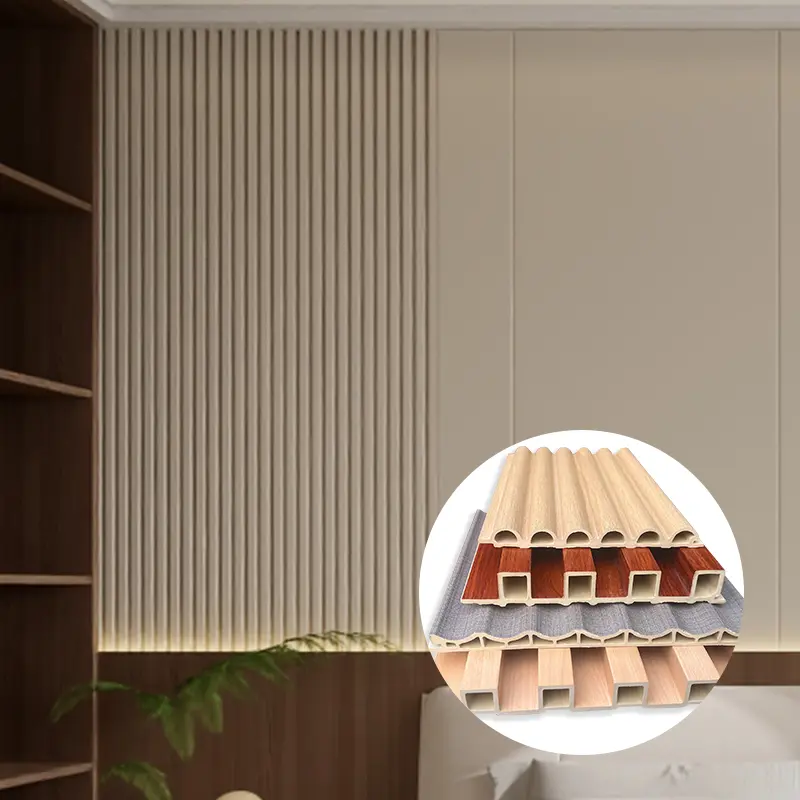
On the surface, decorative layers replicate either marble textures or natural wood veneer patterns using precision lamination technologies. These finishes are protected by wear-resistant coatings designed to withstand frequent cleaning and daily contact in commercial environments.
The result is a wall panel system that merges structural reliability with refined aesthetics, making it suitable for large-scale public applications.
3. Performance Standards Required in Public Interior Projects
Unlike residential interiors, public buildings are governed by stricter material standards. Wall panels must meet regulatory, operational, and maintenance requirements simultaneously.
Fire Performance
Fire safety remains a non-negotiable factor in public architecture. Quality bamboo charcoal wall panels can be manufactured to comply with B1 fire-retardant classifications or equivalent international standards. This makes them suitable for hotels, office buildings, exhibition centers, and transportation terminals where fire compliance is strictly enforced.
Resistance to Humidity and Temperature Fluctuation
Public interiors often experience varying humidity levels due to air conditioning systems, crowd density, and regional climate conditions. Bamboo charcoal cores demonstrate low water absorption and reduced risk of warping, ensuring consistent performance in humid or temperature-variable environments.
Surface Durability
High-contact zones such as corridors, lobbies, and waiting areas demand materials that resist scratches, stains, and abrasion. Protective surface coatings on bamboo charcoal panels help maintain visual consistency while minimizing visible wear over time.
4. Visual Flexibility for Contemporary Public Design
One of the strongest advantages of bamboo charcoal wall panels lies in their adaptability to different design concepts.
Stone-Inspired Elegance Without Structural Complexity
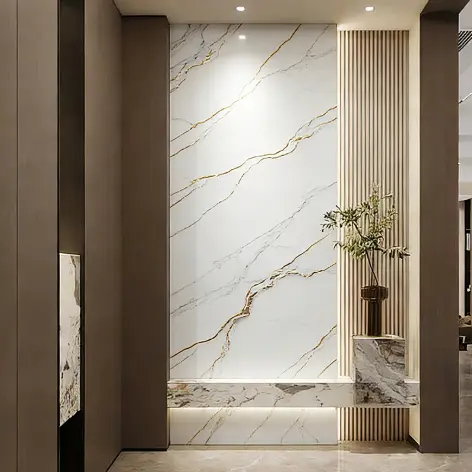
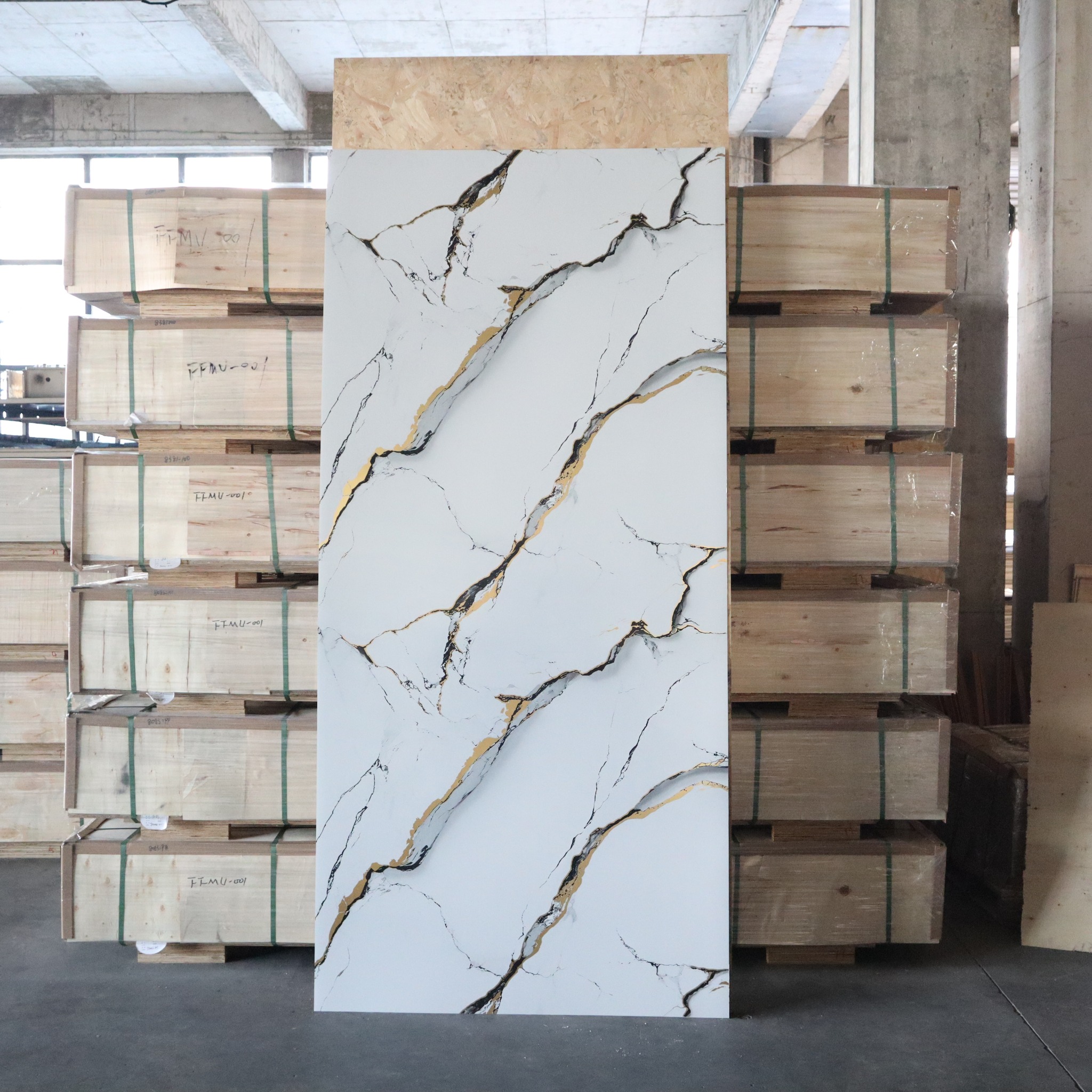
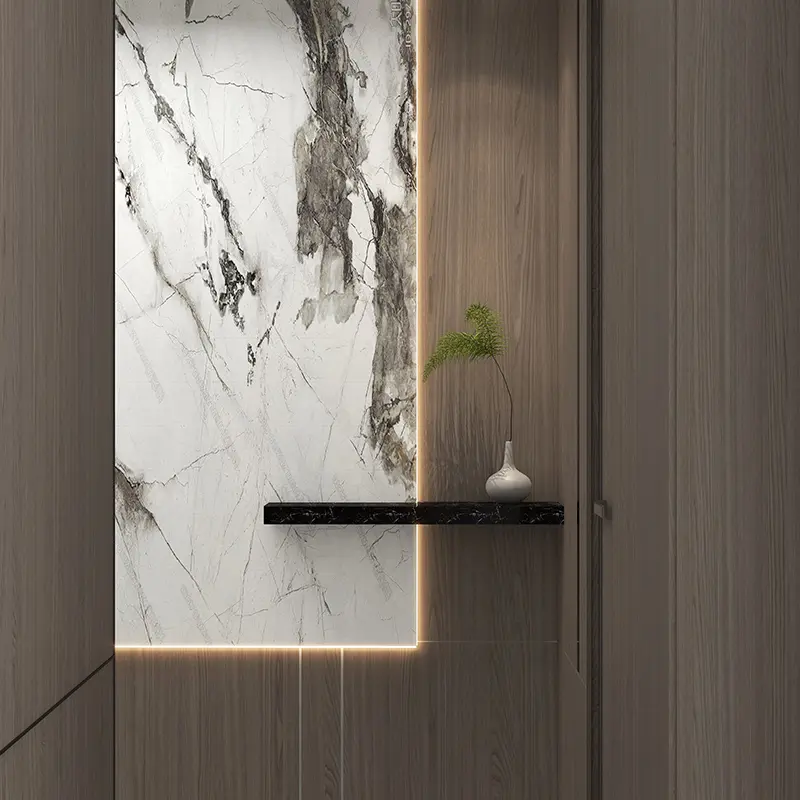
Marble-finish bamboo charcoal panels recreate the visual depth and veining of natural stone without the weight and installation complexity of real marble slabs. This allows designers to achieve a high-end appearance while simplifying logistics and structural planning.
Wood-Inspired Warmth for Human-Centered Spaces
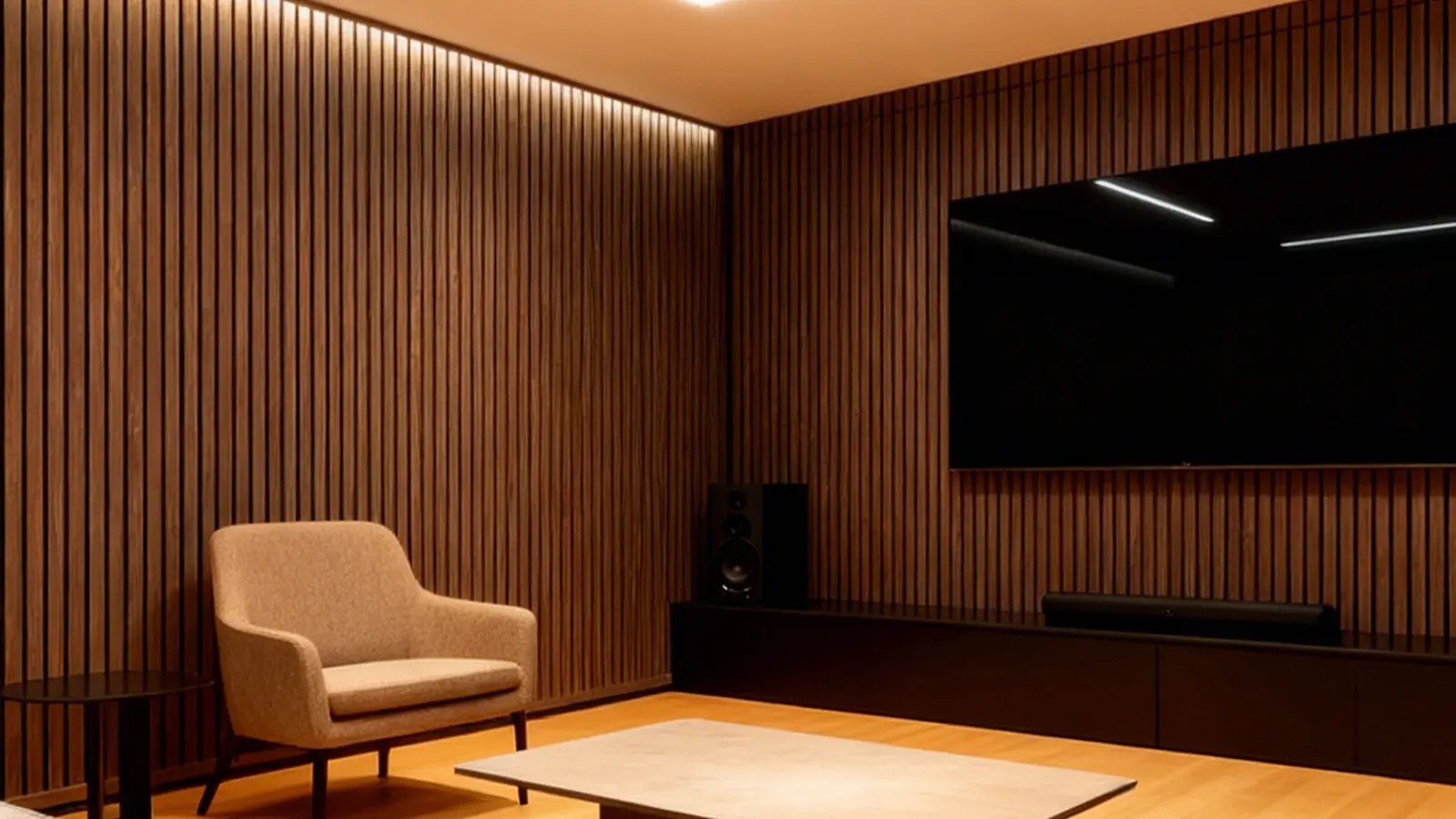
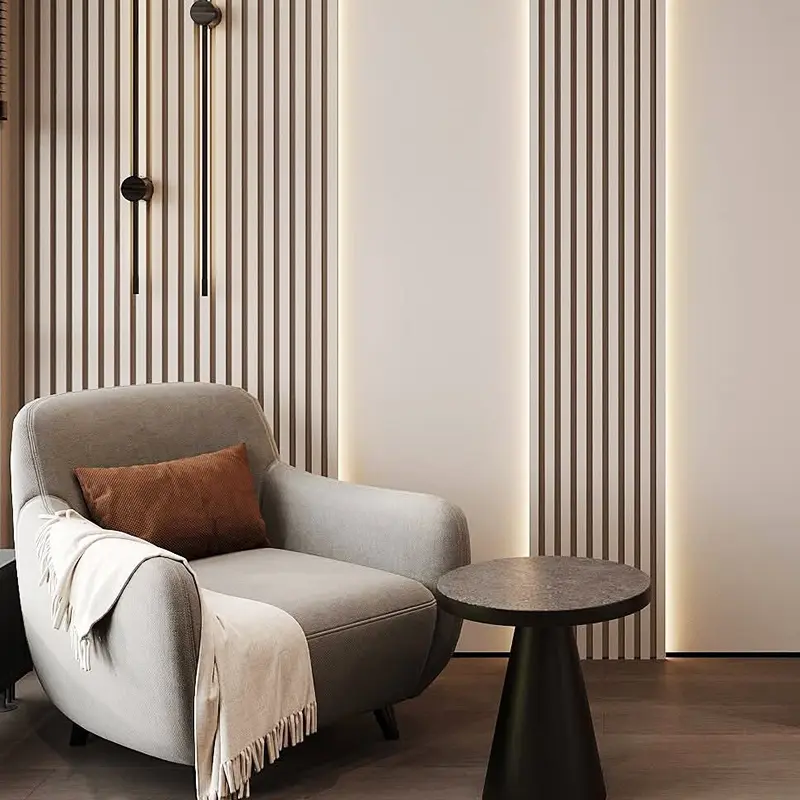
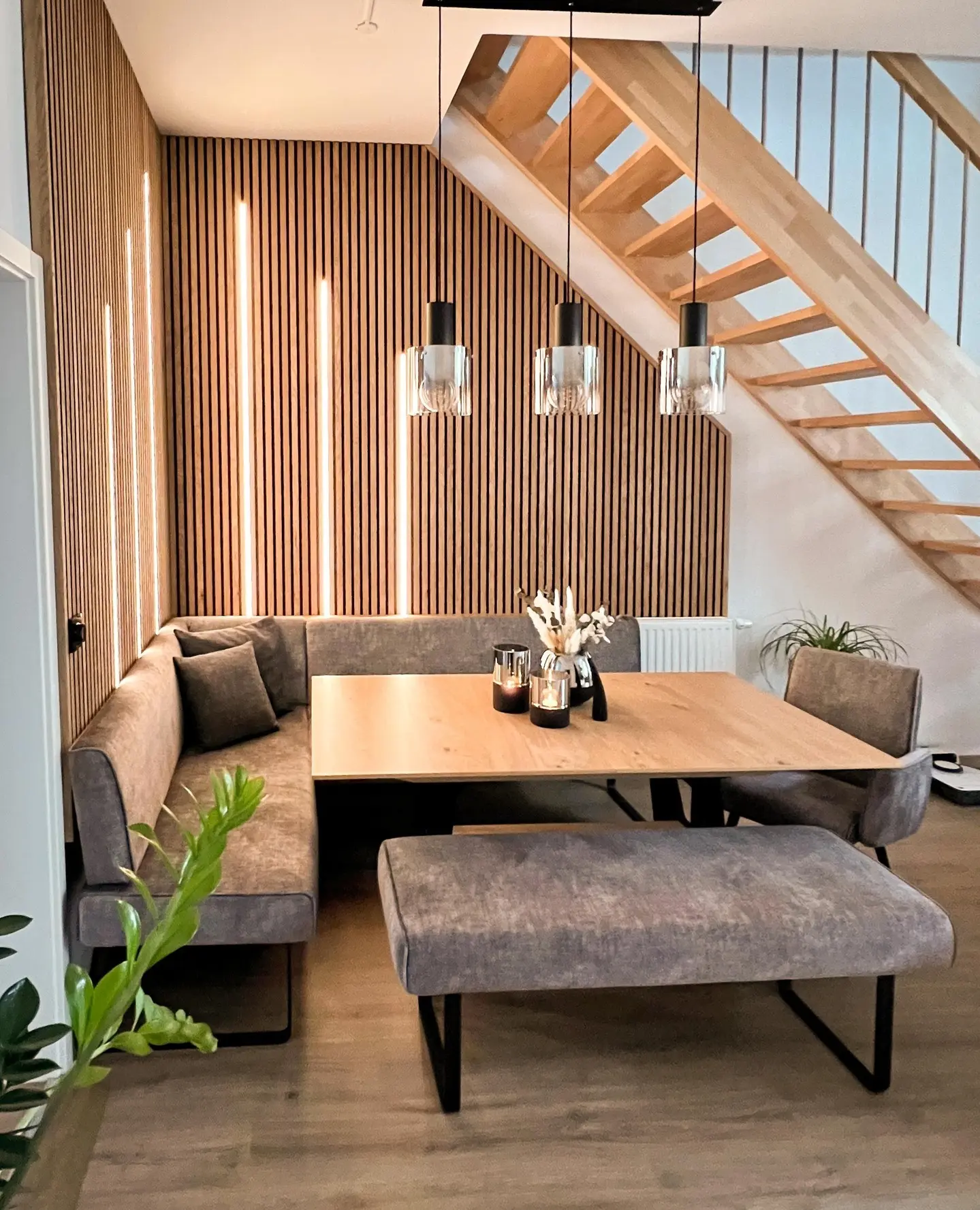
In environments such as hotels, libraries, lounges, and cultural venues, warmth and comfort are essential. Wood veneer-style finishes offer consistent grain patterns, color uniformity, and a natural atmosphere while avoiding the maintenance challenges of solid wood.
This flexibility allows designers to maintain aesthetic continuity across large spaces while adapting finishes to different functional zones.
5. Common Applications in Public Environments
Bamboo charcoal composite wall panels are increasingly specified across a wide range of public settings.
In hospitality projects, they are widely used for lobby feature walls, elevator interiors, corridors, and banquet halls. Their consistent appearance and ease of maintenance support long-term hotel operations.
In commercial office buildings, these panels are applied in reception areas, executive offices, meeting rooms, and shared spaces. Their modular installation allows for future reconfiguration without extensive demolition.
Transportation facilities such as airports and metro stations benefit from materials that can be replaced efficiently while maintaining a unified design language. Bamboo charcoal panels meet these demands by combining durability with standardized installation systems.
6. Environmental Considerations and Indoor Comfort
Environmental responsibility is now a core consideration in public construction projects. Bamboo charcoal wall panels align well with sustainability objectives.
Bamboo is a rapidly renewable resource, offering a lower environmental impact compared to slow-growing hardwoods. The charcoal structure also contributes to odor reduction and improved indoor comfort, which is especially valuable in enclosed public spaces with high occupancy.
Many manufacturers can produce panels that meet low-VOC and formaldehyde emission standards, supporting green building certifications and improving indoor air quality.
7. Installation Efficiency and Lifecycle Cost Benefits
From a project management perspective, bamboo charcoal wall panels offer clear advantages.
Their lightweight nature reduces transportation costs and simplifies handling on site. Dry installation systems such as aluminum profiles or clip structures significantly shorten construction timelines and reduce labor dependency.
Over the lifecycle of a public building, reduced maintenance and easier replacement translate into measurable cost savings, making these panels a practical long-term investment.
8. Why International Projects Rely on Chinese Manufacturing
China has become a global hub for engineered decorative wall panel production. Mature supply chains, advanced processing equipment, and scalable manufacturing capacity enable consistent quality for large public projects.
Chinese manufacturers also offer strong customization capabilities, allowing buyers to specify dimensions, finishes, and surface textures tailored to individual projects. This flexibility is essential for public developments that require design differentiation.
9. Aesthedge: Supporting Public Interior Projects Worldwide
Aesthedge specializes in bamboo charcoal composite wall panels designed for public and commercial spaces. With standardized production systems, strict quality control, and export-oriented project support, the company supplies partners across multiple international markets.
By focusing on long-term collaboration rather than one-off transactions, Aesthedge helps distributors and project contractors maintain competitive advantages in their local markets.
Bamboo charcoal composite wall panels provide a balanced solution for modern public interiors. By combining performance reliability, aesthetic versatility, environmental responsibility, and installation efficiency, they address the complex demands of contemporary public architecture.
As public buildings continue to evolve, engineered wall systems like bamboo charcoal panels are set to play an increasingly important role in shaping durable, sustainable, and visually compelling interior spaces.