
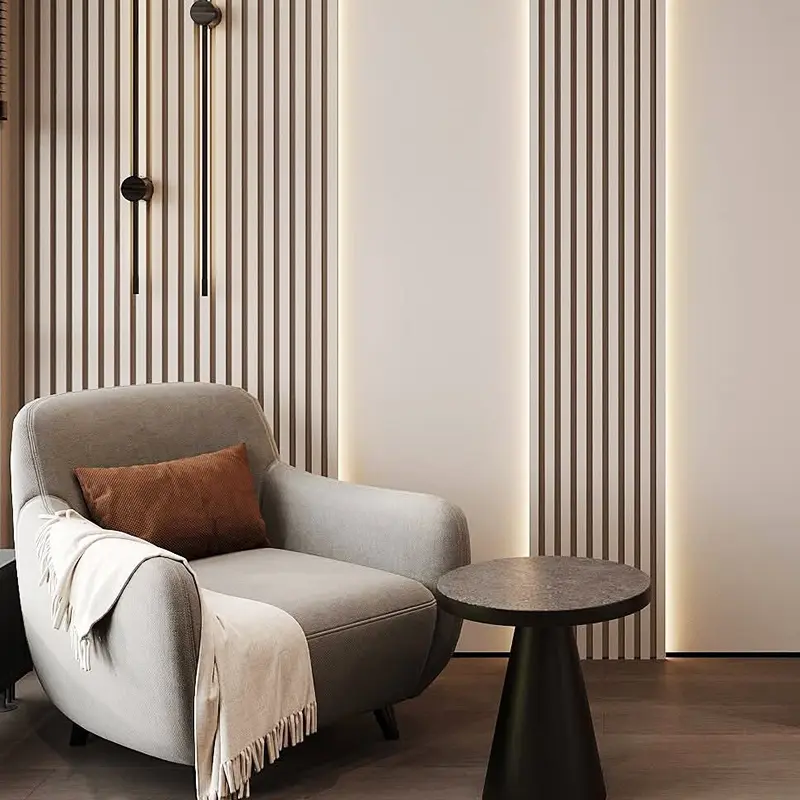
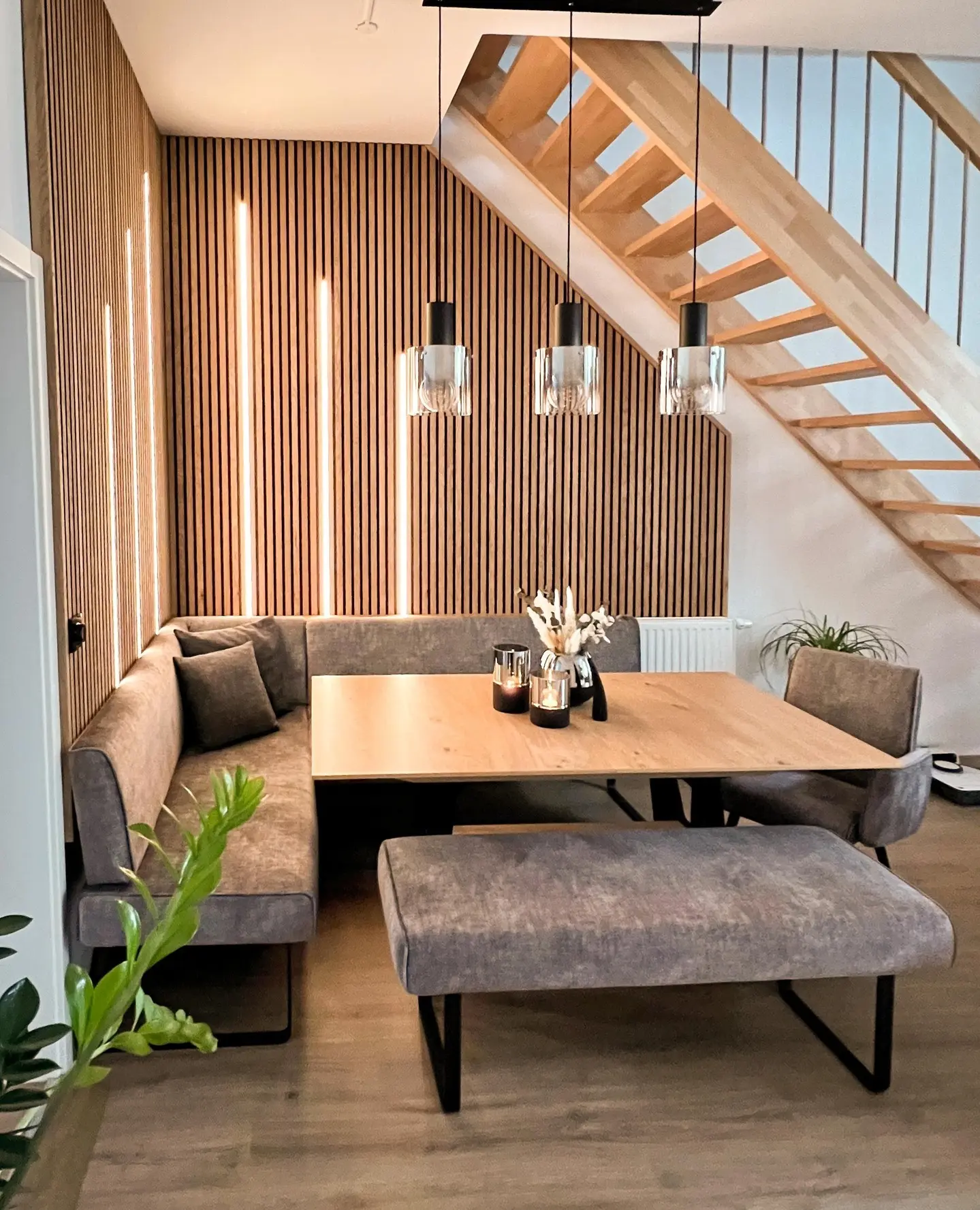
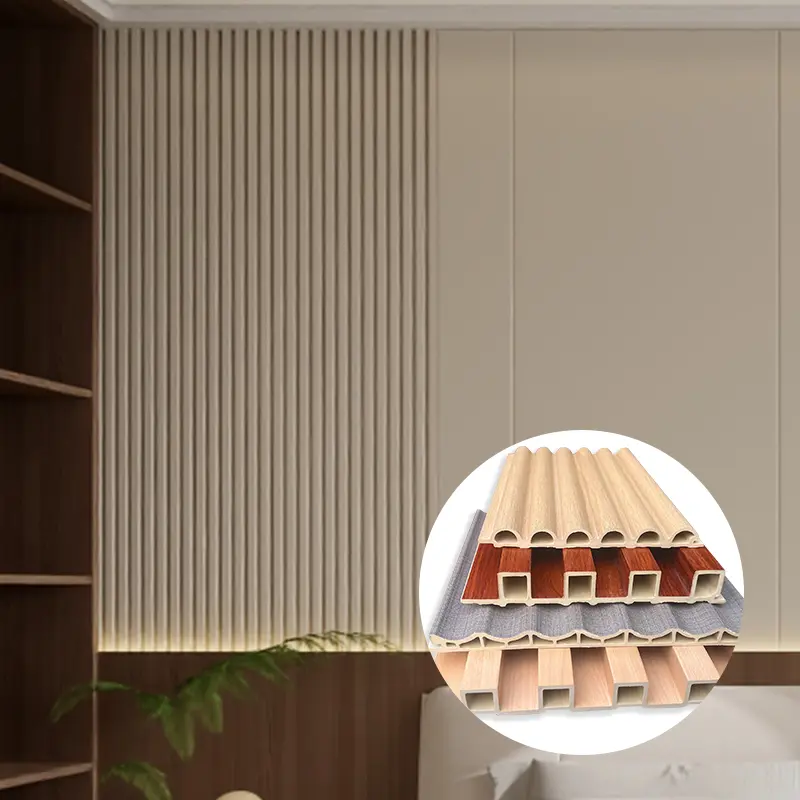
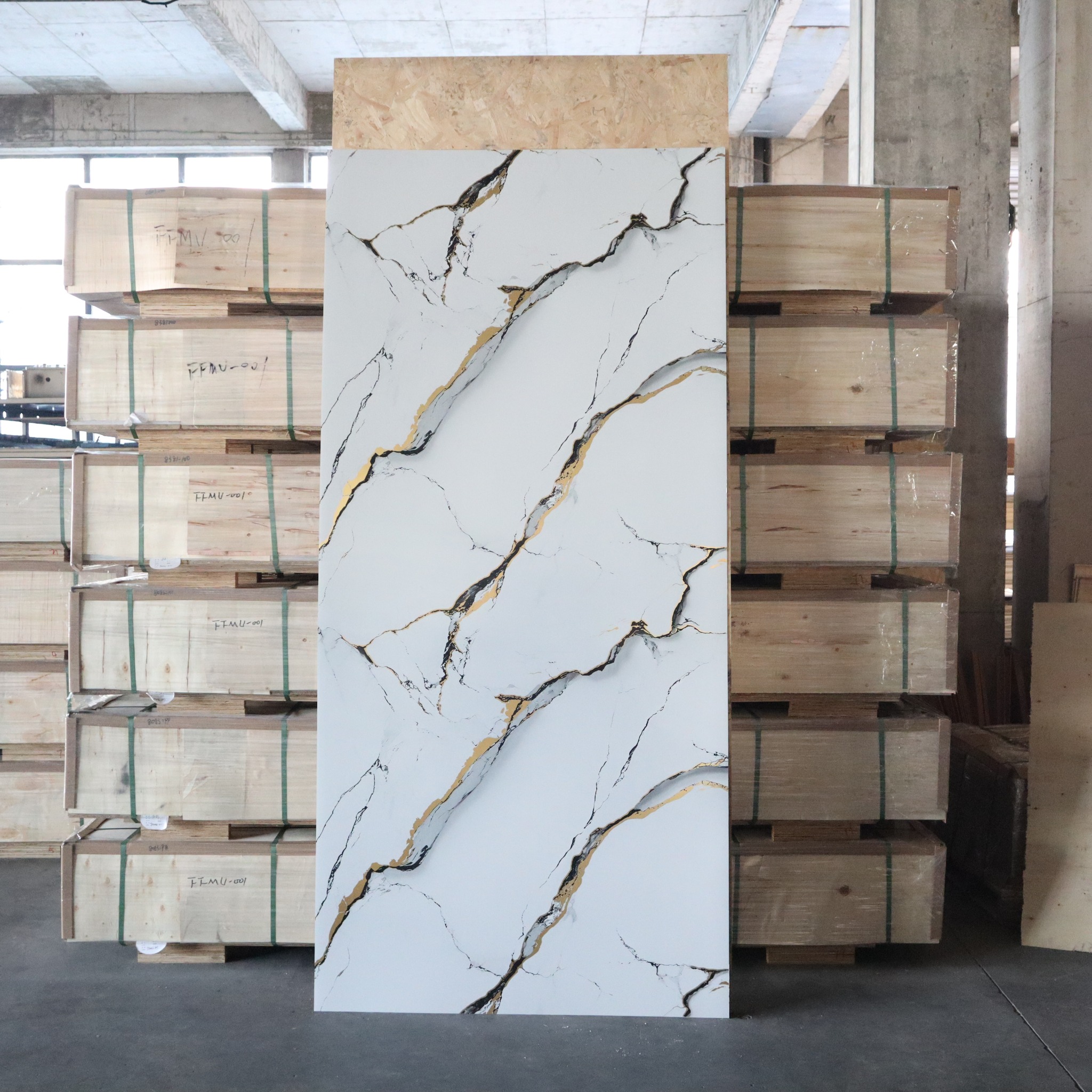
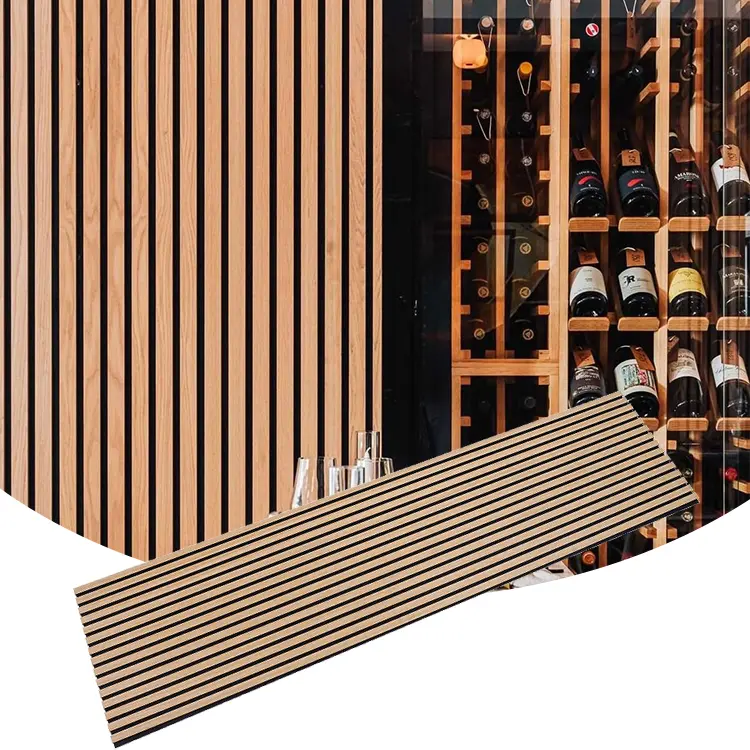
Are WPC Wall Panels Truly Safe for Indoor Living? A Complete Health & Material Analysis
Table of Contents
- Introduction: Why Indoor Material Safety Matters More Than Ever
- What Exactly Are WPC Wall Panels Made Of?
- How WPC Wall Panels Support Healthier Indoor Air Quality
- Resistance to Mold, Moisture, and Bacteria Growth
- Fire Performance and Household Safety
- Comparing WPC Wall Panels with Traditional Wall Materials
- How to Choose Health-Safe WPC Wall Panels
- Conclusion: Are WPC Wall Panels a Healthy Choice?
1. Introduction: Why Indoor Material Safety Matters More Than Ever
As people spend more time indoors, the quality of interior Building Materials has become a growing concern for homeowners, designers, and developers alike. Indoor air quality, chemical emissions, moisture resistance, and long-term durability are no longer secondary considerations—they are now essential standards for healthy living.
Among modern decorative materials, WPC wall panels (Wood Plastic Composite) have gained strong popularity for residential and commercial interiors. But an important question remains: Are WPC Wall Panels genuinely safe for human health?
This article provides an in-depth, objective analysis of WPC wall panels from a health and safety perspective. By examining their material composition, chemical performance, comparison with traditional wall coverings, and selection criteria, readers can better understand whether WPC wall panels are a responsible choice for indoor environments.
2. What Exactly Are WPC Wall Panels Made Of?
WPC wall panels are manufactured using a blend of wood fibers and thermoplastic polymers, commonly polyethylene (PE) or polypropylene (PP). These materials are combined through high-temperature extrusion rather than chemical bonding.
Key components include:
- Natural wood fiber or bamboo fiber
- Recyclable plastic polymers
- Mineral fillers and stabilizers (non-toxic)
- UV and moisture-resistant additives
Unlike many traditional boards, WPC panels do not rely on formaldehyde-based adhesives to bind layers together. The absence of glue is one of the main reasons WPC products are considered safer for indoor use.
3. How WPC Wall Panels Support Healthier Indoor Air Quality
Low VOC Emissions
One of the biggest indoor health risks comes from volatile organic compounds (VOCs) released by paints, adhesives, plywood, and MDF boards. These gases can persist for years and contribute to headaches, allergies, respiratory problems, and long-term health concerns.
High-quality WPC wall panels are designed to:
- Emit extremely low or zero VOCs
- Avoid solvent-based coatings
- Maintain stable chemical structure over time
This makes them particularly suitable for homes with children, elderly residents, or individuals sensitive to airborne pollutants.
No Formaldehyde Dependency
Formaldehyde is commonly found in:
- Plywood
- Particle board
- MDF
- Laminated wall panels
WPC wall panels, when properly manufactured, do not contain added formaldehyde, significantly reducing long-term indoor pollution risks.
4. Resistance to Mold, Moisture, and Bacteria Growth
Moisture-related issues are a hidden threat to health. Damp walls can promote:
- Mold spores
- Bacterial growth
- Persistent odors
- Structural deterioration
WPC wall panels offer strong protection due to:
- Water-resistant plastic matrix
- Low water absorption rate
- Non-porous surface
These characteristics prevent mold formation even in humid environments such as bathrooms, kitchens, coastal homes, or tropical climates.
5. Fire Performance and Household Safety
Fire safety is another critical health factor often overlooked in decorative materials.
Well-manufactured WPC wall panels:
- Meet common fire resistance standards
- Do not drip molten material easily
- Produce significantly less toxic smoke compared to PVC
While no wall material is completely fireproof, WPC panels offer a safer performance balance for interior use when compared to low-grade plastic wall coverings.
6. Comparing WPC Wall Panels with Traditional Wall Materials
WPC vs Solid Wood Panels
Solid wood is often considered “natural,” but:
- It may require chemical coatings
- It absorbs moisture easily
- It can warp, crack, or grow mold
WPC panels provide the visual warmth of wood while offering better stability and moisture resistance.
WPC vs MDF and Plywood
MDF and plywood often contain:
- High levels of adhesives
- Continuous formaldehyde emissions
- Poor moisture resistance
From a health perspective, WPC wall panels outperform both in long-term indoor safety.
WPC vs PVC Wall Panels
PVC panels may be waterproof but:
- Often contain plasticizers
- Release toxic gases when burned
- Offer weaker fire ratings
WPC panels avoid many of these chemical risks while maintaining durability.
WPC vs Ceramic Tiles
Tiles are chemically stable but:
- Cold and hard for living spaces
- Expensive to install
- Slippery when wet
WPC panels provide a warmer, safer alternative for bedrooms and family areas.
7. How to Choose Health-Safe WPC Wall Panels
Not all WPC products are equal. To ensure health safety, consider:
1. Raw Material Transparency
Choose panels made from virgin or certified recycled materials, not industrial waste plastics.
2. International Certifications
Look for compliance with:
- GREENGUARD
- ASTM standards
- ISO quality systems
These certifications verify low emissions and safe manufacturing processes.
3. Installation Method
Dry installation systems using clips or frames reduce exposure to chemical adhesives.
4. Manufacturer Accountability
Established manufacturers are more likely to control material quality, testing, and consistency.
8. Conclusion: Are WPC Wall Panels a Healthy Choice?
Based on material science, emission performance, and real-world application, WPC wall panels are widely regarded as a safe and responsible interior wall solution.
When selected correctly and installed properly, they provide:
- Low chemical emissions
- Excellent moisture resistance
- Reduced mold risk
- Long-term indoor air quality stability
For homeowners and developers seeking healthier living environments, WPC wall panels represent a modern, practical alternative to traditional wall materials.