

Are WPC Wall Panels a Safe Choice for Homes? Risks, Benefits, and Expert Selection Tips
Introduction: Choosing Wall Materials in a Health-Risk-Aware World
Interior wall materials are often chosen for appearance, cost, and installation convenience. However, as awareness of indoor environmental health increases, homeowners and professionals are now asking deeper questions: What chemicals are released into the air? How do materials behave over time? Are they safe for children, elderly residents, and long-term occupancy?
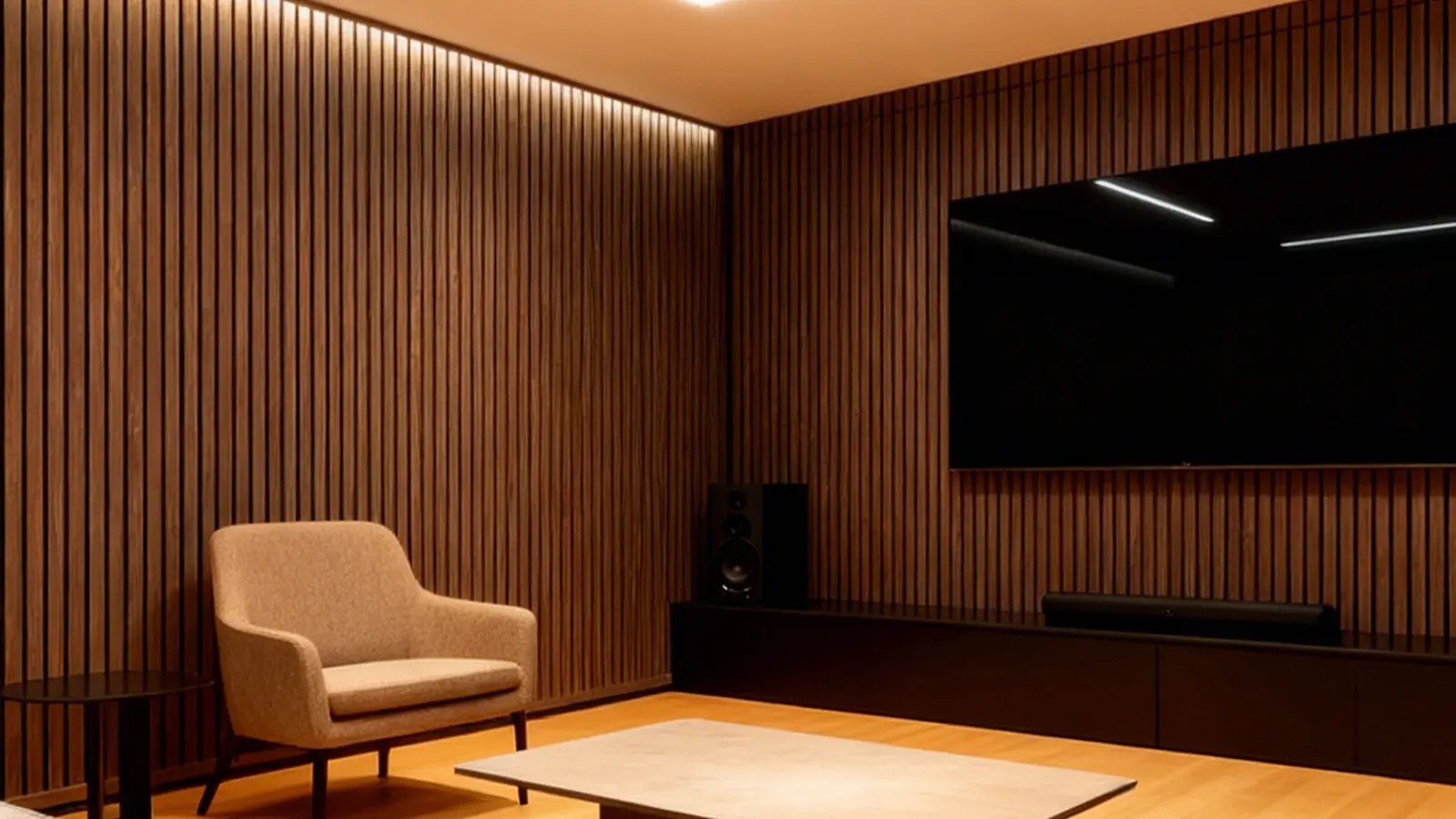
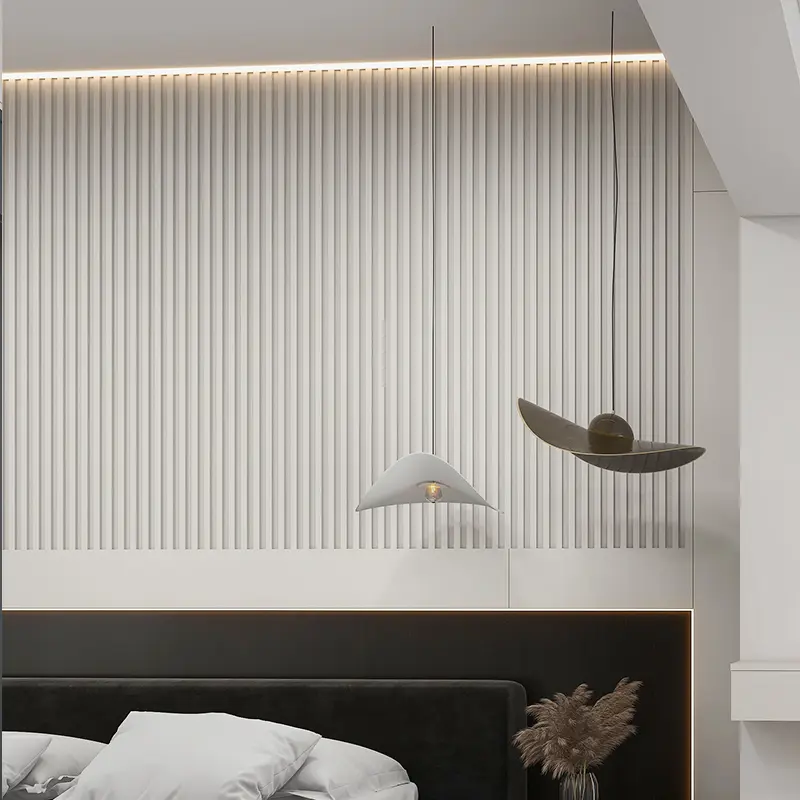
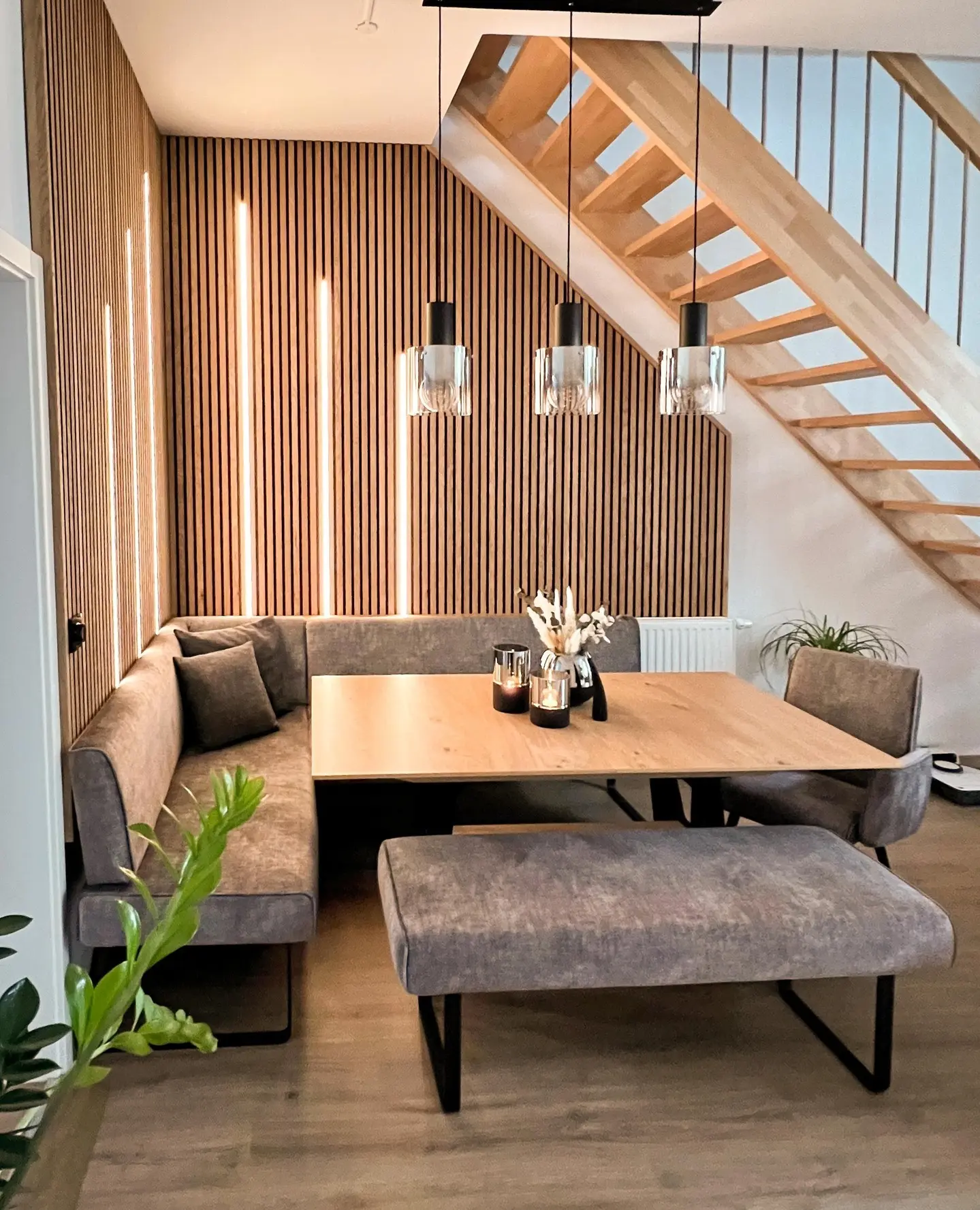
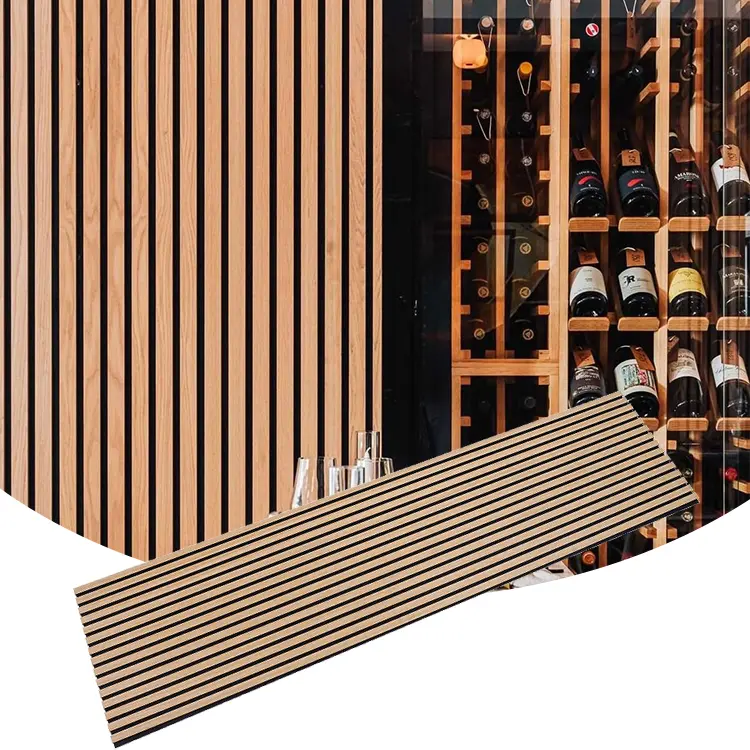
WPC wall panelshave rapidly entered the global Interior Decoration market, promoted as durable, low-maintenance, and environmentally friendly. But beyond marketing claims, it is essential to evaluate their real health impact, potential risks, and suitability for different living environments.
This article takes a practical, risk-aware approach to analyzing WPC Wall Panels, helping readers understand both their strengths and the factors that determine whether they are a truly safe option.
Material Composition: Why Structure Matters for Health
The safety of any interior material begins with its composition and manufacturing process.
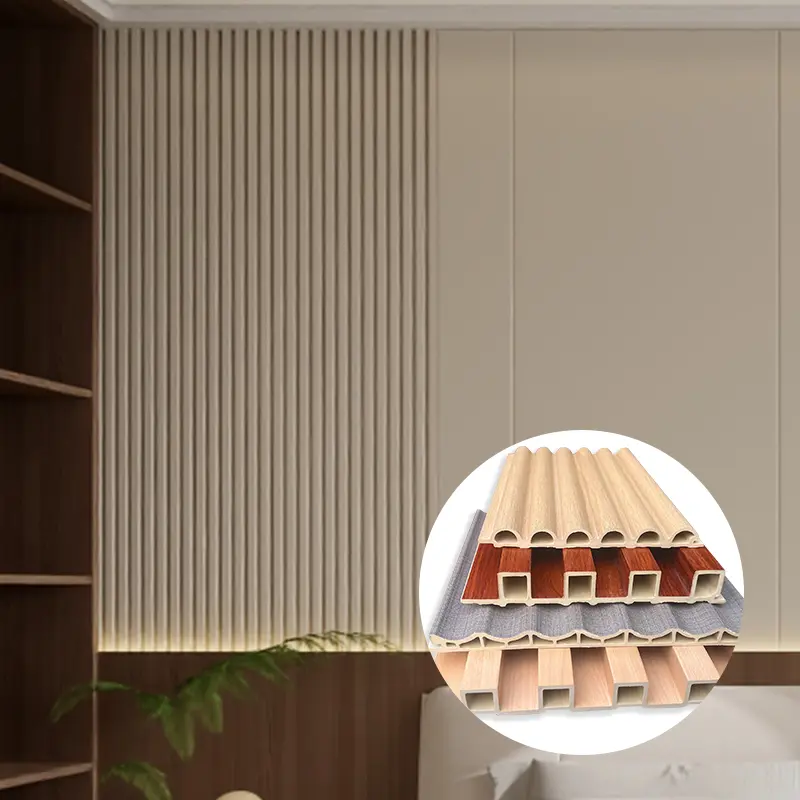
WPC wall panels are typically produced from:
- Processed wood fiber or agricultural fiber
- Thermoplastic polymers such as PE or PP
- Mineral-based stabilizers and functional additives
Unlike layered boards such as plywood or MDF, WPC panels are monolithic materials, meaning they do not rely on glue layers to hold components together. This structural difference plays a major role in reducing chemical emissions.
The extrusion process used in WPC manufacturing relies on heat and pressure rather than solvents, making the final product more chemically stable.
Evaluating Chemical Emissions Over Time
One of the most overlooked aspects of interior materials is how they behave years after installation, not just immediately after construction.
Short-Term Emissions vs Long-Term Exposure
Some materials release strong odors at first but become stable later. Others continue to emit low-level pollutants for many years.
High-quality WPC wall panels:
- Show minimal initial odor
- Do not rely on curing chemicals
- Maintain consistent emission levels over time
In contrast, engineered wood panels may continue releasing formaldehyde slowly, creating ongoing exposure risks.
Indoor Air Quality and Sensitive Populations
Certain groups are more vulnerable to poor indoor air quality:
- Infants and young children
- Pregnant women
- Elderly individuals
- People with asthma or allergies
For these populations, materials that minimize airborne pollutants are critical.
When properly manufactured, WPC wall panels are considered suitable for:
- Bedrooms
- Nurseries
- Long-term residential occupancy
However, low-grade WPC products made with contaminated recycled plastics may still pose risks, highlighting the importance of supplier transparency.
Moisture, Mold, and Hidden Health Hazards
Mold growth is one of the most common but underestimated indoor health threats. It often develops behind wall surfaces where moisture is trapped.
WPC wall panels offer strong resistance due to:
- Water-repellent plastic matrix
- Limited capillary absorption
- Smooth surface that discourages microbial attachment
These properties make WPC wall panels particularly useful in:
- Coastal regions
- Humid climates
- Bathrooms and kitchens
Preventing mold not only protects the structure of the building but also reduces respiratory health risks.
Fire Behavior and Safety Considerations
No interior decorative material should be evaluated without considering fire performance.
Compared with traditional plastic wall panels, WPC materials:
- Have higher ignition resistance
- Maintain structural integrity longer
- Produce less dense smoke
While WPC panels are not non-combustible, they generally offer safer fire behavior than PVC-based alternatives when tested under standard conditions.
Comparing Health Risks Across Wall Panel Materials
WPC Wall Panels vs Natural Wood
Natural wood may appear safe, but it often requires:
- Chemical coatings
- Anti-mold treatments
- Regular maintenance
In damp environments, untreated wood can become a breeding ground for mold.
WPC Wall Panels vs MDF and Particle Board
MDF and particle board are among the highest emitters of formaldehyde in residential interiors. Their low cost often comes at the expense of indoor air quality.
WPC wall panels eliminate most of these risks through their adhesive-free structure.
WPC Wall Panels vs PVC Panels
PVC materials may contain additives that raise concerns over long-term exposure. Additionally, their fire performance and smoke toxicity are often inferior.
WPC panels strike a balance between plastic durability and reduced chemical risk.
WPC Wall Panels vs Ceramic Surfaces
Ceramic materials are chemically inert but lack the thermal comfort and acoustic properties desired in living spaces. Installation complexity and safety risks from slippery surfaces are additional drawbacks.
Common Risks Associated with Low-Quality WPC Panels
Despite the overall safety profile of WPC wall panels, risks still exist when quality is compromised.
Potential red flags include:
- Strong chemical odor upon unpacking
- Lack of emission testing documentation
- Unclear source of recycled materials
- Inconsistent color or surface texture
Such issues often indicate poor manufacturing control and possible health risks.
Practical Guidelines for Choosing Safe WPC Wall Panels
To minimize risk and ensure safety, buyers should follow these guidelines:
- Verify Testing and Certification
Panels tested for emissions, fire resistance, and material safety provide greater assurance.
- Ask About Raw Material Sources
Responsible manufacturers disclose whether recycled plastics are industrial-grade and contamination-free.
- Prefer Mechanical Installation
Clip systems and frameworks reduce the need for chemical adhesives.
- Evaluate Long-Term Stability
Panels that resist warping, cracking, and discoloration are less likely to require replacement and secondary pollution.
Conclusion: Are WPC Wall Panels Worth Considering?
From a health and safety standpoint, WPC wall panels are a strong candidate for modern interior design when quality standards are met. Their low-emission structure, moisture resistance, and stable performance address many of the shortcomings found in traditional wall materials.
However, like any construction product, results depend heavily on manufacturing quality and installation practices. Informed selection and proper application are essential to fully realize the health benefits WPC wall panels can offer.
For homeowners and professionals seeking safer, more durable interior wall solutions, WPC wall panels represent a practical and forward-looking option.
