

Acoustic Wall Panels: How Modern Spaces Are Redefining Sound Comfort
Table of Contents
- Introduction: Why Sound Quality Matters More Than Ever
- Understanding Acoustic Wall Panels
- Key Reasons Acoustic Panels Are Becoming Standard Interior Materials
- Common Types of Acoustic Wall Panels
- Measuring Acoustic Performance
- Where Acoustic Wall Panels Are Used Today
- Installation Options and Design Flexibility
- How Buyers Choose the Right Acoustic Solution
- Global Demand and Industry Direction
- Why Many Buyers Source Acoustic Panels from China
- Conclusion
1. Introduction: Why Sound Quality Matters More Than Ever
Urbanization, open-plan architecture, and multi-functional interiors have transformed the way people live and work. Offices are no longer silent cubicles, homes now double as workspaces, and content creation has become part of everyday life. In all these environments, one issue consistently emerges—uncontrolled noise.
Acoustic wall panels have evolved from a niche studio solution into a mainstream interior material. Today, they are widely specified by architects, interior designers, contractors, and developers seeking to improve acoustic comfort without sacrificing visual appeal.
This article explores how acoustic Wall Panels function, where they are used, how different materials perform, and why global buyers increasingly turn to Asian manufacturing hubs for reliable supply and customization.
2. Understanding Acoustic Wall Panels
Acoustic wall panelsare engineered surfaces designed to absorb sound energy rather than reflect it. When sound waves hit untreated hard surfaces—such as concrete, glass, or drywall—they bounce back into the room, creating echo, reverberation, and background noise buildup. Acoustic Panels interrupt this process.
Most acoustic panels consist of a porous core material that traps sound waves and converts them into minimal heat energy. By controlling reflections, these panels significantly improve speech clarity, listening comfort, and overall acoustic balance within a space.
Unlike traditional soundproofing systems, wall-mounted acoustic panels focus primarily on sound absorption, not complete sound isolation. This makes them ideal for interior environments where clarity and comfort are the goal.
3. Key Reasons Acoustic Panels Are Becoming Standard Interior Materials
Improved Communication
In offices and public buildings, clear communication is essential. Acoustic panels reduce echo and ambient noise, allowing conversations and presentations to be heard without strain.
Enhanced Well-being
Excessive noise contributes to stress, fatigue, and reduced concentration. Acoustic treatment has been linked to improved mental comfort in workplaces, schools, and healthcare facilities.
Design Integration
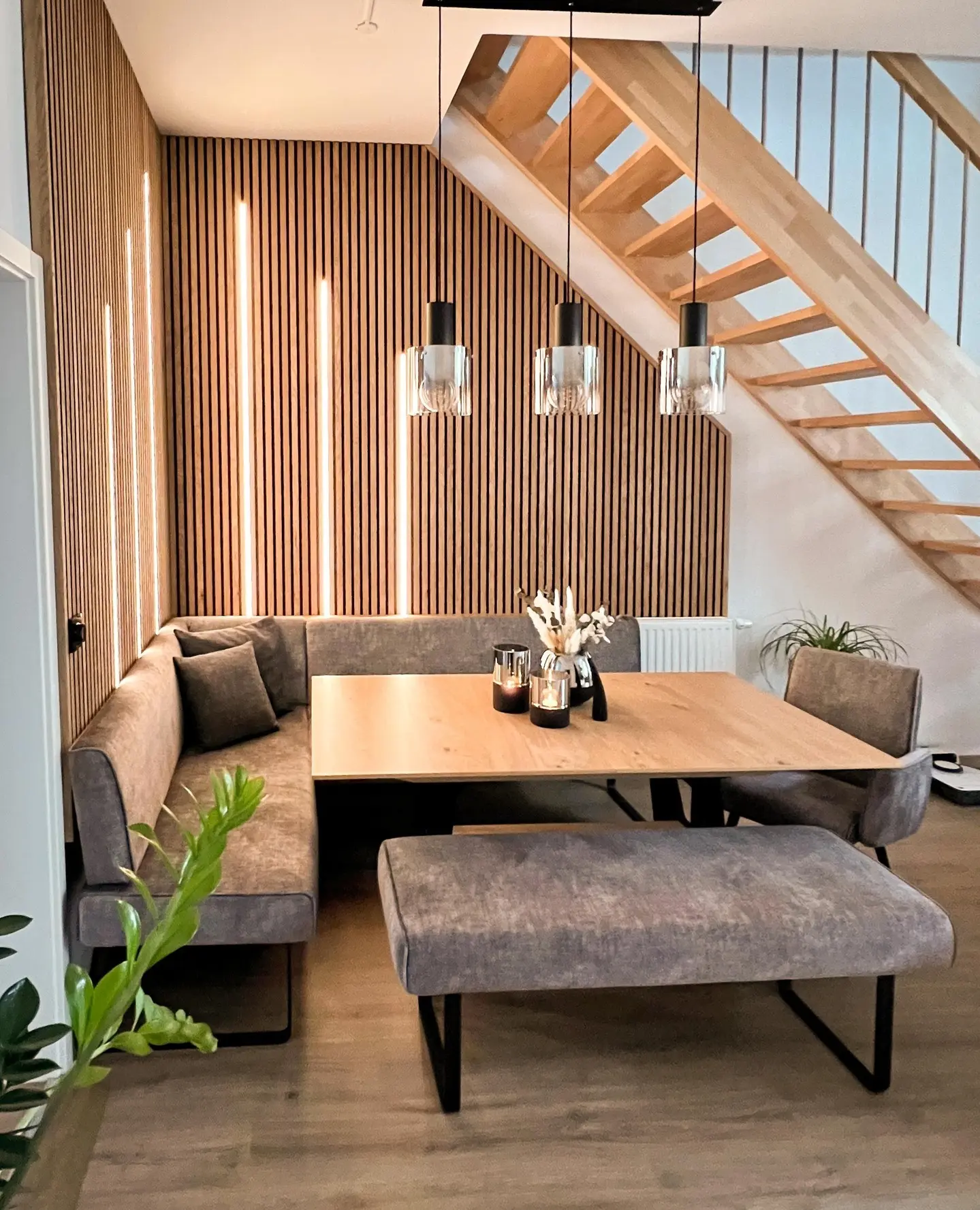
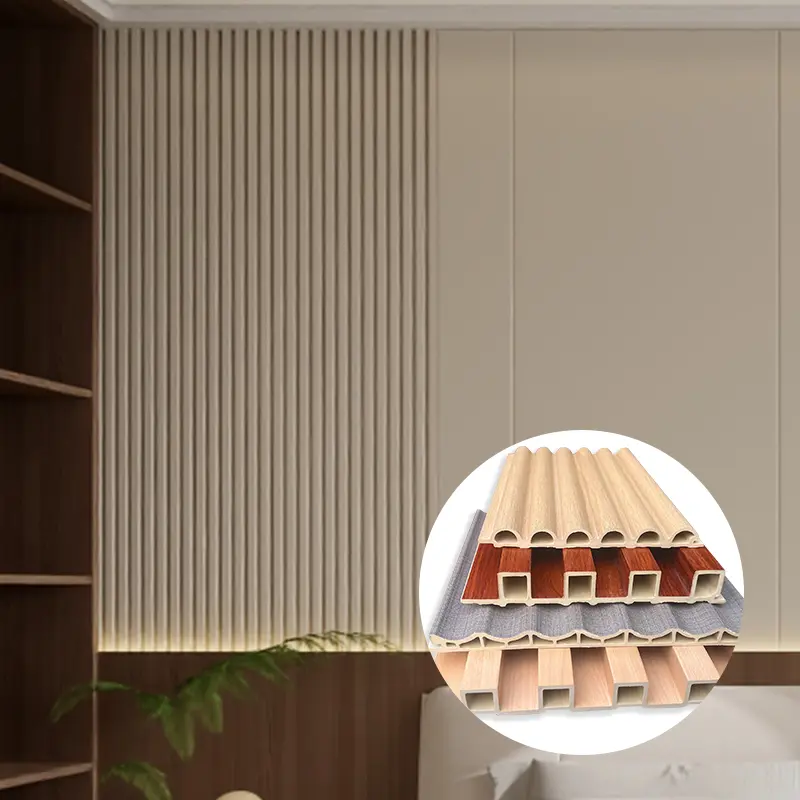
Modern acoustic panels are designed to be seen, not hidden. From wood slat systems to colored PET panels, they function as architectural features rather than technical add-ons.
Flexible Installation
Most acoustic wall panels can be installed without major structural changes, making them suitable for both new construction and renovation projects.
4. Common Types of Acoustic Wall Panels
Fabric-Covered Panels
These panels typically feature a mineral wool or fiberglass core wrapped in acoustically transparent fabric. They offer high sound absorption and are widely used in offices, conference rooms, and cinemas.
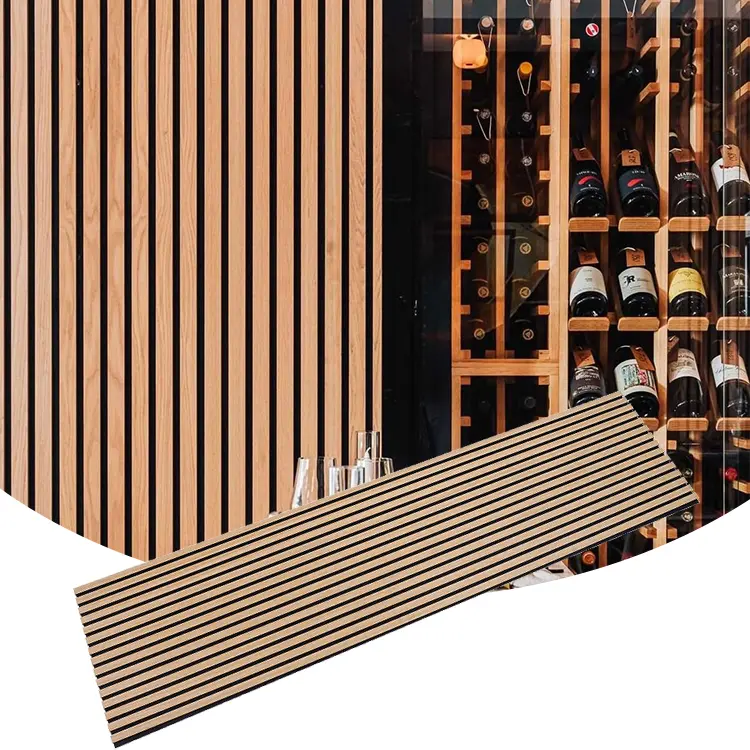
Slatted Acoustic Wood Panels
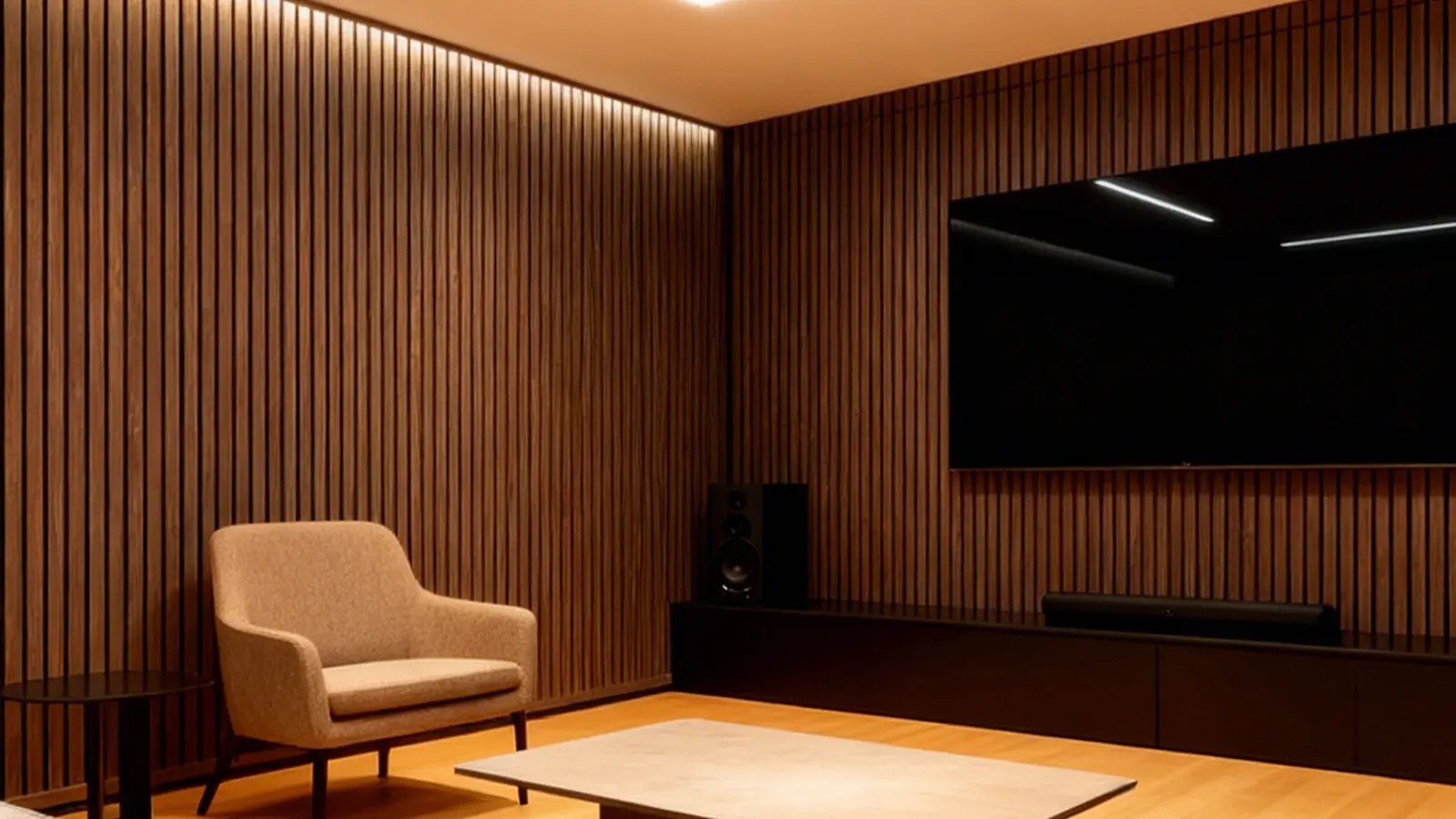
Combining decorative wood veneers with felt or fiber backing, slatted panels provide both absorption and diffusion. Their linear appearance is popular in corporate interiors, hotels, and premium residential projects.
PET Fiber Panels
Manufactured from recycled polyester fibers, PET panels are lightweight, durable, and environmentally friendly. They are commonly specified for schools, studios, and large commercial spaces due to cost efficiency and color flexibility.
Acoustic Foam Panels
Open-cell foam panels are often used in recording environments to manage mid- and high-frequency sound reflections. While effective, they are more common in technical spaces than decorative interiors.
Perforated Wood Systems
These panels use precision-drilled holes to allow sound energy to pass through to an absorptive backing layer. They are often installed in auditoriums, theaters, and large halls.
5. Measuring Acoustic Performance
Noise Reduction Coefficient (NRC)
NRC values indicate how much sound a material absorbs. Panels with higher NRC ratings are more effective at reducing reverberation.
Typical ranges:
- Fabric panels: up to 1.0
- PET fiber panels: approximately 0.75–0.9
- Foam panels: around 0.6–0.8
Sound Transmission Class (STC)
STC measures how well a system blocks sound from passing through a wall. While acoustic panels alone do not provide high STC values, they can be part of a broader wall system designed for sound isolation.
6. Where Acoustic Wall Panels Are Used Today
Corporate and Commercial Offices
- Meeting rooms
- Open-plan work areas
- Phone booths
- Reception spaces
Residential Interiors
- Home offices
- Media rooms
- Bedrooms
- Shared apartment walls
Creative and Media Spaces
- Recording studios
- Podcast rooms
- Editing suites
- Streaming rooms
Hospitality and Public Venues
- Hotels
- Restaurants
- Event spaces
- Museums
Education Facilities
- Classrooms
- Libraries
- Lecture halls
- Study zones
7. Installation Options and Design Flexibility
Acoustic wall panels can be installed using adhesive bonding, mechanical fasteners, hanging rails, or modular mounting systems. The choice depends on panel weight, wall surface, and whether future removal is required.
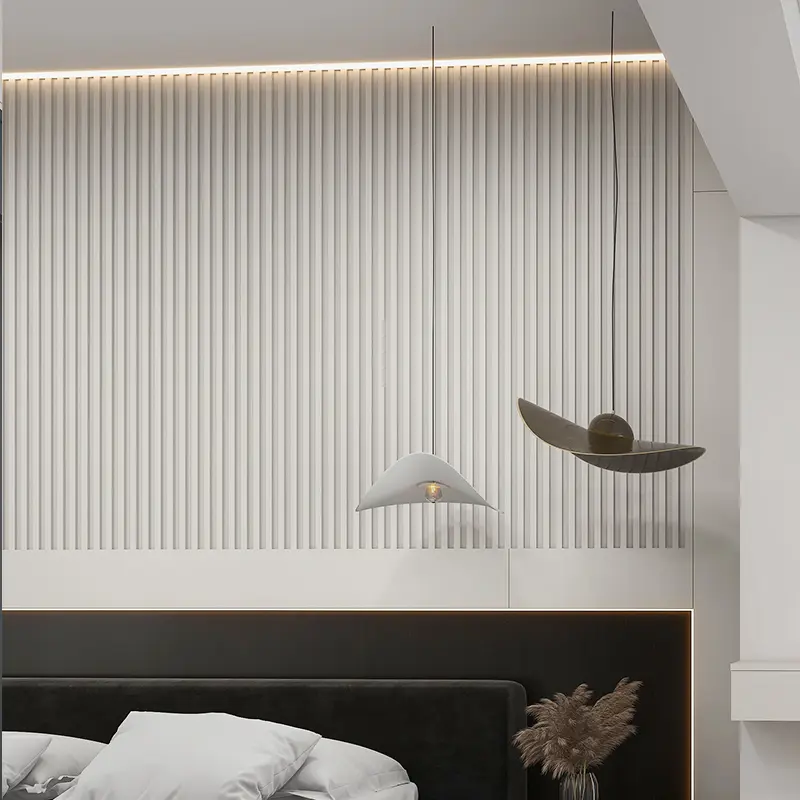
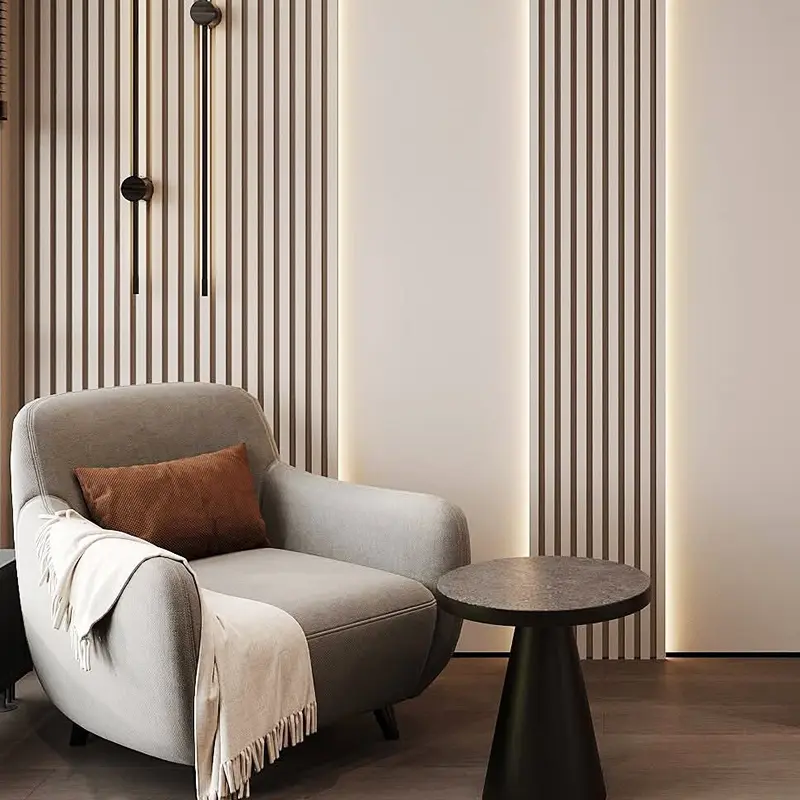
Design flexibility is one of the strongest advantages. Panels can be arranged in patterns, combined with lighting, or customized in size, thickness, and finish to align with architectural intent.
8. How Buyers Choose the Right Acoustic Solution
Professional buyers typically evaluate:
- Room size and function
- Target reverberation time
- Required fire and safety ratings
- Environmental certifications
- Budget constraints
- Lead time and supply reliability
For large projects, acoustic simulation and layout planning are often conducted before final panel selection.
9. Global Demand and Industry Direction
The international acoustic materials market continues to grow as building standards emphasize comfort and sustainability. Open architecture trends, hybrid work environments, and increased awareness of acoustic wellness are driving demand.
Sustainable materials such as recycled PET fibers and certified wood products are becoming standard requirements rather than optional features.
10. Why Many Buyers Source Acoustic Panels from China
China has become a major manufacturing base for acoustic wall panels due to:
- Advanced production capacity
- Competitive material sourcing
- Skilled OEM and ODM services
- Consistent export experience
- Flexible customization options
Chinese manufacturers supply projects worldwide, supporting both standardized products and fully customized solutions tailored to local regulations.
Acoustic wall panels are no longer limited to recording studios. They are an essential component of modern interior environments where sound quality, comfort, and aesthetics intersect.
By understanding panel types, performance metrics, and application scenarios, designers and buyers can create spaces that sound as good as they look.