

Acoustic Panels vs Traditional Soundproofing: Which Solution Fits Modern Projects Better?
Table of Contents
- Introduction: Rethinking Acoustic Solutions
- Traditional Soundproofing: Purpose and Limitations
- Acoustic Panels: A Modern Interior Approach
- Performance Comparison in Real Spaces
- Cost and Lifecycle Considerations
- Conclusion
1. Introduction: Rethinking Acoustic Solutions
When addressing noise problems in interior spaces, many project owners still associate acoustic treatment with heavy insulation, foam boards, or hidden soundproofing layers. While these methods were once standard, modern interior environments demand solutions that go beyond basic noise control. Today's architectural landscape is characterized by open floor plans, multi-functional spaces, and heightened expectations for both aesthetic appeal and acoustic performance. The traditional approach to sound management is increasingly proving inadequate for contemporary projects that require a balance between form and function.
Acoustic panels have emerged as a preferred alternative to traditional soundproofing methods, offering a balance between performance, design integration, and long-term usability. Understanding the difference between these approaches helps architects, contractors, and developers make informed decisions for contemporary projects. The evolution from purely functional sound control to integrated acoustic design reflects a broader shift in how we conceptualize interior environments. Modern spaces are no longer just containers for activities but are designed to enhance human experience through careful consideration of all sensory inputs, including sound.
This article explores the fundamental differences between Acoustic Panels and traditional soundproofing techniques, examining their respective strengths, limitations, and applications in today's diverse building environments. As we move toward more sustainable and adaptable architecture, the ability to integrate acoustic solutions that serve multiple purposes becomes increasingly valuable.
2. Traditional Soundproofing: Purpose and Limitations
Traditional soundproofing focuses primarily on blocking sound transmission between spaces. Common materials include dense insulation, gypsum board layers, and sealed wall assemblies. These methods were developed to address noise pollution in residential and commercial settings, with the primary goal of preventing sound from traveling from one area to another. The underlying principle is mass law - the heavier and denser the barrier, the more effective it is at blocking sound transmission.
Key Characteristics
- Installed inside walls or ceilings during construction phase
- Composed of dense, heavy materials such as concrete, lead sheets, or specialized insulation
- Designed to prevent sound from passing through structures by creating physical barriers
- Often requires specialized construction techniques and additional structural support
- Rarely visible once construction is complete, as they are concealed within building assemblies
Limitations
- Does not address echo or reverberation within a room, leaving interior acoustics unoptimized
- Requires significant structural modifications that can increase construction costs and complexity
- Offers no visual or design contribution, often resulting in wasted aesthetic potential
- Creates challenges for future modifications, as accessing these systems typically requires major renovation work
- Difficult to modify after construction, limiting adaptability to changing space requirements
- Limited flexibility for renovation projects, as retrofitting traditional soundproofing is often impractical
- As interior layouts become more open, traditional soundproofing alone often fails to provide satisfactory acoustic comfort
The limitations of traditional soundproofing become particularly evident in modern architectural designs that prioritize open spaces and fluid layouts. Contemporary workspaces, hospitality venues, and public buildings increasingly feature open-plan configurations that traditional soundproofing methods struggle to accommodate effectively. While these techniques may prevent noise from traveling between rooms, they do little to improve the acoustic quality within the space itself, often resulting in environments that are technically quiet but acoustically uncomfortable.
3. Acoustic Panels: A Modern Interior Approach
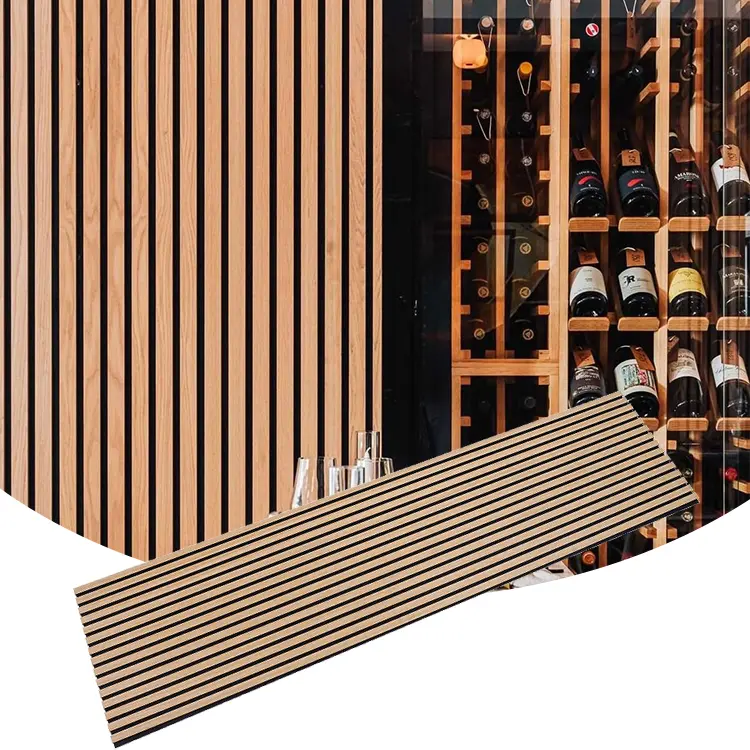
Acoustic panels focus on controlling sound reflections within a space rather than blocking sound entirely. This makes them particularly effective in environments where communication quality and comfort matter. Unlike traditional soundproofing that works on the principle of blocking sound transmission, acoustic panels operate on the principle of sound absorption, reducing unwanted reflections and reverberation within a room.
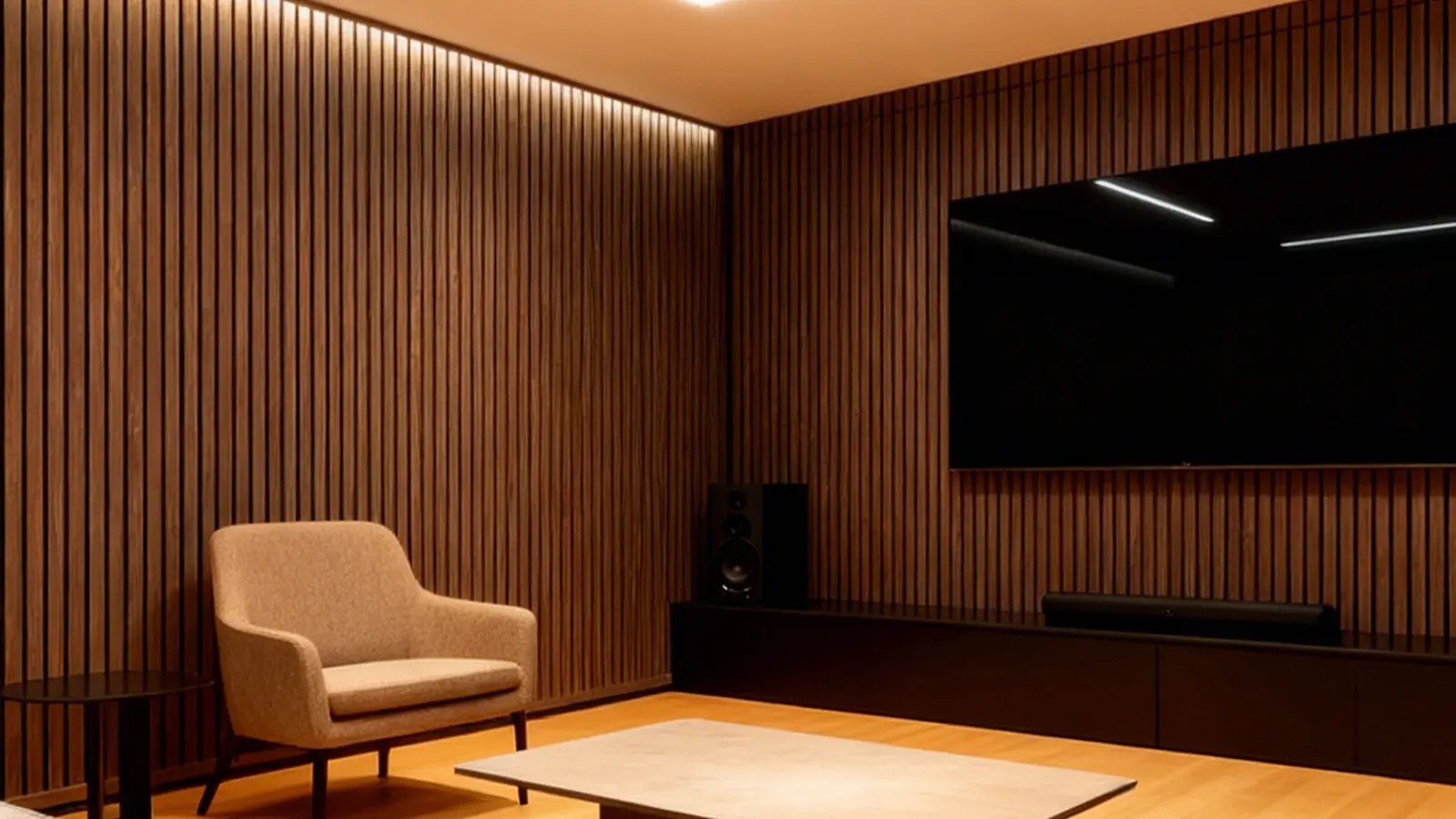
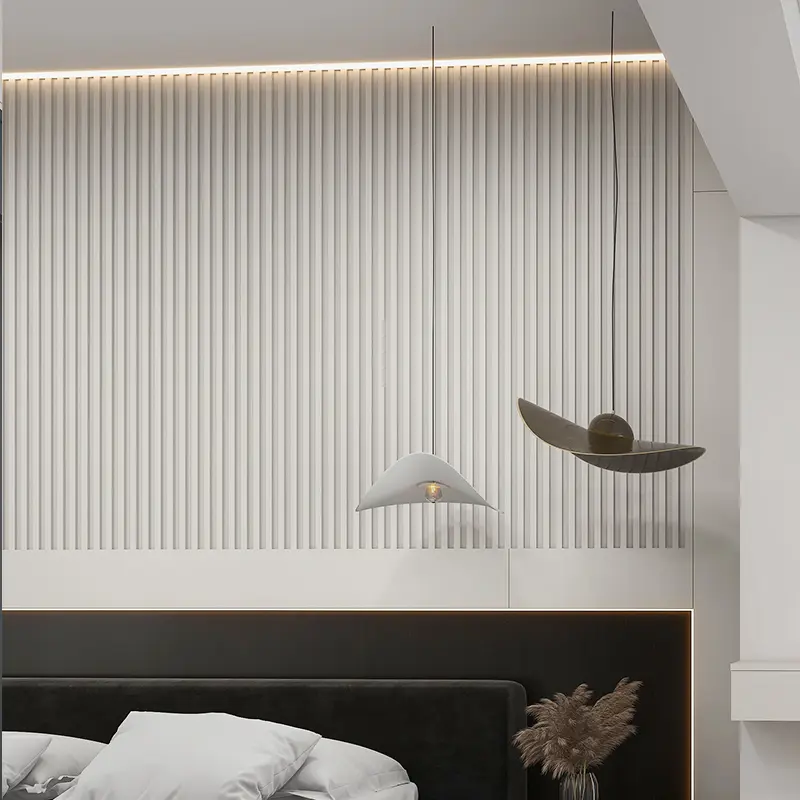
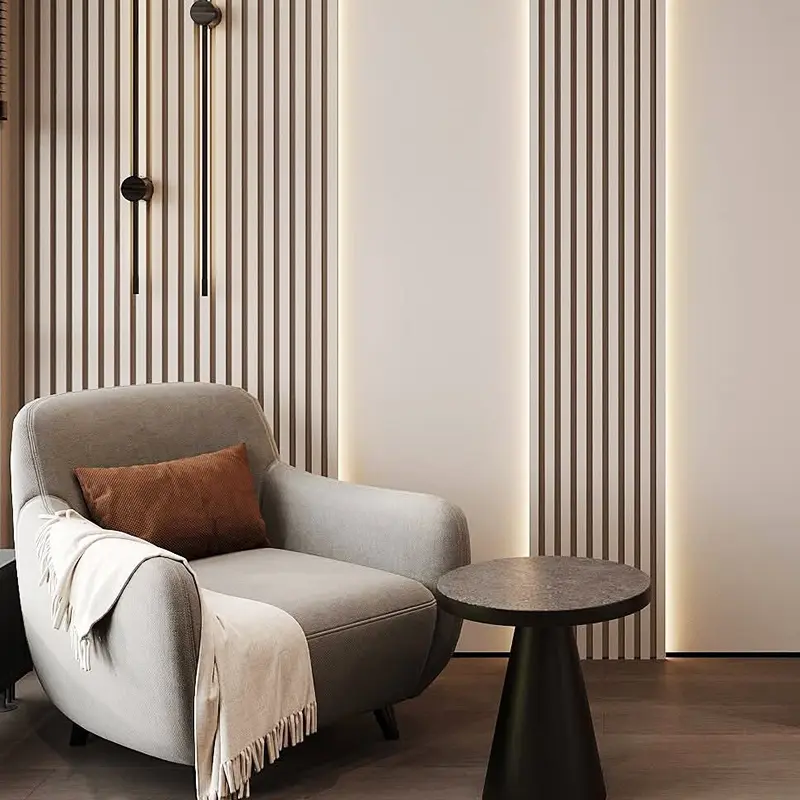
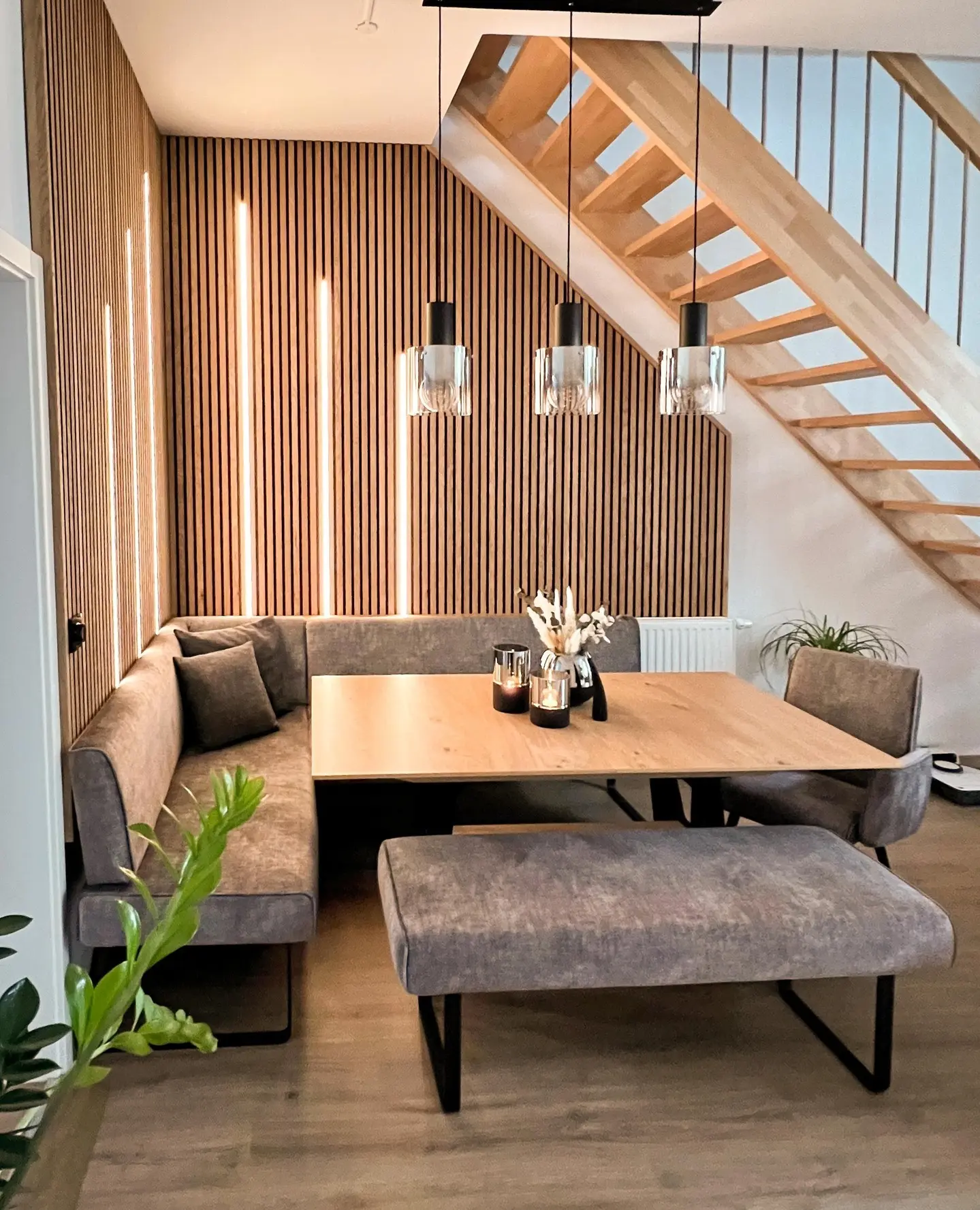
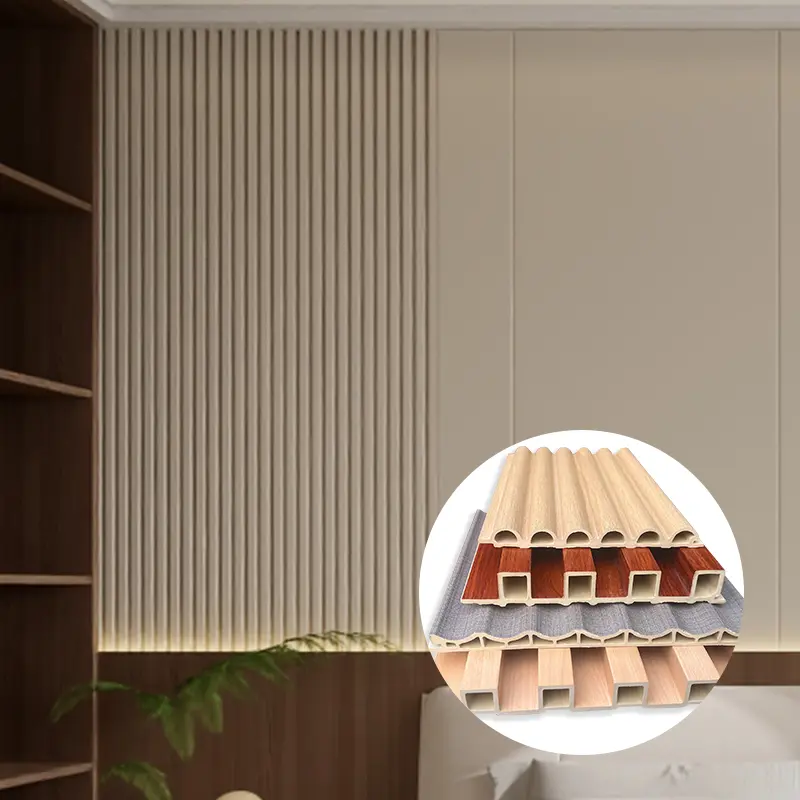
Modern acoustic panels utilize advanced materials that combine effectiveness with sustainability. Many are manufactured from recycled materials or natural fibers, aligning with contemporary sustainability goals. Their surface treatments can range from subtle textures that blend into architectural schemes to bold designs that serve as focal points, demonstrating how acoustic solutions can enhance rather than compromise interior design.
4. Performance Comparison in Real Spaces
In offices, hospitality venues, and public buildings, acoustic panels outperform traditional soundproofing when it comes to user experience. While traditional soundproofing may prevent noise from traveling between rooms, it does little to improve the acoustic quality inside the space itself. Acoustic panels directly address this issue by absorbing reflected sound, creating environments where speech is clear, concentration is possible, and comfort is enhanced.
Consider a modern open-plan office: traditional soundproofing might prevent conversations from neighboring departments from being heard, but without acoustic treatment within the space, employees would still struggle with excessive reverberation, making it difficult to focus or communicate effectively. Acoustic panels installed strategically throughout the space absorb sound energy, reducing the overall noise level and creating a more comfortable working environment.
5. Cost and Lifecycle Considerations
While traditional soundproofing may appear cost-effective during construction, acoustic panels often deliver better long-term value. The initial cost of traditional soundproofing can be deceptive, as it often requires significant structural modifications that increase overall construction costs. Additionally, the inflexibility of these systems can lead to higher costs when modifications are needed later.
Traditional soundproofing and acoustic panels serve different purposes. However, in modern interiors where sound comfort and design quality are equally important, acoustic panels provide a more complete and adaptable solution. The evolution from purely functional sound control to integrated acoustic design reflects a broader shift in how we conceptualize interior environments. Today's spaces demand solutions that address both performance and aesthetics, and acoustic panels deliver on both fronts.
The growing emphasis on human-centered design has highlighted the importance of acoustic comfort in all built environments. As we continue to recognize the impact of sound on productivity, well-being, and overall experience, the role of acoustic panels will only become more significant. Their ability to provide immediate acoustic improvement while enhancing the visual appeal of a space makes them an essential component of modern interior design.
As building technologies and design philosophies continue to evolve, the integration of acoustic solutions that serve multiple purposes will become increasingly standard practice. The future of interior acoustics lies in systems that are not only effective but also adaptable, sustainable, and aesthetically integrated—qualities that acoustic panels embody more completely than traditional soundproofing methods.