
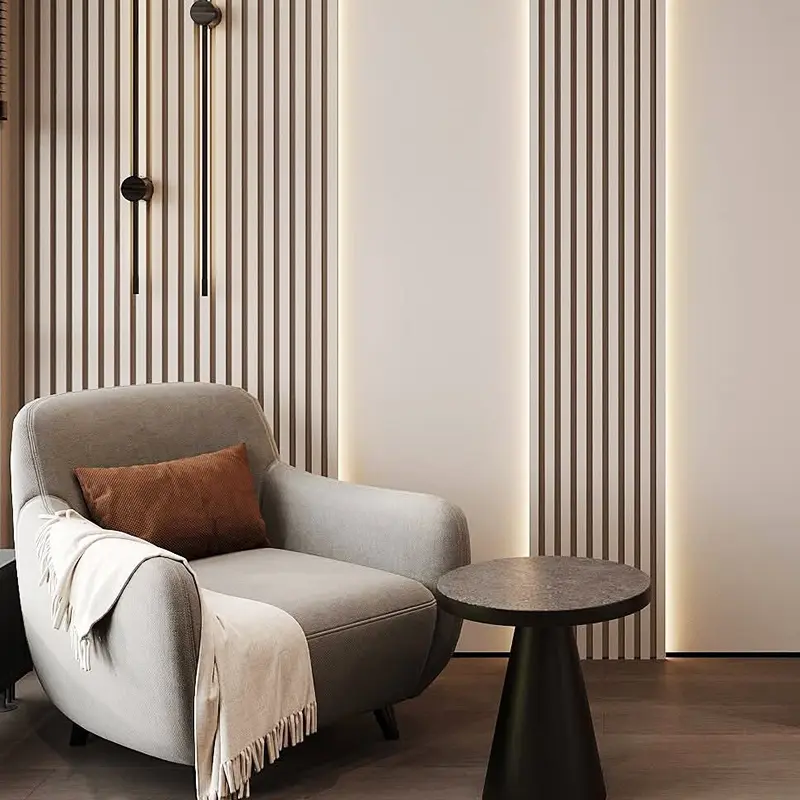
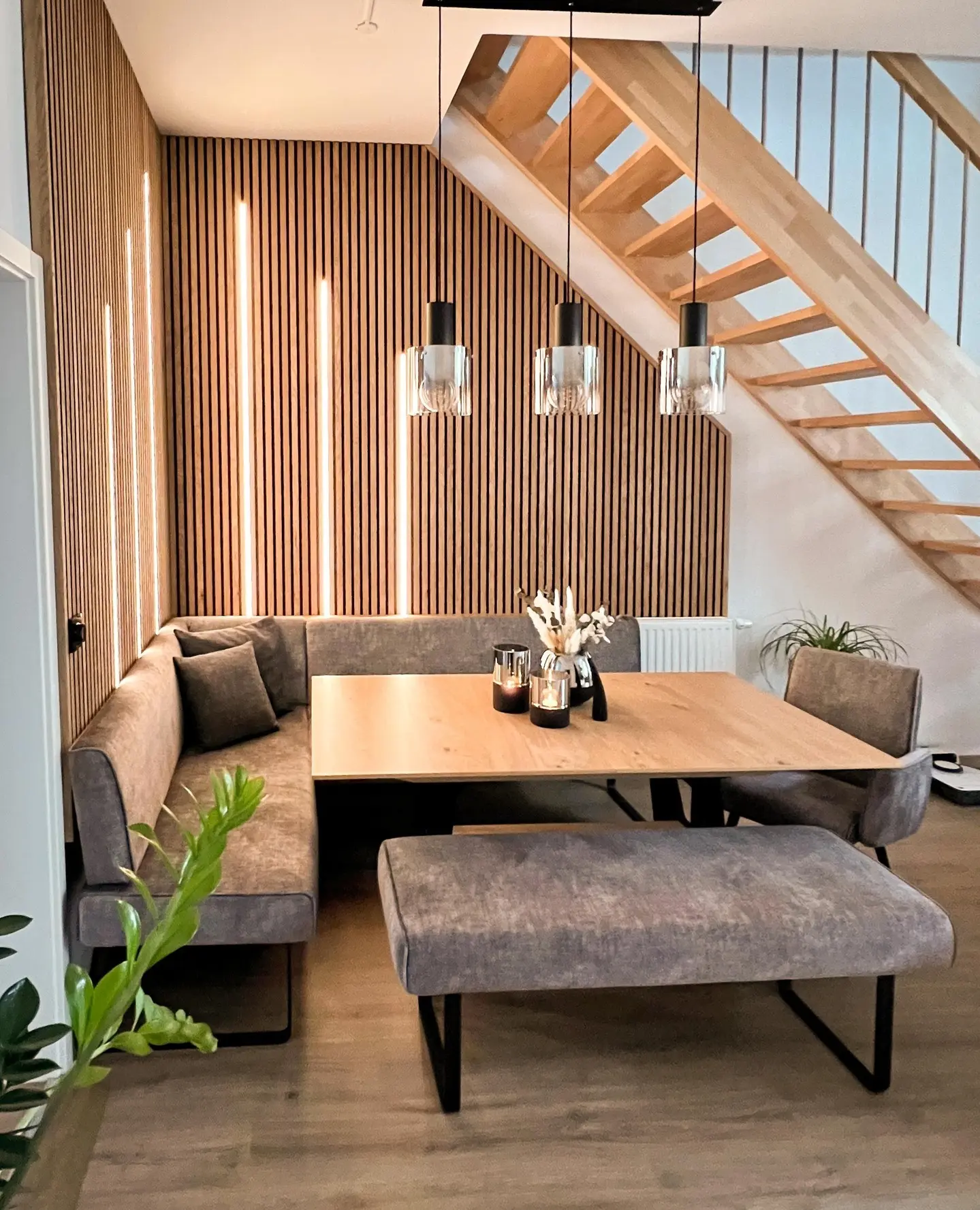
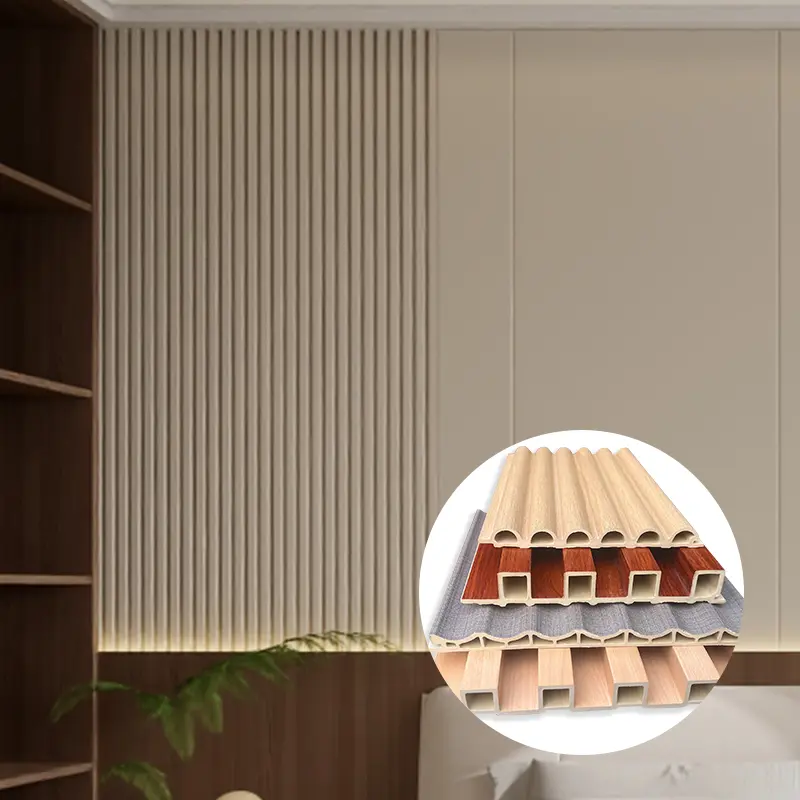
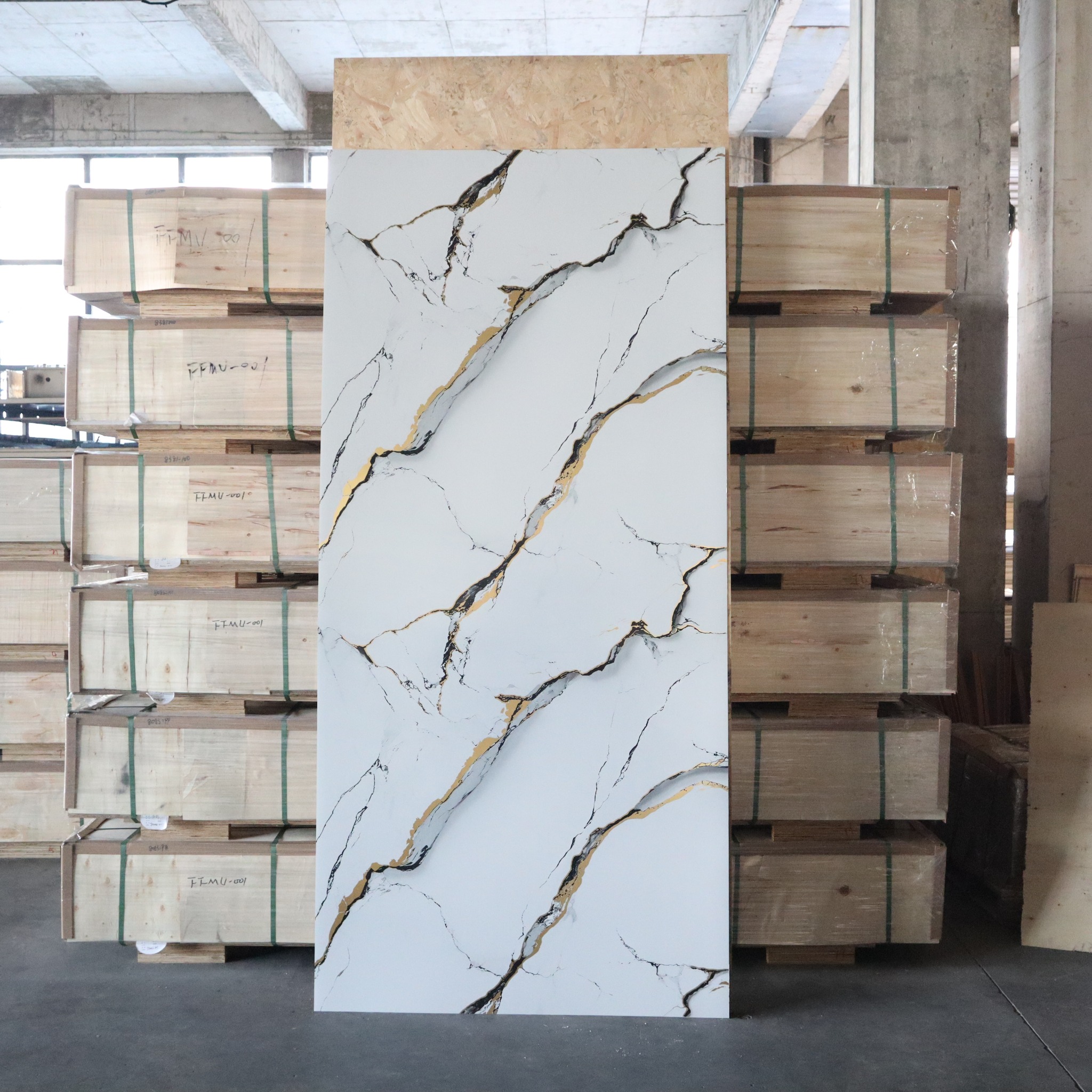
The Ultimate Guide to Acoustic Panel Colors and Their Applications in Modern Interiors
Table of Contents
- Introduction
- The Importance of Color in Acoustic Design
- Popular Global Color Preferences for Acoustic Panels
- How to Choose Colors According to Project Needs
- Common International Installation Scenarios
- Materials That Offer Maximum Color Flexibility
- Color Trends Shaping Interior Design in the Coming Years
- Conclusion
Acoustic panels have evolved beyond mere functional elements—they are now integral components of interior design. Once hidden behind walls or ceilings, these panels have emerged as bold, visually striking features that enhance both the aesthetics and sound quality of a space.
Open-concept offices, boutique hotels, modern residential spaces, educational institutions, and entertainment venues around the world increasingly demand acoustic solutions that are both efficient and visually appealing. As a leading supplier collaborating with global distributors, we have gathered extensive data from export records and international project requirements, allowing us to identify which colors, textures, and materials are most popular worldwide.
This guide provides a comprehensive overview of acoustic panel color preferences, practical applications, and material options for designers and project planners seeking both style and function.
2. The Importance of Color in Acoustic Design
2.1 Setting the Mood and Atmosphere
Color profoundly influences how a space feels. Acoustic Panels are no longer just tools for sound absorption—they play a key role in establishing a room’s mood:
- Calm and muted tones encourage focus and productivity in office environments.
- Bright and cheerful shades energize classrooms, creative studios, and learning spaces.
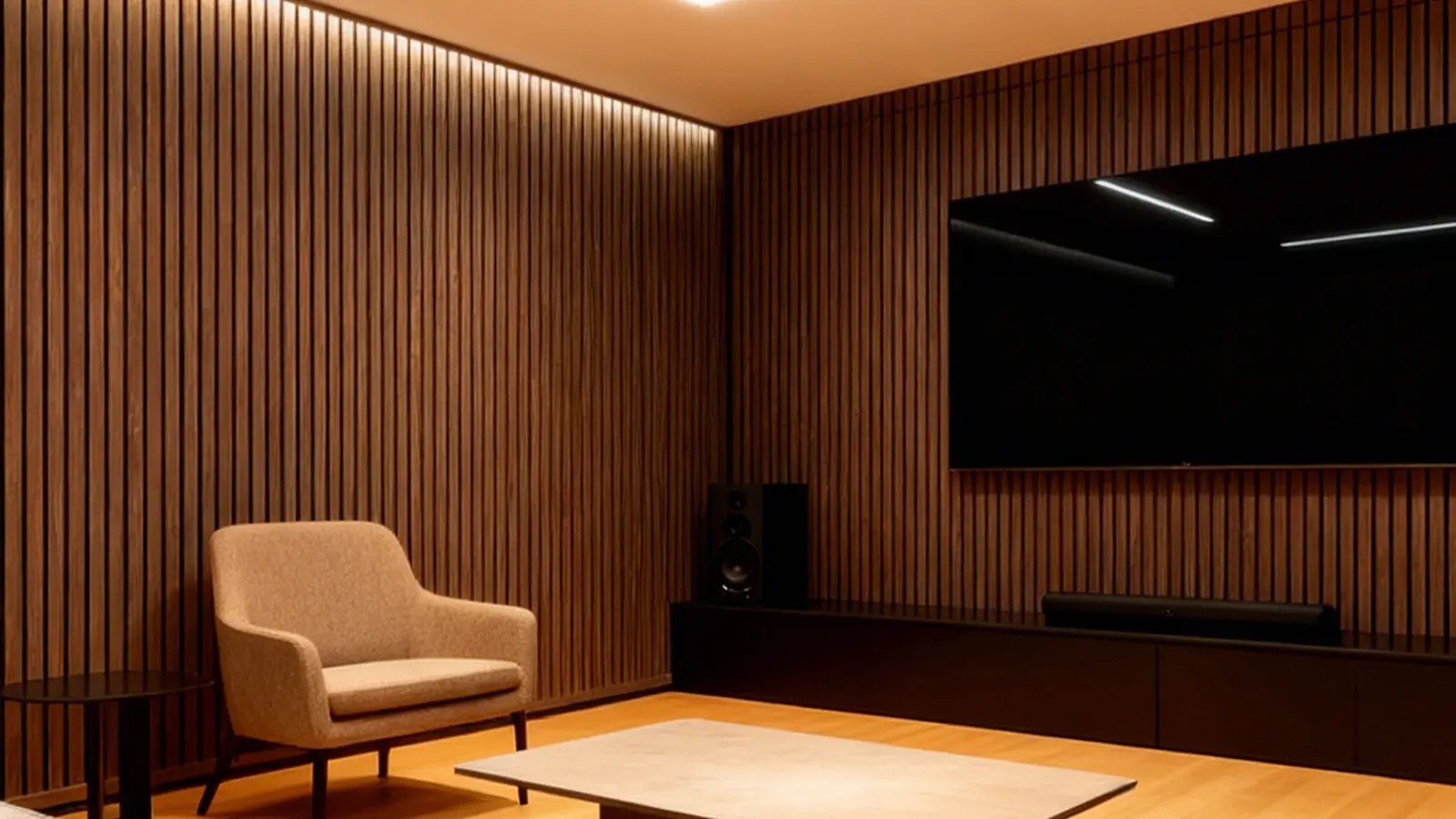
- Dark, immersive colors create an intimate, cinematic atmosphere in theaters and media rooms.
2.2 Large Surface Coverage
Acoustic panels often cover entire walls or ceilings, making their color a critical design element. Choosing the right color ensures harmony with furniture, flooring, and lighting while preventing visual clutter.
2.3 Reinforcing Brand Identity
For commercial projects, matching acoustic panels to brand colors has become increasingly common. Customizable materials such as Pantone-matched PET panels, specialized fabrics, and bespoke wood finishes help businesses create cohesive interior identities.
3. Popular Global Color Preferences for Acoustic Panels
3.1 Dark Gray and Slate
Dark gray tones dominate contemporary design trends worldwide, particularly in offices, lounges, and urban mixed-use buildings.
Benefits:
- Complements metal, concrete, and timber surfaces
- Hides dust and fingerprints
- Suits minimalist and industrial interiors
3.2 Natural Wood Shades
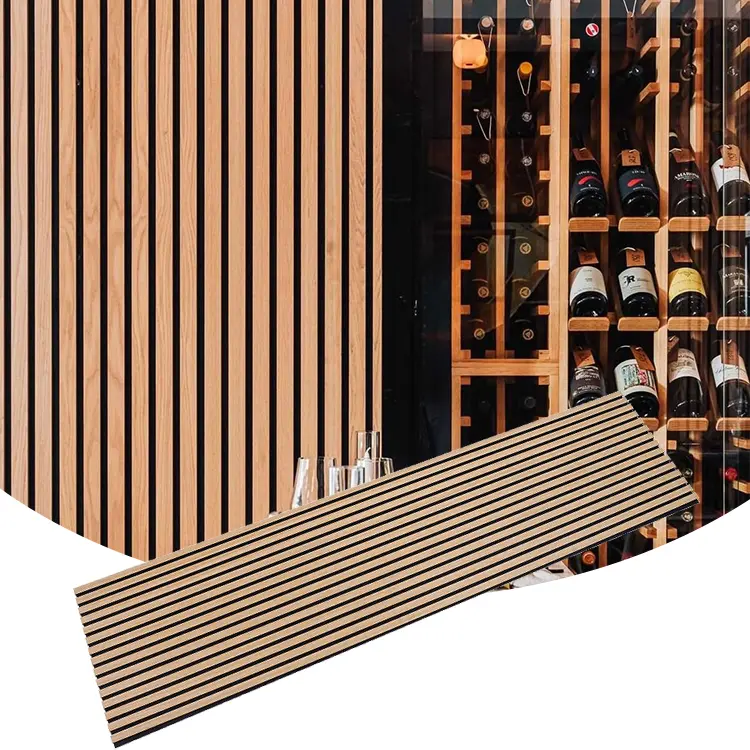
Light and mid-tone wood finishes such as oak, walnut, and ash remain timeless choices, providing warmth and sophistication.
Applications: Hotels, luxury residences, museums, and dining areas.
3.3 Neutral Pastels
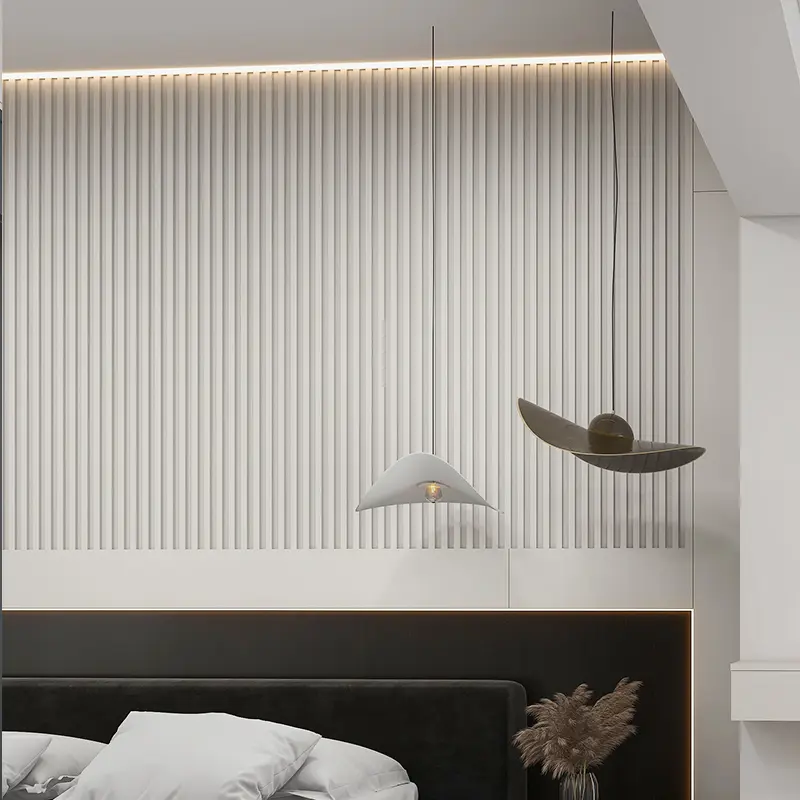
Soft neutrals, including pearl gray, ivory, and beige, are favored for their ability to brighten smaller spaces and promote a sense of calm.
Applications: Libraries, clinics, nurseries, and modern apartments.
3.4 Blue Variations
Blues—from deep sapphire to denim—offer stability and serenity, making them ideal for learning environments and professional offices.
3.5 Nature-Inspired Greens
Organic greens like moss, olive, and forest tones reflect the growing trend of biophilic design, bringing nature into interiors.
3.6 Black for Theatrical Spaces
Black remains the standard choice for spaces requiring minimal light reflection and optimal sound absorption, such as cinemas and recording studios.
4. How to Choose Colors According to Project Needs
4.1 Function-Driven Color Selection
| Space Type | Suggested Colors | Rationale |
| Meeting rooms | Navy, charcoal | Professional, focus-oriented |
| Classrooms | Green, blue, yellow | Enhances learning and engagement |
| Luxury hotels | Walnut, champagne, beige | Matches upscale interior aesthetics |
| Home theaters | Black, dark brown | Sound and light absorption |
| Residential spaces | Cream, oak, fog gray | Comfortable and versatile |
4.2 Matching Interior Style
- Industrial: Dark gray or black panels with exposed concrete or steel
- Coastal: White, sandy, and sea-blue combinations
- Classic/Traditional: Rich wood finishes or warm neutrals
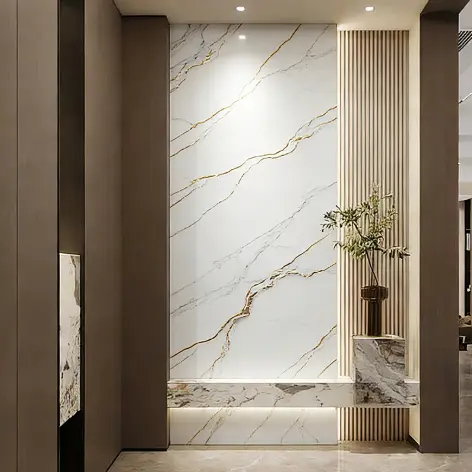
4.3 Accent Walls and Creative Layouts
Acoustic panels can double as design features:
- Vertical slats
- Decorative grids
- Mixed-color mosaics
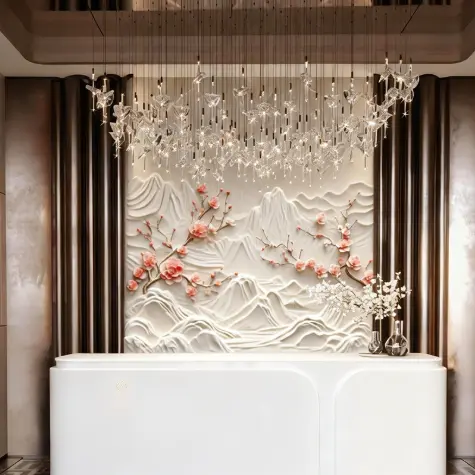
Advanced cutting techniques, like CNC, allow panels to form artistic patterns and unique installations.
4.4 Considering Lighting Effects
Colors can appear different depending on lighting conditions:
- Bright rooms: Dark tones add depth
- Dim spaces: Light tones brighten the interior
- Cinemas or dark studios: Always choose dark panels to prevent glare
5. Common International Installation Scenarios
5.1 Corporate Offices
Panels are strategically placed in meeting rooms, open work areas, and lounges to reduce noise and improve concentration. Muted tones, navy, and beige remain top choices.
5.2 High-End Hotels
Acoustic panels enhance both aesthetics and functionality in lobbies, VIP areas, guest rooms, and spa corridors. Popular finishes include natural wood, PU leather, and soft neutrals.
5.3 Luxury Homes
Homeowners increasingly use panels as focal points in living rooms, music studios, and bedrooms, with wood tones and soft neutral colors leading demand.
5.4 Studios and Performance Spaces
Fabric panels, slatted MDF, and PET tiles dominate in music studios, recording rooms, and rehearsal spaces due to their high sound absorption performance.
5.5 Educational Facilities
Schools, lecture halls, and libraries rely on vibrant, friendly colors to create engaging environments while maintaining speech clarity.
5.6 Public Spaces and Retail
Gyms, shopping malls, transport terminals, and boutiques benefit from acoustic panels to enhance comfort and customer experience. Brand colors and natural wood finishes are increasingly requested.
6. Materials Offering the Best Color Flexibility
6.1 PET Sheets
- Available in numerous ready-to-use shades
- Easily cut and shaped
- Supports Pantone matching
- Eco-friendly and durable
6.2 Upholstered Fabric Panels
- Wide range of textures and matte finishes
- Ideal for hotels, studios, and theaters
- Available in virtually any color
6.3 Slat Panels with Wood Finishes
- Natural wood aesthetics enhance warmth
- High demand for oak, walnut, and black oak finishes
6.4 PU Leather Panels
- Common in luxury hospitality
- Colors: soft gold, ivory, dark coffee, and premium shades
6.5 3D Decorative Panels
- Geometric designs create visually striking walls
- Broad palette allows creative combinations
- Earth tones: Terracotta, clay, tobacco shades
- Dark premium shades: Graphite, espresso, navy
- Soft minimalist palettes: Linen, mushroom gray, pale oat
- Expressive accents: Rust orange, turmeric yellow, petrol green
- Mixed-color modular designs: Ideal for schools, offices, and creative spaces
Acoustic panels are no longer hidden utilitarian elements—they are key contributors to interior design. By carefully selecting color, material, and installation style, designers can create spaces that are both visually harmonious and acoustically optimized.
We offer:
- Custom full-color acoustic panel solutions
- OEM/ODM services for global distributors
- Technical support and sample kits for project evaluation
For designers, architects, and contractors aiming to integrate functional beauty into their interiors, understanding color trends and material choices is critical. A well-selected acoustic panel transforms a room from merely functional to strikingly beautiful and acoustically refined.