

A Practical Guide to Using Wooden Acoustic Panels for Better Interior Sound Control
- Introduction
- The Role of Acoustics in Interior Spaces
- What Sets Wooden Acoustic Panels Apart
- How Wooden Panels Control Sound
- Key Benefits for Designers and Developers
- Common Use Cases in Real Projects
- Impact on User Experience
- Fire Safety Considerations
- Evaluating Cost and Value
- Customization for Different Markets
- Emerging Directions in Acoustic Solutions
- Conclusion
Sound is an invisible element of design, yet it has a powerful influence on how people experience a space. In many modern interiors, especially those featuring open layouts and hard surfaces, uncontrolled noise can quickly become a problem.
From constant conversations in offices to background noise in restaurants, poor acoustic conditions can affect comfort, communication, and overall usability. As a result, architects and designers are placing greater emphasis on acoustic treatment during the planning stage.
One solution that has gained widespread attention is the use of wooden Acoustic Panels. These panels offer a unique combination of functional performance and design flexibility, making them suitable for a wide variety of environments.
This guide explores how wooden acoustic panels work, what makes them effective, and how they can be applied in real-world projects.
The Role of Acoustics in Interior Spaces
Before selecting any acoustic material, it is important to understand why sound control matters.
In enclosed spaces, sound waves reflect off surfaces such as glass, concrete, and drywall. When these reflections accumulate, they create issues such as:
- Echo
- Reverberation
- Background noise buildup
These problems can make it difficult to hear clearly, especially in environments where communication is essential.
Good acoustic design focuses on reducing these unwanted effects while maintaining a natural and comfortable sound environment.
What Sets Wooden Acoustic Panels Apart
Wooden acoustic panels are not simply decorative wall coverings. They are engineered systems designed to manage sound effectively.
Their construction usually includes:
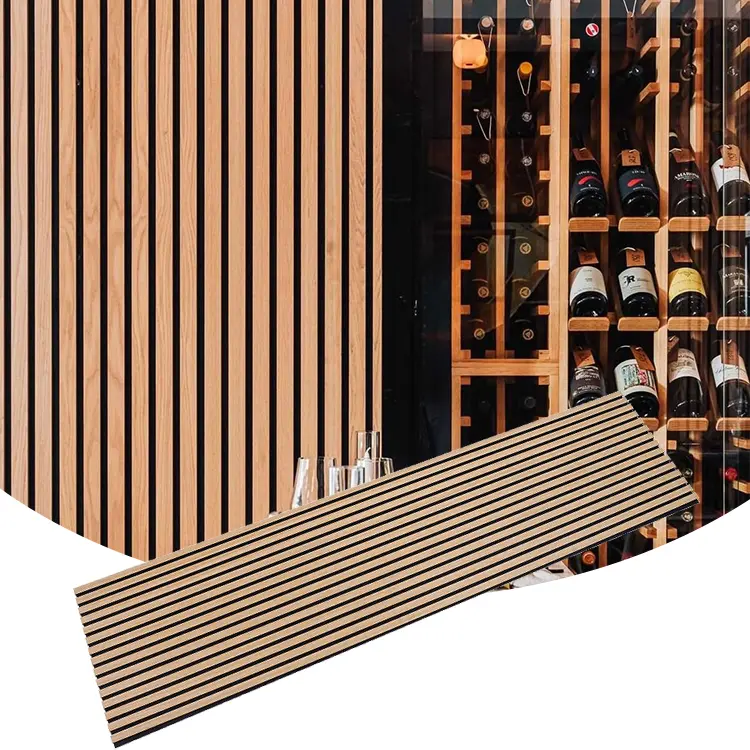
- A visible wooden finish that contributes to aesthetics
- A structural layer that provides stability
- A sound-absorbing backing that enhances acoustic performance
What makes them unique is the way these layers work together to both diffuse and absorb sound.
Additionally, their natural appearance allows them to blend seamlessly into different interior styles, from contemporary offices to upscale hospitality settings.
How Wooden Panels Control Sound
The effectiveness of wooden acoustic panels comes from their ability to address sound behavior in multiple ways.
- Breaking Sound Reflections
Flat surfaces tend to reflect sound directly back into the room. Wooden panels with slats or perforations disrupt this process, scattering sound waves in different directions.
- Absorbing Sound Energy
Behind the wooden surface, acoustic materials capture sound waves and reduce their intensity. This helps minimize echo and reverberation.
- Balancing Sound Frequencies
These panels are particularly efficient at controlling mid-range and high-frequency sounds, which are common in speech and everyday noise.
By combining these functions, wooden acoustic panels create a more controlled and pleasant acoustic environment.
Key Benefits for Designers and Developers
Improved Sound Clarity
One of the most noticeable advantages is the improvement in sound clarity. Conversations become easier to understand, and background noise is significantly reduced.
This is especially valuable in spaces such as meeting rooms, classrooms, and public venues.
Integration with Interior Design
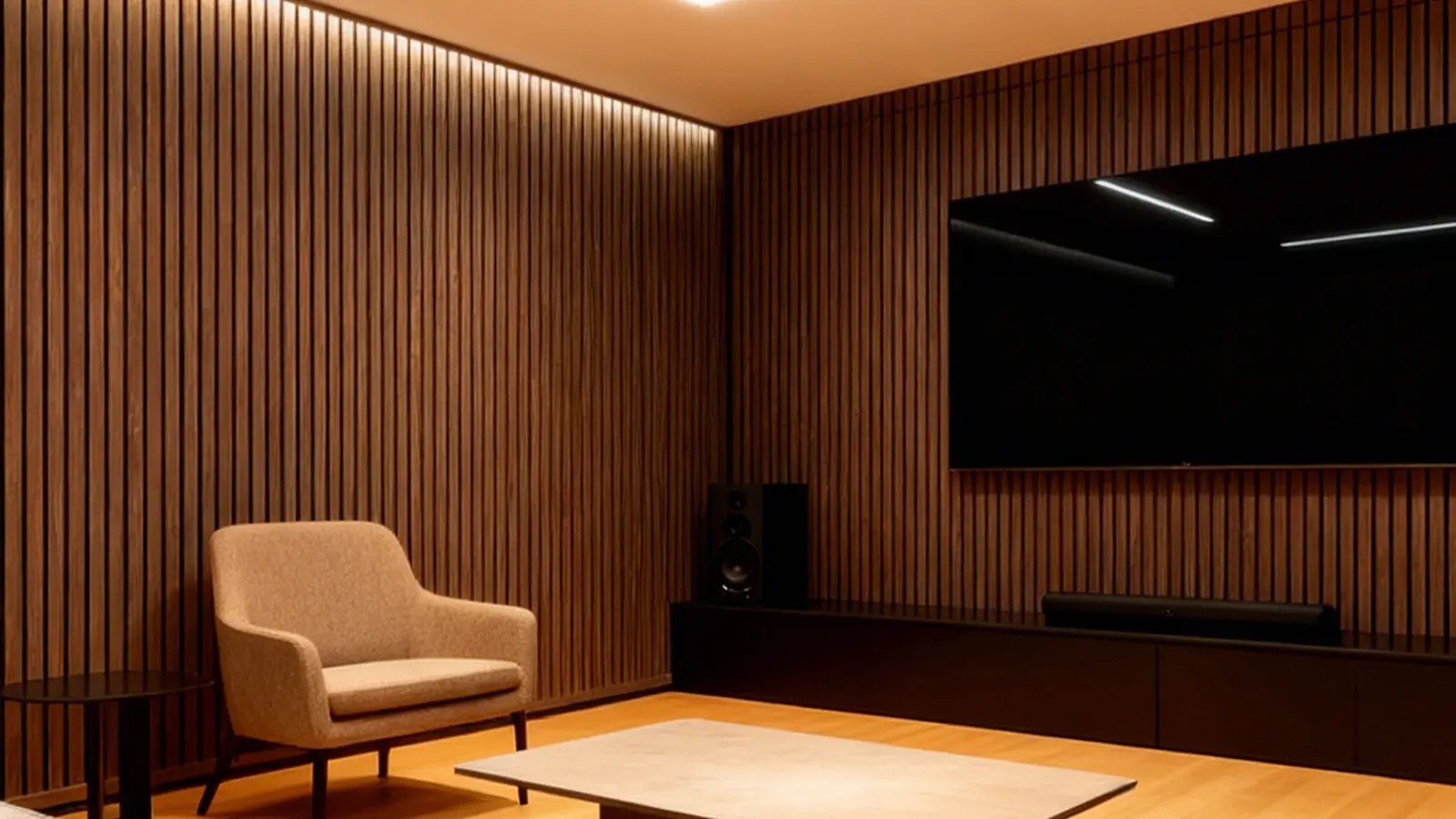
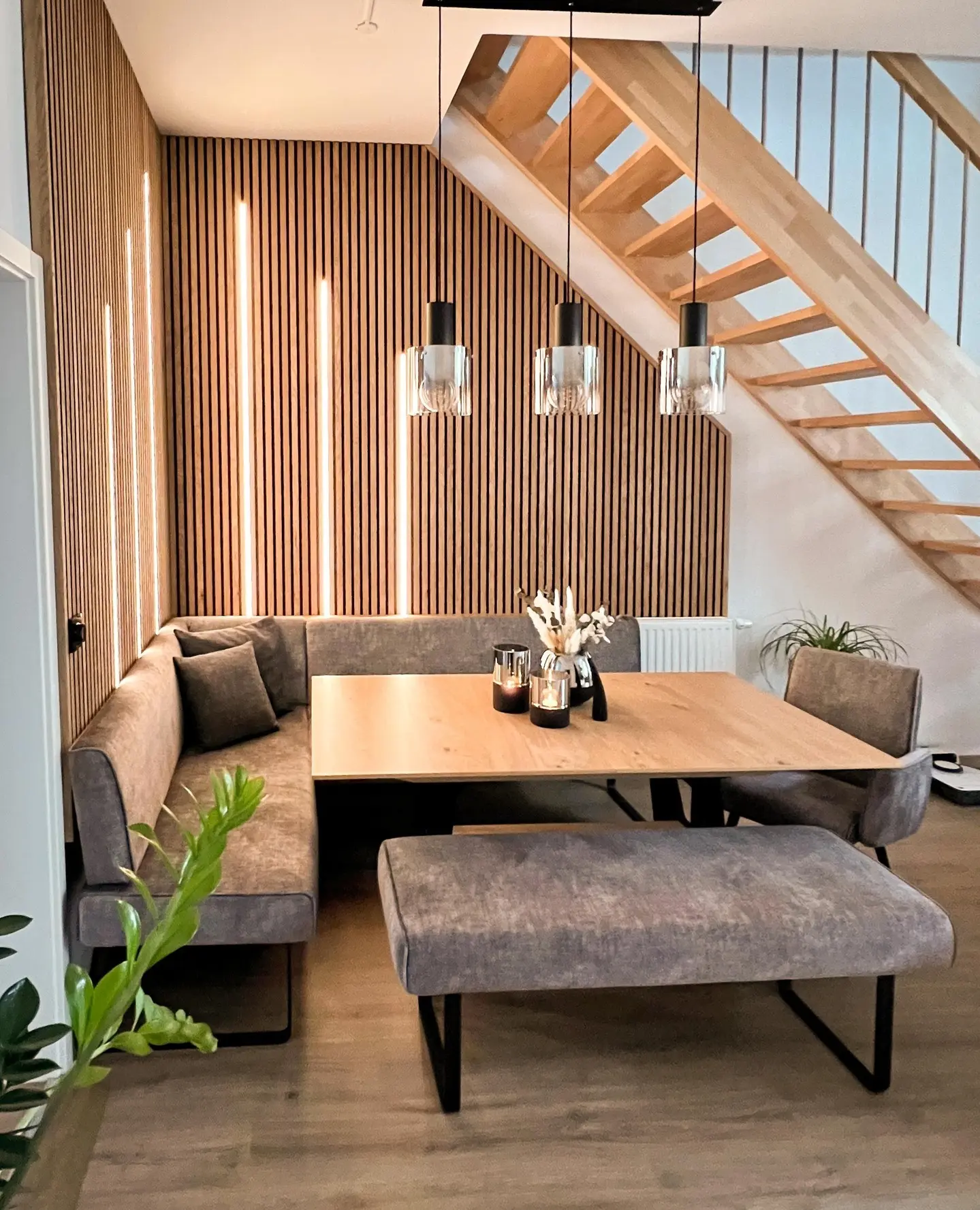
Unlike many acoustic solutions that prioritize function over form, wooden panels offer strong visual appeal.
They can be used to:
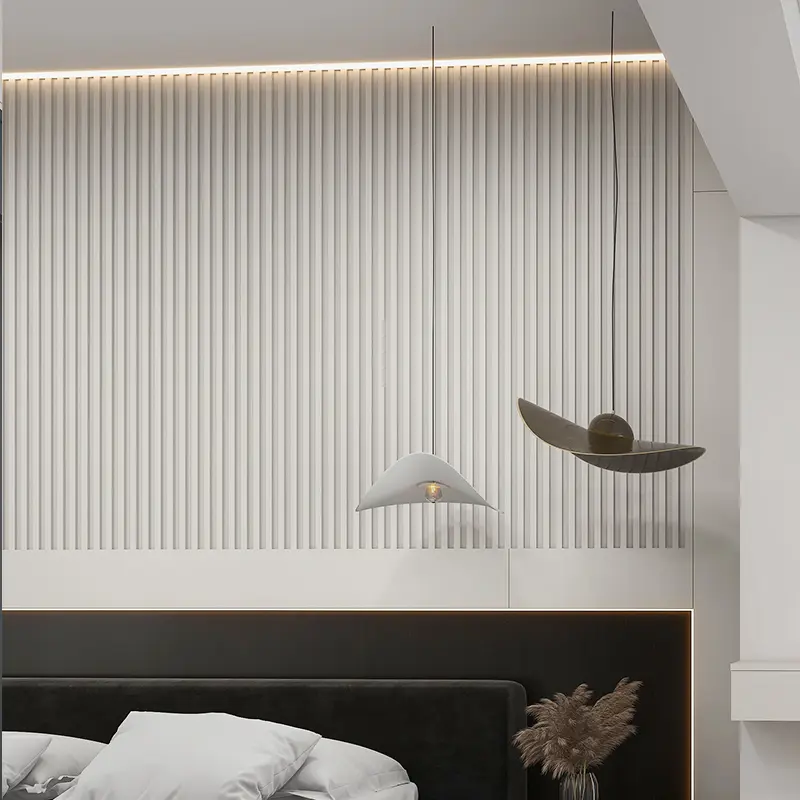
- Create feature walls
- Add texture and depth to interiors
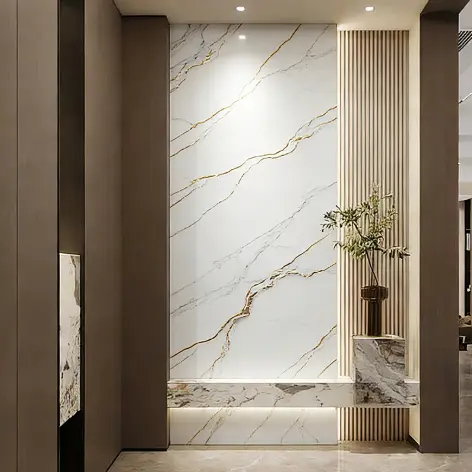
- Complement existing materials such as metal, glass, and fabric
This makes them a practical choice for projects where design quality is a priority.
Adaptability to Different Design Concepts
Wooden acoustic panels can be tailored to fit various design requirements.
They are available in:
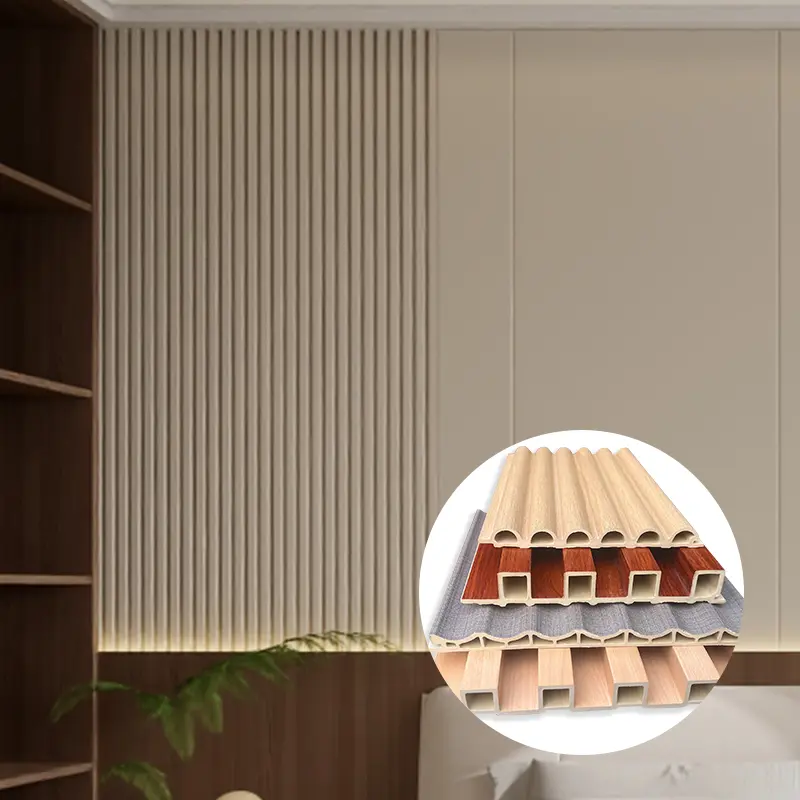
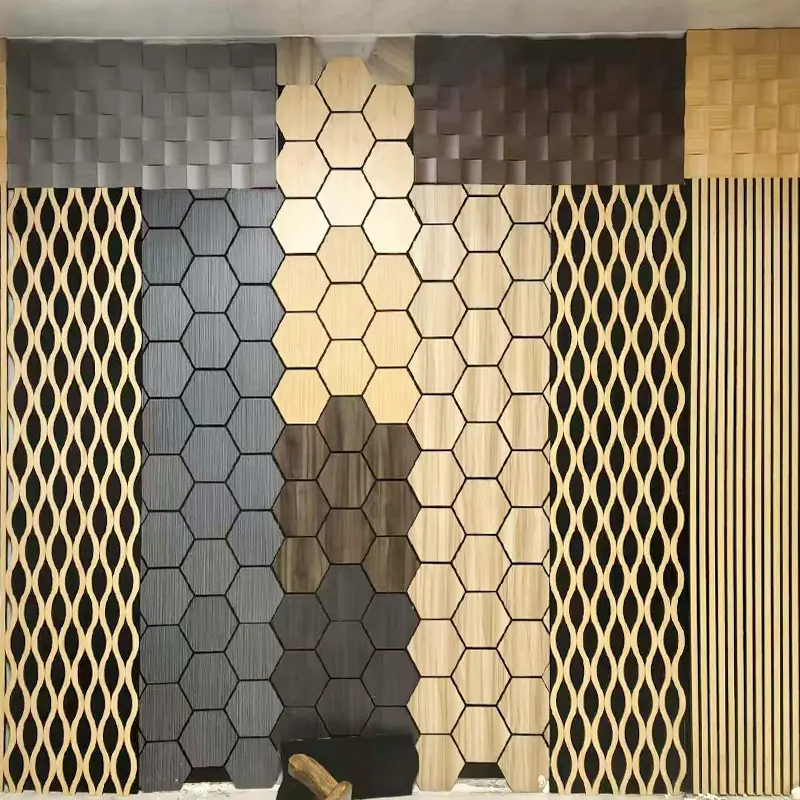
- Different patterns and configurations
- Multiple finishes and color tones
- Custom dimensions
This adaptability allows designers to achieve both aesthetic and functional goals without compromise.
Sustainable Building Material
As sustainability becomes a key consideration in construction, wood-based materials offer several advantages.
These include:
- Renewable sourcing
- Lower environmental impact compared to synthetic alternatives
- Compatibility with eco-conscious design strategies
For projects aiming to meet environmental standards, wooden panels can be a suitable option.
Efficient Installation and Handling
From a construction perspective, ease of installation is an important factor.
Wooden acoustic panels are typically designed for straightforward installation, often using modular systems that fit standard frameworks.
This helps reduce:
- Installation time
- Labor costs
- On-site complexity
For large projects, these efficiencies can make a significant difference.
Common Use Cases in Real Projects
Wooden acoustic panels are used across a wide range of industries due to their versatility.
Corporate Environments
They help manage noise in open-plan offices, improving concentration and productivity.
Hospitality Spaces
Restaurants and hotels use them to create a more comfortable atmosphere for guests.
Cultural and Public Buildings
Auditoriums, galleries, and libraries benefit from improved sound quality and reduced noise levels.
Residential Projects
Homeowners use them in entertainment rooms and living spaces to enhance comfort and acoustics.
The quality of a space is not determined by visuals alone. Sound plays an equally important role.
Poor acoustics can lead to:
- Discomfort and fatigue
- Miscommunication
- Reduced efficiency
By improving sound conditions, wooden acoustic panels contribute to a better overall experience for users.
In workplaces, this often leads to improved productivity, while in hospitality settings, it enhances customer satisfaction.
In many projects, especially commercial ones, safety requirements must be carefully considered.
Wooden acoustic panels can be manufactured to meet fire safety standards through the use of treated materials and specialized cores.
This ensures compliance with building regulations and allows them to be used in a variety of environments.
When selecting materials, cost is always an important factor.
While wooden acoustic panels may have a higher initial cost compared to basic wall finishes, they offer long-term value through:
- Reduced need for additional acoustic solutions
- Minimal maintenance requirements
- Long service life
For developers and contractors, this makes them a cost-effective investment over time.
Customization for Different Markets
Another advantage is the ability to customize panels according to project needs.
Manufacturers can adjust:
- Panel size and thickness
- Surface design and spacing
- Acoustic performance levels
- Finishes and colors
This flexibility is particularly useful for distributors and project developers working in different markets.
Emerging Directions in Acoustic Solutions
The demand for better acoustic environments continues to grow, driven by urbanization and changing work patterns.
Future developments in wooden acoustic panels may include:
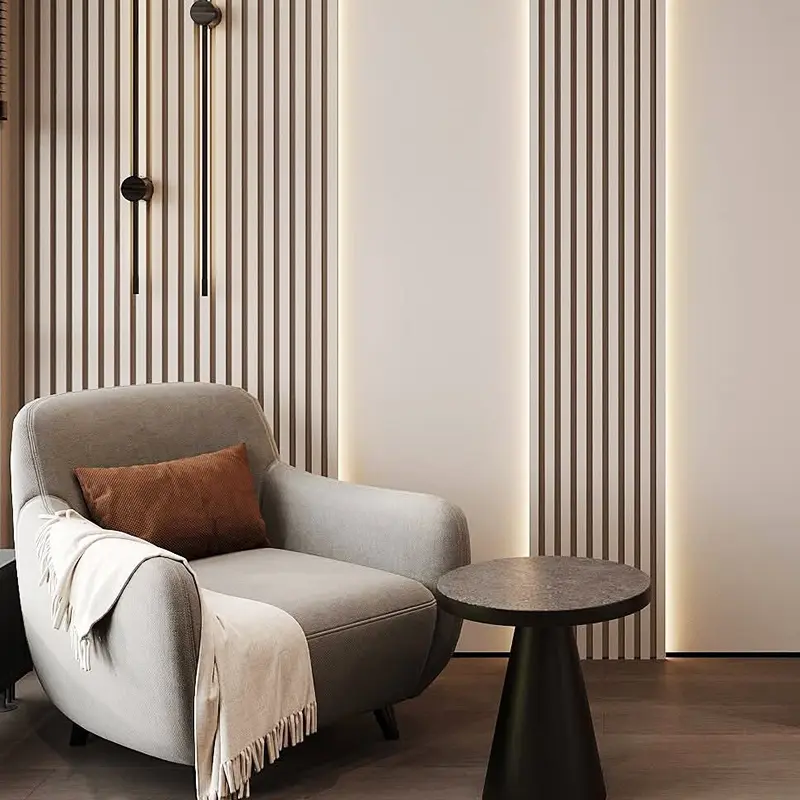
- Integration with lighting and smart systems
- Improved performance through advanced materials
- Greater focus on sustainability and recyclability
- More modular and adaptable designs
These trends indicate that acoustic panels will continue to evolve alongside modern architecture.
Wooden acoustic panels provide a practical and visually appealing solution for managing sound in interior spaces. Their ability to reduce noise, improve clarity, and enhance design makes them a valuable addition to many types of projects.
For architects, designers, and developers, they offer a reliable way to balance functionality with aesthetics. As the importance of acoustic comfort continues to grow, these panels are likely to remain a key element in interior design.