
Can PU Stone Wall Panels Be Used Outdoors? A Complete Guide for Exterior Applications
Table of Contents
- Introduction
- What Makes PU Stone Panels Suitable for Outdoor Use?
- Important Factors to Consider Before Outdoor Installation
- Sealing and Long-Term Maintenance
- Design Considerations for Outdoor PU Stone Panels
- Are PU Stone Panels Suitable for DIY Outdoor Projects?
- Compliance with Building Regulations
- Final Thoughts
In recent years, PU stone wall panelshave gained strong popularity in both residential and commercial construction projects. Known for their realistic stone appearance, lightweight structure, and easy installation, these panels are widely used for interior decoration. However, many builders, designers, and homeowners are now asking a critical question: Are PU stone Wall Panels suitable for outdoor use?
The short answer is yes — PU stone panels can be installed outdoors, but only when the right product type, installation method, and environmental conditions are considered. This article provides a comprehensive guide to outdoor PU stone panel applications, including material performance, installation requirements, design considerations, and long-term maintenance.
2. What Makes PU Stone Panels Suitable for Outdoor Use?
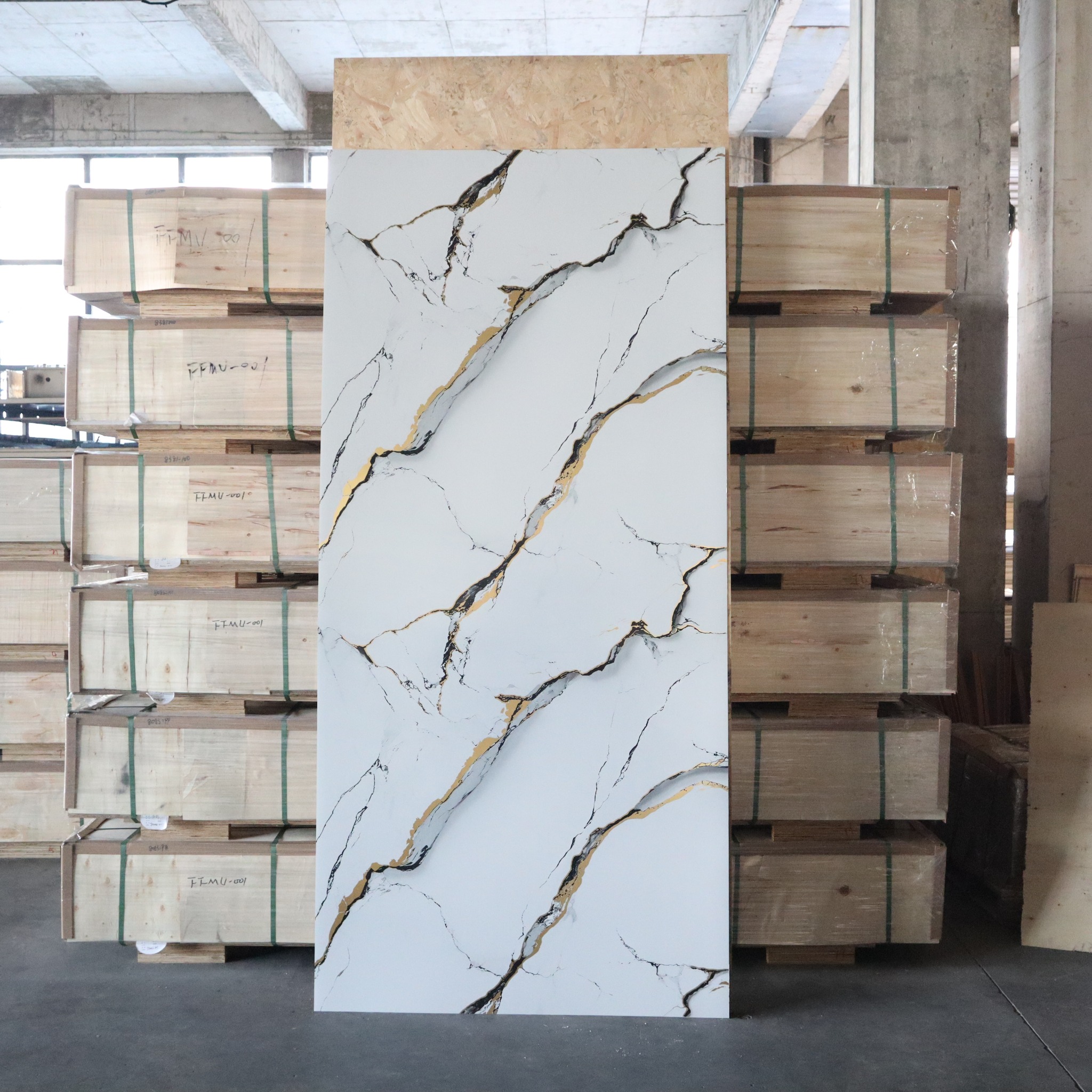
PU (polyurethane) stone panels are engineered decorative wall materials designed to replicate the appearance of natural stone. For outdoor applications, manufacturers typically enhance these panels with additional protective features.
Key characteristics of exterior-grade PU stone panels include:
- UV-resistant surface coatings to prevent fading
- Moisture-resistant closed-cell structure
- Improved density for impact resistance
- Protective top layers to withstand temperature variations
When designed specifically for exterior use, PU stone panels can handle exposure to sunlight, rainfall, wind, and seasonal temperature changes without significant degradation.
3. Important Factors to Consider Before Outdoor Installation
Installing PU stone wall panels outdoors requires careful planning. Below are essential factors to ensure durability and long-term performance.
3.1 Climate and Weather Exposure
Different climates place different demands on exterior wall materials. Before choosing PU stone panels, evaluate:
- Average annual temperature range
- Sun exposure intensity
- Rainfall frequency
- Humidity levels
- Freeze-thaw cycles (if applicable)
In regions with strong sunlight, UV protection is critical. In humid or rainy areas, water resistance and drainage design become more important.
Always confirm that the panels are certified or recommended by the manufacturer for exterior environments.
3.2 Surface Preparation and Substrate Requirements
A stable and well-prepared base is essential for outdoor PU stone panel installation.
The substrate should be:
- Structurally solid
- Clean and dust-free
- Flat and level
- Suitable for exterior construction
Common substrates include concrete walls, cement boards, masonry, and exterior-grade plywood. Uneven or unstable surfaces can compromise adhesion and lead to long-term problems.
3.3 Waterproofing and Drainage Design
While PU stone panels themselves are water-resistant, proper waterproofing behind the panels is crucial.
Recommended practices include:
- Installing a waterproof membrane behind the panels
- Ensuring proper flashing around edges and corners
- Allowing ventilation gaps for moisture escape
- Designing drainage paths to prevent trapped water
Good airflow and drainage prevent moisture accumulation, which helps protect the wall structure and extends panel lifespan.
3.4 Allowance for Thermal Expansion
Outdoor temperatures fluctuate significantly, causing materials to expand and contract. PU stone panels are no exception.
To prevent deformation or cracking:
- Leave expansion gaps between panels
- Avoid overly rigid installations
- Follow spacing recommendations from the manufacturer
Proper joint design ensures the panels can move naturally without stress damage.
3.5 Fixing and Installation Methods
Exterior installations require stronger fixing systems than indoor applications.
Common methods include:
- High-strength exterior construction adhesives
- Mechanical fasteners for added security
- Combination systems in high-wind areas
Always use adhesives and fasteners designed for outdoor use. Follow the manufacturer’s installation guide closely to ensure optimal performance.
4. Sealing and Long-Term Maintenance
Although PU stone panels are low-maintenance, outdoor installations benefit from additional surface protection.
Applying a weather-resistant sealant can:
- Enhance UV resistance
- Improve water repellency
- Extend color stability
- Reduce surface wear
Routine maintenance includes occasional cleaning with mild detergent and visual inspection for damage or loose panels.
5. Design Considerations for Outdoor PU Stone Panels
Choosing the right panel style is just as important as proper installation.
5.1 Matching Architectural Style
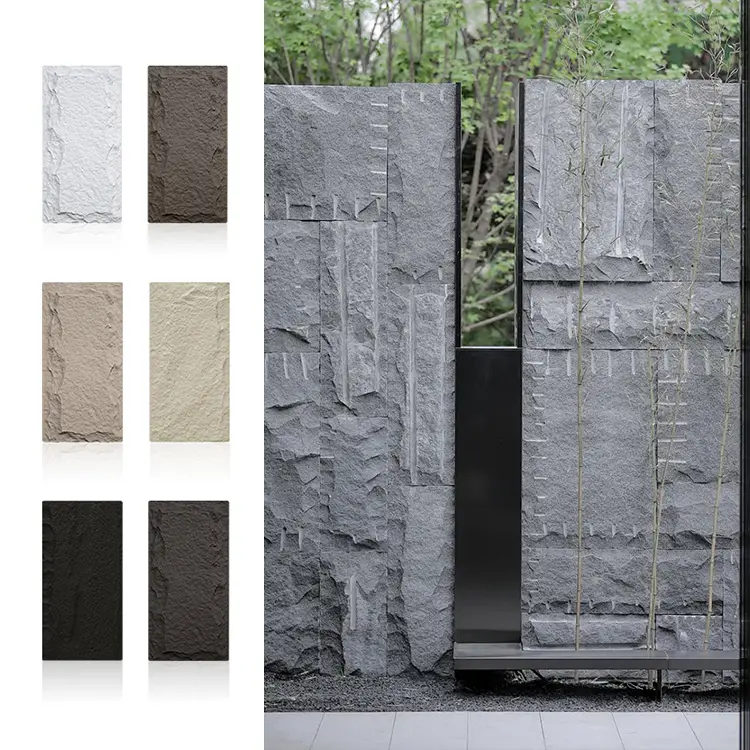
PU stone panels come in a wide variety of designs, such as:
- Stacked stone
- Rough-cut stone
- Brick-style stone
- Cobblestone textures
Traditional buildings often pair well with rustic or natural stone patterns, while modern architecture benefits from clean, linear stone designs.
5.2 Scale and Proportion
Panel size and stone pattern scale should match the wall area:
- Large walls work well with bold, larger stone patterns
- Smaller accent walls benefit from finer textures
Maintaining proper proportion improves visual balance and overall aesthetics.
5.3 Color Selection for Outdoor Spaces
Outdoor lighting conditions can change how colors appear. Neutral tones such as gray, beige, and earth colors tend to perform well across different environments.
Consider surrounding elements like landscaping, roofing, and neighboring structures when selecting panel colors.
6. Are PU Stone Panels Suitable for DIY Outdoor Projects?
Many exterior PU stone panel projects can be handled by DIY installers, especially for small-scale applications such as garden walls, outdoor kitchens, or feature facades.
Reasons they are DIY-friendly include:
- Lightweight panels that are easy to handle
- Simple cutting with standard tools
- Adhesive-based installation
- No mortar or grout required
- Factory-finished surfaces
However, for large exterior walls or commercial buildings, professional installation is recommended to ensure proper waterproofing, alignment, and safety compliance.
7. Compliance with Building Regulations
Before installation, always check local building codes and exterior cladding regulations. Some regions have specific requirements related to:
- Fire resistance
- Wind load
- Exterior wall systems
- Commercial building standards
Ensuring compliance avoids legal issues and ensures project safety.
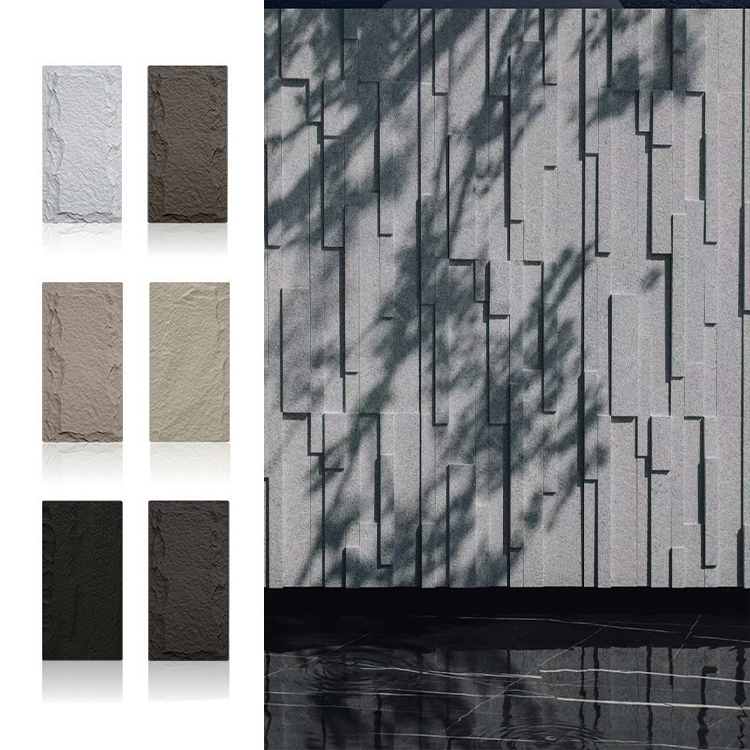
PU stone wall panelsoffer a practical and visually appealing solution for outdoor Wall Decoration when installed correctly. With the right product selection, proper surface preparation, and attention to weather-related factors, these panels can provide long-lasting beauty and performance.
By following best practices and manufacturer guidelines, PU stone panels can transform exterior spaces with the appearance of natural stone — without the weight, cost, or installation complexity.