
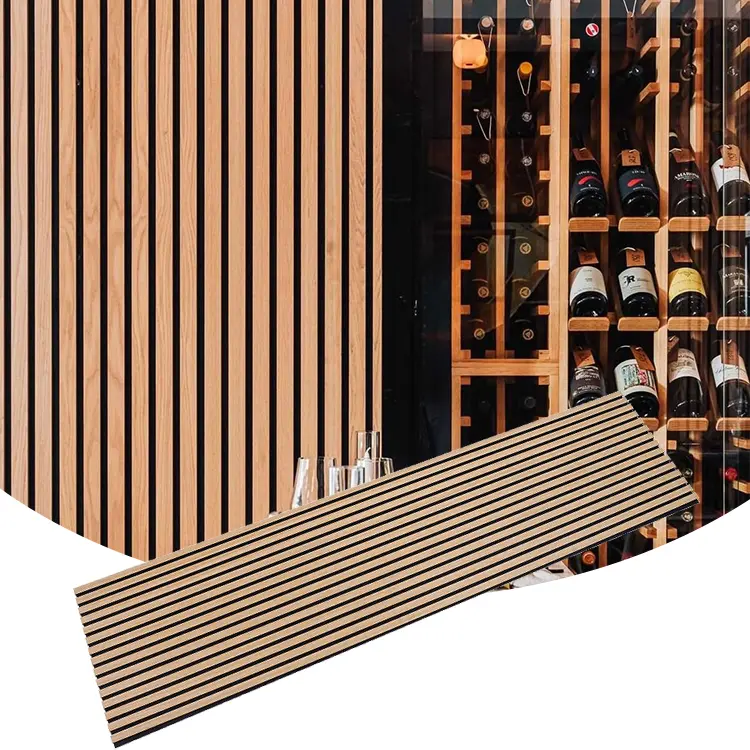
Understanding the Quality of WPC Wall Panels: A Comprehensive Guide
Table of Contents
- Introduction: Factors That Define WPC Wall Panel Quality
- Core Components of WPC Wall Panels
- Wood or Bamboo Fiber: Building Strength and Texture
- PVC Resin: The Matrix for Waterproofing and Stability
- Calcium Carbonate: Enhancing Processability and Strength
- Stabilizers: Preserving Performance During Extrusion
- Lubricants: Ensuring Smooth Production
- Pigments and Advanced Additives
- Formulation Differences Across Panel Types
- Material Quality Control in Manufacturing
- How Buyers Can Assess Supplier Materials
- Conclusion
Introduction: Factors That Define Wpc Wall Panel Quality
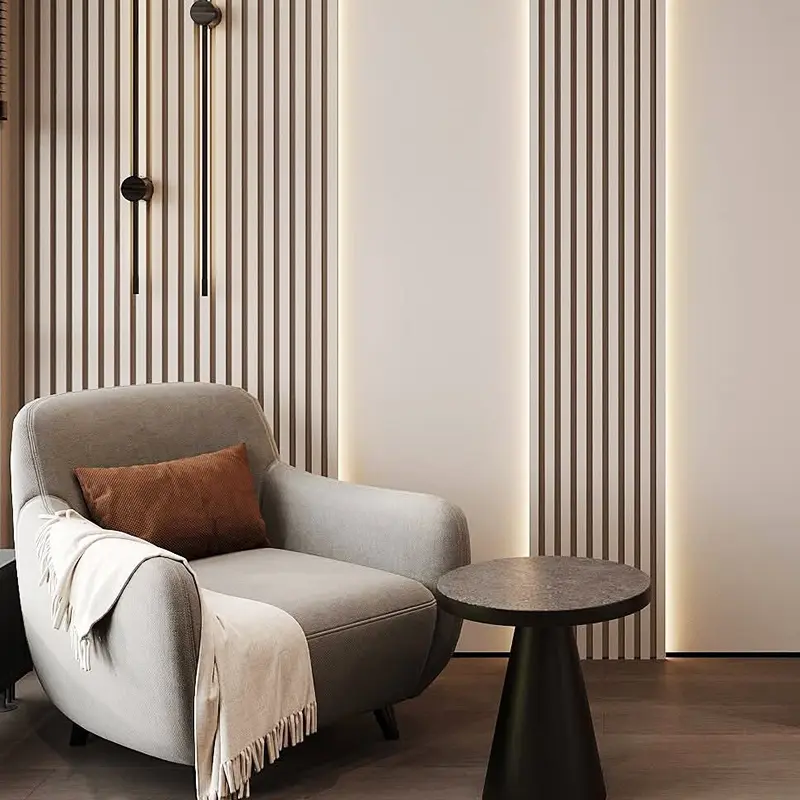
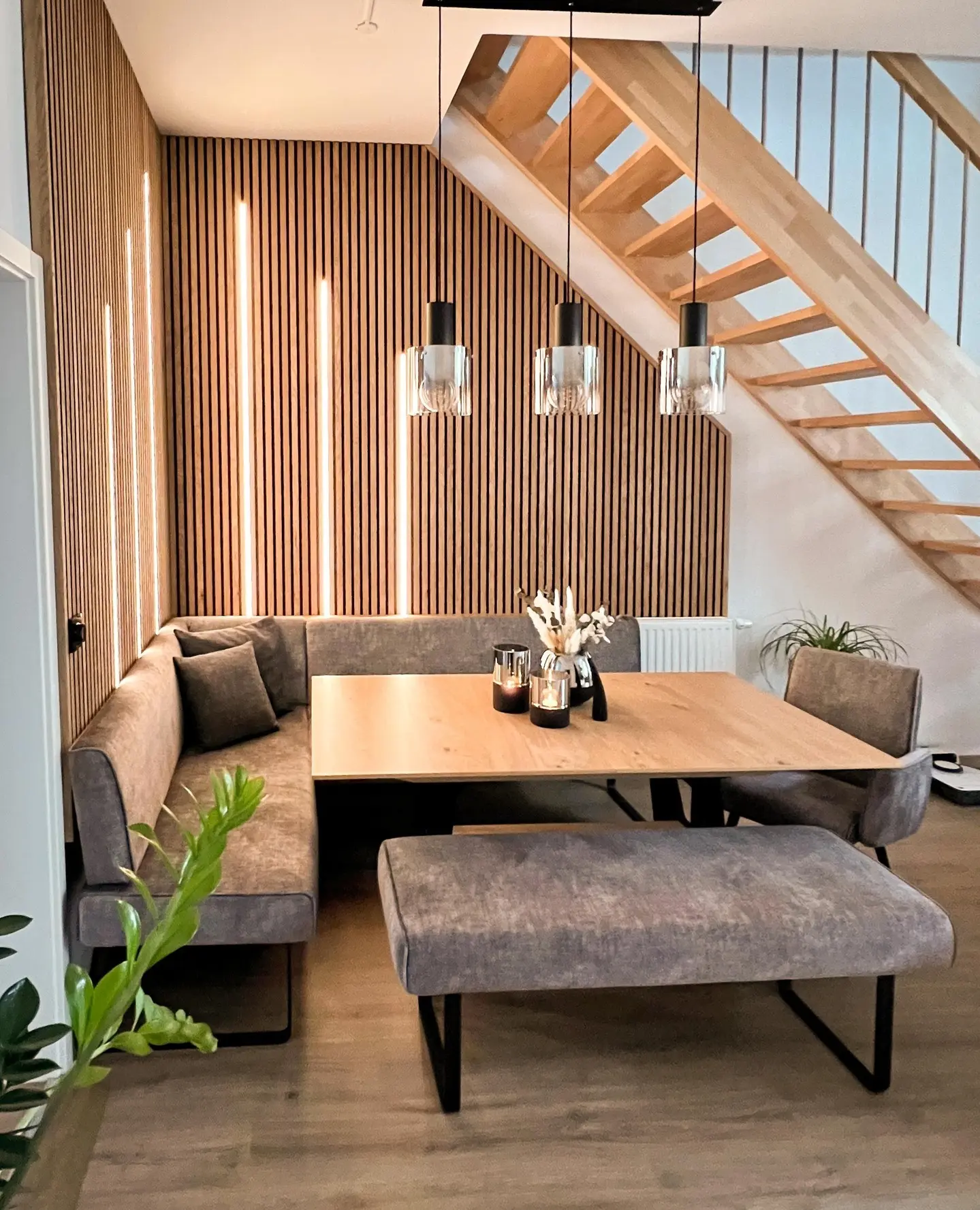
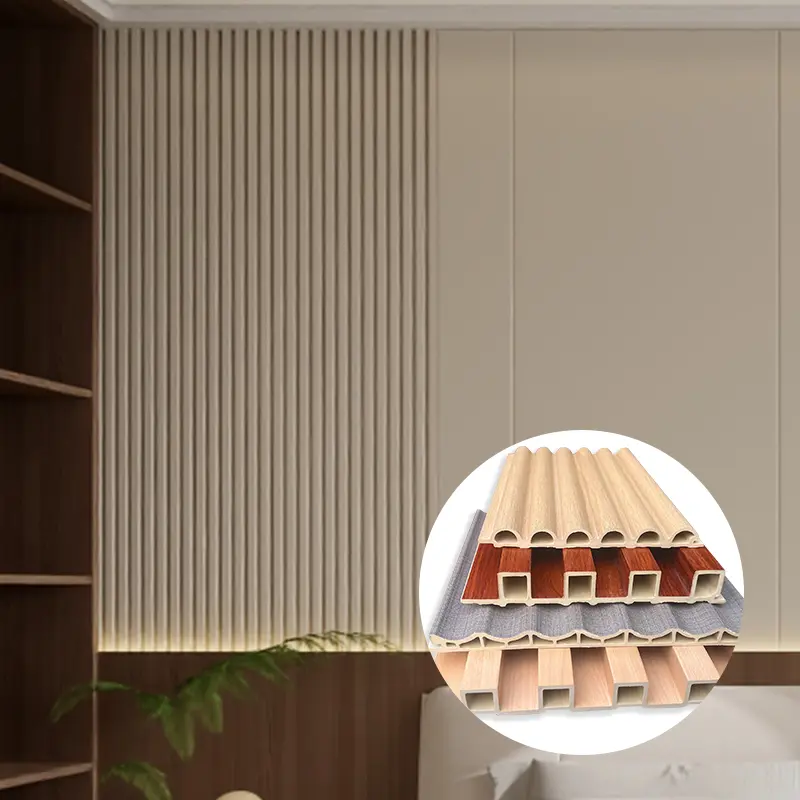
Wood–plastic composite (WPC) wall panelshave gained significant popularity for interior design projects due to their durability, water resistance, and natural appearance. They are widely applied in residential buildings, hotels, offices, restaurants, and commercial complexes. Despite their growing use, many buyers are unaware that not all WPC Wall Panels are manufactured to the same quality standards.
Though panels may appear similar visually, variations in the composition of raw materials can lead to major differences in structural strength, longevity, and performance. Key aspects influenced by material quality include:
- Mechanical strength and rigidity
- Resistance to fading and discoloration
- Fire safety compliance
- Environmental sustainability
- Installation reliability
For buyers sourcing WPC panels internationally, particularly from China, understanding material formulations can prevent the purchase of substandard products, reduce installation issues, and avoid costly post-sale problems. This article examines the essential raw materials in WPC wall panels and highlights how each component affects performance.
Core Components of WPC Wall Panels
WPC wall panels combine natural fibers with thermoplastics, along with additives that enhance stability, durability, and appearance. The main components include:
- Wood or Bamboo Fiber
- PVC Resin
- Calcium Carbonate (CaCO₃)
- Stabilizers
- Lubricants
- Pigments and Specialty Additives
Each ingredient must be precisely proportioned to ensure the panel performs reliably over time.
Wood or Bamboo Fiber: Building Strength and Texture
Role in Panel Performance
The wood or bamboo component provides the foundation for a panel’s strength. It contributes to:
- Structural stiffness
- Reduced thermal expansion
- Natural aesthetic texture
- Improved screw retention
- Resistance to warping and deformation
Wood fiber typically comes from sawdust, bamboo residues, or other biomass sources. It is finely milled to optimize blending with plastics.
Fiber Quality Levels
- Premium fiber: Clean, uniform, dried, and consistent in color
- Mixed-grade fiber: Contains minor impurities, slightly affecting performance
- Recycled fiber: Derived from wood scraps or dust, which can compromise panel stability
Maintaining fiber moisture below 2% is critical; higher moisture levels during extrusion can produce bubbles, cracks, and weak internal structures.
PVC Resin: The Matrix for Waterproofing and Stability
Why PVC is Preferred
For interior wall applications, PVC resin is widely used due to its:
- Excellent water resistance
- Dimensional stability
- Higher fire-retardant properties than PE or PP
- Strong adhesion to wood fibers
- Ease of thermoforming
While PE-based composites are suitable for outdoor decking, PVC remains the top choice for indoor WPC wall panels.
PVC Grades and Implications
- Virgin PVC: High-quality, odorless, and ideal for premium panels
- Flexible or mixed PVC: Cost-effective but less stable
- Recycled PVC: Reduces cost but may warp or discolor after installation
Proportioning
Typical WPC wall panels use 25–35% PVC resin, balancing flexibility with structural integrity.
Calcium Carbonate: Enhancing Processability and Strength
Benefits
Calcium carbonate (CaCO₃) is included to modify density, improve extrusion, and support surface finish. It also contributes to:
- Hardness
- Cost efficiency
- UV resistance
- Smooth surface quality
Grades of CaCO₃
- Ultra-fine 1500 mesh: Optimal for high-end decorative finishes
- 900–1000 mesh: Common in mid-tier panels
- 300–400 mesh: Found in budget panels
Risks of Excess CaCO₃
Too much CaCO₃ makes panels brittle, reduces impact resistance, and shortens lifespan. Premium panels generally keep CaCO₃ below 25% for optimal durability.
Stabilizers: Preserving Performance During Extrusion
Thermal stabilizers prevent PVC from degrading under heat, ensuring long-term color and structural integrity.
Types of Stabilizers
- Calcium-Zinc (Ca-Zn): Environmentally compliant, widely used
- Organic stabilizers: Premium choice for superior durability
- Metal-based stabilizers: Often applied in low-cost panels
The stabilizer system affects panel resistance to yellowing and discoloration over time.
Lubricants: Ensuring Smooth Production
Lubricants are essential for consistent extrusion. They reduce friction between materials, protect machinery, and help achieve uniform density and surface quality.
Functions of Lubricants
- Improve melt flow during extrusion
- Produce smooth surfaces
- Reduce wear on production equipment
- Prevent material buildup
High-quality factories often use composite lubricants for internal and external lubrication balance.
Pigments and Advanced Additives
Color and Appearance
Color masterbatches provide consistency and must endure:
- High extrusion temperatures
- UV exposure
- Cleaning and maintenance chemicals
Functional Additives
- Fire retardants
- UV stabilizers
- Anti-microbial agents
- Impact modifiers
- Anti-oxidants
These additives extend panel longevity and enhance performance in challenging environments.
Formulation Differences Across Panel Types
Different applications require different material ratios. Typical formulations include:
| Panel Type | Wood Fiber | PVC | CaCO₃ | Additives |
| Standard Wall Panels | 50% | 30% | 15% | 5% |
| Premium Fluted Panels | 55–60% | 25–30% | 10% | 5% |
| Outdoor Composite | 60–70% | 15–20% | 5% | 10% |
| Low-Cost Panels | 30–35% | 15–20% | 40–50% | 5% |
Budget panels often appear similar to premium versions but typically fail quickly under real-world conditions.
Material Quality Control in Manufacturing
Reliable WPC manufacturers adopt rigorous quality control practices:
- Raw Material Verification
- Consistent wood fiber suppliers
- Verified PVC resin batches
- High-mesh calcium carbonate
- Certified additives
- Formula Consistency
Stable formulations are maintained across production runs to avoid performance inconsistencies caused by frequent material substitution.
- Production Monitoring
Common quality checks include:
- Density measurement
- Dimensional accuracy
- Thermal expansion analysis
- Color uniformity
- Impact resistance evaluation
Systematic monitoring ensures panels meet specifications consistently.
How Buyers Can Assess Supplier Materials
When evaluating a potential supplier, buyers should request:
- Percentage of wood fiber
- PVC grade and source
- CaCO₃ mesh size
- Eco-friendly stabilizer verification
- Batch-to-batch sample availability
- Third-party quality test reports
A trustworthy supplier will provide transparent and verifiable information.
High-quality WPC wall panels combine carefully balanced raw materials to achieve durability, water resistance, and aesthetic appeal. By understanding the contributions of wood fiber, PVC resin, calcium carbonate, stabilizers, lubricants, and performance additives, buyers and developers can select products that deliver long-term value.
Proper evaluation of formulations, material sourcing, and manufacturing quality ensures reliable installation and reduces the risk of post-sale failures. Knowledgeable buyers who prioritize quality are better equipped to work with reputable suppliers and avoid low-grade panels in large-scale construction projects.