
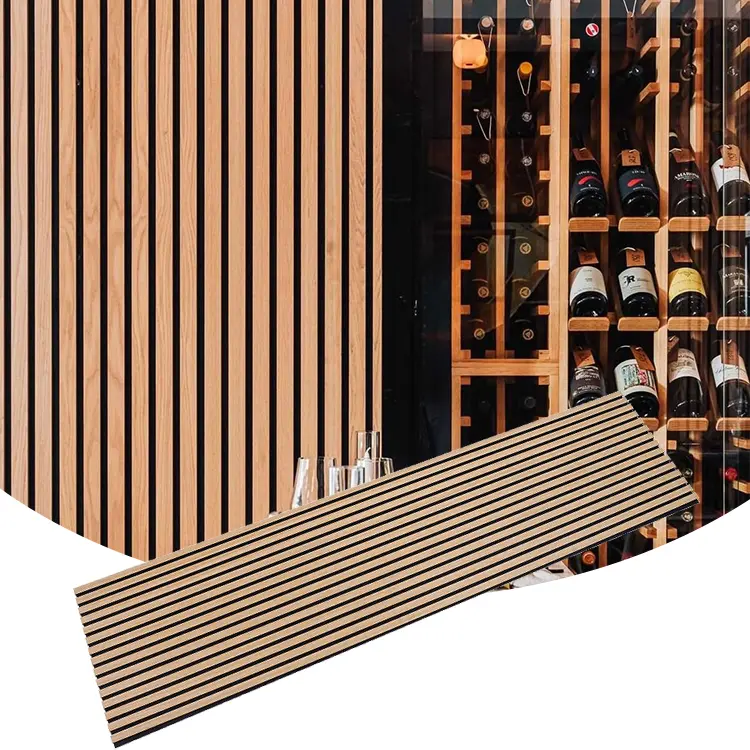
2026 Hotel Lobby Design Trends – From Arrival Space to Revenue Engine
1. Introduction: Why the Hotel Lobby Matters More Than Ever
By 2026, the hotel lobby has become one of the most commercially strategic zones in hospitality architecture. No longer limited to check-in counters and waiting sofas, the lobby now functions as a social connector, brand showroom, digital service hub, and revenue-generating environment. Global hotel operators increasingly view lobby design as a long-term investment that influences guest satisfaction, length of stay in public areas, operational efficiency, and overall brand perception.
Shifts in travel behavior, remote work culture, sustainability regulations, and guest wellness expectations are reshaping how hotel lobbies are designed and built. Design decisions are no longer driven purely by visual impact; they are guided by behavioral psychology, lifecycle cost control, and environmental performance. For international developers, architects, and procurement teams, understanding these emerging directions is essential for future-proof hotel projects.
This article examines the most influential hotel lobby design trends for 2026, with a focus on materials, spatial logic, and operational value. From hybrid public spaces to wellness-centered acoustics and invisible smart systems, these trends reveal how the lobby is evolving into a high-performance hospitality ecosystem.
2. Trend 1: Multi-Use Lobbies as the New Hospitality Core
One of the clearest global shifts is the transformation of the lobby into a multifunctional environment. Modern travelers expect flexibility: a place to work in the morning, socialize in the afternoon, and relax in the evening. As a result, hotel lobbies are increasingly designed as “third spaces” that blur the boundaries between hotel, café, co-working lounge, and community hub.
Design strategies supporting this trend include adaptable furniture systems, movable partitions, and zoning through lighting and materials rather than permanent walls. Seating clusters are arranged to support both individual work and group interaction, while power access and wireless charging are integrated seamlessly into furniture and wall systems.
From a business perspective, hotels adopting hybrid lobby concepts often experience increased food and beverage sales and stronger engagement with local residents. This creates demand for interior materials that can withstand extended daily use without compromising appearance.
Material implications include:
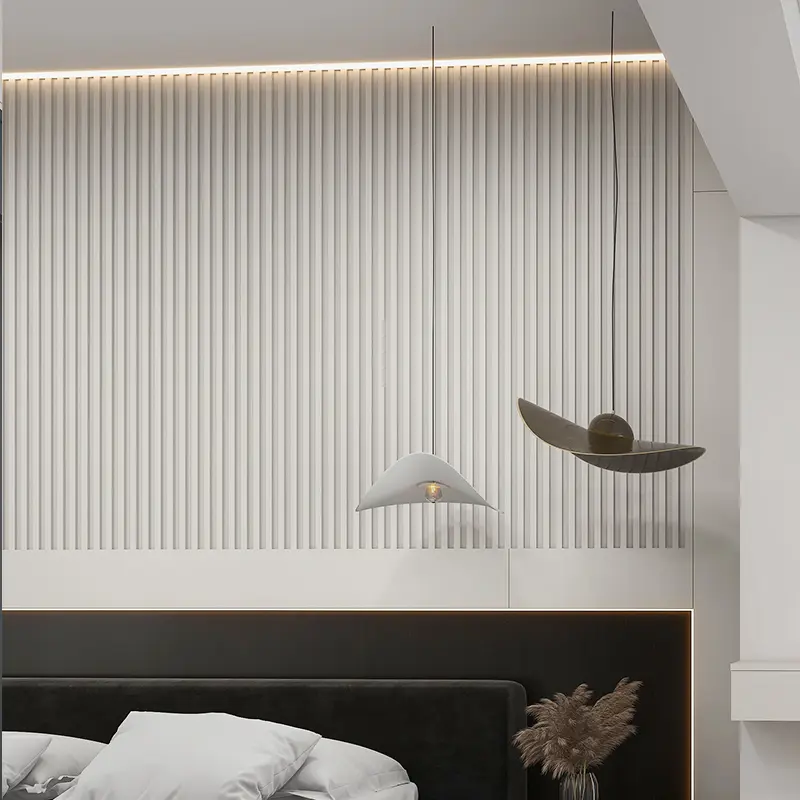
- Impact-resistant decorative Wall Panels
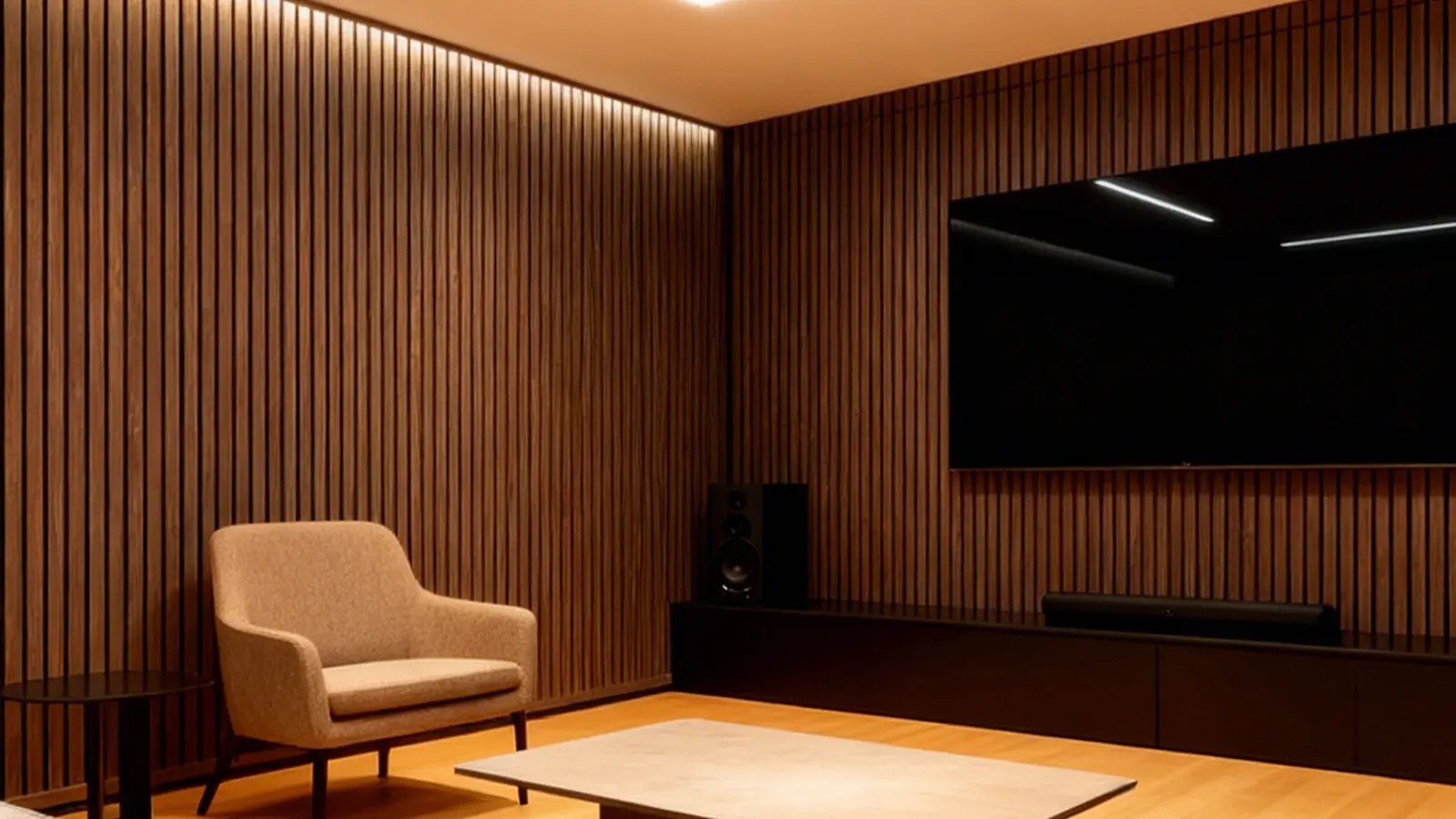
- Acoustic wall systems for mixed-use zones
- Scratch- and stain-resistant flooring and surfaces
For manufacturers such as RUIDE, this trend highlights the importance of producing durable decorative solutions that combine performance with refined aesthetics.
3. Trend 2: Local Identity and Design Authenticity
Uniform global hotel interiors are steadily giving way to spaces that express regional culture and local stories. Guests increasingly value authenticity and want to feel a connection to the destination as soon as they arrive. In response, hotels are embedding local narratives into lobby architecture through materials, textures, artwork, and spatial composition.
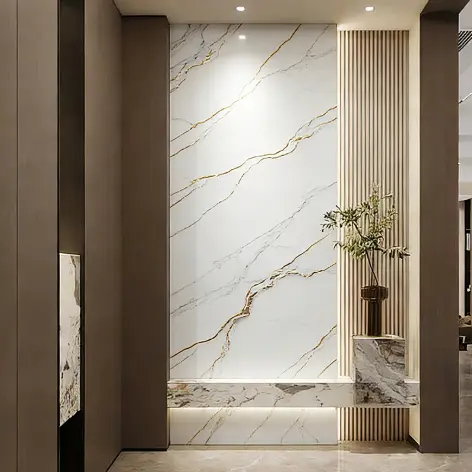
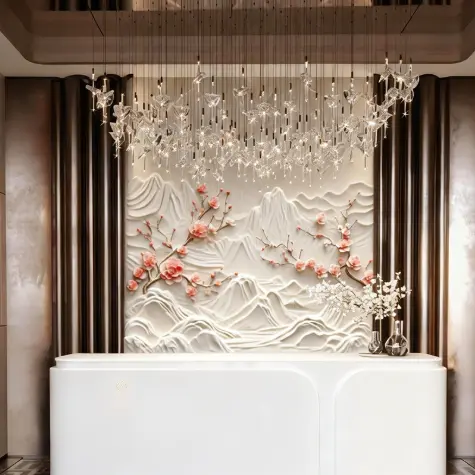
Examples vary by region. Urban hotels in East Asia often integrate minimalist compositions inspired by traditional craftsmanship, while resorts in the Middle East favor geometric patterns and regionally inspired stone textures. European boutique hotels frequently draw on historical references and artisanal finishes to reinforce a sense of place.
This localization movement also aligns with sustainability goals by encouraging regional sourcing and reducing transportation emissions. For global suppliers, success lies not in standardized aesthetics but in customization capability.
Opportunities for international material manufacturers include:
- Custom surface finishes inspired by local materials
- OEM decorative systems adaptable to regional design languages
- Consistent quality control across diverse design applications
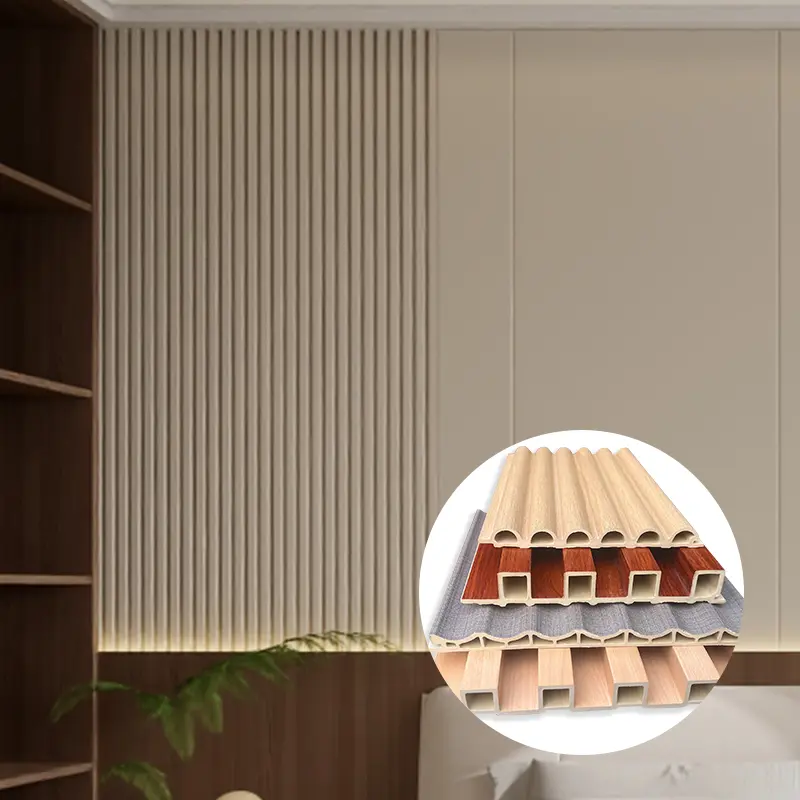
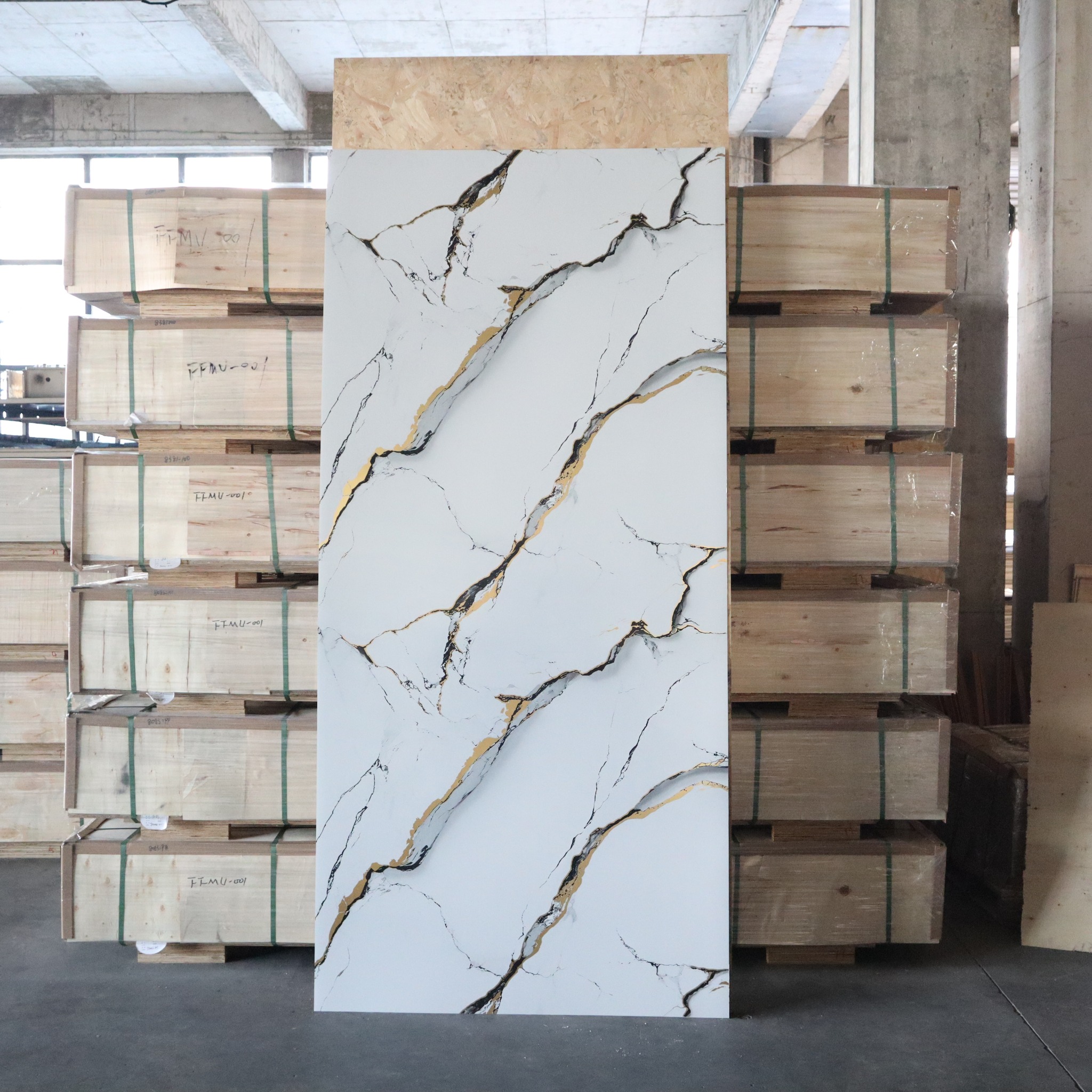
RUIDEsupports this trend by offering customizable Decorative Panels that capture local character while maintaining industrial reliability.
4. Trend 3: Sustainable Materials as a Design Standard
Sustainability in hospitality has evolved from a marketing concept into a technical requirement. By 2026, hotel lobbies are expected to meet strict environmental benchmarks without sacrificing visual quality or durability. Sustainable luxury is now defined by longevity, low emissions, and responsible material sourcing.
Key material priorities include renewable resources, low-VOC finishes, and products designed for long service life. Hotels targeting environmentally conscious travelers increasingly specify materials that support green building certifications and circular design principles.
Aesthetic preferences are also shifting toward natural textures, matte surfaces, and understated color palettes that reflect environmental values. Developers now evaluate materials based on their full lifecycle impact rather than initial cost alone.
Manufacturers serving this market must balance:
- Environmental compliance
- Fire and safety performance
- Maintenance efficiency in high-traffic areas
RUIDE’s decorative wall systems are developed with durability and environmental responsibility in mind, helping hotels reduce replacement frequency and operational waste.
5. Trend 4: Seamless Technology Integration
Technology plays a growing role in hotel lobbies, but its presence is becoming increasingly subtle. The dominant design philosophy for 2026 emphasizes integration without visual clutter. Digital services such as mobile check-in, smart wayfinding, and AI-powered concierge systems are embedded into the environment rather than showcased.
This shift requires close collaboration between designers, engineers, and material suppliers. Wall panels, counters, and decorative surfaces must accommodate sensors, cabling, and digital interfaces while maintaining a clean, cohesive appearance.
As smart building systems evolve, future lobbies may automatically adjust lighting, temperature, and acoustics based on occupancy patterns. Materials compatible with embedded technology will be essential.
6. Trend 5: Wellness-Focused and Neuro-Aesthetic Design
Wellbeing has become a defining factor in hospitality design. Neuro-aesthetic principles, which explore how environments influence emotional and physiological responses, are increasingly applied in lobby spaces. Designers aim to reduce stress and create a sense of calm through form, sound, and material choice.
Soft curves, warm lighting, and low visual noise are replacing rigid geometry and overly complex designs. Acoustic comfort is now considered a luxury feature, particularly in multifunctional lobbies where privacy and concentration are valued.
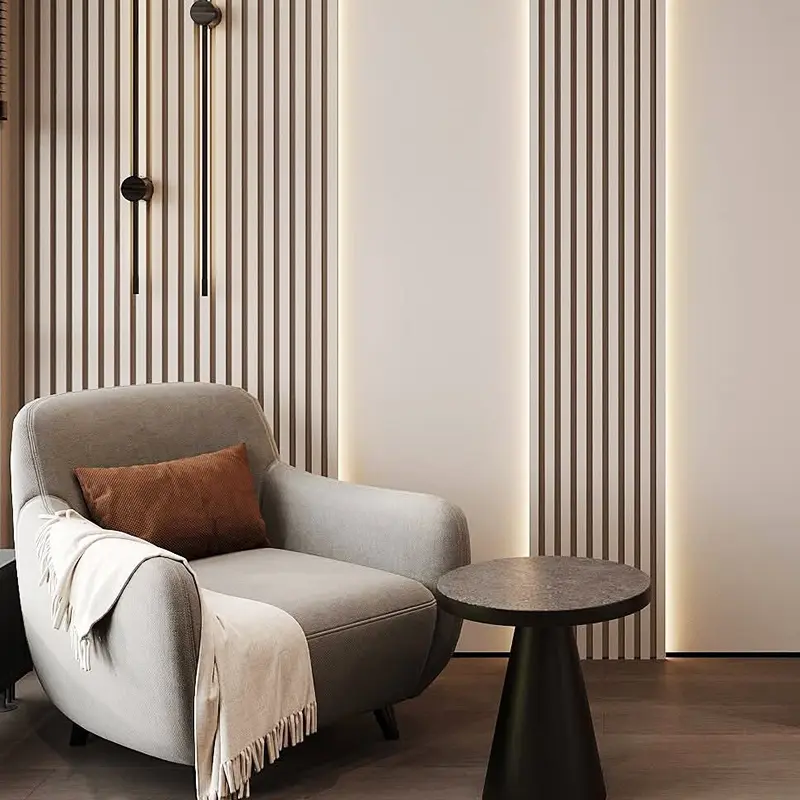
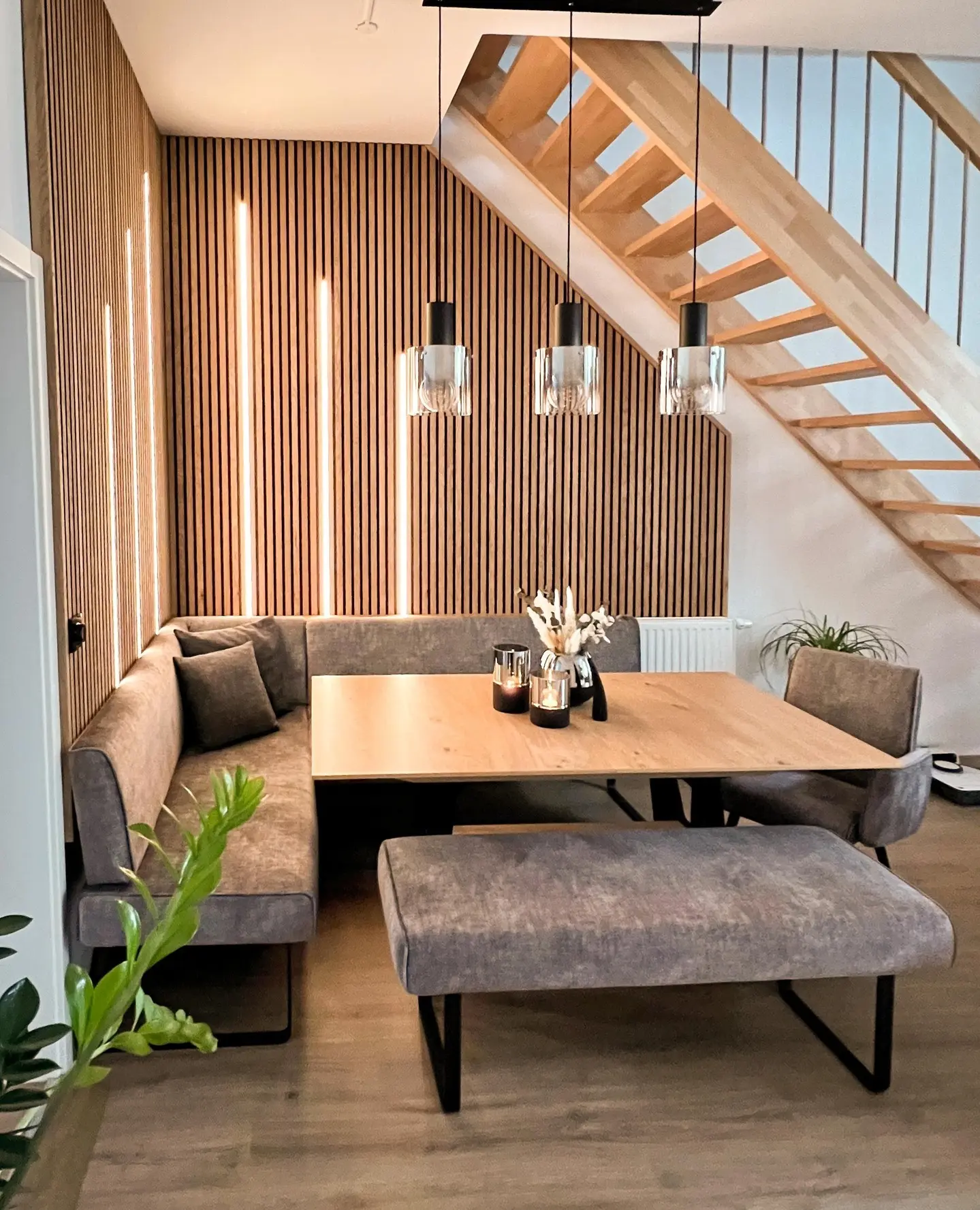
Sound-absorbing materials, upholstered surfaces, and acoustic panels are widely used to manage noise levels and improve overall comfort. For suppliers like RUIDE, acoustic decorative systems represent a fast-growing product category.
7. Trend 6: Advanced Biophilic Integration
Biophilic design continues to mature, moving beyond decorative plants toward architectural integration of natural elements. In 2026, hotel lobbies increasingly feature living walls, indoor gardens, and material palettes inspired by stone, wood, and earth.
Indoor–outdoor continuity is another key aspect, achieved through consistent flooring materials and visual connections to exterior landscapes. These strategies enhance guest wellbeing and encourage longer stays in public areas.
This trend drives demand for decorative materials that replicate natural textures while offering superior durability and maintenance performance.
8. Trend 7: Warm Minimalism and Emotional Design
Minimalist design remains influential, but its expression is becoming warmer and more tactile. Earth tones, natural fabrics, and layered materials create environments that feel both refined and welcoming. Hotels are moving away from stark minimalism toward spaces that prioritize emotional comfort.
This approach supports brand storytelling and helps hotels create memorable first impressions without excessive ornamentation.
9. Trend 8: Durability and Lifecycle Value
Hotel lobbies experience constant foot traffic, making durability a critical consideration. Developers now focus on total lifecycle cost rather than upfront pricing. Materials must resist wear, allow easy maintenance, and support modular repair strategies.
Engineered decorative systems that combine aesthetic consistency with structural performance are increasingly favored in global projects.
10. Conclusion
The 2026 hotel lobby represents a convergence of design, technology, sustainability, and business strategy. Successful projects integrate flexible spatial planning, local identity, wellness-focused design, and long-term operational efficiency.
RUIDE, as a professional decorative material manufacturer, supports international hospitality projects through customizable wall systems, acoustic solutions, and sustainable material options designed for large-scale global applications.